
Lawnmower buying guide: How to choose the best lawnmower for your garden
Discover tips and advice to help you select the right lawnmower for your needs.
Shop all lawnmowers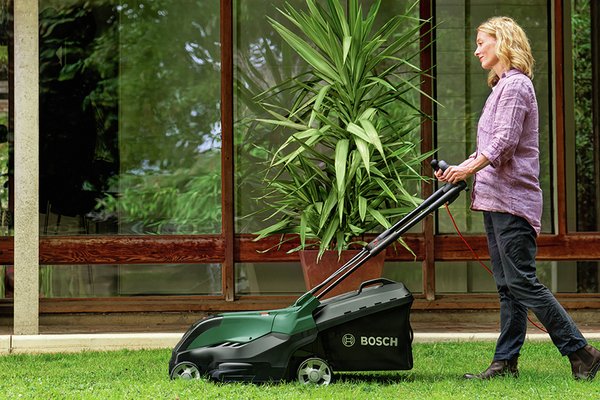&poi={$this.metadata.pointOfInterest.x},{$this.metadata.pointOfInterest.y},{$this.metadata.pointOfInterest.w},{$this.metadata.pointOfInterest.h}&scaleFit={($this.metadata.pointOfInterest.x>0)?$sfpoi:$sfcenter}&sm=aspect&aspect=3:2&sfcenter=center&sfpoi=poi&qlt=50&fmt=auto&noiser=0&fmt.jpeg.interlaced=true&fmt.jp2.qlt=40&)
By Kirsty Hudson | Last edited: July 2026
Which is the best lawnmower for your garden size?
Small strip of grass? Large, open lawn? We'll match you to the right mower for your garden size. Just measure the size of your lawn and refer to these guidelines to pick the best lawnmower for your garden.
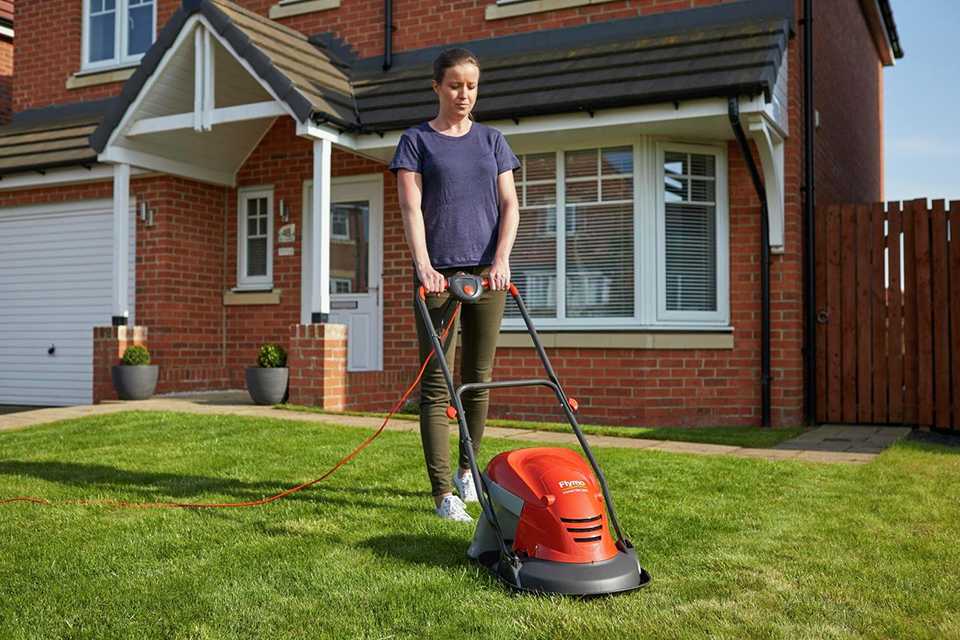
Small gardens: A small lawn measures up to 100 square metres. Compact and corded electric, hover and cylinder mowers work well here, especially if storage space is limited, or your lawn has tighter turns and edges. Lighter rotary mowers are also good if you want a more all-round option.
Medium gardens: A medium sized lawn is around 100 - 250 square metres. Cordless and rotary mowers are a good balance of manoeuvrability and coverage for such areas.
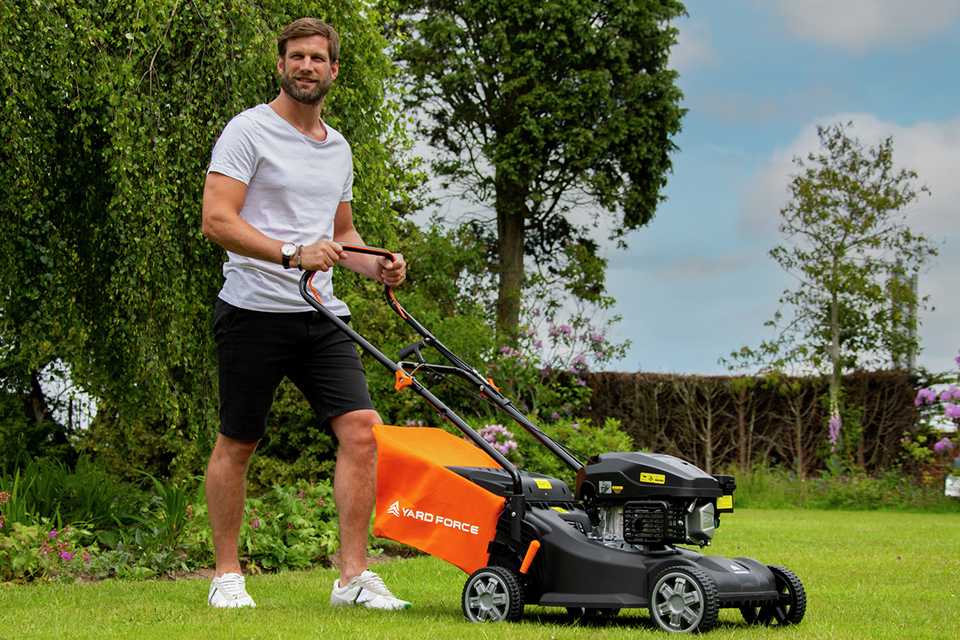
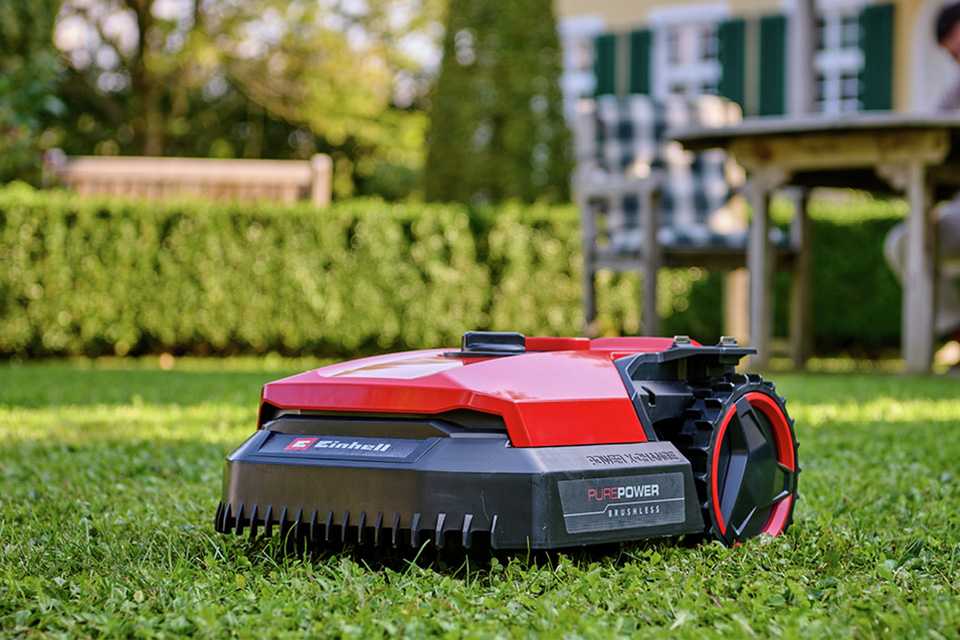
Large gardens: A large lawn is over 250 square metres. Consider petrol, self-propelled, or robotic mowers depending on your layout and how hands-on you want to be. Self-propelled mowers are useful to reduce the effort needed for longer mowing sessions. Go for a wider lawnmower cutting width that'll help cover ground more efficiently, reducing the number of passes needed.
Power options for lawnmowers
The best power type depends on how much freedom, runtime and upkeep you want.
Carousel
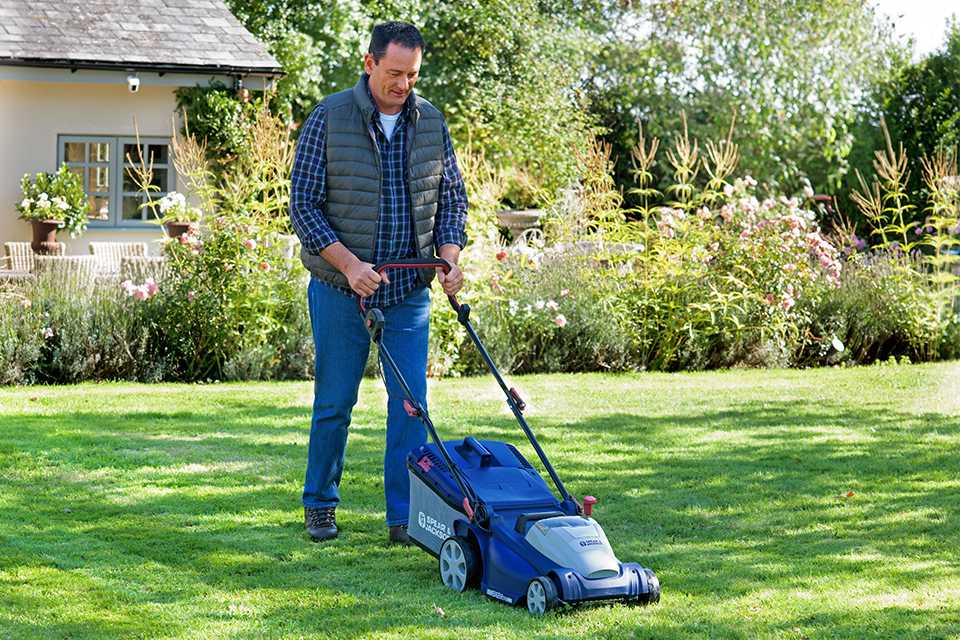
Lawnmower types
Apart from the power source, the way a mower cuts also affects how it handles different lawns.
Carousel
Hand-propelled and self-propelled lawnmowers
What is a hand-propelled or manual lawnmower?
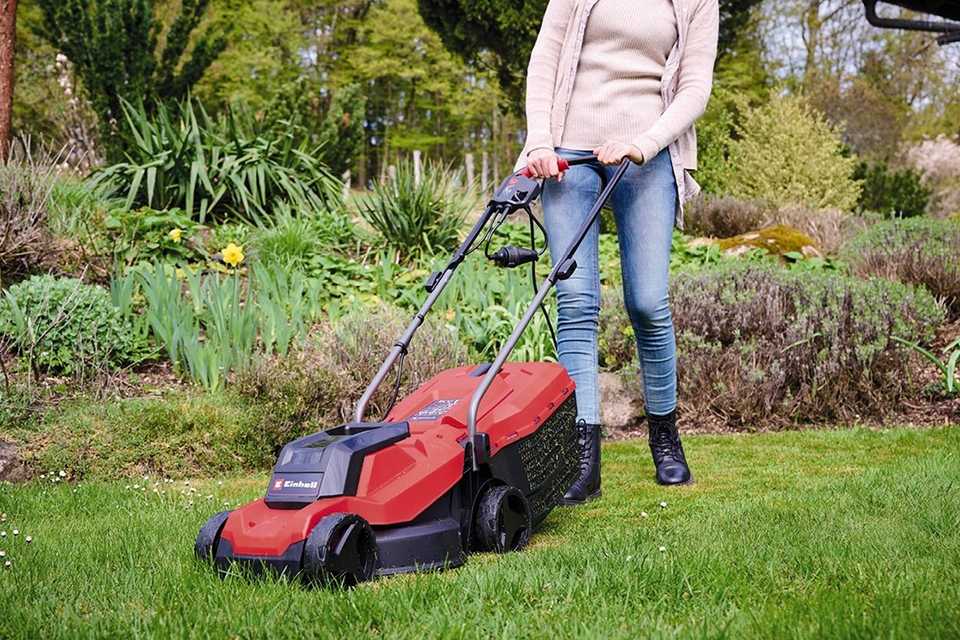
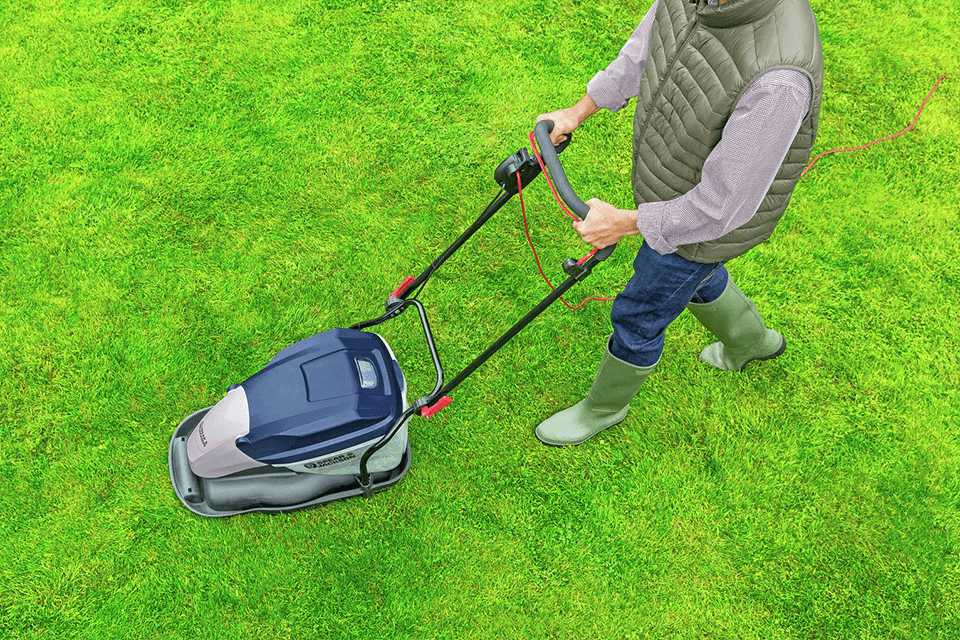
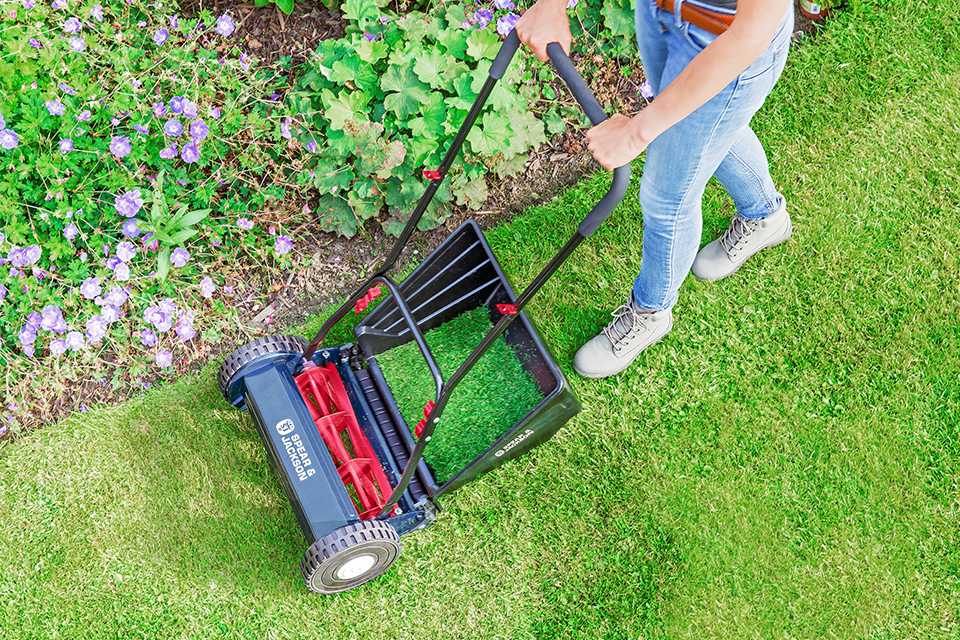
Suitable for smaller lawns and gardens, hand-propelled lawnmowers need to be pushed manually. You have complete control over the speed, starting, and stopping as the engine is built to drive the cutter blade.
What is a self-propelled lawnmower?
If you have a large garden and find pushing a mower difficult, opt for a self-propelled model. These lawnmowers drive themselves forward when you press the handle and can make mowing easier. Some come with a variable speed drive, so you can control the pace of the machine.
Lawnmower features
What to consider when choosing a lawnmower?
If you’re wondering how to choose a lawnmower model, here are some key features to look out for:
- Blade width: Wider blades mean more grass gets cut with each pass.
- Grass combs: These cut right to the edge of your lawn, so there's less need for a separate trimmer.
- Cable length: If your mower has a cable, check if it is long enough to reach all parts of your garden.
- Battery life: A higher voltage (V.) is powerful and runs for more time without interruptions.
- Adjustable heights: This allows you to control how high you cut the grass.
- Adjustable handle: This makes the mower comfortable for your height.
- Grass box volume: A large capacity box will help you avoid emptying over and over again.
- Rear roller: This slightly flattens the grass while you mow and creates lawn stripes.
Shop top-rated lawnmowers
Slider Grid
- Save £60.00£195.00Was
£255.00Free collection or delivery - Save £90.00£170.00Was
£260.00Free collection or delivery - Save £31.00£94.00Was
£125.00Free collection or delivery from £4.95 - Save 25%£172.50Was
£230.00Free collection or delivery





Quick lawnmower guide
Go through our handy guide below to identify which lawnmower suits which garden type best.
| Garden/lawn type | Lawnmower type | Why it works |
|---|---|---|
Small and flat | Cylinder, hover, or compact electric mower | Easier to store and manoeuvre in tight spaces |
Small - medium | Rotary mower | Versatile for everyday mowing and uneven patches |
Medium with no easy cable route | Cordless mower | More freedom to move around without a cord |
Large | Petrol or self-propelled mower | Better match for longer mowing sessions and large areas |
Slopes or awkward shapes | Hover mower | Easier to guide around uneven or tricky areas |
Neat or striped finish | Rear roller mower | Creates visible lawn stripes as you mow |
Less hands-on upkeep | Robotic mower | More automated, routine mowing |
Shop lawnmowers by brand
Carousel


Before buying a lawnmower
A few practical checks before you buy:
Think beyond just lawn size. Be sure to check if your garden has narrow paths, flower bed edges, slopes, or uneven ground, and whether you have somewhere safe to store the mower along with the charger or fuel.
If you’re choosing a corded model, make sure the cable setup will comfortably reach the areas you need to mow. For cordless options, look at the listed runtime and charge time as well as battery compatibility if you already own other garden tools.
Lawn care tips
Need help taking care of your lawn? For seasonal advice on lawn maintenance, including scarifying and repairing bare patches, read our lawn care guide.
Frequently asked questions about lawnmowers
How to decide what lawnmower to buy?
Start with your lawn size, then look at the shape, surface and how much effort you want to put into mowing. Small lawns can suit compact electric, hover or cylinder mowers, while medium gardens often work well with cordless or rotary models. For larger lawns, it may be worth considering petrol, self-propelled or robotic options.
What should I consider before buying a lawnmower?
Think about more than just the size of your lawn. It helps to consider whether the ground is flat or uneven, whether you have slopes, how much storage space you have, and whether a cable would be practical. You may also want to compare cutting width, adjustable heights, grass box size and battery runtime if you are looking at cordless models. These details can make a big difference to how easy the mower feels to use over time.
What is the best type of lawnmower to buy?
The best lawnmower depends on your lawn size, shape, and how much effort you want to put in. Rotary mowers are the most versatile. Cylinder mowers give a very fine cut but need a flat, well-kept lawn. Robotic mowers are ideal if you want low maintenance mowers, while hover mowers work well on slopes and awkward shapes.
Are 4 blade lawnmowers better than 2 blade lawnmowers?
It all depends on your lawn. 2 blade lawnmowers are lightweight and require less maintenance, while 4 blade mowers are powerful but expensive.
What blade cuts grass the best?
A sharp rotary blade gives a clean, reliable cut. Cylinder mower blades give the finest finish but only on flat, well-maintained lawns. Mulching blades are best if you want to recycle clippings back into the soil.
Which lawnmower is best for a small garden?
For a small garden, a compact mower is often the easiest option to handle and store. Depending on the shape and finish you want, that could be a corded electric mower, a hover mower or a cylinder mower. If your lawn has awkward corners or slight slopes, a hover mower may be easier to manoeuvre, and cylinder mowers can suit flatter lawns where a neater finish matters most.
What is the average lifespan of a lawnmower?
The lifespan of a mower will vary based on the type, how often it is used, how it is stored, and how well it is maintained. Clean, sharp blades and regular checks can help a mower keep working well for longer.
How long does a cordless lawnmower battery last?
Lawnmower battery life varies by model, battery size, and how demanding the mowing conditions are, so there is no single answer. What matters most is whether the battery capacity matches your lawn size and how much grass you usually cut in one go. Be sure to check runtime details, recharge time, and whether spare batteries are available.
What is the difference between a rotary and cylinder lawnmower?
A rotary lawnmower uses a horizontal blade and is a more versatile option as it can cope with a wider range of grass lengths and lawn conditions. Meanwhile, a cylinder lawnmower uses a rotating barrel of blades, and can be used for a finer, neater finish on flatter lawns.
Is a hover lawnmower good for uneven ground?
A hover mower can work well on uneven ground and slopes because it moves on a cushion of air and is designed to be easy to manoeuvre. It is especially worth considering if your garden has tricky corners or changes in level rather than a large flat open lawn.