

Car seat guide
From car seat sizes to legal regulations and more, learn everything you need to know before picking the best car seat for your little one.
Shop all car seats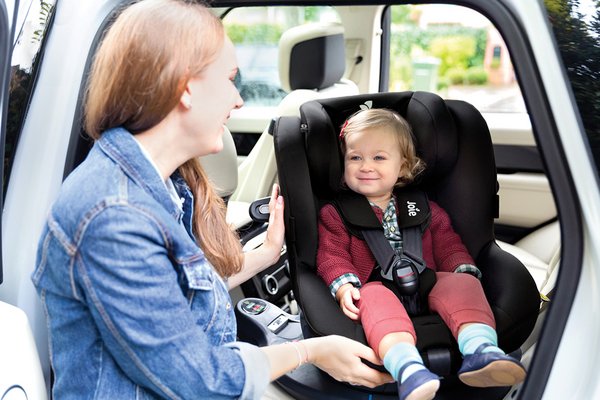&poi={$this.metadata.pointOfInterest.x},{$this.metadata.pointOfInterest.y},{$this.metadata.pointOfInterest.w},{$this.metadata.pointOfInterest.h}&scaleFit={($this.metadata.pointOfInterest.x>0)?$sfpoi:$sfcenter}&sm=aspect&aspect=3:2&sfcenter=center&sfpoi=poi&qlt=50&fmt=auto&noiser=0&fmt.jpeg.interlaced=true&fmt.jp2.qlt=40&)
By Zara Flynn | Last edited: September 2026
Taking your child out and about in the car should be a safe, easy and enjoyable experience. But with so much information out there, and so many things to consider, choosing a car seat can be confusing. In this car seat guide, we’ll try to explain the latest regulations to make them easier to understand, highlight any further features that you and your child may benefit from, and ultimately help you find the right car seat for your child (and your car).
Car seat regulations
As per the latest R129 regulation, you must choose a car seat based on your child’s height. R129 car seats also include i-Size seats that provide enhanced safety.
What are the legal requirements for car seats?
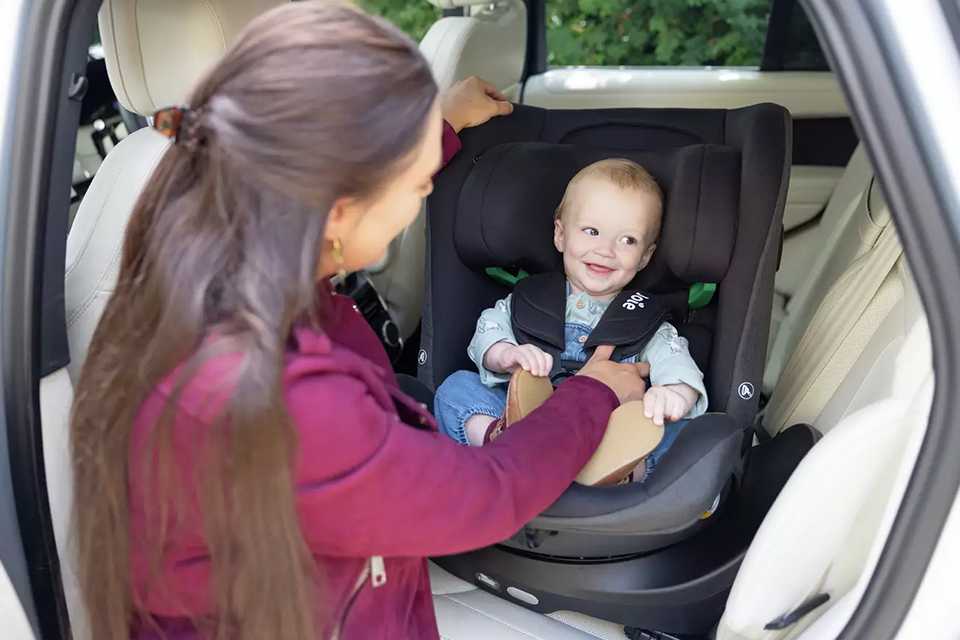
- By law, children in the UK need to be in their own car seat from birth until they are 135cm tall or 12 years old, whichever comes first.
- Height-based R129 seats must be rear-facing until your little one is over 15 months old. Rear-facing travel is safer for babies and young children as it helps to protect their heads and necks more than forward-facing.
- Explore car seat laws in the UKopens in new tab
How to fit a car seat
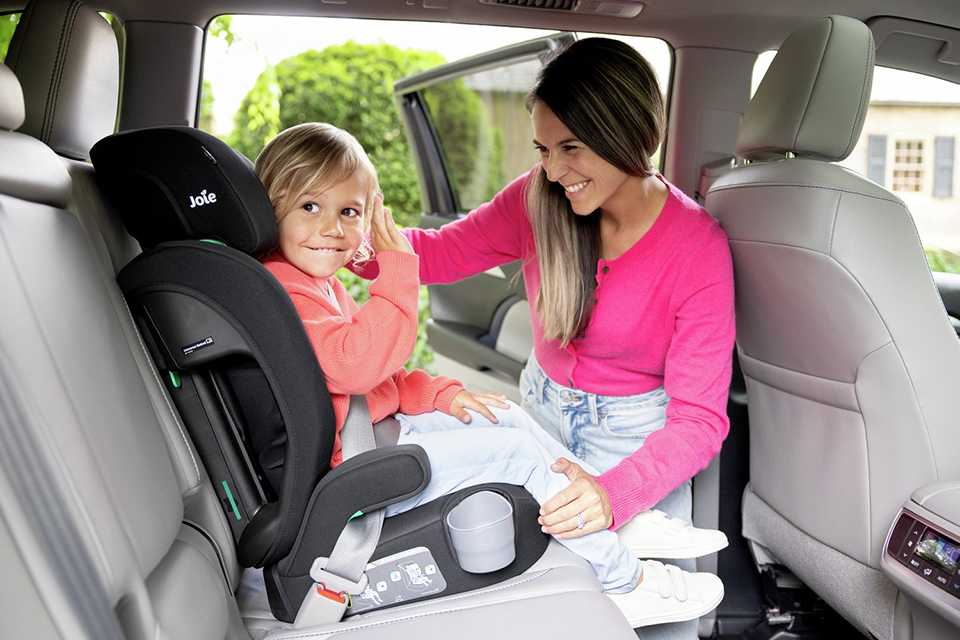
Fitting a car seat properly is very important for your child's safety. Here are some key things to keep in mind:
- There are two ways to install or fit a car seat depending on how they are specifically designed: either by using the car’s lap and diagonal seat belt, or by using your car’s built-in ISOFIX anchor points. Not all cars have ISOFIX so you will need to check with your car’s manufacturer.
- Keep in mind, it's illegal to use a rear-facing car seat in the front passenger seat if there is an active airbag. It's also very dangerous even if it's a forward-facing car seat, so it’s always best to keep children in the back seat if possible.
- If you have to use a forward-facing car seat in the front passenger seat, try to move the passenger seat as far back as it can go.
- Discover advice for fitting a car seatopens in new tab
Understanding ISOFIX, R129 & i-Size car seats (last updated: May, 2026)
We'll simplify the latest regulation and what it means for you here.

R129 & i-Size car seats
R129 is the European Regulation for car seats which came into force in the UK in 2013. These seats go by the child's height, instead of their weight. Because of this, R129 seats allow your child to be rear-facing for longer and offer more protection if your car is involved in a collision.
Some R129 car seats are also known as i-Size seats which means that they have been developed to work with the ISOFIX system. R129 and i-Size car seats have many benefits such as being easier to install.
Not all R129 seats are i-Size, so check carefully. Look for the i-Size icon on your car’s rear seats and on your child’s car seat to see if they are compatible.
- Shop i-Size car seats
Carousel
What is ISOFIX?
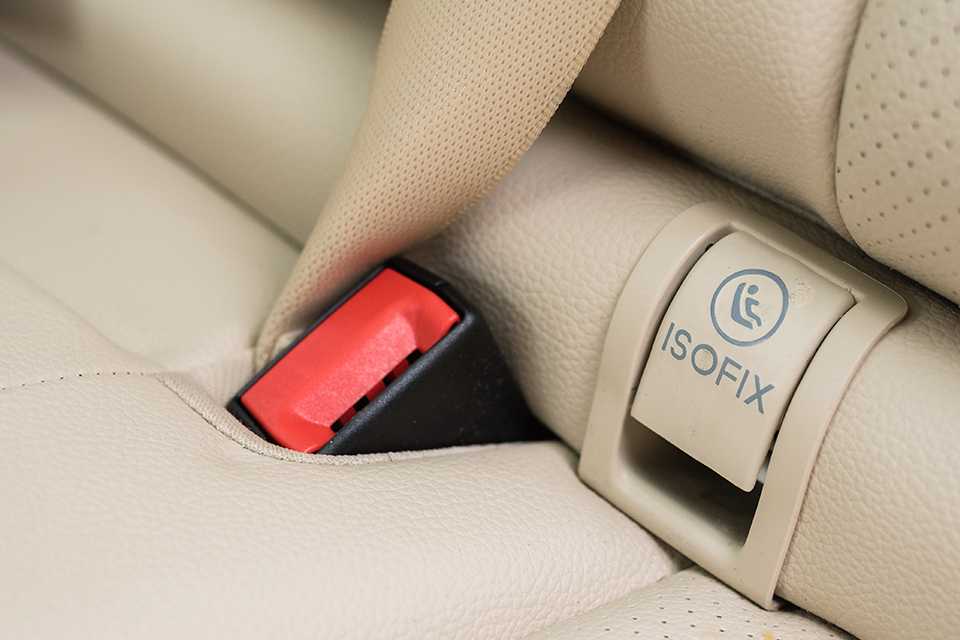
Many of our car seats are compatible with ISOFIX, which is designed to make fitting a car seat safer and easier, with less risk of incorrect installation.
ISOFIX uses two anchoring points built into the base of your car's seats. An ISOFIX compatible car seat has two bars that connect onto these points.
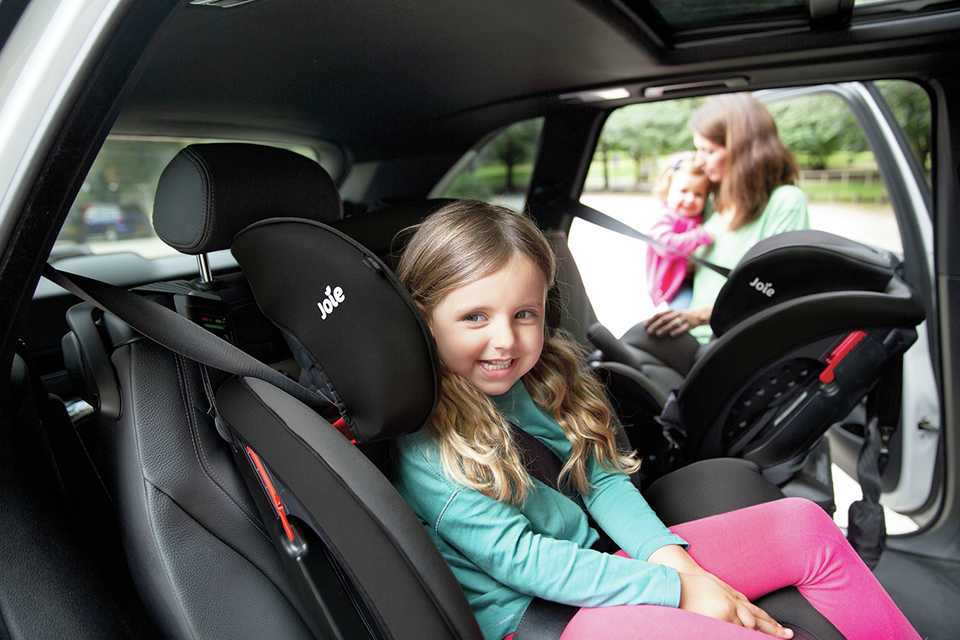
Additional support
Some ISOFIX car seats include an additional support leg that stands on the car floor or a top tether that attaches to the back of the seat to prevent it tilting or rotating in a collision.

Difference between the old regulation (R44/04) and R129 (i-Size) child car seats
While R44 is still legal, it is being phased out. R129 is the newer, safer standard according to modern safety research. Take a look at their key differences to understand the regulations.
| Feature | R44/04 (Old regulation, still legal) | R129 / i‑Size (New regulation) |
|---|---|---|
Classification basis | Weight‑based groups (0, 0+, 1, 2, 3) | Height‑based categories |
Rear‑facing rules | Rear‑facing recommended but not legally required beyond 9 kg | Mandatory rear‑facing until 15 months |
Side‑impact testing | Not required | Mandatory side‑impact testing |
Installation method | Seatbelt or ISOFIX depending on model | Designed around ISOFIX to reduce misuse |
Safety focus | Primarily frontal‑impact protection | Better head/neck protection; broader crash criteria |
Approval status | Still legal to use but no longer approved for new seats | Current and future standard; replacing R44 |
Ease of choosing | Weight groups can confuse parents | Height‑based system easier to understand |
Not sure if your car has ISOFIX? You should be able to find out by checking your car's back seats, reading your vehicle handbook or looking on the car maker's website.
Choosing the right car seat for your child
Discover child car seats for all ages. To help you find the right one, we've grouped our car seats by approximate age group and minimum child height.
*Please note that not all car seats may fit into these size ranges. The car seat manufacturer will advise and label them accordingly.
| Approximate age | Child height (cm) | Approximate child weight (kg & lb) | Ideal features | Car seat size |
|---|---|---|---|---|
Birth up to 12-15 months | 40-85cm | Typically birth up to 13kg/29lb | Designed for newborns as a rearward‑facing infant car seat category Includes lightweight models with carry handles Essential for coming home from hospital | |
Birth up to 4 years | 40-105cm | Typically birth up to 18kg/40lb | Suitable for babies and toddlers Grows with your child from birth Not designed to be carried | Group 0+ & 1 |
Birth up to 12 years | 40-150cm | Typically birth up to 36kg/79lb | 4 seats in 1 Grows with your child from birth Not designed to be carried | Group 0+, 1, 2 & 3 |
Approx. 9 months to 4 years | 85-105cm | Typically 9-36kg/20-79lb | For older babies upwards Adjusts to fit as they grow Not designed to be carried | Group 1,2 & 3 |
Approx. 4-12 years | 100-150cm | Typically 15-36kg/33-79lb | Booster seats for children Includes lightweight models and is easy to fit Often come with cup holders | Group 2 & 3 |
Car seats for other age groups
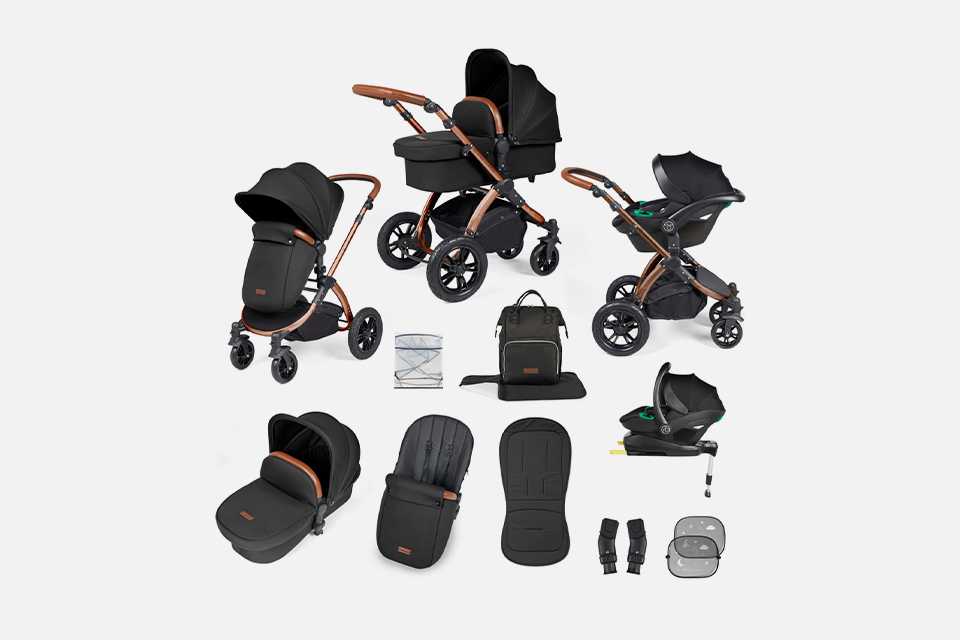
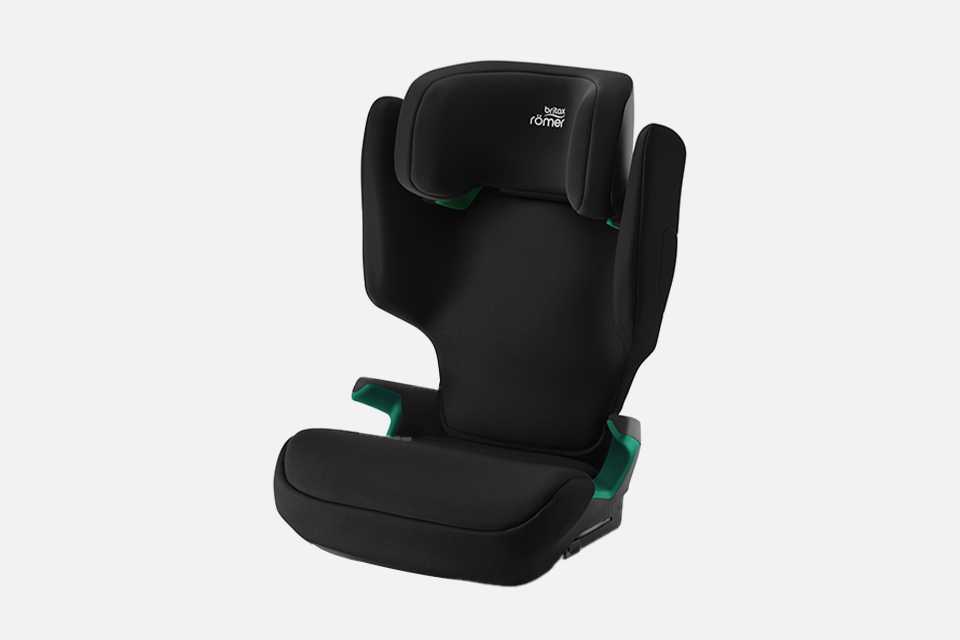
From travel system car seats for newborn babies to backless booster seats for older kids, explore more car seat options for your little ones.
Carousel
How to pick a car booster seat
Ready to move your child into a booster seat? Find out how to choose a safe and comfortable car booster seat that suits your child and car.
Car seat safety tips
Here are some of the important safety tips to keep in mind while choosing and using a car seat for your child.
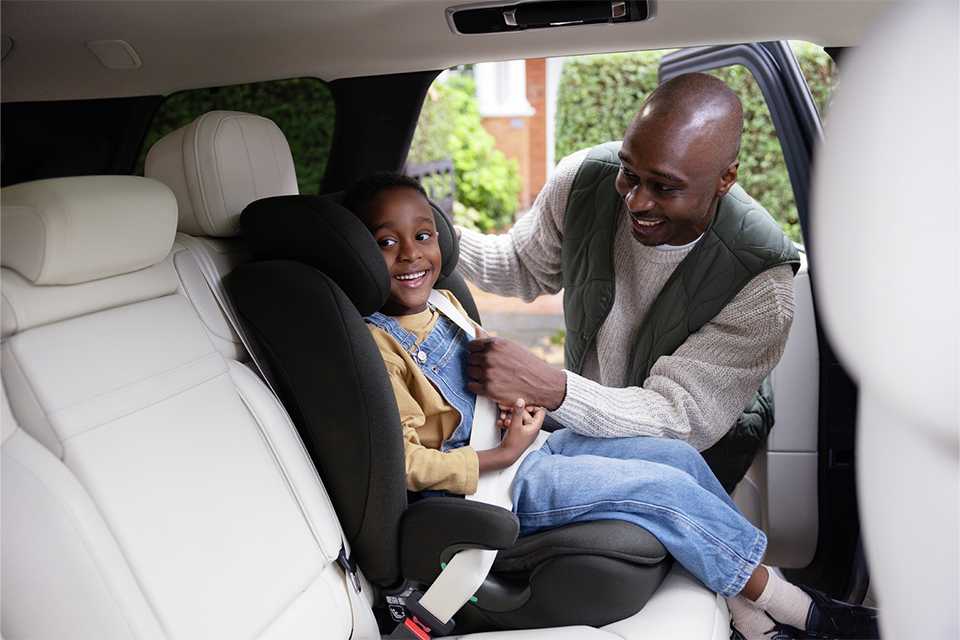
1. Car seats must suit your child’s height, weight, and size.
2. It must be correctly fitted according to the manufacturer’s instructions.
3. Never buy a second-hand car seat as it could have been damaged or in an accident.
4. Avoid keeping babies in infant carriers for too long as it can damage their back.
5. Remove any extra layers from your child when using a car seat so it's easier to secure them in.
6. If using the car's seatbelt, avoid "buckle crunch" by making sure the buckle is not touching the car seat's frame.
7. Regularly check and maintain your car seat.
8. Make sure that you check for any recalls and are aware of the latest regulations.
More baby travelling accessories
Keep them buckled, busy, and comfy with these accessories to make the ride as fuss-free as possible.
Carousel

Frequently asked questions about car seat safety and installation
If you’re still unsure, these frequently asked questions might help:
What are R129 car seats?
R129 seats follow newer testing standards and have additional side impact testing for improved head and neck protection.
Do I need an ISOFIX base for all ISOFIX car seats?
ISOFIX car seats come in different types: Integrated ISOFIX, ISOFIX base sold separately, and ISOFIX base included. If you’re opting for Integrated ISOFIX, you don’t need to buy a separate base.
Where should a baby car seat go?
It’s advisable to put a baby car seat in one of the rear seats. If you’re fitting a rear-facing seat in the front, the airbags should be deactivated before doing so. But it is always better to fit them in the rear. If you're using an ISOFIX car seat, check where the ISOFIX anchor points are.
When can my child face forward in the car?
Legally, your child can use a forward-facing car seat once they're over 15 months old. However, because of the safety features of a rearward-facing car seat, it's best to continue using it as long as your little one meets the weight or height limit specified by the car seat manufacturer.
Are baby car seats allowed in the front?
A rear-facing baby car seat should not be installed in the front if the car has an active airbag. It's advisable to place children in the rear seat until they are at least 15 months old. After this age, if you're using a suitable forward-facing car seat that follows the car seat manufacturer's instructions, move the passenger seat as far back as possible for maximum safety.
Which car seat is the safest?
Currently, a rear-facing i-size baby car seat meets the highest safety standards and regulations in the industry.
What is the 2 hour car seat rule?
The 2 hour car seat rule refers to keeping newborns and infants in a car seat for only upto 2 hours at a time. Keeping a child in a car seat for long periods of time could lead to the risk of their heads falling forwards causing restrictions in breathing.
Can car seats expire?
Yes, car seats can expire due to the degradation of their material. It's best to check the car seat brand's expiration date, which can be found on the label or imprinted on the car seat itself. There are other factors that can lead to the product expiring before the shelf life. These include wear and tear, introduction of new safety guidelines, and product updates.
Can car seats go in the middle?
Yes, they can. But it's essential to check the car and car seat manufacturer’s specific instructions for correct and safe installation.
What is a travel system?
A travel system is essentially a 2-in-1 set of a pushchair and a car seat, plus many other accessories. The detachable infant carrier car seat enables you to lift the baby from the stroller to the car with ease.
Can I use a car seat with side airbags?
While you can typically use a car seat with side airbags, it's advisable to check the car and car seat company's guidelines for specific instructions.
What is the difference between a high-back and a backless booster seat?
The main difference between the two is the presence of a backrest. High-back boosters have a full backrest, providing head and neck support, while backless boosters do not have a backrest. Both types elevate the child to improve the seat belt fit. If your car doesn't have a headrest or you want additional side-impact protection, you should choose a high-back booster. The backless booster seat is a great option for cars with high headrests or if you're looking for something portable. Always follow the latest safety guidelines before choosing.
Discover more inspiration
Carousel


Disclaimer
This article is for educational purposes only. Please make sure to visit the page - Child car seats: the law - GOV.UK - to stay updated with the latest rules and regulations around car seats.