
Which paddling pool is right for you?
Summer-ready fun to stay cool in the sun - from small-sized options to family paddling pools, find the best fit for your needs.
Shop all paddling pools and accessories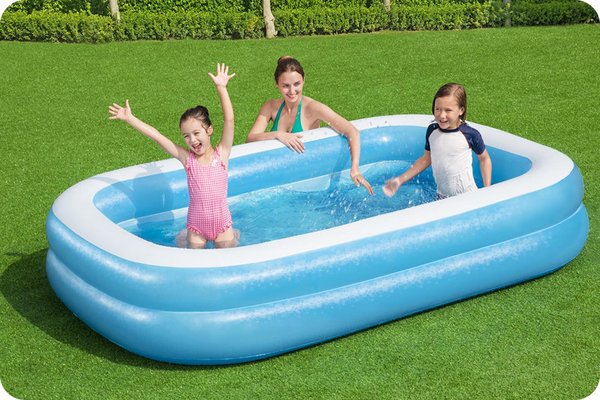&poi={$this.metadata.pointOfInterest.x},{$this.metadata.pointOfInterest.y},{$this.metadata.pointOfInterest.w},{$this.metadata.pointOfInterest.h}&scaleFit={($this.metadata.pointOfInterest.x>0)?$sfpoi:$sfcenter}&sm=aspect&aspect=3:2&sfcenter=center&sfpoi=poi&qlt=50&fmt=auto&noiser=0&fmt.jpeg.interlaced=true&fmt.jp2.qlt=40&)
By Kirsty Hudson | Last edited: June 2026
Which paddling pool is right for you?
When it comes to choosing a paddling pool, consider who will be using it and how much space you have. Also, factor in if you want to prioritise convenience of setting it up, emptying, and storing it after use.
For younger children, a shallow kids' paddling pool or a splash pad is easy to manage. For older children or family use, a larger inflatable paddling pool offers more space. If your garden gets lots of sun, try a paddling pool with shade or add a parasol of gazebo to create shade nearby.
Remember to always supervise toddlers and young children around water and stay close to them at all times.
Quick answer: How to choose a paddling pool?
Choose a paddling pool that suits your child’s age, the available garden space, and the amount of maintenance you prefer. Small paddling pools and splash pads are generally easy to set up, empty and store. Big paddling pools will have more room, but also require more water, more space, and more time to clean. Framed paddling pools are sturdy for regular use, but often take longer to set up and might need a pump, cover, or extra accessories.
Paddling pool types at a glance
| Pool type | Best for | Things to consider |
|---|---|---|
Small inflatable paddling pools | Toddlers and small gardens | Quick to inflate and empty, but still needs constant supervision |
Splash pads | Younger children who enjoy gentle water play | Uses less water, but needs to be connected to a hose |
Play centres or paddling pools with a slide | Children who want more activity | Age guidance, available space, and whether accessories need inflating |
Family paddling pools | More than one child or adults sitting nearby | Will need more space, more water, and more cleaning time |
Framed pools | Older children or regular summer use | Can take longer to set up, and may need a filter pump or cover |
Paddling pools with shade | Younger children and sunny gardens | Shade can help reduce direct sun exposure, but does not replace sun protection |
Small paddling pools for toddlers and compact gardens
A small paddling pool is a practical choice if you have limited outdoor space or just want something simple. These pools are usually shallow and compact and are easier to empty than larger options. They work well for toddlers and young children, as long as the pool is suitable for their age and used with close adult supervision. Always check the product’s age guidance, depth, and warning information before use. Keep in mind that babies and toddlers can be at risk even in shallow water, so never leave them unattended, even for a moment.
A small pool may be right for you if:
- You want something quick to set up
- You have a patio, small lawn or compact garden
- You want a pool that is easier to empty after every use
- You are buying for younger children who only need shallow water play
Shop paddling pools for small gardens
Slider Grid


Inflatable paddling pools for easy summer set-up
An inflatable paddling pool is one of the most familiar picks for garden water play. It can be a good option if you want something that is easy to store when not in use. Most require an air pump, so it is worth checking if this is included or whether you will need to buy one separately.
When comparing inflatable pools, consider the following:
Size: Check the inflated dimensions, not just the box size
Depth: A deeper pool may not be suitable for younger children
Capacity: Larger pools take longer to fill and empty
Valves: Larger valves can make inflation and deflation easier
Storage: Make sure the pool can be fully dried before being folded away
Inflatable pools are usually best for occasional garden use. If you want something for frequent use through the summer, a framed pool might be a better fit.
Family paddling pools for bigger gardens
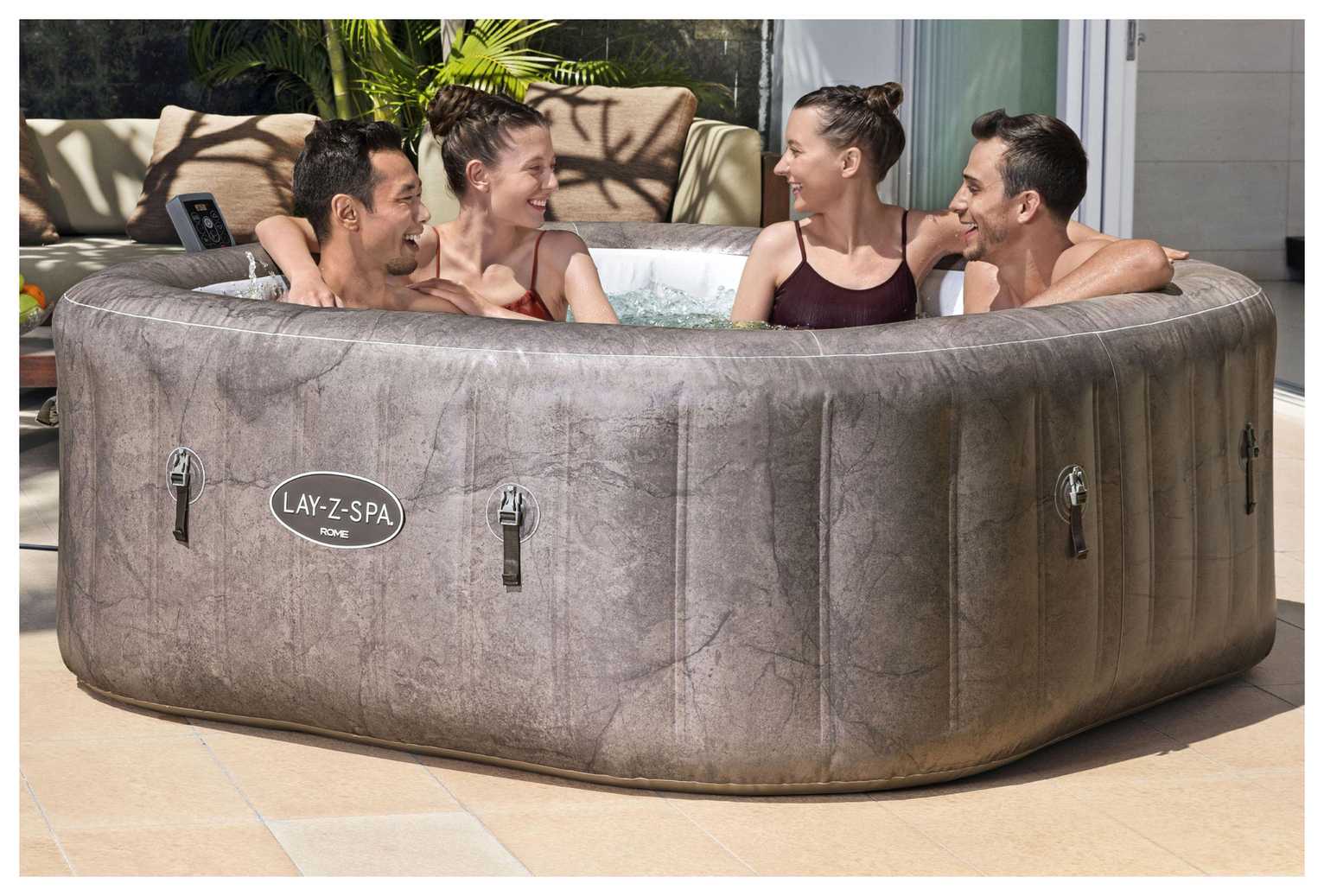
A family paddling pool gives children more space to play and can be more comfortable for adults to sit nearby and supervise. These pools are larger, and so they need more outdoor space and more time to fill, empty, and clean.
Before choosing a big paddling pool, consider the following questions:
- Will the pool fit your garden with space to walk around it?
- Will the ground be flat, stable, and clear of sharp objects?
- How long will it take to fill and empty?
- Do you have someplace safe to drain the water?
- Is a cover, pump or repair kit included?
Large paddling pools can be great for families, but only if you have the space and time to look after them properly.
Shop paddling pools for large gardens
Slider Grid
- £25.00Free collection or delivery from £4.95
- £35.00Free collection or delivery from £4.95
- £40.00Free collection or delivery from £4.95



Paddling pools with shade
A paddling pool with shade is great for younger children or gardens that get direct sun. Some pools have an attached canopy, while others may be used with a separate parasol or gazebo nearby. Shade is helpful, but it should not be treated as complete sun protection. Children will still need suitable clothing, sun cream and regular breaks out of the sun.
A shaded paddling pool may be right for you if:
- Your garden gets direct sun for most of the day
- You are buying for younger children
- You want extra protection from bright sunlight during supervised play
- You do not already have shaded space in the garden
Paddling pools with slides and play features
A paddling pool with a slide or a water play centre can make garden play feel more active. These often include features like sprinklers, inflatable characters, small slides or ball games.
They can be a fun choice for energetic children who want more than sitting and splashing, but they might also need more set-up time. Check the age guidance carefully and make sure you have enough clear space around the pool. Slides and play features should only be used as intended and under adult supervision.
A play centre may be right for you if:
- You have enough flat garden space
- Your child enjoys active water play
- You don't mind spending longer to inflate it and pack it away
- You want more play value than a simple pool
Framed pools and paddling pools with filter pumps
A framed pool is often larger and more structured than a standard inflatable paddling pool. It may be a better match for older children or families planning regular use across the summer. Some larger pools are designed to work with a filter pump and might have it included with the pool itself.
A paddling pool with a filter pump can help circulate water, but it does not eliminate the need for cleaning, supervision or following the manufacturer’s care instructions. You should still check the water regularly, remove debris, and follow the product guidance on safe use, emptying, covering, and storage.
A framed pool may be right for you if:
- You have a larger, level outdoor space
- Older children will use it regularly
- You want a pool with more structure
- You are comfortable with more assembly and maintenance
Where should you put a paddling pool?
Keep your paddling pool on a flat, stable surface that is clear of stones, sharp objects, and garden tools. Grass is often more comfortable than hard surfaces, but you should still check the manufacturer’s instructions for where the pool can be used.
Can I put a paddling pool on concrete?
If you're thinking about putting a paddling pool on concrete or paving, consider whether the surface could damage the base, feel uncomfortable or become slippery when wet. A protective groundsheet may help, but always follow the product guidance.
Avoid setting up a paddling pool:
- Near steps, slopes or uneven ground
- Under washing lines or garden furniture
- Close to barbecues, electrical items or outdoor sockets
- Where children can access it without an adult present
- In a spot where drained water could cause problems
Paddling pool safety tips
Paddling pools are great fun in warm weather, but children should always be supervised when they’re in or near water. Even shallow water can be dangerous, so make sure an adult stays close and avoids distractions.
- Stay within arm’s reach: Always supervise babies, toddlers and children when they’re using a paddling pool.
- Empty it after use: Empty smaller paddling pools straight after playtime and turn them over so they can’t refill with rainwater.
- Cover larger pools securely: If you have a larger pool that stays filled, use a secure cover when it’s not in use.
- Check the water: Keep the water clean and change it regularly, especially in warm weather.
For more detailed advice, visit the Royal Life Saving Society UK’s garden water safety guidance or RoSPA’s drowning prevention advice.
How to keep a paddling pool clean
How often you clean a paddling pool depends on its size, the amount it is used, and what the manufacturer recommends. Small paddling pools are usually best emptied after each use. Larger pools may need more ongoing care, especially if they hold water for longer.
Here are some helpful cleaning steps:
- Remove leaves, grass, and debris before children get in.
- Rinse feet before entering the pool.
- Keep food, soil, and garden toys out of the water where possible.
- Empty small pools after use.
- Let the pool dry fully before folding it away.
- Follow the manufacturer’s instructions for cleaning, filters, and accessories.
- Do not use cleaning chemicals unless the manufacturer says they are suitable for that pool. If the water looks dirty, smells unusual or has been left uncovered, it is usually safer to refresh it according to the product guidance.
Paddling pool buying checklist
Before you select a paddling pool, ask yourself:
- Who is it for? Check age suitability, depth, and product warnings.
- How much space do I have? Measure the garden and leave some extra space around the pool.
- How easy is it to set up? Look at inflation, assembly, and filling time.
- How will I empty it? Think about drainage before you fill it.
- How will I clean it? Larger pools may need more care and maintenance.
- Where will I store it? Pools should always be dry before being packed away.
- Do I need accessories? You may need a pump, hose, groundsheet, cover or repair patches.
- Is there shade? Consider a shaded pool, adding a parasol or taking regular breaks indoors.
Frequently asked questions about paddling pools
Which is the best paddling pool for toddlers?
The best paddling pools for toddlers could be a shallow children’s paddling pool or splash pad, as it is usually smaller, easier to empty, and simpler to supervise. Always check the product’s age guidance, depth, and warnings before use and remember to keep toddlers within arm’s reach when they are in or near the water.
Is a kiddie pool worth it?
Kiddie pools can be great for young children to cool down outside if you have a safe, flat outdoor space. These are also usually easier to set up, empty, and put away after use than other larger pools.
Do you empty a paddling pool every day?
Small paddling pools should ideally be emptied after each use, especially when used by young children. Larger pools may have different care instructions, so check the manufacturer’s guidance for cleaning, covering, and whether a filter pump is needed.
Is it worth getting an inflatable pool?
An inflatable pool is a great choice if you want something that is easy to store and is used during warm weather. It may suit smaller gardens, occasional use, and families who do not want a permanent pool set-up.
What age should a baby go in a pool?
Always follow the age guidance on the individual paddling pool and speak to a health professional if you need personalised advice for your baby. For young children and toddlers, the key safety point is constant adult supervision.
How deep should a paddling pool be?
This depends on who will be using the pool. Younger children will enjoy shallow water play, while older kids may prefer deeper water.
What is the most low-maintenance pool?
Smaller options like compact inflatable paddling pools or splash pads require lower maintenance than most others as they use less water and are easier to empty, rinse, dry, and store.
How often should I clean my pool?
Clean your paddling pool as often as the manufacturer recommends. Small pools should usually be emptied, rinsed, and dried after each use. Larger pools may need regular debris removal and water care as well as filter maintenance if a pump is included.
Do I need a filter for my paddling pool?
You may need a filter pump for a larger pool, especially if the water is designed to stay in place for longer. Small paddling pools are usually emptied after use, so a filter is less likely to be needed. Always check the product instructions, as filter pumps must be compatible with the pool.