
Air conditioner buying guide
As summers get warmer every year, say goodbye to hot nights and stuffy rooms with a good air conditioner that can make your home a comfortable place to be. We'll help you choose the right air con for your home.
Shop all air conditioners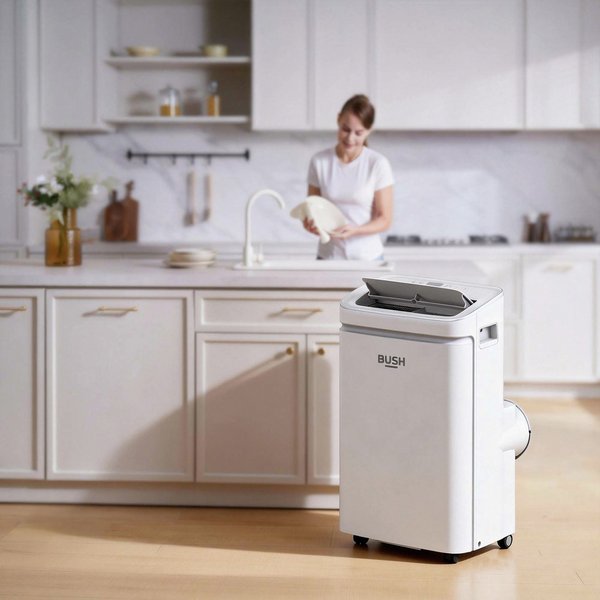&poi={$this.metadata.pointOfInterest.x},{$this.metadata.pointOfInterest.y},{$this.metadata.pointOfInterest.w},{$this.metadata.pointOfInterest.h}&scaleFit={($this.metadata.pointOfInterest.x>0)?$sfpoi:$sfcenter}&sm=aspect&aspect=2:1&sfcenter=center&sfpoi=poi&qlt=50&fmt=auto&noiser=0&fmt.jpeg.interlaced=true&fmt.jp2.qlt=40&)
By Kirsty Hudson | Date published: May 2026
What is a home air conditioning unit?
A home air conditioning unit is a cooling appliance that removes warm air from inside your home and replaces it with cooler, filtered air. It helps regulate temperature, reduce humidity, and improve indoor comfort, especially during heatwaves that are becoming more common across the UK.
There are two main types of air conditioning units, inbuilt and portable. Inbuilt systems are installed on walls or ceilings by professionals, whereas portable air cons can be easily moved where you are in the house as they have castors.
How do portable air conditioning units work?
A portable air conditioning unit cools a room by pulling in warm air, removing the heat, and sending that heat outside through an exhaust hose. That’s why these units usually need to sit close to a window or another spot where the hose can vent outdoors. Many models also offer fan‑only and dehumidifier settings, which come in handy when the weather is muggy rather than hot.
Because the unit sits on wheels, you can simply move it to whichever room needs cooling the most. It’s a practical option for homes that only want to cool one space at a time without committing to a full air‑conditioning installation.
Features to look for before you buy an air con unit
- Room size and BTU - When you’re comparing portable air conditioners, BTU (British Thermal Units) is one of the key things to look at. It tells you how much cooling power the unit has. Smaller rooms or bedrooms usually need around 7,000–9,000 BTU. Larger living areas or open‑plan spaces often benefit from 12,000 BTU or more. Choosing the right BTU rating helps the unit cool the room efficiently without wasting energy.
- Ventilation requirements - Portable air conditioners usually need external ventilation. Before buying, check where the hose will go and whether the room layout makes setup practical.
- Noise level - If you plan to use your air conditioning unit in a bedroom, noise level can make a difference, so it is worth checking the product details if quiet running is a priority for sleep or working from home.
- Fan-only mode - This setting circulates air without cooling, ideal for mild days. It’s a handy way to stay comfortable while saving energy.
- Heating mode - Some units can double as heaters during cooler months. This adds year‑round value if you want one appliance for multiple seasons.
- Dehumidifying mode - This mode is great for reducing moisture in damp or muggy rooms. It also helps improve comfort and prevents that sticky, humid feeling.
- Timer settings - Timers let you schedule when the unit turns on or off. Perfect for cooling before bedtime or saving energy during the day.
- Smart features - Some models connect to apps or voice assistants for easy control. They’re ideal if you like adjusting settings from your phone.
- Remote control - A remote lets you change temperature or mode from across the room. It’s a simple convenience that makes everyday use easier.
- Castors for moving between rooms - Wheels make it easy to roll the unit wherever you need cooling. Perfect for homes that only need to cool one room at a time.
- Where you will store it - Portable units can be moved when you need them, but they still need floor space and somewhere sensible to store the hose and window kit when not in use.
What size air conditioner do I need?
Getting the right BTU for your room size is important: too small and it'll work overtime without cooling properly; too large and you can end up with poor results and unnecessary energy use.
Use this as a simple starting guide:
| Room Size (sq ft) | Recommended BTU | Best for |
|---|---|---|
100–200 sq ft | 5,000–6,000 BTU | Box rooms, small bedrooms, compact offices |
200–300 sq ft | 7,000–8,000 BTU | Standard bedrooms, studies |
300–400 sq ft | 9,000–10,000 BTU | Medium lounges, larger bedrooms |
400–550 sq ft | 12,000 BTU | Large lounges, small open‑plan areas |
550–700 sq ft | 14,000 BTU | Maximum size for most portable AC units |
700–1,200 sq ft | 18,000–21,000 BTU | Open‑plan living/kitchen areas |
Rooms with big windows, south‑facing sunlight, or old/poor insulation often need a bit more cooling power. Spaces like conservatories and loft rooms heat up especially quickly, so choose a slightly higher BTU rating for those areas.
You’ll see the BTU rating listed clearly on each product page at Argos, making it easy to match the right unit to the size and layout of your room.
What's the difference between a portable and a split air conditioner?
The main difference between the two really comes down to installation. A portable air conditioner is a simple, plug‑and‑play cooling appliance. Just unbox it, connect the exhaust hose to a window, and you’re ready to cool the room. A split air conditioning system is a more permanent setup, with an indoor unit mounted on the wall and pipework running to an outdoor condenser unit.
Here’s a quick comparison to help you weigh up the options and choose the best home air conditioning system for your space.
| Portable air conditioner | Split air conditioner | |
|---|---|---|
Upfront cost | £100–£1000 | £800–£2,000+ (including installation) |
Installation | None needed | Professional F-Gas engineer required |
~25p–55p per hour, depending on usage and size | ~24p-36p per hour, depending on usage and size | |
Noise level | 50–65 dB | 19–42 dB (whisper quiet) |
Can it heat too? | Rarely | Yes, most models |
Best for | Renters, single rooms, occasional use | Homeowners wanting regular, efficient cooling |
If you want flexibility and a lower upfront cost, go portable. If you're after quieter, more efficient cooling you'll use year-round, a split system could be a better investment over time.
How to maintain a portable air conditioner
Take a look at these useful tips to keep your air con running smoothly for years to come.
- Clean the air filters: Rinse the filters every couple of weeks to remove dust and keep the airflow strong. Make sure they’re fully dry before putting them back in.
- Empty the water tank: Most units collect moisture while cooling the space they're in, so emptying the tank regularly prevents shut‑offs and keeps the air fresh.
- Check the exhaust hose: Keep the hose straight and free from kinks so hot air can escape properly and the unit doesn’t have to work harder.
- Seal the window kit properly: Make sure there are no gaps around the window kit to stop warm air sneaking back into the room.
- Wipe down the exterior: Dust around the vents can build up, so a quick wipe with a soft cloth helps the unit pull in air more easily.
- Store it correctly in winter: Drain leftover water, clean the air filters, and coil the hose loosely before storing everything in a dry cupboard until next summer.
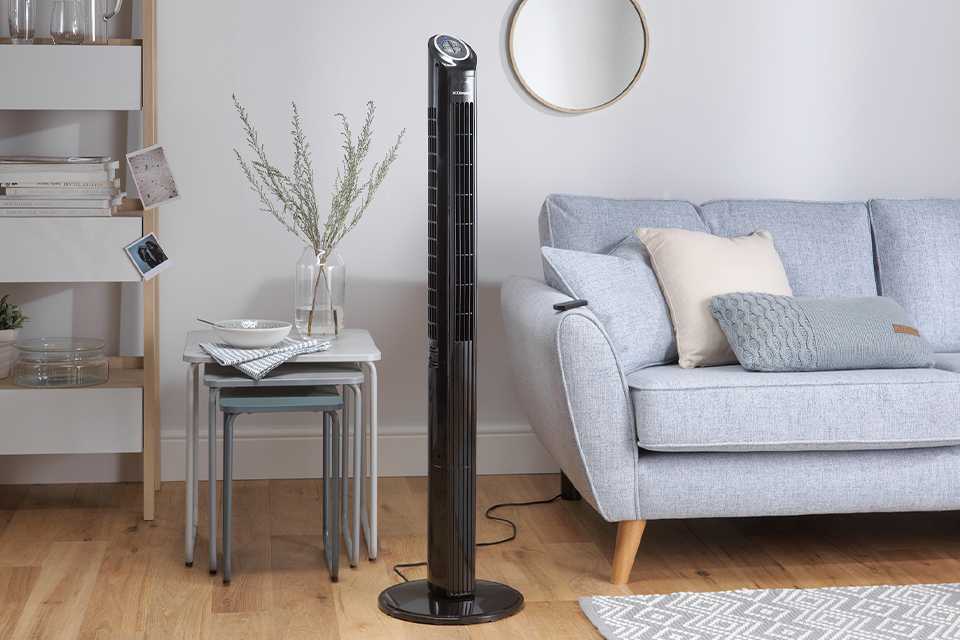
Difference between an air conditioner, an air cooler, and a fan
When you’re trying to stay comfortable in warm weather, you’ll usually come across air conditioners, air coolers, and fans. They all help you feel cooler, but they work in very different ways and the results vary a lot too.
| Feature | Air conditioner | Air cooler | Fan |
|---|---|---|---|
How it cools | Removes heat from the room for real temperature drop | Uses water evaporation to create a cooler breeze | Moves air around to help your body feel cooler |
Cooling strength | Strong, reliable cooling even in heatwaves | Light to moderate cooling | No actual cooling, just airflow |
Humidity impact | Keeps humidity steady | Adds moisture to the air | No change to humidity |
Energy use | Higher energy use | Lower energy use | Very low energy use |
Best for | Hot rooms, lofts, conservatories, heatwaves | Dry rooms, mild summer days | Bedrooms, quick airflow, budget cooling |
Running cost | High | Medium | Low |
Noise level | Moderate | Low to moderate | Low |
Setup needed | Needs window venting or installation | Fill with water or ice | Plug in and go |
FAQs about air conditioning units
What does AC stand for?
AC simply means air conditioning, also known as air con, ac unit or conditioner, all referring to the same thing: a device that cools your room when the weather gets too warm. Modern air conditioning units often come with handy extras like fan mode, dehumidifying, or even heating, depending on the model. When you're planning to get an appliance for indoor cooling, check the features as they all work differently and offer different levels of cooling.
Is a portable air conditioning unit worth it in the UK?
A portable air conditioner can be well worth it if you’ve got a room that turns into a bit of a sauna every summer, especially loft rooms, south‑facing bedrooms, or home offices. It cools the air properly, unlike fans, but they do cost a bit more to run and need a window for the exhaust hose. If you only want a gentle breeze, a fan or air cooler might do the job. But if you want actual cooling, a portable AC is the more reliable option. It really depends on your room size, layout, and how often you’ll use it.
Which is better for a bedroom, an air cooler or an air conditioner?
It depends on what’s making the room uncomfortable. If the bedroom is extremely hot, an air conditioner is the better option because it removes heat from the air. If you just want airflow, an air cooler might be enough.
For bedrooms, check these before you choose an appliance:
- Noise levels (look for sleep or night mode)
- Timer settings
- Ventilation setup if choosing a portable AC
A quiet unit makes all the difference when you’re trying to drift off.
How do I choose the right BTU for my room?
Start with the recommended BTU rating, then match it to your room size. As a quick guide:
- 7,000–9,000 BTU for small bedrooms and living rooms
- 12,000 BTU+ for larger or open‑plan spaces
Sunlight, insulation, and ceiling height play a part too. If your room gets a lot of sun or heats up quickly, going for a slightly higher BTU rating is the best idea.
What should I know about the ‘3-minute rule’ for air conditioners?
The 3‑minute rule is, after you turn your AC off, wait at least 3 minutes before switching it back on. This protects the compressor from restarting under high pressure, which can cause hard starts, overheating, or even a tripped breaker. Most modern units have a built‑in delay, but it’s still a good habit, especially after power outages or quick on‑off cycling.
Can air conditioning affect comfort if you have allergies or dry air concerns?
Air conditioning can change how a room feels by lowering the temperature and sometimes reducing humidity. Some people find that more comfortable, others don’t notice much difference. It’s not a medical treatment, so if you have allergies or breathing concerns, it’s always best to get personalised advice from a healthcare professional.
Can air conditioning heat my home too?
Yes, many modern air conditioning systems include a heat pump mode. This lets them heat your room in winter and cool it in summer. Split systems are especially efficient, often producing more heat than the electricity they use.
How noisy are air conditioning units?
Noise levels of air conditioners depend on their type:
- Portable air conditioners: around 50–65 dB
- Split systems: around 19–38 dB
For bedrooms, look for night mode, sleep mode, or a unit with a lower dB rating, to help you sleep better.
Is air conditioning worth it in the UK?
With UK summers getting warmer and more people working from home, a portable AC can make a huge difference to comfort, sleep, and productivity, especially in lofts, top‑floor flats, conservatories, and south‑facing rooms.
What does BTU mean?
BTU stands for British Thermal Unit. It’s how we measure the cooling (or heating) power of an air conditioner. The higher the BTU, the more powerful the unit.
As a reference:
- 5,000 BTU work for small rooms
- 7,000–9,000 BTU are suitable for medium rooms
- 12,000–14,000 BTU+ work best for large or open‑plan spaces
Choosing the right BTU rating gives you adequate cooling without wasting energy.