
Campervan essentials packing checklists
Use our checklists to ensure you have everything you need from the essentials to items to make your campervan trip a little more comfortable and easy.
&poi={$this.metadata.pointOfInterest.x},{$this.metadata.pointOfInterest.y},{$this.metadata.pointOfInterest.w},{$this.metadata.pointOfInterest.h}&scaleFit={($this.metadata.pointOfInterest.x>0)?$sfpoi:$sfcenter}&sm=aspect&aspect=3:2&sfcenter=center&sfpoi=poi&qlt=50&fmt=auto&noiser=0&fmt.jpeg.interlaced=true&fmt.jp2.qlt=40&)
Date published: May 2026 | By Steven Smith
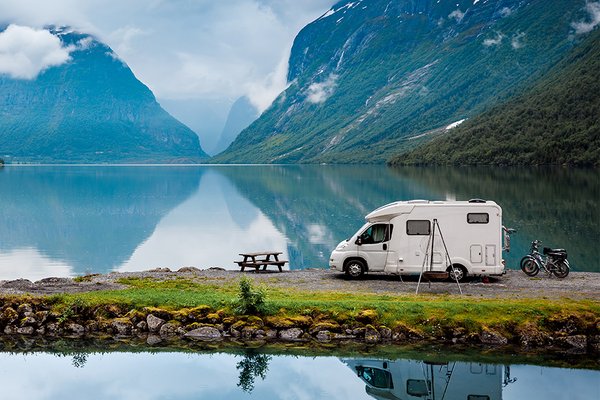
A campervan get away can bring the ultimate sense of freedom. Plan ahead to make sure you have everything you need for an easy, comfortable and safe break in your campervan. Whether you’re heading for a coastal campsite, a national park stopover or a last-minute weekend road trip, this campervan essentials packing guide will help you pack smart, stay safe and keep your van clutter-free.
Top tip: Start with documents and safety kit, then sleep setup, cooking basics, power and charging, and clothing layers. Pack heavy items low and secure everything before driving.
The 2-minute "don’t forget" checklist
If you only have time for one section, make it this one. Screenshot it before you go.
Absolute essentials
- Driving licence, insurance details and breakdown cover info
- Phone, charger and power bank
- Bank card, emergency cash and campsite booking details and address
- Keys (including spare)
- Torch and headtorch
- Water bottle and snacks
- Warm layers and waterproof jacket
- Spare batteries for torches and safety alarms
Safety must-haves
- First aid kit including plasters, dressings, bandages and antiseptic wipes
- Smoke alarm and carbon monoxide detector - be sure to test these are working
- Fire blanket – place this somewhere sensible and easy to get if needed
- Spare fuses, bulbs and a basic tool kit
Top 12 campervan checklists
Use this as a pick-and-pack menu depending on trip length, season and how kitted-out your van already is.
Carousel
Carousel
Carousel
How to pack a campervan safely
A great packing list isn’t just about what you bring, it’s how you load it.
1) Secure everything before you drive
The Highway Code says you must secure your load and make sure heavy or sharp objects are secured safely, as they could cause serious injury in a collision.
Quick wins
- Store heavy items low down and over the axles as much as possible
- Use cupboards with positive latches
- Store loose kit in boxes or crates
- Use non-slip matting in cupboards and under storage boxes
2) Balance weight and avoid overloading
Loading affects handling. UK guidance on securing loads covers cars and vans too, load safely, stabilise items, and reduce movement in transit.
Easy check: if something can roll, slide or fall, it needs restraining.
3) Make a “set-off routine”
Before you pull away:
- Close roof lights, windows and cupboards
- Stow loose items like kettle, mugs, pans, shower caddy
- Turn off gas (if appropriate for your system)
- Check steps/awning are fully in
Safety essentials worth prioritising
A campervan is a compact space with cooking and often gas appliances, so safety kit is non-negotiable.
Carbon monoxide (CO): the one you can’t see
Gas Safe explains that CO alarms warn of possible carbon monoxide leaks and recommends alarms with a Kitemark to BS EN 50291-2 for caravans/boats. CO alarms typically have a lifetime of around 5–10 years.
Fire safety basics
UK fire service guidance for caravans/mobile homes recommends fitting and testing smoke alarms, keeping vents clear and fitting a CO detector, and using a Gas Safe engineer to check or fix gas heaters.
Weather: plan for wet and windy
The Met Office notes you can’t choose the weather, but you can prepare suitable equipment for wind and rain.
First aid: keep it stocked and familiar
St John Ambulance provides a practical overview of first aid kit contents (dressings, plasters, bandages and more).
Campervan packing essentials FAQs
What are the top 10 campervan essentials?
Documents; phone charging; first aid kit; CO alarm; smoke alarm; bedding; water; simple cookware; washing-up kit; waterproof/warm layers.
Do I need a carbon monoxide alarm in a campervan?
It’s strongly recommended. Gas Safe explains CO alarms alert you to possible CO leaks and advises buying alarms suitable for caravans/boats (BS EN 50291-2).
How do I stop things flying around while driving?
Use storage boxes, cupboard latches and non-slip matting, and secure heavy objects. The Highway Code warns unsecured items can cause serious injury in a collision.
What should I pack for campervan cooking?
Stick to the basics: one pan, one pot, a sharp knife, chopping board, plates/mugs, cutlery, tin opener, and a compact washing-up kit.
What’s the best way to prepare for UK weather?
Pack layers, waterproofs, spare socks, and dry bags — and keep an eye on forecasts. The Met Office highlights preparing for wet and windy conditions.