
Washing machine and tumble dryer buying guide
From washing machine types and key features to different kinds of tumble dryers and their benefits, find all you'll need to know on our helpful buying guide.
Shop all washing machines and tumble dryers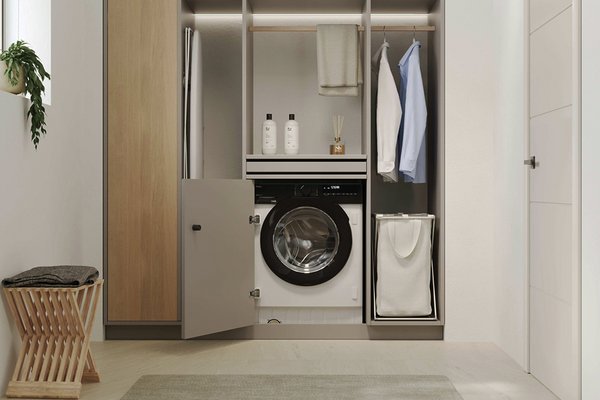&poi={$this.metadata.pointOfInterest.x},{$this.metadata.pointOfInterest.y},{$this.metadata.pointOfInterest.w},{$this.metadata.pointOfInterest.h}&scaleFit={($this.metadata.pointOfInterest.x>0)?$sfpoi:$sfcenter}&sm=aspect&aspect=3:2&sfcenter=center&sfpoi=poi&qlt=50&fmt=auto&noiser=0&fmt.jpeg.interlaced=true&fmt.jp2.qlt=40&)
Washing machines, tumble dryer types, and more
Whatever kind of laundry appliance you're after, we've got you covered. Discover integrated washing machines and tumble dryers for space-saving spins. Or, go for a washer dryer that combines the benefits of both. While you're at it, explore handy ironing boards, irons, and clothes airers for an efficient laundry room setup.
Carousel


Washers and dryers
Carousel
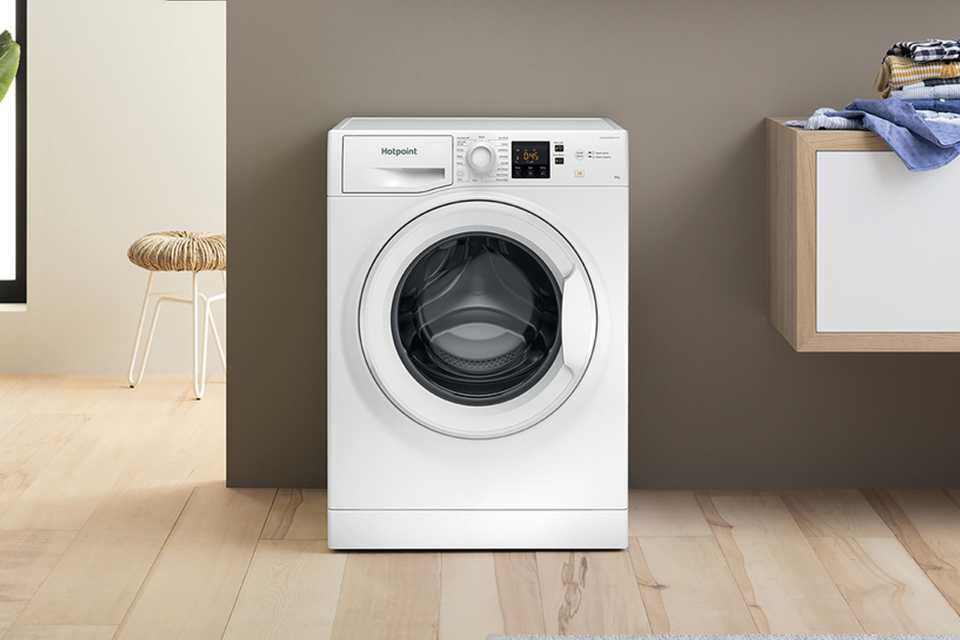
Washing machines
Looking to buy a washing machine? We're here to help. Choose models with high spin speed or quick wash features for faster rotations. You could also opt for smart washing machines with Wi-Fi connectivity for advanced control and monitoring.
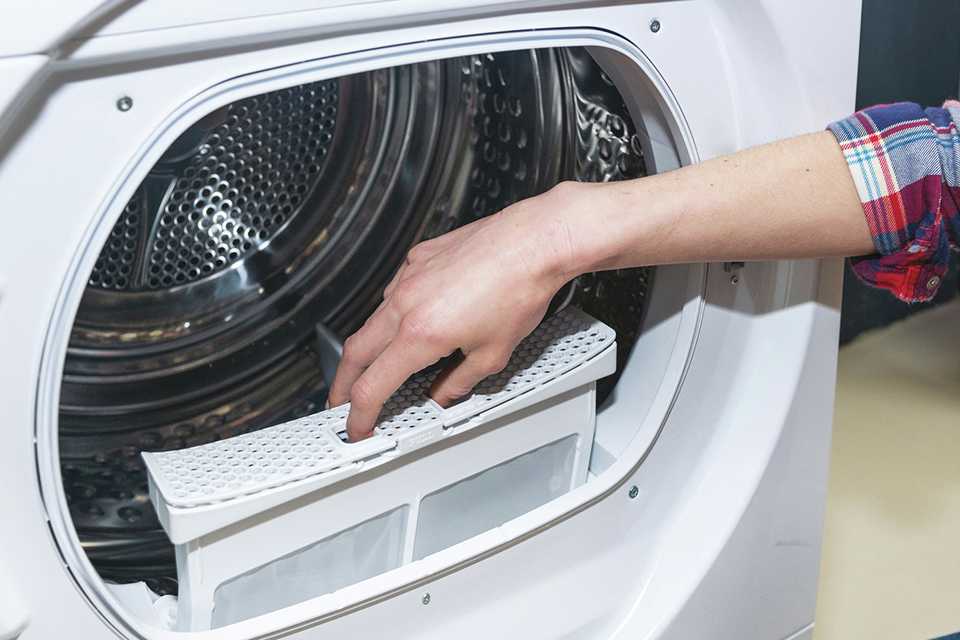
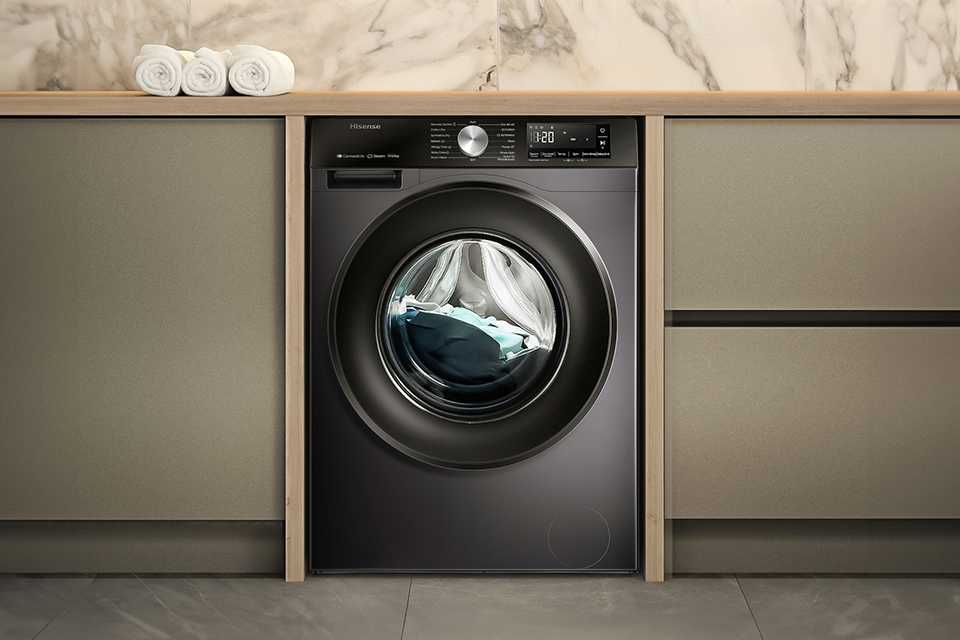
Choosing a washing machine
Before you buy
There are 3 important questions to consider before you buy a new washing machine:
Will it fit? – There's nothing worse than your new machine arriving and you don't have enough space. It's important to measure up beforehand to make sure your new washing machine isn't too wide for the intended space, too tall to go under a counter or has too much depth and sticks out at the front. If a machine is too wide, it won't fit where you want it to go. If it's too tall, it won't fit under the counter and if it has too much depth then the front will stick out.
What connections do I need? – Washing machines need to be connected to a cold water supply, waste pipe and mains plug. Make sure that all of these are in reach or you won't be able to install your machine.
Freestanding or integrated? - While freestanding washing machines pack more features, integrated washing machines are ideal space-savvy options as they are slightly thinner and shallower. Perfect to pop under a kitchen counter, these are great for smaller families or lighter laundry loads.
Wash capacity - how many people are you washing for?
| Individuals or couples | Small family | Large family | |
|---|---|---|---|
Washing machine | Up to 6kg washing machine | 7-8kg washing machine | 9kg and above washing machine |
Tumble dryer | Up to 7kg tumble dryer | 8-9kg tumble dryer | 10kg and above tumble dryer |
Approximate capacity | 2 pairs of jeans, a jumper and 10 pairs of socks or underwear | 4 to 5 pairs of jeans, a jumper and 21 pairs of socks or underwear | 5 pairs of jeans, 2 jumpers and 30 pairs of socks or underwear |
Shop washing machines & tumble dryers |
Washing machine features
When choosing a new washing machine, the right features can make a huge difference to performance, running costs, and everyday convenience. Here are the key features to look out for:
Spin speed
Spin speed, measured in RPM, shows how fast the drum rotates at the end of a wash. Higher speeds leave clothes drier, while lower speeds are gentler on fabrics. Many machines let you adjust the spin to suit different loads.
Variable temperature settings
Variable temperature control lets you choose the right heat level for each wash. Lower temperatures save energy and protect colours, while higher settings give a deeper clean for bedding and heavily soiled items.
Maximum washing time
The maximum washing time tells you how long the longest programme may take. It’s useful for planning your laundry and understanding how the machine handles deep‑clean or eco cycles.
Energy efficiency rating
Washing machines are rated from A to G for energy efficiency. Higher‑rated models use less electricity and water, helping reduce running costs. Eco programmes can cut energy use even further.
Warranty length
Some machines include extended warranties, such as 5‑year or 10‑year parts guarantees. Longer cover offers you the much-needed peace of mind and suggests strong long‑term reliability.
Wi‑Fi and smart features
Smart washing machines connect to your Wi‑Fi, allowing you to control cycles through an app. You can start washes remotely, get alerts, and download extra programmes, ideal for busy households.
Noise level
Noise level matters if your machine sits in an open‑plan space or runs at night. Quieter models often use brushless motors and better insulation to reduce vibration and sound.
Tumble dryer selection tips
Before you buy
The most important thing to consider before you buy a tumble dryer is where you want to place it. Once you know where it goes, you can choose from the 3 different types of dryers to find the best fit.
Carousel


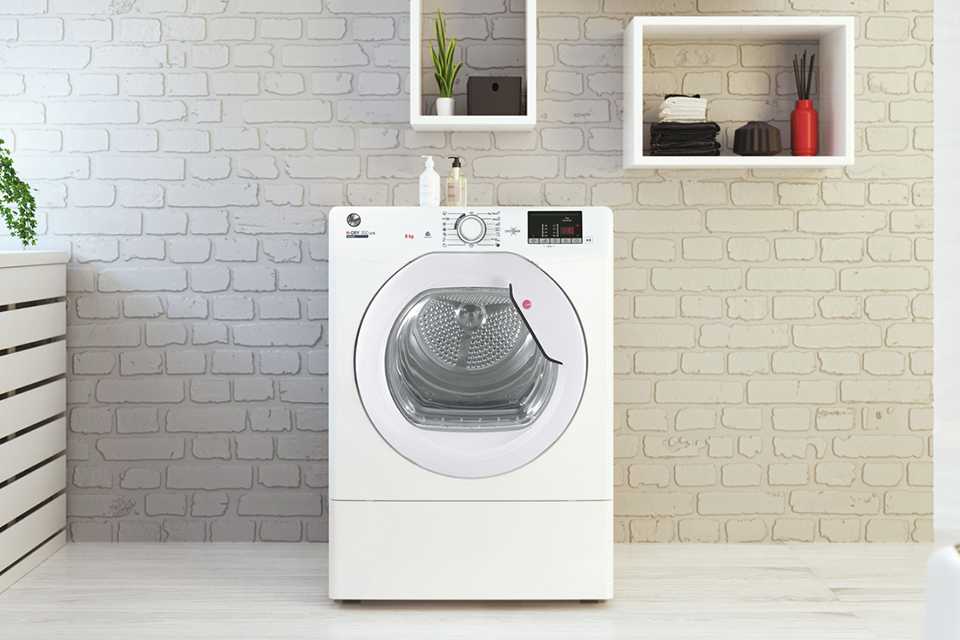
Tumble dryer features
Carousel

Freestanding or integrated tumble dryers
An integrated tumble dryer fits seamlessly under a kitchen counter while a freestanding one usually sits in the open. A freestanding dryer offers more flexibility and features but the biggest difference between both is the drum size. Integrated dryers are often more compact and shallow in depth.
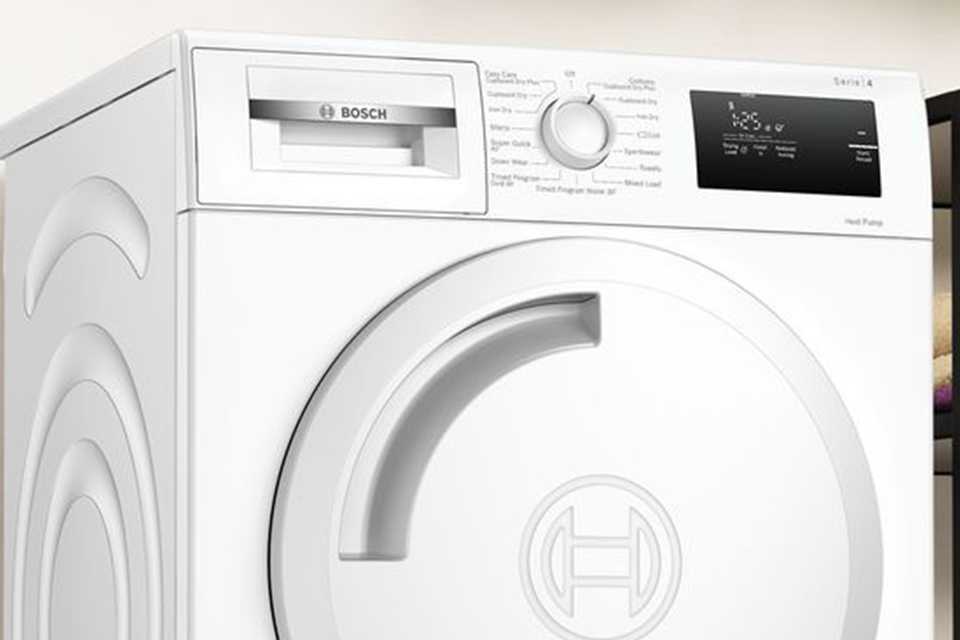
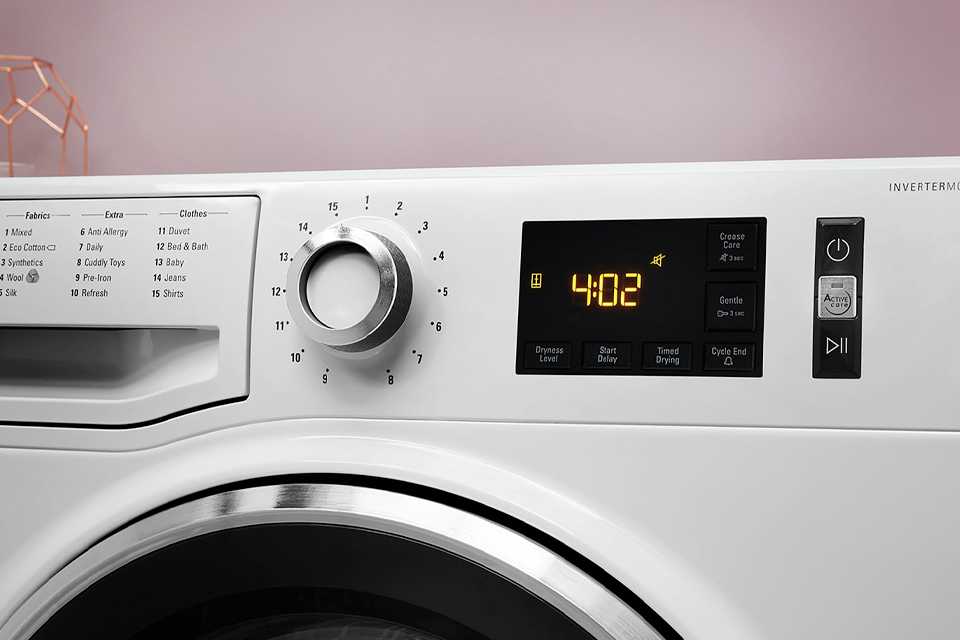
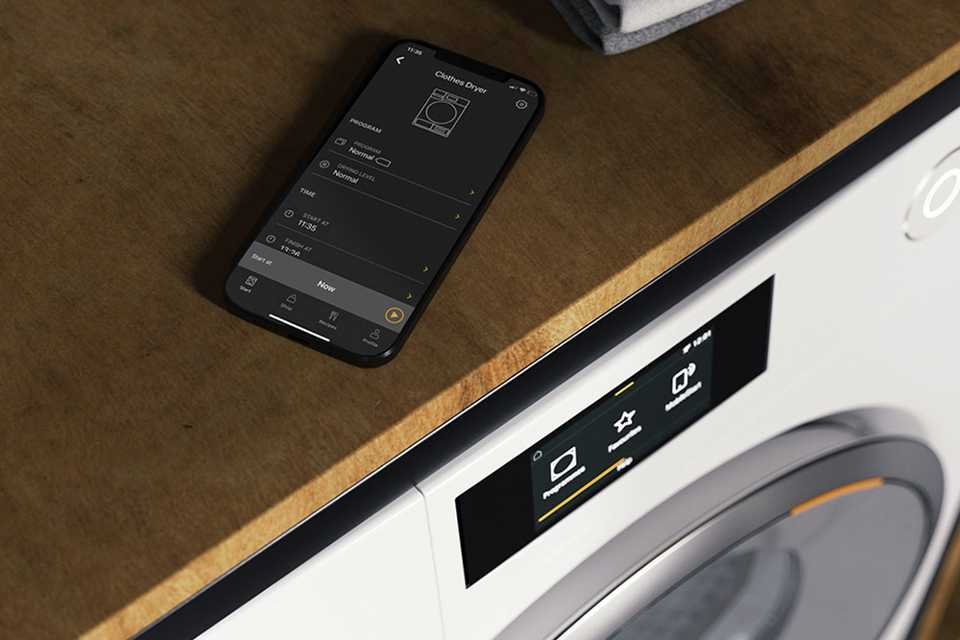

Discover top laundry appliances
Slider Grid
- Save £20.00£279.00Was
£299.00Free standard delivery - Save £20.00£309.00Was
£329.00Delivery from £9.95






Some things to consider...
Carousel
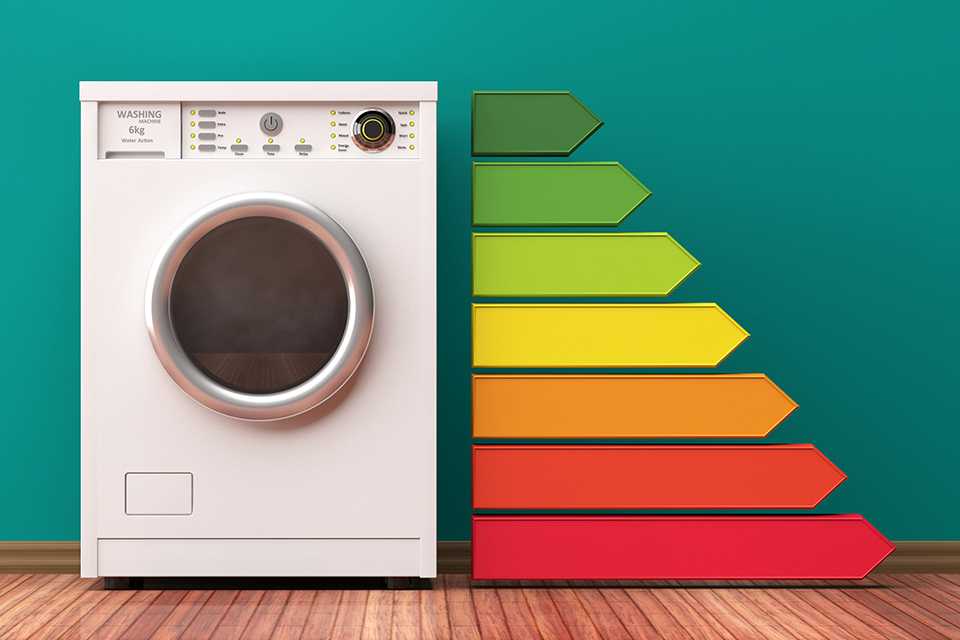
Energy efficient ratings
Energy ratings for tumble dryers range from A+++ to C and for washing machines from A to E. The higher the energy rating, the more electricity you’ll save per cycle and the cheaper your utility bills will be.
Before you order
- Check your measurements – where your appliance will fit as well as access to your room of choice, including gates, doorways and stairways.
- Check these against the machine measurements and specifics. For smaller spaces, try 7-8kg washing machines or tumble dryers that might be a better fit.
Preparing for your delivery
- Fill out our installation survey and let us know of any access issues.
- Before we arrive, you’ll need to check that your cold-water feed and waste pipe are in good condition (washing machine installation only), and that an electrical socket is nearby and accessible.
- If we’re unable to connect your appliance due to one of the above checks not taking place, we won’t be able to refund your delivery and connection charge (this does not affect your statutory rights).
- We’ll text you the day before your delivery with a 2-hour time slot.
On the day of delivery
- Make sure someone is home as we can’t leave these items in a safe place.
- Ensure there’s space for our delivery lorry.
- For our driver’s safety, please clear their delivery route from lorry to location.
- If you’ve opted for our appliance recycling service please disconnect your old appliance before the delivery arrives.
- It’ll take around 25 minutes for delivery and installation.
Click here to find out more about our installation and recycling service.
Frequently asked questions
What should I look for in a washing machine?
- Keep an eye out for features such as spin speed, variable temperature, and max washing time.
- Go for a machine that has a wash capacity suitable to your requirements.
- Pick from freestanding options for multiple features or try integrated machines that are great for smaller spaces.
- For more information, explore these sections in the guide above.
Is it worth getting a 9kg washing machine?
Yes — if you have a medium to large household or regularly wash bulky items. A 9kg washing machine is worth it because it offers:
- Bigger drum capacity for bedding, towels, and family laundry
- Fewer loads, saving time, water, and electricity
- Better energy efficiency on modern models
- Room for duvets and large items that smaller drums struggle with
It may be more than you need if you live alone or only wash small loads. In that case, a 7kg or 8kg machine is usually more economical.
Where do I put white vinegar in my washing machine to clean it?
To clean your washing machine with white vinegar, pour it into the detergent drawer — specifically the main wash compartment. Here’s how:
- Add 250–500ml of white vinegar to the detergent drawer.
- Run a hot 60°C or 90°C maintenance wash with the drum empty.
- Wipe the door seal and drawer afterwards to remove residue.
Avoid putting vinegar directly in the drum if your machine has rubber components, as long‑term use may degrade seals.
How to clean a washing machine rubber door seal?
You can clean out any dust, dirt or debris from the rubber door seal using a soft cloth. Add a little soapy water to the cloth to wipe off any tougher stains.
Can a washing machine cause allergies?
A washing machine can contribute to allergies if it isn’t cleaned regularly. Common causes include:
- Mould and mildew in the door seal
- Detergent residue that irritates sensitive skin
- Dust mites surviving low‑temperature washes
- Fragranced detergents triggering reactions
To reduce allergy risks:
- Run a monthly hot maintenance wash
- Clean the drawer, seal, and filter
- Use non‑bio detergent for sensitive skin
- Wash your bedding at 60°C to kill allergens
These will help you reduce the chances of allergies.
What are some tumble dryer tips?
- Check the maximum capacity of the machine and don't overload your dryer so that it lasts longer.
- Make sure you keep your dryer clean and well-maintained. Regular cleaning of the lint trap is a good place to start.
- Wet and damp clothes can cling to each other and get all tangled - try to separate these and put them into the dryer carefully for best results.
What are some small tumble dryers?
Explore tumble dryers with 7kg capacity that are more compact and can be ideal for smaller uses.
What's better, a condenser or vented tumble dryer?
It depends on your home setup as both have pros and cons.
Condenser dryer (best for homes without external vents)
- No vent hose needed
- Can be placed almost anywhere
- Collects moisture in a tank
- Usually more expensive to run
Vented dryer (best for low running costs)
- Needs an external vent
- Typically less expensive to buy and run as compared to condenser dryers
- Removes moisture directly outside
- Limited placement options
What dryer uses the least amount of electricity?
A heat pump tumble dryer uses the least electricity of all dryer types. It:
- Recycles warm air instead of releasing it
- Uses less energy than condenser or vented dryers
- Often rated A++ or A+++ for efficiency
- Ideal for reducing household energy bills
Although heat pump dryers cost more upfront, they save significantly on running costs over time.