
Car journeys with a newborn: what you need to know before you set off
Plan ahead to make your first car trips with your new arrival as smooth and stress-free as possible.
&poi={$this.metadata.pointOfInterest.x},{$this.metadata.pointOfInterest.y},{$this.metadata.pointOfInterest.w},{$this.metadata.pointOfInterest.h}&scaleFit={($this.metadata.pointOfInterest.x>0)?$sfpoi:$sfcenter}&sm=aspect&aspect=3:2&sfcenter=center&sfpoi=poi&qlt=50&fmt=auto&noiser=0&fmt.jpeg.interlaced=true&fmt.jp2.qlt=40&)
By Zara Flynn | Last edited: June 2026
With a little forward planning and preparation, even longer car journeys can be an enjoyable experience when travelling with your youngest family members. Read on for handy hints and tips to make the journey nice and easy.
Choosing the right car seat for your baby
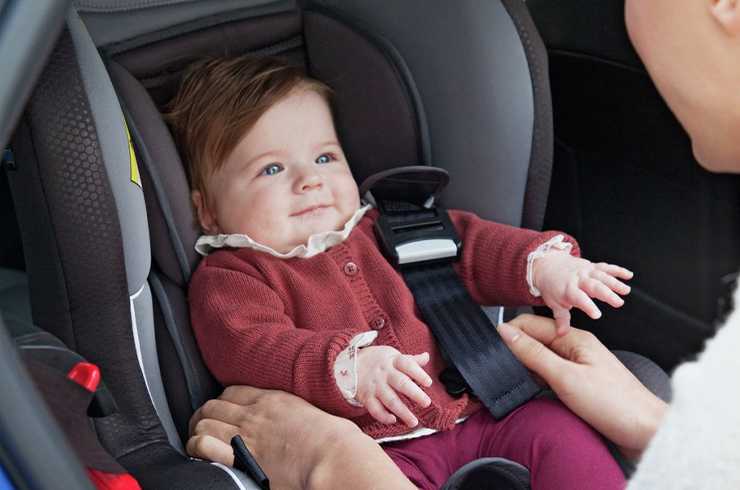
Aside from keeping your child safe and comfortable, a car seat is a legal requirement for children in cars here in the UK. Car seats in the UK follow the latest R129 regulations. In the past, the R44 regulations looked at age and weight, whereas R129 factors in height rather than weight for a better fit and improved safety for your child. i-Size brings an extra layer of convenience as they all boast ISOFIX compatibility. The NHS has a handy guide on car seat considerations and regulations. Here are our top tips to consider when looking for or using a car seat:
- Don’t use a second-hand car seat as it may have missing instructions, parts or hidden damage. It’s always safer to go for a brand-new car seat unless you know its history
- Look for ISOFIX car seats. Most modern cars have these and can make installing and removing the seat easier. They’re also handy if the car seat is going to be used in multiple cars
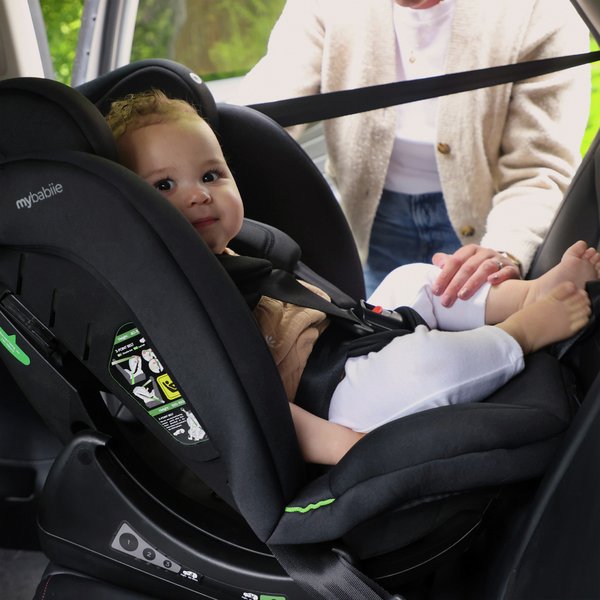
- All children 15 months and younger must be seated in a rear-facing car seat
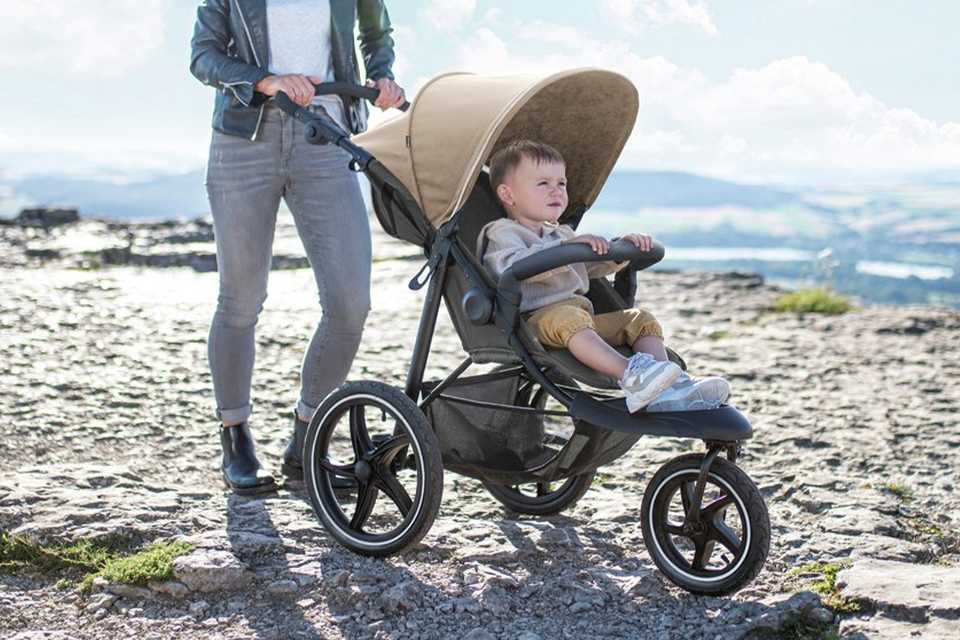
- Look for options that form travel systems. These will allow you to attach the seat straight to a pushchair chassis, making your onward trips quick and easy. If you don’t have a travel system, many manufacturers make adaptors that allow you to attach your car seat to your pushchair
- Some car manufacturers have online guides and videos helping you to install a car seat, so it’s worth checking out their website, socials or YouTube channels
- Follow all manufacturer guidance and fitting instructions. As a rule of thumb, a rear-facing seat should not be fitted to the front passenger seat unless the airbag can be turned off
Safety tip
While it might be tempting to bundle up your baby in outdoor wear in colder months, this bulky clothing can present problems in car seats. Remove bulky snowsuits, coats or hats to ensure a snug fit for the harness, offering maximum protection. For added warmth, a blanket could be used over the harnesses.
Our car seat buying guide is filled with more helpful tips, advice and regulations you should be aware of when buying a new car seat.
Make the journey comfortable for your baby
There are lots of things you can do to make your baby comfortable in the car – many of which we might not think about for ourselves. We’ve got a range of baby car and travel accessories to help you out. Think shades and blinds for the windows to keep the sun off your backseat, and mirrors that let you keep an eye on them from the front. If your baby loves the comfort of a dummy, keep one or two spare and close to hand in case they drop one. If you can, have another older passenger in the back to keep an eye on and occupy your baby.
Think about the temperature of your car – set it to a comfortable level for everyone including your baby. Baby-friendly playlists filled with light, soothing music will be great for everyone in the car.
Plan in plenty of stops to allow the adults to get out and stretch, and for the baby to have some time out of the car seat. NHS advice is that a baby shouldn’t be in a car seat for more than two hours at a time. If your journey is longer than this, plan in stops at least once every two hours.
While it might be tempting to let sleeping babies lie when you arrive at your destination, the Lullaby Trust advises against this. Because car seats are a more upright seating position, they aren’t designed for prolonged sitting, and not for sleeping, so as soon as you can, you should move your baby to a pram or cot with a flat, stable surface.
Slider Grid












Keep everything organised and easy to pack
A changing bag is a must-have on every journey with a little one. Go for one with plenty of space for nappies, extra baby clothes, bottles and all the other little bits and pieces you’ll need when you reach your destination. You’ll want to keep a changing mat in your bag to make baby changes quick, clean and easy. Keep your bag in the car, rather than the boot, where a passenger can access it if you get stuck in traffic.
For longer trips be sure to pack a foldable pushchair or your travel system to make getting around a breeze, while baby carriers offer a great space-saving and flexible alternative that you can pop in your bag. For added comfort, a travel cot and travel mattress will bring a little home from home comfort on the road.
Road trips with babies checklist
Make sure you pack these essentials for any road trips with your newborn to make the journey as seamless as possible:
For the car:
- Car seat and base if needed
- Baby mirrors
- Sunshades
For the baby:
- Bottles and food
- Changing bag with nappies, spare clothes, nappy sacks and wipes kept where you can get to it easily
For your destination:
- Lightweight folding pushchair/travel system
- Travel cot for longer trips along with sleeping bags, night lights and white noise machines
- Bottle sterilisation and feeding accessories
- Bouncer for longer stays away from home
A few things to consider when planning your trip that will help things run smoothly:
- Prepare baby-friendly playlists with calm, soothing music or white noise
- Pack toys or visual stimulation to occupy your little one
- Plan in plenty of stops to allow adults to stretch and to take your baby out of the car seat
- Be flexible – no amount of planning will prepare you for every possibility with your baby, so be ready to change your plans at a moment's notice
Top tip: Always keep a small emergency change pack in the boot of the car for those unexpected moments. Some current size nappies, wipes, current sized change of clothes, a couple of nappy sacks, a small foldable changing mat or disposable absorbent pads can be a saviour for those unexpected moments or the day you forget the changing bag.
Car journeys with babies FAQs
What is the 2-hour car seat rule?
NHS advice is that a baby should not be in a car seat for more than two hours at a time. With the Highway Code advising drivers to take at least a 15-minute break for every two hours of driving, it’s a sensible schedule to follow when planning your journeys.
Can I leave my sleeping baby in their car seat when I get to my destination?
No, it’s not recommended. Because car seats have a more upright position, particularly for young babies, you shouldn’t use them as an option for sleep. As soon as possible, you should transfer your baby to a cot or pram with a firm, flat surface.
How can I keep my baby comfortable on longer car journeys?
Minimise direct sunlight with window shades to keep babies from overheating. Set the internal cabin temperature of the car to a comfortable level and avoid direct air from vents on your child. Consider a playlist with calming music, lullabies and even white noise to help keep your child relaxed and comfortable.
How can I entertain my baby on a car journey?
Keeping children and babies occupied and entertained can be challenging at the best of times, not least when travelling in a car. If you have a passenger with you, have them sit in the back with your baby to keep an eye on them and keep them occupied.
How many changes of clothes should I pack?
This depends on the nature of your journey. If you’re staying away from home for a period, consider how many daily changes you usually make, plus extras for good measure. Access to laundry facilities will also impact your decision here. If it’s a day trip, at least two changes plus a change of top for yourself is a good starting point.