

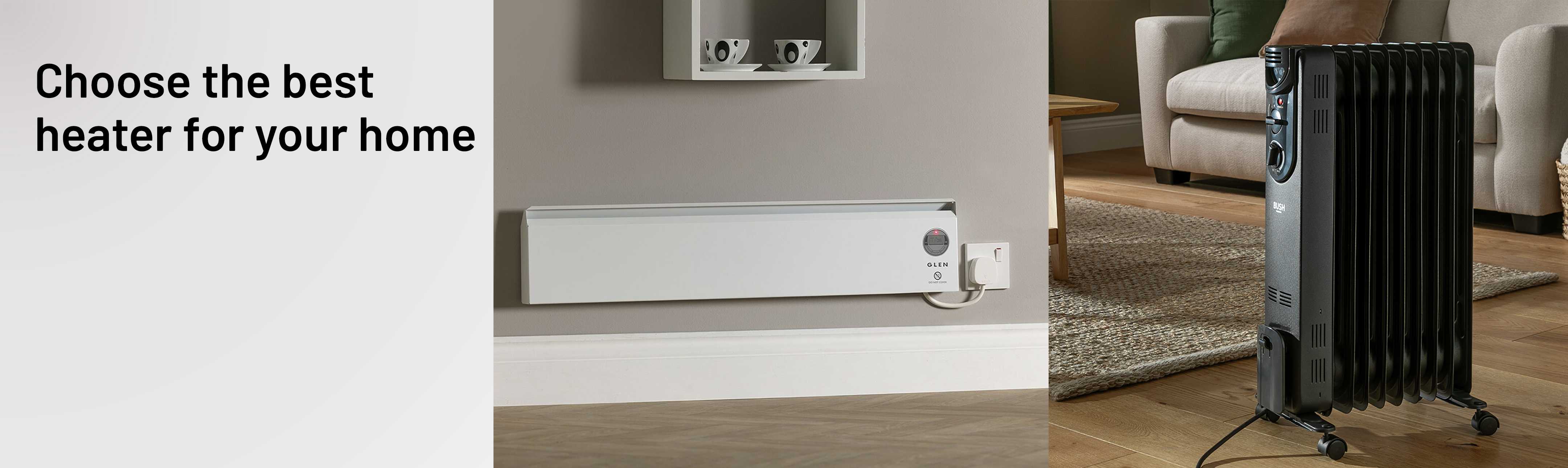
Keeping your home cosy is essential, especially when the cold weather begins to bite. But heating the whole house can be expensive. To save money and energy, a freestanding heater can be a great choice, allowing you to heat just the space you need when you need it most.
Shop heaters, electric fires, blankets & throws


Which heater is best for you?

Choosing the right heater for your home
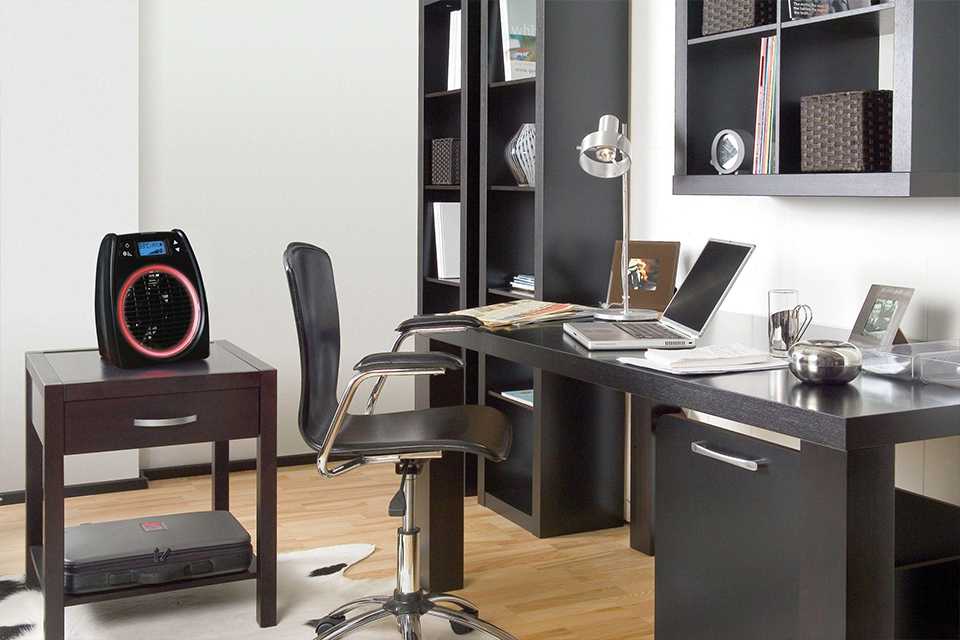
From portable electric heaters to fan heaters, there are lots of ways to turn a chilly room into a place of comfort. A portable heater gives you the flexibility of settling in any room of your home easily. A smart heater is operated using an app. Adjust the temperature from wherever you are. And, fan heaters are perfect for when you need to feel warm quickly.
- Shop all electric heaters
What types of electric space heaters are there?
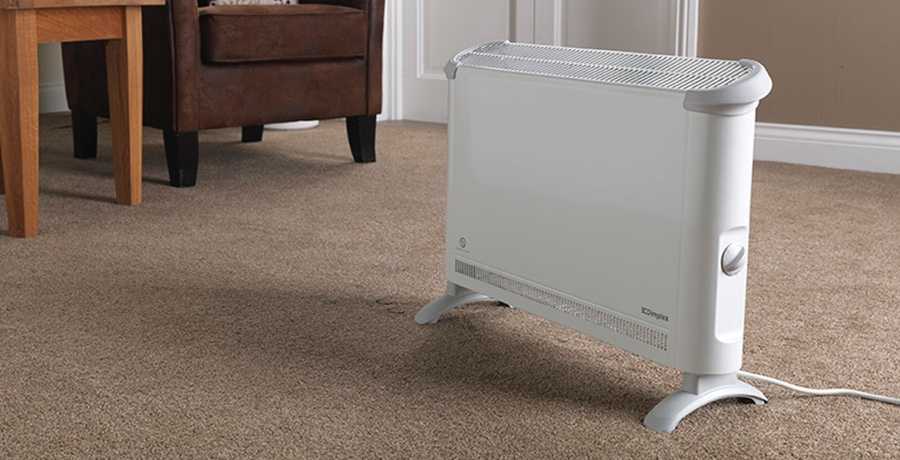
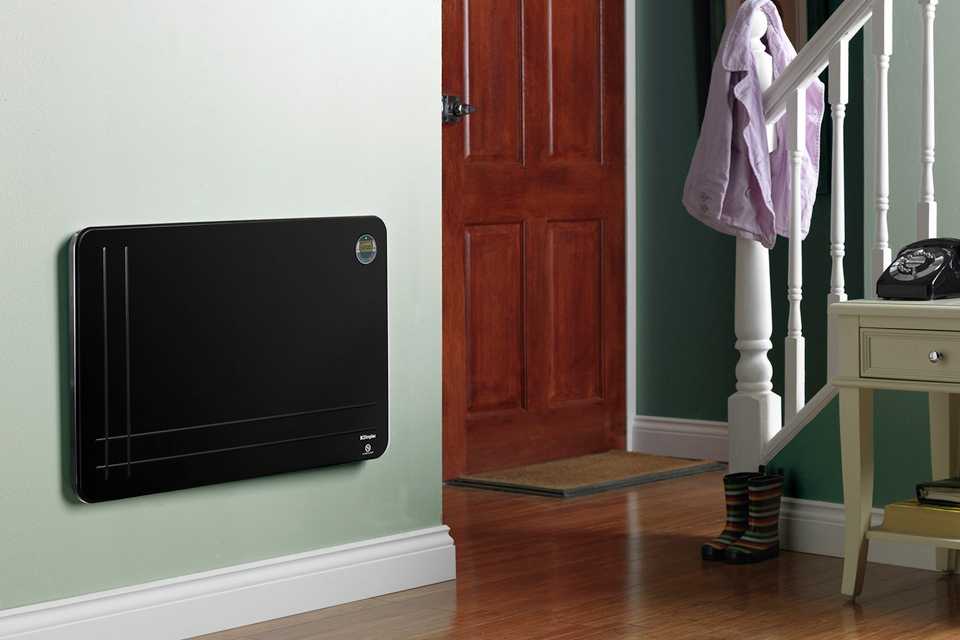
Choosing the right electric heater can make all the difference. From quick‑heating electric fan heaters to oil‑filled radiators, explore all the options to find the most efficient electric heater for your space with our guide.
Carousel

Carousel
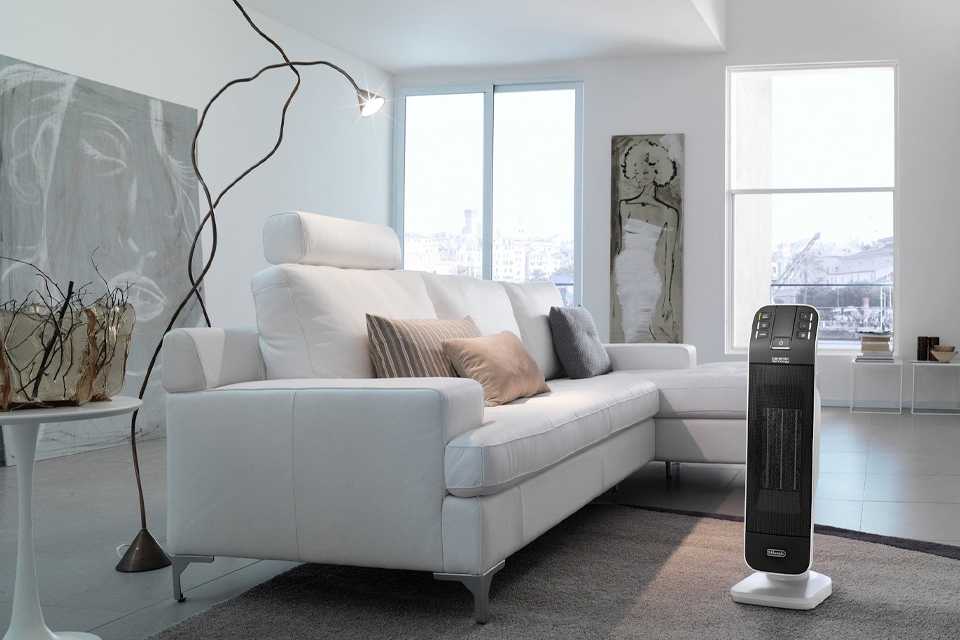
Energy efficient heaters
Carousel


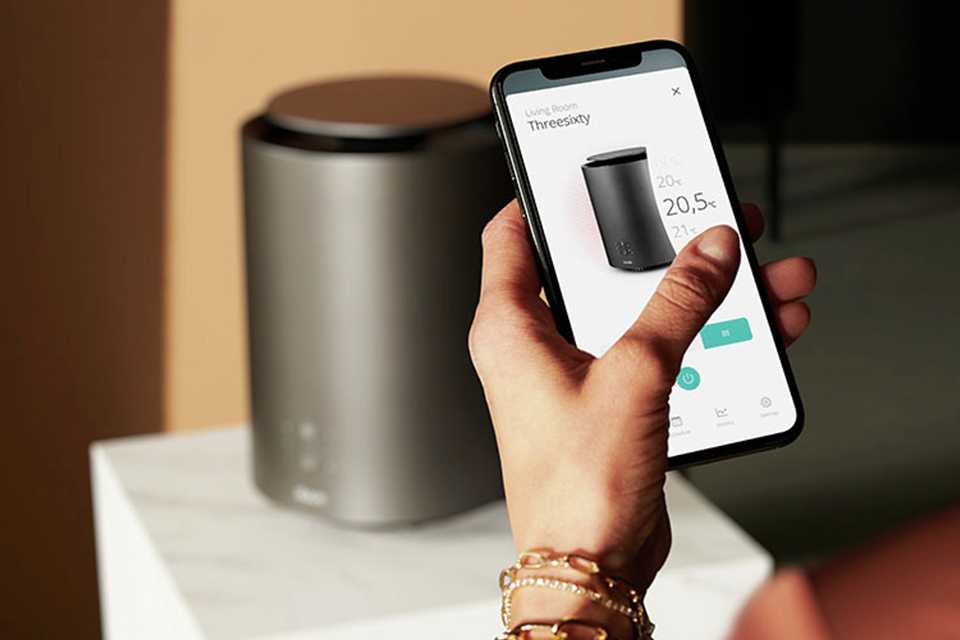
Features to consider when buying an electric heater
Electric heater features
- Power output - A low‑wattage mini heater is great for small rooms, as they don’t require as much heat. Larger rooms will need a heater with at least 2kW of power.
- Timer option - With a programmable timer, you can set the heater to turn on and off automatically, which is especially helpful if the heater takes time to warm up.
- Thermostat - A smart thermostat boosts efficiency by maintaining your set temperature and automatically switching the heater on and off when needed.
- Running costs - Running costs of the heater vary on it's wattage and how often you use it. Energy‑saving modes and low-wattage models help cut bills while keeping the room warm.
- Noise - Some heaters can be loud; look for low‑noise models for bedrooms or workspaces.
- Safety features - Look for key safety features such as a safety cut‑out switch, tip‑over switch, and cool‑touch exterior for added peace of mind.
- Frost protection - A heater with frost protection emits low‑level heat when the temperature drops below a certain level.
- Oscillation - Heaters that oscillate from side to side distribute warmth more evenly throughout a room. This feature often increases the heater’s overall coverage area
Other heaters
Carousel
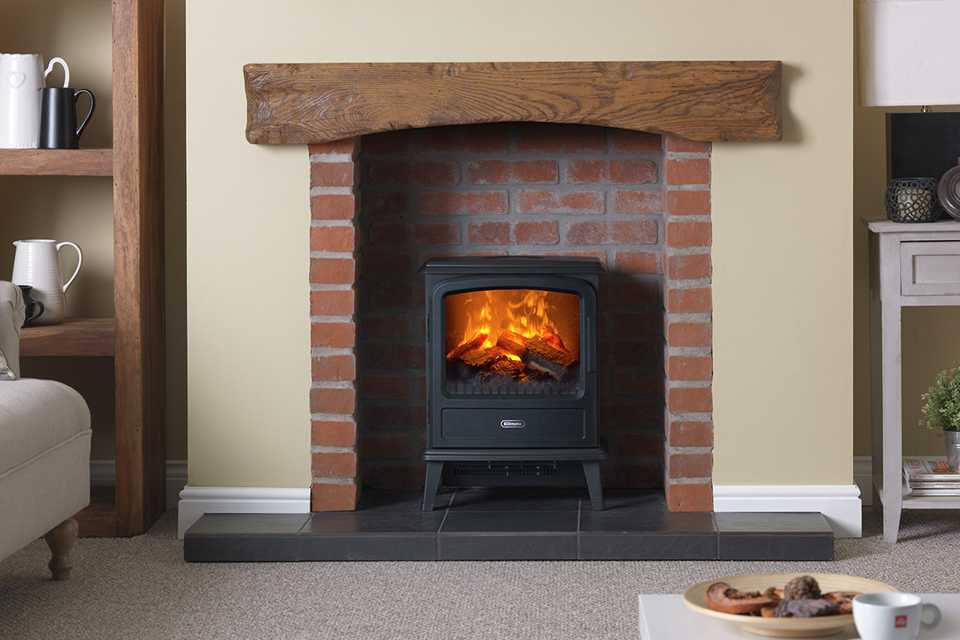
Electric stove burners
Ideal for homes without chimneys, electric fires heat up your space instantly. They feature flames that look real. These fires work on electricity as opposed to gas or wooden logs. Many models have heat-adjustable settings, energy-efficient features and more settings that make them a convenient option.
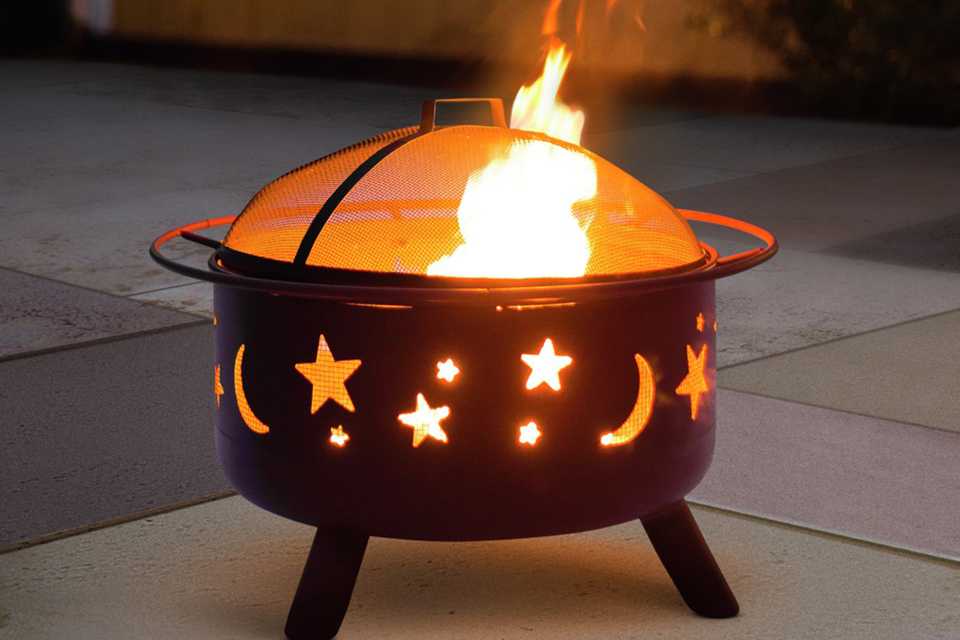
Outdoor heaters
When it comes to heating an outdoor space, there are many choices available, but some popular options include firepits, chimineas and patio heaters. These provide a cosy warmth that allows you to enjoy your garden, decking or patio area throughout the year.
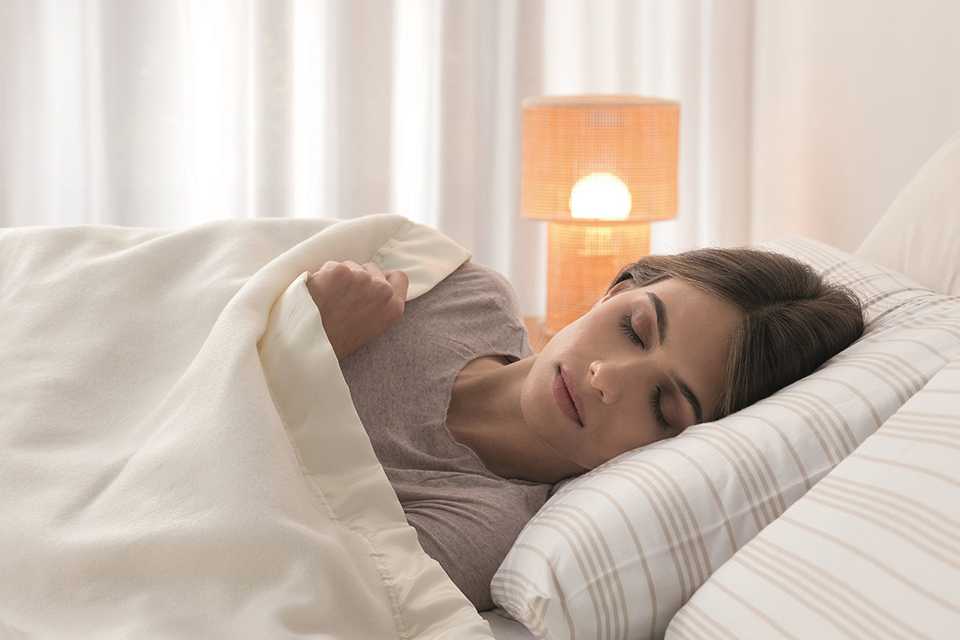
Electric blankets and heated throws
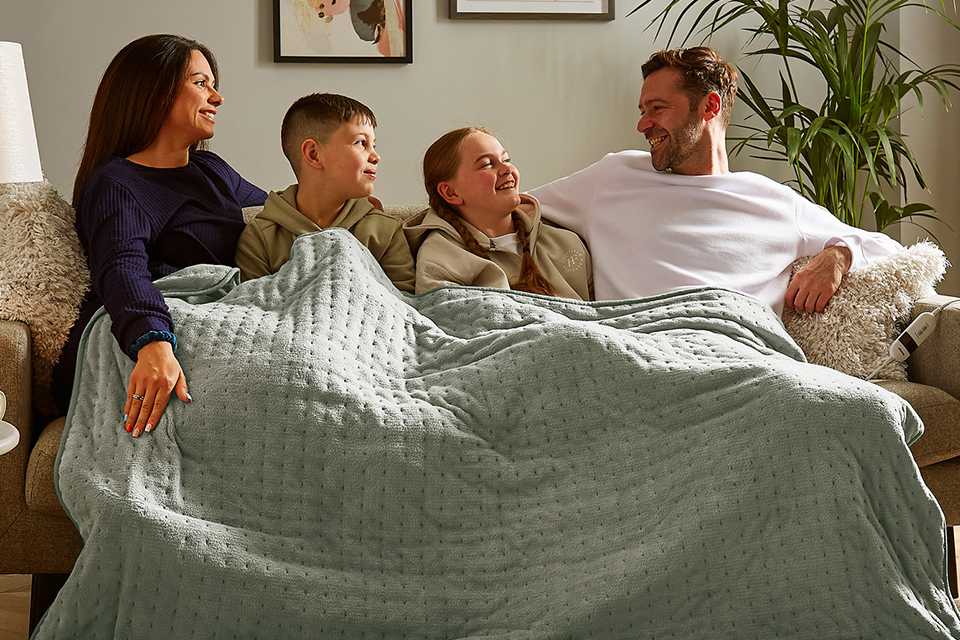
Who doesn't wish for an extra few mins of sleep when there's a nip in the air. Doze off feeling warm and snuggly with an electric blanket. And, when you want to curl up and read a book, go for a heated throw to keep you warm.
Shop all heaters
Slider Grid







Shop heaters by brand
Carousel






FAQs about electric heaters
What is the most efficient electric heater?
The most energy‑efficient heater for your home will depend on how you use it. Many people choose energy efficient heaters designed to warm spaces quickly without wasting power. Convector heaters and halogen heaters are also popular because they heat rooms evenly and can be economical for short bursts of warmth. If you want to stay cosy without heating the whole room, electric blankets and heated throws are a low‑energy option worth considering.
Where is the best place to put an electric heater?
Placing your heater correctly helps it work more effectively. Place it in an open area where heat can circulate freely—ideally away from furniture, curtains or walls that could block airflow. Fan heaters work well when aimed toward the centre of a room, while convector heaters perform best on the floor along a clear wall. Always follow the manufacturer’s safety guidance to keep your space warm and safe.
What is the cheapest type of electric heater to use?
The cheapest electric heaters to run are oil‑filled radiators and low‑wattage ceramic models. They provide steady, efficient warmth while using less power, and some modern electric heaters can cost as little as 1p per hour on low heat settings.
What plug-in heater uses the least electricity?
Low‑wattage plug‑in heaters, such as ceramic or oil‑filled radiators with eco modes and smart thermostats, use the least electricity. They warm small spaces efficiently while keeping overall energy consumption comfortably low.
What is the cheapest way to heat a room?
The cheapest way to heat a room is using an energy‑efficient space heater, insulating drafts, and trapping warmth with curtains and rugs, helping you stay cosy while keeping costs low.
Are there heaters you don't have to plug in?
Yes, there are heaters you don’t need to plug in, such as propane, kerosene, and wood‑burning heaters. These are best suited for outdoor heating. Rechargeable cordless electric heaters are also great portable, cable‑free options.
What is the most efficient bedroom heater?
The most efficient bedroom heaters are oil‑filled radiators, modern ceramic space heaters, or electric fan heaters. They provide steady, quiet warmth and include key safety features such as overheat protection, tip‑over switches, and cool‑touch exterior designs.
Are halogen heaters safe to leave on overnight?
No, halogen heaters are not recommended for overnight use because they can become very hot and have exposed heating elements. They are best suited for temporary, supervised spot‑heating where you need quick warmth in a clear, well-ventilated space such as a patio or a garage.
What are the safety rules for space heaters?
Follow these simple tips to use electric space heaters safely:
- Keep any electric heater at least 3 feet away from furniture, fabrics, and other combustibles.
- Place heaters on flat, stable surfaces.
- Never leave electric space heaters unattended.
- Inspect cords regularly for signs of damage.
Read more on how to use electric space heaters safely.
Discover more inspiration
Carousel

You can now collect and spend Nectar points when you shop at Argos