
Home rug buying guide
Wondering how to choose a rug? From rug types and sizes to the best picks for different rooms, make buying a rug easy with our detailed guide.
Shop all rugs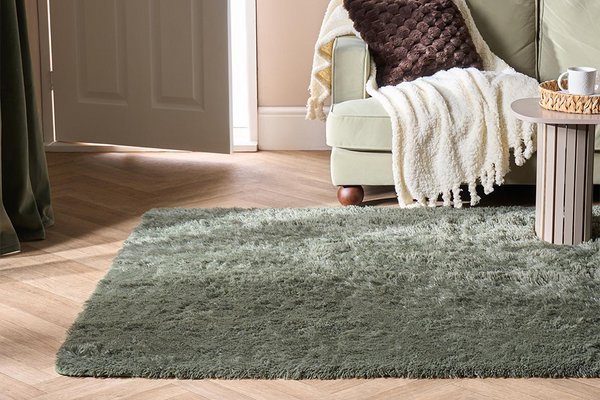&poi={$this.metadata.pointOfInterest.x},{$this.metadata.pointOfInterest.y},{$this.metadata.pointOfInterest.w},{$this.metadata.pointOfInterest.h}&scaleFit={($this.metadata.pointOfInterest.x>0)?$sfpoi:$sfcenter}&sm=aspect&aspect=2:1&sfcenter=center&sfpoi=poi&qlt=50&fmt=auto&noiser=0&fmt.jpeg.interlaced=true&fmt.jp2.qlt=40&)
By Zara Flynn | Last edited: August 2026
Top rug trends
The many different types of rugs can get a little overwhelming. A good place to start is by considering whether you want a plain or patterned rug as this will narrow down your choice of material and finish. If you're stuck on what style you want, we've picked out a few rugs that best fit with popular décor themes.
What rug styles are trending now?
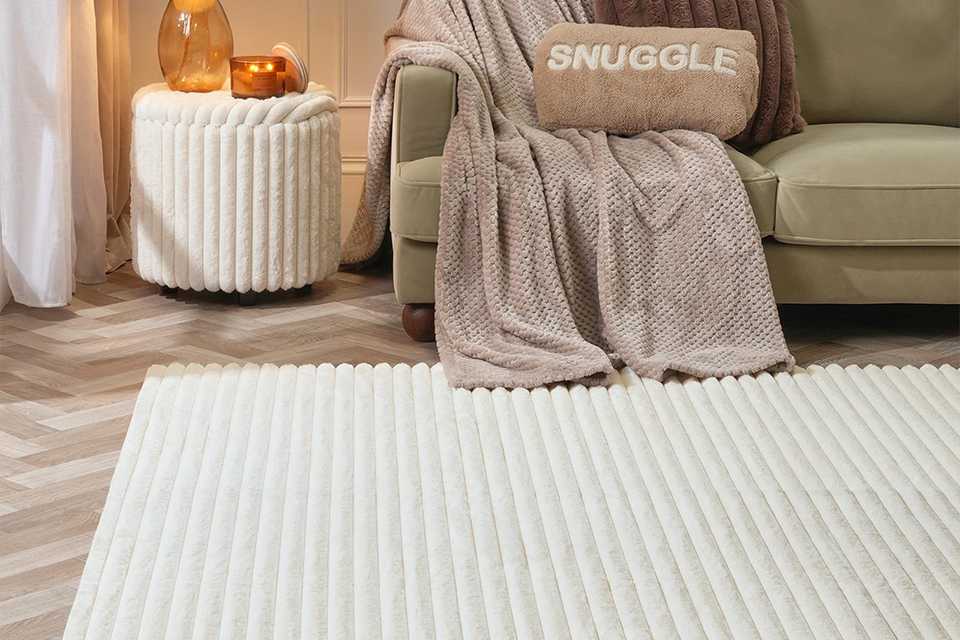
Choose from popular styles of rugs to find what suits your aesthetic and décor.
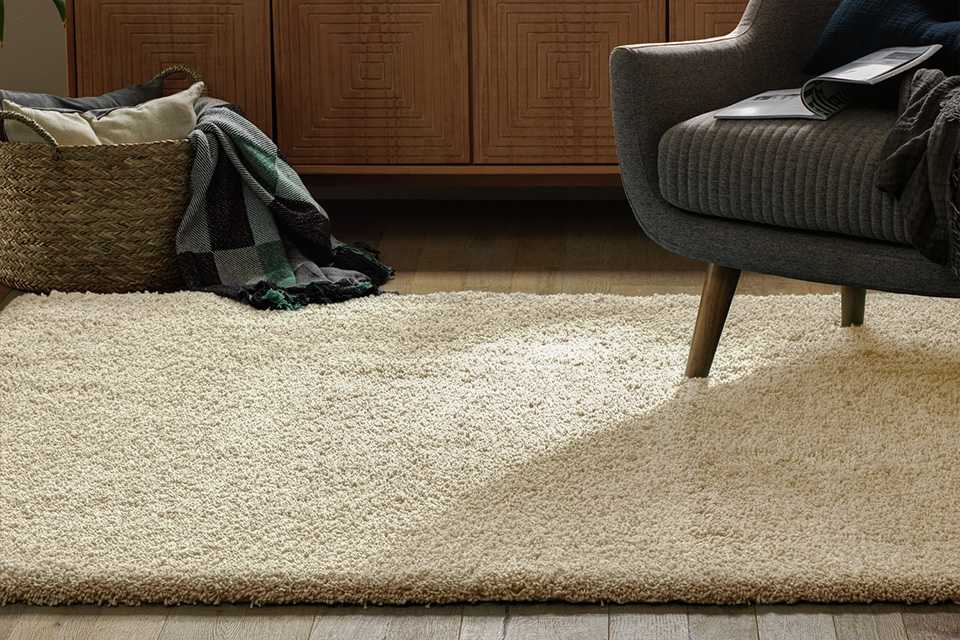
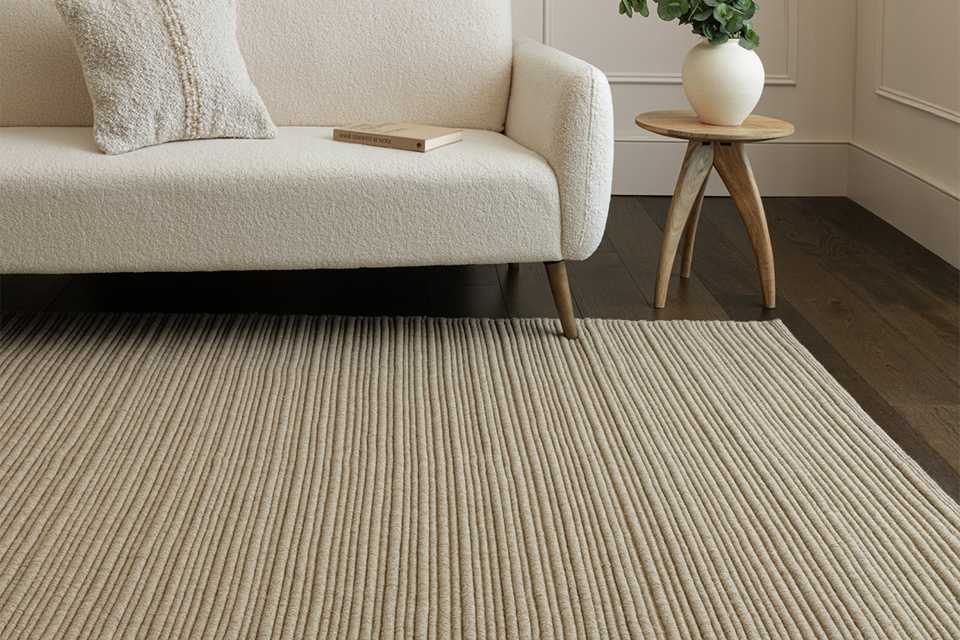
Plain rugs: Plain isn't boring. A solid colour makes texture stand out and opens up a few more material options, like shaggy or sheepskin. Not to mention, plain and natural rugs add a classy look.
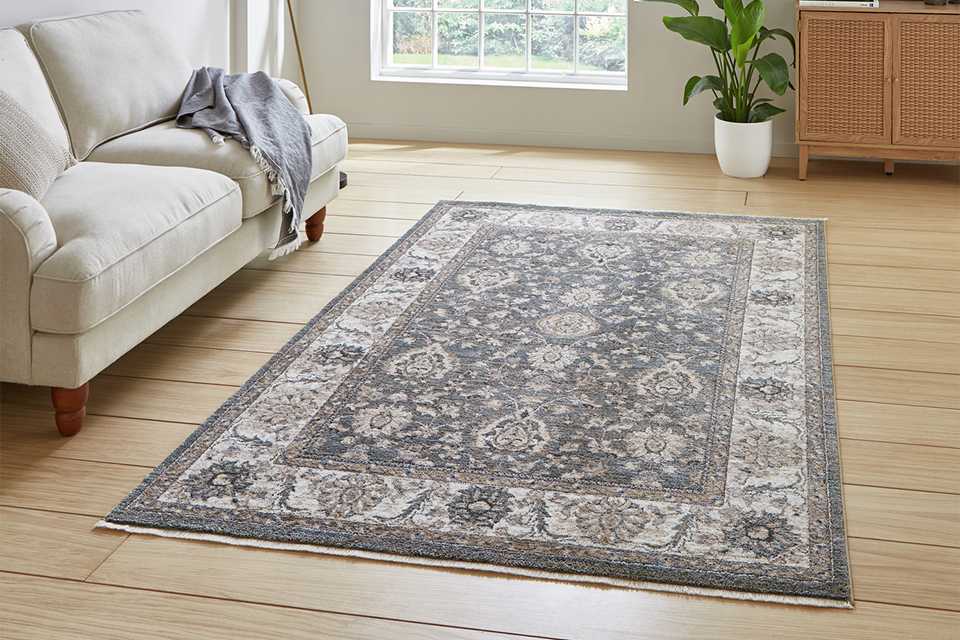
Patterned rugs: A traditional rug pattern or a bold contemporary rug design, these create a focal point and are a quick and easy way to make a statement.
Modern rugs: Fancy modern interior décor? Rugs in classic black and white or luxe champagne are just the thing. Explore options with faux fur for extra oomph.
Contemporary chic: Picture a cosy country cottage and some hot chocolate. Settle in for calming comfort with neutral rugs and check prints.
Scandinavian style: Calming coordination meets quiet luxury. White or grey, geometric print or textured, Scandi rugs are the perfect addition to any minimalistic room décor.
Rug size guide
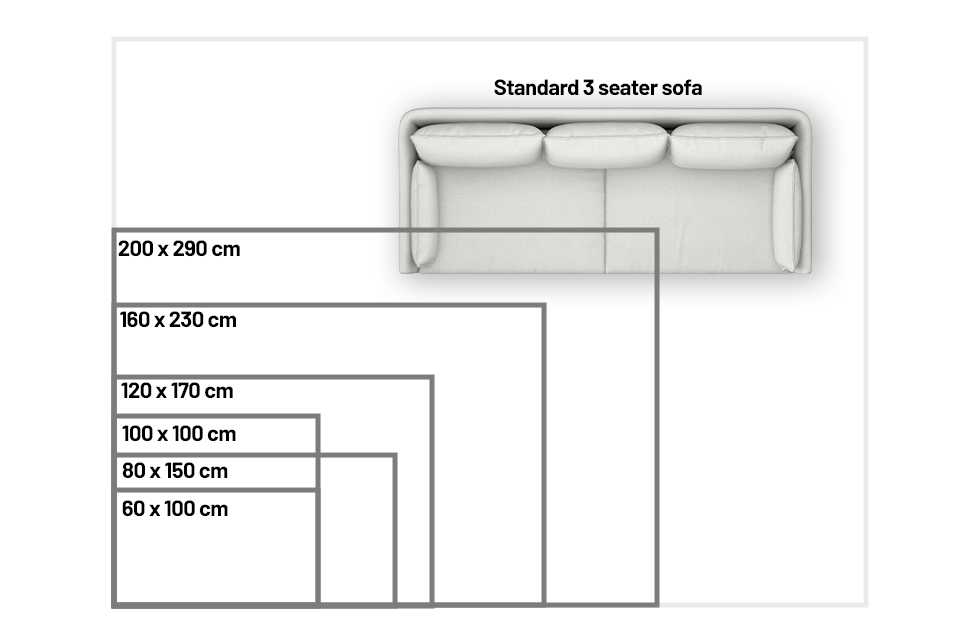
What size rug do I need?
Considering a new rug? A 60x100 cm might be just right for smaller spots or entryways. Perhaps a 80x150 cm could cosy up a favourite nook. A 100x100 cm square rug often works well in tidy, compact areas. For a touch of comfort in living spaces, think about a 120x170 cm, or go larger with a 160x230 cm or 200x290 cm to beautifully complement bigger rooms.
Explore and see what suits your space!
- Discover more about area rug placementopens in new tab
Shop rugs by size
Whether you're looking for rugs for a small room or want something to tie a larger space together, we've got different rug sizes for all your needs.
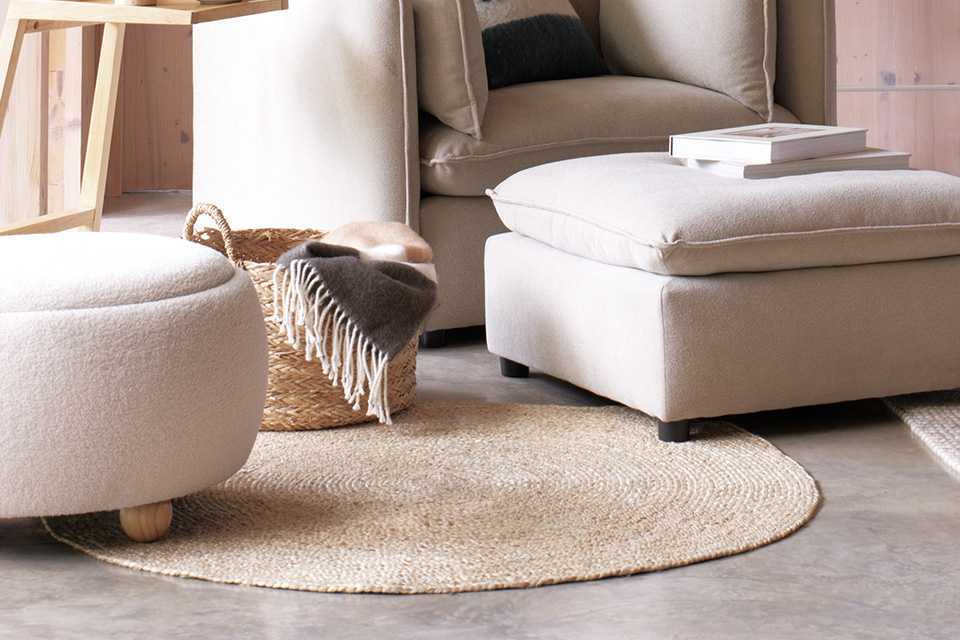
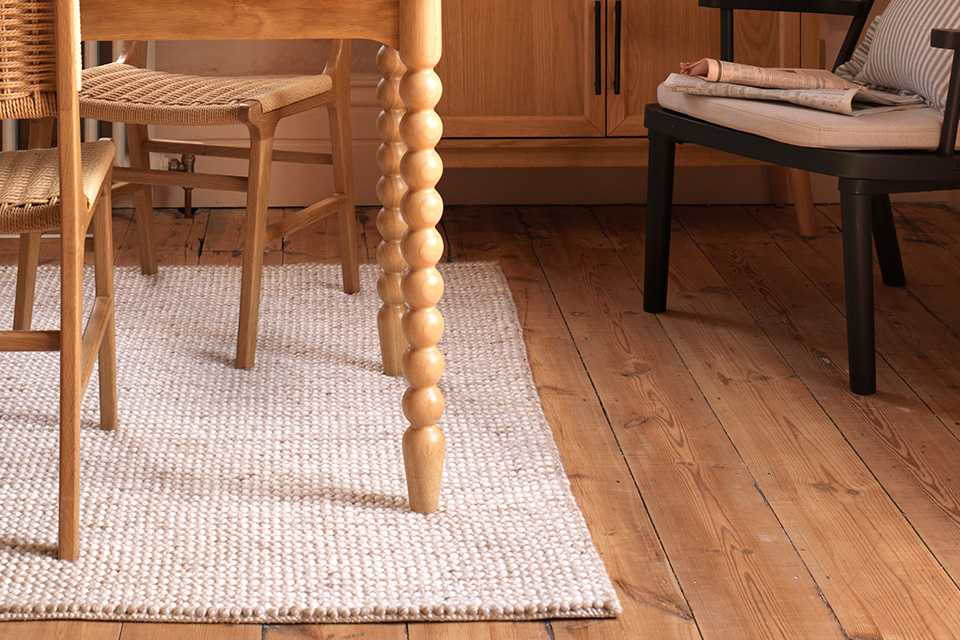
Shop rugs by colour
Carousel


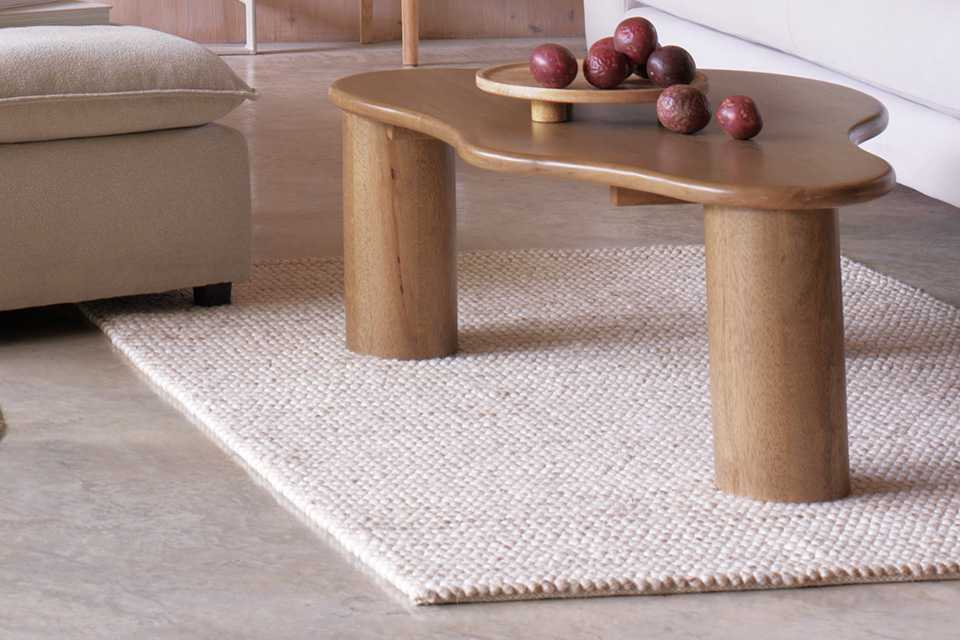
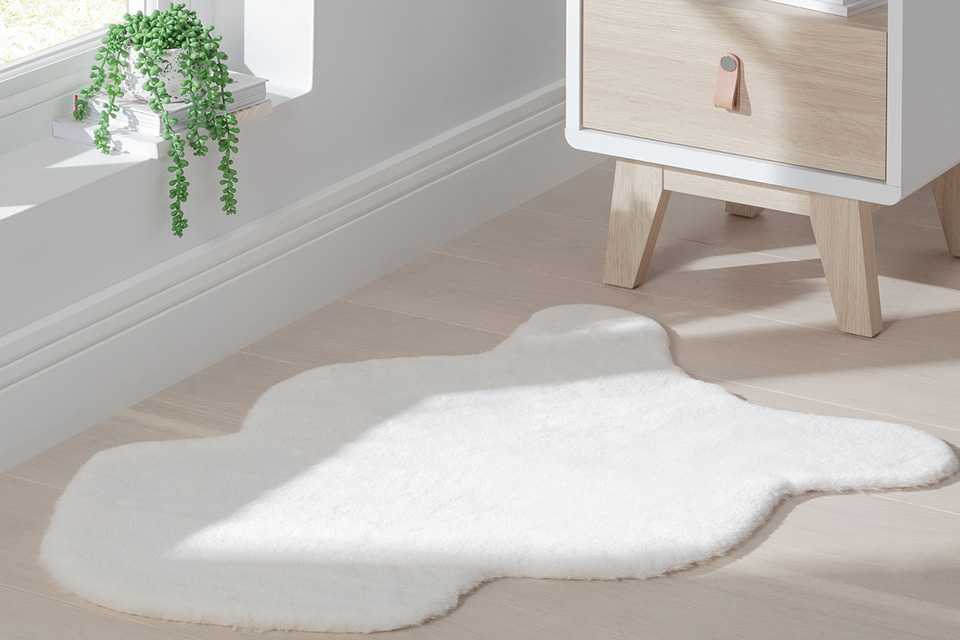
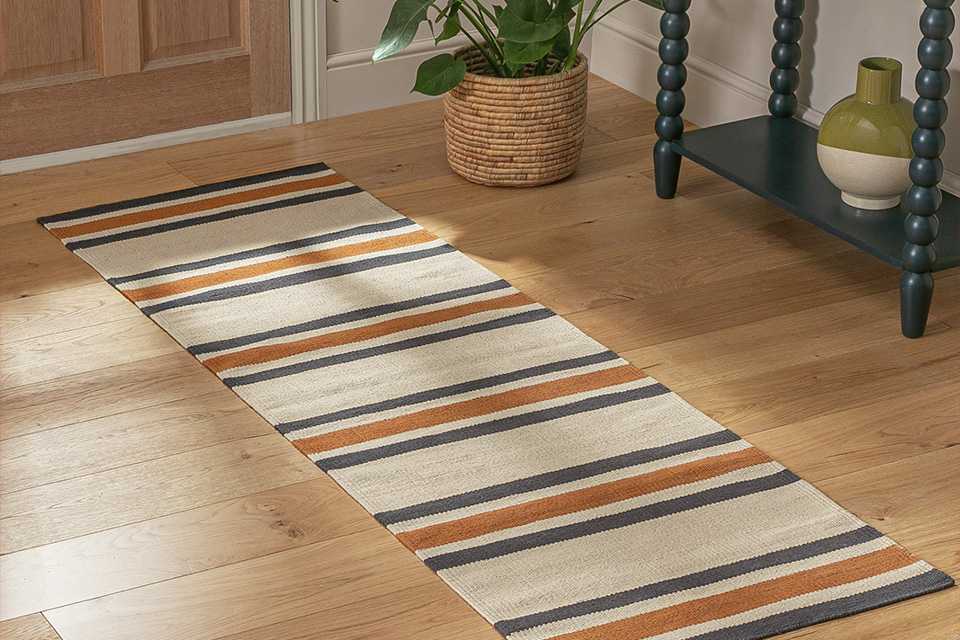
Shop by rug shape
From favourites like round and rectangular rugs to playful novelty designs and beautiful runners, find the rug shape that best suits your space.
Rugs by room
From the best rugs for different rooms to décor ideas and help with rug placement, we've got you covered.
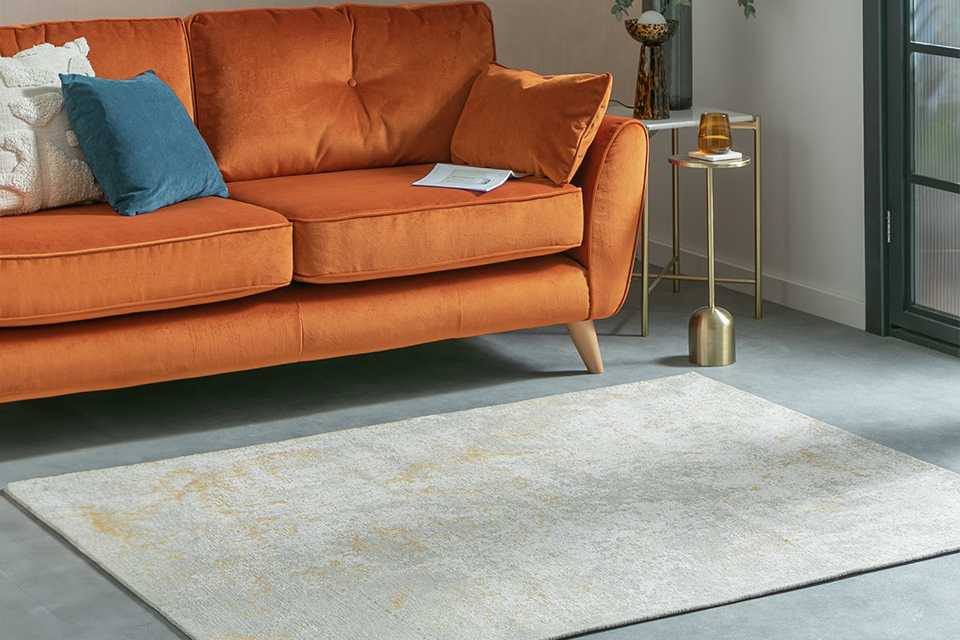
Living room rugs
Your living room is likely one of the busiest rooms in your house. To avoid wear, choose a durable material, like polyester or wool.
Living room decor ideas: The elegant rug under sofa look never fails. Set up your space with a comfy sofa, a coffee table, and a floor lamp. Add a plain or textured rug in a round or rectangular shape. You could also try patterned options with modern designs.
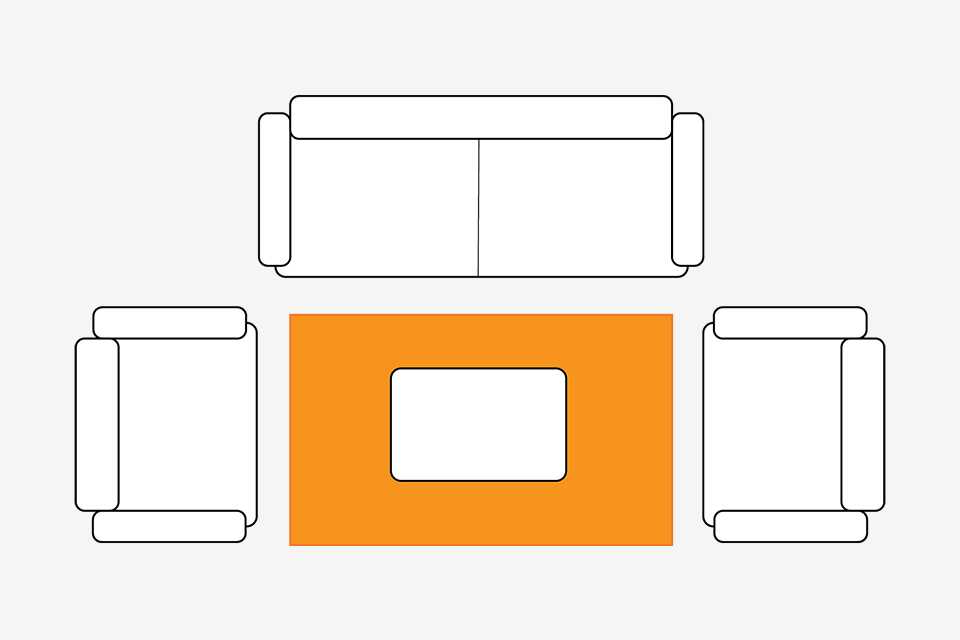
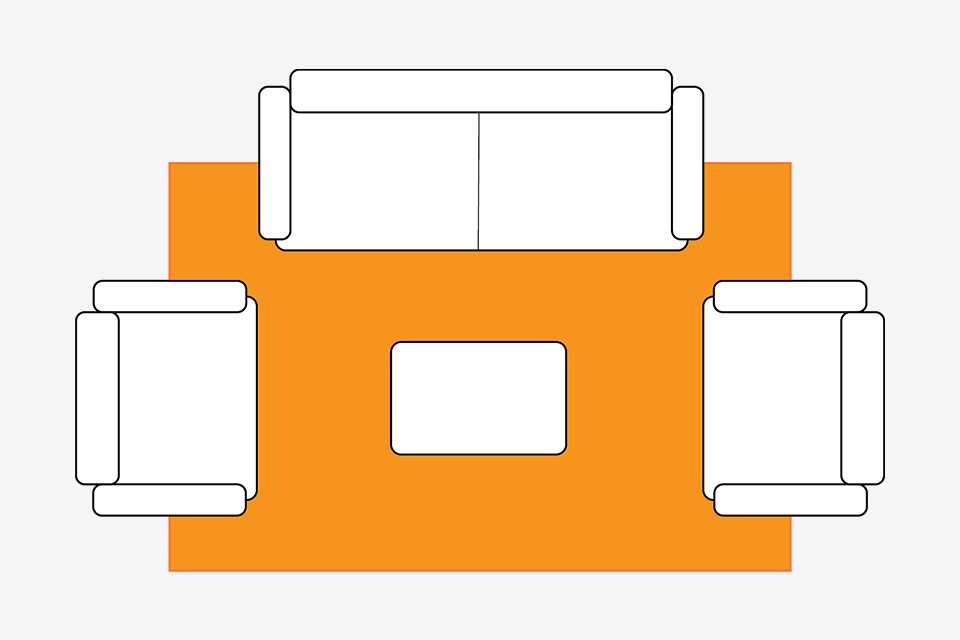
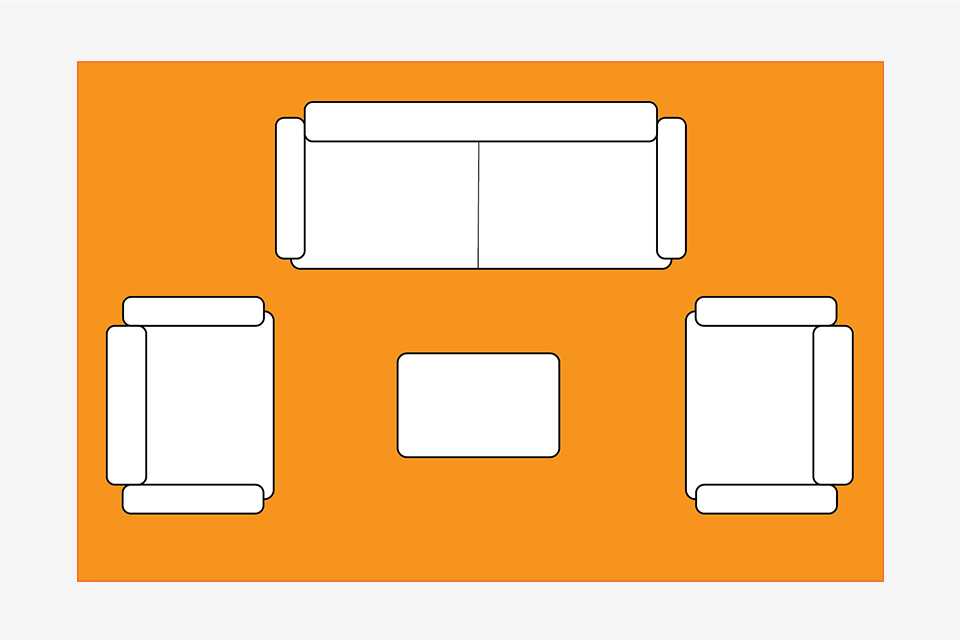
Rug sizes for your living room
Bedroom rugs
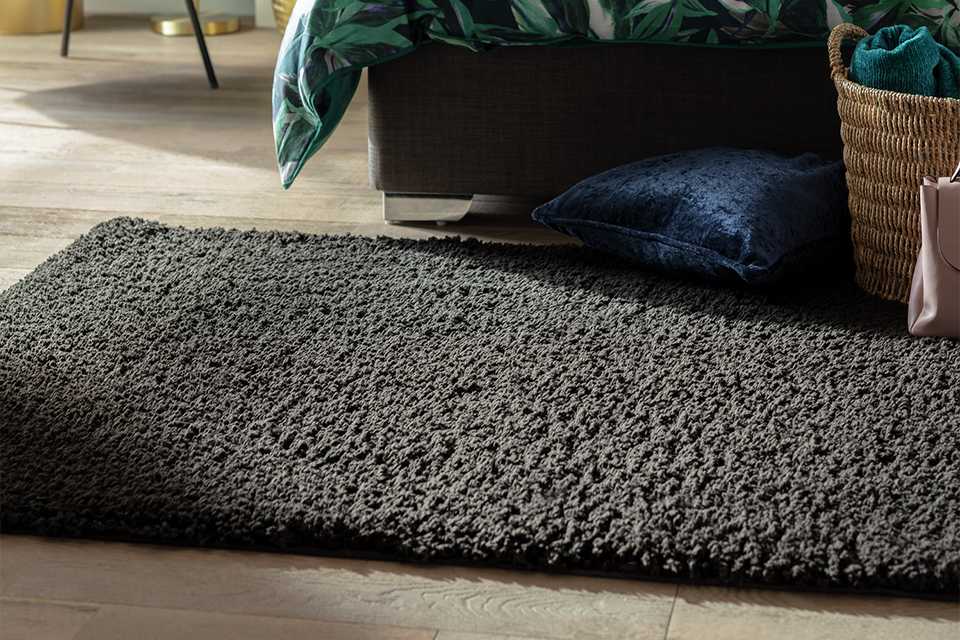
You're likely to be walking around with bare feet, so texture is important. Soft rugs with a longer pile and shaggy effects are ideal for the bedroom.
Bedroom decor ideas: For your sleep sanctuary, a good bed and a handy bedside table are a must. If you've already got these, you can move on to finding cosy bedding and a stylish rug to match.
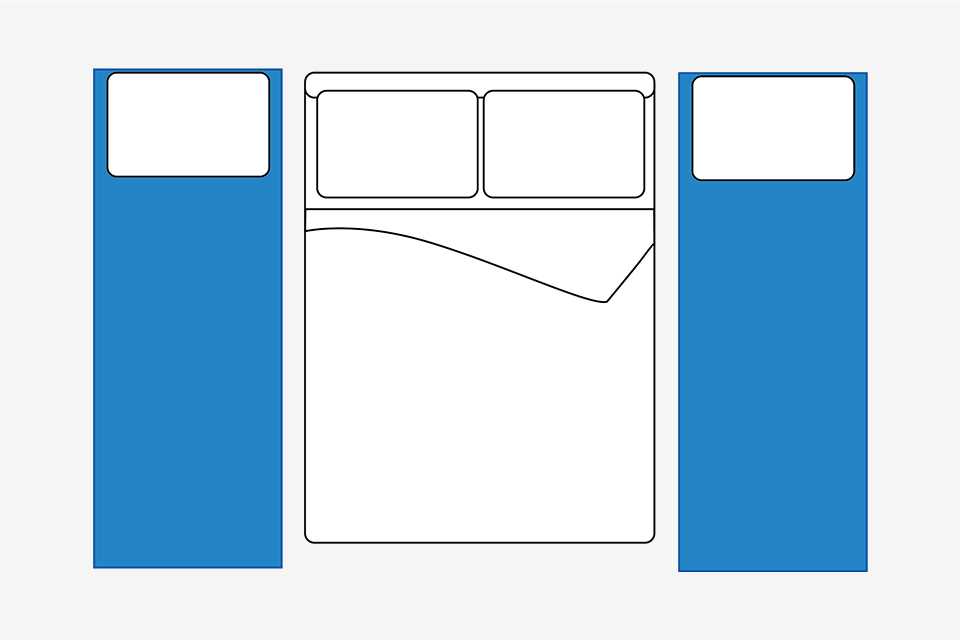
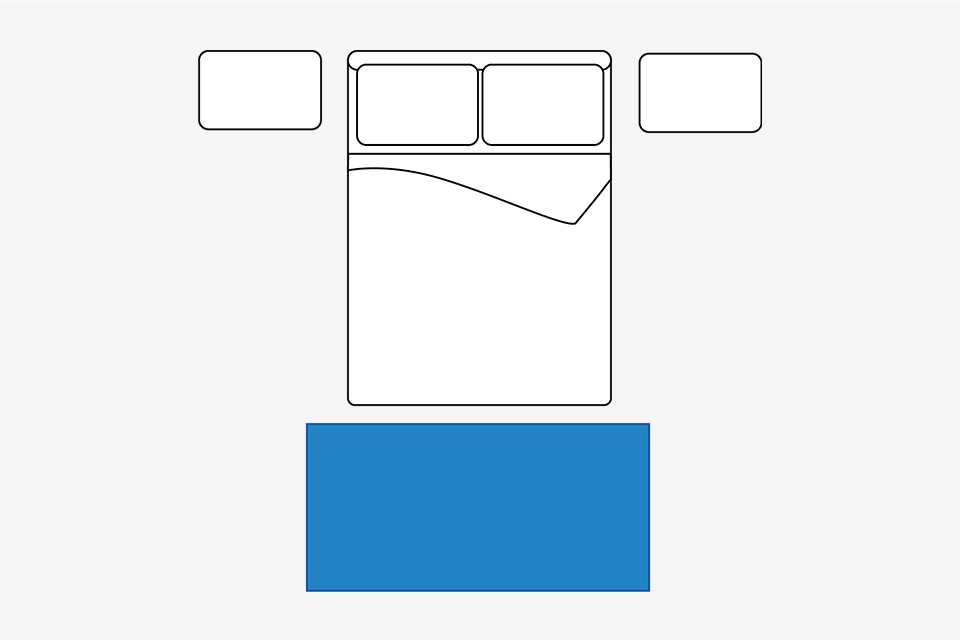
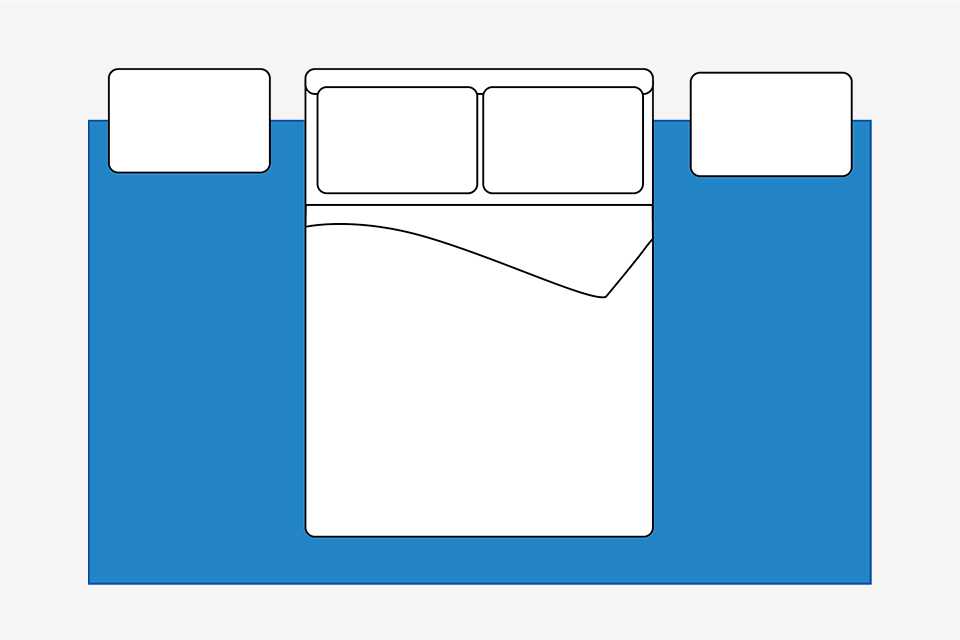
How to position your bedroom rug
Dining room rugs
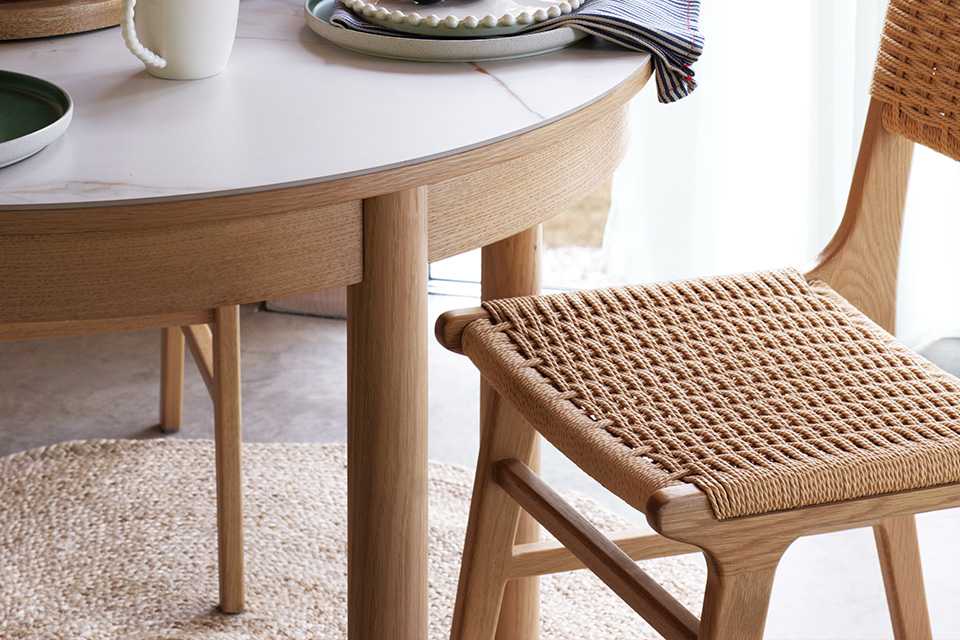
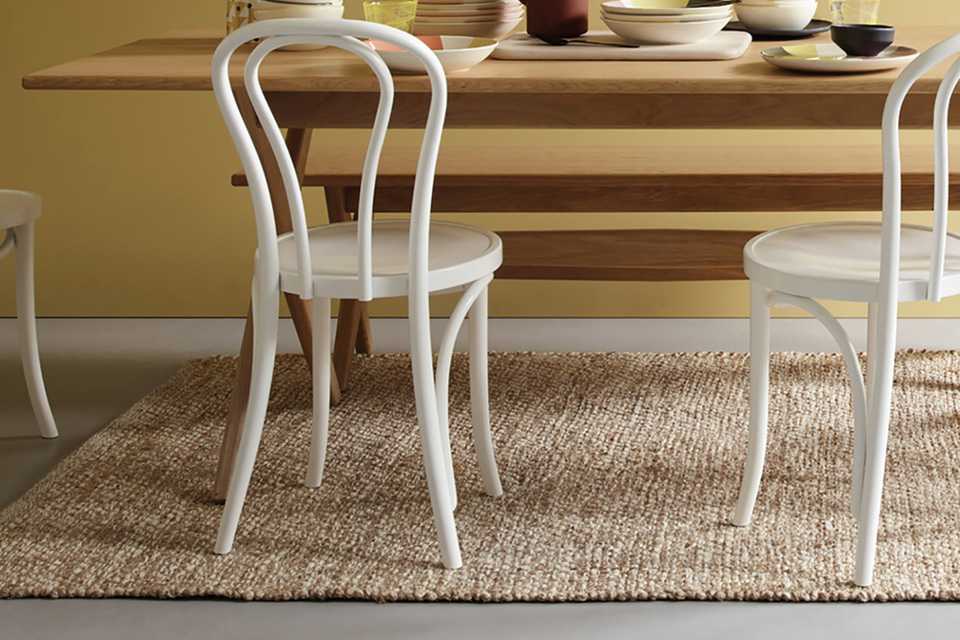
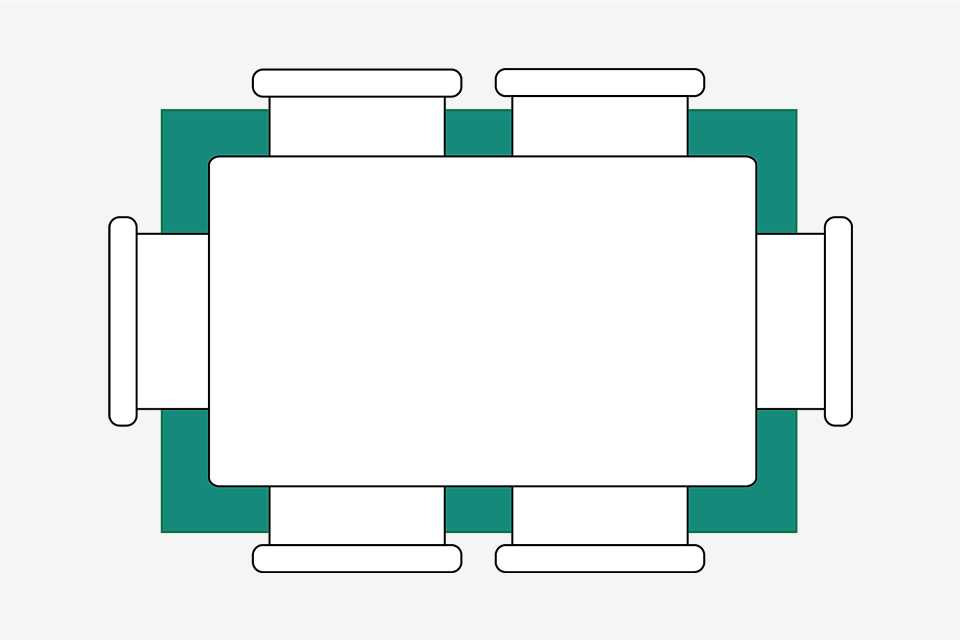
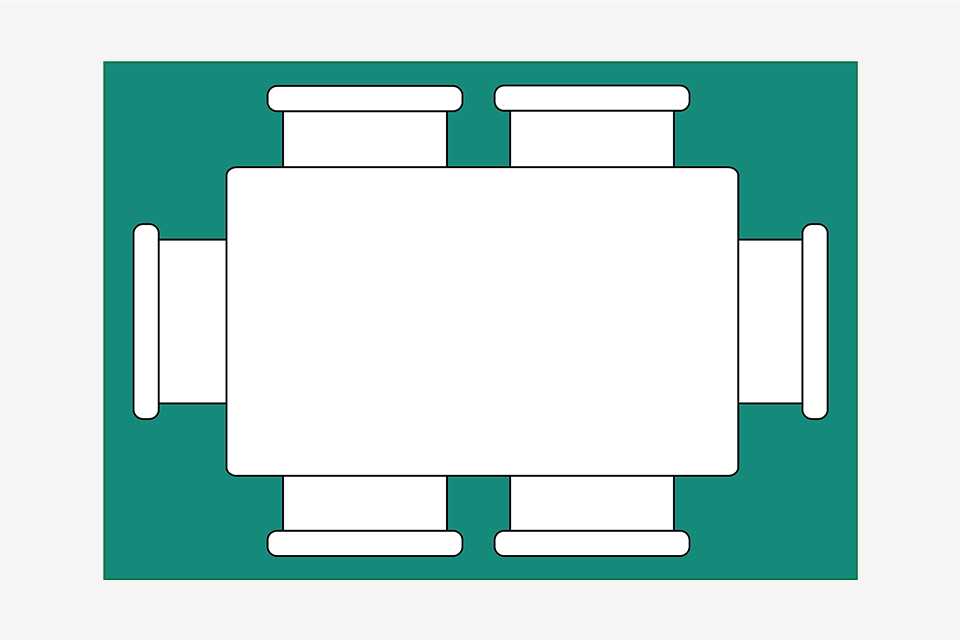
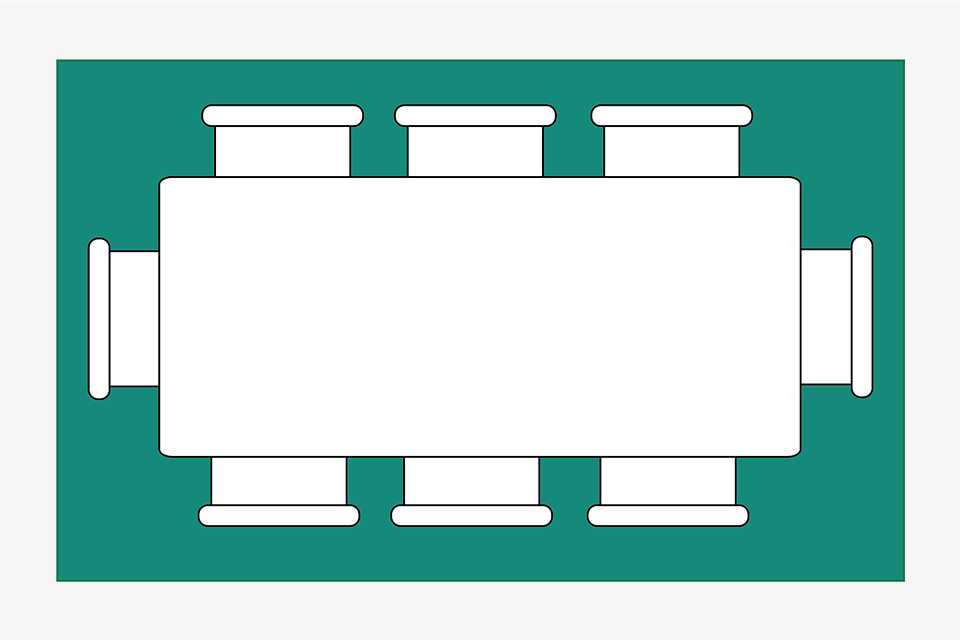
For the dining room, pick a rug that's wider than your table. Avoid shaggy ones, keeping in mind traffic and the pressure of the furniture on top of your rug. Go for easy to vacuum rugs with low-pile or flatweave to vacuum up any crumbs with ease.
Dining room decor ideas: Classic brown or sleek and modern black, your table and chairs or dining sets are the stars. Emphasise the area with a beautiful rug in a similar colour scheme or pick a fun pattern for a cheery feel.
How to position your dining room rug
Rugs for other areas
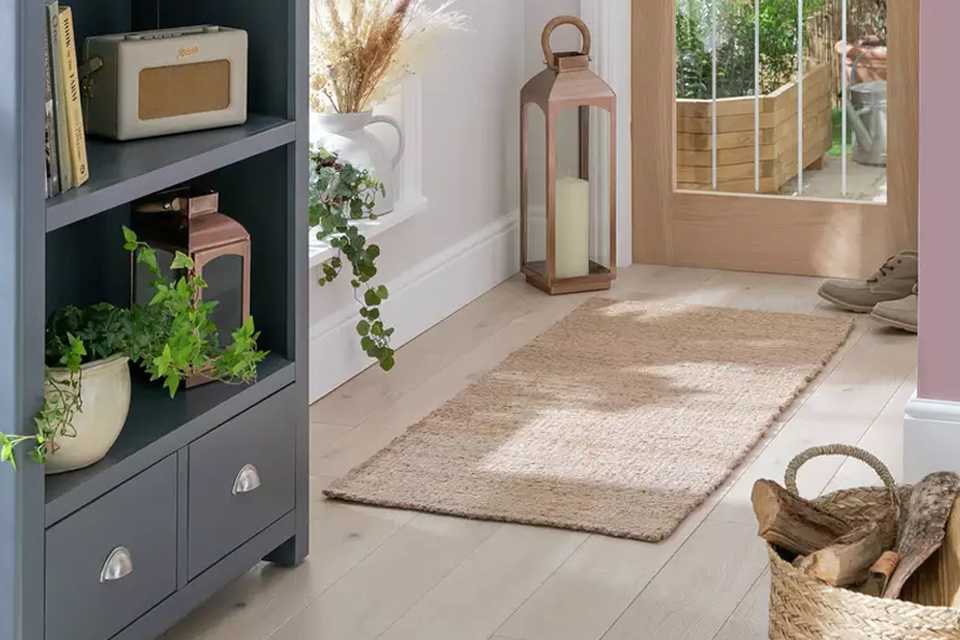
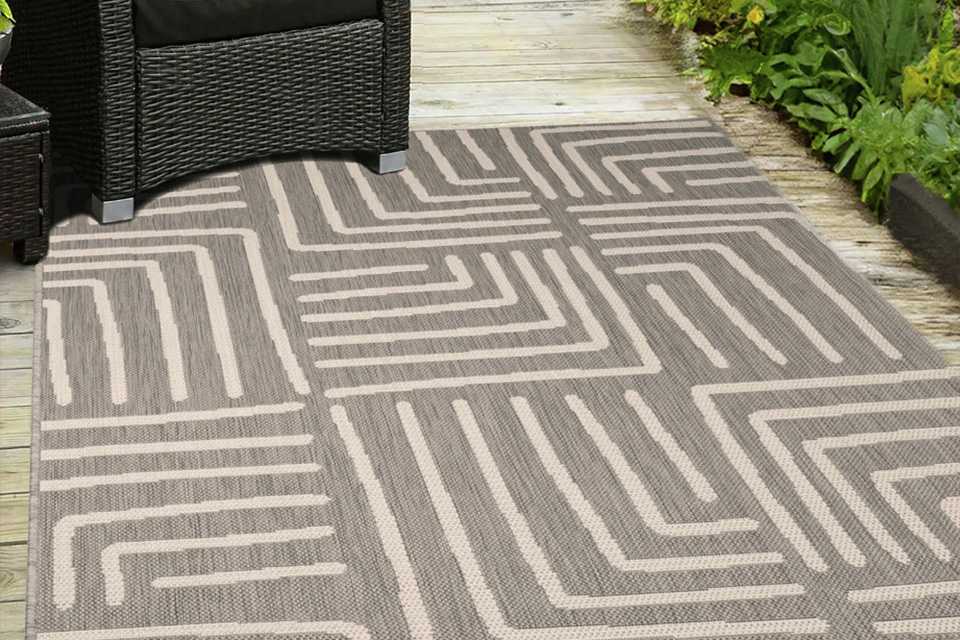
Looking for something else? Explore our collection of outdoor rugs, hallway runners and rugs for kids' rooms. Or take your pick from functional rugs that liven up your décor.
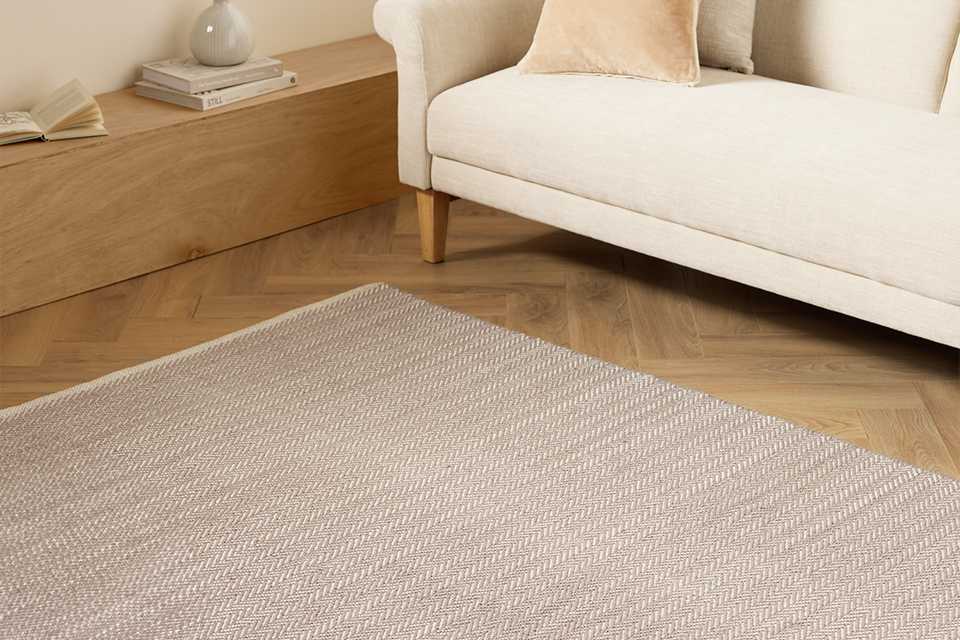
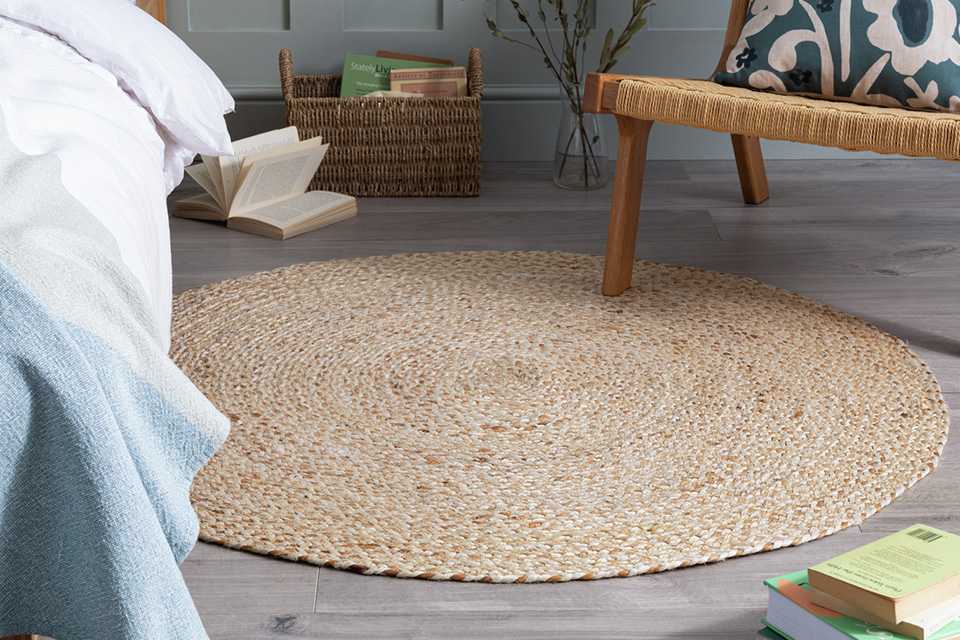
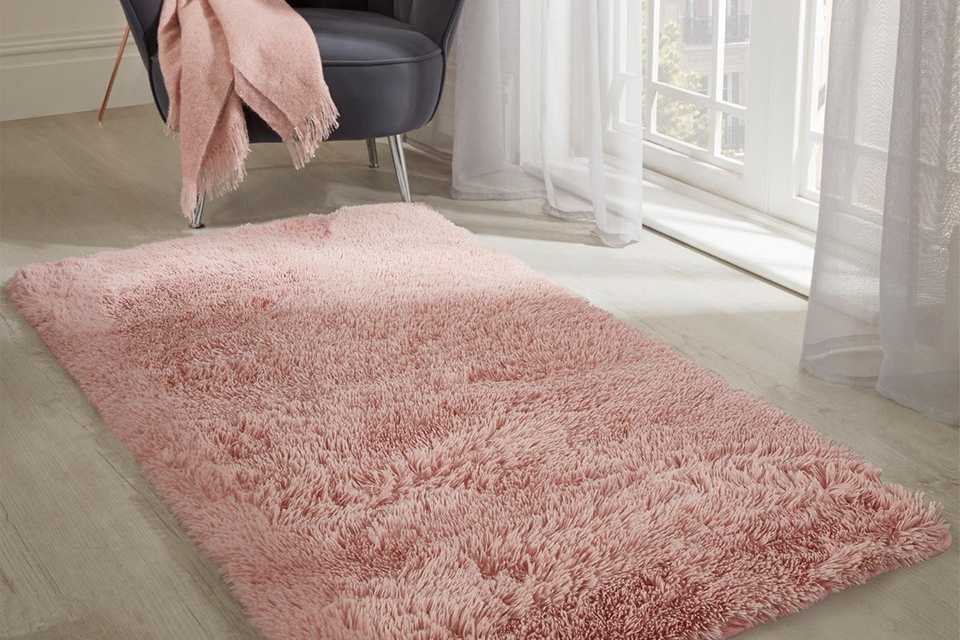
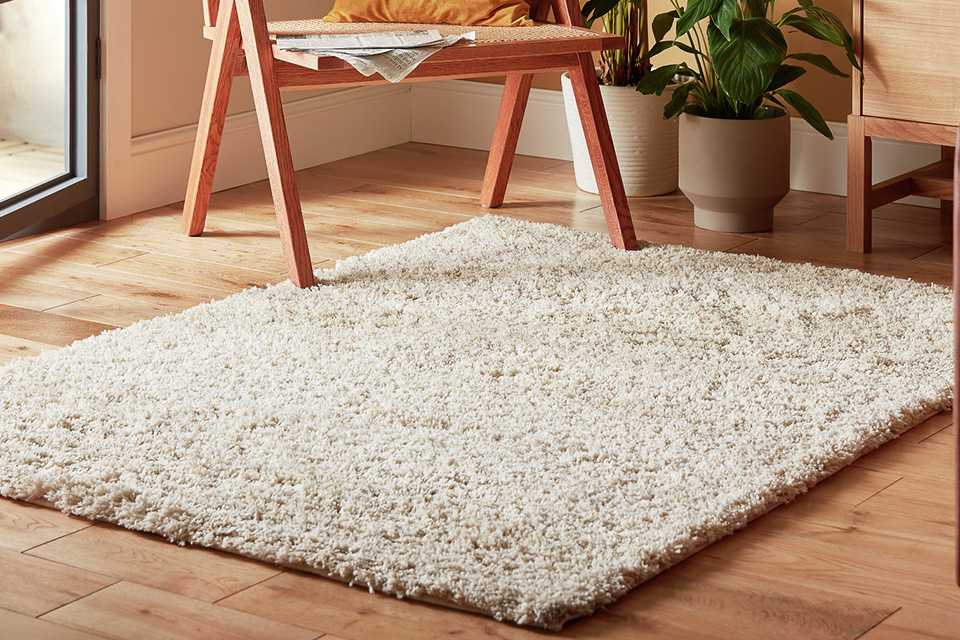
Textures and materials of rugs
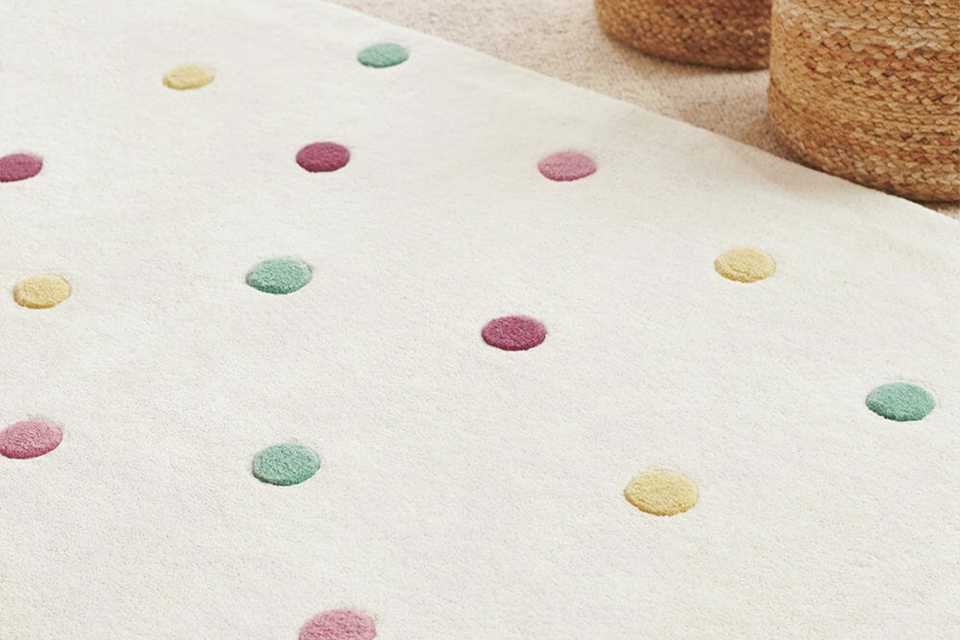
From comfy natural rugs to cosy long-pile and durable synthetic ones, learn more about different rug materials and textures.
Rug jargon buster
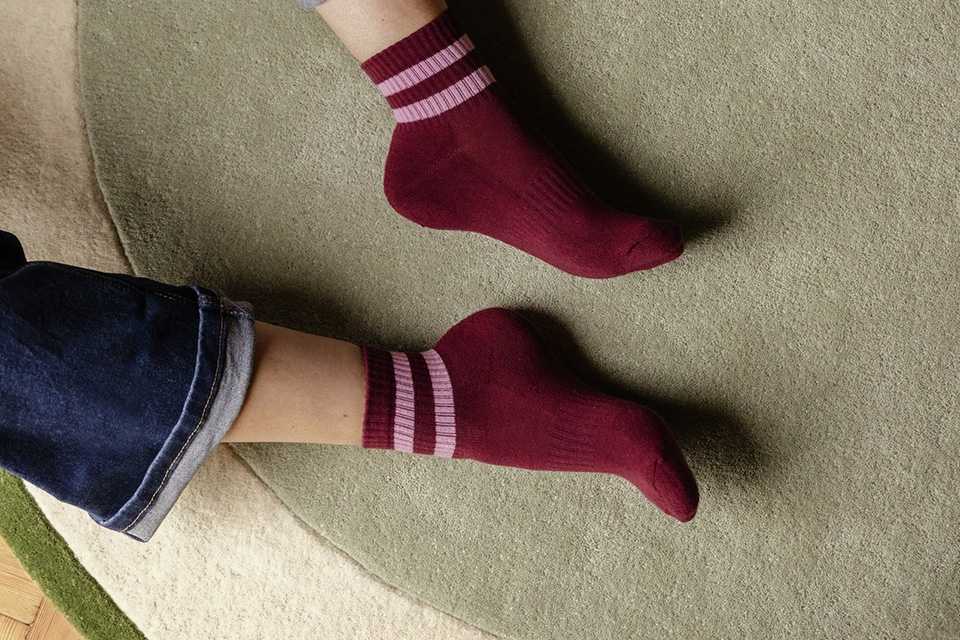
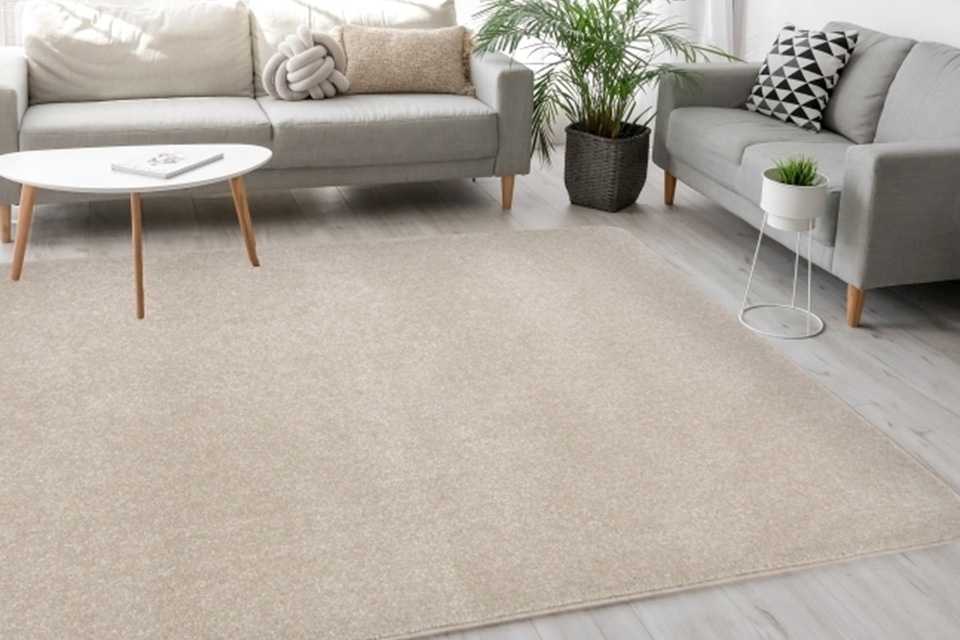
Let's lay down the terminology. From technical words to rug weaving techniques, here's a reference with all you need to know to find the perfect rug quality for your requirements.
| Term | Meaning |
|---|---|
Pile | The longer the pile, the shaggier the rug |
Hand-made | Parts by hand, may use machines for few parts of the process |
Hand-tufted (Popular & affordable method) | Stitched yarn is fixed in place with a durable material |
Hand-carved | Pile is cut to produce a decorative pattern |
Flatweave | A way of weaving rugs flat on a loom, so they feel smooth and have no pile or knots. |
Measuring for your rug
Measuring correctly for your rug makes ordering easy, and prevents taking home a rug that's unexpectedly too large or small. The dimensions of each rug we sell are shown in the product information.
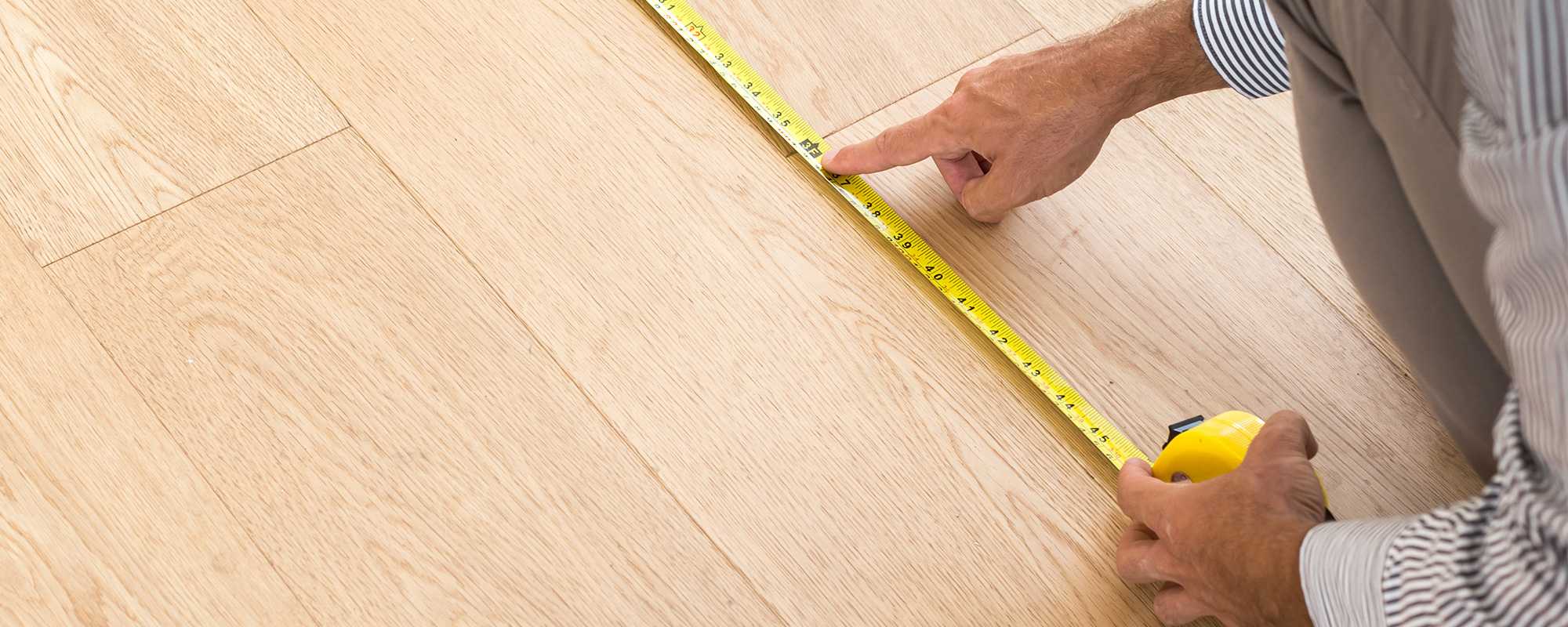
Grab a tape measure...
...and some newspaper or masking tape, mark out the size of the rug you want to buy where you will position it. This lets you see how the rug will fit with the rest of your furniture. Clever, eh?
Rug placement tips
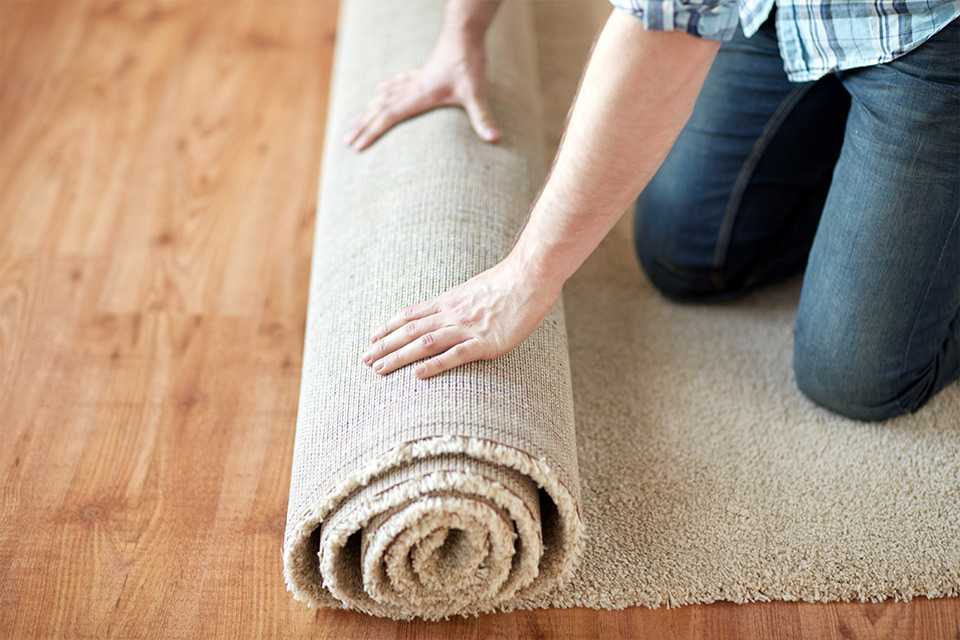
Most of our rugs come tightly rolled so it's easier for you to take home or have delivered. All you need to do is unroll and position in its new home.
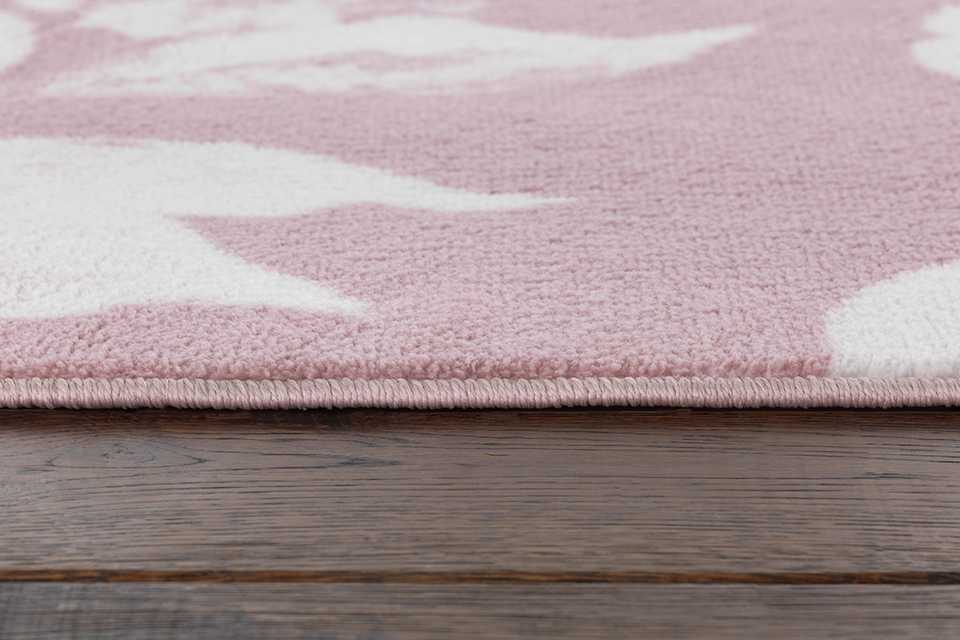
At first, wrinkles and curling are to be expected. Smooth out as best as you can and leave for a day. The fibres will relax, leaving you with a perfectly presented rug.
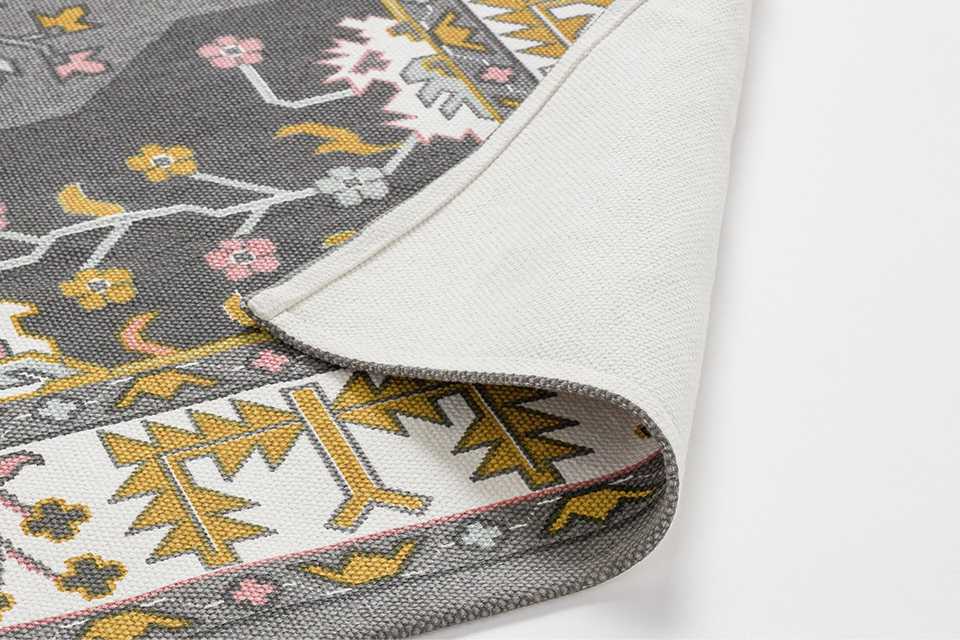
Corners still curling up? Fold them under for a day so that the curve is bent the opposite way. This helps the corners to settle in their place.
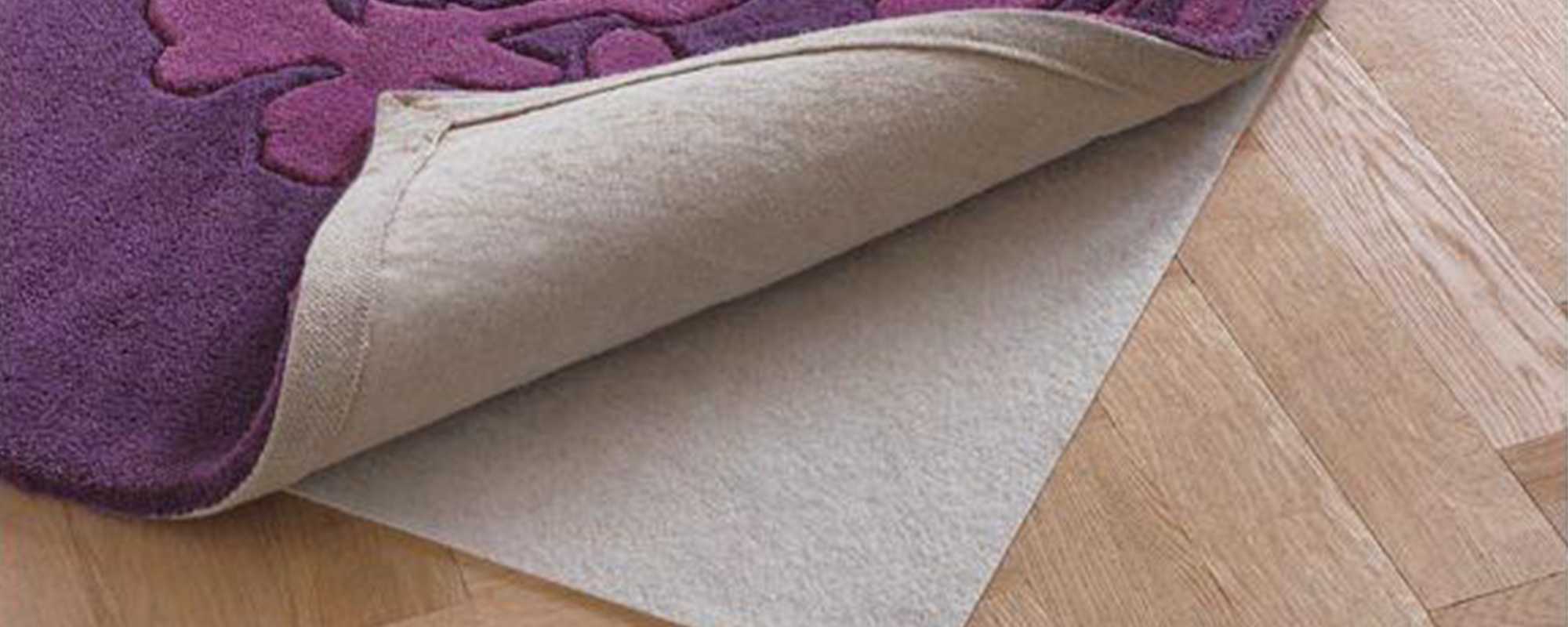
Many rugs have a non-slip backing sewn into them to prevent the rug moving on wooden flooring. Some woven rugs don't have a backing, but you can purchase a separate underlay to stop movement and wrinkling.
How to protect, maintain, and clean your rug
Rugs can tie your room together. Maintaining them is a small routine that pays off in the long term. As they're placed in high-traffic areas, rugs collect a lot of dust and dirt over time. Proper care can help increase the lifespan and lower the chances of discolouration and breakdown of fibres. Here are some simple ways to care for your rugs.
Maintaining your rug
- Vacuum your rugs once or twice a week based on traffic. It'll help get rid of any dirt on the surface. Vacuum in the direction of the pile.
- Keep rotating your rug every six months to avoid uneven fading and wear. More frequently if your rug is in a high-traffic area.
- If there are any spills, blot them immediately with a cloth.
- Take your rugs outside and shake or beat them to remove any deeply set dirt.
- Use a rug pad underneath your rug to increase the life of the backing.
- Avoid keeping your rugs in areas with direct sunlight as it leads to faster fading.
- Loose strands are common in hand-woven rugs, so if you see any, tuck them back into the pile.
Cleaning your rug
- Vacuum both sides properly.
- Combine a small amount of mild detergent with lukewarm water to make a cleaning solution.
- Test for colourfastness. Use a white cloth to blot a corner of the rug. It's safe to proceed if there's no colour leak. If there is, then you'll need to dry clean the rug.
- Dampen a soft brush or sponge and work the solution into your rug. Then rinse with water and avoid over-saturating. Use a wet-dry vacuum, if you have one.
- Let the rug air dry and vacuum again to restore its texture.
Frequently asked questions about rugs
What is the rug rule?
Also called the 18 inch rug rule, this refers to leaving around 18 inches of open floor space around the edges of your rug for an even and uniform look.
Is a rug and a carpet the same thing?
The main difference between a rug and a carpet is the fact that rugs are moveable and can be smaller, while carpets are typically from one wall to another and are permanently fitted. For example, having a large rug in place of a living room carpet could make it easier to clean and to move from one place to another if needed.
Does baking soda actually clean rugs?
Although commonly recommended, baking soda and some detergents can harm rug materials and aren’t reliable cleaning methods of rug cleaning. Instead, vacuum dust and dirt (using a low setting and a brush attachment) and wash with water at regular intervals. For stains, use paper towels to soak it up and act immediately for best results. Learn more about rug maintenance to protect your rugs over time.
Is it better to roll or fold a rug for storage?
It's always best to carefully roll your rugs when storing them. Folding may create lines and creases and spoil the rug.
How do I know what size area rug to buy?
It all depends on your space. Checking with a tape measure is useful to see how a particular size might look in your room. Runners are great for hallways or other small passageways.
Is it better for an area rug to be too big or too small?
Ideally, it's better to choose an area rug that's on the larger side. While really large rugs might drown the surroundings, a rug that's just slightly large (extending outside where your furniture's legs end) can still suit the space and make it look bigger. On the other hand, a rug that's too small will stand out and can break up the harmony of your room's décor.
How do I know what rug to buy?
While choosing a rug, think about three things: your space, your lifestyle, and your style.
- Room size: Measure your space so the rug doesn’t look too small or too big for it. A small rug can make the room feel awkward.
- Purpose: Do you want comfort, style, or durability? For example, a soft plush rug is great for a bedroom, while a low‑pile rug works best in high‑traffic areas.
- Lifestyle: If you have kids or pets, look for rugs that are easy to clean and maintain.
- Home décor: Choose a rug that complements your furniture, wall colours and overall vibe.
What is the general rule for rugs?
A simple rule that works in most homes is that bigger is usually better. A rug should anchor the room rather than sit awkwardly in the middle. For living rooms, the front legs of your furniture should sit on the rug. In dining rooms, the rug should be large enough that chairs stay on it even when pulled out. For bedrooms, choose a rug that extends around the bed so the space feels warm and grounded.
What to consider when buying a rug?
Here are the key factors to think about when you're buying a rug:
- Size: The most important factor. A well-sized rug makes the whole room feel balanced.
- Material: Wool is soft and durable. Cotton is easy on the pocket as well as easy to clean. Wool: Durable, soft, long-lasting. Cotton: Affordable and easy to clean. Synthetic fibres are great for busy homes and budget-friendly. Natural fibres like jute and sisal have a beautiful texture but aren't always soft.
- Pile height: If you want something easy to clean or something good for high-traffic areas, go for a low pile rug. High-pile rugs give a cosy, plush feel, so they're great for bedrooms or lounges.
- Colour and pattern: Choose something that complements your furniture and doesn’t clash with the room.
- Maintenance: Think about how easy it is to vacuum, spot-clean, or rotate.
What to avoid when buying an area rug?
A few common mistakes to steer clear of while buying an area rug are:
- Buying a rug that’s too small.
- Choosing a rug that’s too delicate for a busy household.
- Ignoring the room’s colour palette. This can make the rug feel out of place.
- Skipping a rug pad. Pads prevent slipping and make your rugs last longer.
- Choosing a trendy pattern that you might get tired of quickly. Look for simple, evergreen designs that last longer.
What makes a rug look high-end?
A rug looks high-end when it’s the right size for the room and made from quality materials like wool or handwoven fibres. Rich, well-balanced colours and clean, finished edges also add to the luxurious feel. Even an affordable rug can look upscale if it fits the space properly and complements your décor.
Should a rug be lighter or darker than the floor?
There’s no strict rule, but the choice depends on the mood you want to create. A light rug on dark floors adds brightness and contrast, while a dark rug on light floors creates warmth and depth. If you prefer a calm, blended look, choose a rug in a similar tone to your flooring so everything flows together naturally.
Should a rug go under a sofa?
In most cases, placing the rug under the sofa helps anchor the furniture and makes the room feel more cohesive. Even if the rug isn’t large enough for the entire sofa to sit on it, have at least the front legs on the rug to create a more balanced layout. When the rug is big enough to hold all the furniture, the space instantly feels more luxurious.