
Sofa bed buying guide
A cosy spot to lounge on or extra sleeping space when you need it, versatile sofa beds can do it all. Explore types, sizes and measurements to find the right one for your home.
Shop all sofa beds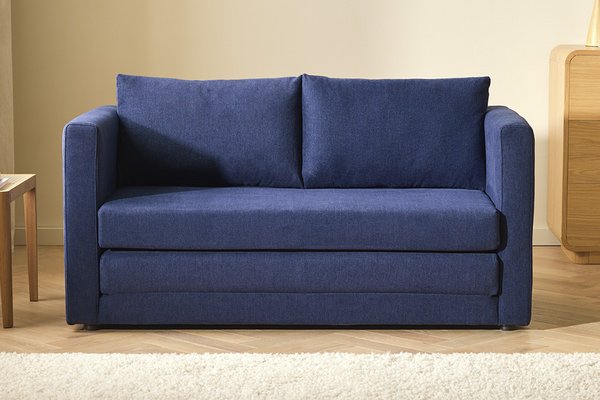&poi={$this.metadata.pointOfInterest.x},{$this.metadata.pointOfInterest.y},{$this.metadata.pointOfInterest.w},{$this.metadata.pointOfInterest.h}&scaleFit={($this.metadata.pointOfInterest.x>0)?$sfpoi:$sfcenter}&sm=aspect&aspect=2:1&sfcenter=center&sfpoi=poi&qlt=50&fmt=auto&noiser=0&fmt.jpeg.interlaced=true&fmt.jp2.qlt=40&)
By Natasha Taggar | Last edited: September 2026
What types of sofa beds are available?
Sofa beds can look similar when closed, but the way in which they turn into a bed can be very different depending on the type you choose. Take your pick based on the size of your room and its layout, as well as how often you expect to use your sofa bed.
Here are some popular sofa bed types explained:
1. Click-clac sofa beds
Sometimes known as click-clack sofa beds, these usually convert by moving the backrest into a flat position. Some designs also allow you to set the back at different angles. They are often practical sofa beds for small rooms since there's no separate mattress you need to pull out. However, some models may need to be moved away from the wall before opening, so check how much space you'll need behind the sofa.
2. Pull-out sofa beds
These have a sleeping section that's either beneath or within the main seat. Depending on the design, you might need to remove the seat cushions before pulling the bed into position. A pull-out sofa bed can provide a more defined sleeping area, but usually needs clear floor space directly in front of it. It's best to look at the depth when it's fully open before making your choice.
3. Fold-out sofa beds
These open from the seat or base to form a flat sleeping surface. Some unfold close to the floor, while others have a raised frame. They are available in a range of sizes, including compact chair beds and larger sofa styles. Look for the opening instructions and dimensions, as the amount of floor space needed will vary.
4. Corner sofa beds
These typically have a larger seating area and an additional sleeping surface. Some models include a chaise section or storage beneath the seats. They can work well in a living room, where you'll use the sofa regularly. Keep an eye out for left-hand, right-hand or reversible descriptions and compare these with your available space before ordering.
5. Sofa beds with storage
Some sofa beds include space for bedding beneath a seat or chaise section. This can conveniently store spare pillows, sheets or a duvet close by. The available storage space and opening method can vary, so check what you want to keep handy and make sure that you can access the compartment easily, considering your room's layout.
Sofa bed sizes
The number of seats doesn't necessarily indicate the size of the sleeping area. A two-seater sofa bed may open into a small double, but the exact dimensions will depend on the individual design.
Use our table below to understand and compare different sofa bed sizes. Once you have an idea of what you need, compare individual models to find the right fit for you. Remember, always go by the specific product measurements rather than assuming that the seating size and bed size will match.
| Type | May suit | What to check |
|---|---|---|
One guest or a compact room | Available sleeping length, open depth and floor space | |
Home office setups, small living rooms or a spare room | Width and space needed to open it | |
Two-seater sofa beds | Occasional guests and multi-purpose rooms | Specified sleeping dimensions and seat comfort |
One or two overnight guests | Size when open and access around the bed | |
Large living rooms and regular seating | Corner orientation, width and open depth | |
Sofa beds with storage | Rooms with limited storage | Compartment size and accessibility once placed in your room |
Note: If you already own bedding that you want to use, compare its measurements with the sleeping area specified on the model before making your purchase.
Choosing a sofa bed
Ask yourself these questions when picking out a sofa bed:
1. How frequently will it be used?
For everyday seating, check the seat depth, back support and upholstery. If you'll use it for sleeping often, pay close attention to the sleeping surface, support structure and how quickly it opens and closes.
Tip: If you're looking at a sofa bed for frequent or long-term sleeping, review the manufacturer’s product information carefully to confirm whether it is suitable for your intended use.
2. What mechanism will work best for you?
The best mechanism is one you can operate comfortably in the available space. Before buying, see if cushions need to be removed, where the sleeping section unfolds, if the sofa will need to be moved away from walls, and how much free floor space is needed.
Tip: Try to visualise each stage of opening the sofa bed instead of only checking its final dimensions.
3. How much sleeping area do you need?
Look for the actual width and length of the sleeping surface. Descriptions like single, small double or double are useful starting points, but measurements will give you a more accurate picture.
Tip: Check what makes the sleeping surface. Depending on the design, this could be a separate mattress, padded sections or the sofa’s seat and back cushions.
4. Will storage space help?
A sofa bed with storage can be helpful in a living room, home office setups or small guest rooms. It gives you somewhere to keep bedding near where it'll be used.
Tip: Make sure the storage section can open fully in your space, without hitting a wall, table or any other furniture.
Shop sofa beds
Slider Grid









Which sofa bed fabric is best?
The right upholstery depends on where the sofa bed will be used and how you plan to care for it.
- Fabric sofa beds: Fabric upholstery is available in many textures and finishes. Check the care guidance for your model, particularly if you'll be using it regularly or if it is placed in a busy family room.
- Velvet and textured finishes: Velvet, bouclé and other textured materials offer a distinctive finish, but their cleaning methods may differ. See if the fabric can be vacuumed, brushed or spot cleaned and follow the supplied care instructions.
- Faux leather sofa beds: These can usually be wiped more easily than some woven materials, but care instructions still vary. Avoid using cleaning products unless they are recommended in the manufacturer's instructions or care guidelines.
When it comes to choosing a colour, don't just go by the look; consider how your sofa bed will be used as well.
A hardworking living room may suit a sofa bed in a dark colour and fabric finish that can be easier to maintain, while you may want a unique colour or a textured finish for a spare or guest room.
How to measure for a sofa bed?
To measure, you'll need to factor in the available space in your room and the route from the entrance of your home to the place where you want to position your sofa bed. Here are some key steps you can follow:
1. Measure the room
Record:
- The available wall width
- The depth of the sofa when closed
- The full depth when opened as a bed
- Available area around nearby doors, cupboards or radiators
- Space for walking around the open bed
- The position of plug sockets or other fixed fittings
Tip: Use masking tape on the floor to mark the closed and open footprint. This can make it easier to see whether the sofa bed will affect movement through the room.
2. Measure the delivery route
Start by measuring the narrowest points between the entrance and the final position such as:
- The front door and any internal doorways
- Hallway widths
- Stair widths and turns
- Ceiling height on stairs and landings (if it'll need carrying upstairs)
- Lifts, shared entrances or access corridors
- Tight corners between rooms
Next, compare these measurements with the packaged or delivery dimensions shown in the product details.
Tip: Remember to account for door handles, bannisters and other features that might reduce the usable space.
3. Check the final position
You should be able to open the sofa bed without moving heavy furniture each time. Consider whether an open door, coffee table or other item could block the mechanism.
Tip: For a corner sofa bed, double-check whether the chaise or corner section needs to sit on the left or right when viewed from the front.
Sofa bed comfort tips
Looking for the most comfortable sofa bed? There is no one answer. Comfort depends on the sofa bed’s design, the sleeping surface and the needs of the person using it.
You can make the most of your model with our simple ideas to improve the comfort of your sofa bed:
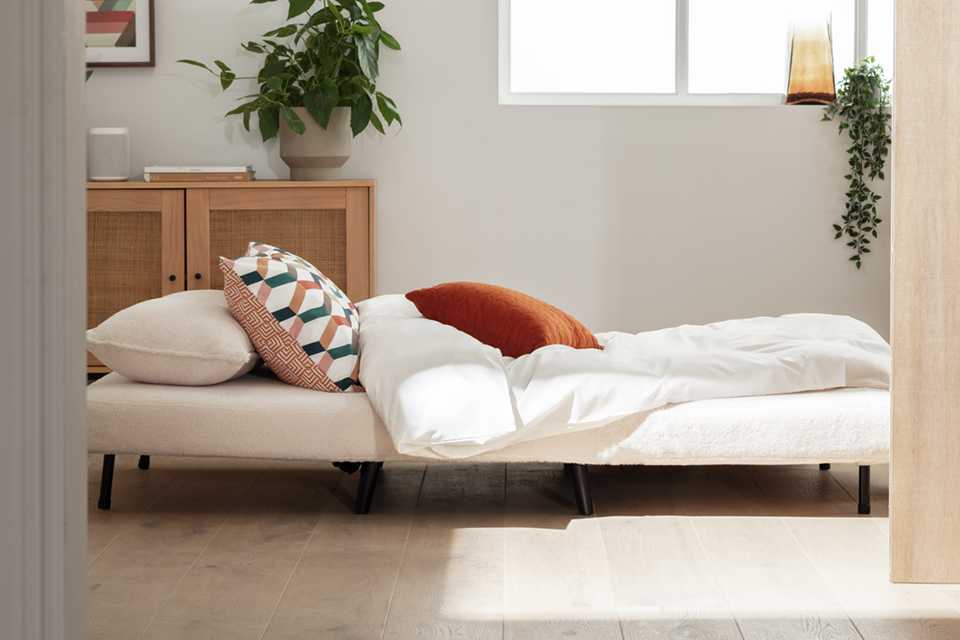
- Make sure that the sofa bed is on a level floor.
- Always open it fully, following the product advice.
- Position or store any removable cushions correctly as per the instructions and guidelines.
- Use bedding that properly fits the sleeping area.
- Go for pillows and a duvet based on the room temperature and the sleeper’s preferences.
- Leave enough space around the bed for guests to get in and out safely.
- Keep the surface clean with a mattress protector, if compatible with your sofa bed according to the manufacturer's advice.
Caring for your sofa bed
Follow the care and operating instructions for your sofa bed to keep it in good condition. General maintenance usually includes:
- Vacuuming upholstery with a suitable attachment
- Treating marks according to the fabric care guidance
- Keeping the opening mechanism clear of any obstruction
- Always opening and closing the bed as instructed
- Avoiding overloaded storage compartments
- Checking that bedding is dry before storing
- Rotating or repositioning removable cushions if recommended
Note: Do not force a mechanism if it does not open smoothly. Stop and check the instructions before trying again.
Frequently asked questions about sofa beds
Is it worth buying a sofa bed?
A sofa bed may be a good choice if you think you'd benefit from having seating and an occasional sleeping space in the same room. It can be particularly useful in a home office setups, spare rooms or smaller living rooms where a permanent bed would take up too much space. Before choosing one, check the size and mechanism that matches your needs. A sofa bed is less likely to suit you if there is not enough clear floor space to open it properly.
What makes a good sofa bed?
A good sofa bed should fit your room in both its closed and open positions and be convenient for you to operate. It should also suit how often you expect to use it as a sofa and a bed. You should ideally compare mechanisms, sleeping dimensions, upholstery, care instructions and storage and delivery measurements.
What is the comfiest sofa bed?
Sofa bed comfort levels can change from model to model and can also depend on your individual needs. For a comfy sleep, ensure the sofa bed is on a level floor, choose bedding that fits the sleeping area, and use pillows and a duvet that suit the temperature and the sleeper’s preferences. Regular care and maintenance and following product guidelines can also help keep your sofa bed cosy for longer.
What are the downsides of sofa beds?
A sofa bed can be heavier and deeper than a standard sofa, and needs extra floor space when opened. Measuring carefully before buying can reduce these issues. You can also make sure your sofa bed will be a good fit by checking the closed and open dimensions, the delivery route and how the mechanism works beforehand.
Which sofa beds are suitable for daily use?
Different sofa bed models will vary in their suitability for different homes. Check for the manufacturer’s product description and care instructions rather than relying on style alone. Look at the support structure, sleeping surface, dimensions, and how easily the mechanism operates to find the right one for your space.