
Post-workout recovery tools: what to use after exercise
Reduce the discomfort that can follow a hard workout session with our range of tools for muscle relief.
Shop all handheld massagers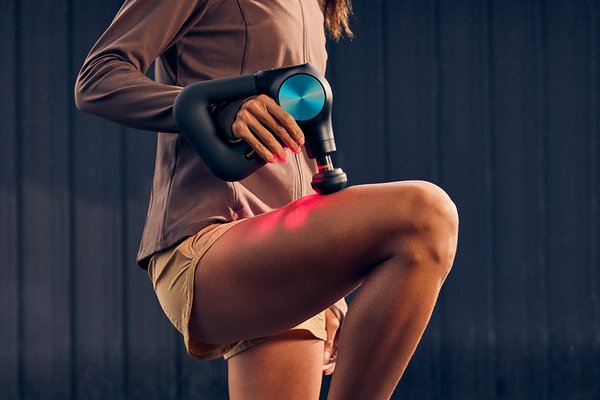&poi={$this.metadata.pointOfInterest.x},{$this.metadata.pointOfInterest.y},{$this.metadata.pointOfInterest.w},{$this.metadata.pointOfInterest.h}&scaleFit={($this.metadata.pointOfInterest.x>0)?$sfpoi:$sfcenter}&sm=aspect&aspect=3:2&sfcenter=center&sfpoi=poi&qlt=50&fmt=auto&noiser=0&fmt.jpeg.interlaced=true&fmt.jp2.qlt=40&)
By Natasha Taggar | Date published: September 2026
Post-workout recovery is the time after exercise when your body starts to return to its resting state. It can include cooling down, rehydrating, eating, resting, stretching and using simple recovery tools to support mobility and comfort.
Recovery tools don’t replace rest, good nutrition or professional advice, but they can make your after-workout routine easier to stick to. Foam rollers, massage balls, resistance bands, exercise mats and handheld massagers all have different uses, from gentle stretching to targeted self-massage.
Post-workout recovery tools can help with regular effects resulting from a workout, but you should seek the advice of a medical professional for more significant or prolonged symptoms.
What does post-workout recovery mean?
Post-workout recovery means the steps you take after exercise to help your body settle, repair and prepare for your next session. A good recovery routine can include a short cool-down, fluids, food, sleep, gentle movement and rest days. NHS Inform says a cool-down should happen straight after activity and can help reduce your heart rate gradually. It also says a cool-down should usually take around 5 to 10 minutes.
For many people, muscle soreness after exercise is normal, especially after a new workout, a harder session or movements your body is not used to. Recovery tools can help you create a more structured routine, but they should be used carefully and comfortably. They should not be used to push through pain or speed up recovery in a guaranteed way.
What to do after a workout
A simple post-workout routine will help you recover quicker and set you up well for a regular workout routine. Start with your body’s basics before adding any recovery equipment.
1. Cool down gradually
Slow your activity down instead of stopping suddenly. For example, you might move from running to jogging, then walking. NHS Inform says cooling down helps reduce your heart rate slowly and supports your body after exercise.
2. Rehydrate
Drink fluids after exercise, especially if you’ve been sweating.
3. Stretch or move gently
Gentle stretching or low-intensity movement can help you ease out of a workout. If a stretch feels painful rather than comfortable, stop and reduce the intensity.
4. Use recovery tools where they fit
A foam roller, massage ball, resistance band or exercise mat can add structure to your routine. The right tools will come down to the parts of your body that need work and the type of treatment that works best for them.
5. Allow time to rest
Recovery can take 24 hours or more following intense exercise. Be sure to build in recovery and rest days including low intensity exercises to help facilitate your recovery.
Understanding types of post-workout recovery tools
Post-workout symptoms can range from aches, stiffness and muscle tightness to muscle pains often referred to as DOMS (delayed onset muscle soreness). The type of discomfort you experience will be a factor in the best tool to aid your recovery.
| Recovery tool | Intended use | Good for | Things to consider |
|---|---|---|---|
Applying pressure across larger muscle areas, such as legs or back | Mobility routines, warm-down stretching, larger muscle groups | Start gently. A firmer or textured roller may apply a more intense pressure. | |
Massage ball | Targeting smaller areas, such as feet, calves or shoulders | More focused pressure than a foam roller | Avoid pressing directly on joints or painful areas. |
Gentle stretching, mobility drills and light strength work | Active recovery, controlled movement, home workouts | Choose a resistance level you can control through the full movement. | |
Creating a comfortable surface for stretching and floor-based recovery | Stretching, yoga, Pilates and mobility sessions | Consider thickness, grip, size and whether it is easy to clean. Take a look at our yoga mats guide for more advice. | |
Targeted self-massage on specific muscle areas | Short, controlled sessions on tight-feeling muscles | Follow the product instructions. Avoid using on injuries, swelling or areas that feel painful. |
How to choose recovery tools
The right recovery tool depends on your workout, your comfort level and the part of the body you want to focus on.
| If you want to... | Consider... | Why |
|---|---|---|
Stretch after exercise | Exercise mat and resistance band | A mat gives you floor support, while a band can help with controlled mobility. |
Work on larger muscle groups | Foam roller | Foam rollers can cover broader areas such as legs, glutes and back. |
Target smaller tight-feeling areas | Massage ball | Massage balls can focus pressure on smaller areas. |
Add gentle movement on rest days | Resistance band | Bands can support light active recovery and simple home exercises. |
Use adjustable pressure | Handheld massager | Many handheld massagers include speed settings or attachment heads. |
Safety tips before using recovery tools
Recovery tools should feel helpful, not painful. Use them as part of a balanced routine and rather than a quick fix.
- Start gently, especially if you’re new to foam rolling, massage balls or massage guns.
- Avoid sharp pain, swelling, bruising, numbness or areas that feel injured.
- Do not press directly on bones or joints.
- Follow product instructions, especially for electrical tools.
- Keep hydrated after exercise to replenish lost fluids and electrolytes
- Give your body enough time between harder sessions. Consider adding lower intensity, stretch or rest days in between tougher sessions.
- Speak to a qualified healthcare professional if pain is severe, persistent or linked to an injury.
FAQs about post-workout recovery tools
What is post-workout recovery?
Post-workout recovery is what you do after exercise to help your body settle and prepare for your next session. It can include cooling down, drinking fluids, eating, resting, stretching and doing gentle movement. Some people also use recovery tools, such as foam rollers, massage balls, resistance bands or handheld massagers, to support their routine. Recovery tools should be used carefully and should not replace rest, good sleep or professional advice if you have pain or an injury.
What helps sore muscles after a workout?
Gentle movement, rest, hydration and a gradual cool-down can all support your recovery routine after exercise. NHS Inform recommends cooling down straight after activity and drinking fluids after exercise. Tools such as foam rollers, massage balls and exercise mats can also help you build a consistent stretching or mobility routine. If soreness feels sharp, severe, one-sided or does not improve, it is better to stop exercising and speak to a qualified healthcare professional.
How do foam rollers help after exercise?
Foam rollers are used to apply pressure across larger muscle areas, such as calves, quads, hamstrings, glutes and the upper back. They can be used as part of a mobility or stretching routine after exercise. The key is to move slowly and keep the pressure comfortable. Avoid rolling directly over joints, bones, bruises or injured areas.
Can resistance bands be used for recovery exercise?
Yes, resistance bands can be used for gentle active recovery, stretching and mobility work, as long as the movement feels controlled and comfortable. They are available in different styles, including loop bands, power bands and tube bands with handles. Choose a resistance level that lets you move smoothly without straining. If you are recovering from an injury or have been given exercises by a physiotherapist, follow their advice rather than using general guidance.
Which recovery tool is best after leg workouts?
There is no single best recovery tool for everyone after leg workouts. A foam roller may suit larger areas such as quads, hamstrings, calves and glutes. A massage ball can help with smaller areas such as feet or calves. A resistance band may be useful for gentle mobility exercises. An exercise mat can make floor stretches more comfortable. Choose based on the area you want to focus on and the pressure level you can comfortably manage.
How long does muscle recovery take after a workout?
Recovery time varies depending on the workout, your fitness level, sleep, nutrition and how used your body is to the exercise. It takes over 24 hours to recover from an intense exercise session. Some light soreness after a new or harder workout can be normal, but pain that is sharp, severe, worsening or linked to swelling should not be ignored. Build in easier days between harder sessions when needed.
Do massage guns help with muscle recovery?
Massage guns can be used for targeted self-massage as part of a post-workout routine, but they should be used carefully. Start on a low setting, keep pressure comfortable and follow the manufacturer’s instructions. Don’t use a massage gun on injuries, swelling, bruising, numbness or sharp pain. If you are unsure, speak to a qualified professional first.
Is stretching enough for post-workout recovery?
Stretching can be one part of post-workout recovery, but it is not the whole picture. A rounded routine may include a gradual cool-down, fluids, food, rest and enough time between intense sessions. NHS Inform says cooling down should happen straight after activity and that hydration is important after exercise. Tools such as exercise mats and resistance bands can make stretching or mobility work more comfortable and structured.