
Kids' bike sizes guide
From beginners to big kids, find the right bike size and type for your little cyclist.
Shop all kids' bikes&poi={$this.metadata.pointOfInterest.x},{$this.metadata.pointOfInterest.y},{$this.metadata.pointOfInterest.w},{$this.metadata.pointOfInterest.h}&scaleFit={($this.metadata.pointOfInterest.x>0)?$sfpoi:$sfcenter}&sm=aspect&aspect=3:2&sfcenter=center&sfpoi=poi&qlt=50&fmt=auto&noiser=0&fmt.jpeg.interlaced=true&fmt.jp2.qlt=40&)
By Kirsty Hudson | Last edited: September 2026
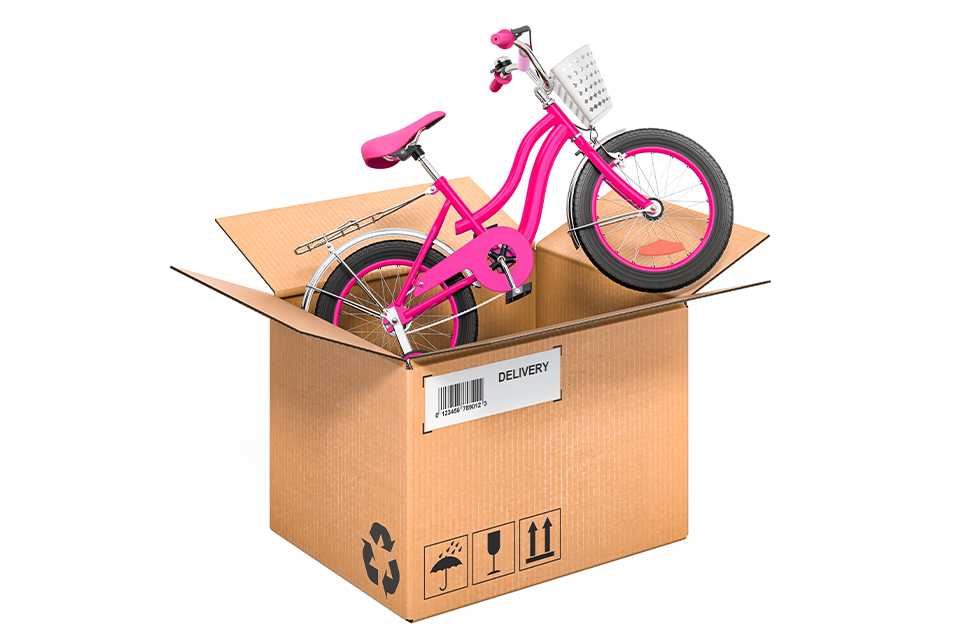
How to buy kids' bikes online
Kids love cycling, but it's tricky to know what size and type they need.
Our guide is here to help you find the right bike for the age and size. Discover the difference between mountain, BMX, road and balance bikes and watch our 'how to measure' videos to find out exactly what size they need.
Kids' bike size chart by age
Choosing the right kids' bike size
Having the right-size bike is a must for a safe and comfortable ride. Here's a quick chart to help you understand the wheel size and height of the bike appropriate for your child's age.
| Age | Wheel size (inches) | Height (cms) | Height (inches) |
|---|---|---|---|
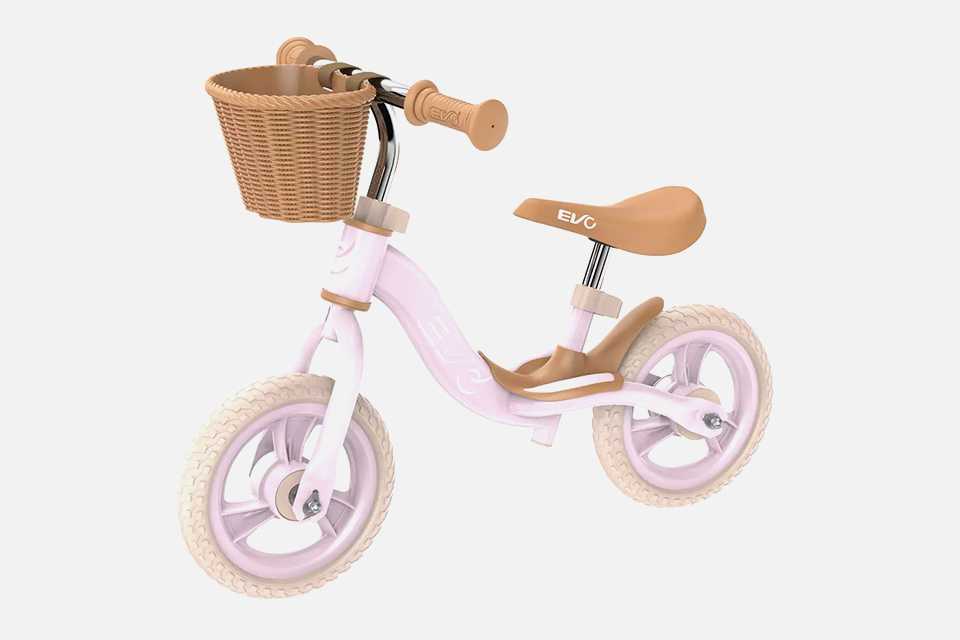
2-4 years | Balance bikes | 88-105cms | 2'11"-3'5" |
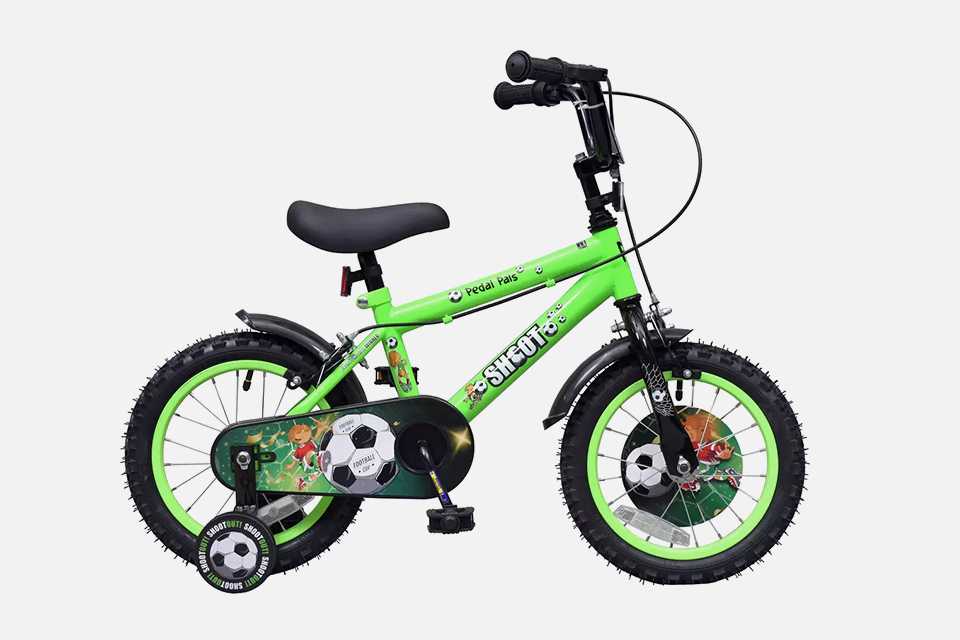
3-5 years | 12" | 98-112cms | 3'3"-3'8" |
4-6 years | 14" | 105-117cms | 3'5"-3'10" |
5-8 years | 16"/18" | 112-127cms | 3'8"-4'2" |
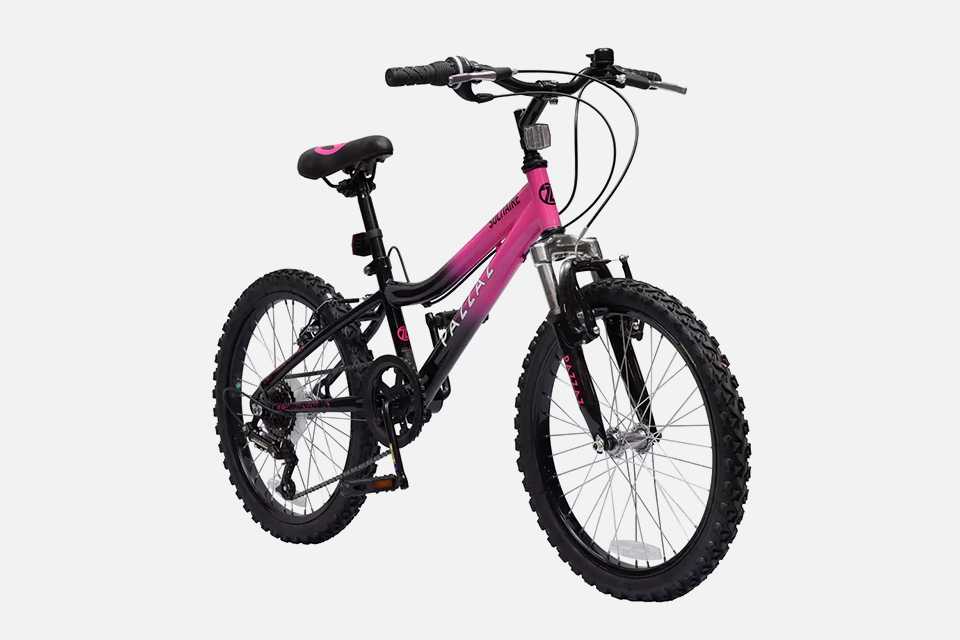
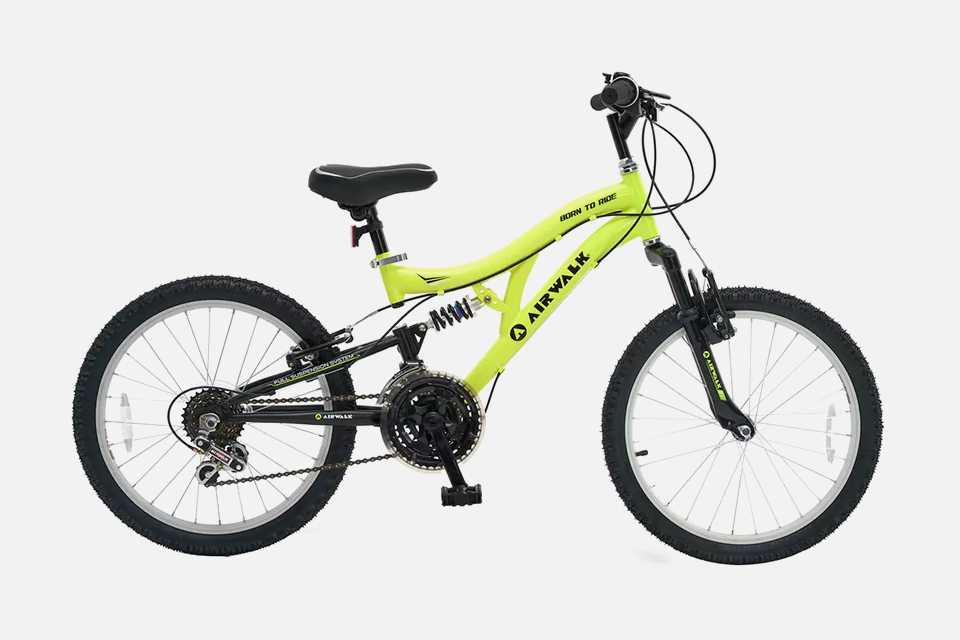
7-9 years | 20" | 117-136cms | 3'10"-4'6" |
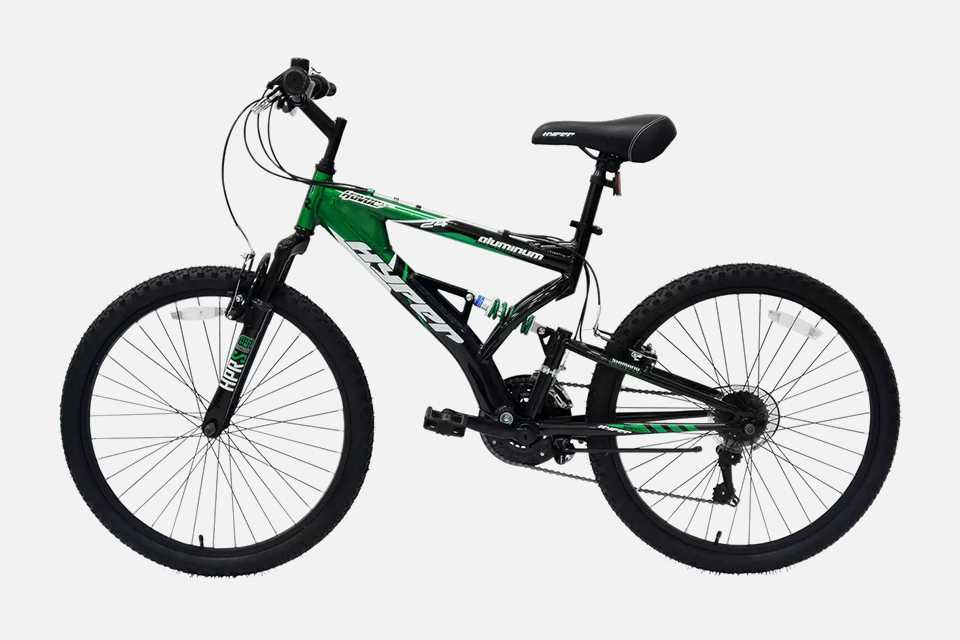
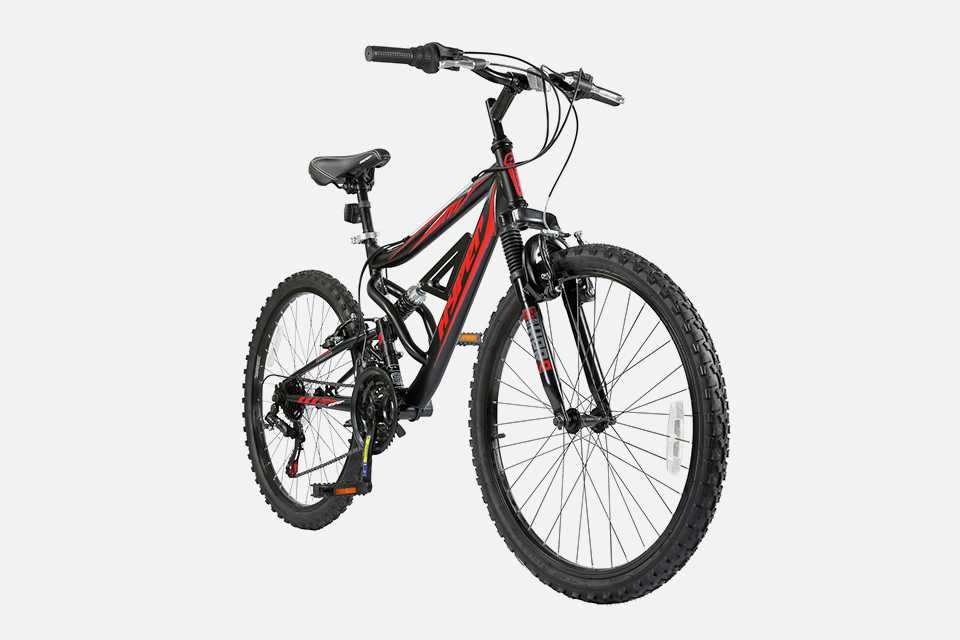
8-15 years | 24" | 127-145cms | 4'2"-4'9" |
Carousel
How to measure bike size
To find the best size of bike for your child, you need to consider their height and the length of their inside leg. Watch the videos below to see step-by-step guidance on how to get the measurements you need.
Carousel
How to tell if a bike is the wrong size
- Their feet don't touch the ground when the bike is upright.
- Their legs are significantly and uncomfortably bent when using the pedals.
- They have to stretch to reach the ground or handlebars.
Types of bikes - toddlers
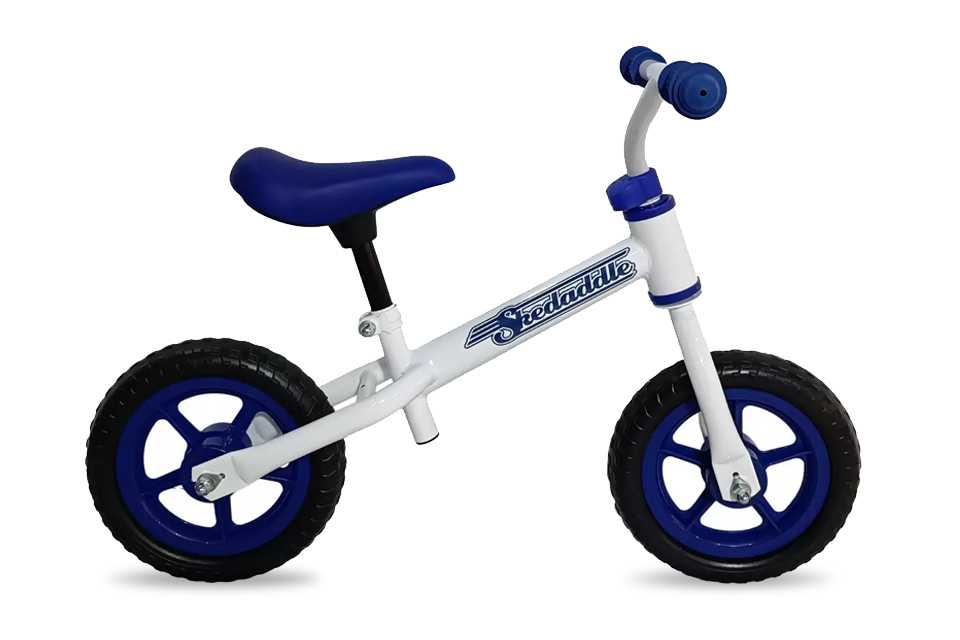
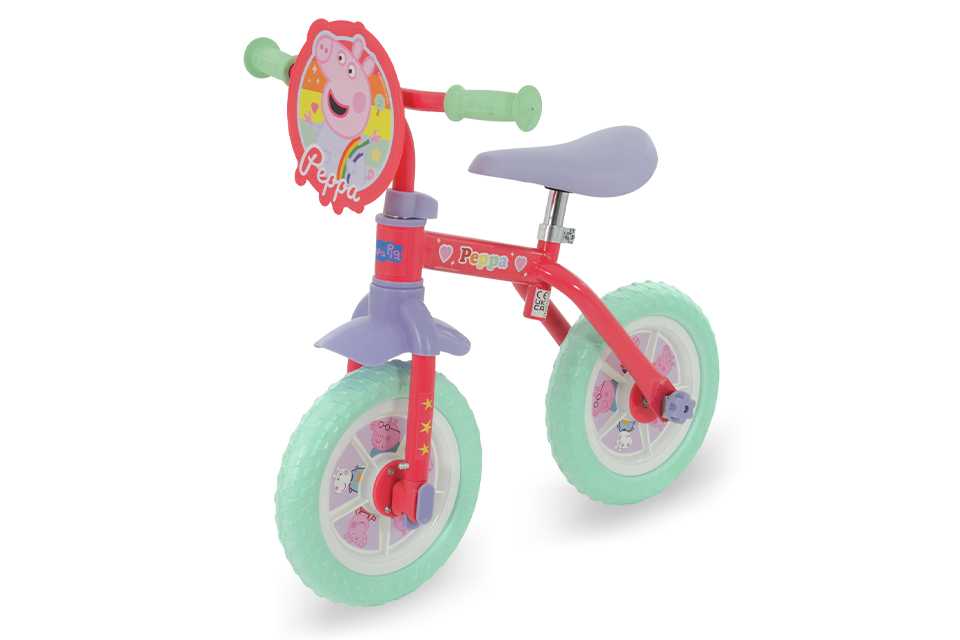
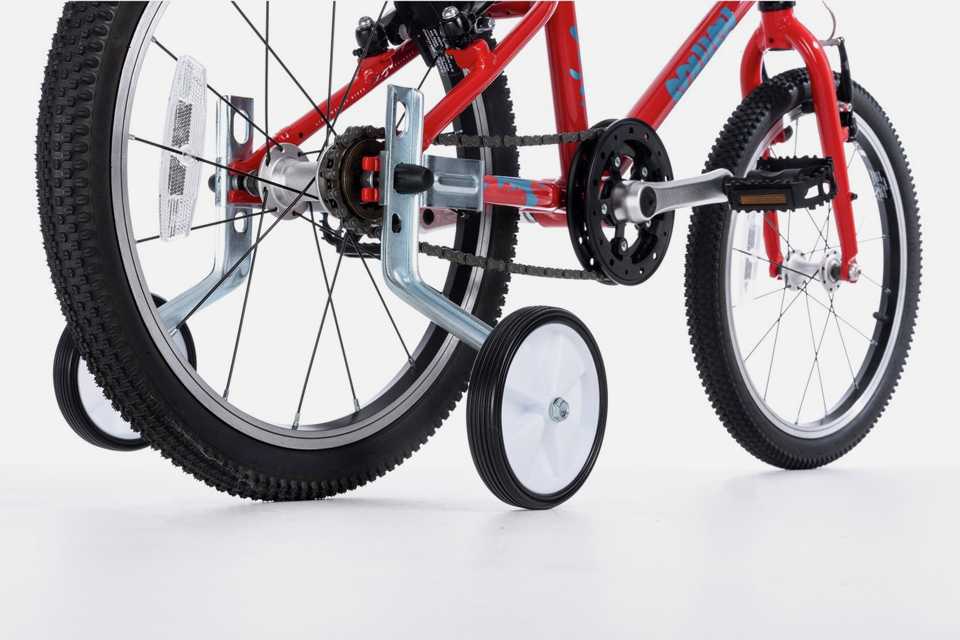
Children can learn to ride a bike from as young as 2 years old. You have two choices when it comes to a toddler bike - balance bikes, which don't have pedals or a brake and beginner bikes, which have brakes, pedals and use stabilisers to keep them steady.
Carousel
Types of bikes - big kids
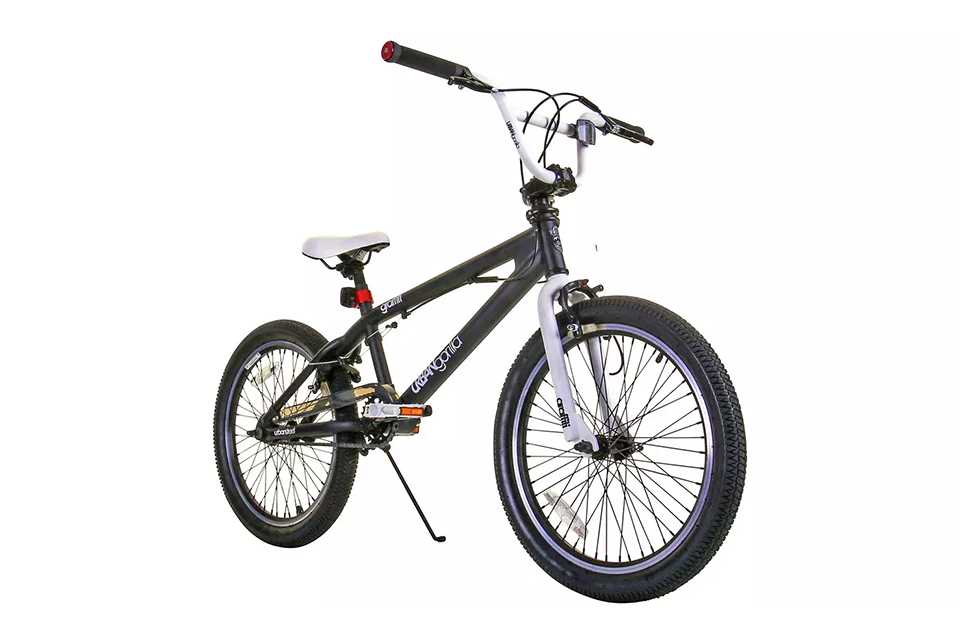
When your child has mastered the art of cycling, they may be ready for a big kid bike. Here are some of the options to choose from.
Carousel


Biking safety for kids
Carousel
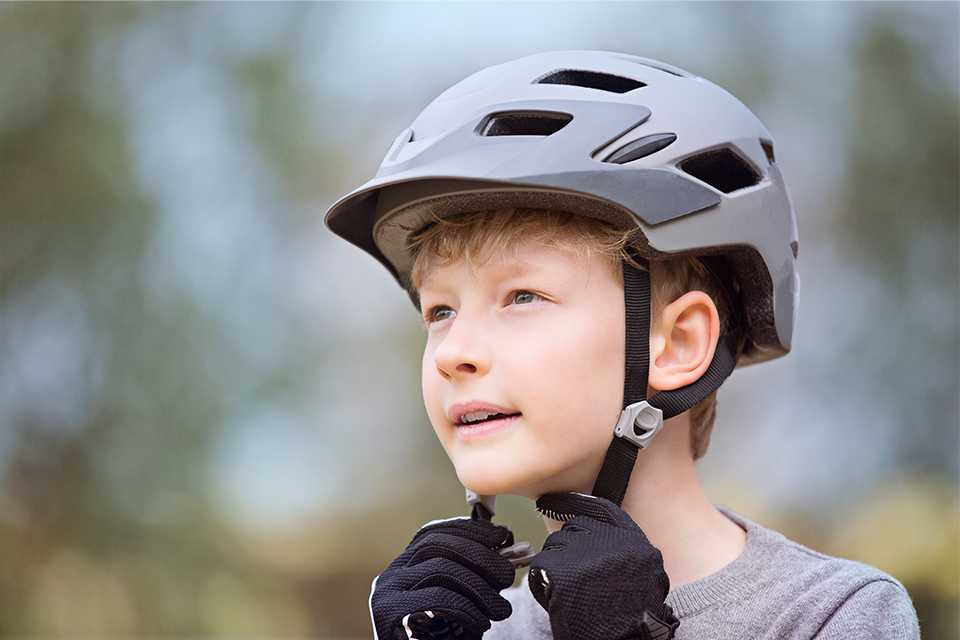
Fitting a child's bike helmet
Step one - Start by measuring the circumference of your child’s head. Place a soft tape measure around the largest part of their head – above their ears and about an inch above their eyebrows.
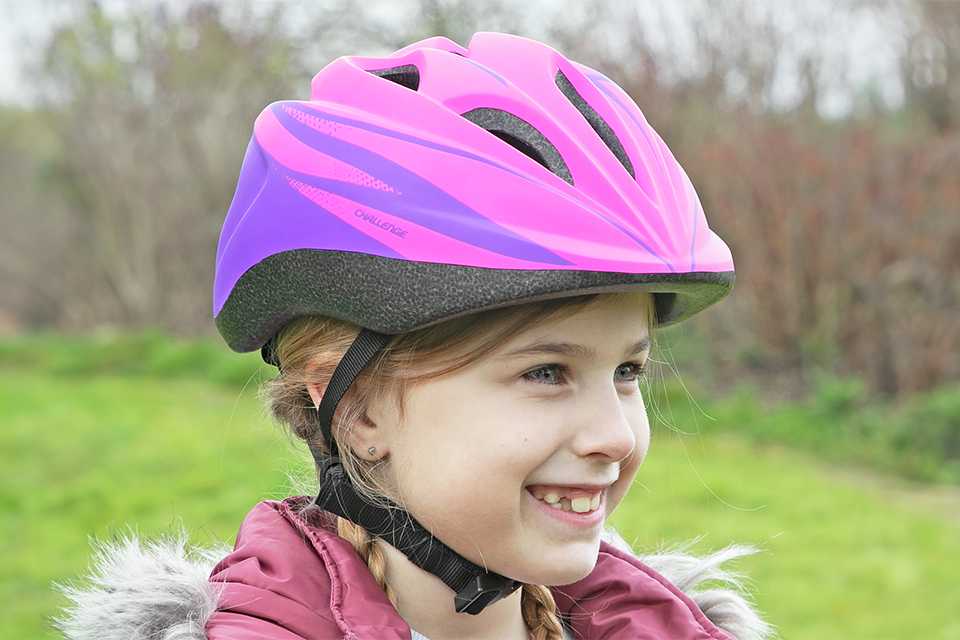
Step two – Once you’ve found the correct helmet size, make sure it fits snugly on your child’s head. The helmet should sit low on their head with the front about two finger widths above the eyebrows.
Step three – Next, adjust the side straps of the helmet so that they sit snuggly around your child’s ears in a V shape. This keeps the helmet secure on their head.
Step four – It’s now time to buckle the chin strap. The chin strap should be tight enough so that no more than one finger is able to fit between their chin and the strap.
Step five – Now that the helmet is on, check that it fits comfortably but not too tightly and doesn’t obstruct your child's vision.
Getting started
Carousel

Frequently asked questions about kids' bikes
What age is a 20 inch bike for?
20 inch options with a height of 117-136cms (3'10"-4'6") make ideal bikes for 7-9 year olds. For more details on bikes for kids of all ages, take a look at our handy kids' bike sizing guide in the table above.
Is a 20 or 24 bike for a 7 year old?
A bike with a wheel size of 20 inches (3'10''-4'6" in height) might be more suitable for a 7 year old so that it is just tall enough for them to be comfortable with riding and stopping.
Can my 4 year old ride a 16 inch bike?
Smaller bikes with a wheel size of 12 - 14 inches are better matches for little ones who are 4 years of age so that they can reach the handlebars and ride around easily.
Is a 26 inch bike okay for a 9 year old?
20 - 24 inch bikes may be more suited to a 9 year old's requirements since bigger bikes may have the risk of being harder to control or stop due to their height.
When should a child move to a bigger bike?
As children grow, they might need to move to bikes that are a better fit for their size and height. This can be seen in signs like their knees bending, them getting uncomfortable and a loss of control while on their bike.
What is the 2 finger helmet rule?
The 2 finger helmet rule refers to fitting a helmet to cover the forehead, leaving two fingers' space above the eyebrows. It's also sometimes described as the '2V1 rule' and includes having the straps making a 'V' shape under the ears and keeping one finger's space between the chin strap and the chin.
How to stay safe while cycling?
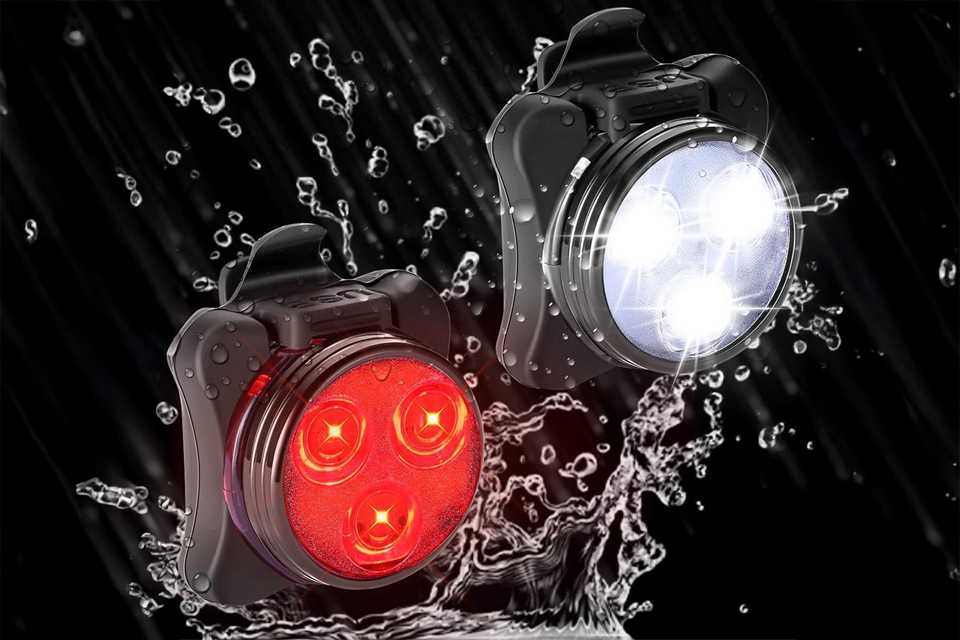
It's essential for kids to stay safe when they cycle and take measures to prevent injury. The highway code recommends that all cyclists wear a helmet and a bike must have lights, especially if you plan to ride when it's dark. You should also regularly check your tyres to ensure they are properly inflated. Want to know more? Explore kids' bike safety tips for some useful advice.