
Christmas gifts for dogs
From senior dogs to lazy dogs to high jumpers and every-pup in between - there's a gift for every doggo.
Shop all Christmas gifts for dogs&poi={$this.metadata.pointOfInterest.x},{$this.metadata.pointOfInterest.y},{$this.metadata.pointOfInterest.w},{$this.metadata.pointOfInterest.h}&scaleFit={($this.metadata.pointOfInterest.x>0)?$sfpoi:$sfcenter}&sm=aspect&aspect=3:2&sfcenter=center&sfpoi=poi&qlt=50&fmt=auto&noiser=0&fmt.jpeg.interlaced=true&fmt.jp2.qlt=40&)
By Natasha Taggar | Last edited: September 2026
Christmas gifts for dogs
Dogs may not be able to write a Christmas list (yet), but their habits offer up plenty of clues. Think about how your dog likes to spend their day, whether that means chasing a ball, solving a puzzle, carrying a soft toy or finding the cosiest nap spot in the house.
A good Christmas gift should suit the way your dog naturally plays, rests or spends time with you. Soft toys may appeal to dogs that enjoy carrying and cuddling. Tug, fetch and chew toys can suit more active play. Puzzle toys offer a different kind of activity, while a correctly sized bed or blanket can be a useful gift for a dog that loves a comfortable nap.
Our Christmas gift ideas for dogs cover toys, activity gifts, beds and practical comforts. Use your dog’s size, age, play style and chewing habits to narrow down the options and choose something they can enjoy beyond Christmas Day.
How to choose a Christmas gift for your dog
Dogs vary widely in personality and temperament. There is no single present that suits every dog, because they all have different habits, energy levels and quirks. Here are six points to keep in mind when picking out a present for your furball.
Your dog’s size
A toy should be appropriately sized for your dog. Something that is far too small may not be suitable for a larger dog, while an oversized or heavy toy may be difficult for a smaller dog to pick up and enjoy.
Bed sizes also vary, so use the product measurements rather than relying only on labels such as small, medium or large. If possible, measure the space your dog uses when resting comfortably.
Their age and life stage
Puppies, adult dogs and older dogs may have different routines and preferences. A puppy may enjoy toys that support supervised play and exploration. An adult dog might prefer fetch, tug or puzzle-based activities. A senior dog may appreciate a comfortable sleeping area or gentler ways to stay occupied.
Follow all age guidance supplied with a product and choose an option that suits your dog’s specific needs.
How they like to play
Watch what your dog chooses when several toys are up for grabs. Do they chase, retrieve, tug, sniff, chew or carry? Matching a present to an existing behaviour is often more useful than choosing by appearance alone.
A dog that ignores balls but loves searching for hidden items may have more fun with a puzzle or treat-dispensing toy. A dog that carries soft objects around the house may prefer a plush toy.
Their chewing habits
Some dogs play gently, while others quickly pull, chew or tear their toys. Look at the product description and usage guidance before choosing. Even when a toy is described as tougher or more durable, it should still be checked regularly for damage.
No dog toy is a substitute for supervision where this is advised. Remove toys that are broken, split or losing pieces.
Where they will use it
Consider whether the gift is for indoor play, outdoor exercise, travelling or rest. A ball launcher may be most useful for outdoor spaces where play is permitted and there is enough room to run at full tilt. A puzzle toy can provide a quieter indoor activity. A washable bed or blanket may be helpful for everyday use.
What they already own
The best present fills a gap rather than adding a near-duplicate. For instance, if your dog already has a basket of similar soft toys, consider a different activity such as retrieving, puzzle play or a comfortable place to settle.
Dog toys for different play styles
Dog toys come in many forms but grouping them by activity makes the choice simpler. Here are some simple ways to think about categorising your dog's toys and preferences:
Soft and squeaky dog toys
Plush and squeaky toys can suit dogs that enjoy carrying, cuddling or gentle indoor play. Festive shapes can make the present feel seasonal, but suitability matters more than appearance.
Check for attached decorations, loose fabric or small parts, particularly if your dog tends to pull toys apart. Follow the individual product guidance and supervise play where instructed.
Here are some soft and squeaky dog toy options to consider.
Tug and rope toys
Tug toys can add structure to shared play and may suit dogs that enjoy pulling games. Choose a size that both you and your dog can hold comfortably. And remember to allow plenty of space around you before starting.
Inspect rope and fabric toys regularly. Stop using them if the material becomes badly frayed or pieces begin to come away.
Check out our selection of rope and tug toys.
Fetch toys and ball launchers
Balls, throwing toys and ball launchers may suit dogs that enjoy chasing and retrieving. Check the ball size carefully and choose an option intended for your dog’s size. Remember; it's best to use launchers only in suitable open areas, away from roads, people who are not part of the game and other hazards like rough terrain or breakable objects. Adjust the length and pace of play to your dog’s usual activity level.
Explore our dog toys for throwing.
Chew toys
Chew toys can give dogs a focused activity and may help redirect attention away from household items. Choose according to the product’s size and usage guidance, as well as your dog’s own chewing style.
Check the toy before and after use. If it has split, changed shape significantly or developed loose sections, replace it.
Explore our chew toys for dogs.
Puzzle and activity toys
Puzzle toys create an activity by asking a dog to move, nudge or open parts of the toy. Some use dry food or treats, while others rely on moving sections or hidden compartments.
Start with a straightforward activity and let your dog work at their own pace. If food is used, account for it as part of the dog’s normal daily intake and follow any feeding advice provided by your vet.
Explore our brain training dog toys.
Christmas gifts for active dogs
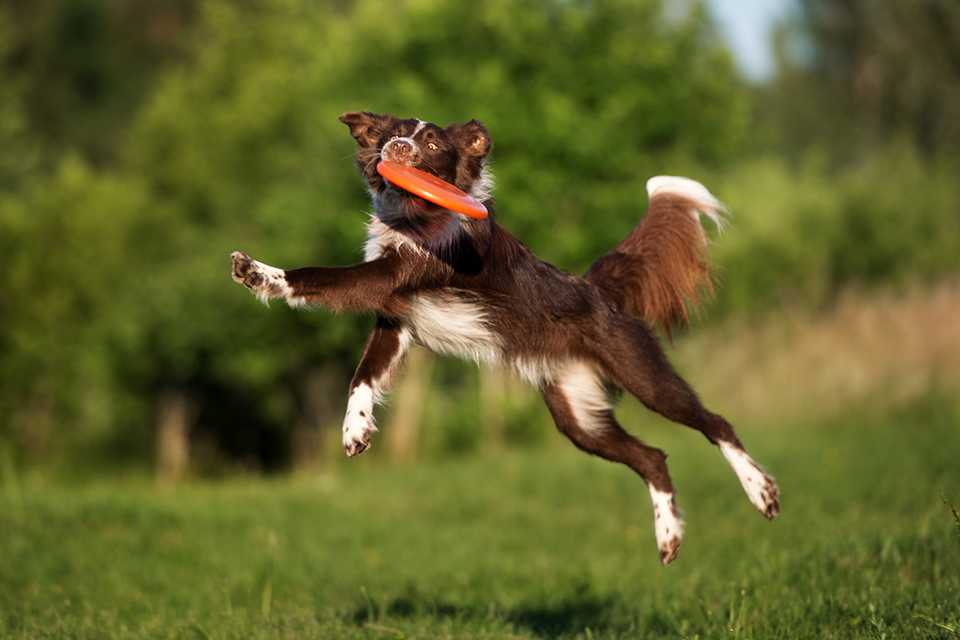
Strengthen your bond with shared activities
For dogs that enjoy movement and shared activities, consider gifts that can become part of walks or playtime. Possible ideas include:
- A suitable ball or throwing toy
- A ball launcher for dogs
- A tug toy for shared play
- An outdoor activity toy
- A portable toy that can be taken on walks
- A new toy for supervised garden play
The activity should fit the dog, not the other way round. Take account of their age, health, training and usual exercise routine. If you’re not sure of the right level or type of activity for an individual dog, speak to a vet or suitably qualified canine professional.
- Shop toys for active dogs
Cosy and practical gifts for dogs
Not every Christmas present needs to squeak, bounce or roll across the floor. Some of the most useful dog gifts are designed for rest and everyday comfort.
A new dog bed
A new bed can make a thoughtful present if the current one is worn, difficult to clean or no longer the right size. Things to consider:
- The external and sleeping-area measurements
- Whether your dog curls up or stretches out
- The cover and filling materials
- Care and washing instructions
- Whether the cover or inner pad can be removed
- Where the bed will be placed
Measure the available space before buying. For large or deep beds, also check that there is enough room for your dog to get in and out comfortably.
Find the right size in our dog beds range.
A blanket or crate mat
A dog blanket or crate mat can be a multi-use gift for home, car journeys or visits, depending on the product’s intended use. It can also simply offer a familiar surface when your dog is settling into a different room or a new environment.
Choose an option that fits the space and follow its washing and care instructions. If it will be used in a crate, check that the dimensions are appropriate and that the dog still has enough space.
A refreshed rest and recharge area
You can make an existing sleeping or feeding space feel more comfortable without replacing everything. A new feeding bowl, washable blanket, correctly sized mat or storage baskets or boxes for toys may be enough to give your pet's favourite spots in the house a useful refresh.
Avoid positioning bedding and feeders where they could obstruct walkways, doors or heat sources.
Christmas gifts for puppies
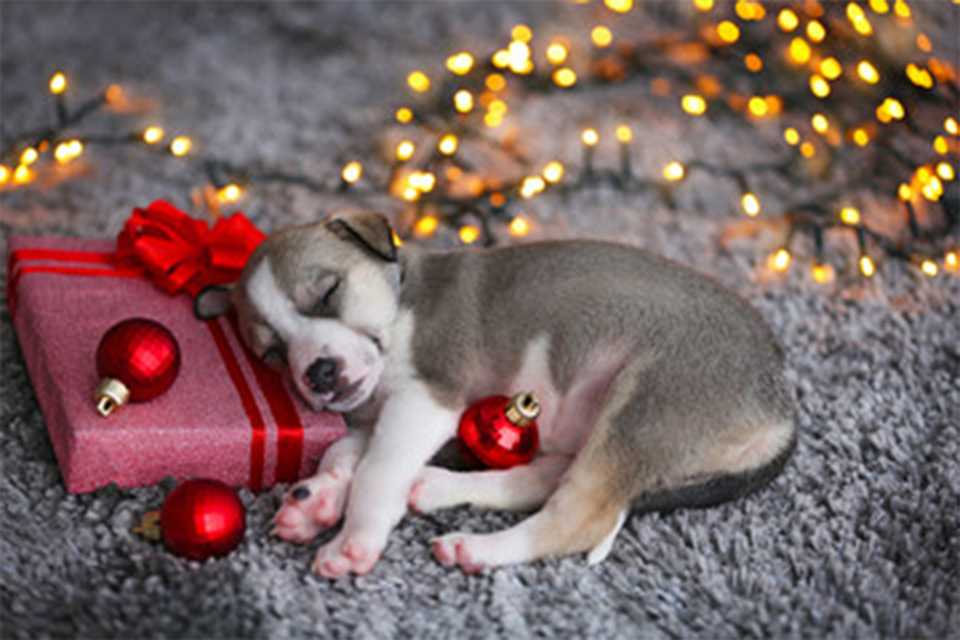
Sometimes, less is more
A puppy’s first Christmas brings new sounds, people, objects and routines, so a simple, suitable gift is often all you need. Consider a correctly sized toy for supervised play, a washable blanket, a small bed that allows room to rest comfortably or an activity toy designed for the puppy’s age and size.
Avoid overwhelming a puppy with several new items at once. Introduce one present in a calm space and give them time to investigate. Keep packaging, ribbon, small decorations and loose pieces out of reach.
If the puppy is still settling into your home, keeping familiar routines may be more valuable than adding lots of festive activity.
Gifts for other pets
Shopping for more than one pet?
Dogs aren't the only pets who deserve to be spoiled during Christmas season. Whether you're shopping for a curious cat, a shy little animal or another type of beloved companion, explore our range of pet gifts to find festive treats, toys and thoughtful presents for all kinds of pets.
Slider Grid
- Save 25%£4.10Was
£6.00Free collection or delivery from £4.95


What can you buy a dog that already has everything?
If the toy basket is already full, choose a gift that adds a different experience rather than more of the same.
You could:
- Replace a worn bed or blanket
- Try a new type of puzzle activity
- Choose a toy for a different play style
- Create a tidy storage space for their existing toys
- Plan extra time for a favourite walk or play routine
- Replace damaged toys with suitable alternatives
Another option is to rotate safe, familiar toys. Put some away and bring them back later, so the selection feels varied without constantly adding new items.
Giving your dog their present safely
A new toy or treat can quickly get tails wagging. As the gift giver, it's worth making sure your dog's present is introduced safely. Here are a few simple precautions that can help keep your dog happy, comfortable and secure:
- Remove all outer packaging before giving a product to your dog, unless its instructions state otherwise. Keep gift wrap, tape, tags, ribbon and small decorations out of reach.
- Choose a calm space and introduce the present without pressure. If it is a new style of puzzle or activity toy, show your dog how it works and begin with a simple set-up.
- Check the product regularly while it is in use. Follow its cleaning, care and supervision instructions, and remove it if it becomes damaged.
Christmas time can bring unfamiliar foods, decorations and visitors into the home. Keep your dog’s normal routine where possible and provide a quiet place where they can rest undisturbed. Click here for more information on keeping your furry family members safe around the festive season.
FAQs about Christmas gifts for dogs
Which toys do dogs enjoy most?
Dogs have individual preferences, so there is no single toy that every dog enjoys most. Observe whether the dog naturally likes chasing, retrieving, tugging, chewing, sniffing or carrying objects. A ball may suit a keen retriever, while a soft toy may appeal to a dog that likes to carry and settle with toys. Puzzle activities can suit dogs that enjoy searching or working things out. Choose an appropriate size, follow the product’s instructions and replace the toy if it becomes damaged or develops loose parts.
What can I get a puppy for its first Christmas?
A suitable first Christmas gift for a puppy could be a correctly sized toy, washable blanket, comfortable bed or simple puppy-appropriate activity toy. Follow the age and size guidance shown on the product and introduce new items one at a time. Puppies may try to chew packaging and decorations, so remove tags, tape, ribbon and wrapping before giving them the present. A calm introduction is usually more helpful than a busy unwrapping moment. Keeping familiar feeding, rest and toilet routines can also help a puppy manage a livelier household.
How do I choose the right toy for my dog?
Start with your dog’s size, age and normal play behaviour. Decide whether the toy is intended for carrying, tugging, fetching, chewing or puzzle play, then check the product description and usage guidance. Choose a size that your dog can use appropriately and consider how forcefully they usually play. Introduce unfamiliar toys under supervision where advised. Check the toy before and after use, especially around seams, ropes, squeakers and moving parts. Remove it if it becomes split, badly frayed or starts to lose pieces.
Can a dog bed make a good Christmas present?
Yes, a dog bed can be a practical Christmas present, particularly if the current bed is worn, difficult to clean or no longer provides enough space. Measure both the available floor area and the dog’s resting position before choosing. Check the bed’s external dimensions, internal sleeping area, materials and washing instructions. Some dogs curl up, while others prefer to stretch out, so shape matters as well as labelled size. Place the bed somewhere warm, dry and away from busy walkways or anything that could obstruct access.
How many Christmas presents should I give my dog?
There is no set number of Christmas presents that a dog needs. One suitable toy, activity item or comfort gift may be more useful than several unfamiliar products at once. Consider what the dog already owns, what needs replacing and how they usually respond to new items. Introducing presents gradually can make it easier to monitor how each one is used. The most important factors are suitability, correct sizing and safe use, rather than quantity. Time spent on a familiar walk, game or calm activity can also form part of their Christmas experience.