
Choosing a slow cooker: sizes, tips and recipes
Make dinners more manageable. Explore how a slow cooker works, what size is best for you, and key features to consider in our helpful guide.
Shop all slow cookers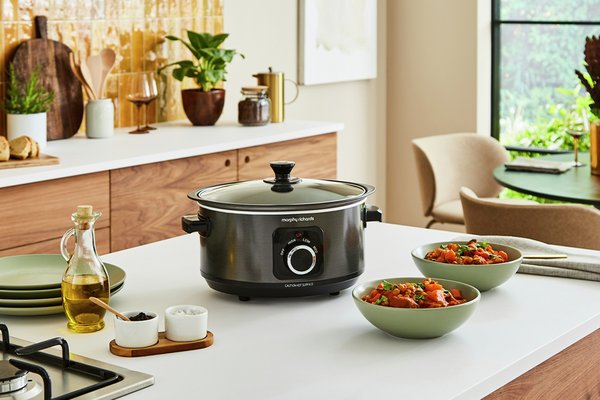&poi={$this.metadata.pointOfInterest.x},{$this.metadata.pointOfInterest.y},{$this.metadata.pointOfInterest.w},{$this.metadata.pointOfInterest.h}&scaleFit={($this.metadata.pointOfInterest.x>0)?$sfpoi:$sfcenter}&sm=aspect&aspect=2:1&sfcenter=center&sfpoi=poi&qlt=50&fmt=auto&noiser=0&fmt.jpeg.interlaced=true&fmt.jp2.qlt=40&)
By Natasha Taggar | Last edited: August 2026
What is a slow cooker?
A slow cooker is an electric cooking pot that uses low, steady heat to cook food over several hours. The slow, gentle heat helps flavours develop and can make some ingredients softer and more tender. Just add your ingredients, choose your setting and let it gently cook away while you get on with your day.
Slow cookers are great for stews, curries, soups, casseroles, pulled meats and many one-pot family meals. They are also handy for batch cooking, meal prep and making tougher cuts of meat more tender. Most have a heated base, a removable cooking pot and a fitted lid that helps keep moisture inside while your food cooks.
Why should you use a slow cooker?
Slow cookers are popular as they make everyday cooking feel easier. They are useful if you like the idea of prepping a meal earlier in the day and coming back to something warm and ready to serve.
Choosing a slow cooker is great for:
- Less hands-on cooking: The appliance does most of the work, once your ingredients are prepared and added.
- Batch cooking: You can make bigger portions and freeze leftovers or have them for lunch the next day.
- Tender meat and veg: Slower cooking works well for tougher cuts of meat and hearty vegetables.
- Flexible mealtimes: Some models can switch to keep food warm once cooking has finished.
- One-pot meals: Many recipes can be cooked in the same pot, meaning there’s less washing up needed.
Slow cooker sizes
The best slow cooker size depends on how many people you'll be cooking for, how much space you have and whether you want to save leftovers.
Tip: Slow cookers often work best when they are around half to three-quarters full, so a larger model may not be ideal if you mostly cook small meals.
What size slow cooker do I need?
| Slow cooker size | No. of people | Good for |
|---|---|---|
1 to 2 | Small meals, dips, sides, porridge | |
2 to 4 | Everyday/family meals, saving leftovers | |
4 or more | Meals for large households, entertaining, batch cooking, bigger joints of meat |
Slow cooker features
Additional slow cooker modes and functions can make cooking and cleaning quicker. Here are some features to consider when buying a slow cooker:
- Capacity: Go for a size that suits your household and usual portion sizes.
- Low and high settings: Adjust cooking time depending on your recipe.
- Keep warm setting: Keep food warm after cooking has finished.
- Timer: You can set a cooking time, often with an automatic switch to keep warm.
- Removable bowl: This makes serving and cleaning easy.
- Dishwasher-safe parts: Remember to always check the product details to be sure.
- Glass lid: Check on your meal without lifting the lid.
- Sear or sauté function: Brown ingredients like meat before slow cooking to enhance flavour.
- Hob-safe or oven-safe pot: While suitable for some recipes, all removable bowls may not be suitable for hob or oven use. Check the instructions of your individual model before using.
Slow cooker brands
Carousel


Is a sear and stew slow cooker worth it?
A slow cooker with a sear function can be useful for browning meat or softening onions before slow cooking. Browning ingredients first can add extra depth of flavour, especially to stews, casseroles and chilli. Some slow cooker models allow you to sear ingredients in the removable pot before placing it back into the base, so you don't need to use a separate frying pan.
Still, plenty of slow cooker recipes are designed for you to add the ingredients straight into the bowl and let them cook. If you want the simplest option, a standard slow cooker with low, high and keep warm settings may be enough for regular use.
Using a slow cooker
Follow the below steps when cooking with a slow cooker for best results:
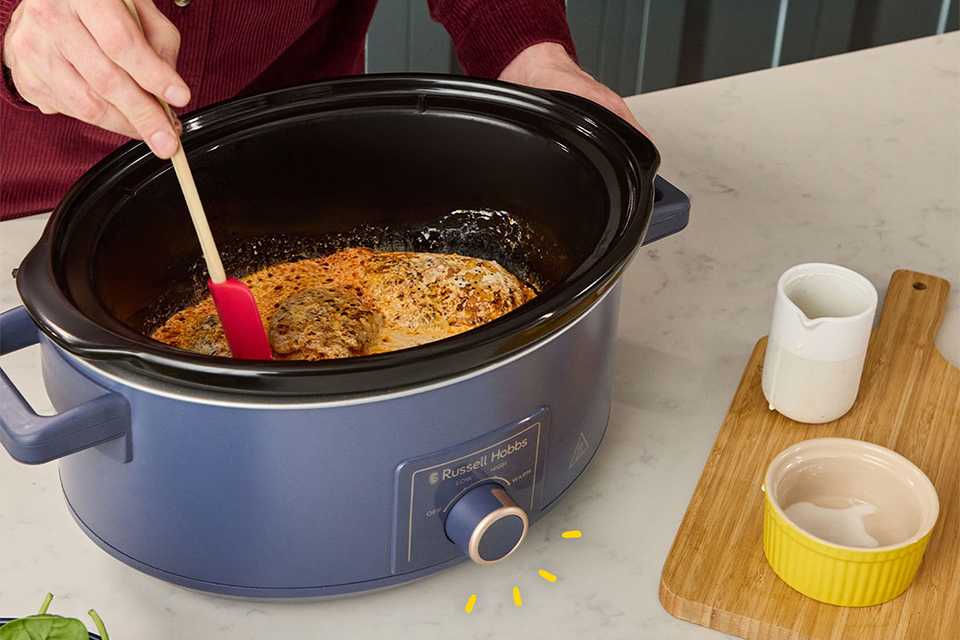
- Prepare your ingredients: Chop vegetables into similar-sized pieces so they cook evenly. If your recipe includes meat, follow the recipe and appliance's instructions.
- Layer ingredients carefully: Root vegetables such as carrots and potatoes often take longer to soften, so they usually do well near the bottom of the pot.
- Add the right amount of liquid: Slow cookers keep moisture in, so you won’t need as much liquid as you would for hob cooking.
- Choose your setting: Use the low setting if you want your meal to cook for longer and try the high setting for a shorter cooking time.
- Keep the lid on: Try not to lift the lid too often. This lets heat escape and might increase the cooking time needed.
- Check before serving: Make sure any food, especially meat and poultry is cooked through before serving. Follow your appliance's instructions to be safe.
Slow cooker tips
Here are some top tips to keep in mind:
- Don't overfill the bowl: Aim to leave enough room for heat and liquid to move around.
- Cut dense vegetables smaller: Potatoes and carrots can take longer than softer veg.
- Use less liquid when adapting recipes: Slow cookers do not reduce sauces in the same way as hob cooking.
- Add dairy towards the end: Milk, cream and some cheeses can split if cooked for too long.
- Add delicate ingredients later: Pasta, rice, seafood and leafy greens turn too soft if cooked for hours.
- Thicken sauces after cooking: If your sauce is too thin, reduce it separately or use a thickening method from your recipe.
- Season gradually: Take it slow. Flavours can get more concentrated over time, so taste and adjust closer to the end if needed.
Slow cooker recipes
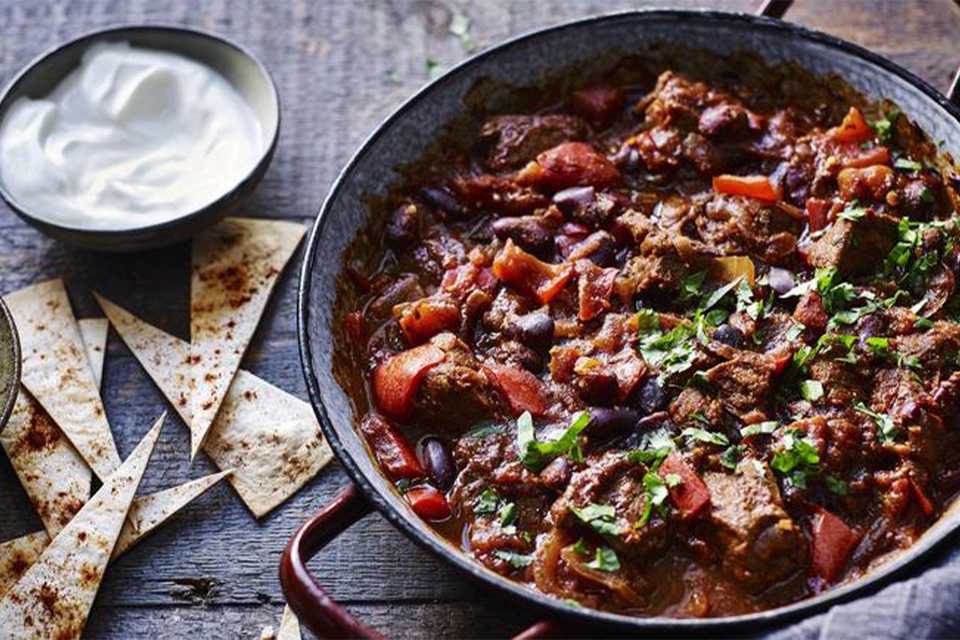
Slow cookers are best for recipes that need gentle, moist cooking. They suit batch cooking as well as meals that use sauces, stock or gravy. Here are some recipe ideas you can try:
- Chilli con carne
- Beef stew
- Chicken casserole
- Vegetable curry
- Pulled pork
- Gammon joint
- Bolognese-style sauce
- Rice pudding
Explore Sainsbury’s slow cooker recipes for detailed recipes and meal inspiration.
Slow cooker cleaning
Cleaning a slow cooker is usually simple and can be quite easy if your model has a removable bowl. Here are our top cleaning tips to keep your appliance in good condition:
- Always switch off and unplug your slow cooker before cleaning.
- Let it cool before washing the bowl or lid, as sudden temperature changes could damage some materials.
- Check the appliance's instructions before putting anything in the dishwasher. Some bowls and lids are dishwasher-safe, while others may need hand washing.
- Wipe the outer part with a damp cloth, but do not immerse the electrical base in water.
- If food has stuck to the bowl, soak it in warm soapy water before cleaning.
- Avoid abrasive cleaners unless mentioned otherwise in the product’s care instructions.
Frequently asked questions about slow cookers
Is 4 hours on high the same as 8 hours on low in a slow cooker?
Many slow cooker recipes treat 4 hours on high as roughly similar to 8 hours on low, but it is not an exact rule for every dish. Cooking time will depend on the ingredients used, quantity being cooked and size of the appliance.
How do you use a slow cooker for beginners?
Start with a simple slow cooker recipe like a stew, soup, curry or chilli. Prepare your ingredients and add them to the bowl with the recommended amount of liquid. Set it on low or high and keep the lid on while it cooks.
What are common mistakes to avoid when using a slow cooker?
Common slow cooker mistakes include adding too much liquid, overfilling the bowl, lifting the lid often and adding delicate ingredients too early.
Is it okay to leave a slow cooker on low for 12 hours?
Some recipes need long cooking times, but be sure to check your slow cooker manual and the recipe you are following before you start. Different slow cooker models and settings can vary, so avoid making assumptions about any timings.
Can you put raw meat straight into a slow cooker?
Some slow cooker recipes call for raw meat to be added directly, while others suggest browning it first for extra flavour. Always follow the recipe and check your appliance's instructions. Frozen meat should not be added into a slow cooker unless your appliance manual specifically says it is suitable.
How often should you stir a slow cooker meal?
Most slow cooker meals don’t require regular stirring. Lifting the lid too often allows heat to escape, so it’s best to leave the lid on unless the recipe tells you to stir or add ingredients. If you need to mix in dairy, pasta, rice or leafy greens near the end, stir them in quickly and replace the lid.
What should not be cooked in a slow cooker?
Some ingredients need to be added towards the end rather than being cooked for hours. This includes pasta, rice, seafood, dairy and leafy greens, which would otherwise turn too soft, split or lose their texture. Crispy foods are not a good fit for slow cookers because these appliances use moist heat. And if you are cooking meat, it is advisable to first brown or thaw it out before cooking. Check your recipe and follow the guidance for your specific model to be safe.