
Food processor vs blender: which one do you need?
Pulsing, blitzing, powdering, blending, chopping, slicing or pureeing – find the right appliance to make your kitchen prep quick and easy.
Shop all food processors and blenders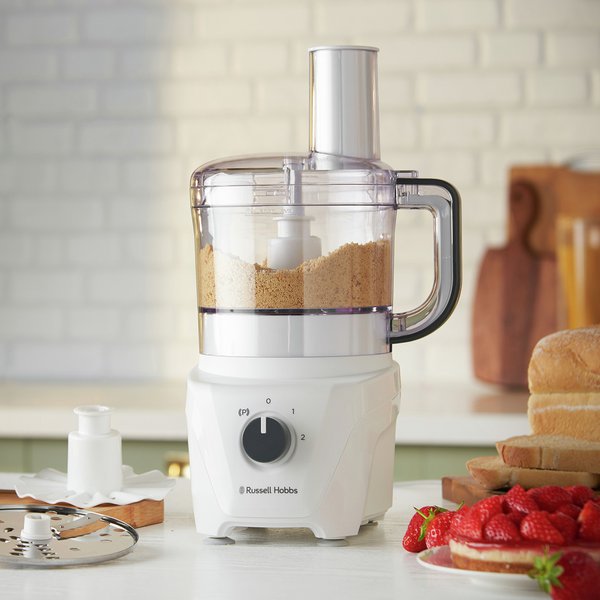&poi={$this.metadata.pointOfInterest.x},{$this.metadata.pointOfInterest.y},{$this.metadata.pointOfInterest.w},{$this.metadata.pointOfInterest.h}&scaleFit={($this.metadata.pointOfInterest.x>0)?$sfpoi:$sfcenter}&sm=aspect&aspect=3:2&sfcenter=center&sfpoi=poi&qlt=50&fmt=auto&noiser=0&fmt.jpeg.interlaced=true&fmt.jp2.qlt=40&)
By Kirsty Hudson | Date published: August 2026
If you’re refreshing your kitchen kit or trying to make meal prep quicker, a food processor, blender or hand blender can save you plenty of chopping, mixing and stirring. The trick is choosing the one that suits how you cook.
This guide explains the difference between food processors and blenders, what each appliance is best for, and when a stick blender or combined food processor and blender might be the easiest fit.
Quick answer: food processor vs blender
While blenders and food processors can both carry out some similar tasks such as purees, generally they are best suited to different tasks. Blenders are best for all things liquid; think smoothies, soups, sauces, shakes and even crushed ice. A food processor can do purees, but generally they are best for solid ingredients where a coarse finish is the aim. They’re great for slicing, chopping and grating ingredients, mixing things like doughs and making dips.
What is a blender?
A blender uses fast-spinning blades to pull ingredients down into a liquid vortex. That makes it great for smooth, pourable textures.
Blenders are useful for:
- Smoothies and protein shakes
- Soups and sauces
- Milkshakes
- Batters
- Dressings
- Frozen fruit drinks
A jug blender is a good choice if you want to make larger batches. A smoothie blender or bullet blender is handy for one or two servings. Some portable blenders are designed for quick drinks on the go, but they usually have smaller motors and capacities than full-size models so think about how you’ll use it mostly.
What is a food processor?
A food processor uses a wider bowl and a selection of different blades or discs to chop, slice, grate, mix and knead. They’re designed for prep jobs where you want texture and control, not just a smooth finish.
Food processors are useful for:
- Chopping vegetables
- Slicing or shredding ingredients
- Grating cheese or veg
- Making dips and spreads
- Mixing pastry or dough, depending on the model
- Preparing breadcrumbs, crumble toppings or chopped nuts
A mini food processor can be a good option for smaller kitchens or quick jobs like chopping onions, making pesto or preparing small portions. A larger food processor is better if you regularly cook for a family or prep bigger batches.
What is a hand blender?
Also known as stick blenders, hand blenders are ideal for small batches and quick preparation. They don’t have a bowl or jug included, so you can use them most food containers as needed.
Hand blenders are useful for:
- Blending soup in the pan
- Making sauces
- Whizzing small batches of baby food-style purées
- Mixing dips
- Blending soft fruit
- Quick jobs where you do not want to wash a jug blender
Some hand blenders come with extra attachments, such as whisks, beakers or mini choppers. These can make them more flexible without taking up much cupboard space.
Food processor vs blender: which is better for each job?
Use this quick guide if you’re deciding between a blender, food processor or hand blender.
| Task | Best option | Why |
|---|---|---|
Smoothies | Blender | Creates a smooth, drinkable texture |
Soup | Hand blender or jug blender | A hand blender works in the pan, while a jug blender can create a smoother finish |
Chopped vegetables | Food processor | Chops, slices or grates without turning everything into liquid |
Dips and hummus | Food processor | Handles thicker textures more easily |
Sauces and dressings | Blender or hand blender | Good for smooth, pourable mixes |
Dough or pastry prep | Food processor | Some models include dough tools or mixing attachments |
Small quick prep jobs | Mini food processor or hand blender | Useful when you do not want to set up a larger appliance |
Should you choose a food processor, blender or hand blender?
Choose a blender if you make lots of drinks and smooth recipes
A blender is likely to suit you if smoothies, shakes, soups and sauces are regular favourites. Look at the jug size, speed settings and whether the model is designed for tougher ingredients like frozen fruit or ice.
A smoothie blender can be a practical choice if you mostly make single servings. A full-size jug blender is better if you want to make enough for more than one person.
Choose a food processor if you want help with chopping and prep
A food processor is a great choice if chopping, slicing, grating and mixing take up too much time. It can be especially useful for batch cooking, family meals or recipes with lots of vegetables.
Check which attachments are included, as this can change what the appliance can do. Some models focus on chopping and slicing, while others include extra tools for kneading, whisking or blending.
Choose a hand blender if you want something compact and quick
A hand blender is a strong choice if you want a compact appliance for simple blending jobs. It takes up less space than a jug blender or food processor and is useful for soups, sauces and smaller portions.
If you make soup often, a stick blender can be especially handy because you can blend directly in the pan once the ingredients are cooked and safe to handle.
Choose a combined food processor and blender if you want flexibility
A combined food processor and blender can be useful if you want one base with different bowls, jugs or cups. It can help save space compared with buying several separate appliances.
Before you buy there are a few things you’ll want to check:
- Which attachments are included
- Whether the bowl and jug sizes suit your cooking
- How easy the parts are to store
- Whether removable parts are dishwasher-safe
- Whether the controls are simple enough for everyday use
Healthy eating with blenders and food processors
A blender or food processor will not make a diet healthy on its own, but it can make fresh food prep easier. That can help if you’re trying to cook more from scratch, use up fruit and veg, or prepare simple meals at home.
Easy ideas for a blender
Use a blender for:
- Fruit and vegetable smoothies
- Vegetable soups
- Tomato-based pasta sauces
- Oat pancake batter
- Yoghurt-based dips
- Homemade dressings
For smoothies, fruit juice and blended drinks, keep portion guidance in mind. Smoothies can count towards your 5 A Day, but NHS guidance says fruit juice, vegetable juice and smoothies should be limited to a combined total of 150ml per day.
Easy ideas for a food processor
Use a food processor for:
- Chopped vegetables for soups, stews and stir-fries
- Grated carrot, cabbage or courgette
- Cauliflower rice-style sides
- Homemade hummus
- Pesto
- Energy bites made with oats, dates and nuts
- Breadcrumbs for toppings
A food processor can be useful when a recipe needs lots of prep before cooking. Less chopping, more getting dinner moving.
Features to check before you buy
Capacity
Think about how many people you usually cook for. A small blender or mini food processor may be enough for one or two people. A larger jug or bowl is more practical for family meals, batch cooking or entertaining.
Power and speed settings
More power can help with tougher ingredients, but it is not the only thing to check. Look for speed settings, pulse controls and the appliance’s recommended uses. A pulse setting is useful when you want more control over texture.
Attachments
Food processors can come with chopping blades, slicing discs, grating discs, dough tools, whisking accessories or blender jugs. Hand blenders may include mini choppers, whisks and beakers.
Only pay attention to attachments you’ll actually use. Fewer parts can sometimes mean easier storage and cleaning.
Storage
Measure your cupboard or worktop space before you buy. A compact food processor, mini blender or stick blender may suit a smaller kitchen better than a large multi-part appliance.
Cleaning
Check whether removable parts are dishwasher-safe and easy to rinse. Appliances that are simple to clean are more likely to become part of your everyday routine.
FAQs about food processors and blenders
Do I need both a blender and a food processor?
You may not need both. A blender is usually better for smooth, liquid recipes such as smoothies, soups and sauces. A food processor is better for chopping, slicing, grating and mixing thicker ingredients. If you cook from scratch regularly and make smoothies often, both can be useful. If space is limited, a combined food processor and blender may give you more flexibility in one setup.
Can you get a combined food processor and blender?
Yes, you can get a food processor and blender combo. These usually use one motor base with separate bowls, jugs or cups for different tasks. They can be helpful if you want to chop vegetables, mix ingredients and blend smoothies without buying several separate appliances. Before choosing one, check the included attachments, bowl size, jug capacity and storage needs.
What can a blender do that a food processor cannot?
A blender is usually better at creating smooth, pourable textures. It pulls liquid ingredients into a vortex, which helps with smoothies, shakes, soups, sauces and dressings. A food processor can purée some ingredients, but it is generally better for thicker mixtures and prep tasks. If you mainly want smooth drinks or silky soups, a blender is likely to be the better fit.
What can a food processor do that a blender cannot?
A food processor is better for chopping, slicing, grating and mixing ingredients while keeping some texture. It can help prep vegetables, make dips, grate cheese, mix pastry or handle thicker recipes depending on the model and attachments. A blender is designed more for liquids, so it may struggle with dry, thick or chunky mixtures unless the appliance instructions say it can handle them.
Which is better, a chopper or a blender?
It depends on the job. A chopper or mini food processor is better for small prep tasks, such as chopping onions, herbs, nuts or vegetables. A blender is better for smooth liquids, such as soups, smoothies and sauces. If you mainly want to cut down chopping time, choose a chopper or food processor. If you want drinks and smooth textures, choose a blender.
What is the best tool to blend soup?
A hand blender is often the most convenient tool for soup because you can blend directly in the pan once the ingredients are cooked and safe to handle. A jug blender can also work well if you want a very smooth finish, but you may need to blend in batches. Always follow the appliance instructions, especially when handling hot ingredients.
Is it better to get a juicer or a blender?
A blender and juicer do different jobs. A blender mixes whole ingredients into a thicker drink, usually keeping more of the fruit or vegetable in the finished smoothie. A juicer extracts liquid and separates out much of the pulp. If you want smoothies, soups and sauces, choose a blender. If you mainly want fresh juice, a juicer may suit you better.
What should you not put in a blender?
Always check your appliance instructions first, as every model is different. As a general rule, avoid adding ingredients your blender is not designed to handle, such as very hard foods, large ice cubes, boiling liquid or thick dry mixtures. Cut ingredients into suitable pieces, add enough liquid where needed, and do not overfill the jug. If you are unsure, use the pulse setting gently.
Can you put frozen fruit straight in a blender?
Some blenders can handle frozen fruit, but not all of them can. Check the product instructions before adding frozen ingredients. If your blender is suitable, smaller pieces are usually easier to blend than large frozen chunks. Adding liquid can also help the blades move more freely. If your blender struggles or stops, switch it off and follow the manufacturer’s guidance.
Is there much difference between a cheap and expensive blender?
There can be differences, but the right choice depends on what you need. Higher-priced blenders may offer more power, larger jugs, more speed settings, stronger blades or extra programmes. Simpler models can still be useful for basic smoothies and sauces. Think about how often you’ll use it, which ingredients you’ll blend, how much space you have and how easy it is to clean.