
LED face mask guide
LED face masks have become a popular addition to at-home skincare routines but knowing where to start can feel a little confusing. From red light masks to blue light settings and treatment times to safety information, there’s plenty to take in and learn.
Shop LED face masks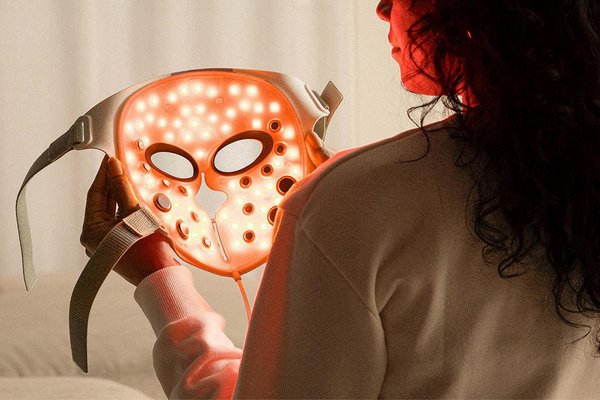&poi={$this.metadata.pointOfInterest.x},{$this.metadata.pointOfInterest.y},{$this.metadata.pointOfInterest.w},{$this.metadata.pointOfInterest.h}&scaleFit={($this.metadata.pointOfInterest.x>0)?$sfpoi:$sfcenter}&sm=aspect&aspect=3:2&sfcenter=center&sfpoi=poi&qlt=50&fmt=auto&noiser=0&fmt.jpeg.interlaced=true&fmt.jp2.qlt=40&)
By Natasha Taggar | Date published: August 2026
What is an LED face mask?
An LED face mask is a wearable beauty device that uses light-emitting diodes to deliver specific wavelengths of visible or near-infrared light to the skin.
LED light therapy has been used in professional skincare settings for many years. At-home LED masks are designed to bring similar technology into everyday skincare routines in a convenient, easy-to-use format.
Most masks sit comfortably over the face and feature built-in treatment programmes, with under eye cooling being a popular user treatment. Depending on the device, these may include red light, blue light, green light, yellow light or near-infrared settings for different skin types, so it’s important to find the right face mask for your skin.
Unlike UV light, LED face masks do not tan the skin.
How do LED face masks work?
LED face masks are designed to support various skincare goals through regular, consistent use. They work by delivering targeted wavelengths of light that can help boost collagen and elastin production, reduce inflammation, and support skin renewal. The result is firmer, smoother, brighter-looking skin, with improvements in the appearance of fine lines, uneven skin tone, redness and blemishes over time.
Different wavelengths of light have been studied for their potential effects on skin appearance and skin function. However, results can vary depending on the device, frequency of use, skin type, and individual concerns.
It is important to view an LED mask as one part of an overall skincare routine rather than a replacement for cleansing, moisturising, sun protection, or professional skincare advice.
If you have concerns about a skin condition, seek advice from a qualified healthcare professional.
LED light colours
Many LED face masks feature more than one light setting, so before purchasing an LED mask remember to check if it features the light colour you’d prefer. While exact wavelengths vary between manufacturers, different colours are commonly associated with different skincare goals. Discover the LED light colours and how they can support your skin type below.
| LED light colour | Commonly associated with |
|---|---|
Red light | Supporting the appearance of firmer-looking skin and helping reduce the appearance of fine lines. |
Blue light | Oily and blemish-prone skincare routines. |
Near-infrared light | Supporting skin recovery and overall skin appearance. |
Green light | Promoting a more even-looking complexion. |
Yellow light | Supporting the appearance of calm-looking skin. |
Purple light | Often combines red and blue light technologies. |
White light | Included on some multi-light devices for general skin appearance support. |
Always follow the guidance supplied with your device, as settings and intended uses vary between manufacturers.
When to use an LED face mask in your skincare routine
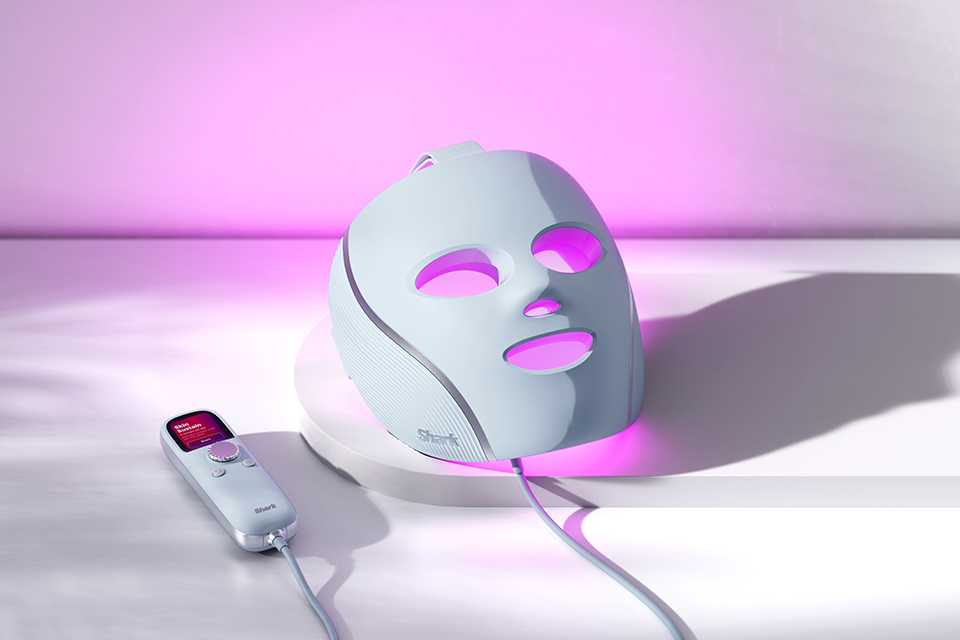
For most devices, LED therapy is typically carried out after cleansing and before applying skincare products, to get the most out of your LED mask try the following skincare routine.
- Remove makeup and cleanse your skin.
- Pat your face dry before using your LED face mask.
- Use the LED face mask according to the manufacturer’s instructions.
- Complete the treatment session.
- Apply your usual serums, moisturiser or other skincare products
LED face mask dosage
LED face mask dosage refers to the amount of light energy delivered during a treatment session. Several factors work together to determine the overall dosage and effectiveness of a treatment:
- Wavelength is measured in nanometres (nm) and determines how deeply the light penetrates the skin and which skin concerns it targets. For example, red light typically works closer to the skin's surface to support collagen production and skin rejuvenation, while near-infrared light penetrates deeper layers, helping to support skin repair and recovery processes.
- Power output refers to the intensity of light emitted by the LEDs. A higher power output can deliver more light energy to the skin in a shorter period, while lower-powered devices may require longer treatment times to achieve a similar dosage.
- Treatment duration is the length of each session that directly affects the total amount of light energy the skin receives. Most LED face masks are designed with recommended treatment times to deliver an effective dose without excessive exposure, making it important to follow the manufacturer's guidance.
- Distance between the LEDs and skin means the closer the LEDs are to the skin; the more effective light energy can be absorbed. This is why wearable LED face masks are often designed to sit close to the face, helping maximise light delivery across the treatment area.
How to choose an LED face mask
The right LED face mask depends on your skincare goals, preferred features, and how you plan to use the device. Before you purchase an LED mask you should consider the following to get the most out of your chosen LED mask:
Consider the available light settings
A multi-light mask offers flexibility if you want access to different treatment modes. If you prefer a simpler routine, a red light-focused device may suit your needs.
Check treatment times
Some masks are designed for shorter sessions, while others offer longer treatment programmes. Choose a device that realistically fits into your routine.
Look for comfort and fit
A lightweight, comfortable mask is more likely to be used consistently.
Consider eye protection
Many LED masks include built-in eye shields or protective eyewear. Always follow the manufacturer’s instructions regarding eye safety.
Check charging and battery life
If you want flexibility, a rechargeable cordless model can make it easier to move around during treatment sessions.
How to clean and maintain your LED face mask
Looking after your LED face mask can help keep it hygienic and functioning correctly. So, it is important to look after your face mask by cleaning it after each use and storing it away correctly.
Cleaning your LED mask
- Turn the device off after use
- Disconnect from power where applicable
- Wipe according to the manufacturer’s instructions
- Allow the mask to dry fully before storing
Storing your LED mask
- Store in a clean, dry place
- Keep away from excessive moisture
- Use any protective case supplied with the device
- Avoid placing heavy items on flexible masks
Top tip: If you forget to charge your LED face mask, try an instant face mask which is a great option for on-the-go skincare.
For more general information on cleaning your LED mask at home click here
FAQs about LED face masks
Does the LED face mask really work?
LED face masks are designed to support various skincare goals using specific wavelengths of light. Results vary between individuals and depend on factors such as the device, treatment schedule, and consistency of use. Most manufacturers recommend regular use over a period of time rather than expecting immediate changes. If you have concerns about a skin condition, it is best to seek advice from a qualified healthcare professional.
Do LED masks help with hyperpigmentation?
Some LED masks include light settings that are intended to support a more even-looking complexion. However, devices vary significantly in design and intended use. Because skin concerns can have different causes, results vary from person to person.
Is it okay to do red light therapy and blue light therapy together?
Some LED masks offer combined treatment modes, while others are designed for one colour at a time. Whether red and blue light can be used together depends on the device. For the safest and most effective use, follow the treatment guidance supplied by the manufacturer rather than creating your own treatment schedule.
Can you use more than one LED light in one session?
Certain LED masks include programmes that combine different wavelengths as part of a single treatment. Others require users to select one colour at a time. Check your product instructions before combining settings, as treatment recommendations vary between devices.
How often should I use an LED face mask?
Many masks are intended for use several times each week, while some are suitable for more frequent sessions, check the user guidelines for your specific model.
Which LED light is best for the neck?
There is no universal answer because different devices offer different wavelengths and programmes. Many neck treatment products include red light and near-infrared settings, but the most suitable option depends on the device and your intended use
Can LED face masks be used around the eyes?
LED masks should only be used according to the manufacturer’s instructions. Many products include eye protection features, eye cut-outs, or safety glasses to help reduce direct light exposure. If your device includes protective eyewear, use it as instructed.
Are LED face masks safe during pregnancy?
If you are pregnant, trying for a baby or have concerns about using LED light therapy, it is best to speak to your GP, midwife or healthcare professional before use.
Pregnancy can affect skin sensitivity, and individual circumstances vary. A healthcare professional can provide guidance based on your personal situation.
This guide does not provide medical advice and should not be used as a substitute for professional healthcare guidance.
Who should avoid LED light therapy?
Before using an LED face mask, check the manufacturer’s safety guidance and seek professional advice if appropriate. If irritation or discomfort occurs, stop using the device and seek professional advice.
What is near-infrared light?
Near-infrared light is invisible to the human eye but is often featured in advanced LED face masks because it can reach deeper layers of the skin than visible light. It's commonly used to support collagen and elastin production, helping to improve skin firmness and elasticity while reducing the appearance of fine lines and wrinkles. With regular use, near-infrared light may also help enhance skin texture, tone and overall radiance.
Many manufacturers combine near infrared and red-light settings within the same treatment programme. Near-infrared light is commonly associated with supporting overall skin health and recovery.