
Skincare facial tools guide
Explore facial massagers, toners, sculptors, LED face masks and more.
Shop skincare facial tools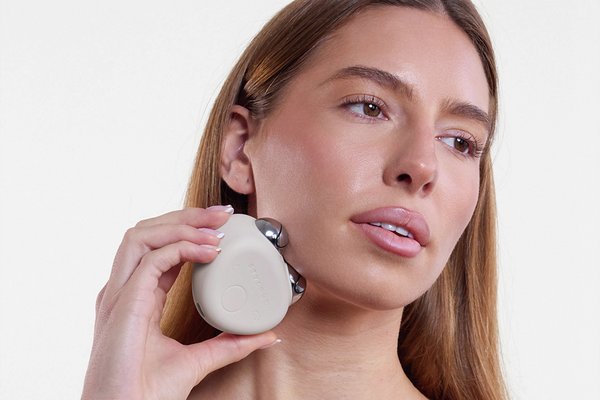&poi={$this.metadata.pointOfInterest.x},{$this.metadata.pointOfInterest.y},{$this.metadata.pointOfInterest.w},{$this.metadata.pointOfInterest.h}&scaleFit={($this.metadata.pointOfInterest.x>0)?$sfpoi:$sfcenter}&sm=aspect&aspect=2:1&sfcenter=center&sfpoi=poi&qlt=50&fmt=auto&noiser=0&fmt.jpeg.interlaced=true&fmt.jp2.qlt=40&)
By Natasha Taggar | Last edited: August 2026
What are skincare facial tools?
Skincare facial tools are manual or electric tools designed to help you through different parts of your skincare routine. Some help cleanse, some massage, and others use steam, vibration, warmth, cooling or light-based technology. They are not a replacement for everyday skincare or professional advice, and you can absolutely kickstart a new skincare routine without them, but they can make your routine feel more focused and consistent.
If you are new to the world of skincare and face tools, finding the right products for your needs can be overwhelming. It helps to start with the job you want the tool to do. Do you want something for cleansing, massaging, sculpting, steaming or adding a tech step to your routine? Once you know that, it is much easier to compare your options.
Common types of skincare facial tools
Face massagers
Face massagers are designed to move across the skin using rolling, vibration, warmth, cooling or gentle massage motions. Some are manual, while others are electric or rechargeable.
They are often used as part of a relaxing skincare routine, especially with a serum, moisturiser or facial oil where the product instructions allow. A face massager can help you apply products more evenly and build a few calm minutes into your day. Skin feeling a bit tired after a long one? This is the sort of tool that makes you slow down.
When choosing a face massager, think about:
- Manual vs electric: Manual tools are simple and low maintenance, while electric options may offer a range of vibration, warmth or cooling options.
- Shape and size: Smaller heads can help around the eye area, while larger tools may suit cheeks, jawline and neck.
- Cleaning: Choose a tool that is easy to wipe or rinse according to the product instructions.
- Comfort: Look for smooth edges and settings you can adjust
Face sculpting tools
Face sculpting tools or face sculptors include rollers, gua sha-style implements, firming tools and electric sculptors. They are usually shaped to glide along the natural contours of your face, including the jawline and cheeks. While these tools are often described as face lifting devices, it’s important to keep your expectations realistic. At-home sculpting tools may help your routine feel more targeted, but they aren’t a guaranteed solution to lift, tighten or reshape skin.
A face sculpting tool may be a good fit if you want:
- A tool for massage-like movements around the cheeks, jaw and neck
- Something you can use with your usual skincare products
- A simple way to make your routine feel more hands-on
- A reusable tool that does not need much setup
Always follow the product instructions, avoid using too much pressure and stop if the tool feels uncomfortable.
Facial steamers and facial saunas
Facial steamer machines and facial saunas use warm steam as part of a skincare routine. They are often used before cleansing or as part of a slower at-home pamper session. A facial steamer can help soften the feel of your skin and make cleansing feel more thorough. Remember to use it carefully and keep to recommended time limits, especially if your skin is sensitive, easily irritated or affected by heat.
Here are some things to keep in mind when picking a facial steamer:
- Water tank size: A larger tank may support longer sessions
- Steam settings: Adjustable settings give you more control
- Positioning: Look for a shape that feels comfortable to sit near, without needing to lean too close
- Cleaning instructions: Regular cleaning helps keep the tool in good condition
Facial cleansing tools
Facial cleansing tools include silicone cleansing brushes, rotating brushes and devices that use vibration or sonic-style movement. They are designed to boost your usual cleanse by helping move cleanser across the skin. These tools can be useful if you wear makeup, SPF or heavier skincare products and feel like you could do with a little more help getting them off your skin. Keep in mind that they should still feel gentle; hard scrubbing does not mean a deeper cleanse, and overusing any cleansing tool can leave your skin feeling raw or uncomfortable.
Things to look for:
- Soft touchpoints or brush heads
- Wet and dry suitability, if you want to use it in the bathroom
- Replacement head guidance, where relevant
- Simple cleaning instructions
- Speed or intensity settings
Hydra facial and deep-cleansing devices
Some facial tools are designed for a more intensive cleansing experience using water, suction-style technology or specialist tips. These are sometimes described as hydra facial devices or deep-cleansing tools. These devices can feel more advanced than a simple cleanser or brush, so it is worth checking the instructions carefully before use. Look for adjustable modes, clear guidance on which skin types and areas of the face to use it on, and whether it should be used on damp or wet skin. These tools may be a good fit for you if you like a more structured skincare routine and are comfortable following detailed product instructions.
Face toning devices
Face toning devices and facial lift devices are electric tools that may use microcurrent, EMS-style technology, vibration or other device-specific modes. They are usually designed to be used with a conductive gel or other recommended skincare products. Because these tools use electrical technology, it is especially important to read the product instructions, check suitability guidance and follow any warnings from the manufacturer.
Before buying a face toning device, check:
- Whether it is rechargeable or battery powered
- Which areas of the face it is designed for
- Whether a gel or specific product is needed
- Whether there are suitability warnings
- How long each session should last
- Whether you can adjust the intensity
LED face masks
LED face masks use different light settings as part of an at-home skincare routine. Depending on the device, these light modes may be designed to support concerns such as dull-looking skin or the appearance of blemishes. Some masks cover the entire face, while others are designed for targeted areas, such as around the eyes. Most devices are intended to be used regularly as part of a consistent skincare routine, so it's worth checking how often they should be used and how long each session lasts.
Things to look for:
- Different light settings and treatment modes
- Comfortable, secure fit and adjustable straps
- Clear guidance on session length and frequency of use
- Rechargeable battery life and charging time
- Eye protection or built-in safety features, where applicable
Which skincare tool is right for you?
| If you want to… | Consider… | Why it may help |
|---|---|---|
Add massage to your routine | Face massager or roller | Simple to use and easy to fit into daily skincare |
Try a sculpting routine | Face sculpting tool | Shaped to glide around cheeks, jaw and neck |
Experience a deeper cleanse | Facial cleansing tool | Helps move cleanser evenly across the skin |
Prime for skincare with steam before cleansing | Facial steamer or facial sauna | Creates a warm, spa-style step at home |
Try a tech-led routine | Face toning device | Offers electric modes such as vibration or toning settings |
Explore light-based skincare tools | LED face mask | Adds a calming, hands-free step to your skincare routine |
How to choose skincare facial tools
Here are some helpful tips to make picking your next favourite skincare tool a little easier.
- Check your skin’s needs: Choose a tool that feels right for your specific skin, not just one that everyone's talking about. If your skin is sensitive, easily irritated or reactive, keep things gentle and check product suitability carefully. Avoid using tools on broken, sore or irritated skin. If you have a skin condition, are using prescribed skincare or are unsure whether a device is suitable for you, speak to a qualified professional before adding a new tool to your routine.
- Pay attention to practical and functional details: Some tools need charging, gels, replacement heads or careful cleaning. Before buying, check what comes in the box and whether there is anything else you need. It is also worth thinking about where you will use and store it. A bathroom-friendly tool should still be stored as the manufacturer recommends, especially if it is rechargeable. Think clean, dry spaces to prevent moisture damage to moving and electrical parts.
- Read the instructions before use: This doesn’t seem like a big deal, but it matters. Facial tools can vary a lot; one device might be suitable for daily use, while another may be designed for less frequent sessions. Always follow the instructions for timing, pressure, cleaning and product pairing.
How to use skincare tools safely
Do your future self a favour and build these tiny helpful habits into your routine:
- Clean your tool as directed after each use
- Use the tool only on the areas listed in the instructions
- Avoid using tools on broken, sore or irritated skin
- Do not share tools unless the instructions say they can be cleaned safely between users
- Stop using the tool if it feels uncomfortable
- Follow charging and storage guidance for electric devices
FAQs about skincare facial tools
What are some common tools used for skin care?
Common skincare facial tools include face massagers, facial rollers, sculpting tools, cleansing brushes, facial steamers, toning devices and LED face masks. Each one is designed to support a different aspect of a skincare routine. For example, a cleansing tool helps move cleanser across the skin, while a face massager is usually used for gentle massage-style movements. If you are not sure where to start, think about the step you want to improve first (cleansing, massage, steaming or adding a tech-based tool) and move from there.
Are face massagers good for your face?
Face massagers can be a useful addition to your skincare routine when used gently and according to the product instructions. They can help you apply products more evenly and add a relaxing massage step. They should not be used with heavy pressure or on broken, sore or irritated skin. If you have sensitive skin or a skin condition, check the tool’s suitability guidance first and speak to a licensed dermatologist or healthcare professional if you are unsure.
What is the 4-2-4 rule in skincare?
The 4-2-4 rule of skincare is a cleansing routine sometimes described as 4 minutes cleansing with oil, followed by 2 minutes using a cream or foam cleanser, ending with 4 minutes of rinsing. Note: It is not essential for everyone, and it may not suit all skin types. If you use a facial cleansing tool, follow the tool’s manufacturer specified timing guidance instead of extending your cleanse. A gentle, consistent routine is usually more helpful than over-cleansing.
Which face tool should I choose for a beginner routine?
If you are new to face tools, start with something simple and easy to clean. A manual face massager, facial roller or gentle cleansing device can be a good first step because they are easy to add to your existing routine. If you are interested in electric options, check the settings, charging details, manufacturer guidelines and suitability warnings before buying. You can shop electrical skincare tools to compare different types.
Can facial tools help with wrinkles?
Facial tools should not be treated as a guaranteed way to remove wrinkles. Facial tools are generally designed to support a skincare routine, help with product application or add massage, cleansing, steam or light-based steps, not to treat specific skin concerns. Results vary, and claims depend on the specific product. If wrinkles, skin changes or treatment options are a concern, it is best to speak to a licensed skincare or healthcare professional for personalised guidance.
Do I need an LED face mask or a face massager?
Picking the right facial tool depends on the type of routine you want. A face massager is usually used for hands-on massage-style movements and product application. An LED face mask adds a light-based skincare step and may have more specific usage guidance. If you want something quick and simple, a face massager may be easier to start with. If you are comparing LED options, read our LED face masks guide before choosing.