

Skincare routine guide
New to skincare? Build a skincare routine that works, with simple steps and products in the right order.
Shop all skincare&poi={$this.metadata.pointOfInterest.x},{$this.metadata.pointOfInterest.y},{$this.metadata.pointOfInterest.w},{$this.metadata.pointOfInterest.h}&scaleFit={($this.metadata.pointOfInterest.x>0)?$sfpoi:$sfcenter}&sm=aspect&aspect=2:1&sfcenter=center&sfpoi=poi&qlt=50&fmt=auto&noiser=0&fmt.jpeg.interlaced=true&fmt.jp2.qlt=40&)
By Natasha Taggar | Last edited: September 2026
Skincare doesn't have to be complicated. A simple routine can help keep your face clean, hydrated and cared for. With so many products, it can feel overwhelming. Cleansers, toners, serums, moisturisers, eye creams, exfoliators and SPF all play different roles, but you do not need every step to build an effective routine. This guide covers the correct skincare order, how to create easy morning and evening routines, and tips for keeping things simple and consistent.
Quick answer: What order should skincare go in?
Most skincare routines follow a simple order, from lighter products to richer ones.
For many people, a simple routine looks like this:
- Cleanser
- Toner (optional)
- Serum or treatment
- Eye cream (optional)
- Moisturiser
- SPF in the morning
Keep in mind, applying products in the right order can help them layer more smoothly and reduce pilling. In the evening, follow the same steps without SPF. After a day of wearing makeup or sunscreen, a thorough evening cleanse can help remove any remaining product build-up.
Why skincare order matters
The order you apply skincare can affect how comfortable your skin feels and how well products sit on your skin. A lighter product, such as a serum, is usually easier to apply before a richer cream. A thicker moisturiser or SPF at the end can then help leave your skin feeling soft, comfortable and protected.
Following the right skincare order can also help products absorb more evenly and reduce the chance of pilling or products rolling up on the skin.
The basic skincare steps
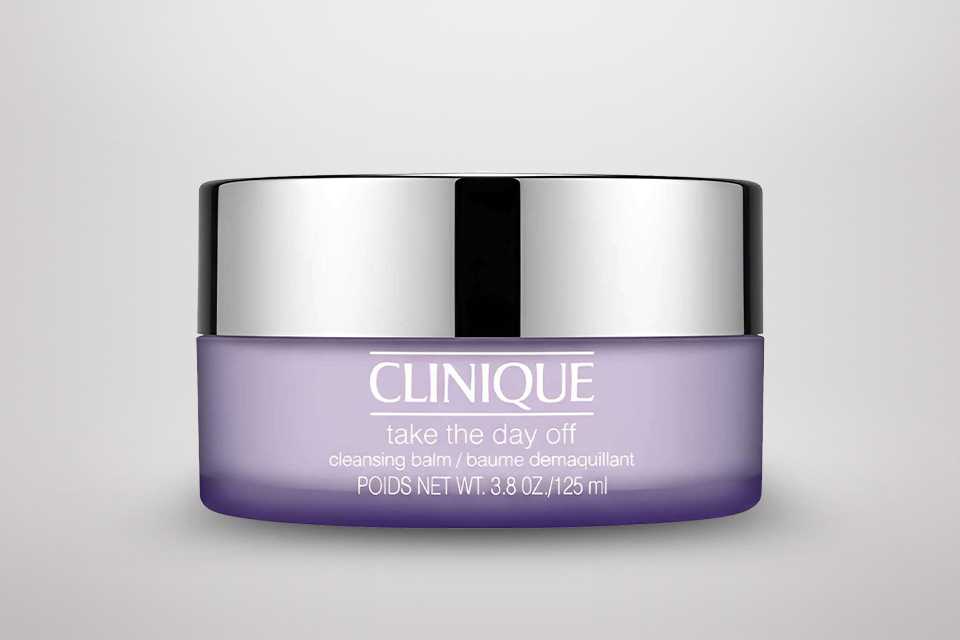
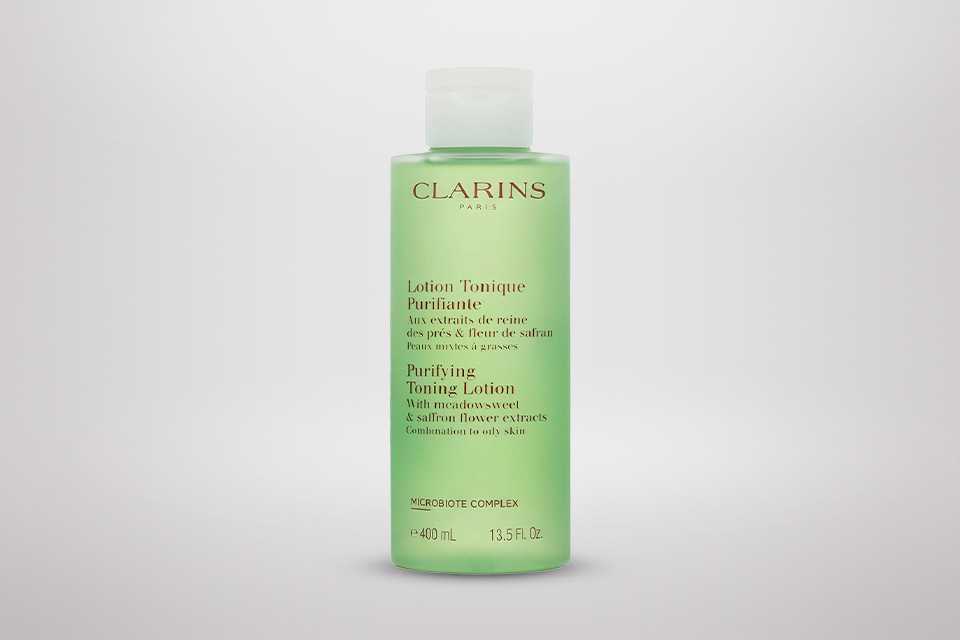

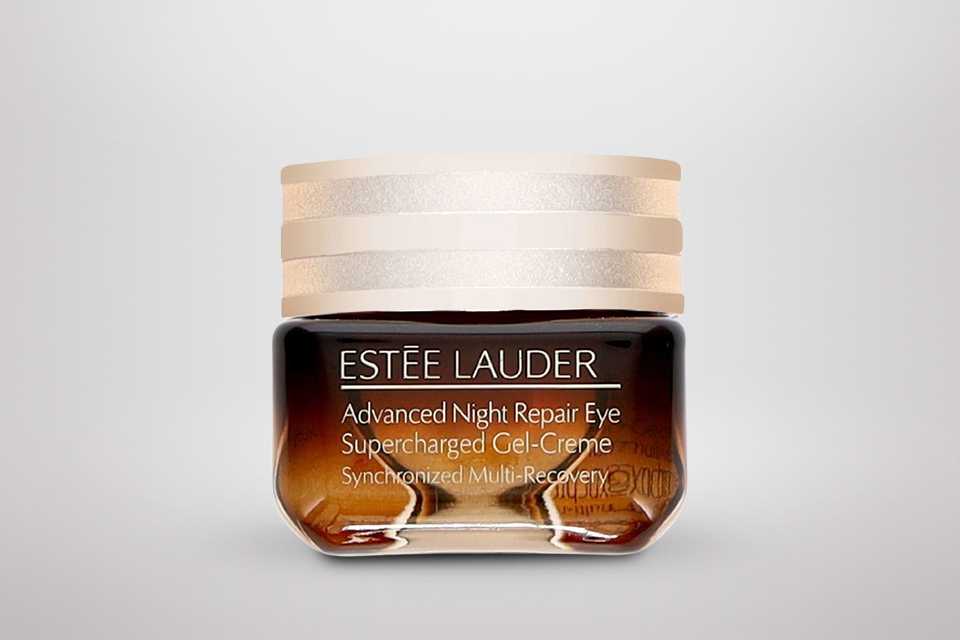
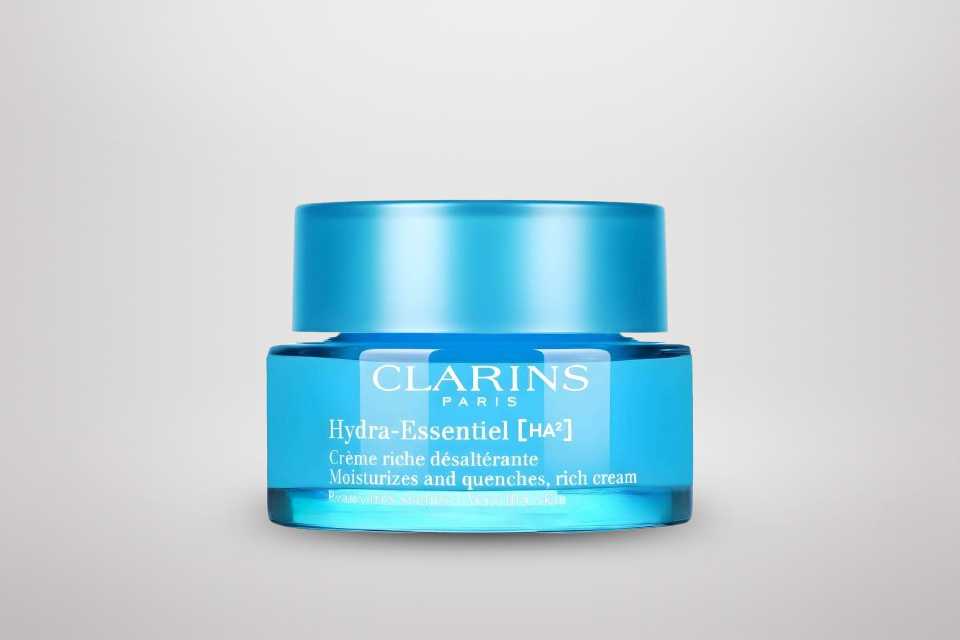
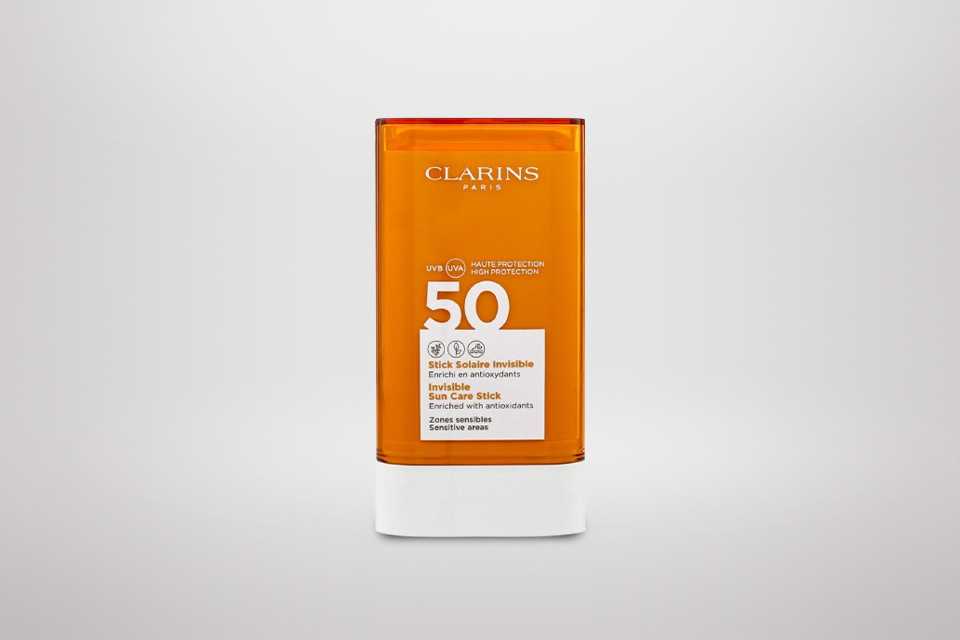
Morning skincare routine
Your morning skincare routine helps prepare your skin for the day ahead. The focus is usually on cleansing, hydration, and protecting your skin from daily environmental exposure. Not every routine needs every step, but a simple morning routine could look like this:
| Step | Product | Why use it |
|---|---|---|
1 | Cleanser | Helps refresh skin and remove overnight oil. |
2 | Toner | An optional step that can add hydration or address specific skincare needs, depending on the formula. |
3 | Serum | Provides targeted care for specific skincare goals, depending on the product. |
4 | Moisturiser | Helps hydrate the skin and support the skin barrier. |
5 | SPF | Helps protect the skin from daily UV exposure as the final step in your morning routine. |
Quick tip: Short on time? Focus on the essentials: cleanse, moisturise, and apply SPF. A simple routine is often easier to maintain consistently and is better than skipping your routine altogether.
Evening skincare routine
Your evening skincare routine helps prepare your skin for the night by cleansing away the day and applying products that support your skincare goals. The exact steps can vary, but this simple routine provides a helpful starting point.
| Step | Product | Why use it |
|---|---|---|
1 | Cleanser | Removes makeup, SPF, excess oil, and daily build-up. |
2 | Toner | An optional step that can add hydration or support specific skincare concerns, depending on the formula. |
3 | Serum | Provides targeted care for specific skincare goals, depending on the product. |
4 | Eye cream | Helps moisturise and care for the delicate skin around the eyes. |
5 | Moisturiser | Helps hydrate the skin and support the skin barrier overnight. |
How to build a skincare routine
A good skincare routine does not need lots of steps. The key is choosing products that suit your needs, introducing them thoughtfully, and using them consistently.
- Start with the essentials
If you're building a routine from scratch, begin with the basics: cleanser, moisturiser, and daytime SPF. These core products help cleanse, hydrate, and protect your skin without making your routine complicated. Starting simple also makes it easier to understand what works well for you. - Identify your skincare goals
Before adding more products, think about what you want your routine to achieve. Your goals might include hydration, improving the appearance of dullness, supporting smoother-looking skin, or helping manage excess oil. Choosing products with a clear purpose can help you build a routine that feels tailored to your needs rather than following trends. - Add products gradually
When introducing new products, add them one at a time. This makes it easier to follow product instructions and understand how each product fits into your routine. If a product is not suitable for your skin or does not work well alongside your existing products, you'll be better able to identify it. - Keep it simple and consistent
The best skincare routine is one you can maintain long term. A straightforward routine used regularly is often more practical than a complex routine that is difficult to follow. Focus on habits that fit your lifestyle, budget, and skincare goals.
Common skincare routine mistakes
Skincare is personal, but a few common habits can make your routine more complicated than it needs to be. Small adjustments can help you get more from your products and build a routine that is easier to follow consistently. Here are a few things to avoid:
Using too many products at once
Layering lots of products can make routines harder to manage and make it difficult to know which products are working well for your skin. Start with the essentials and add new products gradually when needed.
Skipping product instructions
Different products have different guidance. Some are made for daily use, while others are designed for less frequent use. Taking a moment to read the instructions can help you use products as intended and get better results.
Mixing strong products without checking
Some active ingredients may not be designed to sit together in the same routine. If you are using products with strong exfoliating, retinol or other targeted treatment-style ingredients, avoid guessing and check the product instructions. Also, consider introducing new products one at a time. If you're unsure about a product or ingredient, or have existing skin concerns, seek advice from a qualified healthcare professional.
Expecting instant results
Skincare is usually about consistency rather than quick fixes. Your skin may not look or feel different straight away, and not every product will suit every person. Keep expectations realistic and focus on building habits you can maintain rather than looking for immediate changes.
Changing products too often
Switching products frequently can make it harder to understand what suits your skin. Giving a routine time before making further changes can help you assess how each product fits into your overall skincare approach and whether it meets your needs.
Frequently asked questions about skincare routine
How do I know the right order to apply skincare products?
A simple way to remember skincare order is to apply products from the lightest texture to the richest. Cleanse first, then apply toner, serum, moisturiser and daytime SPF. This approach helps each product absorb more effectively. Always check the product instructions, as some formulas may have specific application guidance.
What comes first, toner or serum?
Toner is typically applied after cleansing and before serum. It can help add hydration and prepare the skin for the next steps in your routine. After toner, apply your serum, then moisturiser. Always follow the product instructions, especially if your toner contains exfoliating ingredients as it may not be suitable to use alongside certain other active ingredients in the same routine.
Is toner really necessary?
Toner is optional and can help add hydration, support product layering, or address specific concerns depending on the formula. Many people choose to skip it and keep their routine simpler, especially if their cleanser and moisturiser already meet their skincare needs. If you use a toner, choose one that suits your skin and works well with the rest of your routine.
What are the 7 steps of skincare?
A seven-step skincare routine often includes cleanser, toner, serum, eye cream, treatment product, moisturiser and SPF in the morning. However, not everyone needs every step. If you are new to skincare, start with cleanser, moisturiser and daytime SPF, then only add extra products that suit your skin’s needs and work well together. A simple routine that you use consistently can be more helpful than a longer one you rarely follow.
How can I stop skincare pilling?
Skincare pilling happens when products roll or ball up on the skin instead of absorbing smoothly. This is often caused by layering incompatible products, using too much product, or not allowing each layer enough time to settle.
To help reduce pilling:
- Use smaller amounts of each product.
- Let each layer settle before applying the next.
- Apply products from lightest to richest texture.
- Avoid using too many products at once.
- Check whether your products are designed to work together.
- If pilling occurs under makeup, simplify your morning routine.
- If the problem persists, reintroduce products one at a time to identify the cause.
What age should you start a skincare routine?
There is no specific age to start a skincare routine. Many people begin with simple habits such as gentle cleansing, moisturising, and daily sun protection. Younger skin often benefits from a simple routine and may not need multiple products or strong active ingredients. For children and teenagers, it is best to keep skincare age-appropriate. If you have ongoing skin concerns or are unsure which products to use, seek advice from a qualified healthcare professional or dermatologist.
Discover more inspiration



Disclaimer:
If a product leaves your skin feeling uncomfortable or does not seem suitable, stop using it and review the product instructions. If you have a skin condition, use prescribed skincare, or are unsure which products are right for you, seek personalised advice from a qualified healthcare professional or dermatologist.
Read more on how to safely shop for skincare and cosmetics