
Choosing the right musical instrument
Struggling to pick your first instrument? Compare acoustic guitars, keyboards, drum kits and more to find your ideal sound.
Shop all musical instruments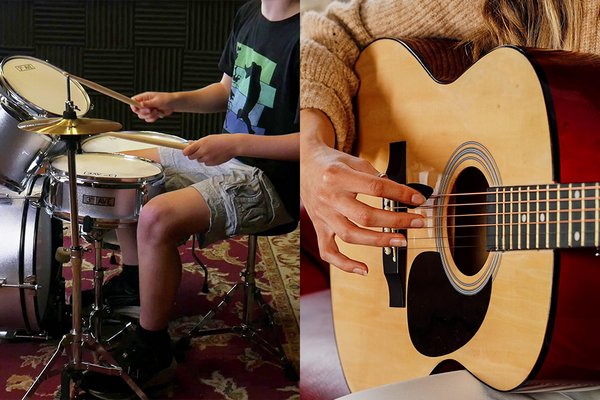&poi={$this.metadata.pointOfInterest.x},{$this.metadata.pointOfInterest.y},{$this.metadata.pointOfInterest.w},{$this.metadata.pointOfInterest.h}&scaleFit={($this.metadata.pointOfInterest.x>0)?$sfpoi:$sfcenter}&sm=aspect&aspect=2:1&sfcenter=center&sfpoi=poi&qlt=50&fmt=auto&noiser=0&fmt.jpeg.interlaced=true&fmt.jp2.qlt=40&)
By Kirsty Hudson | Last edited: August 2026
Ready to turn your love of music into something more? Whether you dream of playing your favourite songs, jamming with friends, or simply unwinding with music at home, there’s an instrument to suit every goal. Choose one that fits your taste, space, and lifestyle with our guide.
Quick answer: how to choose a musical instrument
The best instrument is the one that keeps you coming back for more. Think about your space, budget and lifestyle too. Need quiet practice? A keyboard or electronic drums with headphones can help. Love portability? Try a ukulele or acoustic guitar. Prefer mixing tracks? DJ decks could be your perfect starting point.
There is no single easiest or most useful instrument for everyone. A good first choice is one that you are interested in and can practise regularly.
Compare beginner musical instruments at a glance
Use this quick comparison to find the instrument that feels right for you. The learning curve is only a general guide. While some instruments may be easier to start with than others, every instrument takes practice, and people progress at different rates. Be sure to check the individual product description before buying. Accessories, connections and compatible devices vary between models.
| Instrument | Early learning curve | Space needed | Sound control | Typical starter equipment |
|---|---|---|---|---|
Keyboard | Accessible | Small to medium | Excellent: Adjustable volume and headphone support | Keyboard, power adaptor, stand and optional headphones |
Digital piano | Accessible to moderate | Medium to large | Excellent: Volume control and headphones on most models | Digital piano, stand, bench, sustain pedal and optional headphones |
Acoustic guitar | Moderate | Small | Limited: Always audible, but volume can be softened slightly using playing techniques | Guitar, tuner and optional picks, strap and case |
Electric guitar | Accessible to moderate | Small to medium | Good: Amplifier volume can be adjusted, and compatible equipment supports headphones | Electric guitar, amplifier, instrument cable, tuner and optional picks, strap and headphones |
Ukulele | Very accessible | Very small | Limited, but naturally quieter than most guitars | Ukulele, tuner and optional case |
Drum kit (electronic or acoustic) | Moderate | Medium to large | Varies: Electronic kits support headphones; acoustic kits are very loud | Drum kit, sticks, drum throne, pedals and optional headphones or hearing protection |
DJ controller | Accessible to moderate | Small to medium | Excellent with headphones; speakers are optional for private practice | Controller, compatible computer or mobile device, DJ software and headphones |
Explore popular instruments for beginners
Keyboards and digital pianos
Who it’s for: Perfect for singer-songwriters and multi-genre music enthusiasts.
Highly versatile, a keyboard or digital piano is a great place to start, with clearly laid-out notes that make learning melodies and understanding music easy. Keyboards are usually compact and may include built-in sounds and learning features, while digital pianos offer a more piano-focused experience and often feature weighted keys for a feel closer to an acoustic piano. Short on space? A smaller piano or keyboard is easier to fit into shared spaces.
Consider:
- How many keys you need
- Whether you prefer full-size or smaller keys on your keyboard
- Whether weighted keys matter to your playing style
- Available space for a stand or cabinet
- Headphone connectivity for quieter practice
- Whether a power adaptor is included
Acoustic and electric guitars
Who it’s for: Ideal for beginners, hobbyists, and fans of rock, pop, folk, or ukulele music.
Acoustic guitars and ukuleles are popular, accessible choices, with acoustic guitars offering a fuller sound and wider range, while ukuleles have a softer tone and compact, lightweight design. Electric guitars open up a wide range of tones and styles. As sizes vary between models, a smaller instrument can be easier for younger players or those with a shorter reach to handle.
Consider:
- Whether acoustic or electric suits your music style
- The size and shape that feels most comfortable
- A case or gig bag for protection and transport
- Essentials such as tuner, spare strings, plectrums, guitar amps, and accessories for your setup
- A strap or capo to support different playing styles
Flutes and other wind instruments
Who it’s for: Ideal for players into classical, jazz, concert band or school music programmes.
From simple melodies to expressive solo performances, flutes, clarinets, recorders and saxophones offer a rewarding way to develop musical skills. Recorders are often a popular starting point for younger learners, while flutes and clarinets are commonly used in orchestras and concert bands. Saxophones are known for their distinctive sound and versatility across jazz, pop and contemporary music. Find an instrument that fits your hands and playing style for an easier learning curve.
Consider:
- Which instrument suits your interests
- The size and weight that's comfortable to hold
- Whether it's designed for your skill level
- A case for protection and easier transport
- Cleaning and maintenance accessories
- Specific recommendations by your mentor
What to consider when choosing an instrument
Start with the music you enjoy
Think about the sounds you come back to most often. If you enjoy chords and melodies, guitar, ukulele or keyboard could be a good fit. If rhythm is what grabs you, drums or DJ equipment may be more engaging. You do not need to stick to one musical style. Choose an instrument whose sound motivates you to keep practising.
Check your space and sound levels
Consider where you'll store and play the instrument, along with any extra equipment. If you share your home or have nearby neighbours, look for headphone-compatible options where possible.
Think about how you want to learn
Whether you prefer individual lessons, group classes or online courses, before choosing, check that lessons are available for your chosen instrument. If you plan to work with a teacher, ask whether they recommend particular features or sizes.
Compare the total setup
The instrument may not include everything you need. Review the product description and budget for essential accessories, such as a stand, stool, tuner, case, headphones, cables or compatible software. For electronic instruments, check whether the power supply and required cables are included.
Choose something comfortable
You should be able to hold or use the instrument without excessive stretching. Consider its dimensions, weight, playing position and any adjustments it offers. A teacher can provide individual guidance where sizing matters.
Choosing a musical instrument for a child
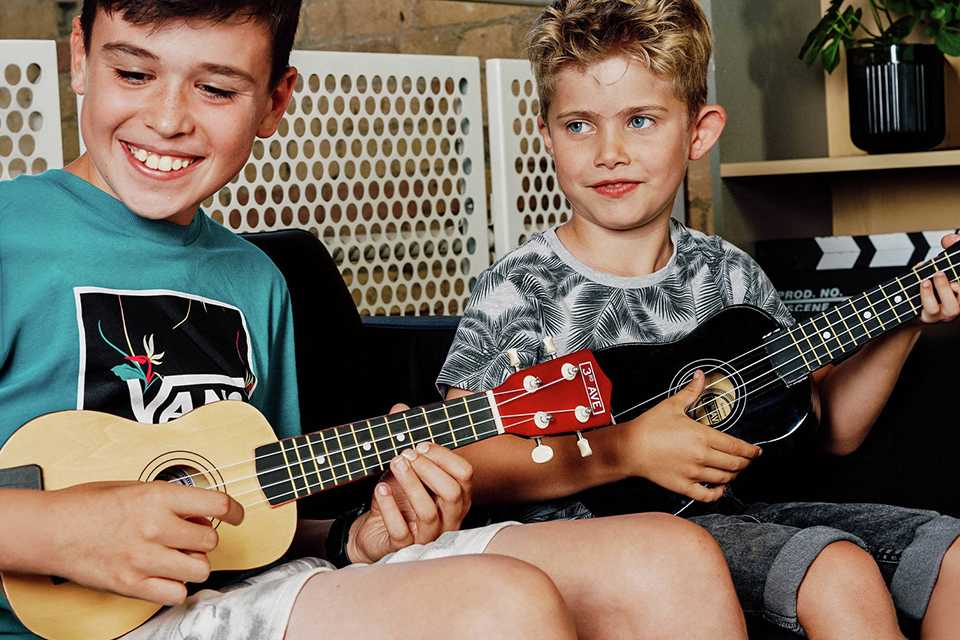
Let their musical journey begin! Start with your child’s interests, not just their age. Ask what sounds they enjoy and whether they'd rather play melodies, chords or rhythms. Musical toys can spark early interest, but check age guidance and purpose. A few helpful things to think about:
- Child’s interests
- Instrument size and weight
- Adjustable setup
- Practice and storage space
- Tuition availability
- Supervision needs
- Small accessory safety
Explore musical toys and instruments for age-appropriate play options.
Want more help? Explore this guide to choosing the right musical instrument for your kid.
Getting started with your new instrument
Excited to start learning music? Here are some helpful tips to get set up, build confidence, and make learning more enjoyable from day one.
Choose your instrument
Start with an instrument that's the right size and fit for you.
Gather the essentials
Pick up key accessories, learning materials, and a safe storage solution. Add extra gear as your skills grow.
Create a comfortable setup
A stable playing position makes practice easier and more enjoyable.
Check your tech
For electronic instruments, confirm power, connection, software, and headphone compatibility.
Build smart practice habits
Set a small first goal and practise regularly. Short, consistent sessions are often most effective.
Keep learning and adjusting
Use structured lessons, ask for help when needed, and fine-tune your setup as you progress. Remember, you don't need all the answers on day one. Start playing, keep learning, and enjoy the journey.
Frequently asked questions about choosing the right musical instrument
What is the easiest musical instrument to learn?
There is no single easiest instrument for every beginner. A keyboard can provide a clear visual layout, while a ukulele has a compact body and fewer strings than a guitar. Some learners find basic drum rhythms intuitive, while others prefer starting with simple guitar chords. The right choice depends on what you enjoy, how comfortably you can use the instrument and the learning support available. An instrument you want to practise regularly is likely to be a better starting point than one chosen only because it is described as easy.
How do I know which musical instrument is right for me?
Begin with the music and sounds you enjoy, then compare practical factors. Think about how much room you have, whether you need to practise with headphones and how easily you can store or transport the instrument. Check that it feels comfortable and that lessons or structured resources are available. You should also include essential accessories when comparing the overall setup. If possible, speak to a teacher or try a suitable instrument before deciding.
Can I teach myself a musical instrument?
Instruments like the ukulele and keyboard are often beginner-friendly for independent learning with apps, courses and videos. For personalised guidance on technique and practice, occasional lessons with a teacher can still be valuable.
What is the most useful instrument to learn?
The most useful instrument is one you'll enjoy playing. A keyboard is great for learning music basics, while a guitar or ukulele makes it easy to play songs. Pick something that fits your goals and keeps you motivated.
Which musical instrument is suitable for a child?
Start with an instrument your child is excited to learn and can handle comfortably. Keyboards and ukuleles are often beginner-friendly choices. Younger children may begin by exploring rhythm and sound through age-appropriate musical toys and instruments.
Should a beginner choose a keyboard or a digital piano?
If you're just starting out, a keyboard is often the easiest choice. It's compact, versatile and can help you learn the basics of music. If your goal is to play piano, a digital piano with weighted keys offers a more realistic playing experience.
Are electronic drums suitable for beginners?
Yes. Electronic drums are a popular choice for beginners, especially if quiet practice is important. Acoustic drums offer a more authentic sound and feel, but they're generally louder and less compact. Pick the setup that best suits your space and lifestyle.