
How to buy the best lights for your home
By Zara Flynn | Last edited: August 2026
Types of lighting


Lighting by room
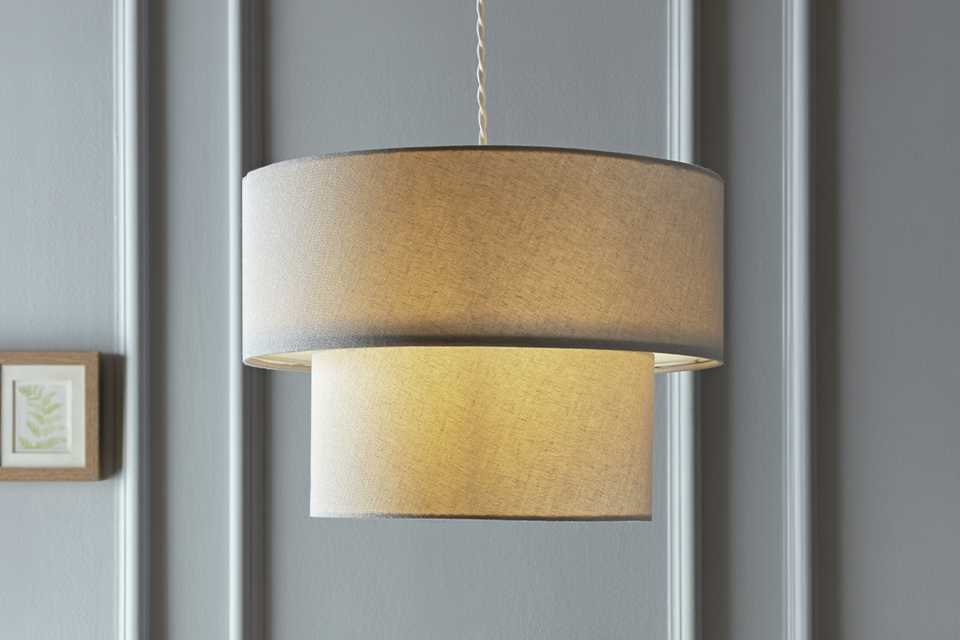
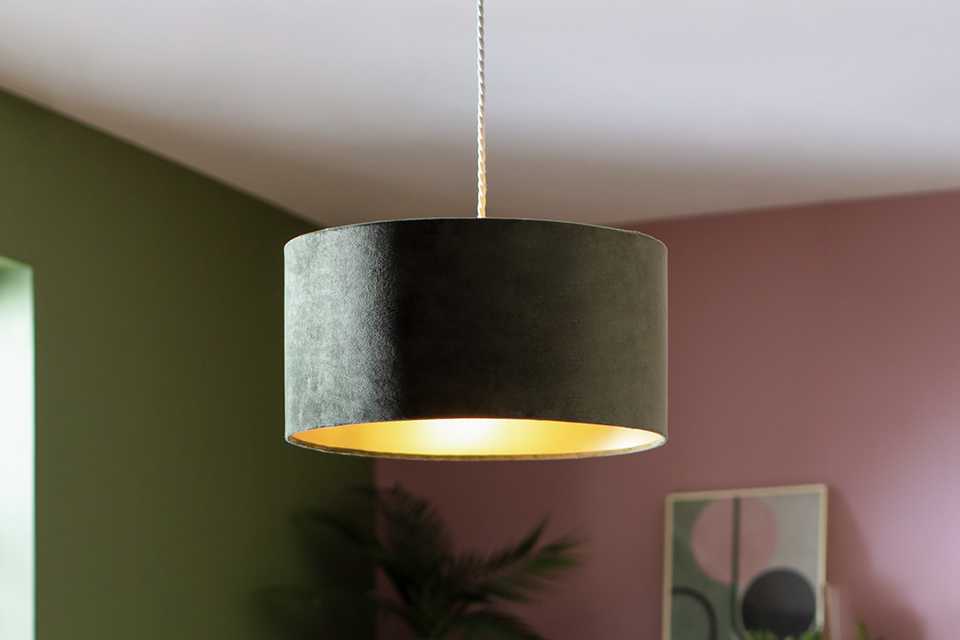

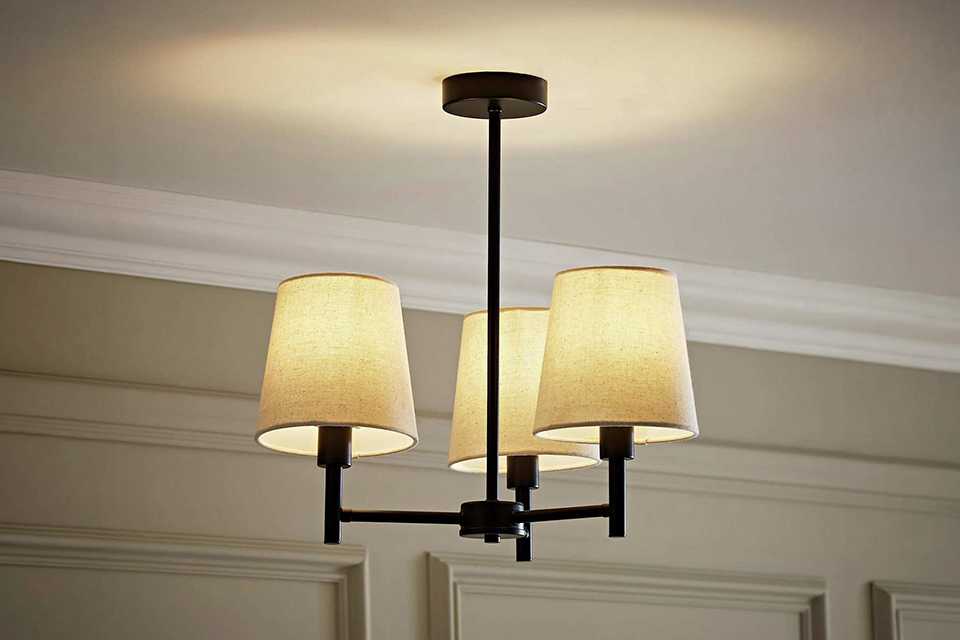
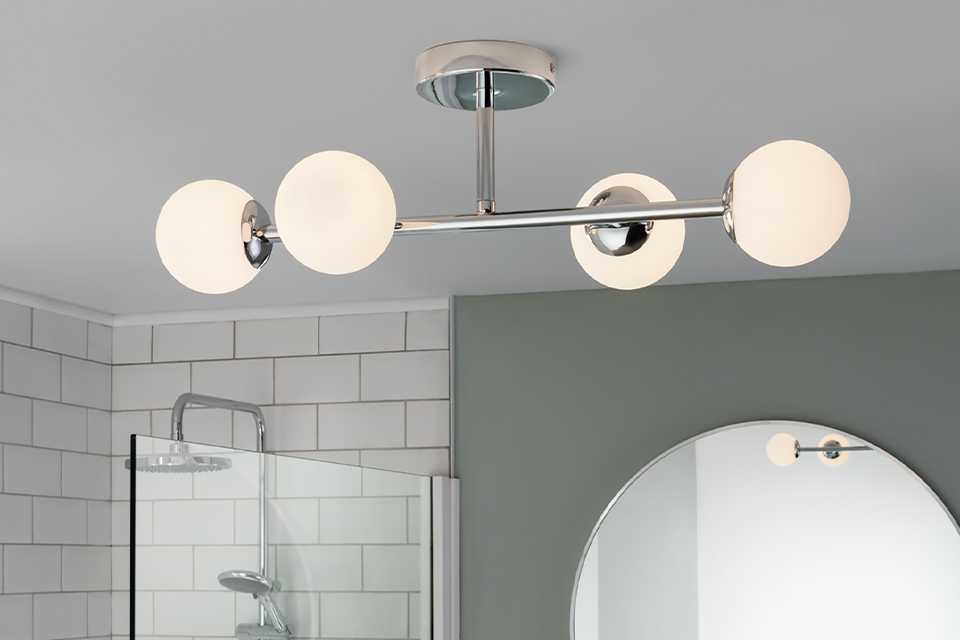
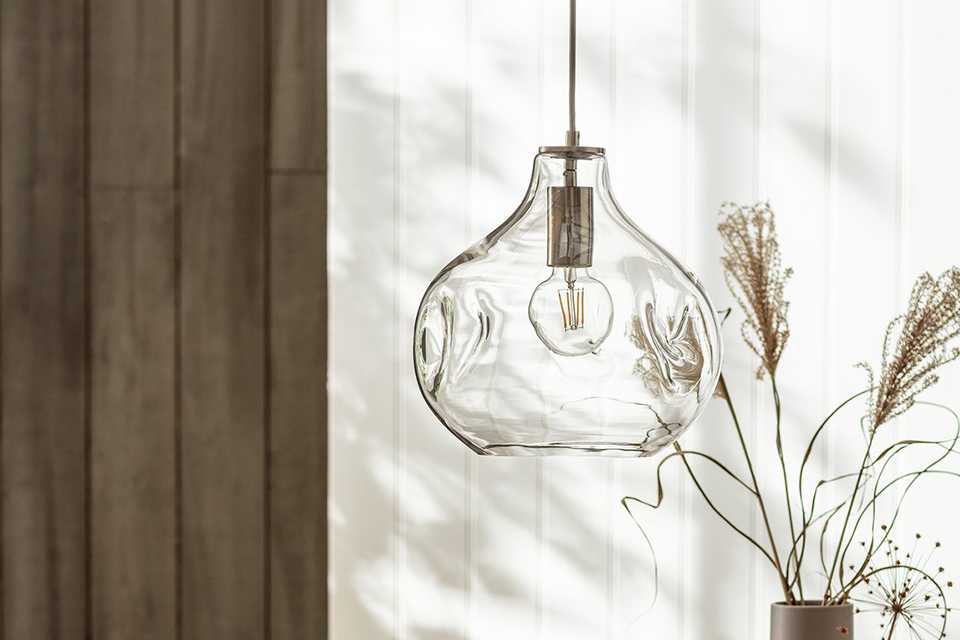


Lighting to create a cosy living room
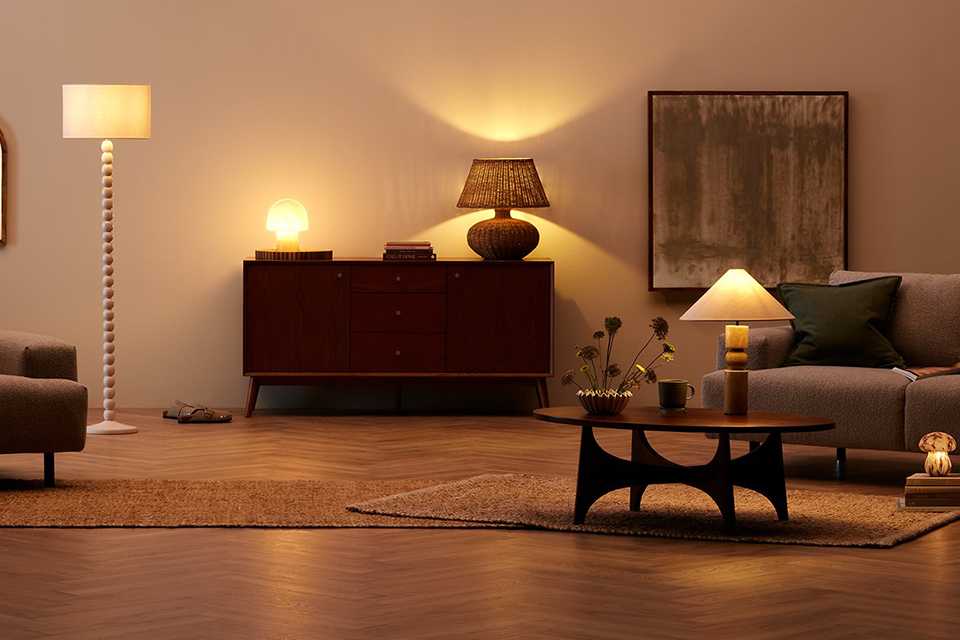
Light up your living room
Want to set the tone for snug evenings? Think warm and welcoming ambient indoor lighting.
A gentle mix of layered lighting with table lamps and floor lamps can turn your living room into a relaxing retreat.
Discover living room lighting
Slider Grid
- £12.00Free collectionDelivery from: £4.95
- Save 1/3£46.66Was
£70.00Free collectionDelivery from: £4.95



Ambient, task and wall lighting
What's the difference between ambient lighting, task lighting and wall lights? Our lighting guide has the answer with a comparison of these popular types of lighting in home design.


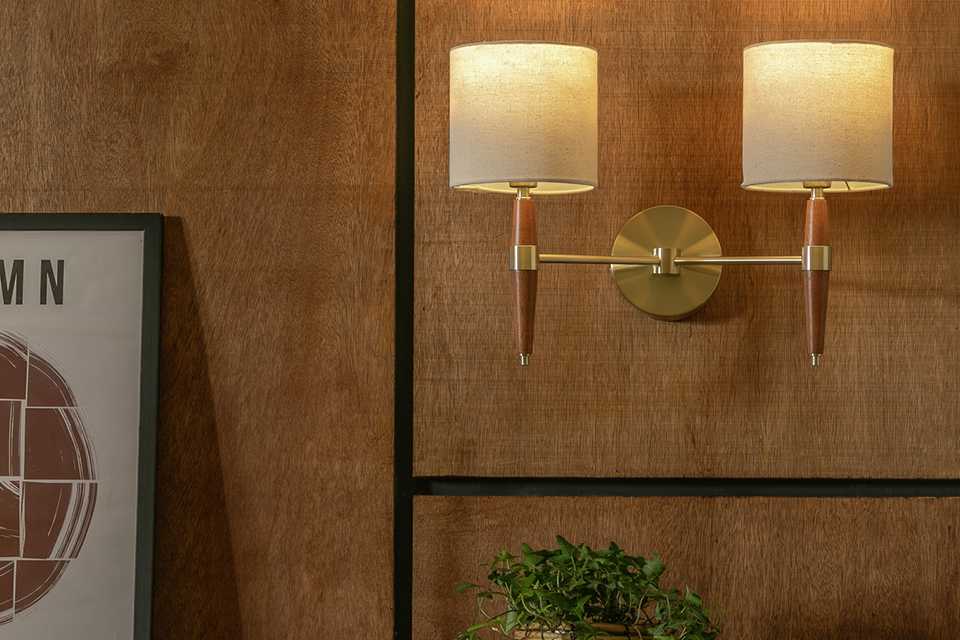
Energy-efficient lighting
Explore our range of energy-efficient lights that combine style and function for longevity and convenience.
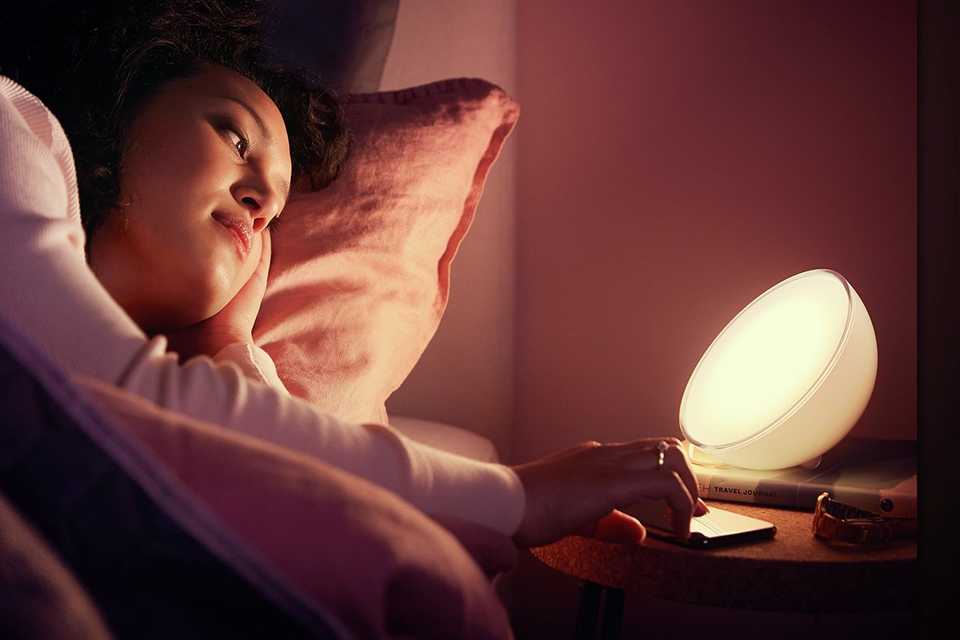
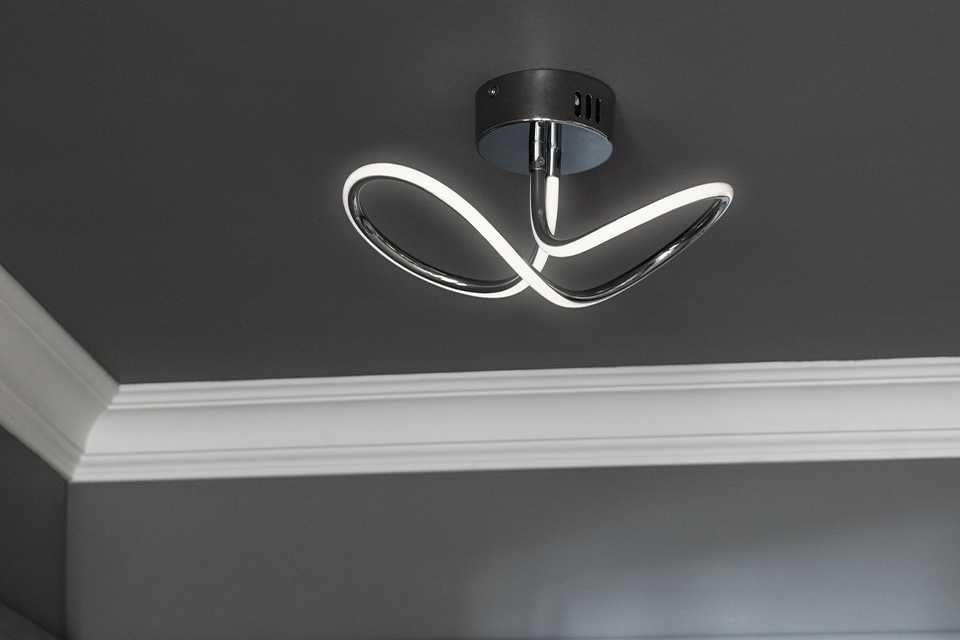
LED lighting
LED stands for ‘light-emitting diode’. LED bulbs use up to 90% less energy than incandescent and halogen bulbs. Their lifespan is approx. 10,000 – 25,000 hours but some can last up to 50,000 hours. That means they last twice as long as fluorescent bulbs, and more than 10 times longer than incandescent.

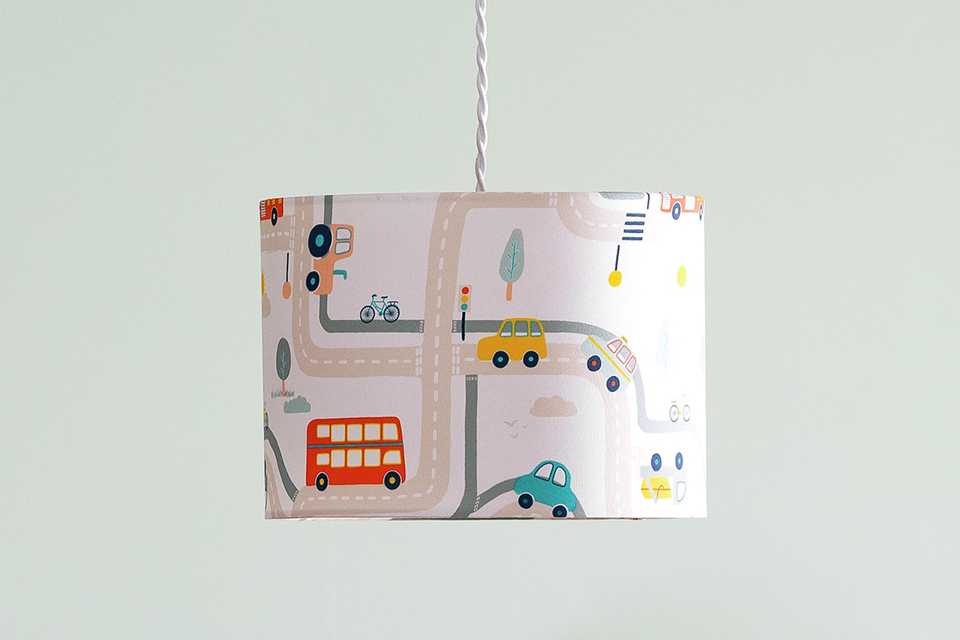
Kids' and novelty lighting

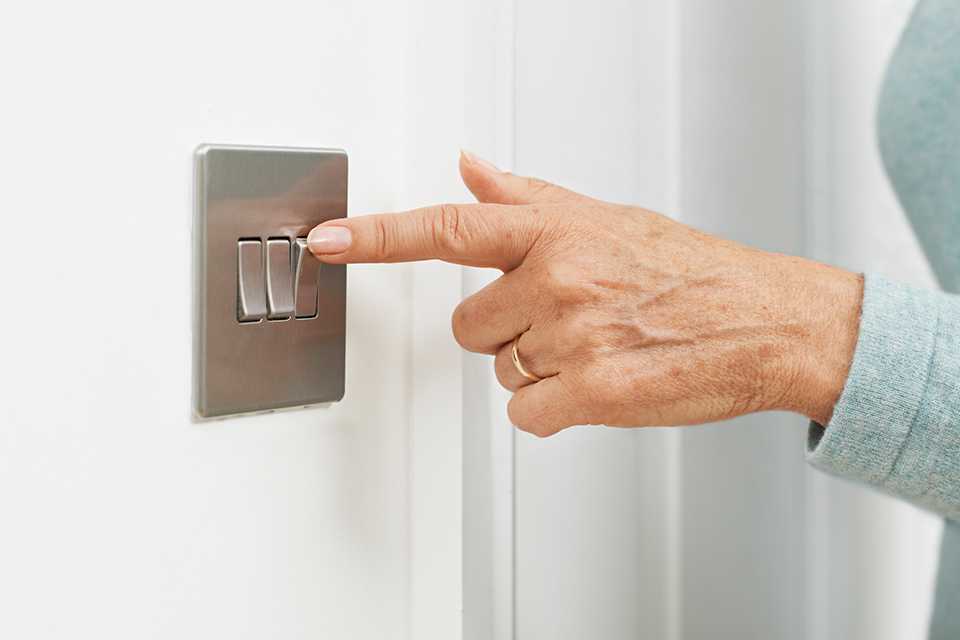
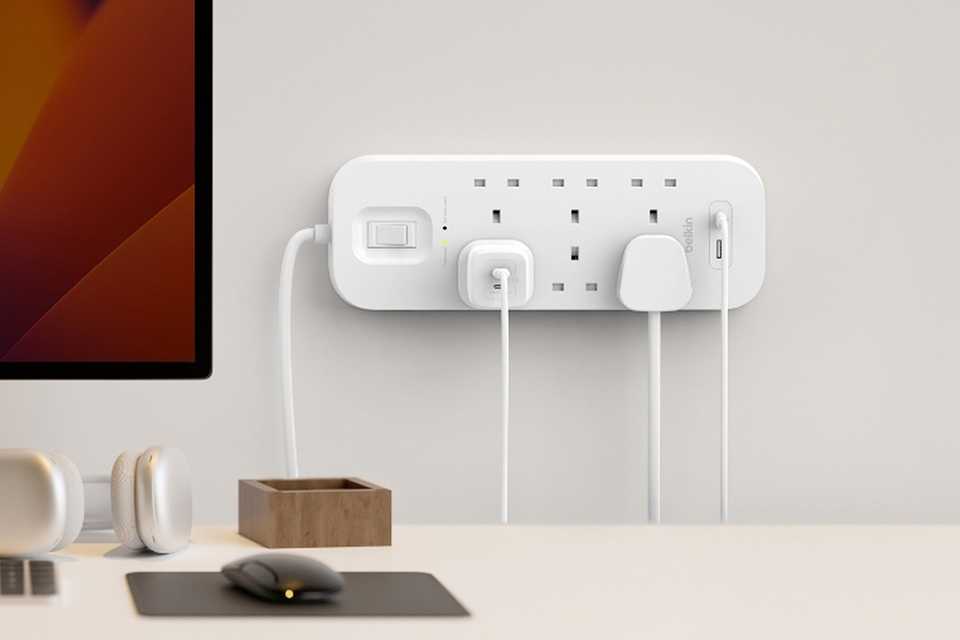
Lighting accessories and essentials
From bulbs and switches to lampshades and more, discover must-haves and other accessories for your interior lights.

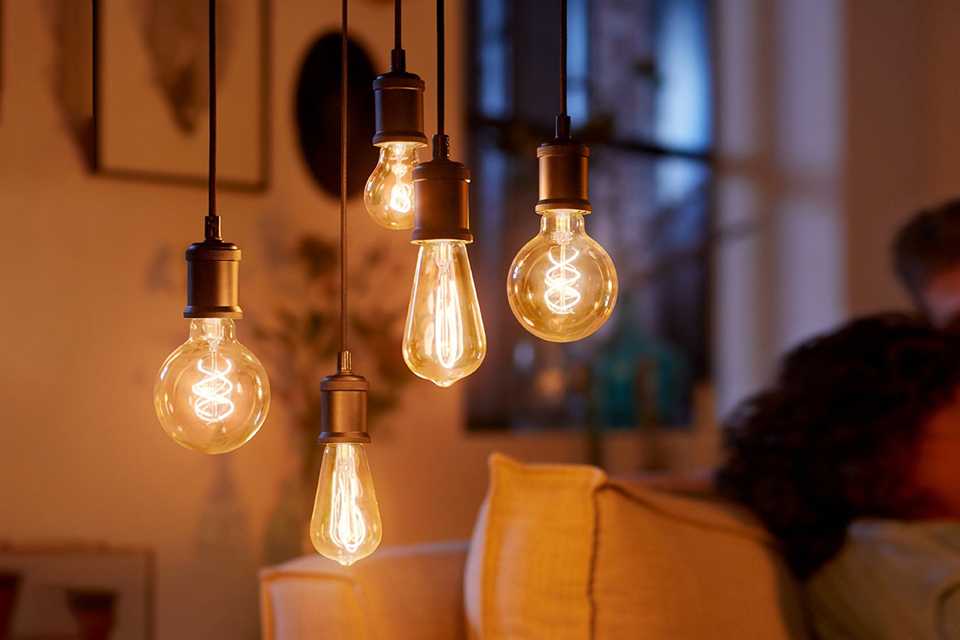
Common lighting terms explained
Here are some lighting terms made easy for you.
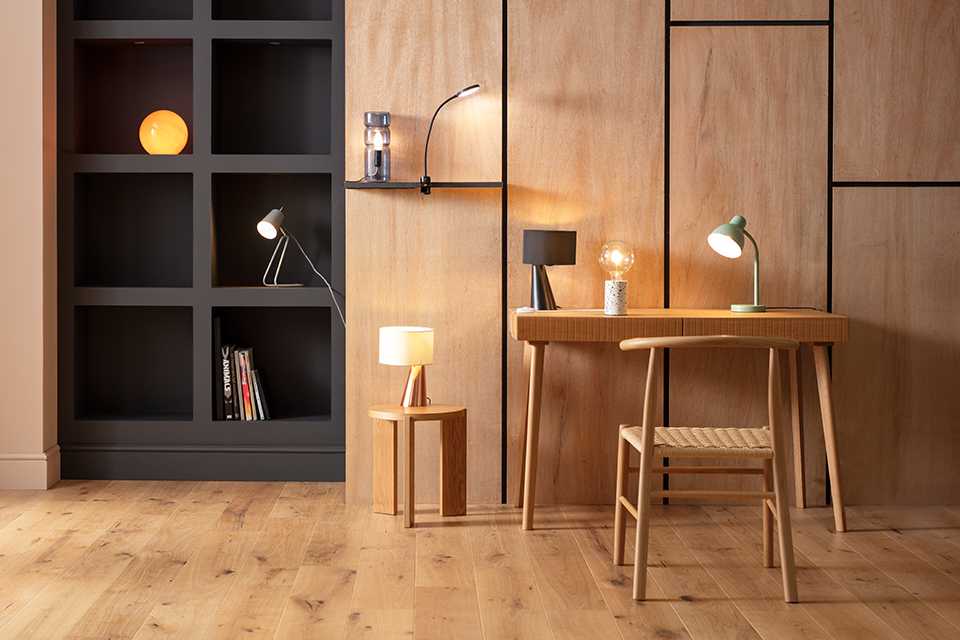
- Lumens measure light. Simply put, the more lumens, the brighter the light.
- Kelvin is the bulb's colour temperature. The lower the kelvin the warmer the light, and vice versa. Know more about LED colour temperature here.
- Colour rendering index (CRI) is measured on a scale of 0-100 and indicates how well a light reflects colour. The higher the CRI, the more accurately colours are reproduced. 80 or above is ideal for home everyday use.
- Wattage tells you how much power a bulb uses. More watts mean more power, not more brightness.
Lighting quiz: How do I choose the right lights for my space?
Ready to brighten up your home? Answer these questions, remember your choices, and discover the perfect lights for you.
What mood do you want to create?
A. Relaxing
B. Elegant
C. Energising
Is adjustability important to you?
A. Yes, very
B. Mmm, maybe
C. Not at all
Which fixture style do you prefer?
A. Classic
B. Modern
C. Bold
Ready for the results? If you've selected...
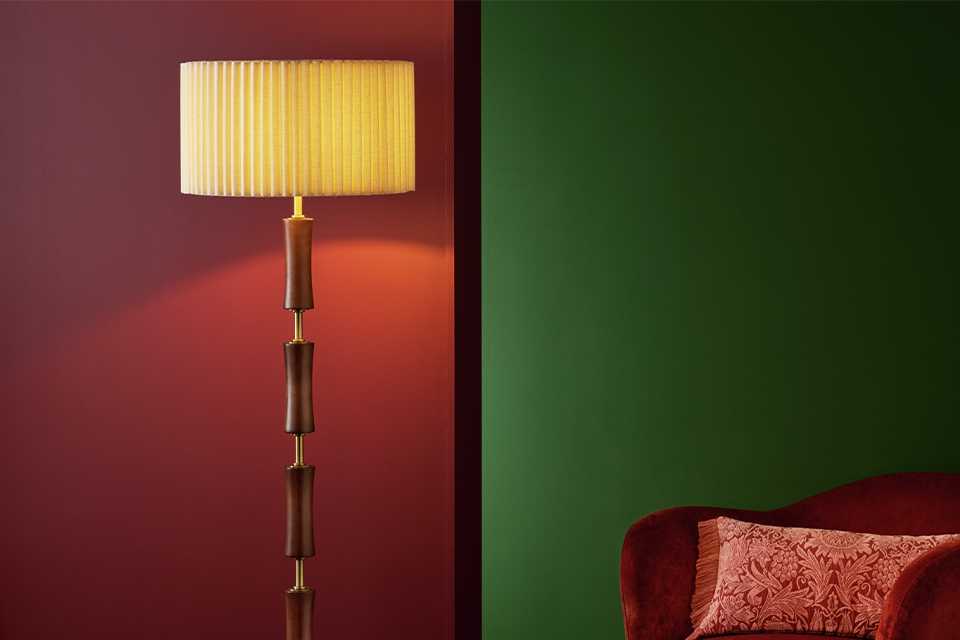
...mostly As
Go for soft lighting that makes your space feel inviting. To achieve this vibe:
- Use smart lights and warm-toned bulbs (2700K–3000K)
- Layer multiple light sources
- Diffuse light with lampshades or string lights to avoid harsh glare
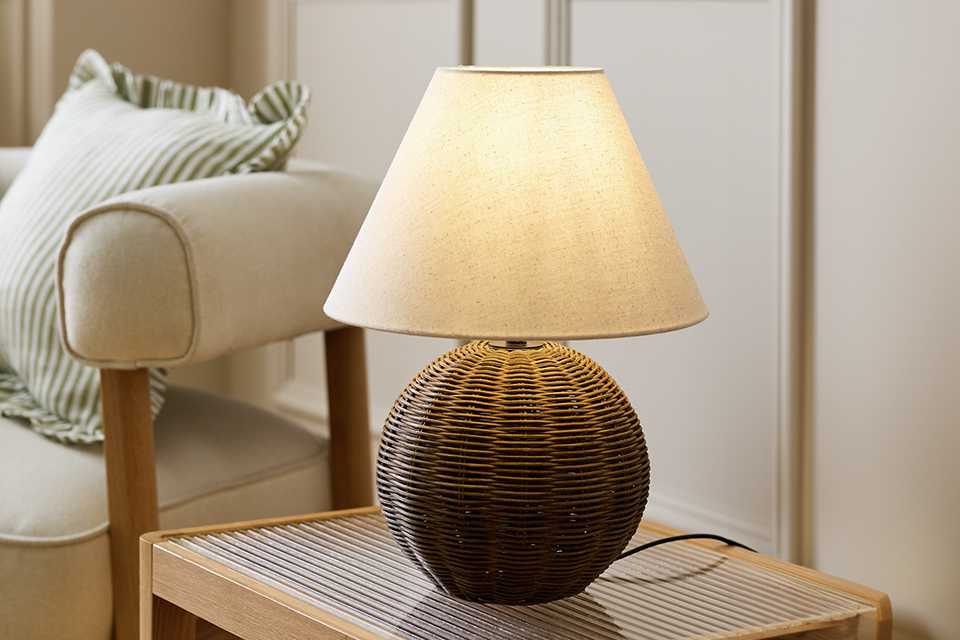
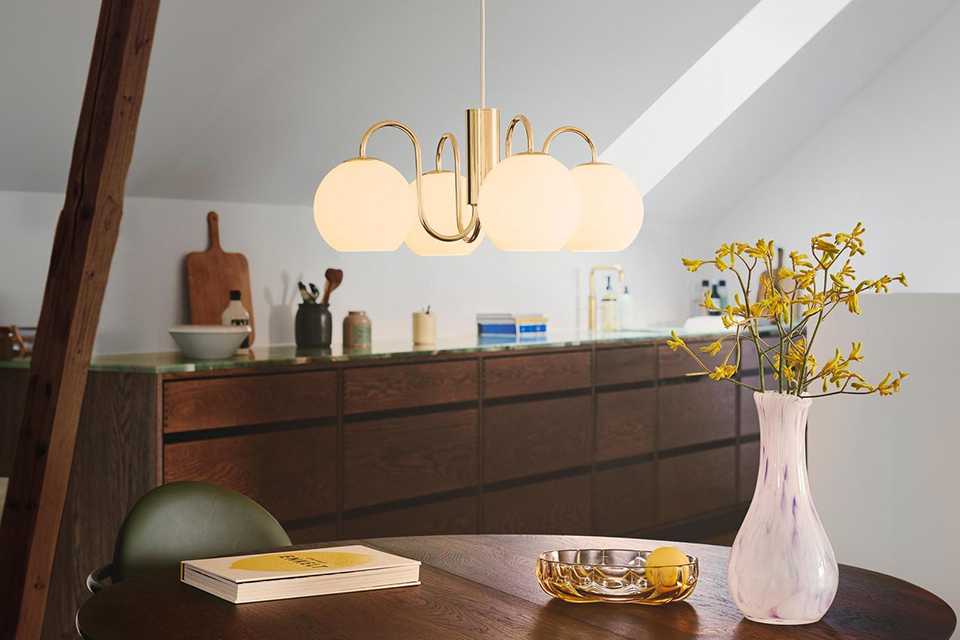
...mostly Bs
Go for lighting that's elegant as well as functional. To achieve this vibe:
- Pick sleek fixtures with clean lines
- Use layered lighting (ambient, task, accent)
- Stick to statement lighting with a dimmer switch to adjust the brightness
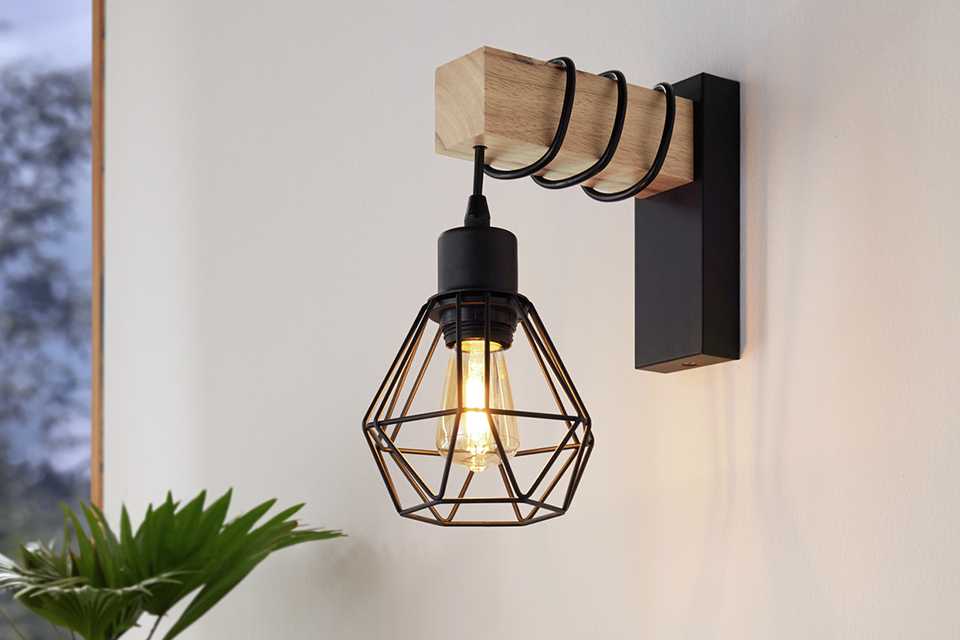
...mostly Cs
Go for bold and bright lighting to keep an upbeat energy. To achieve this vibe:
- Bring layers of lighting (ceiling lights, light strips, spotlights)
- Use bold chandeliers, pendants and sculptural lamps to show your style
- Add mirrors to bounce light
...an even mix (e.g. A, B and C)
Go for lighting that'll make your space look refined yet welcoming. To achieve this vibe:
- Use simple shapes and lamps in metallic or neutral colours for a harmonious look
- Wall lights are also a good option that can complement existing home décor
- Select smart lighting or dimmable bulbs if adjustability is a priority. Remember to check the fixtures' guidelines to confirm if these will be compatible with it
FAQs about lighting
What is the 5-7 lighting rule?
The 5-7 lighting rule suggests that to enhance the ambiance of a room, it should have between five and seven different sources of lighting. This can be a combination of ambient lighting, accent lighting, decorative lighting and task lighting,
Which lighting is best for ceiling?
Choosing a ceiling light depends on your home interior, style and the size of the room. For a living room, chandeliers add a luxury touch while pendant lights are stylish and functional. For dining rooms, pendant lights help create an inviting atmosphere. Task lighting is great for your bedroom and spotlights or flush-to-ceiling work well for kitchens.
What type of lighting is best for a living room?
Ideally, living room lighting should be a mix of ambient, task, and accent lighting. Ceiling lights help with overall brightness. Floor lamps and table lamps provide focused light for reading. And, accent lighting such as sconces give you that much needed warmth, while making the space both functional and inviting.
How to choose pendant lights?
While selecting the right pendant lights for your room, decide the purpose. Is it decorative or functional? If the room is huge, you may need a large pendant light or multiple pendants. The ceiling height will help you decide if you need a short drop. Lastly, look at the material - popular options include glass, metal and natural fibres.
How to choose floor lamps?
Helping you create those layers of lights, floor lamps can be the primary source of light or help in creating an inviting glow. Before picking one, check the size of your room and the size of the floor lamp. While tripods tend to take up more space, arc floor lights don't take up a lot of footprint.
How do I choose lights for the hallway?
For your hallway, select warm lights and level up with spotlights on a picture, or a vase. If your hallway is compact, lighting up your staircase can make a difference. Go for pendant lights if you have a high ceiling and consider flush lights for lower heights. Check out more ideas to light up your hallway in a stylish way.
How do I choose lights for my kitchen?
For areas where you chop, cook and prep your food, select task lighting. Install LED strips inside and along the lines of cabinets and ambient, dimmable lights over your kitchen island, breakfast bar or dining table. Wondering why the same area needs different types of lights, find out why good lighting is important.
How can I light a room without wiring?
Many battery-operated lighting fixtures or plug-in wall lights can be installed without much extra wiring. Be sure to check individual product guidelines and instructions to confirm.
How many lamps should you have in one room?
There is no one specific answer. You can choose from tall floor lamps and compact table lamps to find the best arrangement that works for you, considering factors such as room size and personal needs and preferences.
Is sleeping in a dark room better for you?
It is best to reduce exposure to bright lights closer to your sleeping time and limit the amount of light in your room. You can opt for convenient smart lights or dimmable light bulbs that allow you to change the brightness of your lights as you wind down before bed. For kids' rooms, try nightlights that look cute and offer a controlled amount of illumination for them to fall asleep.
What are common bedroom lighting mistakes?
Common bedroom lighting mistakes include:
- Using only one main kind of light: While ceiling lights are great for everyday brightness, they can be too harsh for the night. Bedside lamps are ideal for reading or simply winding down before bedtime.
- Not considering layered lighting: Rather than relying only on overhead light, layered lighting allows for softer, warm light that creates a cosy feel.
- Forgetting to factor in how you'll be using them: Smart lamps and dimmer switches are convenient for bedrooms as you can stay comfy whilst easily changing the colour or intensity of your lights based on your needs.