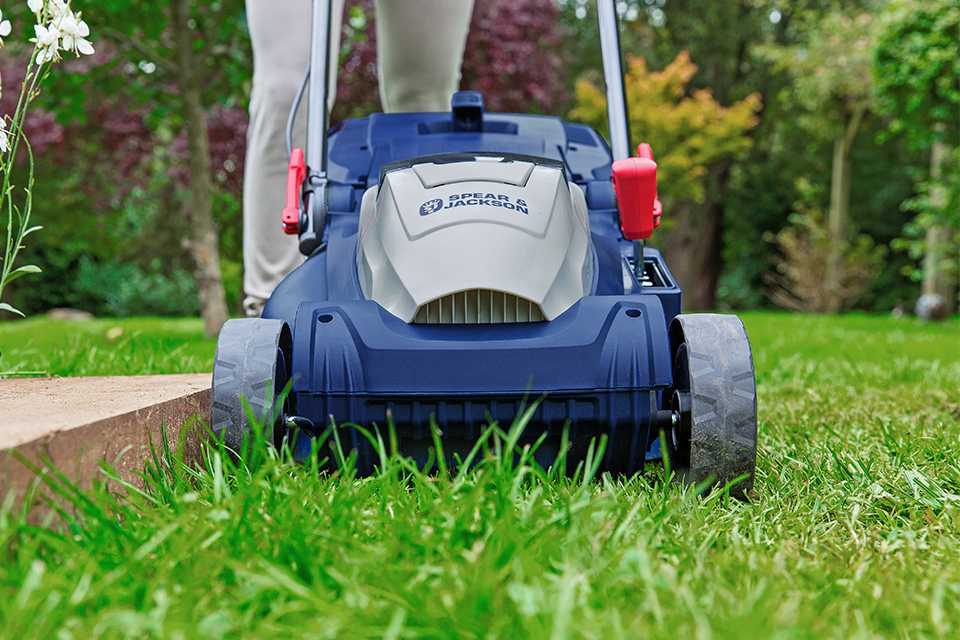

How to care for your lawn
Whether you're dealing with patchy grass, stubborn moss, or simply aiming for a lush, greener lawn, this practical guide breaks down lawn care into clear, easy-to-follow steps that actually work in UK gardens.
&poi={$this.metadata.pointOfInterest.x},{$this.metadata.pointOfInterest.y},{$this.metadata.pointOfInterest.w},{$this.metadata.pointOfInterest.h}&scaleFit={($this.metadata.pointOfInterest.x>0)?$sfpoi:$sfcenter}&sm=aspect&aspect=3:2&sfcenter=center&sfpoi=poi&qlt=50&fmt=auto&noiser=0&fmt.jpeg.interlaced=true&fmt.jp2.qlt=40&)
By Kirsty Hudson | Last edited: June 2026
Looking after your lawn doesn’t mean spending every weekend grafting in the garden. In most homes, it’s about keeping things simple. Regular mowing, feeding when needed, and tackling problems like weeds or moss before they get out of hand.
If your lawn’s looking a bit worse for wear after winter, or worn down after a busy summer, a few smart fixes can bring it back to life. The trick? Work with the seasons because grass grows best when the conditions are just right.
What is a good lawn care routine?
A good lawn care routine usually includes regular mowing, occasional edge trimming, and seasonal maintenance such as feeding, aerating, scarifying and repairing thin or bare patches. The busiest times are spring and early autumn because this is when grass is actively growing and has the best chance to recover from reseeding or scarifying.
Simple lawn care routine to follow
Here are some quick tips for effectively taking care of your lawn.
- Mow little and often when the grass is growing strongly, and avoid removing more than one third of the grass height in one go.
- Keep the cutting height slightly higher in spring, during dry spells, and later in the year. This helps the grass stay stronger and cope better with changing conditions.
- Only water when it is really needed. Established lawns usually recover once the rain returns, but newly seeded or dry patches may need a bit of extra help.
- Feed your lawn if it is looking a bit tired or lacking colour. Choose the right lawn fertiliser for the season and always follow the instructions on the label.
- Scarify, aerate and reseed when conditions are mild. Spring and early autumn are usually the best times, as the grass can recover more easily.
Lawn care basics
Here are the most important lawn care activities to perform.
Mowing
Regular mowing helps keep the lawn looking tidy and can encourage stronger growth, but cutting too short can weaken the grass. A useful rule is never to remove more than one third of the grass blade at a time. If you are doing the first cut of spring, start with the mower on a higher setting and lower it gradually as growth improves. It is also best to mow when the grass is dry.
Watering
Most lawns in the UK can cope with normal seasonal changes and often green up again when rain returns. New lawns, freshly seeded patches and stressed areas need more attention, but it still helps to water carefully rather than too often. Early morning is usually the best time, and a sprinkler or hose can help cover a wider area more evenly.
Shop garden watering essentials
Feeding
Not every lawn needs feeding, but some do benefit from it, especially if growth is weak or the lawn looks thin and pale. Spring and summer feeds are usually designed to support leafy growth, while autumn feeds focus more on root strength and hardiness. If you use lawn feed or treatment products, always check the label and apply them exactly as directed.
Weeds, moss and thatch
Weeds, moss and thatch can all make your lawn look a bit tired and stop it growing as well as it should. For small areas, you can often sort weeds by hand or with simple weeding tools. Moss is usually a sign of damp, shade or poor drainage, which is quite common in many gardens. If your lawn feels spongy underfoot or you can see a layer of dead material sitting under the grass, that’s likely thatch. In this case, scarifying can help clear it out, allowing air, water and nutrients to reach the roots more easily.
Shop weeding tools and essentials
Repairing bare patches
Bare or thin patches are pretty common, especially in busy gardens or after a tough season. The good news is they’re usually easy to fix. Overseeding or using a patch repair mix can help thicken things up again. Early autumn is ideal, but mid-spring works just as well once the weather has warmed up a bit. Before adding new lawn seed, lightly rake the area to loosen the surface. This helps the seed settle into the soil. Keep it lightly watered, and with a bit of patience, you should start to see new growth coming through.
Aerating
Aerating your lawn helps break up compacted soil, making it easier for air, water, and nutrients to reach the roots. If the ground feels firm underfoot or water doesn’t drain well, aeration can significantly improve its condition. For smaller areas, a garden fork works well, while larger lawns are best treated with a proper aerator. The ideal times to aerate are in spring and early autumn.
Edging
Neatly defined edges can make a lawn look instantly tidier, even if the grass itself is not perfect. Trimming edges regularly helps keep grass from spreading into borders, paths or patios. Lawn edge shears or a strimmer can give you a clean, sharp finish and keep the whole garden looking well-kept.
Lawn care by seasons
Lawn care is all about timing, and what your grass needs will change with the seasons. By adjusting your routine throughout the year, you can keep your lawn healthy, resilient and looking its best. This simple seasonal guide shows you what to focus on and when, so nothing gets missed.
Lawn care in spring
Spring is the perfect time to get your lawn back on track after winter. Start by clearing away leaves and debris, then ease into mowing with a higher cut as the grass begins to grow again. If your lawn looks a bit patchy, mid-spring is ideal for reseeding or repairing worn areas. You can also carry out light aeration or scarifying, as long as the grass is growing well enough to recover.
Helpful spring jobs:
- First mow of the year using a higher cut setting.
- Tidy edges with edging shears or hand tools.
- Aerate compacted areas with a garden fork or an aerator.
- Reseed thin or bare patches once conditions are mild.
- Apply spring feed only if your lawn needs it, following the product instructions.
Lawn care in summer
Summer is all about keeping things ticking over rather than doing any heavy lawn work. Keep mowing regularly, but avoid cutting the grass too short, especially during hot or dry spells. Shadier spots may grow more slowly, and if rain is scarce, newly seeded or stressed areas might need a bit of watering in the morning. In very dry conditions, it’s best to raise the cutting height and go easy on the lawn.
Helpful summer jobs:
- Mow little and often, without scalping the lawn.
- Raise the cutting height during dry weather.
- Water in the morning if the lawn needs it.
- Keep edges tidy for a neater finish.
Lawn care in autumn
Early autumn is one of the best times for bigger lawn maintenance jobs because conditions are usually mild and damp enough for the grass to recover. If your lawn has taken a bit of a hit over summer, this is the time to bring it back into shape. Jobs like scarifying, aerating, top-dressing and overseeding all work well now, while the soil is still warm. It is also a good time to keep on top of leaves and continue mowing as needed.
Helpful autumn jobs:
- Scarify to remove moss, clippings and built-up thatch.
- Aerate compacted soil to improve air and water movement.
- Overseed tired patches while the soil is still warm.
- Clear fallen leaves so they do not block light and airflow.
- Use an autumn lawn feed only if the lawn is growing poorly and the product is suitable for the season.
Lawn care in winter
Winter is more about protecting your lawn than actively working on it. Growth slows right down, and grass can be easily damaged when it is wet or frozen. Try to avoid walking on frosty lawns, keep the surface clear of leaves, and only mow occasionally if the weather is mild and the grass is still growing. It can also be a good time to check your tools and get ready for spring.
Helpful winter jobs:
- Avoid mowing during frost or on waterlogged ground.
- Clear remaining leaves and debris.
- Recut lawn edges if needed.
- Plan repairs or reseeding for spring if the weather is too cold.
Lawn care tools that can help
Keep your lawn looking its best with our range of lawn care essentials.
Carousel
Lawn care mistakes to avoid
A few common lawn care mistakes can make recovery harder or slow down results:
- Cutting the grass too short, which can weaken it and leave it more prone to weeds and drought.
- Mowing when the lawn is wet, frosty or waterlogged, as this can damage both the grass and soil.
- Watering too often or too lightly, instead of giving the lawn a proper soak when needed.
- Using the wrong lawn fertiliser for the season or applying too much feed.
- Ignoring moss, weeds or thatch until they spread and become harder to fix.
- Scarifying or aerating at the wrong time, especially when the grass is not actively growing.
- Walking on the lawn during frost, which can harm the grass and leave marks.
- Leaving fallen leaves to sit on the lawn, blocking light and trapping moisture.
- Overlooking bare or worn patches until they turn into larger problem areas.
Lawn maintenance tips for pet parents
- Opt for durable, cool‑season grasses common in the UK, such as perennial ryegrass or fescue blends, which can handle damp weather and energetic pets well.
- Water urine spots promptly, especially during dry spells, to dilute nitrogen and prevent yellow patches.
- Set up a designated potty and loo area using bark, gravel, or artificial turf to protect your main lawn.
- Keep your grass slightly longer (around 5-7 cm) to improve resilience against wear and reduce mud.
- Choose pet‑safe lawn feeds and avoid using weedkillers or moss treatments unless clearly labelled as safe for animals.
- Repair worn patches quickly with a patch‑repair mix to keep the lawn thick and healthy.
FAQs about lawn care
Take a look frequently asked questions about maintaining a lawn.
What is the best lawn care routine?
A good lawn care routine is usually based on small, regular jobs rather than doing everything at once. For most lawns, that means mowing carefully during the growing season, trimming edges when needed, and tackling bigger jobs like feeding, aerating, scarifying or reseeding at the right time of year. Spring and early autumn are the most useful seasons for repairing the lawn because grass is actively growing.
Should I feed my lawn in October?
You can feed a lawn in October if it is still actively growing and actually needs support, but it is important to use a product that is suitable for autumn rather than leftover summer feed. Autumn lawn feeds are generally aimed at supporting roots and hardiness, while summer products may encourage soft leafy growth at the wrong time of year. If you are unsure, it is safest to keep the guidance general, check the product label carefully and follow the manufacturer’s instructions.
When should you scarify a lawn in the UK?
Scarifying is usually best done in spring or early autumn, when the lawn is actively growing and has a good chance to recover afterwards. It can help if your lawn has a build-up of moss or thatch, or if it feels spongy underfoot. After scarifying, lawns often look rough at first, which is normal. Many people follow up with aeration and, if needed, lawn seed to help fill in thinner areas.
Is it better to mulch or bag grass clippings?
That often depends on the condition of your lawn and how much grass you are cutting. Mulching or leaving fine clippings on the lawn can be useful when you are mowing regularly and only taking a little off, because the clippings break down more easily. If the grass is long, wet or clumpy, collecting it may give a cleaner finish and help prevent a messy surface. A simple rule is to avoid removing too much in one cut and mow when the grass is dry if you can.
What are common mistakes to avoid when aerating my lawn?
One common mistake is aerating when the ground is badly waterlogged or frozen, because that can do more harm than good. Another is treating every lawn the same, even when only certain areas are compacted from foot traffic. It also helps to think of aeration as one part of a wider routine rather than a fix on its own. If your lawn has a lot of thatch, scarifying may also be useful. For smaller gardens, a garden fork can sometimes do the job, while dedicated aerators are available for more regular maintenance.
What month do you stop cutting your grass?
There is no single month that suits every lawn because grass growth depends on weather conditions. In general, mowing slows down as temperatures fall in autumn, and you may only need to cut occasionally after that. Grass continues to grow during mild periods, including in late autumn or early winter, but it is best to avoid mowing when the lawn is frosty, very wet or waterlogged. Raising the cutting height later in the year can also help reduce stress on the grass.
When should you not apply lawn fertiliser?
It is usually best to avoid applying lawn fertiliser when the lawn is not actively growing, or when the product is not suited to the season. For example, spring and summer lawn feeds are generally intended for active growth, while autumn feeds are formulated differently. Applying the wrong type at the wrong time can be less helpful for the lawn. It is also sensible to avoid making assumptions about how much product is needed. Always read the label, use the recommended rate and follow any handling guidance provided by the manufacturer.
Why is my lawn turning yellow?
A yellow lawn is usually caused by a lack of nutrients, poor drainage, drought stress or heavy wear. In some cases, pet damage or compacted soil can also be to blame. Improving your watering routine, applying the right lawn fertiliser, and aerating the soil can help restore a healthier green colour.
How do I fix a patchy lawn?
Patchy lawns are often caused by wear and tear, poor soil conditions or seasonal stress. The easiest fix is to overseed the affected areas, keep the soil lightly watered, and avoid heavy use while the grass recovers. Spring and early autumn are the best times to repair patchy areas.
What time of year do you kill moss?
The best time to treat or kill moss is in spring or early autumn, when the grass is actively growing. During these periods, your lawn can recover more quickly after treatment and fill in any gaps left behind by the moss. It’s best to avoid treating moss in extreme conditions like very hot, dry weather or during winter, as the lawn won’t respond as well. After treating, you can scarify to remove dead moss and help the grass grow back stronger.