
Window vacuum guide
From wiping down windows after cleaning to drying the bathroom mirror, discover advice on choosing the right window vac for you and find tips to make clean-ups easier.
Shop all window vacuums&poi={$this.metadata.pointOfInterest.x},{$this.metadata.pointOfInterest.y},{$this.metadata.pointOfInterest.w},{$this.metadata.pointOfInterest.h}&scaleFit={($this.metadata.pointOfInterest.x>0)?$sfpoi:$sfcenter}&sm=aspect&aspect=3:2&sfcenter=center&sfpoi=poi&qlt=50&fmt=auto&noiser=0&fmt.jpeg.interlaced=true&fmt.jp2.qlt=40&)
By Natasha Taggar | Last edited: September 2026
What is a window vacuum?
A window vacuum, also known as a window vac, is a handheld electric cleaner that removes liquid from glass and other smooth surfaces. It typically has a rubber blade at the front, a suction motor and a small water tank.
Most models are cordless and rechargeable, so you can easily take it from room to room. Some are designed for simple indoor jobs, while others come with accessories for use on larger windows, taller glass or certain other cleaning jobs.
How does a window vac work?
A window vac works by combining a squeegee blade with suction. The rubber blade brings water into a narrow line, while the suction pulls it into the tank. This makes it convenient to use, as you'll have less water running down the glass and onto the windowsill or floor than if you use a plain cloth.
Think of it as the drying step after the surface has been washed. A window vac only removes water; it doesn’t scrub away dirt.
What is a window vac used for?
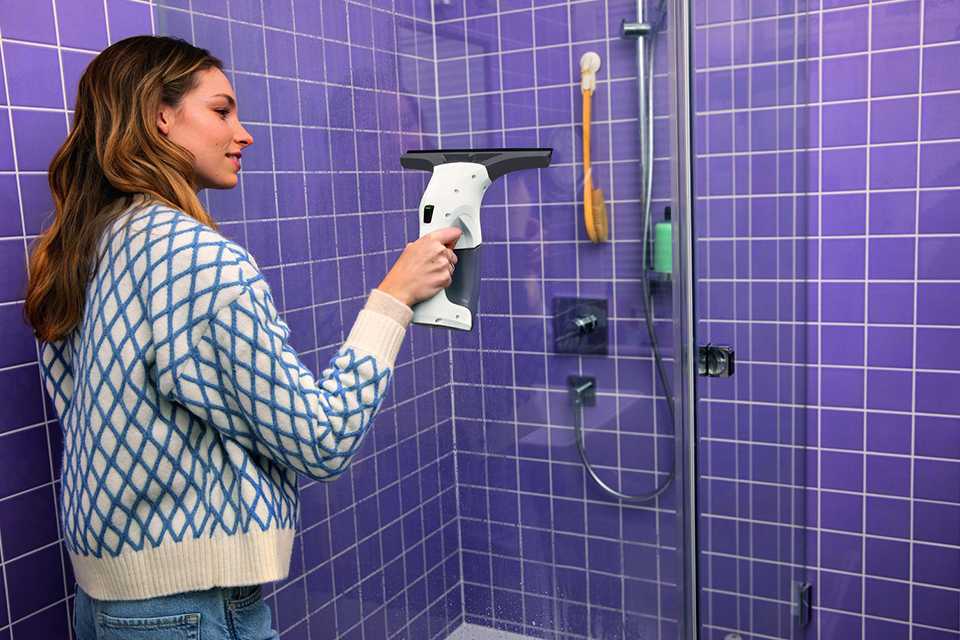
While they're mainly meant for cleaning glass, window vacs can be used almost anywhere in the house to wipe away water from a smooth, sealed surface. Here are some areas where you could give it a go:
- Windows, inside and out, where safe to reach
- Bathroom mirrors
- Shower screens
- Smooth wall tiles
- Glass tables
- Conservatory glass
- Other sealed flat surfaces like some worktops (if the product instructions say it is suitable)
Window vacuums can be great for bathrooms and kitchens, where glass and tiles might get wet. They can also remove visible condensation from surfaces like glass windows. However, it's important to note that this only wipes away the water droplets and won't do anything to fix the reason that the condensation appeared in the first place. For heavy condensation that keeps coming back or any mould, peeling wallpaper or damp smells, it’s worth checking the room's ventilation and moisture levels.
How to choose a window vacuum?
Your choice will depend largely on where you’ll be using it most. A compact model may be enough for smaller windows and bathroom mirrors, while larger windows, conservatories and shower screens may require a bigger cleaning head, longer run time or additional accessories.
What should I look for when buying a window vac?
Here are some things to check when choosing a window vac:
- Battery life: If you’re only using your window vac for mirrors or a shower screen, a shorter battery life may be enough. But if you want to clean many windows at once, a longer run time might be a better choice. Battery life can vary by model, so be sure to check the product details before you buy.
- Charge time: You should also consider the charging time, especially if you like to do all your cleaning in one go.
- Tank size: The water tank collects the dirty water as you clean. Look for a tank that’s easy to remove and empty. A smaller tank can keep your window vac lightweight, but it may also need to be emptied more often. Meanwhile, a larger tank is useful if you’re cleaning many windows, tiles or shower screens.
- Weight and grip: A window vac should feel comfortable in your hand. A lighter model can make cleaning easier, and a good grip lets you control the movement, especially when you’re guiding the blade down the glass.
- Cleaning head size: Wider cleaning heads cover more surface with each pass, so these are handy for large windows and shower screens. Narrower heads can work well on smaller panes, mirrors, tiles and awkward spaces. Some models come with more than one head size, which offers more flexibility for use around the house.
- Accessories: Some window vacs come with accessories like spray bottles, microfibre pads and cleaning detergent. A few also have extension sets so you can reach taller panes. If you already have window cleaning tools at home, you may only need the vac itself and can pick an option without accessories.
Use our table below to compare these electric window cleaner features and find what matters most to you.
| Feature | Why it matters |
|---|---|
Battery life | Longer life means you can clean more surfaces before needing to recharge |
Charge time | Faster charge time can quickly get your window vac ready for use again |
Water tank size | A larger tank can mean fewer breaks to empty it |
Weight | Lighter models may be easier to use across larger areas |
Cleaning head width | Wider heads suit large panes, smaller heads are good for narrow spaces |
Accessories | Spray bottles, pads, detergents and extension sets can help with cleaning |
Still not sure what you need? Explore all our window cleaning equipment to find what best matches your needs.
How do you use a window vac?
When it comes to using window vacs, always check the instructions for your own model first. Generally, there are some common steps that work for most window vacs.
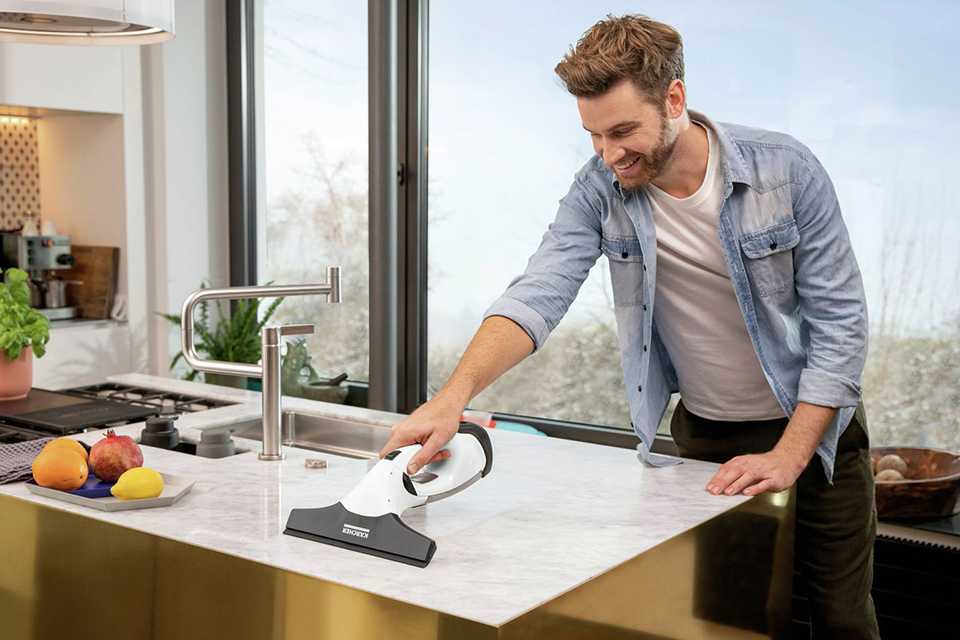
- Spray or wet the glass with a suitable window cleaning solution.
- Wipe the surface using a microfibre cloth or washer pad to loosen dirt.
- Place the window vac blade at the top of the area that’s wet and pull it down slowly in a straight line.
- Continue with more strokes in the same way, slightly overlapping each so you don’t leave wet strips behind.
- Wipe the blade with a clean cloth if it gets too wet or dirty.
- Empty the water tank if it reaches the fill line or once you’re done.
Top tip: Don't rush the suction step. A steady movement can give the vac more time to collect the water.
Window vac accessories
Having a few accessories can make window cleaning easier. Explore useful window vac accessories and find out how they can help:
- Spray bottle and washer pad: Using a spray bottle makes it easier to apply the cleaning solution evenly, while a washer pad can loosen dirt before you use the vac.
- Microfibre cloths: These are handy to keep around for wiping the blade between strokes, cleaning up edges and drying any small spots that the vac can’t reach.
- Window cleaning detergent: Use a detergent that’s suitable for both your surface and your window vac model. Be sure to follow the instructions on the product label and don’t mix cleaning products.
- Extension set: An extension set allows you to reach taller windows or any hard-to-reach glass. Remember to avoid overreaching and only use an extension set when it’s safe to do so.
- Replacement blades: You can swap out your window vac blades to replacement ones if available in case of any wear or damage.
Window vacuum maintenance
Follow our tips to care for your window vac and keep it in good condition for as long as possible.
After each use:
- Empty the dirty water tank
- Rinse the tank if the instructions allow it
- Wipe the rubber blade clean
- Check for grit and dirt that could leave marks
- Let the parts dry before storing
- Recharge the battery as recommended by the manufacturer
- Store the window vac safely, with its blade away from sharp objects, as nicks or dents can affect how smoothly it dries the glass.
Frequently asked questions about window vacuums
Is a window vac better than a regular squeegee?
While a traditional squeegee is an affordable option that doesn't need charging, a window vac adds suction to collect dirty water as you clean. This makes it great for large panes, shower screens and condensation, where you don’t want water dripping onto the floor.
Can you use a window vac for condensation?
Yes, you can generally use a window vac to remove visible condensation from windows. It can be quicker than using a cloth or towel and makes it easier to clean by collecting the water rather than moving it around. Remember that this is not a solution to stop condensation. If it gets heavy or keeps coming back, you might need to check for whatever caused it in the first place.
Can you use a window vac on shower screens?
Window vacs work on most smooth, sealed surfaces, making them useful for glass shower screens to remove water droplets after a shower. Be sure to avoid using it on any textured or cracked areas and keep charging points and electrical parts away from water. Check the product instructions before you start using your window vac in the bathroom.
Why does my window vac leave streaks?
Streaks can appear if the glass is still dirty, the rubber blade has debris on it, the blade is worn, or the water tank needs emptying. Try wiping the blade with a clean cloth between passes and empty the water tank if it reaches the fill line. If streaking continues, check the blade for damage and see if replacement blades are available for your model.
Do you need cleaning fluid with a window vac?
A window vac typically only removes liquid after the surface has been cleaned. For dirty windows, you may first need to use water and a suitable window cleaning solution to loosen marks. Some window vacs come with detergent or a spray bottle, while others only include the vac. Always follow the product label and instructions for your model, and avoid mixing cleaning products.