
Understanding blood pressure monitors
Learn how a BP monitor works and what the key features are to consider before selecting one for your health needs.
Shop all blood pressure monitors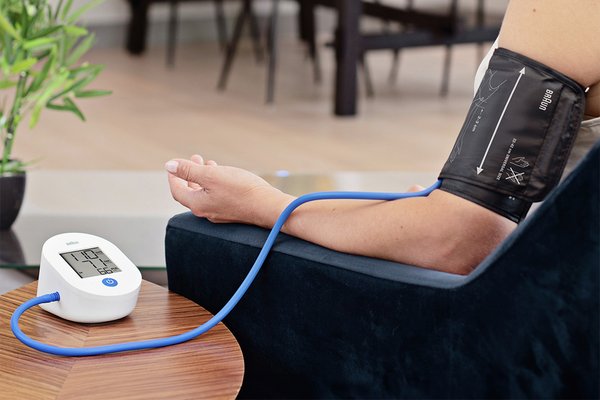&poi={$this.metadata.pointOfInterest.x},{$this.metadata.pointOfInterest.y},{$this.metadata.pointOfInterest.w},{$this.metadata.pointOfInterest.h}&scaleFit={($this.metadata.pointOfInterest.x>0)?$sfpoi:$sfcenter}&sm=aspect&aspect=2:1&sfcenter=center&sfpoi=poi&qlt=50&fmt=auto&noiser=0&fmt.jpeg.interlaced=true&fmt.jp2.qlt=40&)
By Natasha Taggar | Last edited: July 2026
Keeping track of your blood pressure at home can give you a better picture of how your readings change over time and make conversations with your GP or healthcare professional more informed.
Whether you're comparing upper arm and wrist monitors, or trying to understand how to use a BP monitor at home, this guide breaks down the basics, including key features to consider, using NHS guidance to help you choose the right monitor.
What is a blood pressure monitor?
A blood pressure monitor is a device used to measure the pressure of blood moving through your arteries. Most home monitors use an inflatable cuff that wraps around your upper arm or wrist. As the cuff inflates and slowly releases air, the monitor measures your blood pressure and pulse rate before displaying the readings on screen.
You’ll usually see two numbers:
• Systolic pressure: the pressure when your heart pumps blood
• Diastolic pressure: the pressure when your heart relaxes between beats
Some monitors can also store previous readings, support multiple user profiles, detect irregular heartbeats, and connect to compatible apps via Bluetooth.
If you’re unsure what your readings mean, ask your GP or another qualified healthcare professional to explain them.
How do blood pressure monitors work?
Blood pressure monitors work by gently squeezing your arm or wrist with an inflatable cuff to measure changes in blood flow through your arteries. It inflates to temporarily restrict blood flow and then slowly deflates. As this happens, sensors inside the monitor detect changes in blood movement and calculate your blood pressure reading.
Most home monitors are automatic, so you simply fit the cuff correctly, press start, and sit still while the reading is taken. Many models are designed to be easy to use, with large, clear displays and simple controls that make results easy to understand. It's also important to choose the right cuff size, as a cuff that's too loose or too tight can affect the accuracy of your reading.
Features to look for in a home blood pressure monitor
Choosing a home blood pressure monitor is about more than just buying a machine. The right features can make it easier to take accurate readings and track your blood pressure over time.
Correct cuff size
A well-fitting cuff helps take more accurate measurements. A cuff that's too tight or too loose can affect your reading, so it's important to choose a monitor with a cuff that matches your arm size.
Easy-to-read display
Look for a monitor with a clear screen and large numbers. A bright, easy-to-read display makes it simpler to check your readings at a glance.
Memory storage
Many blood pressure monitors can save previous readings automatically. This feature makes it easier to track changes over time and share your results with a GP or healthcare professional if needed.
Multiple user profiles
If more than one person in your family will be using the monitor, consider a model with multiple user profiles. This allows each person to store their readings separately and keep records organised.
Irregular heartbeat detection
Some monitors can detect an irregular heartbeat while taking a blood pressure reading. Although this feature is not a substitute for medical advice, it can provide an extra indication that further assessment may be needed.
Average reading function
Some BP monitors can calculate an average from several readings. This can help you provide a more representative picture of your blood pressure to your GP.
Smartphone connectivity
Modern blood pressure monitors may connect to a smartphone app via Bluetooth. This allows you to store readings digitally, view trends over time, and keep your health data in one place.
Portability and power source
If you travel frequently or need to take readings in different locations, a lightweight monitor with long battery life can be a practical choice. Some models also offer USB charging for added convenience.
Clinically validated accuracy
When comparing monitors, the NHS recommends looking for models that have been clinically validated. This means the device has been tested against recognised standards to help ensure reliable and accurate readings.
Upper arm blood pressure monitors vs wrist blood pressure monitors
When choosing a blood pressure monitor, one of the biggest decisions is whether to opt for an upper arm or wrist model. While both can be used at home, there are a few important differences to consider.
Upper arm blood pressure monitors
Upper arm monitors use a cuff that wraps around your upper arm, just above the elbow. They are often recommended by healthcare organisations. Because the cuff is positioned closer to the heart, readings are often more consistent and less affected by body position. Many upper arm monitors also come with a wider range of features, such as memory storage, irregular heartbeat detection, and smartphone connectivity.
Pros:
• Generally more accurate and reliable
• Widely recommended for home use
• Often includes advanced tracking features
Cons:
• Larger and less portable
• May be slightly less convenient for travel
Shop upper arm blood pressure monitors
Wrist blood pressure monitors
Wrist monitors are smaller devices that fit around the wrist rather than the upper arm. Their compact size makes them convenient for travel and easier to store. However, wrist monitors can be more sensitive to body position.
Pros:
• Compact and lightweight
• Easy to carry when travelling
• Can be more comfortable for some users
Cons:
• More sensitive to movement and positioning
What do systolic and diastolic readings mean?
Blood pressure readings are shown as two numbers, for example: 120/80.
• The top number is your systolic pressure, which measures the force of blood against artery walls when the heart beats.
• The bottom number is your diastolic pressure, which measures the pressure when the heart rests between beats.
Healthcare professionals usually consider both readings together rather than focusing on one number alone. If you want to check what your reading means, see this guide from the NHS. If you have questions about your readings or notice any changes, speak to a qualified healthcare professional.
Who might use a blood pressure monitor?
Many people use home blood pressure monitors for different reasons, including:
• Tracking readings between GP appointments
• Monitoring changes over time
• Supporting healthy routines
• Checking readings in a more relaxed home setting
• People advised by a healthcare professional to monitor their blood pressure at home
This is for general information only and does not replace professional medical advice. If you have concerns about your blood pressure or readings, speak to a GP or qualified healthcare professional.
How to take an accurate blood pressure reading at home
You can refer to the product manufacturer's guidelines and also consult with your GP to understand how to take a reading. According to the British Heart Foundation and Blood Pressure UK, here's how to measure your blood pressure correctly at home.
1. Take a few minutes to rest: Before using your monitor, sit and allow your body to relax. Feeling stressed, anxious, or rushed may not give you an accurate reading.
2. Sit comfortably: Choose a chair with back support and sit upright with both feet resting flat on the floor. Try not to cross your legs, as this can influence your reading.
3. Support your arm: Rest your arm comfortably on a table or other flat surface. Your arm should be supported at roughly heart level, with your hand relaxed rather than clenched.
4. Position the cuff correctly: For an upper-arm monitor, place the cuff around your upper arm according to the manufacturer’s instructions. The air tube should typically run down the inside of your arm.
5. Make sure the cuff fits properly: The cuff should feel secure without being overly tight. A good rule of thumb is that you should be able to slide two fingers underneath the cuff.
6. Start the measurement: Press the start button and remain as still as possible while the monitor works. Avoid talking, moving, or looking around during the reading.
7. Stay relaxed as the cuff inflates: The cuff will tighten around your arm before slowly releasing. You may feel some pressure, but this is normal and only lasts for a short time.
8. Note down the results: When the reading appears on the screen, record both numbers or save them using your monitor's memory function. Keeping a log can help you track changes over time.
9. Repeat the reading: Wait a minute or two before taking a second measurement. Comparing multiple readings can provide a more reliable picture of your blood pressure.
10. Build a routine: For regular monitoring, try to take your blood pressure at the same times each day, such as in the morning and evening. Consistent measurements make it easier to identify trends and discuss them with your GP or healthcare professional.
FAQs about blood pressure monitors
Which is better: an upper arm or wrist blood pressure monitor?
The right choice depends on your routine, comfort and how often you plan to use the monitor. Upper arm monitors are commonly used for regular home monitoring and are often easier to position consistently. Wrist blood pressure monitors are usually smaller and more portable, which can make them useful for travel or compact storage.
Can I use a blood pressure monitor at home?
Many people use blood pressure monitors at home to keep track of readings between appointments or to better understand changes over time. Taking readings at similar times each day and following the device instructions carefully can help improve consistency. If you’re unsure about your readings or how often to monitor your blood pressure, speak to a healthcare professional.
What should I do before lending a blood pressure monitor to a friend?
Before lending a blood pressure monitor to a friend, clean the cuff and monitor according to the manufacturer's instructions. Check if the device is working properly and the cuff is the right size for their arm, as an incorrect fit can affect reading accuracy. If your monitor stores previous measurements, consider clearing the memory or setting up a separate user profile so your readings don't get mixed up. It's also helpful to show them how to wear the cuff correctly and follow the instructions to get an accurate reading.
How often does my BP monitor need to be calibrated?
Most blood pressure monitors don't need frequent calibration, but it's generally a good idea to have them checked every one to two years to make sure they're still providing accurate readings. You may also want to have your monitor tested sooner if it's been dropped, damaged, or giving inconsistent results. If you're unsure, check the user manual or the manufacturer's website, as calibration recommendations can vary between models.
What is the best device to check blood pressure at home?
For most people, an automatic upper arm blood pressure monitor is the most common option for home use. When choosing a monitor, look for a clinically validated model with the correct cuff size for your arm to help ensure reliable readings.
Do I need to keep a blood pressure monitor at home?
A home blood pressure monitor can be a useful tool if you've been advised to monitor your blood pressure regularly or simply want to keep track of your readings between appointments. Measuring your blood pressure at home can help build a clearer picture of your health over time. The NHS also highlights that home monitoring can make it easier to manage high blood pressure and share readings with your GP when needed.