
Summer bedding and bed sets to stay cool at night
Warm nights can make drifting off feel like a challenge. Keep things cool with the right summer bedding. We've got tips on fabrics, tog ratings and layering so you can build a bed that feels lighter, fresher and comfortable through the summer.
Shop all summer bedding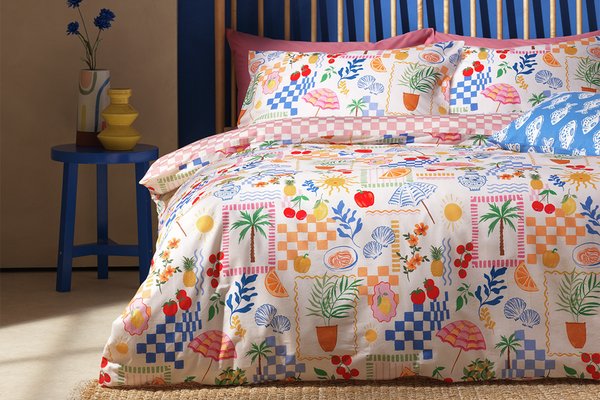&poi={$this.metadata.pointOfInterest.x},{$this.metadata.pointOfInterest.y},{$this.metadata.pointOfInterest.w},{$this.metadata.pointOfInterest.h}&scaleFit={($this.metadata.pointOfInterest.x>0)?$sfpoi:$sfcenter}&sm=aspect&aspect=3:2&sfcenter=center&sfpoi=poi&qlt=50&fmt=auto&noiser=0&fmt.jpeg.interlaced=true&fmt.jp2.qlt=40&)
By Natasha Taggar | Date published: June 2026
When British summer finally decides to show up, you’ll want bedding that keeps you cool without sacrificing comfort. So think of this as your time for duvet detox: lighter layers, breathable fabrics, and clever swaps that help you sleep better even when the nights feel a bit warm.
What makes bedding suitable for summer?
Summer bedding is all about keeping you cool. The best warm‑weather picks focus on breathability, airflow and fabrics that feel light and fresh against your skin. Here are the key features that matter most:
- Breathable materials: they let heat escape instead of trapping it
- Moisture‑wicking fabrics: great for reducing that sticky, clammy feeling
- Light weaves: thinner, airier and far less stifling than winter bedding
- Lower‑tog duvets or cooling duvet alternatives
Mixing the right sheets, covers and layers can make your bed feel instantly cooler and much more comfortable when the temperatures rise.
Choosing fabrics for summer bedding
The fabric you sleep on has a bigger impact on comfort than you might think. Some materials practically invite airflow, while others cling on to heat. Natural fibres are usually the coolest and certain weaves also boost breathability. The table below gives a quick, breezy overview of the most common options so you can pick the coolest match for summer nights.
| Fabric | Key properties | Good to know |
|---|---|---|
Cotton percale | Crisp, cool, lightweight; breathable weave | A 200 thread count percale is a practical choice for warm nights |
Egyptian cotton | Soft and breathable; becomes softer with washing | Higher thread counts (400 thread count) have a smoother, slightly warmer feel |
TENCEL Lyocell | Moisture-wicking; smooth finish; temperature-regulating | Often blended with cotton; found in some fitted sheets |
Bamboo | Naturally moisture-wicking; soft; hypoallergenic | A good option for those with sensitive skin |
Polycotton | Easy care; quick-drying; affordable | Less breathable than pure natural fibres |
Summer bed sheets: What to look for
When choosing bed sheets for summer, focus on how the fabric sits against your skin. Lightweight, breathable sheets are usually more comfortable in warm weather. Here's how to choose the right one.
- Thread count: very high thread counts can feel dense. Mid‑range counts are often more breathable.
- Weave type: percale weaves are commonly chosen for summer due to their cooler feel.
- Fit and depth: a well‑fitted sheet stays in place and avoids bunching, which can trap heat.
If you tend to feel warm at night, switching sheets for summer can sometimes be more effective than changing the duvet alone.
Summer bed sheet options to choose from
Refreshing your bedding for warmer nights is easy with the right summer‑ready sheets.
- Cotton bed sheets: Light, breathable, and great for staying cool.
- Lyocell bed sheets: If you get warm easily, lyocell‑mix sheets help wick away moisture and keep things feeling fresh through the night.
- Easycare polycotton bed sheets: Soft, lightweight, and low‑maintenance. These sheets dry quickly and resist creasing, ideal for everyday summer use.
- Bamboo bed sheets: Soft, silky, and naturally temperature‑regulating. Bamboo is great for hot sleepers because it wicks moisture and stays cool to the touch.
- Egyptian cotton bed sheets: A step up in softness and luxury. Egyptian cotton has longer fibres, making it smoother, cooler, and more durable, perfect if you want premium comfort in summer.
Go for breezy pastels and simple patterns that brighten your room and help reflect heat.
Which tog duvet is right for summer?
Tog is a measure of a duvet's thermal resistance: the higher the tog, the warmer the duvet. For summer, choosing a lower tog rating can help you avoid overheating during the night. If you want to know the suitable tog rating for different seasons, take a look below.
| Tog rating | Season | Suitable for | Shop now |
|---|---|---|---|
1–2.5 tog | Summer | Hot sleepers or very warm bedrooms | |
4-4.5 tog | Spring and summer | Most people during warmer months | |
7.5–10.5 tog | Autumn and spring | Mild temperatures or cooler homes | |
13.5–15 tog | Winter | Cold bedrooms or those who feel the cold easily |
For most people in the UK, a 4.5 tog duvet is comfortable through spring and summer. If your bedroom gets very warm, a 1 or 2.5 tog duvet may be more suitable. Some people choose to use just a duvet cover on its own during the hottest nights, which provides a very light layer without any extra warmth.
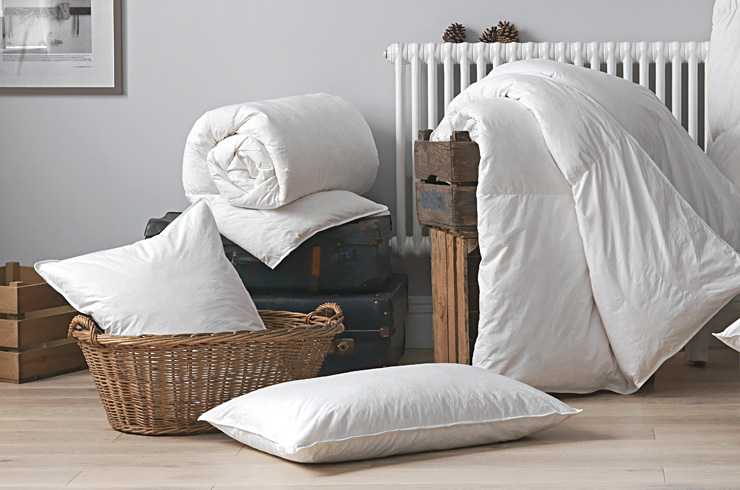
If you would like one duvet that works across the year, some all-season duvets are designed to button together, giving you the flexibility to add or remove warmth as temperatures change.
For a full breakdown of tog ratings and duvet fillings, see our duvet and pillow guide.
How to choose a summer duvet
Alternatives to a duvet in summer
It's no surprise that some nights are so warm that even the lightest duvet feels like a personal heat trap. That’s when duvet‑free alternatives come to the rescue. They're simple, airy and easy to adjust as the temperature does its usual midnight mood swings. Some of the popular swaps include:
- A flat sheet, which is the classic “bare minimum but still cosy” option
- A sheet plus a lightweight blanket, which is just enough coverage without the stuffiness
- A summer throw, as it is easy to kick off when the room warms up
Layering lighter pieces makes it effortless to tweak your setup through the night, keeping you comfortable whether it’s balmy, breezy or somewhere in between.
Cooling pillows and pillowcases for summer
Your pillow plays a big role in how warm you feel at night. Heat can build up around your head and neck, so switching to a cooling pillow or breathable pillowcase can help you up the comfort level during summer.
Cooling pillows
Cooling pillows are simply designed to hold on to less heat, helping your head and neck area stay fresher through warm nights. They use clever materials that boost airflow or feel naturally cooler to the touch, making them a solid upgrade for hot sleepers. When selecting cooling pillows, look for:
- Breathable fillings like ventilated foam or airy fibre blends that stop heat from building up
- Gel‑infused layers that spread warmth more evenly instead of letting it pool in one spot
- Moisture‑managing covers that stay fresher when the nights get a bit sticky
Comfort still comes down to you. Choose a pillow with your ideal firmness and height, with cooling features as a bonus that keeps summer sleep feeling breezy.
Pillowcases for summer
Changing your pillowcase is one of the easiest ways to make summer nights feel cooler. No need to replace your whole pillow when a simple fabric swap can do the heavy lifting. Summer‑friendly materials focus on breathability, airflow and textures that don’t cling when the temperature rises. You can choose from:
- Crisp cotton weaves: think percale, cotton or lightweight cotton blends that let air move freely and feel cool to the touch, much like hotel‑style sheets.
- Lightweight natural fibres: bamboo or lyocell that absorb moisture and help keep sweaty nights under control.
Pairing breathable pillowcases with summer bedding and lighter layers creates a fresher, more comfortable sleep setup, especially when warm weather decides to linger.
Simple tips to keep your bed cooler in summer
Keeping your bedding fresh in summer is all about small tweaks that make warm nights feel less… melty. Here’s how to upgrade your setup with simple habits and smart fabric choices:
- Wash your bedding weekly: regular washing (once a week) keeps your sheets breathable by removing sweat, oil and dust that can make the fabric feel heavier. Cotton especially stays cooler when it's clean and crisp.
- Skip heavy mattress protectors: thick, waterproof styles can trap heat. During heatwaves, switch to a lighter cotton protector or go without one if your mattress allows.
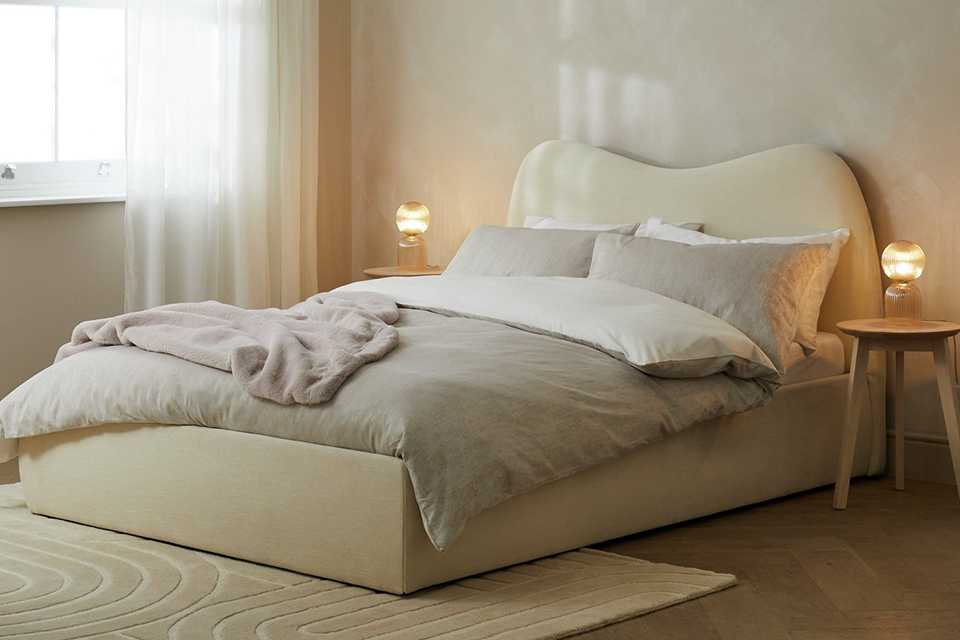
- Choose lighter colours: pale shades like white, cream or soft pastels absorb less heat than darker tones, helping your bed stay cooler through the night.
- Ventilate during cooler hours: open the windows early in the morning or late evening to let cooler air circulate. Pairing this with a fan can help you push warm air out and fresh air in.
- Upgrade your pillowcases: because they sit against your face and neck, breathable fabrics like cotton, percale or bamboo can make a surprisingly big difference to how cool you feel.
Small changes like these, combined with the right summer bed sets, can transform your bedroom into a fresher, more comfortable space for when the weather heats up. Looking for more tips on how to keep cool? Check out our top tips for keeping your house cool.
FAQs about summer bedding
Do cooling bed sheets really work?
Bed sheets described as cooling sheets for bed are often made from breathable or moisture‑managing materials. Rather than actively cooling, they usually work by reducing heat retention and helping moisture evaporate more quickly. Their cooling performance depends on the fabric type and weave, room temperature and ventilation, and personal sleep temperature. They can provide comfort in summer, but results vary from person to person.
What is the coolest bedding for summer?
The coolest bedding for summer is usually made from breathable, lightweight materials that allow airflow and reduce heat build‑up. Natural fibres like cotton percale, and some bamboo blends are commonly chosen because they help manage moisture and feel less clingy against the skin. Lower tog duvets or layering with just a sheet can also improve comfort on warmer nights. Your personal preference matters, so it can help to try lighter bedding at the start of the season and adjust as temperatures change.
Is 10.5 tog too thick for summer?
A 10.5 tog duvet is generally considered too warm for most people during summer in the UK. Tog ratings around 2 to 4.5 are more suitable for warmer nights, as they provide light coverage without trapping as much heat. Some sleepers prefer to remove the duvet entirely in hot weather and use a flat sheet instead. Comfort varies depending on the person and room temperature, so it is about finding what works for you.
What can I use instead of a duvet in summer?
Many people replace a duvet with a flat sheet, lightweight blanket or a summer throw during hot weather. These options provide some coverage without the warmth of a traditional duvet. Layering lighter items allows you to adjust more easily during the night if temperatures change. This can be especially helpful during heatwaves or in warmer bedrooms.
What thread count is best for summer bed sheets?
For summer bed sheets, mid‑range thread counts, typically around 200 to 400, combined with breathable weaves, such as cotton percale often feel cooler and lighter. The fabric and weave matter far more than the number on the label, since airflow is what really keeps heat from building up. Choosing sheets designed for ventilation can make a noticeable difference, helping reduce overheating and keeping your bed feeling fresh when temperatures rise.