
Top tips for keeping your house cool in summer
From fans and portable air conditioners to simple, budget-friendly quick fixes to keep your home cool this summer, there’s a range of ways to help you beat the heat.
Shop all fans and cooling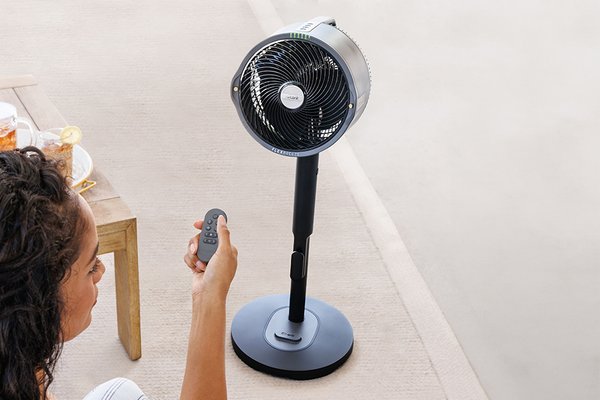&poi={$this.metadata.pointOfInterest.x},{$this.metadata.pointOfInterest.y},{$this.metadata.pointOfInterest.w},{$this.metadata.pointOfInterest.h}&scaleFit={($this.metadata.pointOfInterest.x>0)?$sfpoi:$sfcenter}&sm=aspect&aspect=3:2&sfcenter=center&sfpoi=poi&qlt=50&fmt=auto&noiser=0&fmt.jpeg.interlaced=true&fmt.jp2.qlt=40&)
By Steven Smith | Date published: June 2026
With heatwaves becoming more common in the UK, keeping your home cool will help you stay comfortable. With homes designed for cold winters and mild summers, particularly newer homes with improved insulation, we have a range of tips from quick fixes through to ideas to lower the temperature at home.
Airflow tips to cool your home
Small changes to how you manage airflow can make your home feel fresher and more comfortable. Try these simple tips to let cooler air in, keep warm air out and move air around more effectively.
- Open the windows at the right time of day - Open your windows, and doors if you can, when the temperature is at its lowest. Early in the morning and late in the evening are your best bets, and overnight if you can. This will allow a cooler airflow through the house to help remove some of the heat and deliver some fresh air. Open windows on opposite sides of the house to encourage a crossflow and shut rooms you aren’t using – this helps to concentrate your cooling efforts where it’s most useful.
- Keep windows shut during the day - Windows are part of the insulation of your home, which help keep the external conditions out. While your home will heat up as the day progresses, shutting your windows as the temperatures rise will help delay the impact. Close any curtains and blinds to help keep temperatures.
- Using fans to help move air around - Fans won’t cool your home, but by moving the air, they can help make things feel more pleasant. When you open your windows late in the evening, set up fans nearby, pointing outside. This can help draw the warm air inside your home outside. During the heat of the day set up a large dish or tub of cold water and ice behind your fan to create a DIY air conditioning effect and bring the temperature down.
- Open your loft hatch - Opening your loft hatch can help reduce the temperature in your home. Open it when the temperature outside is cooler than in your home, think early morning or late into the evening, and combine it with opening windows to help create a cross flow of air. This will be most effective if insulation is directly under the roof, in the rafters. If your insulation is in the ceiling/joist level, external heat can come through the roof warming the loft. Opening the hatch may cause this heat to drop down through the house.
Choose the right fan to keep air moving
Carousel
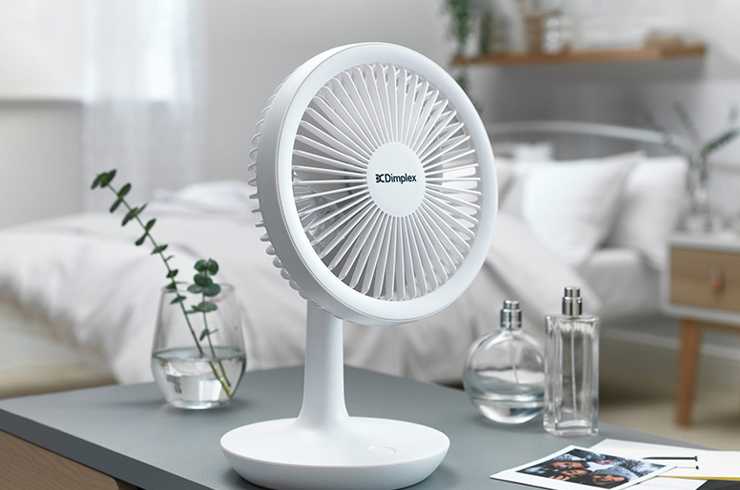
Desk fans
Small and portable, desk fans are ideal for personal cooling. They’re not designed for cooling an entire room, but they are great for individual use either at the bedside, on a desk or in a small space. Their compact size makes them ideal for moving about the house to wherever they’re needed.
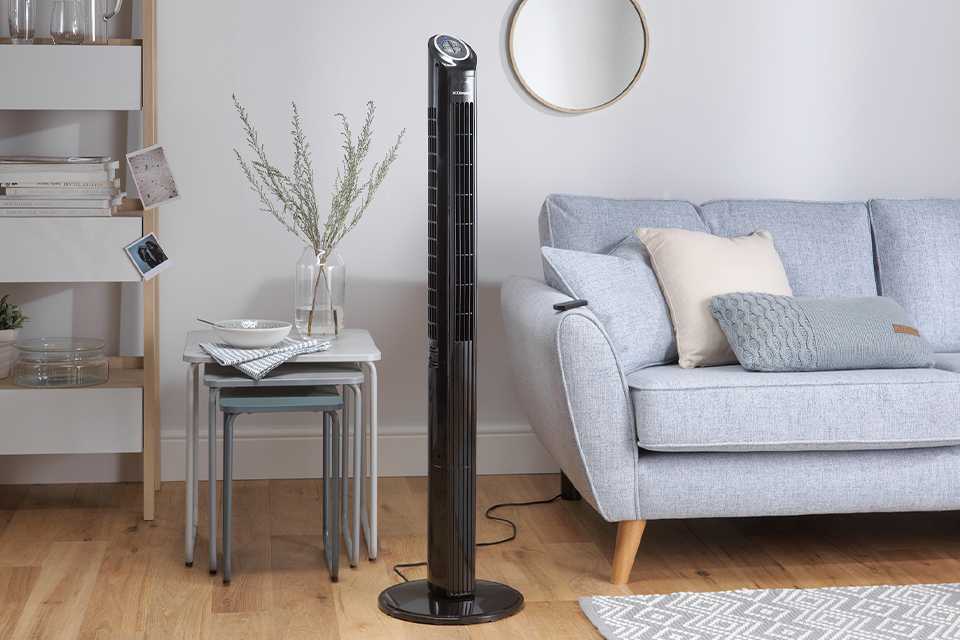
Tower fans
For cooling small to medium rooms, a tower fan is an ideal option. They’re particularly good in settings where their quieter operation will benefit. With a sleek profile, they offer more cooling than a desk fan, without the noise of some larger devices. Bladeless options are perfect for low-noise cooling and add an element of safety for children and pets.
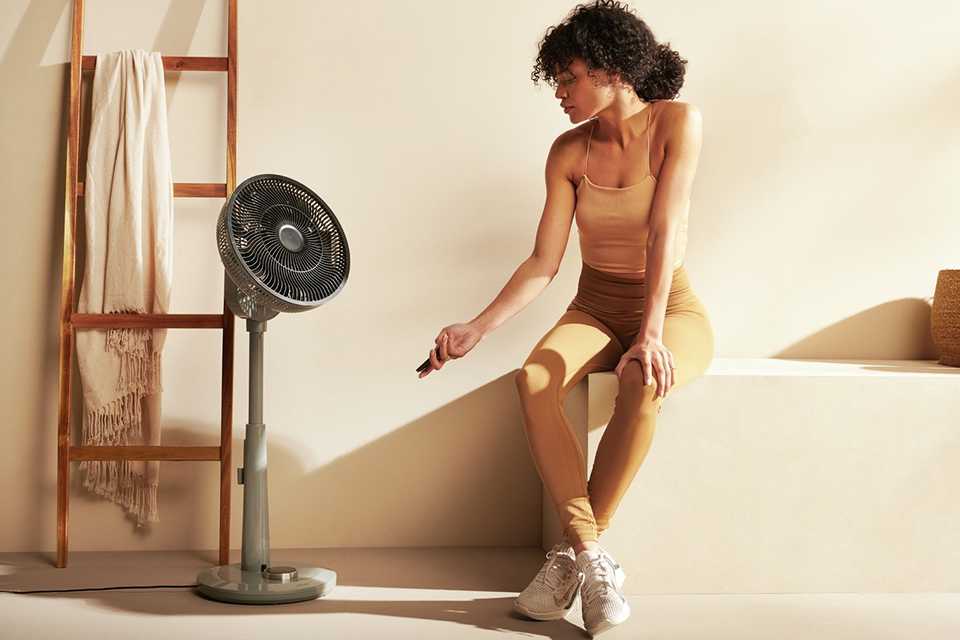
Pedestal fans
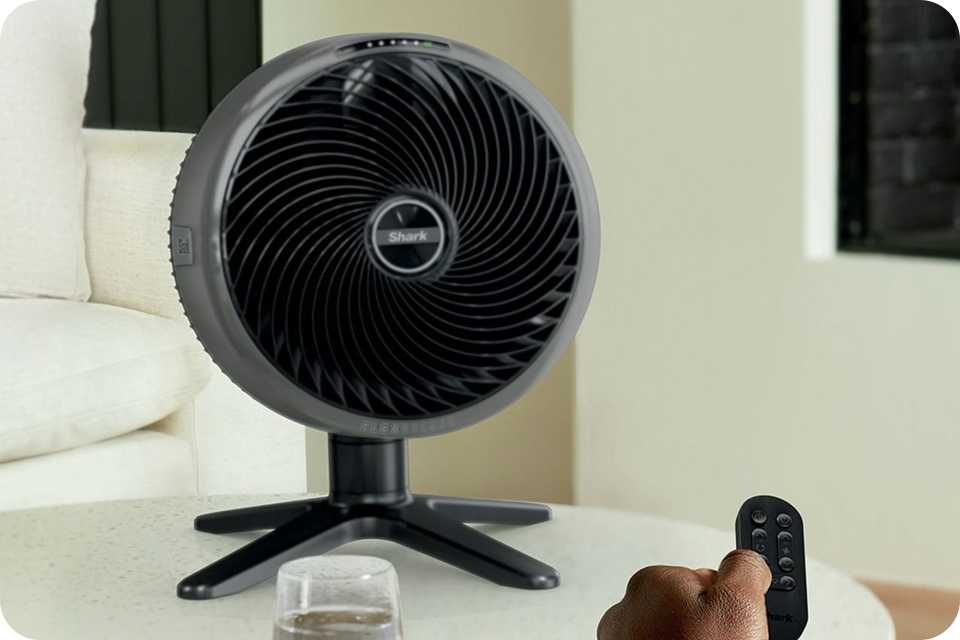
Pedestal fans offer more power while still being portable. Most offer oscillation and have height adjustment making it easier to set them up exactly as you need them. Their larger size and more powerful output make them ideal in larger rooms like living rooms.
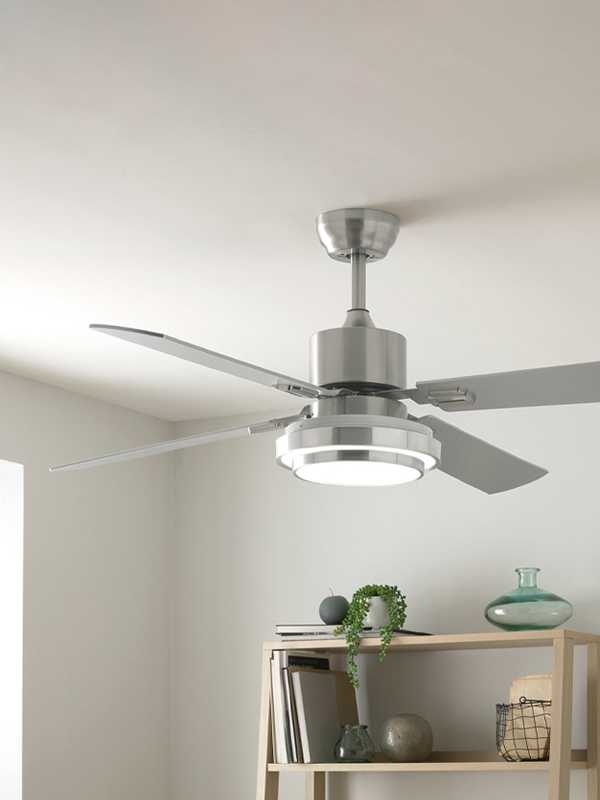
Ceiling fans
For whole room cooling, a ceiling fan is ideal. Where portable fans can be moved from room to room, ceiling fans are fixed. They cover a larger area all at once compared to other fans, so they are ideal options for bedrooms for overnight cooling.
Air conditioning and cooling
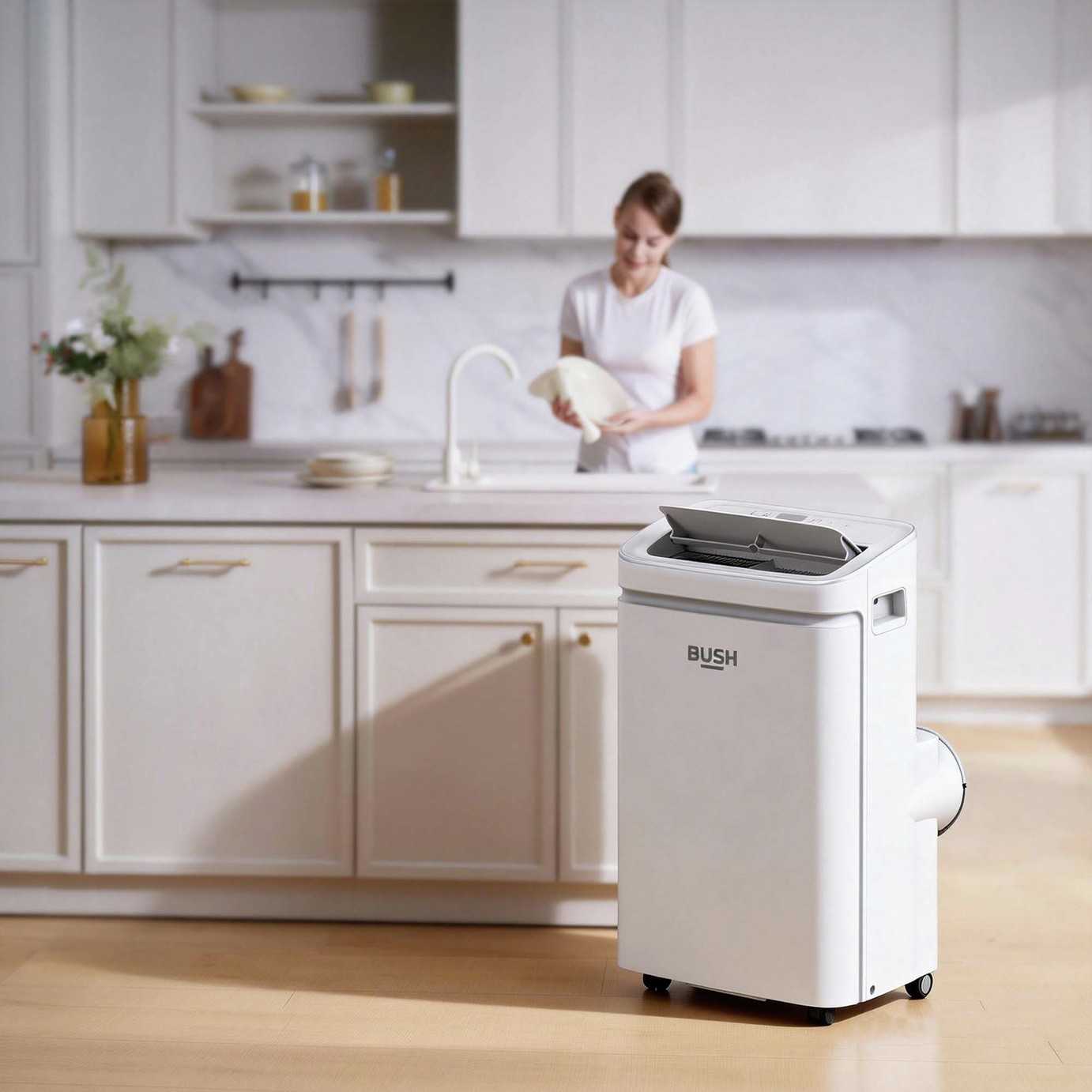
Portable air conditioners for quick relief
When you need more powerful cooling, portable air conditioners offer greater relief from the heat. Ideal for bedrooms and home offices, they offer flexible cooling for whole rooms. As they need an exhaust hose set them up as close to a window as possible to reduce heat escaping back into the room. Take a look at our air conditioner buying guide for more information.
Air coolers vs air conditioners
For peak cooling in your home, air coolers and air conditioners are your best bet. Both offer more relief from the heat than fans but there are some differences to be aware of when deciding which option is best for you.
| Feature | Air conditioning (portable) | Air coolers |
|---|---|---|
Cooling method | Removes heat using a compressor and refrigerant | Cools by adding moisture to the air |
Climate suitability | Works well in all climates, especially high humidity areas | Works best in dry climates (40% humidity or below) |
Ventilation | Requires ventilation via a pipe out of an open window or door | No direct ventilation required |
Temperature control | Precise control, usually allowing you to set a specific temperature | Drops temperature by approximately a few degrees depending on the humidity of the location |
Energy and costs | Higher electricity consumption and typically higher upfront cost | Lower energy cost due to only using fan and water pump. Typically, lower upfront cost |
Things to consider before purchasing
Air conditioning units are rated by British Thermal Units (BTU). As an average, you should aim for at least 20 BTU per square foot of room size. Then adjust up or down depending on weather your room tends to be warmer or cooler as standard. It’s also worth researching the noise levels of the units to see how suitable they will be for use in your chosen rooms.
Block heat before it builds up
Curtains and blackout blinds
Thermal lined and blackout curtains are a great way to prevent heat build up in rooms, especially in south-facing rooms. Thermal lining will insulate the room from solar energy helping keep the room cool, while blackout curtains will keep the sunlight out, keeping rooms more comfortable. Blackout blinds are primarily designed to keep sunlight out, which will help cut down on the temperature.
Close internal doors if you aren’t using a room
If you’ve got spare rooms, utility rooms or bathrooms that don’t need to be kept cool, close the doors. It will make the rest of the house easier to keep cool throughout the hottest part of the day.
Switch off heat-generating appliances
Keep lights off if you don’t need them. Though modern lights do give of much less heat than older models, there will still be some heat so only use them when needed. Consider swapping to no-cook meals so you don’t need to fire up the oven or air fryer. Turn off any electronics you don’t need at the time. Small changes can add up.
Cool your bedroom for comfortable sleep
Carousel

Go for light weight bedding
Swap out synthetic materials to help keep you cool as you sleep. Go for duvet covers, pillowcases and bed sheets made from natural materials like cotton, bamboo and linen. For more summer-ready inspiration, explore our guide to summer bedding and bed sets.
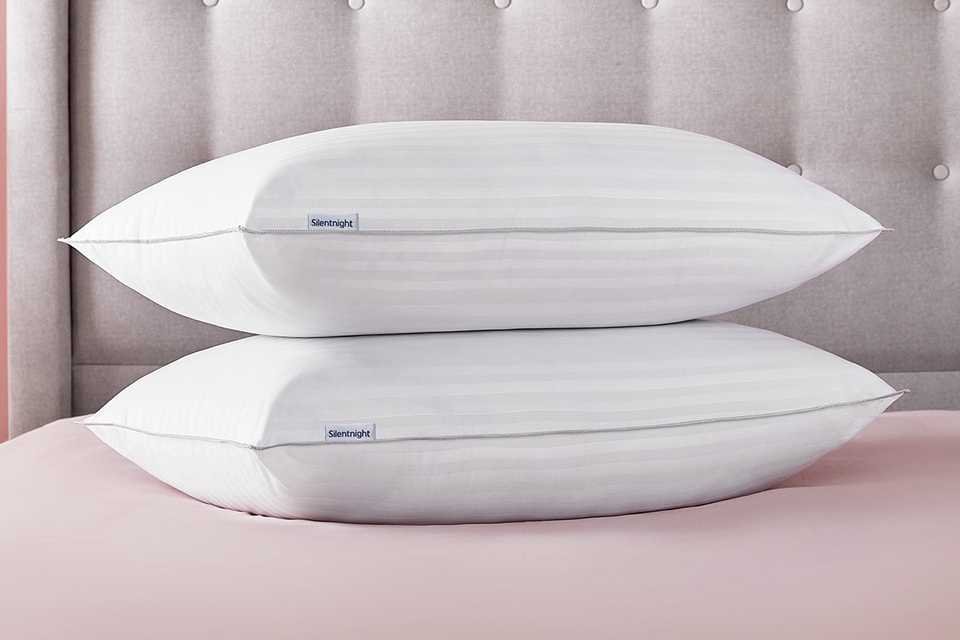
Sleep comfortable with cooling pillows, mattresses and toppers
Cooling pillows contain materials that will help draw body heat away from you, keeping you cooler as you sleep. Choosing a mattress or topper with cooling gel or breathable properties will help you sleep comfortably and minimise those unpleasant sleep sweats.
Quick cooling hacks checklist
Use this handy checklist for quick and easy ways to stay cool and beat the heat.
- Dress in light materials – think natural materials such as cotton, linen and bamboo
- Turn your shower temperature down
- Drink plenty of water
- Use damp cloths to keep face and neck cool and hydrated
- Avoid cooking in the hottest part of the day and, if possible, swap meals for no-cook options
Beat the summer heat FAQs
What is the fastest way to cool a room?
Maximise the airflow in your house when outdoor temperatures are low. Combine this with optimal fan placement and keeping curtains and blinds closed to prevent heat from building up.
Are fans or air conditioners better?
Fans tend to be more affordable to purchase and run, and, except for ceiling fans, most are portable. Air conditioning is more expensive to buy and run but will give you more powerful, faster cooling.
How can I keep my house cool without air conditioning?
Ventilation during the early morning and late evening when outside temperatures are at their lowest will help cool your home. Curtains and blinds will aid by keeping the sun out, and fans will help circulate the air around your home. Swapping bedding for natural materials and using a cooling pillow and mattress can all aid cooling without the need for air conditioning.
Do blackout curtains really keep heat out?
Yes – by preventing sunlight from passing into your rooms, you reduce solar gain which causes temperatures to rise.
Does putting a wet towel over a fan make it cooler?
Yes, this can make the air feel cooler through evaporative cooling. You can also place a large bowl or tub with cold water and ice behind your fan for a similar effect.
Is it cheaper to run your AC all day or turn it off and on?
While it’s inefficient to run air conditioning while you aren’t home, it can be used efficiently – raise the temperature at least 4 degrees if not more while you are away so that the system does not have to work as hard to cool your home when you return.
What is the 3-minute rule for air conditioners?
The 3-minute rule for air conditioners is a safety guideline that dictates waiting at least three minutes before turning an AC unit back on after it has been shut off. This brief pause is crucial for allowing the refrigerant pressure inside the system to equalize before the compressor restarts.