
Headphones for sports and activities
Get into the zone when you hit the gym, go for a run or head out for a cycle ride with the perfect set of headphones for your workout.
Shop sports headphones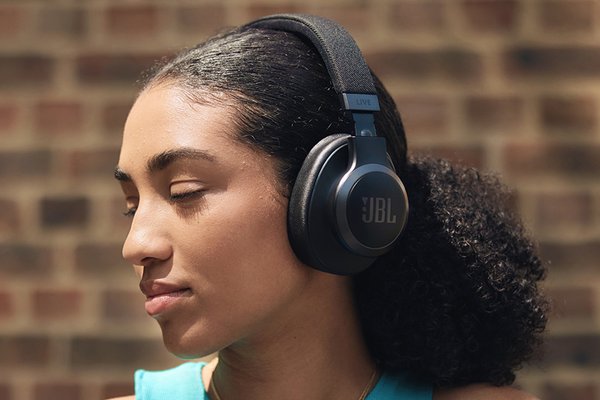&poi={$this.metadata.pointOfInterest.x},{$this.metadata.pointOfInterest.y},{$this.metadata.pointOfInterest.w},{$this.metadata.pointOfInterest.h}&scaleFit={($this.metadata.pointOfInterest.x>0)?$sfpoi:$sfcenter}&sm=aspect&aspect=3:2&sfcenter=center&sfpoi=poi&qlt=50&fmt=auto&noiser=0&fmt.jpeg.interlaced=true&fmt.jp2.qlt=40&)
By Steven Smith | Date published: July 2026
Music, podcasts or a favourite playlist can make your workout more enjoyable. But when you’re moving around, you’ll want the right pair of headphones.
The best headphones for sports should feel secure, comfortable and suited to the activity. This guide explains the key features to look for, from sweat resistance and fit to open-ear designs, noise cancelling and battery life.
Quick answer: what should you look for in sports headphones?
For most workouts, choose sports headphones or wireless earbuds with a secure fit, sweat resistance, simple controls and enough battery life for your usual session. For outdoor running or walking, open-ear earbuds or transparency mode can help you stay more aware of your surroundings. For swimming, only choose headphones clearly described as suitable for swimming.
What makes for good sports headphones?
Sports headphones, while not being a specific type, are headphones or earbuds with features suited to active pursuits. They usually feature wireless connectivity, ear hooks or wing tips to help them stay secure, are sweat resistant or waterproof, and may even be open ear to afford external sound for optimum safety when outside. If they sit over the ear, ideally, they should remain secure under movement while being comfortable.
Lightweight and easy to operate while exercising are definite considerations for a good seat of headphones or earbuds for working out.
What features are best for different sports?
Many features will cross over from sport to sport, but there are things worth looking out for depending on which sports you plan to use them for.
Running – Ear hooks or wing tips will help keep them secure while you run. Consider open ear or bone conduction headphones if you’re running outdoors, or ensure they have a transparency, ambient or pass-through sound function so you can hear your surroundings. Wireless options will add comfort and convenience and built-in controls for ease of operation.
Gym workouts – Ear hooks or wing tips for wireless sports earbuds, or snug fitting over-ear headphones that will stay put during vigorous movements. Wireless connectivity with built-in controls will allow maximum freedom during exercise. Sweat resistance will prolong your device during particularly strenuous workouts.
Walking – While ear hooks and wing tips are less crucial for gentler walking, they may be useful. A secure fit will be key to ensuring they stay put. For added comfort, wireless connectivity will be great. Look for transparency settings so you can remain aware of your surroundings.
Cycling – While it’s not usually recommended to listen to audio while cycling outside, open-ear or bone conduction headphones will allow you to hear what’s going on around you while enjoying your favourite music, audiobooks or podcasts. You’ll want sweatproof options, and something secure with ear hooks or wingtips to keep them in place.
Wireless, wired or open-ear headphones?
The right headphone type depends on how you exercise and what feels comfortable.
True wireless – these offer ultimate freedom when moving around. They are well suited for running or more vigorous gym workouts where lots of movement is involved.
Wireless with neckband – wireless connectivity means no trailing wires interfering with your movement, while the neckband can feel more secure for some users.
Wired headphones – no need for charging. Straightforward operation, just connect to playing device. Not well suited to high intensity activity involving lots of movement.
Over-ear headphones – best for lower intensity workouts. Might feel bulky and warm to wear during more intense exercises.
Open-ear or bone induction headphones – great for outdoor activities where being able to hear your surroundings while listening to audio. These devices offer less or no noise cancelling.
Noise cancelling, transparency mode and awareness
Noise cancelling, transparency mode and open-ear designs all manage outside sound in different ways.
- Noise cancelling: helps reduce some background sound, which can be useful for indoor workouts, travel or busy gyms.
- Transparency mode: lets in more surrounding sound, which can help when walking, running outdoors or listening out for announcements.
- Open-ear design: leaves the ear canal more open, so you can hear more of what’s around you.
- Passive noise isolation: blocks some sound through the ear tip seal, which can help when you want a more focused listen.
For outdoor exercise, avoid listening at a level that stops you hearing important sounds around you.
Safe listening while you exercise
It can be tempting to turn the volume up during a workout, especially in a busy gym or outside near traffic. But listening too loudly or for too long can affect hearing over time.
The UK Hearing Conservation Association advises people to think about how long they use headphones and to check listening levels. It also recommends reducing exposure to loud sounds and using hearing protection in noisy settings where needed.
Simple ways to support safer listening include:
- Keep the volume comfortable rather than loud
- Take listening breaks during long sessions
- Use noise-cancelling or better-fitting headphones where appropriate, so you are less likely to raise the volume in noisy places
- Pay attention to ringing, muffled hearing or discomfort after listening
- Speak to a qualified hearing professional if you’re worried about your hearing
This is general guidance only and not medical advice.
Quick checklist before choosing sports headphones
Before you buy, ask yourself:
- What activity will I use them for most?
- Do I need earbuds, over-ear headphones or open-ear earbuds?
- Will I use them indoors, outdoors or both?
- Do I need sweat resistance, water resistance or swimming-specific headphones?
- Do I want noise cancelling, transparency mode or both?
How long does the battery need to last?
Sports headphones FAQs
What type of headphones are best for running?
The best headphones for running are usually lightweight, secure and comfortable over longer distances. Many runners prefer wireless earbuds with ear hooks, wing tips or a snug in-ear fit because they’re less likely to move around. Open-ear earbuds can also be useful outdoors, as they let in more surrounding sound than fully sealed earbuds. Look for sweat resistance, easy controls and enough battery life for your usual run. If you run outside, keep the volume at a level where you can stay aware of what’s around you.
Do runners wear headphones or earbuds?
Runners use both, but earbuds are often more practical because they’re smaller, lighter and less likely to feel warm during exercise. Sports earbuds are designed to stay secure while you move, especially if they include ear hooks, wing tips or different ear tip sizes. Some runners prefer open-ear earbuds for outdoor routes because they allow more surrounding sound in. Over-ear headphones can work for walking or light jogging, but they may feel heavier during longer or faster runs.
Are over-ear headphones ok for the gym?
Over-ear headphones can be used in the gym, especially for lower-impact workouts, walking on a treadmill or strength training. They may feel more comfortable for people who do not like in-ear buds. However, they can feel warmer and may move around during high-intensity exercise. If you want over-ear gym headphones, look for a secure headband, comfortable ear cushions and sweat-resistant features where available. For fast movement, compact sports earbuds may feel easier to wear.
What earbuds won’t fall out during a workout?
Earbuds that stay in place usually have fit features such as ear hooks, wing tips, multiple ear tip sizes or a lightweight shape. A good seal helps in-ear sports earbuds feel more stable, while ear hooks can add extra support during running or gym workouts. If standard earbuds feel uncomfortable, open-ear earbuds or neckband styles may be worth considering. Fit is personal, so check the product details and try different ear tip sizes before using them for a full workout.
Are wireless earphones good for running?
Wireless earphones are a popular choice for running because there are no cables to catch on clothing or move around as you run. True wireless earbuds are compact and often come with a charging case, while neckband earphones can feel more secure for some runners. Look for a stable Bluetooth connection, sweat resistance, a secure fit and simple controls. For outdoor running, transparency mode or open-ear designs can help you hear more of your surroundings.
Can you use sports headphones for swimming?
Only use sports headphones for swimming if the product is clearly described as suitable for swimming. Sweat resistance and general water resistance do not automatically mean headphones can be used in a pool. Always check the product details, including the water resistance information and manufacturer guidance, before using headphones around water. If swimming is the main activity, look for headphones specifically designed for swimming rather than standard sports earbuds.
Why choose open-ear earbuds for outdoor activities?
Open-ear earbuds can be useful for outdoor activities because they let in more surrounding sound than fully sealed in-ear headphones. That can help when walking, running or exercising in places where you want more awareness of people, traffic or announcements nearby. They may also feel more comfortable if you dislike the feeling of earbuds sitting inside the ear canal. However, they usually offer less noise isolation, so they may not suit users who want a more enclosed listening experience.