
Energy saving ideas to help cut your energy bills
When the cost of living is high, it’s worth making sure you’re not paying for energy you don’t actually need. Small changes to your daily routines, how you heat rooms, use appliances, and light your home, can help reduce waste and bring your energy bills down over time.
&poi={$this.metadata.pointOfInterest.x},{$this.metadata.pointOfInterest.y},{$this.metadata.pointOfInterest.w},{$this.metadata.pointOfInterest.h}&scaleFit={($this.metadata.pointOfInterest.x>0)?$sfpoi:$sfcenter}&sm=aspect&aspect=3:2&sfcenter=center&sfpoi=poi&qlt=50&fmt=auto&noiser=0&fmt.jpeg.interlaced=true&fmt.jp2.qlt=40&)
By Steven Smith | Last edited: June 2026
This guide is focused on practical, money‑saving steps you can start today, plus a simple explainer on energy ratings so you can make smarter choices when replacing appliances.
Looking for eco-friendly lifestyle swaps too? You’ll find broader sustainability inspiration (recycling, materials, greener living) in our Sustainable Home Ideas hub.
Understanding energy ratings
Energy ratings in your home
When it comes to the energy efficiency of your home as a whole, there are two main ratings you'll be looking at.
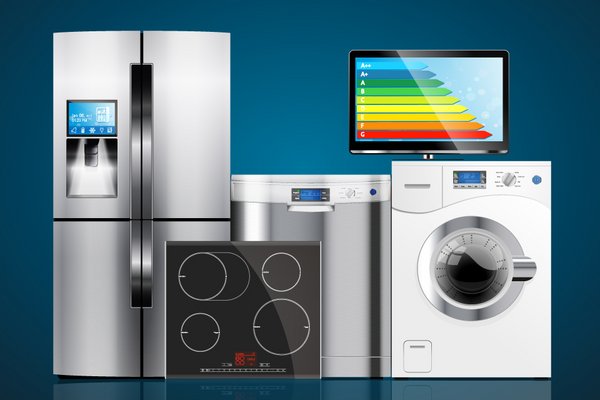
The first one is about the overall energy rating for your property and is called the EPC (Energy Performance Certificate) rating. It's a sliding scale from A-G, which rates your home on a number of factors. This rating can be improved by a mix of big and small changes; anything from wall, floor and loft insulation, double glazing and modern boilers or heat pumps, to smart heating controls and LED lights can all help improve this. It looks at estimated running costs and the individual certificate for your property will also suggest improvements.
Appliance energy ratings give you an idea of how energy efficient each individual appliance in your home is. Most of these won't necessarily impact your EPC rating, but all things working together will help you to save money on your bills.
What do A–G appliance energy ratings mean?
In the UK, all electric appliances come with an energy rating label, grading it from A to G. The closer to A the appliance is, the more effecient it is. While they'll never give you a direct saving on them, it helps you to chose between different models, and pick one that will help you save money every time you use it. It shouldn't be confused with the previous rating system of A+++ to D which is now outdated.
| Energy Rating | What it means | How it affects your bills |
|---|---|---|
A | Most efficient available | Typically, the lowest running costs |
B-C | Very efficient | Lower than average running costs |
D | Mid-range efficiency | Average running costs |
E-F | Less efficient | Higher running costs |
G | Least efficient | Highest running costs |
Energy labels were updated in the UK to make them clearer, rather than the previous A+++ to D rating system, we now have A to G. Although it's hard to accurately map the old system to it because the new uses updated and stricter measures, on average an A+++ rated fridge would now be around a C. This allows buyers to spot more efficient appliances more easily in the future.
Quick and easy home energy saving tips
These are simple, low‑effort habits that can stop unnecessary energy use and help you spend less on bills.
-
Turn off your appliances - If you can, turn your appliances off at the socket rather than leaving them on standby. While standby does reduce the power drawn by your appliances, they do still use some as this acts more like a sleep mode. While some appliances and tech needs to stay powered at all times (think fridges, freezers and even things like fish tank filter pumps), kettles, TVs and toasters could be switched off when not in use. Small changes can add up over the year helping to reduce your bills and save you money!
Money-saving mindset: if you’re not using it, try not to pay for it!
-
Wash on a cool setting - Where clothes are only lightly soiled, consider turning the temperature down from 40°C to 30°C, or even 20°C. Using a lower temperature and a fuller load will help save energy and money each wash. If you're machine has an eco mode, using this can help, too by using longer soak times and agitation, making them particularly good for washing at 20. Dropping your temperature to 20 can reduce energy usage by up to 62%.
Extra tip: if you can, spin faster and air‑dry — tumble drying is often costly.
-
Don't boil a full kettle every time - Boiling your kettle is one of the most-discussed areas when it comes to saving energy. After all, us Brits do love a cup of tea or a mug of coffee! During major sporting events, it's often said that the National Grid can tell when an England game reaches half time due to a spike from kettles being boiled! You can help reduce the strain on the power grid and your wallet by only boiling as much water as you need, rather than a full kettle. It uses less power, wastes less water and means you'll be sipping on your favourite brew in no time thanks to faster boiling times.
-
Switch to LED bulbs -
Replace old light bulbs with LEDs. While they do usually carry a higher purchase price compared to more traditional bulbs, they can use up to 90% less energy and last up to 20 times as long. This lower running cost, combined with a significantly improved lifespan will bring you savings over their lifetime. Check out our LED light bulb guide to learn more.
Extra tip: combine LED bulbs with timers, smart plugs and smart home assistants like for ultimate control and savings potential. With these devices you can set up schedules, routines, use voice control and control them remotely from your smartphone.
-
Keep your showers short -
Where possible, swap baths for showers, and keep them as short as possible. A short shower might not be as relaxing as a long soak, but it can use less water and heating than a leisurely bath. Turning off the water as you shampoo and lather up will also help keep water and heating costs to a minimum.
Extra tip: Set a timer the next time you jump in the shower. See how long on average you spend in there. If it's longer, aim to cut the time to 4 minutes at the most to cut your bills further.
Expert advice
From an appliance perspective the biggest drivers of energy consumption in the home are heating and using high usage appliances like washing machines, tumble dryers and dishwashers. Small changes in how these are used can make a big difference to household bills.
- Washing at lower temperatures – modern detergents are designed to work well at lower temperatures like 30 degrees which uses much less energy than hotter cycles
- Running fuller loads – making the most of the capacity of your washing machine or dishwashers means you can reduced the number of cycles in a week you need to run
- Choosing energy efficient appliances – newer models are designed to use less water and energy so upgrading older appliances can help with savings on energy bills
- Using eco settings – These programmes are optimised to reduce energy and water consumption so whilst they may take longer to run they are infact helping to save money
Carly Pearson, Head of Buying for Household Electricals
Room-by-room energy saving tips
Carousel

Energy-efficient kitchens
Use the right appliance for the job
For smaller portions, smaller appliances can be a practical option because you’re heating a smaller cooking space — but the best choice depends on what you’re cooking and how much.
Money-saving tip: batch cooking (cooking multiple servings at once) can be cheaper than repeated cooking sessions.
Help your fridge/freezer run efficiently
- Defrost when ice builds up: excess ice can make freezers work harder.
- Check door seals: poor seals leak cold air, which can increase running time.
Dishwasher habits that can cost less
- Wait for full loads rather than running half loads.
- Use eco modes if your machine has them.
Energy-saving tips for your living room
Heat the rooms you use, not the whole house
If you spend most of your evening in one room, it can be cheaper to keep that room comfortable (doors closed, heat where needed) rather than heating unused spaces.
Cut draughts to stop paying for “lost heat”
Draught proofing around doors and windows helps reduce heat loss, which can make rooms feel warmer at the same thermostat setting.
Quick wins: draught excluders, letterbox brushes, curtain linings, and checking window seals.
Lighting: focus light where you need it
A lamp near where you sit can be more cost‑effective than lighting the whole room. Switching to LED bulbs can also reduce running costs over time.
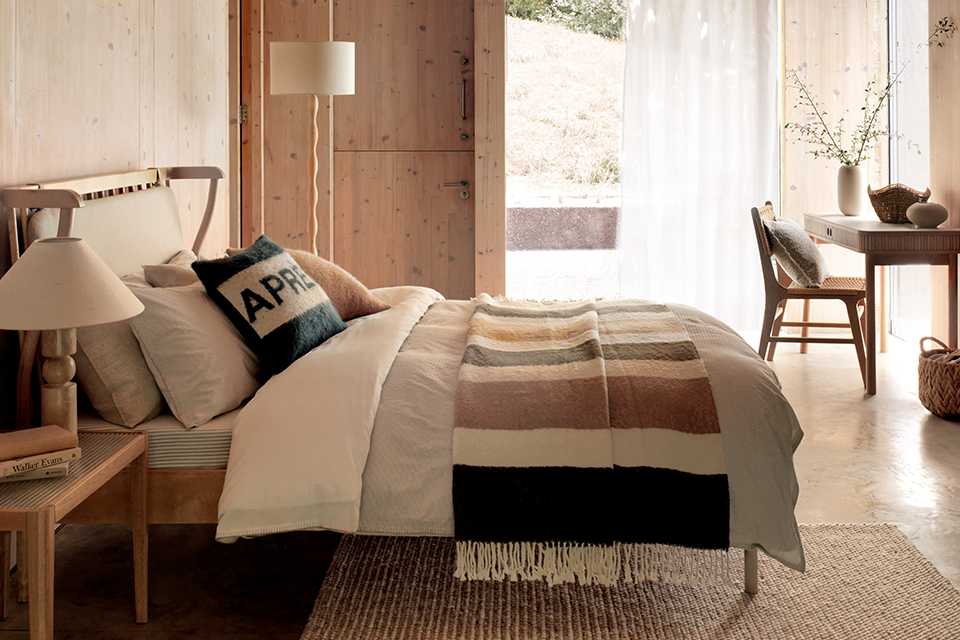
Bedroom & home office energy wins
Use timers and smart plugs for “set-and-forget” savings
Timers help you avoid leaving lamps, chargers or office gear running longer than needed. Smart plugs can also help you manage standby power more easily, and many offer apps so you can monitor and control them remotely.
Don’t heat, cool or light empty rooms
If you’re working from home, you'll want to keep your work space at a comfortable temperature and suitably lit. Only turn on lights, heating or cooling systems in rooms your using to help save on your bills.
Common energy saving myths
Myth 1: "It’s cheaper to leave the heating on low all day"
Reality: while it might sound reasonable to leave your heating on so the house isn't constantly cycling from warm to cold, you're actually using more energy. Only turn on the heating when you need it to save money on your bills. By using smart heating systems or thermostats and only heating the rooms you're using, you can save even more money.
Myth 2: "Switching things off at the wall will mess up settings"
Reality: a lot of newer appliances can retain their settings even when isolated from the mains power. This won't always be the case, however, so it's definitely best to check your manufacturer-supplied instructions for your specific appliance.
Myth 3: "New appliances always cost more to run"
Reality: this one is a lot harder to answer definitively. In theory, with improvements in technology, newer appliances can be cheaper to run. That said, it really depends on a wide range of factors. The best thing to check the energy rating label for the efficiency rating, and refer to the manufacturer for more info.
Energy saving FAQs
How can I save money on my energy bills?
There's a number of things you can do, big and small, to help reduce your energy bills and save some money. At the bigger end of the scale, new, more efficient boilers, home insulation and doube glazing can make a difference. On a smaller scale, changing light bulbs out for LEDs, using smart plugs, and smart heating systems can also help. Ofgem is a great resource filled with tips for reducing your bills.
Do tumble dryers use a lot of energy?
Tumble dryers do tend to use quite a bit of electricity. Using a clothes airer or outdoor washing line is a free option for drying your laundry. If tumble drying is your only option, fill the drum to the maximum recommended by the manufacturer to reduce the number of loads you run each week.
What things are most likely to run up my utility bills?
There are wide number of things that might increase your bills. Leaving things on standby that could be switched off, filling the kettle for a single drink, under sized laundry loads at a high temperature and long showers are all things that can increase your bills, along with heating the whole house.
How can I improve the EPC rating of my house?
The best way to do this is to check your property's EPC certificate. This should contain a range of suggestions to help you make your home more energy efficient including things like heat loss prevention and heating system improvements and efficiencies.
How can I lower my gas bill?
Heating and hot water usage are the two main uses of gas. Reducing your heating temperature by a single degree and reducing your showers to four minutes will help keep your bills down. Install smart heating controls to help track and control your heat usage, and only put the heating on when you need it. Other changes such as batch cooking can help by reducing the number of times you use gas hobs and ovens.