
Baby proofing your home
From safety gates to car seats and child proof locks, find everything you need to make your home a safe space for newborns, babies and toddlers.
&poi={$this.metadata.pointOfInterest.x},{$this.metadata.pointOfInterest.y},{$this.metadata.pointOfInterest.w},{$this.metadata.pointOfInterest.h}&scaleFit={($this.metadata.pointOfInterest.x>0)?$sfpoi:$sfcenter}&sm=aspect&aspect=2:1&sfcenter=center&sfpoi=poi&qlt=50&fmt=auto&noiser=0&fmt.jpeg.interlaced=true&fmt.jp2.qlt=40&)
How to baby proof your home
Use our baby proofing checklist to make your home a safe space for children learning to grasp, crawl, walk and explore. And remember, from baby gates to baby monitors, it's important to periodically check and maintain your baby safety products to ensure they continue to work effectively.
Carousel
Baby monitors
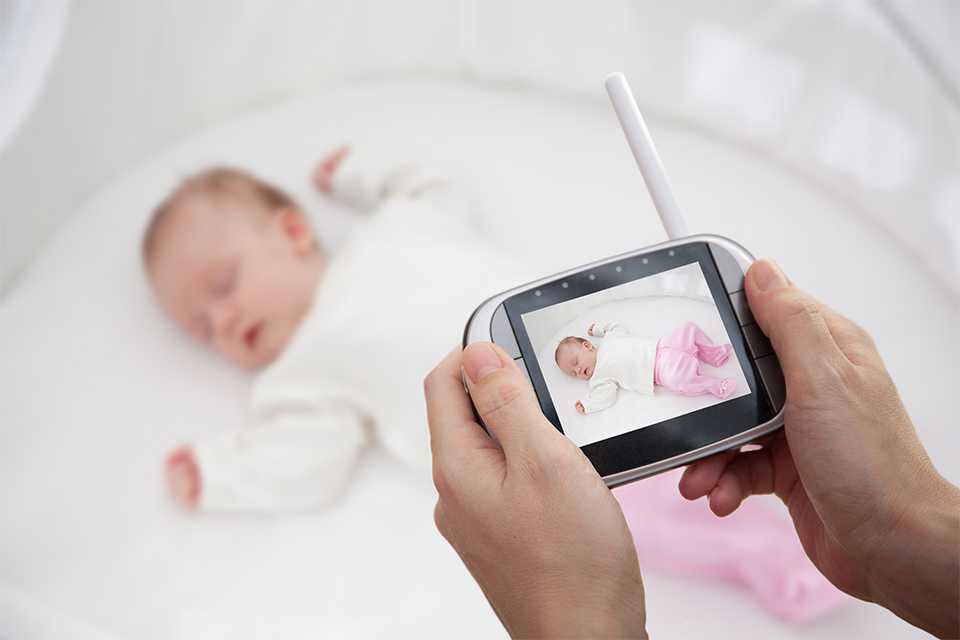
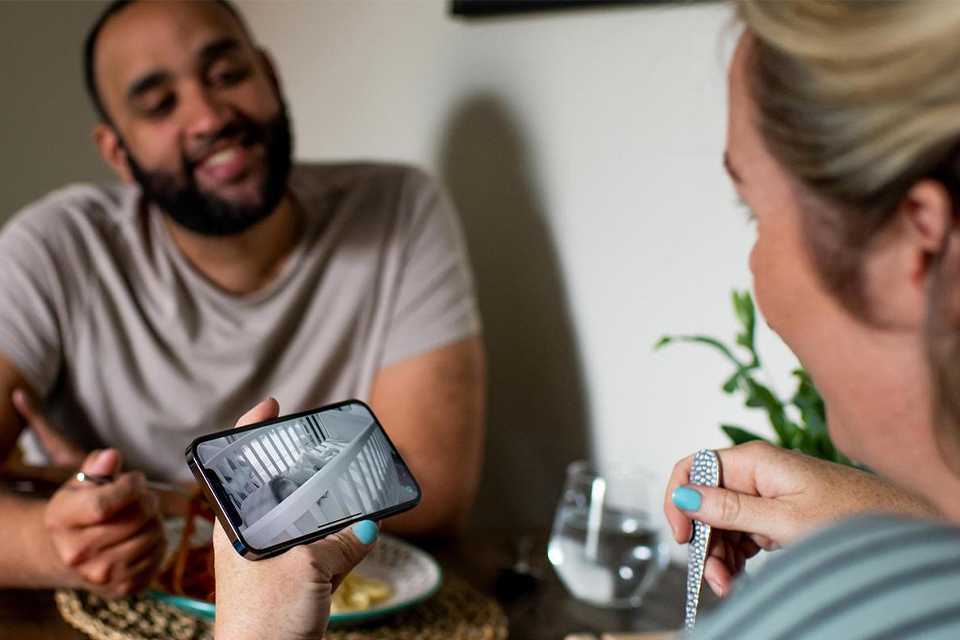
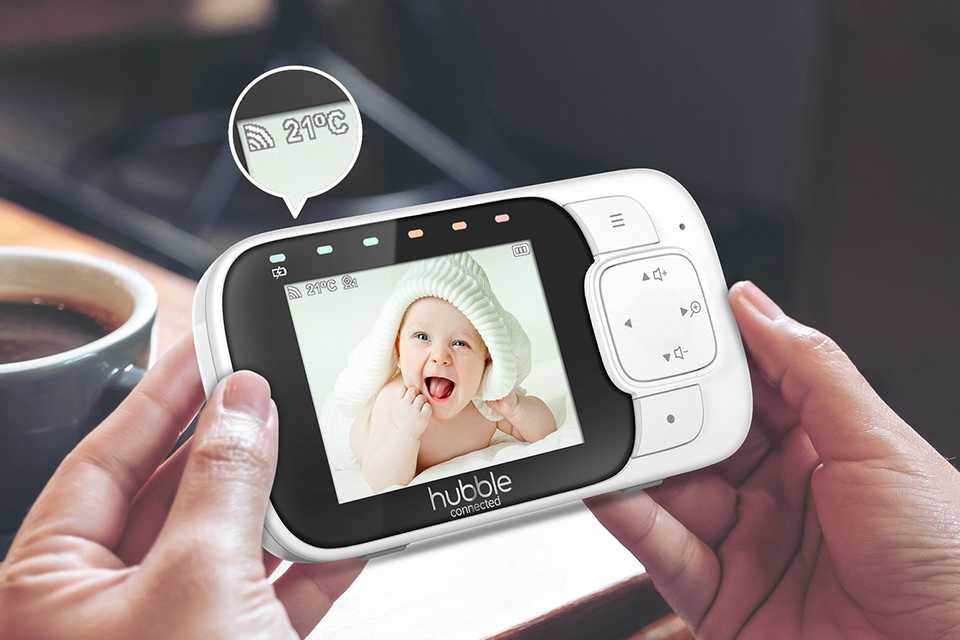
Keep an eye on your baby at all times with a baby monitor. Stay connected from anywhere in the house for complete peace of mind.


Types of child safety gates
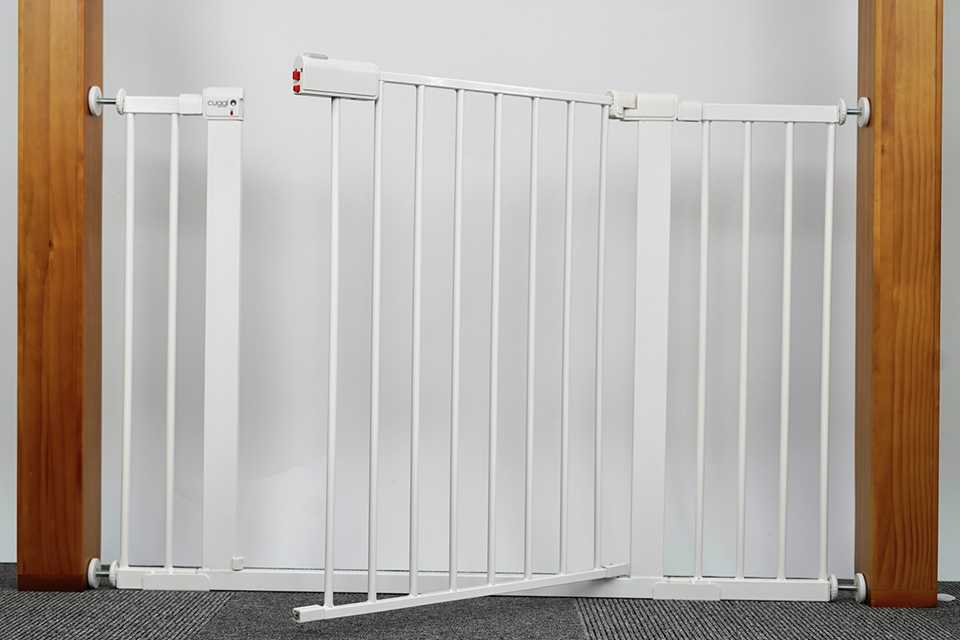
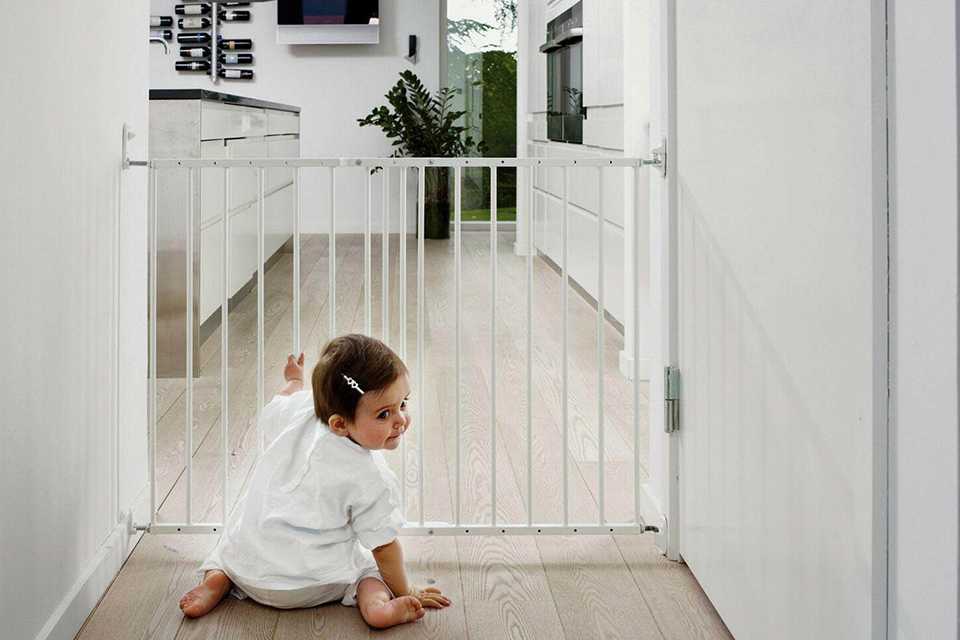
Wondering which child safety gate to buy? Here's the lowdown on the different types by fix and usage to help you decide.
Carousel

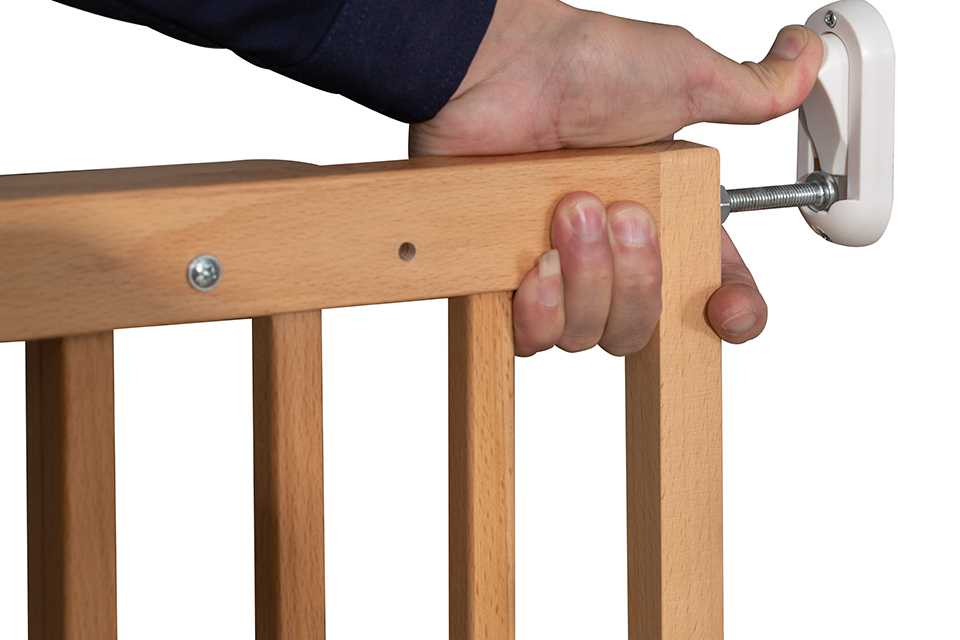

Measuring your safety gates
Always measure your space from the narrowest part, including skirting boards and doorframes. All safety gates are sized to fit within a width range - make sure you check the product details and the doorframe size to find the best fit.
Carousel

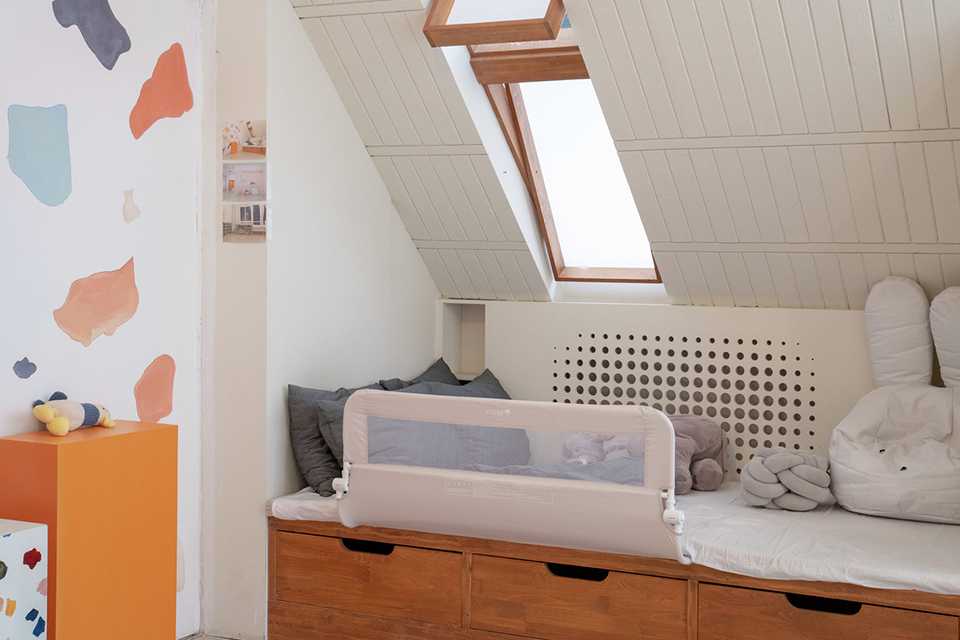
A note on bedtime safety
Child proofing checklist
Welcoming your baby home is exciting, and a big part of preparing for that new chapter is making sure your space is safe for the baby. Here's a detailed checklist to help you transform your home into a safe, welcoming place for your new arrival.
Carousel
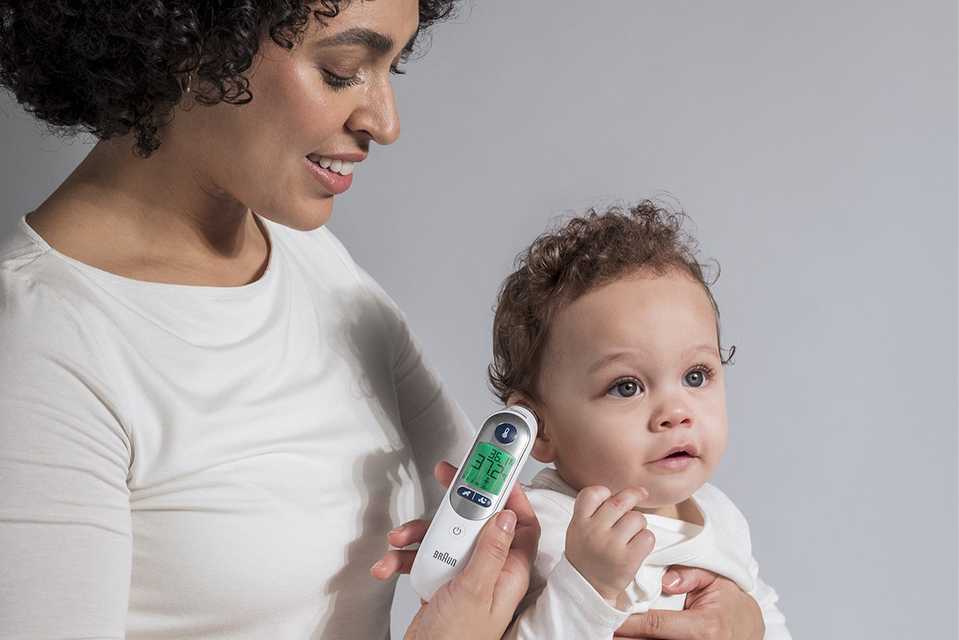
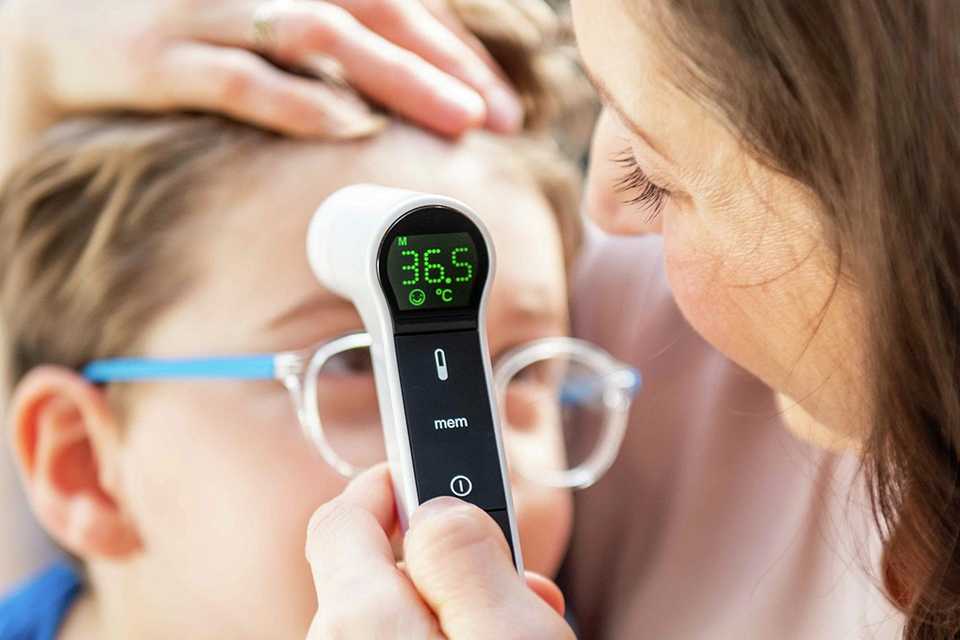
Baby thermometers
Easily find out when your little one has a fever so you can take the steps you need to get them feeling their best again. Remember - each baby is different, and it is always best to speak to a doctor in case of unusual changes in temperature and behaviour.
Carousel
More baby safety ideas
Carousel
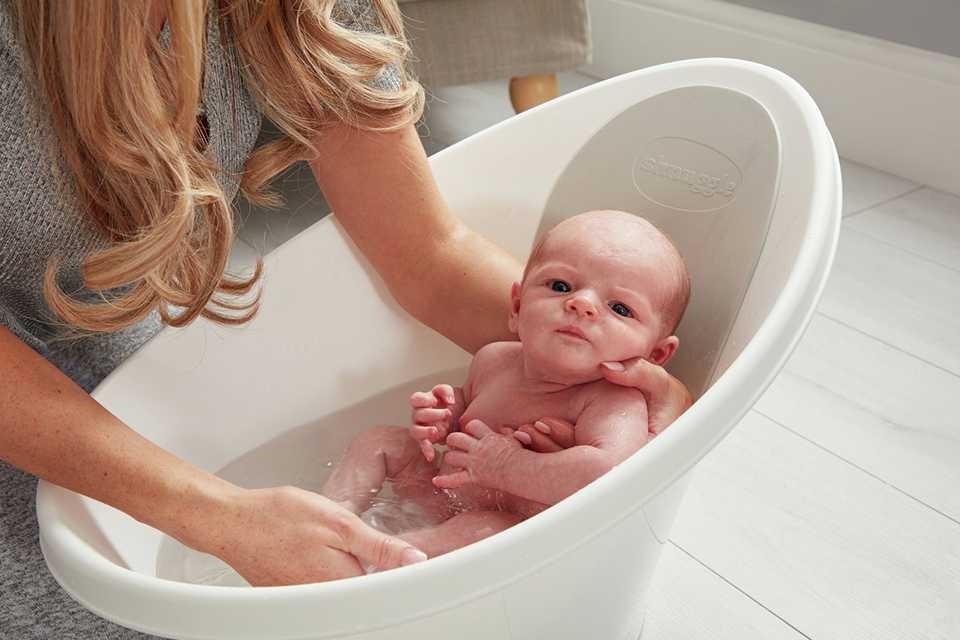
Baby bathing safety
Keep your baby clean without straining your back or stressing them out. Explore our range of products designed to make bathing and changing safe, fun and easy for babies of all ages. You can find more useful baby bathing tips including water temperature and the best time for a little scrub, in this detailed guide.

Frequently asked questions about baby safety and healthcare
When should I start baby proofing my house?
It's never too early to start baby proofing your home if you're expecting a child, but it is best to get cracking when they're roughly 4 to 6 months old. This helps you be prepared for increased mobility as they begin to crawl, roll and walk more easily. The more places they can reach independently, the greater the risk of an accident. Here's a guide to help you list different places in the house that would need baby proofing.
What should I baby proof in my house?
Stay one step ahead of your curious little explorer by baby proofing your house. These are some key areas that make the biggest difference and give you peace of mind:
- Furniture and TV: Secure your bookshelves, dressers, and TV to the wall so they can’t tip over if your baby pulls them.
- Electrical outlets: Use outlet covers or sliding outlet plates to keep tiny fingers safe.
- Cords and blinds: Tie up blind cords and keep any electrical cords out of reach to prevent tangling or pulling.
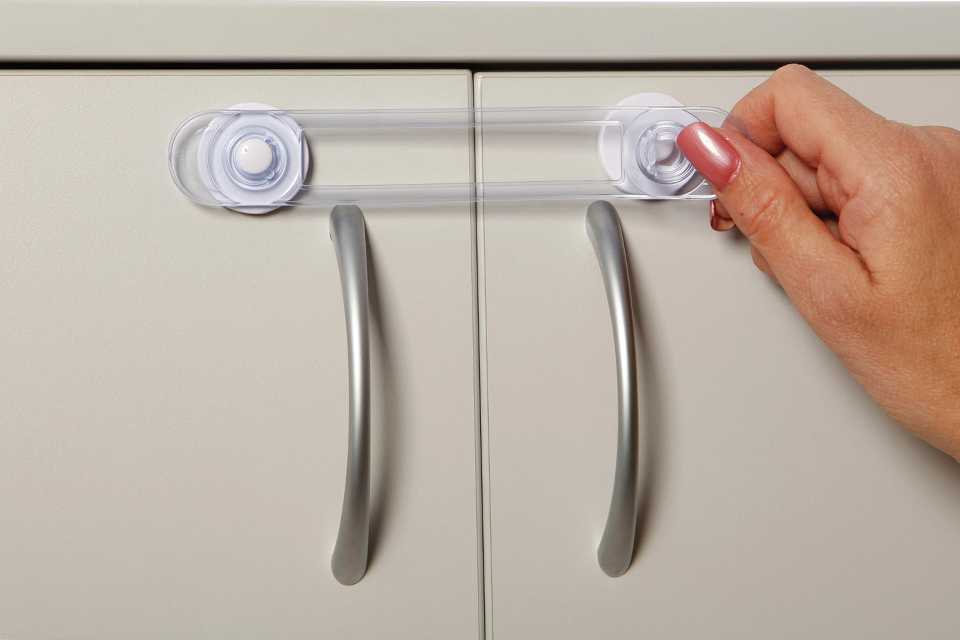
- Cabinets and drawers: Add safety latches to cabinets you store cleaning supplies, medications, or sharp objects in.
- Stairs and doorways: Install sturdy baby gates at the top and bottom of stairs and block/lock rooms that aren’t baby‑friendly.
- Sharp corners: Cushion the edges of the coffee table, fireplace, and low furniture with edge guards.
- Small objects: Keep coins, batteries, magnets, and other choking hazards off the floor and away from easy-to-reach surfaces.
- Kitchen hazards: Use stove‑knob covers, keep handles turned inward, and lock away detergents and alcohol in a cabinet.
- Bathroom safety: Add toilet locks, keep razors and cosmetics high up, and always empty your bathtub immediately after use.
What are common baby proofing mistakes?
While you may have checked off most of the things, there are chances you would've missed a few things. Here are some common oversights:
- Waiting too long: Babies start moving faster than expected, so baby proof your space as early as possible.
- Only baby‑proofing one room: Babies don’t stay in one place for long, so your whole home needs a quick safety sweep.
- Underestimating their reach: Your little one can stretch, climb, and pull more than you think. Anything on the edge of a table is fair game.
- Using low‑quality gates or latches: These products can break or pop open easily.
- Ignoring heavy items: Unsecured furniture is a hazard once babies start pulling up.
- Leaving bags within reach: Purses, backpacks, and diaper bags often contain medications, coins, or snacks that can be dangerous when swallowed by your baby.
- Not getting down to baby’s level: A quick crawl around the house can help you spot hazards you’d never notice from an adult height.
Keep in mind that baby proofing isn’t a one‑off task. It keeps evolving as your child becomes more mobile and curious.
What is the 2-hour rule for babies?
The 2‑hour rule usually refers to how long a baby can safely stay in a car seat, stroller, swing, or similar device. The general guidance around this is:
- Babies shouldn't remain in a seated or semi‑upright position for more than around 2 hours at a time. This is because long periods in these positions can affect breathing, posture, and comfort, especially in newborns. It’s not about strict timing but about encouraging regular breaks.
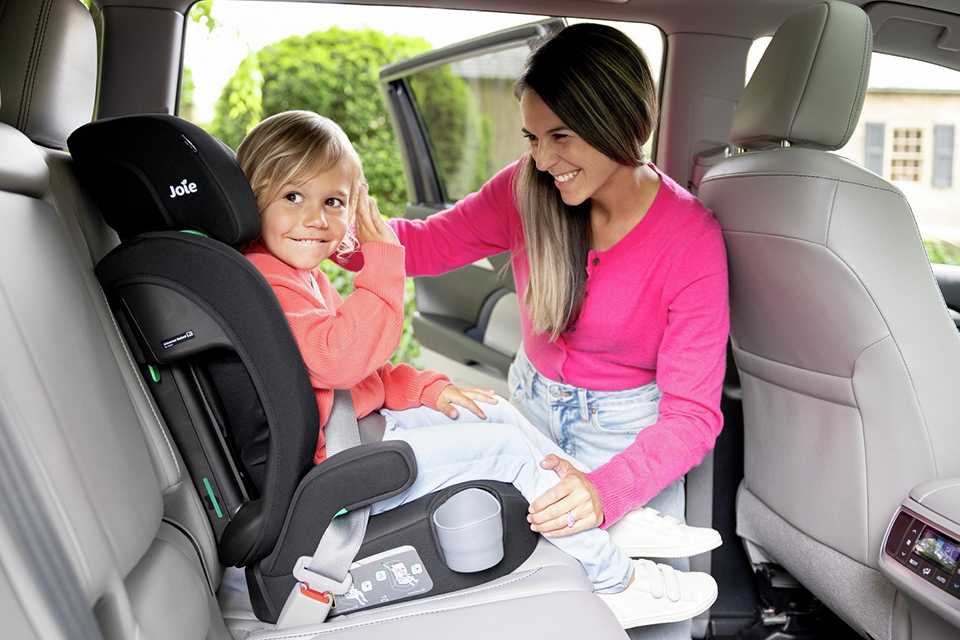
- Take your baby out of their car seat, carrier, or the travel system so they can move freely for some time.
- Let them lie flat or hold them for a bit.
- Make sure their head and neck are well supported when they’re in a seat.
If you’re unsure about what’s best for your baby’s safety or health, consult with a healthcare professional.
Where do I start with baby proofing?
As adults, it's easy to miss the little things that may pose a danger to a little child. One way to stay on top of baby safety is to get down to their level, and explore your living space. Keep your eyes open for what might look interesting and inviting to a curious child and check for dangers like sharp edges, electrical outlets, or choking hazards. Once you spot a threat, take steps to mitigate it by removing it or with appropriate accessories like corner guards, socket covers, and more.
Where can I find support as a new mom?
Motherhood is a beautiful journey, but it takes a village to raise a child. The Peanut app is a place where you can find a community of mothers sharing similar experiences, tips, resources, and more. A place to connect with other moms and find your village.
What healthcare products do I need for my baby?
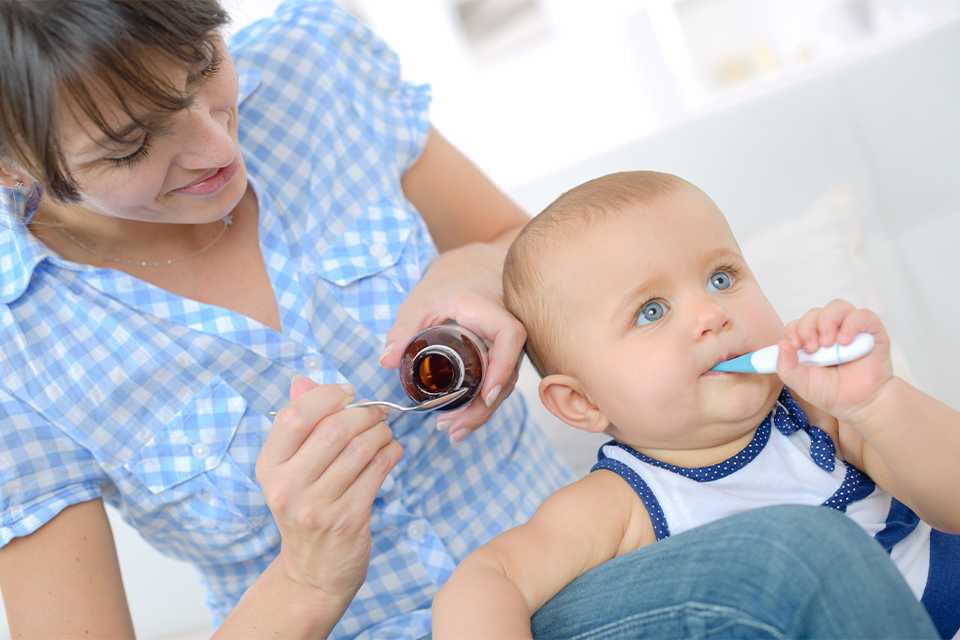
Make your home a safe and healthy environment for your baby with ear thermometers, nasal aspirators, humidifiers, and air purifiers, to help manage allergies and other minor ailments.
What are some more ways to baby proof my home?
There are some steps you can take to enhance baby safety at home apart from buying baby proofing products. If you have furniture like chairs or wardrobes that are likely to tip over with a push, you may want to anchor them to a wall or the floor, or fit them with anti-slip shoes. You could also lock up liquor cabinets or move unsafe items to higher areas out of the reach of curious young hands. Non-slip floor mats are also a great addition to any home for the added safety they offer to everyone regardless of age.