

Pressure washer buying guide
Why do you need a pressure washer
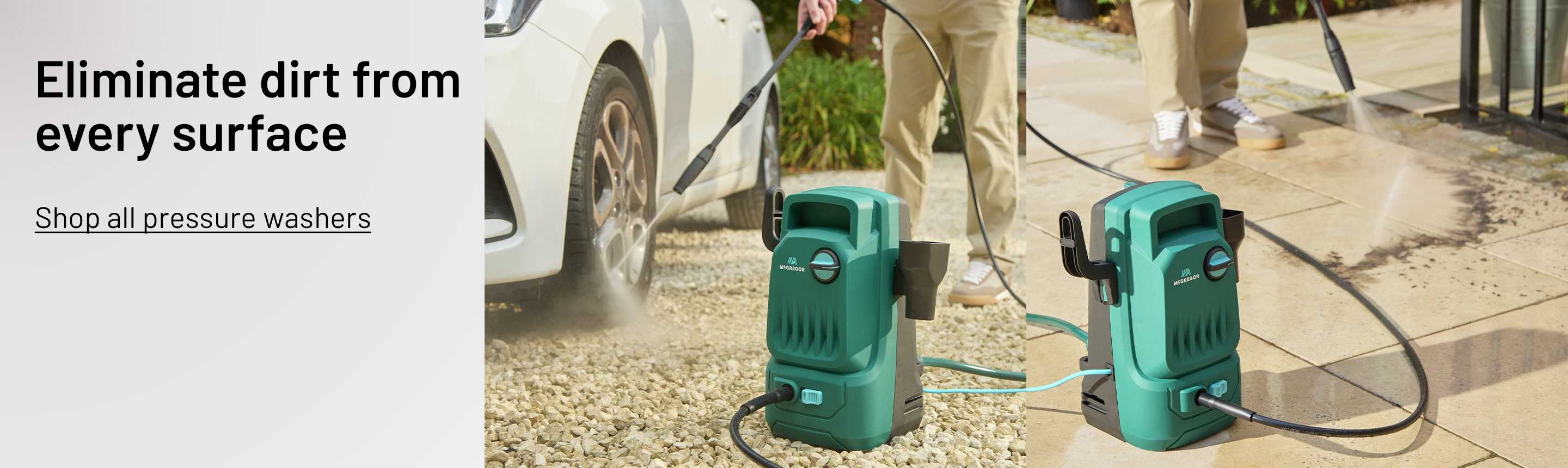
A pressure washer helps in removing dirt and grime efficiently. It also helps to clean and maintain patios, driveways, vehicles, and outdoor surfaces with minimal effort. Read below to know buying a pressure washer is beneficial for your and also explore ways to use it.
Benefits of having a pressure washer
- It cleans most surfaces thoroughly and removes stains.
- It makes your outdoor surfaces like patios, driveways, decking, fencing, and garden furniture look spick and span.
- It saves time and effort by using high‑pressure water to tackle tough jobs with minimal physical work.
- It improves your home kerb appeal and helps maintain your property by keeping exterior areas clean and well‑maintained.
- It helps prevent long‑term damage by removing mould, moss, and algae that can cause outdoor surfaces to deteriorate.
Ways to use a pressure washer
- Clean patios and paving slabs to remove moss, weeds, and built‑up grime.
- Wash cars, bikes, and caravans using low‑pressure settings and suitable detergents.
- Refresh decking and fencing by lifting dirt without damaging wood fibres.
- Blast dirt from driveways and concrete to restore colour and remove oil stains.
- Clean outdoor furniture, bins, and garden tools for a quick hygiene boost.
- Prepare surfaces for painting or staining by stripping away old dirt and loose material.
- Rinse gutters, walls, and brickwork to remove cobwebs, mildew, and pollution residue.
How to choose the best pressure washer
From understanding the right power level and water flow to checking all the essential features, here's everything to help you select the best pressure washer for your needs.
Carousel
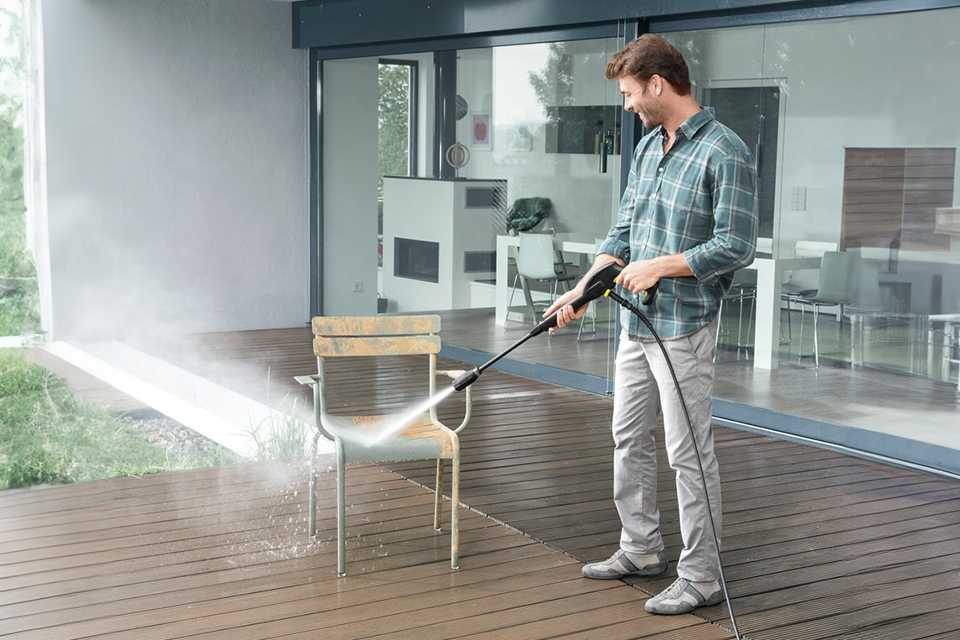
Light duty
Best for – Light patio cleaning, garden furniture, and small cars.
Pros – Lightweight and less expensive than more powerful models.
Cons – Not enough power for tougher jobs.
Which accessories do I need? – Detergent, pressure adjuster, car wash brush.
How much power do I need? – 1400 to 1600W.
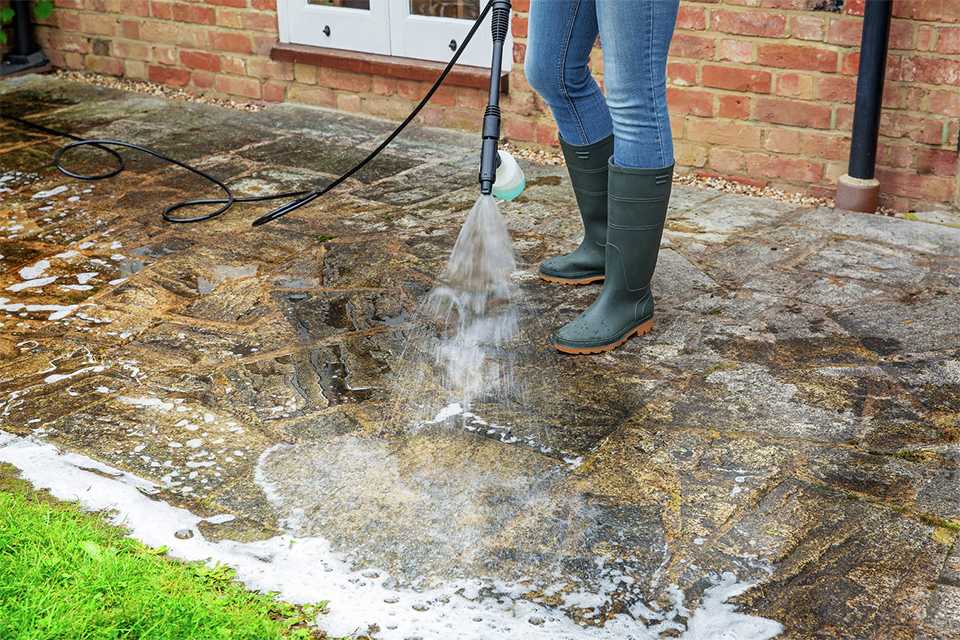
Medium duty
Best for - Everyday patio cleaning, decking, fences, and family cars.
Pros – Versatile choice for garden jobs and as a car pressure washer.
Cons – More power needed for intense cleaning.
Which accessories do I need? – Patio cleaner, on-board storage, car wash brush, long hose and mains cable.
How much power do I need? – 1700 to 2000W.
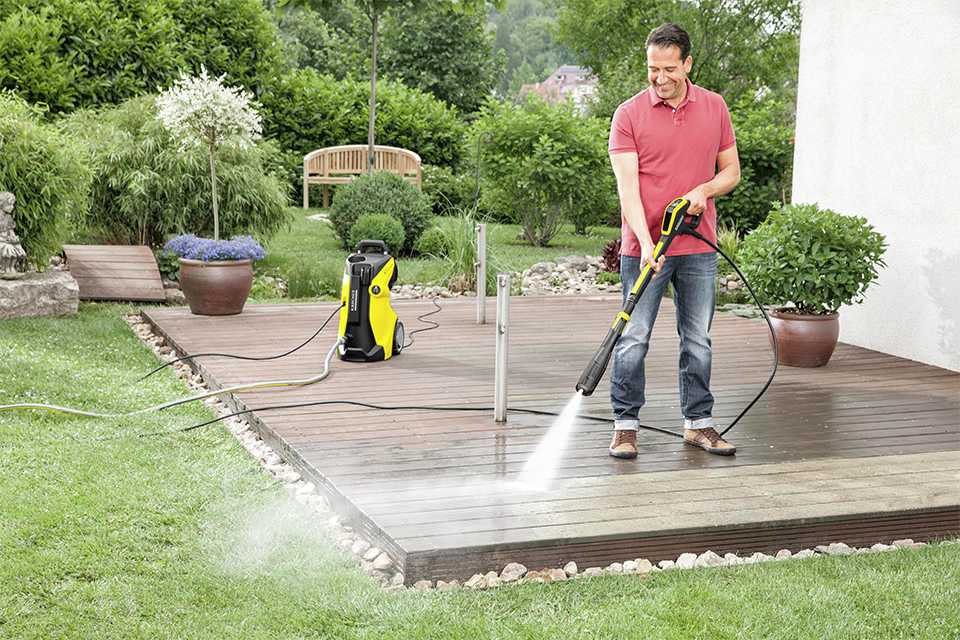
Heavy duty
Best for - Large driveways, walls, vehicles, and tough tasks.
Pros – Powerful enough for any job.
Cons – Can be heavy.
Which accessories do I need? – Dirtblaster lance, long hose and mains cable, extension lance, adjustable pressure.
How much power do I need? – 2000W+.
How does a pressure washer work?
Pressure washers connect up to your garden hose and use electricity to power a pump system, which then accelerates the water at a high pressure. Despite being a lot more powerful, they actually use less water than your hose, making them incredibly efficient.
Confused with all the jet washer terms? We've got you covered with all you need to know. Use our jargon buster below for the meanings of common technical specifications.
| Term | Meaning |
|---|---|
| Power (watts) | More watts = more power |
| Flow rate (litres) | Faster flow rate = water coming out quicker |
| Pressure | Average is rated bar, highest is max bar* |
*Please note that max bar is the maximum amount of pressure that a jet washer can reach, although it is unlikely to able to stay at that level consistently.
Pressure washer features and accessories
Pressure washers come packed with features that are designed to boost cleaning power and versatility. From adjustable nozzles to detergent tanks and patio cleaners, the right add‑ons can transform your machine’s performance. Knowing what each feature does helps you get the most from your pressure washer.
Carousel
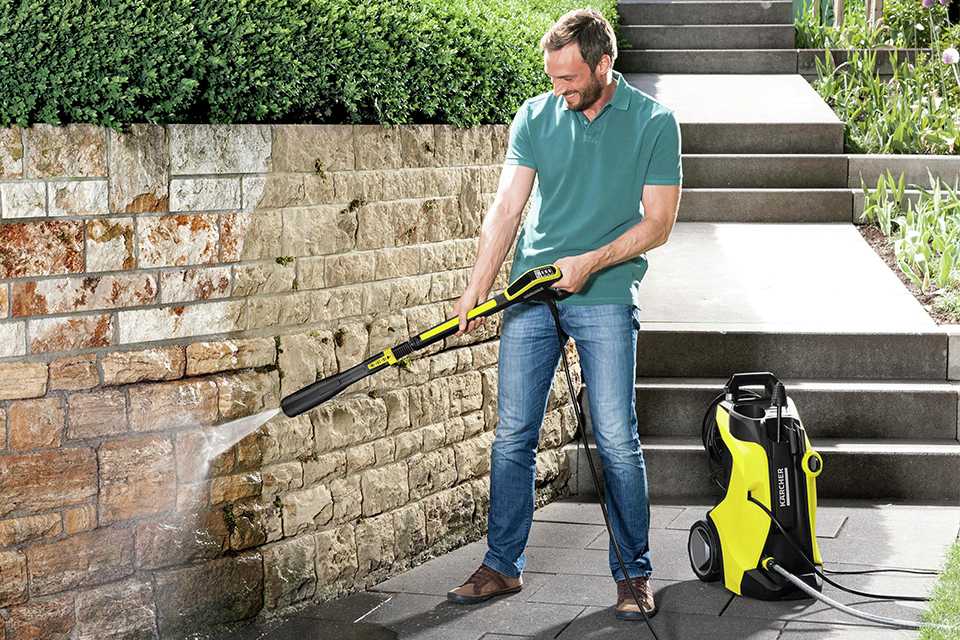
Extension lance
An extension lance is a longer nozzle that helps you clean hard‑to‑reach areas.
Tips:
- Use it for upper walls, gutters, and tall vehicles to avoid using ladders.
- Keep the lance steady to maintain consistent pressure at long distances.
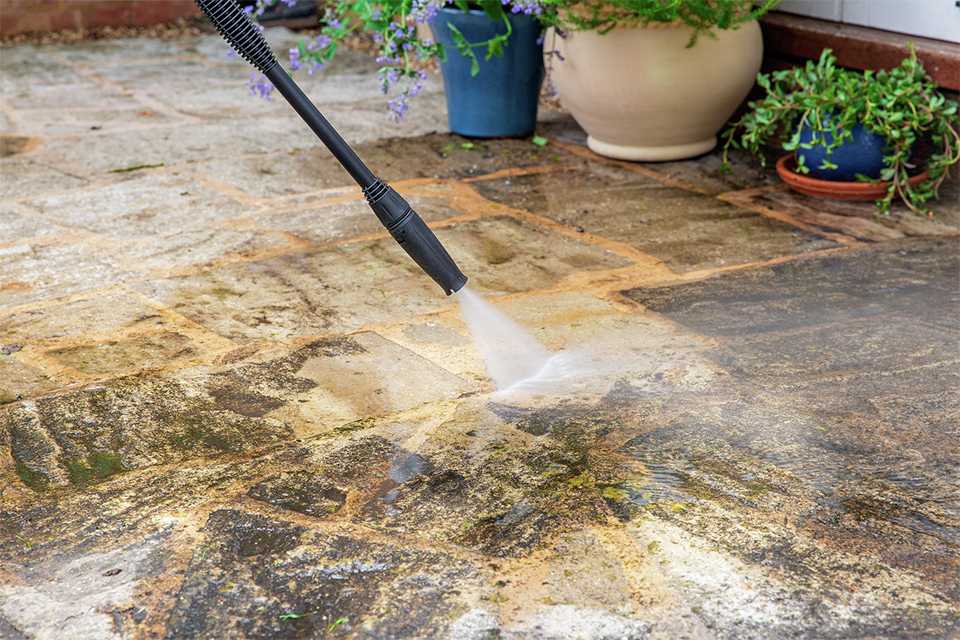
Dirtblaster lance
A dirtblaster lance delivers extra‑powerful, concentrated pressure for tough jobs.
Tips:
- Ideal for removing deep grime on concrete, brick, and stone.
- Avoid using on soft wood, paintwork, or delicate surfaces to prevent damage.
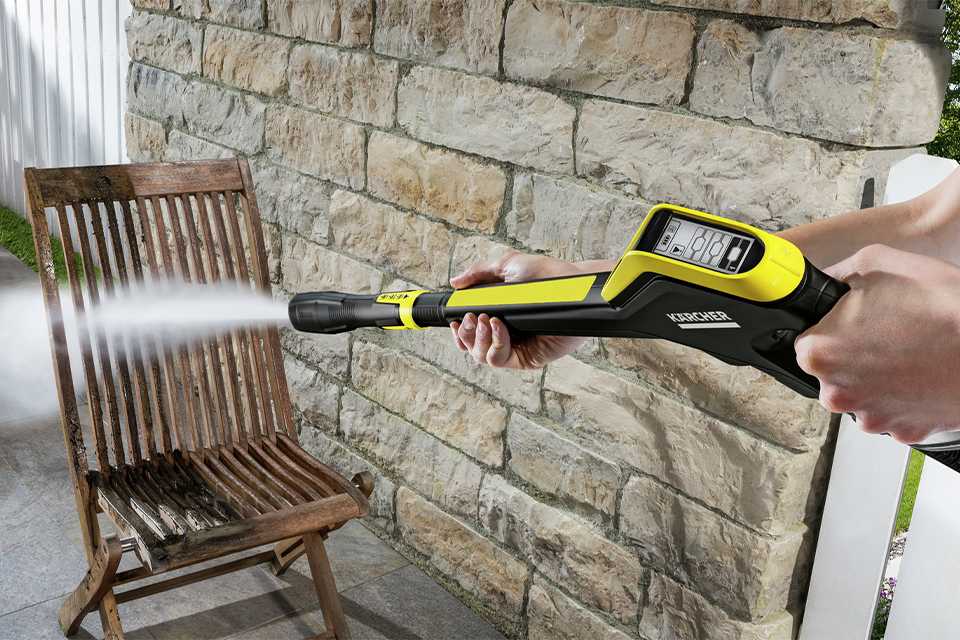
Pressure-adjustable lance
Adjustable pressure lets you switch between light, medium, and heavy‑duty cleaning.
Tips:
- Use low pressure for cars and furniture, medium for decking, and high for driveways.
- Test on a small patch first to avoid stripping paint or damaging surfaces.
Carousel
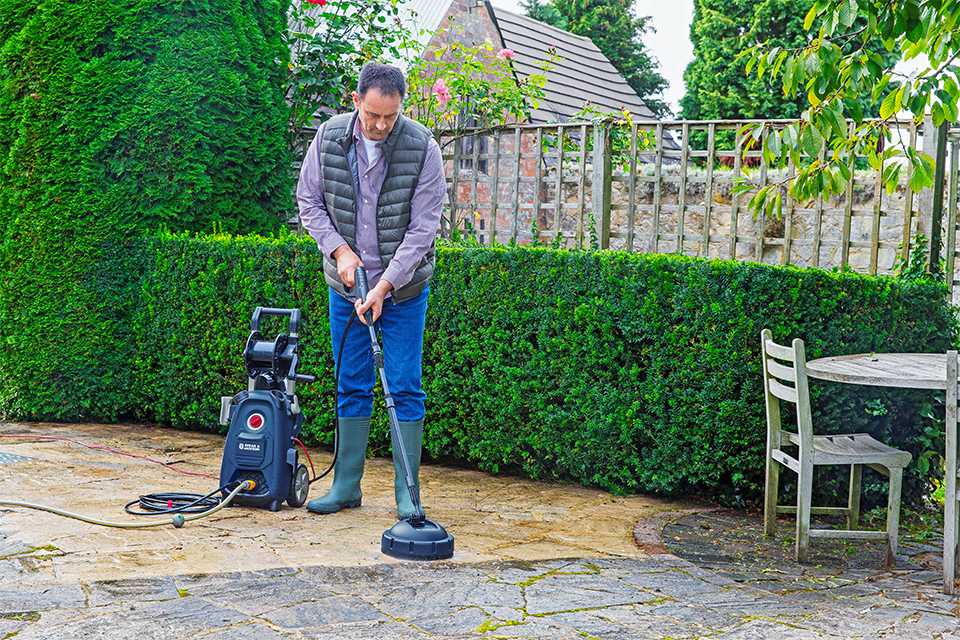
Patio cleaner
A patio cleaner attachment concentrates spray into a circular area for a fast, even cleaning.
Tips:
- Move slowly to avoid streaks and ensure uniform results.
- Use the detergent beforehand for heavily stained paving.
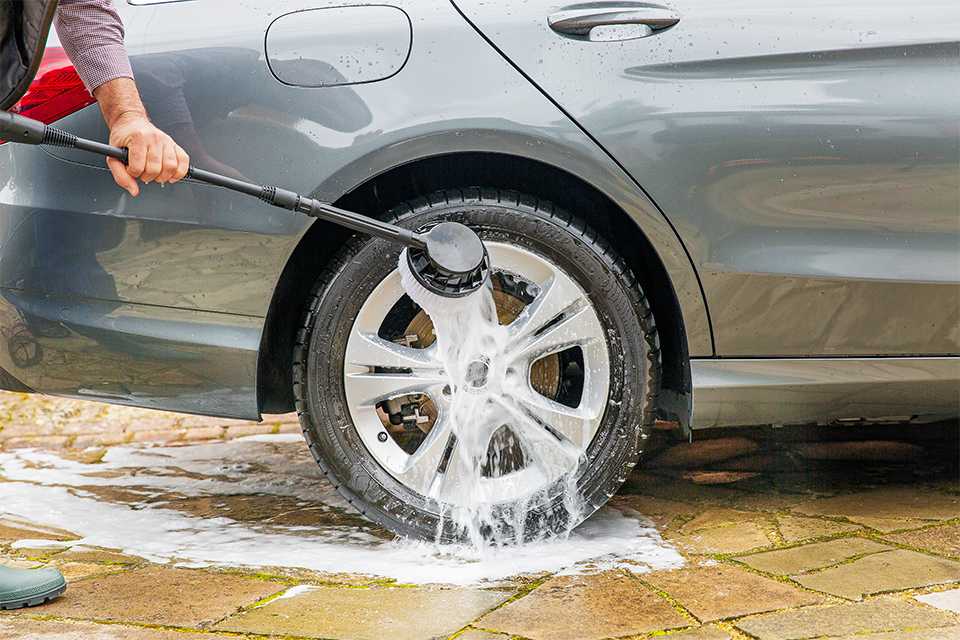
Brush and foam nozzle
These attachments help with smaller jobs like washing cars or garden furniture.
Tips:
- Apply the foam first and let it dwell for a few minutes to loosen the dirt.
- Use soft‑bristle brushes on delicate surfaces to avoid scratches.
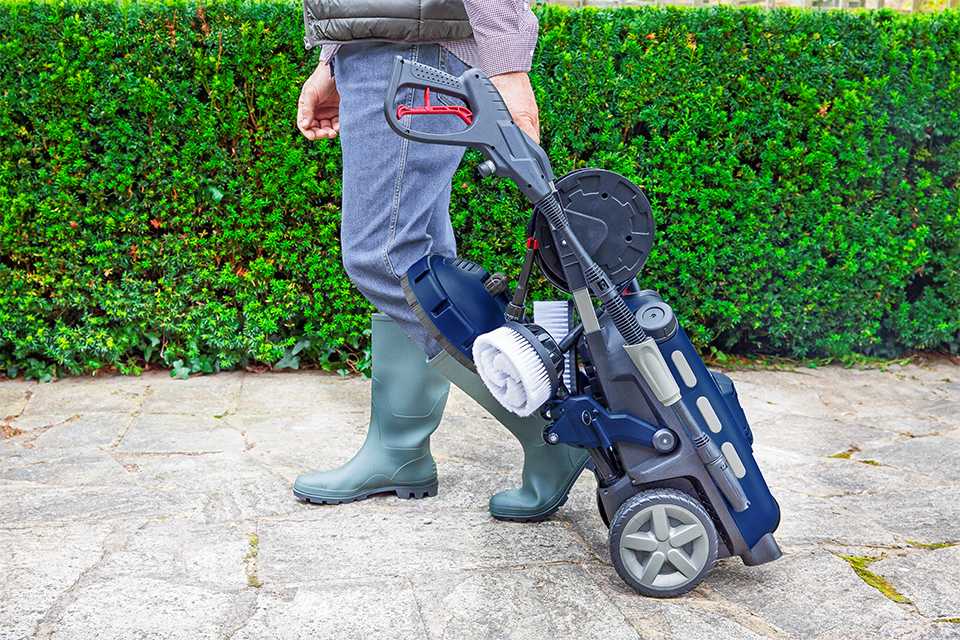
Wheels and on-board storage
More wheels improve manoeuvrability, and an on‑board storage keeps the accessories organised.
Tips:
- Choose models with large wheels if you’ll move across gravel or uneven ground.
- Store nozzles and hoses on the machine to prevent loss and tangling.
Carousel
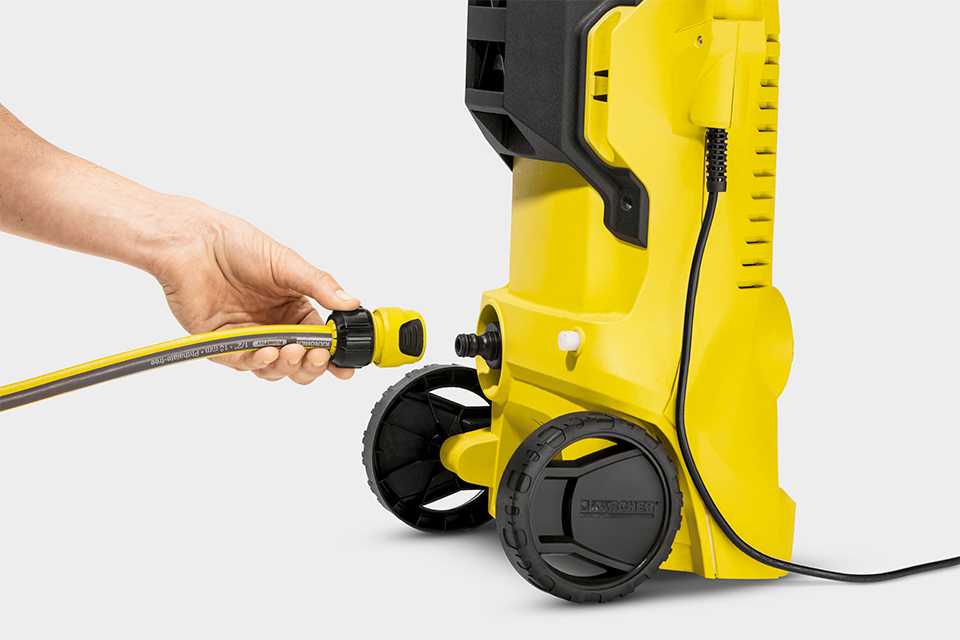
Universal hose fitting
A universal fitting connects to all standard garden hoses.
Tips:
- Check your hose washer (rubber ring) regularly to prevent any leaks.
- Use a hose with good water flow to maximise the performance of your pressure washer.
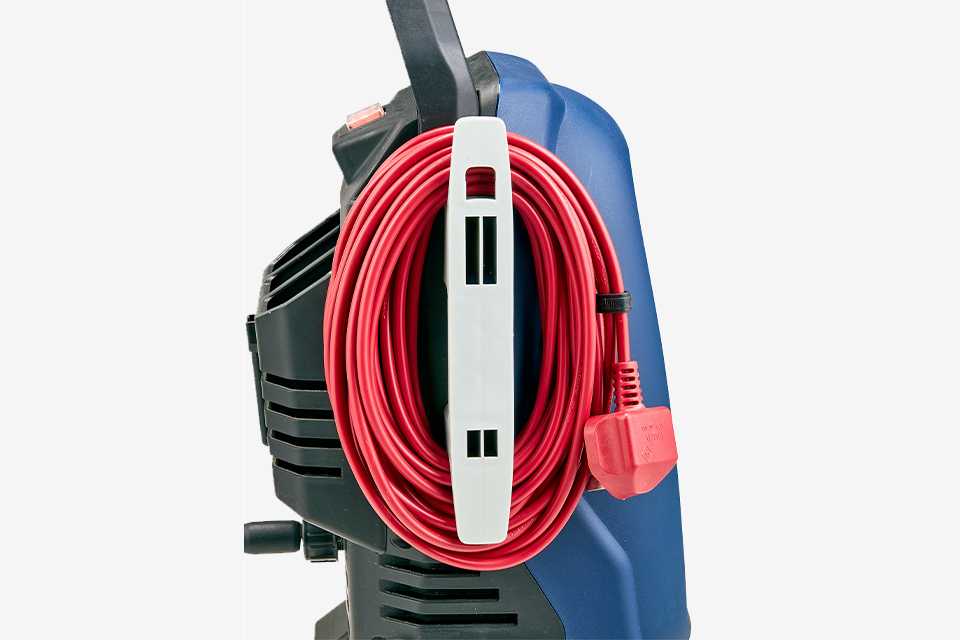
Cable tidy
A cable tidy prevents the power cable from getting in the way while you clean.
Tips:
- Always unwind the full cable to prevent overheating.
- Keep the cable away from standing water for safety.
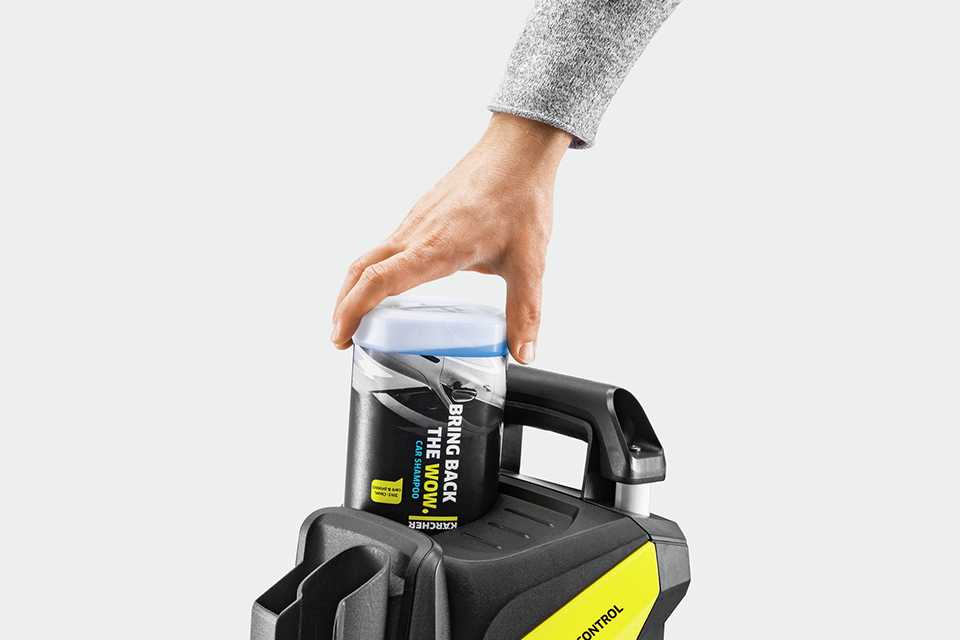
Detergent system
Many pressure washers include a detergent tank or suction tube for deeper cleaning.
Tips:
- Use only pressure‑washer‑safe detergents to protect the pump.
- Pre‑wet surfaces before applying detergent for better coverage.
How to jet wash a patio: step-by-step guide
Jet‑washing a patio is one of the quickest ways to restore stone, concrete, or paving slabs to their original finish. With the right technique and pressure settings, you can remove stubborn dirt in minutes. A proper approach ensures a spotless patio without damaging the surface.
Carousel
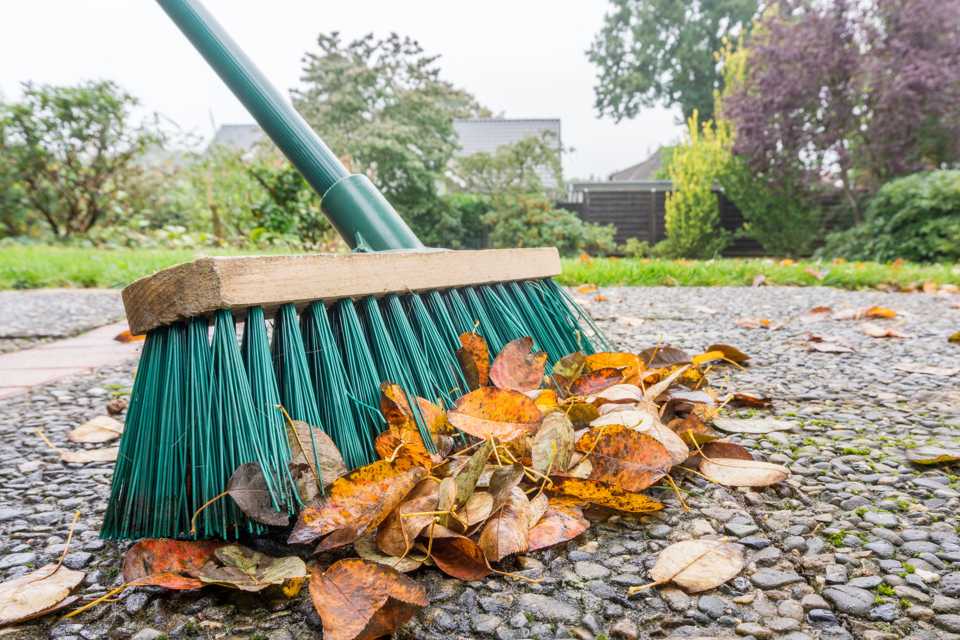
Step 1
Clear your patio. Move any plants or furniture and give surfaces a good sweep. This will eliminate any risk of damage or injury from flying debris and having a clear patio will give you more uniform results.
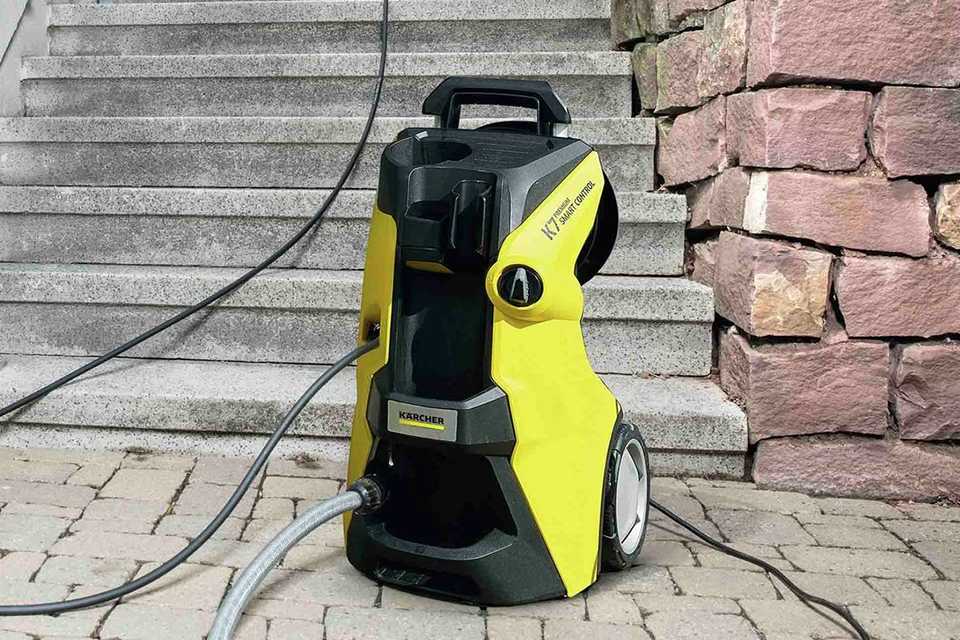
Step 2
Connect your pressure washer to your hose and turn on the tap. Pull the trigger gun, letting the water run freely (approximately 20 seconds) which will expel any air from your machine. Then connect to your mains supply and turn on.
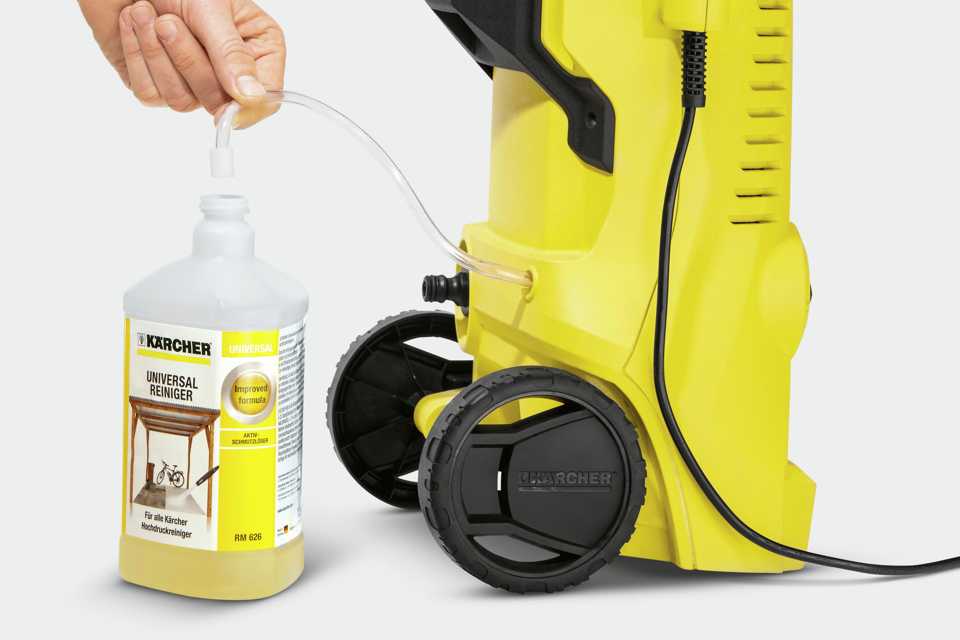
Step 3
If you're using a detergent, wet your paving first on a very light setting. Add the detergent to your pressure washer and spray onto your patio using the 'mix' or 'low' pressure setting, depending on your model. Leave for 5 – 10 minutes.
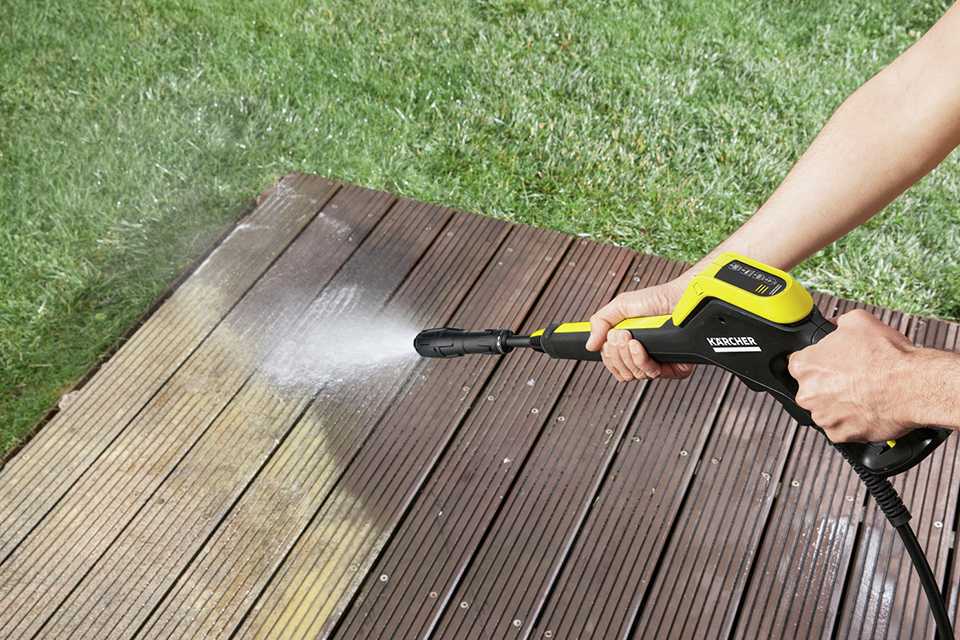
Step 4
If using a vario lance, turn to a medium pressure setting to wash the detergent off. Start from one corner or edge, and work across the patio using sweeping motions.
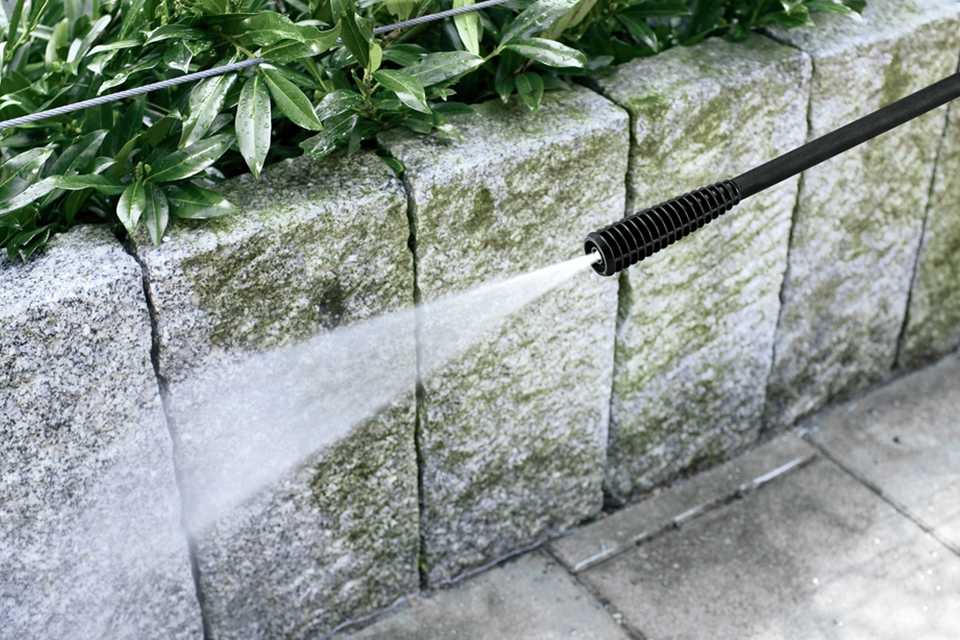
Step 5
Keep your pressure washer at a 45 degree angle, using a wide fan. Don't follow the joining lines with the water jet as this could risk forcing your paving stones apart. For a quicker clean, try using a patio cleaner which could clean the area up to 5 times faster.
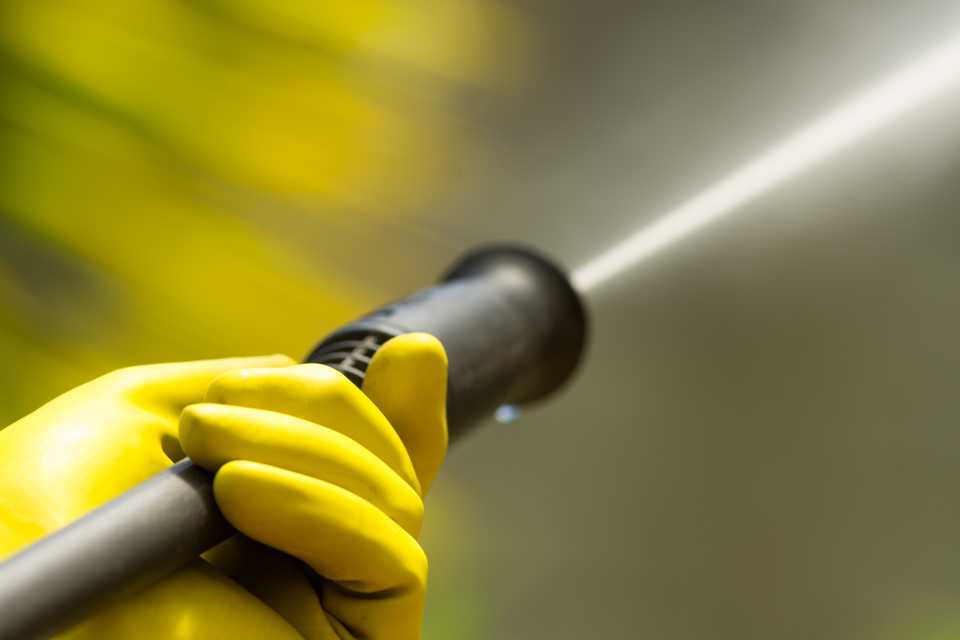
Step 6
Turn off your pressure washer and disconnect from the water supply. Then turn it back on, pulling the trigger gun until all of the water leaves the machine. This will reduce any risk of residual water freezing and expanding inside which could cause damage to the pump.
Read more about pressure washing a patio for more information on how to use a pressure washer and selecting the best pressure washer for patio cleaning.
How to look after your pressure washer
Maintaining your pressure washer helps to keep it running smoothly and extends its lifespan. Simple steps like cleaning filters, checking hoses, and storing the machine correctly prevent many common issues. Here are few ways to care for your pressure washer.
- Flush the system after every use to remove leftover detergent and prevent internal blockages.
- Check hoses, seals, and connectors regularly for leaks or wear to maintain a safe, consistent pressure.
- If you’re using a cordless pressure washer, store the battery indoors during winter and charge it regularly to maintain its performance.
- Clean or replace the water filter to protect the pump from dirt and debris that can cause damage.
- Store the pressure washer in a dry, frost‑free place to prevent freezing and corrosion, especially in the winter.
- Drain all water from the machine and accessories before storing to avoid pump or hose damage.
- Inspect the spray gun and nozzles for any clogs and clean them to ensure even, powerful water flow.
- Use only suitable detergents and accessories to avoid damaging the pump or voiding the warranty.
- Run the machine at low pressure occasionally to keep seals flexible and the pump in good condition.
- Follow the manufacturer’s maintenance schedule for oil changes (petrol models) and general servicing. For more detailed tips, visit this website.
Frequently asked questions about pressure washers
What to know before buying a pressure washer?
Wondering how to choose a pressure washer? Consider what you are using it for. Use light duty pressure washers for patios and small cars. For larger vehicles and driveways, try heavy duty pressure washers. Look for additional features like a patio cleaner, an extension lance, and pressure adjustable options for improved cleaning.
What PSI pressure washer is best for home use?
Pressure washers of PSI 1300 to 2500 are suitable for most home cleaning.
What is a good detergent to use in a pressure washer?
From multipurpose detergents to vehicle-specific cleaners, choose your detergent based on what you're looking to clean. Keep an eye out to check that any detergent you use is pressure washer compatible, to avoid spoiling the machinery.
What is the difference between a pressure washer and a power washer?
The key difference is the presence of heat. Pressure washers simply use water pressure to clean surfaces, while a power washer makes use of heated water for targeted cleaning.
What do professionals use for pressure washing?
Professionals may use high PSI pressure washers when cleaning, with additional accessories like extendable lances and foam.
Can I use tap water for pressure washing?
Yes, you can use tap water for general cleaning with your pressure washer at home. However, you might need to be careful around some surfaces that get damaged under higher pressure. Read more about areas you shouldn't pressure wash to keep your space in good condition.
Can I pressure wash a driveway with just water?
A jet wash for driveways can be done with just water in your pressure washer. For tough cleaning, you might need to use an appropriate detergent. Learn more about what you can clean with a pressure washer for detailed information.
How to store a pressure washer in winter?
Storing a pressure washer during the winter season means protecting it from freezing temperatures that can damage internal components. Draining water, adding pump protector, and keeping it in a dry, frost‑free space ensures it’s ready for spring. Proper winter storage helps extend the life and performance of your machine.
What are the tricks to pressure washing?
Effective pressure washing comes down to using the right nozzle, maintaining a steady distance, and working in smooth, overlapping passes. Pre‑treating stubborn dirt with detergent can dramatically improve the results. With a few simple techniques, you can clean faster while protecting your outdoor surfaces from damage.
What not to do when pressure washing?
Avoid using excessive pressure, standing too close to the surface, or pointing the jet at people, pets, or electrical fixtures. Skipping safety gear or using the wrong nozzle can cause unnecessary damage to your or your space. A cautious approach can keep both you and your property safe.
How to pressure wash decking?
Pressure washing decking requires a gentle setting and a wide‑angle nozzle to avoid stripping or gouging the wood. Working with the grain and keeping the lance moving ensures an even, clean finish. With the right technique, you can refresh your deck without causing any damage to the surface.
Looking for more garden essentials?
Carousel
Discover more inspiration
Carousel
Garden decoration tips
Accessorise your outdoor for spring with our garden decoration ideas.
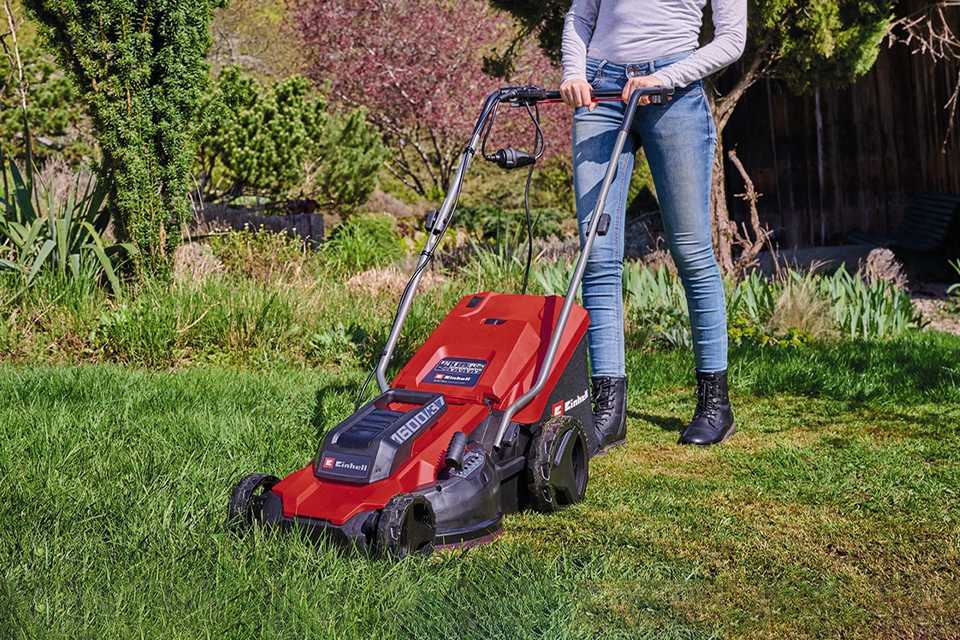
Lawnmower buying guide
Get the perfect cut every time by choosing the best lawnmower.

Garden inspiration
The latest help and ideas you need to make the most of your garden.
