
TV buying guide
Whether it's to catch the best of your favourite sports game, or binge watch a new series; we've got all the key information you need to pick the best TV for your room.
Shop all TVs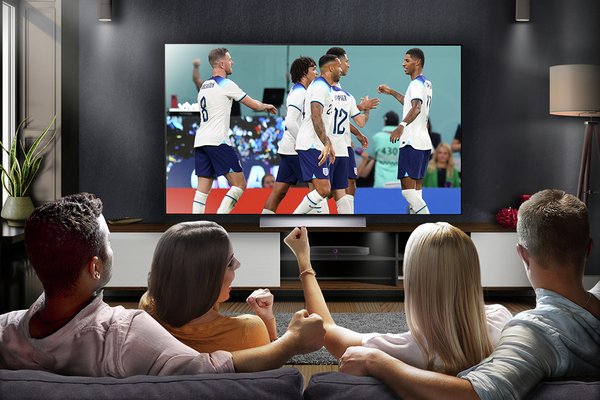&poi={$this.metadata.pointOfInterest.x},{$this.metadata.pointOfInterest.y},{$this.metadata.pointOfInterest.w},{$this.metadata.pointOfInterest.h}&scaleFit={($this.metadata.pointOfInterest.x>0)?$sfpoi:$sfcenter}&sm=aspect&aspect=3:2&sfcenter=center&sfpoi=poi&qlt=50&fmt=auto&noiser=0&fmt.jpeg.interlaced=true&fmt.jp2.qlt=40&)
How to choose the best TV...
Not sure where to start?
Choosing the right TV is a big decision, and a big investment. So it’s a good idea to look through this television guide and take some time to consider the following factors:
- What will you be using it for?
- What size screen do you need?
- Which brand do you like?
- What type of screen do you want?
- Have you thought about sound?
- Will your TV be wall-mounted?
- What other accessories do you need?
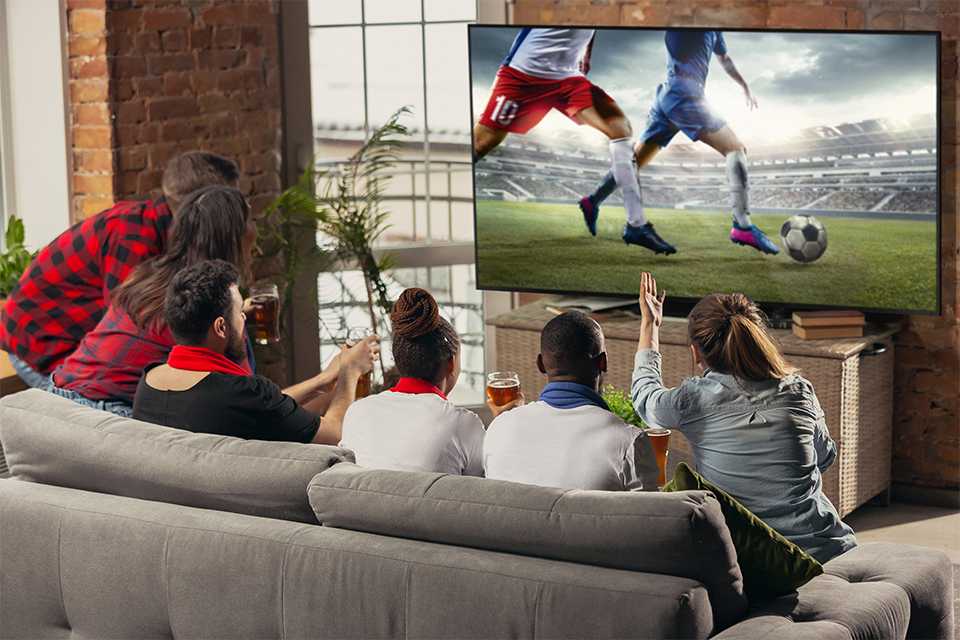
This will then help you decide which screen size and type will be best suited for your needs, whether it's for watching a film or a football match with your friends.
TV screen sizes explained
TV screen size is measured diagonally, from corner to corner. If your TV is going into a particular space, pay attention to the measurements of the whole TV, which are listed in the product description.
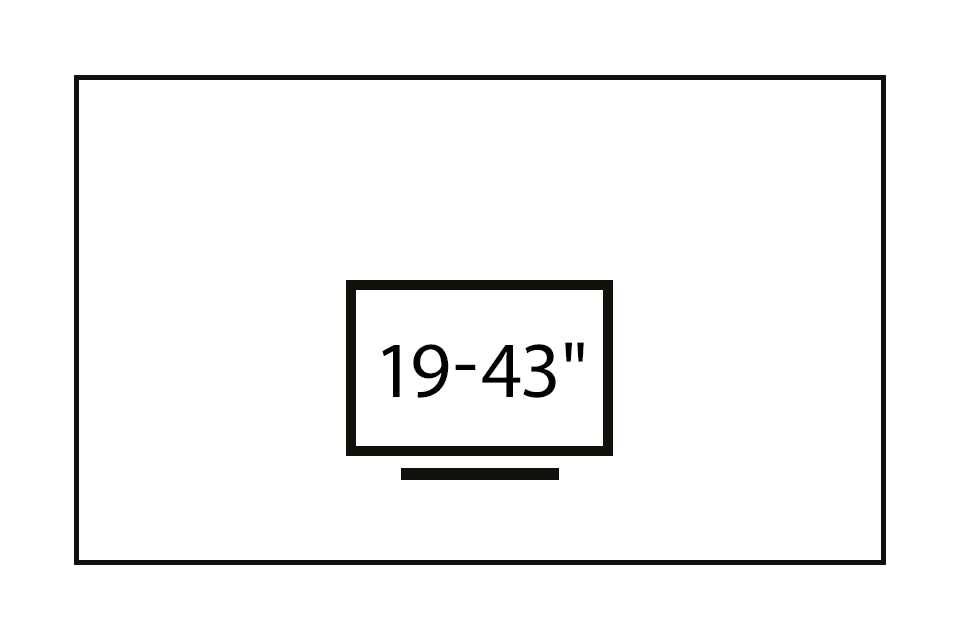
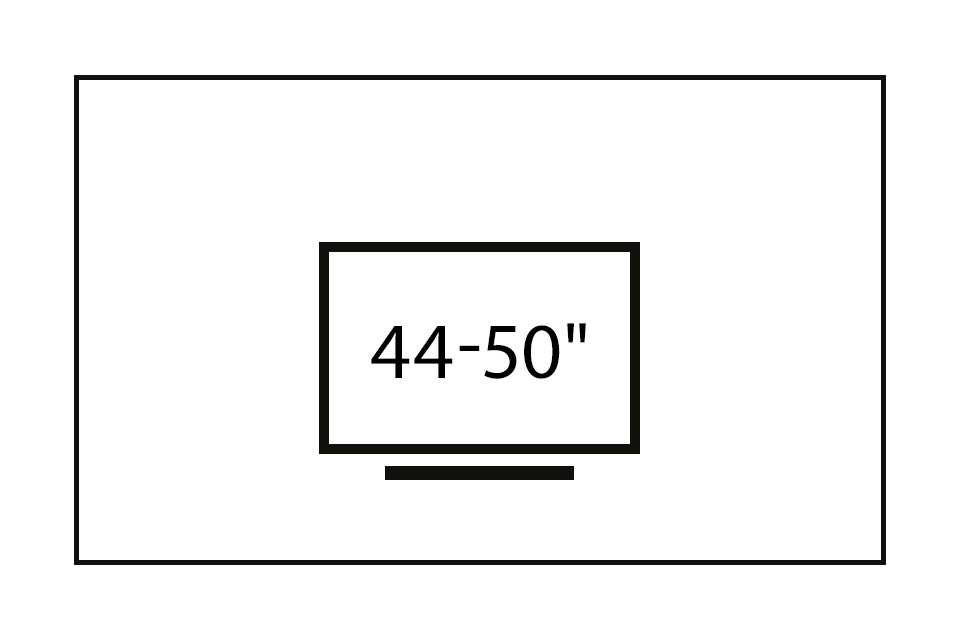
44 - 50 inches
A suitable size for watching everyday TV and movies, in many living rooms.
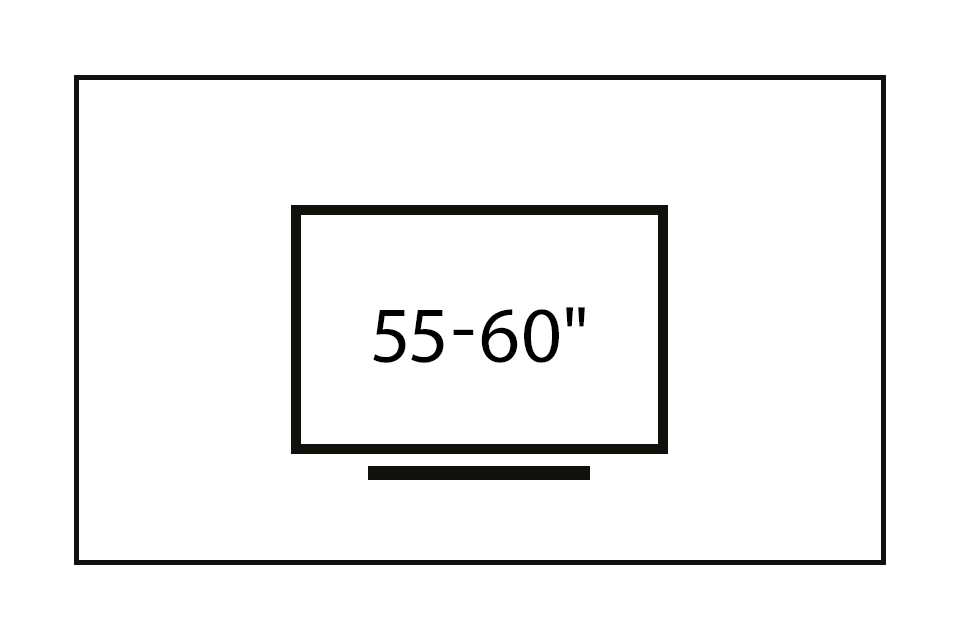
55 - 60 inches
Bigger screens for larger rooms, and for those who love sport, movies or gaming.
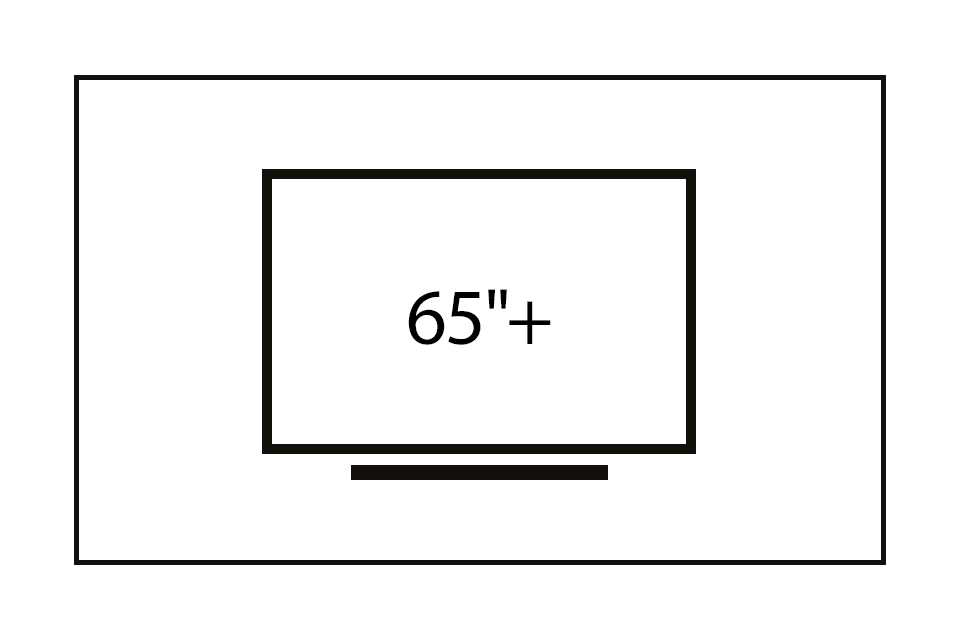
65+ inches
The biggest TVs for the ultimate viewing experience. Ideal for larger spaces.
TV screen types
Most TVs today are smart, thin, and have great picture quality. For general-purpose use, it's easy to make a choice. But if you are looking for something perfect for your entertainment needs, you may need something more specific. From sleek OLEDs delivering rich blacks to vivid QLEDs for breathtaking colour, find just the display to elevate your viewing experience.
Carousel
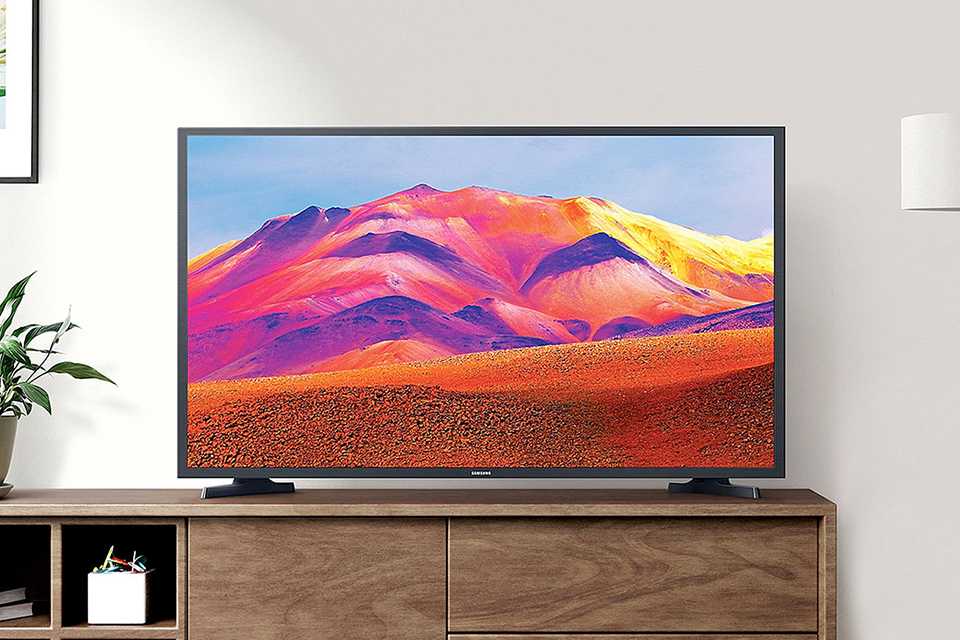
HD TVs
Most modern TVs feature full HD (high definition) and LED (light-emitting diode) technology, providing enhanced brightness, crisp picture quality, and realistic images - ideal for smaller screens and budget-savvy buyers.
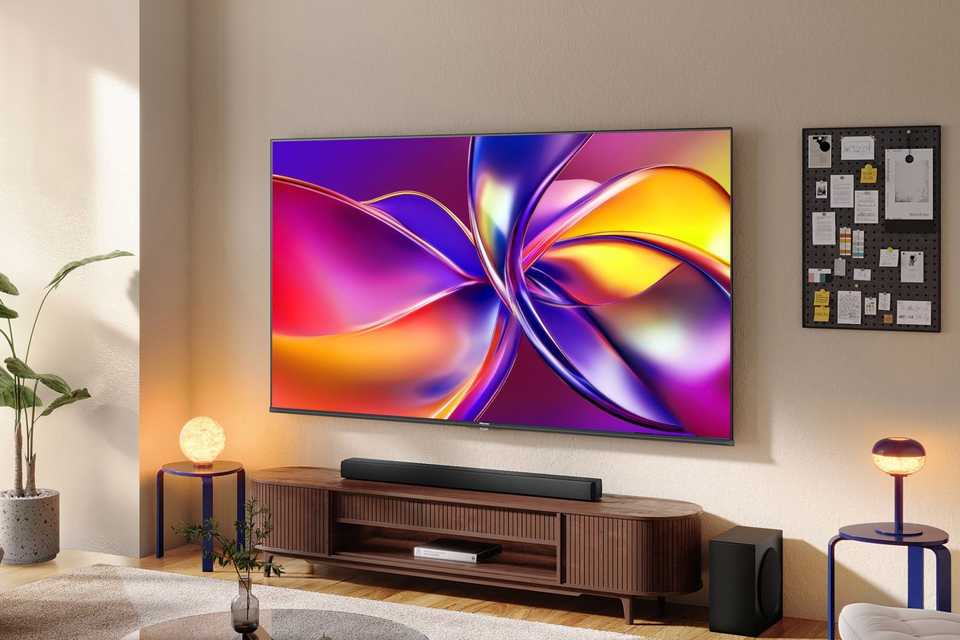
4K TVs
Dive into the dazzling 4K at 3840 x 2160 pixels - 4 times the full HD resolution (1920 x 1080 pixels). This means sharper colours, improved contrast, and greater clarity. Once you experience it, there's no going back.
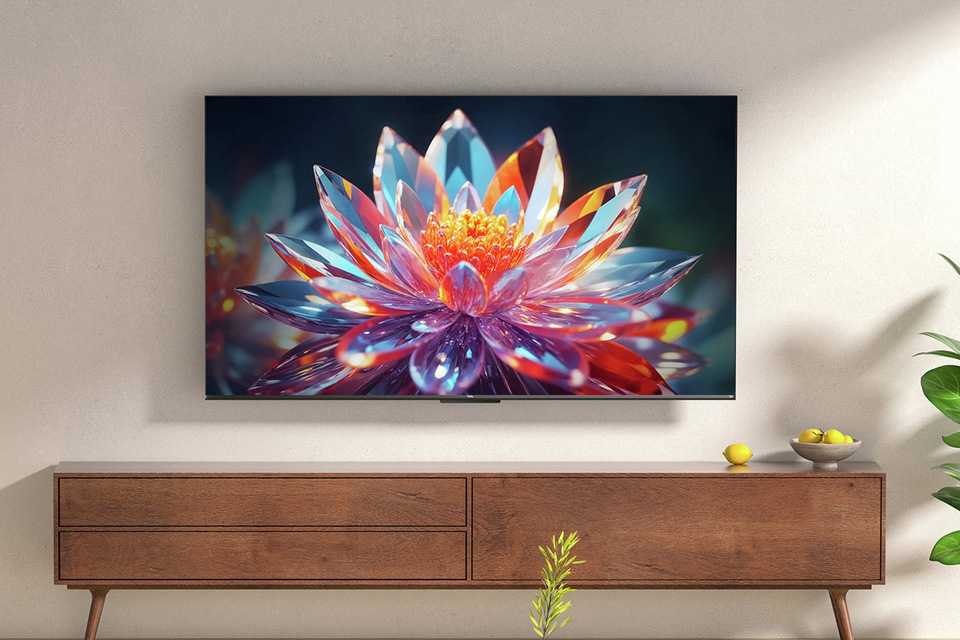
QLED TVs
Love luminance? QLED TVs bring high luminance to your home, displaying over 1 billion colours with 100% colour volume at any brightness. It's not just a treat, it's a visual feast.
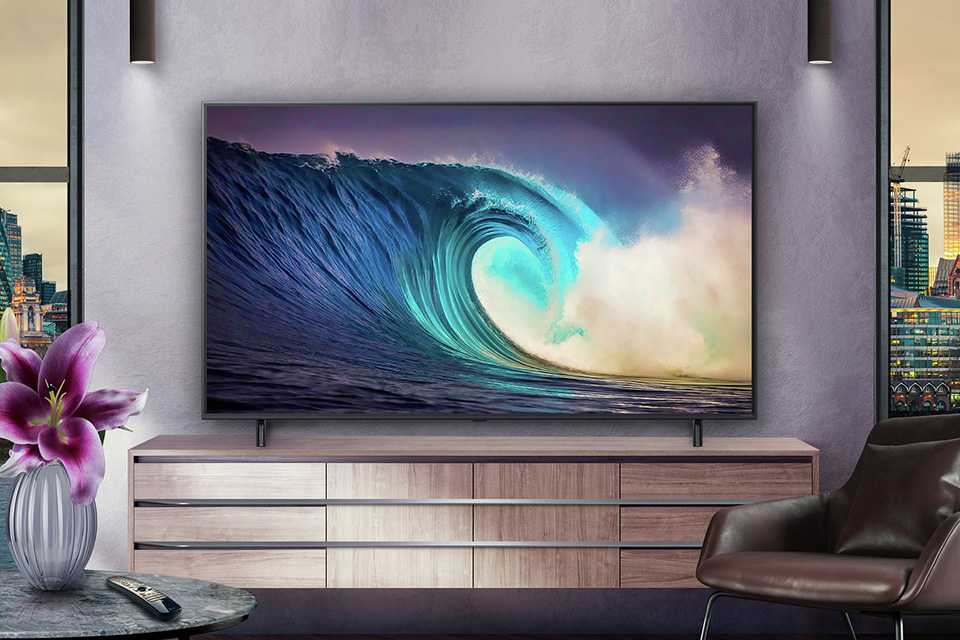
NanoCell TVs
Ideal for bright rooms, NanoCell TVs use tiny particles to deliver refined picture quality. NanoCell technology offers higher colour accuracy and clarity compared to LEDs and OLEDs.
Carousel
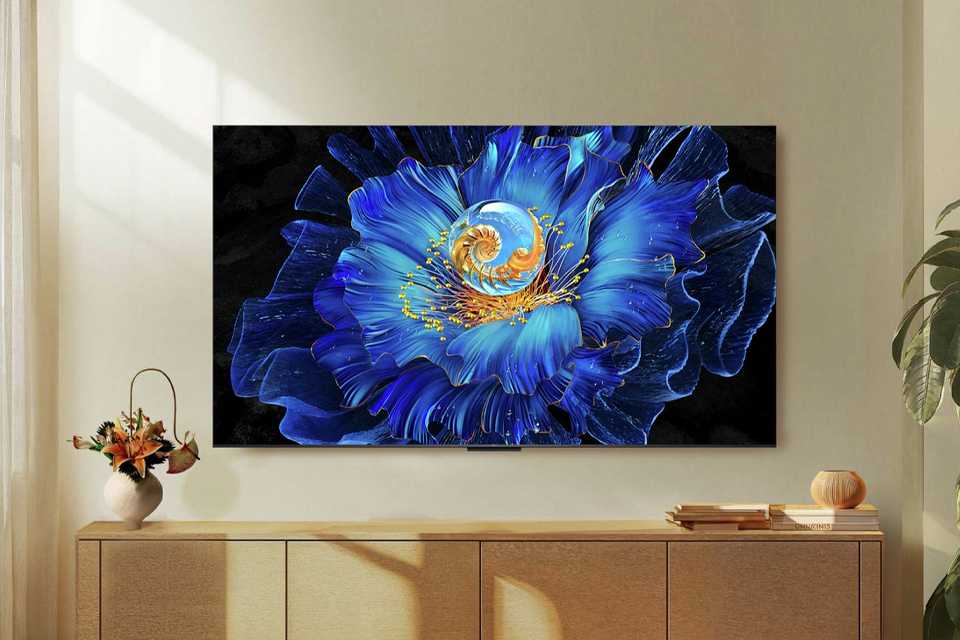
Mini LED
An evolution of LED LCD screens, the Mini LED screen is made up of smaller sized but a larger number of lights spread across the screen. This technology allows for better contrast, larger screens, and overall brighter images.
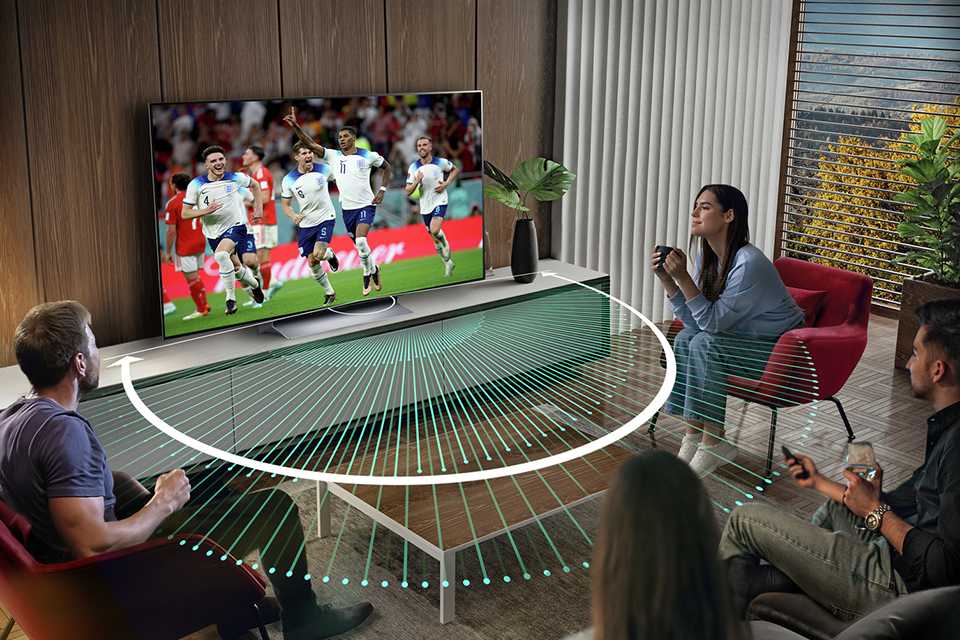
OLED TVs
OLED is a cutting-edge technology where every pixel produces its own light instead of relying on an LED backlight. With enhanced picture quality, unparalleled depth and clarity, it's made to awe even the best of TV connoisseurs.
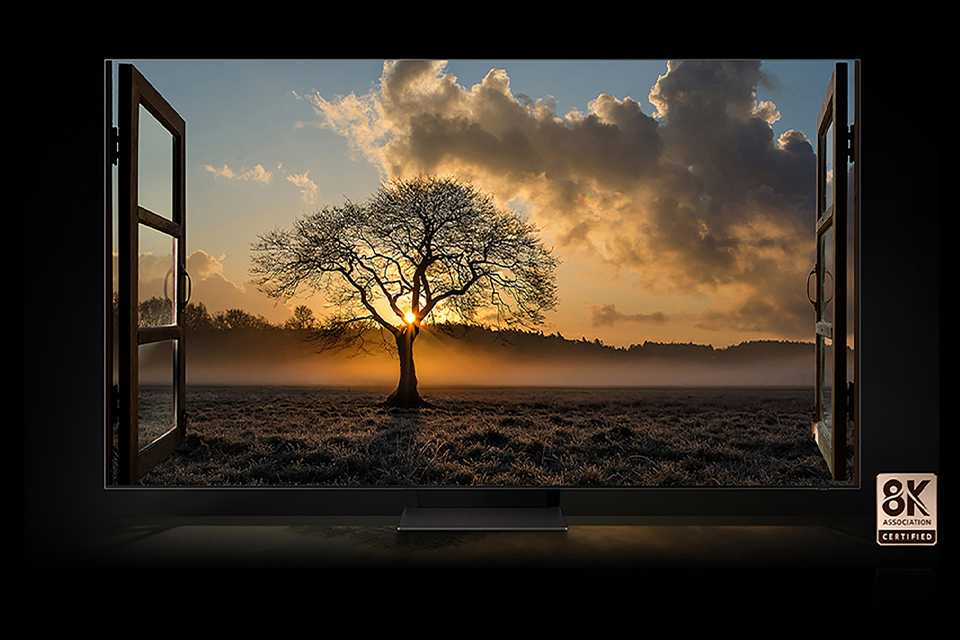
8K TVs
Bigger, better, and bursting with brilliance - 8K TVs display content in ultra-high resolution. With 4 times the pixels of 4K, they deliver incredible detail and an immersive viewing experience.
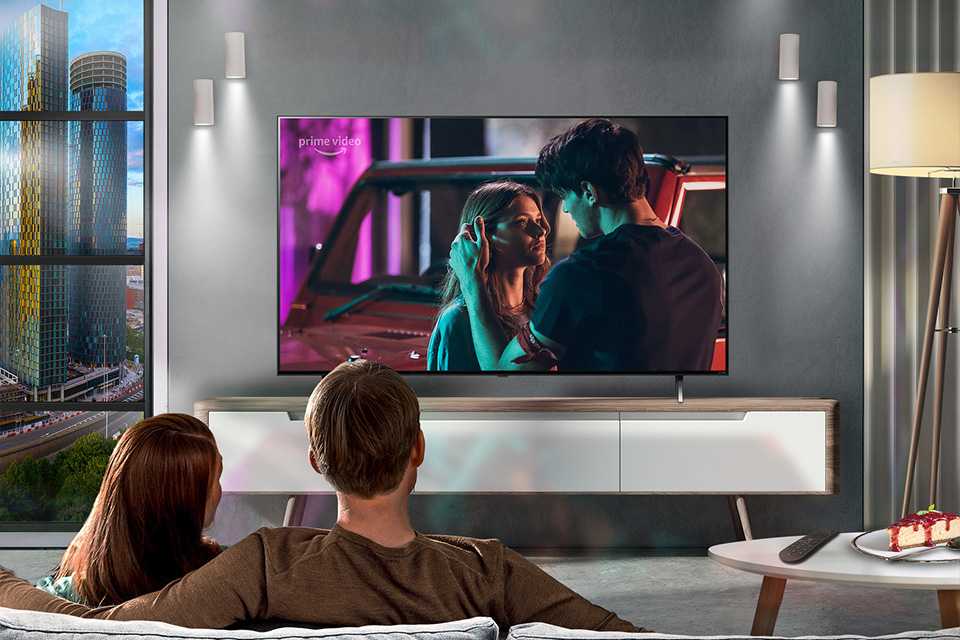
QNED TVs
A blend of Nanocell and Quantum Dot technology, QNED TVs have sharper picture quality and contrast. Perfect for gaming and watching sports, these screens offer a more immersive and dynamic viewing experience.
HD vs 4K vs QLED vs OLED: Compare the best TV screen types for your space
Wondering which TV screen type is best? Here's a quick chart that breaks down all top smart TV screen types - HD, 4K, QLED, and, OLED, so you can easily compare and choose your perfect setup.
| Screen types | Resolution | Colour performance | Brightness/contrast | Ideal use |
|---|---|---|---|---|
HD | 1920x1080 | Crisp, realistic images with good baseline colour performance | Enhanced brightness compared to LEDs with good clarity | Ideal for secondary or smaller rooms for everyday viewing |
4K | 3840x2160 | Sharper colours with greater detail and clarity | Higher contrast and improved sharpness compared to HD TVs | General living rooms for premium viewing experience (movies, sports, or gaming) |
QLED | Typically 4K (3840x2160) | Full range of over 1 billion colours, active on all brightness levels | Vivid picture quality with excellent brightness | Perfect for bright rooms for vibrant colour‑rich content with premium entertainment setups |
OLED | Typically 4K (3840x2160) | Rich, accurate colours with excellent uniformity and deepest blacks | Cinematic quality blacks and contrasts owing to self-lit pixels | Perfect for dark‑room viewing with high‑end home cinema experience |
TV features
Carousel
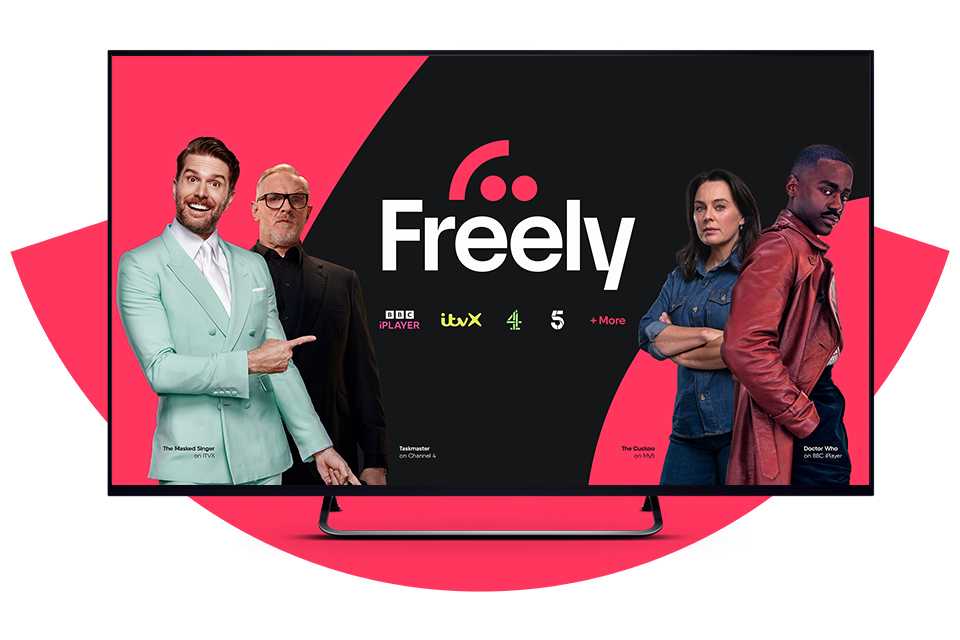
Freely
A new free streaming service for your smart TV, Freely brings you more on-demand content via the internet without an aerial service.
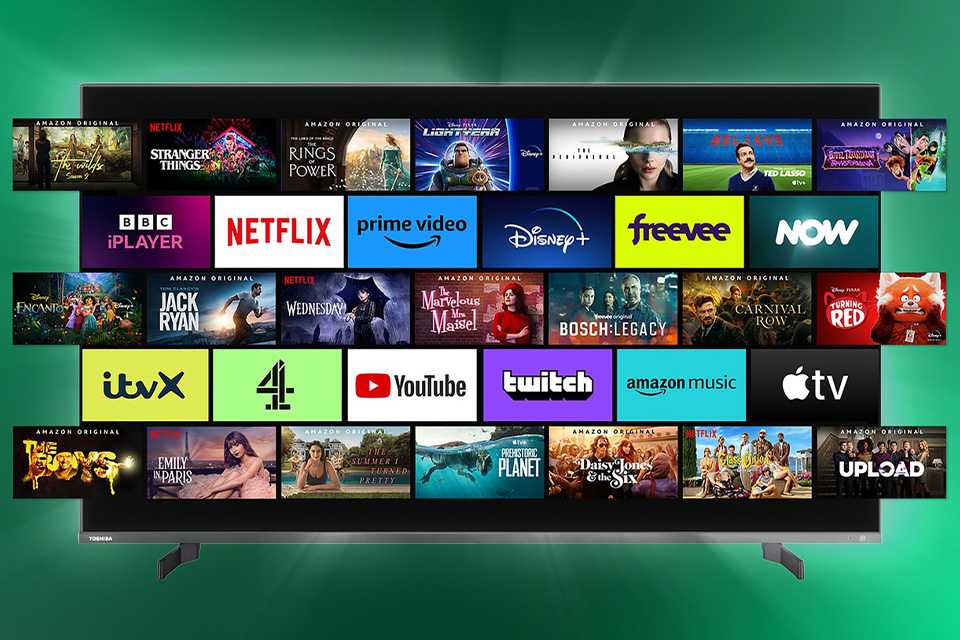
Freeview
Choose a TV with Freeview Play for the best free content streaming service. It airs multiple live and on-demand channels including BBC iPlayer, CBS Catchup, and more.
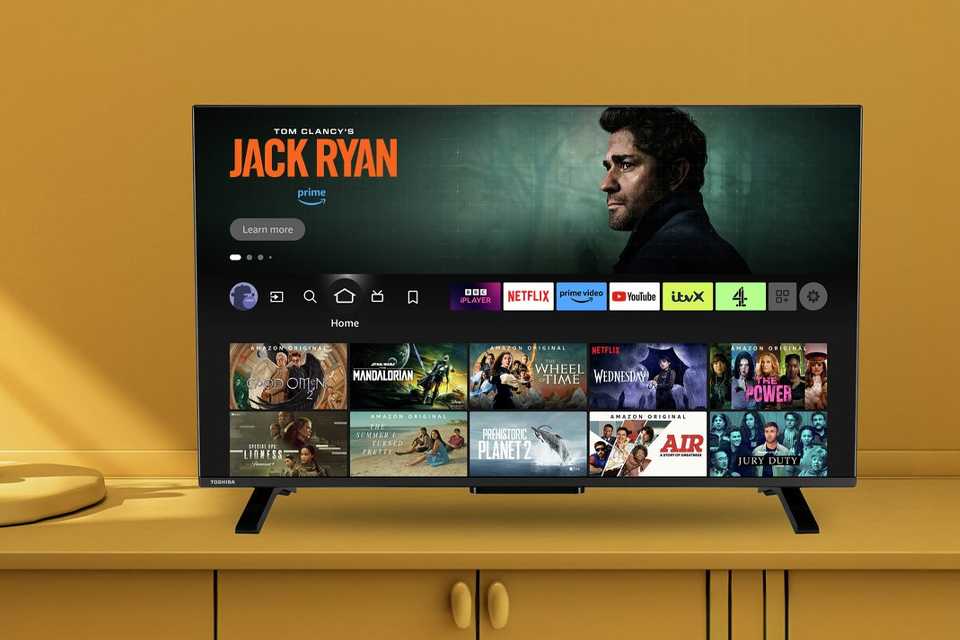
Alexa TVs
Control your TV with voice commands. Integrating Amazon's voice-controlled assistant, Alexa, these TVs help create a seamless smart home experience. Alexa, open Netflix!
Top TV brands
Carousel






Smart TVs explained
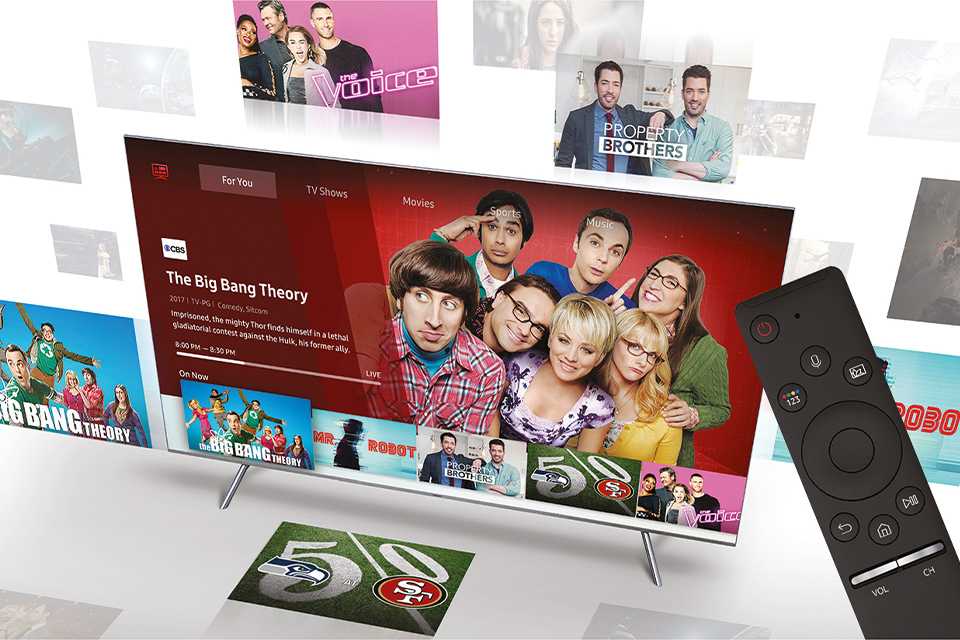
What is a smart TV?
A smart TV is a TV that can connect to the internet without the need for a set-top box or streaming device. While both of those devices provide a whole host of new content, most smart TVs will have the same content available in their built-in app store. This allows you to just download the content that is most relevant to you.
This means you can...
- Stream on-demand content from apps like BBC iPlayer, ITV Hub, All 4 and My5 and more.
- Subscribe to services such as Netflix and Amazon Prime Video, and more.
- Connect to your smartphone or tablet if your TV model allows it.
How do I choose the right TV size for my room?
Following the ideal viewing distance helps you enjoy the best view of your TV (curved or flat-screen). Here are the guidelines to match your viewing range to the best suitable TV screen size so your setup feels cinematic.
Carousel
Carousel
Carousel
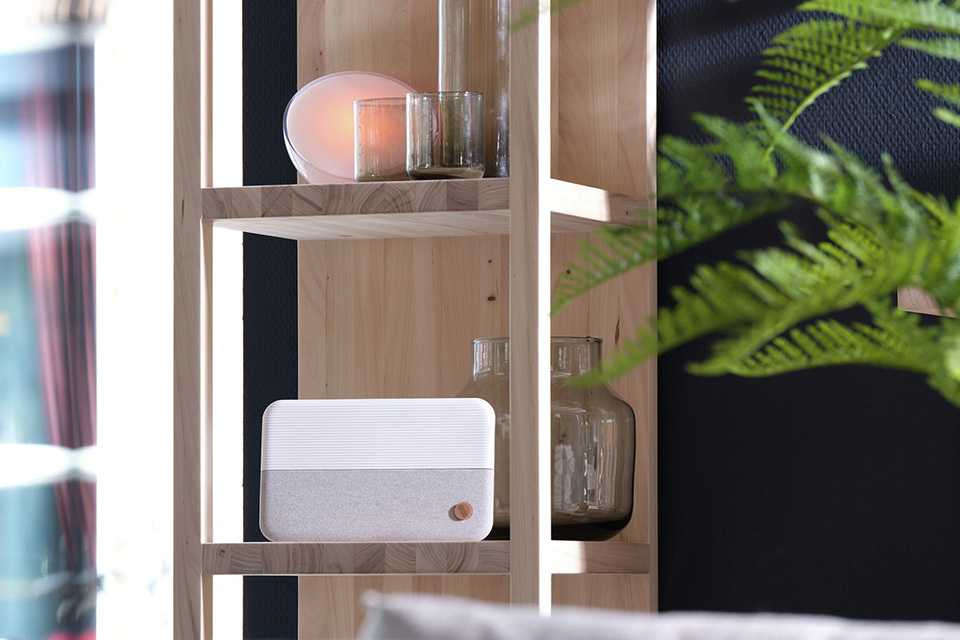
Do smart TVs need an aerial?
An aerial or satellite connection will be required only if you plan on watching live TV channels.
- To get the most out of a smart TV, you need a reasonably speedy internet connection.
- On-demand shows and movies are streamed using your internet connection, so the stronger your speed, the smoother your viewing experience will be.
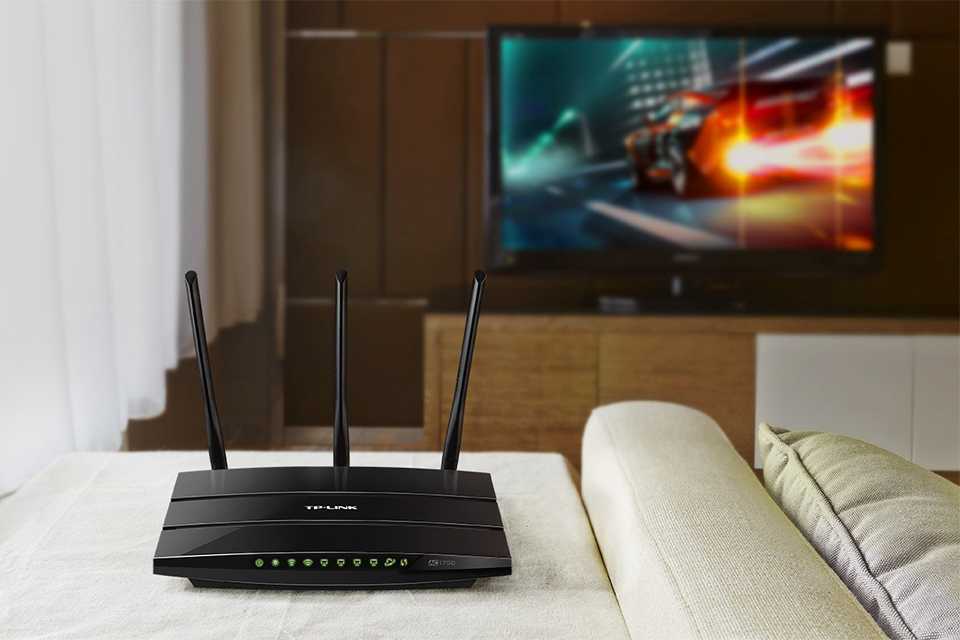
How do I connect a smart TV to the internet?
You can connect your smart TV to the internet wirelessly or with an ethernet cable.
- All smart TVs have built-in Wi-Fi and you should be able to connect to your home wireless network during the setup of your TV, or through network settings.
- Alternatively, you can use a wired connection and connect your router to your TV via an ethernet cable which tends to be more stable than a Wi-Fi connection.
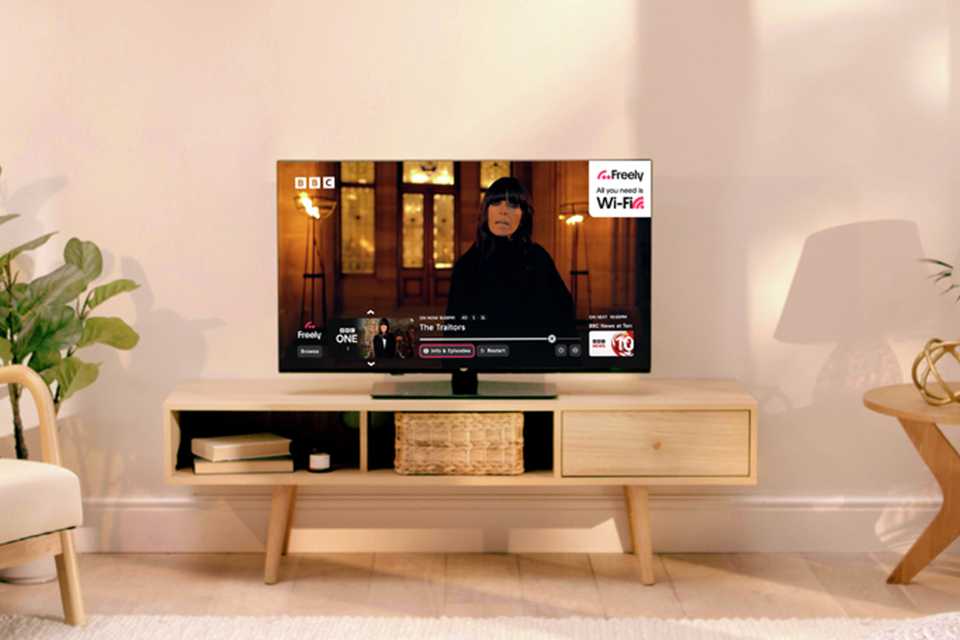
How do I get apps on a smart TV and what apps are available?
Some smart TVs will have a set of apps pre-installed and ready to use. The availability of apps varies for each TV and the app store they use. If you're interested in getting a particular app on your TV, do check that it's available before you buy. A few examples of apps you can get are:
- Free on-demand apps: BBC iPlayer, ITV Hub, All 4.
- Subscription Streaming Apps: Disney+, Netflix, Amazon Prime Video, NowTV.
- Social Media: Facebook, YouTube.
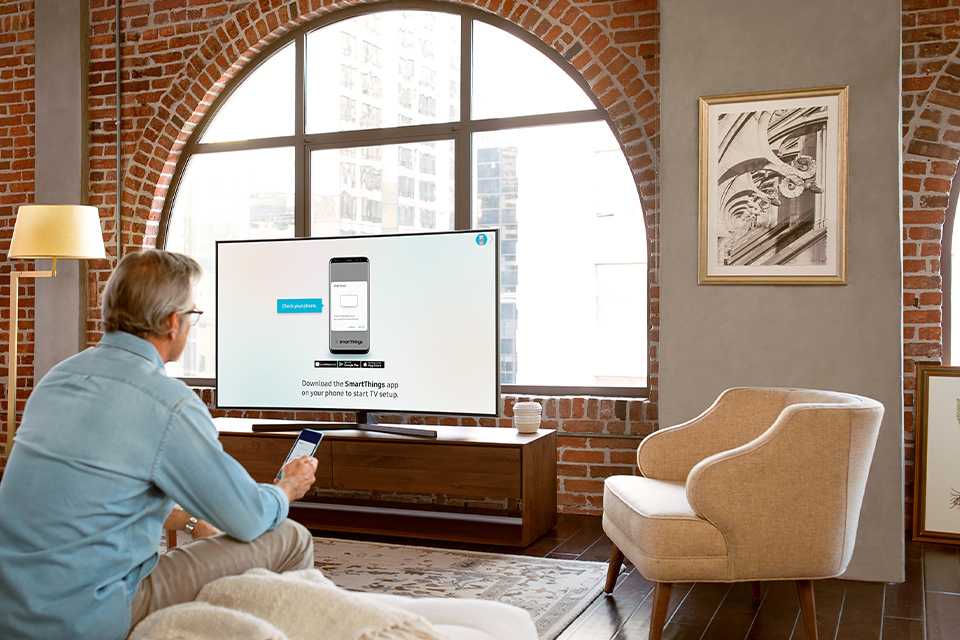
Can I connect my smart TV to my mobile phone or tablet?
Yes, it’s called remote access and many smart TVs can connect to your smartphone, tablet or wireless home cinema system. TVs with the remote access feature usually have an app for your device that lets you use your phone or tablet as a remote and share your screen with your TV.
Ready your room for the new TV
Carousel
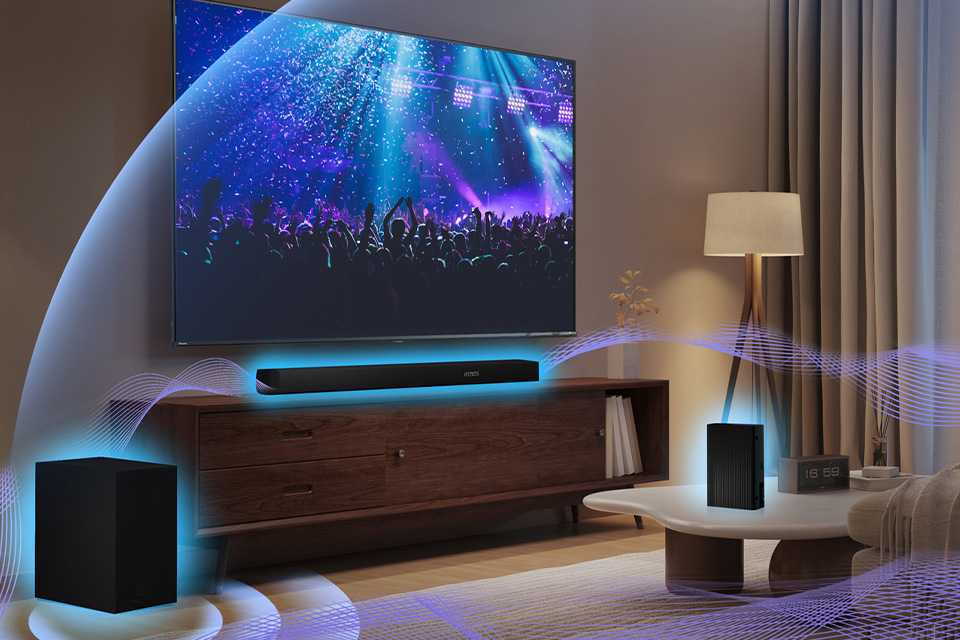
Sound bars and speakers
Create a crisp, clear surround sound experience. As TVs become more streamlined, internal speakers also resize to fit the space. By adding a sound bar, you can boost your TV’s audio.
Neatly tuck it under your TV or turn it into a stylish speaker for your smart devices. Ready to elevate your TV audio game?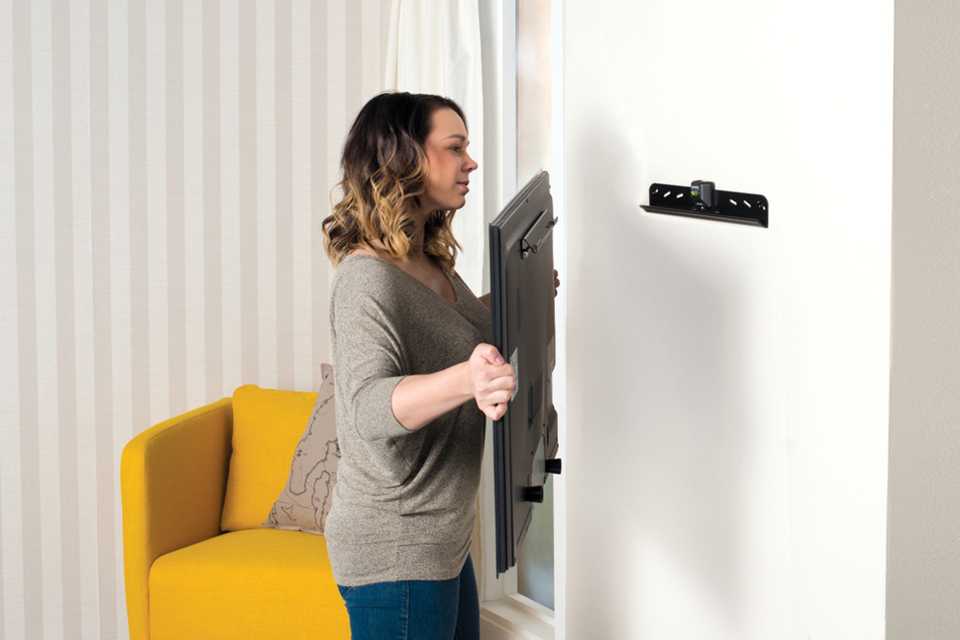
TV wall brackets
There are 4 types of brackets to help you securely mount your TV to the wall. Each of these will have a weight limit, so remember to check that your chosen bracket can support your TV’s weight.
- Flat-to-wall - These sit flush to your wall.
- Tilting - Come with a small extendable arm that flexes horizontally.
- Tilt and swivel - These move both horizontally and sideways to adjust your viewing angle.
- Multi-positional - The most flexible TV bracket allowing max movement for the best viewing angle.
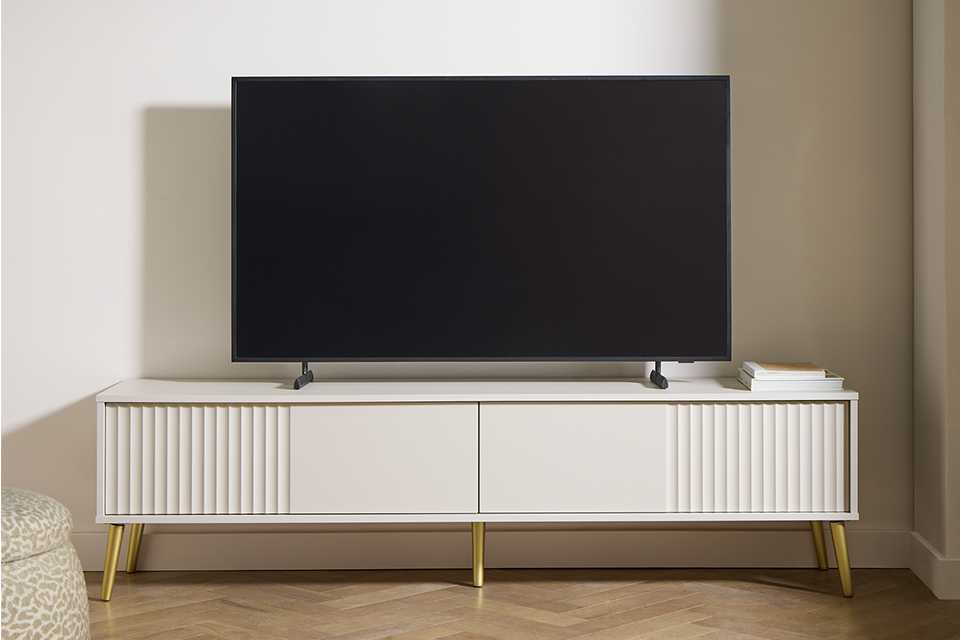
TV units and stands
Before you purchase your stand, think about the height, as this will affect the height of your TV. Measure the depth to accommodate the TV feet. Consider the width too, does your TV have feet in the middle or at the sides? Your stand should be 3 inches wider than your TV, but not so big that your TV looks too small.
Most TV units and stands are easy to move and come with smart ways to store your DVDs, consoles or cables. Plus there are multiple options to suit your style.
Explore TV accessories


Need more help?
Check out these frequently asked questions:
What is the best type of TV to buy for the money?
The best TV for your home depends on your budget. For excellent brightness, strong colour performance and everyday viewing, go for a 4K LED or QLED TV. If you want a pocket-friendly option without compromising on the picture quality, QLED TVs have the best balance of brightness and contrast. While OLED TVs offer superior picture quality, they're expensive, so choose one if you want a high‑end cinema experience at home.
Which is better, 4K or QLED or OLED?
It depends on your need and budget.
- 4K refers to resolution. Most modern TVs are 4K.
- QLED is an LED TV that uses quantum dots for brighter colours and better HDR performance. Great for bright rooms.
- OLED offers the best picture quality overall, with perfect blacks, infinite contrast, and wide viewing angles. Ideal for home theatres and movie lovers.
What should I look out for when buying a TV?
When buying a TV, look for features that impact picture quality and everyday usability:
- Screen size that fits your room and gives you a comfortable viewing distance.
- Panel type (OLED, QLED, LED).
- Refresh rate (120Hz is great for sports and gaming).
- HDR support (HDR10, Dolby Vision).
- Smart TV apps (Google TV, webOS, Tizen).
- Number of HDMI ports (especially HDMI 2.1 for gaming).
- Brightness levels for daytime.
- Sound quality or compatibility with soundbars.
These factors ensure you get a TV that suits your requirements.
How to decide what type of TV to buy?
To decide what type of TV to buy, think about how and where you'll use the TV. For a bright room, choose QLED or a bright LED TV. For a home cinema, choose OLED for the best contrast. For gaming, HDMI 2.1, 120Hz work the best. If you want something that doesn't cost an arm or a leg, a standard 4K LED offers great value. For a large living room, prioritise screen size and brightness.
What is the best TV to buy in the UK?
The best TV to buy in the UK depends on your budget, but here are some nudges to help you buy the best one for your home. If you are a movie buff, OLEDs offer the best contrast. Low on budget? 4K LED TVs are a good choice. For gamers, TVs with HDMI ports - HDMI2.1 and 120Hz for an excellent refresh rate are the best. Whichever TV you choose, consider the features and a comfortable viewing distance to ensure you make the most of your telly.
What is an OLED TV?
OLED (Organic Light-emitting Diode) is a type of technology where each pixel on the screen emits its own light, leading to incredible contrast, vibrant colours and breathtaking picture quality. Also, since it doesn't need a backlight, the screen is much thinner and lighter than an LED TV.
Should I buy an OLED TV?
If you're looking for exceptional picture quality, sleek design and wide viewing angles, an OLED TV would be the perfect choice. However, if you're on a tight budget or prefer more size options, you can explore LEDs.
What is the best OLED TV?
The best OLED TV depends on your choice. Since the range comes in the premium segment, almost all options from reputed brands are worth considering as they all meet superior standards. Pick as per your size/budget/design/add-on features preference. Check customer reviews for updated insights.
What’s the difference between QLED and OLED?
The main difference between QLED (Quantum Dot LED) and OLED (Organic Light Emitting Diode) lies in their display technology. QLED TVs use an LED backlight and quantum dots to produce colours. On the other hand, each pixel on an OLED TV emits its own light, providing deeper blacks and better contrast. OLED generally offers more vibrant colours, wide viewing angles and a super thin screen, while QLED can be brighter and less prone to burn-in issues.
Is QLED better than OLED?
Choosing between QLED and OLED comes down to personal preferences and usage. OLED, with its brilliant contrast and deep blacks, is ideal for home theatres and dark rooms. QLED's higher brightness makes it suitable for well-lit spaces.
The brightness levels in QLED televisions make them perfect for gaming. No more closing curtains and turning off the lights to be able to see the screen, even games in the darkest settings will be easily visible. They also have a really fast refresh rate, that may be the difference between a glorious victory or a crushing defeat.
OLED TVs smooth motion technology is perfect for watching sports or fast paced TV. It prevents the image from blurring on the screen when something moves quickly, providing a much crisper picture that is easier for your eyes to follow.
Do I need an electrician to wall mount a TV?
To wall-mount your TV you will need to drill into the surface of the wall to fix the necessary brackets. You can do this yourself if you are confident using a drill. Alternatively, you could get a professional in to help you. They may also be able to hide the wires inside the wall, replastering the surface to conceal them completely.
What free channels do you get on a smart TV?
Not all smart TVs come with free channels. Look for in-built apps or devices that are compatible with free service platforms such as Freeview, Freely, Pluto TV etc. These are internet or satellite based networks that offer free channels or apps.
Get more from your TV
Carousel

Argos TV tech support
Lost the manual to your new TV? Or perhaps filed it away in that safe place? No worries, we’ve got you covered, whatever TV you have.

Argos Care
Life on-the-go sometimes means things don't go to plan - we'll fix or replace your item even if it's broken by accident. T&Cs apply.
Provided by Domestic & General Insurance PLC.
Discover more inspiration
Carousel


You can now collect and spend Nectar points when you shop at Argos