
Paint buying guide
Whether you’re redecorating your interiors, touching up the outside of your house, repainting the fence or shed or tackling a furniture glow-up, our guide will help you find everything you need to complete the job.
Shop all painting and decorating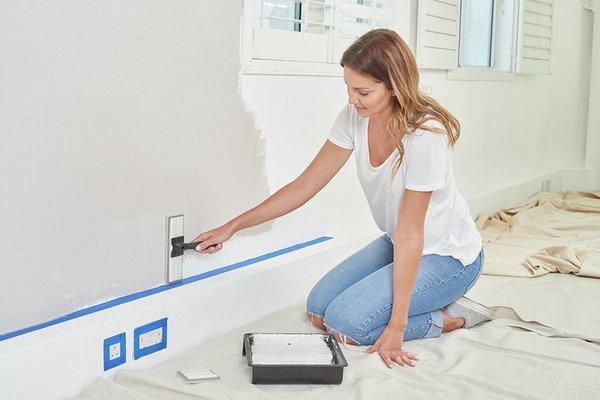&poi={$this.metadata.pointOfInterest.x},{$this.metadata.pointOfInterest.y},{$this.metadata.pointOfInterest.w},{$this.metadata.pointOfInterest.h}&scaleFit={($this.metadata.pointOfInterest.x>0)?$sfpoi:$sfcenter}&sm=aspect&aspect=3:2&sfcenter=center&sfpoi=poi&qlt=50&fmt=auto&noiser=0&fmt.jpeg.interlaced=true&fmt.jp2.qlt=40&)
By Zara Flynn | Date published: July 2026
For most indoor walls and ceilings, emulsion paint is a practical choice. Choose matt for a low-shine finish, silk or soft sheen for more reflection, and bathroom or kitchen paint for rooms where moisture or regular wiping may be more common. For skirting boards, doors and trims, look for paint made for wood or metal, such as eggshell, satinwood or gloss.
Plan before you start your painting project
Before you choose a colour, start with the room or surface. The right paint will depend on a few simple things:
- Where you’re painting: indoor walls, ceilings, bathrooms, kitchens, tiles, woodwork or exterior walls.
- How the space is used: busy hallways, family rooms and kitchens may need a more durable finish than a quiet bedroom.
- The surface condition: fresh plaster, dark walls, stains, damp patches or glossy surfaces may need extra preparation.
- Your preferred finish: matt, silk, eggshell, satin or gloss can all change the look and feel of a room.
- The tools you’ll need: rollers, brushes, masking tape, dust sheets and fillers can make the job neater and easier.
Types of paint explained
Different paints are made for different jobs. Always check the product label before buying, as suitability, preparation steps, drying time and coverage can vary by paint type and brand.
| Paint type | Good for | What to know |
|---|---|---|
Emulsion paint | Interior walls and ceilings | A common choice for indoor walls and ceilings. It’s usually available in matt, silk and other finishes. |
Bathrooms and humid spaces | Designed for rooms where moisture and condensation are more common. | |
Kitchens and busy family areas | Often chosen for areas where walls may need wiping more often. | |
Furniture updates | Useful for refreshing cupboards, tables, chairs and storage pieces. Check whether primer or sanding is needed. | |
Tiles in suitable areas | Ideal for refreshing tiled surfaces. | |
Exterior walls | Made for outside walls and masonry surfaces. | |
Damp proof paint | Problem areas affected by damp | Adds a protective barrier against moisture in damp prone areas when used in conjunction with other damp proofing including ventilation. |
Which paint finish should I choose?
| Finish | Look and feel | Often used for |
|---|---|---|
Flat, low-shine finish | Bedrooms, living rooms and ceilings | |
Smoother, shinier finish | Walls in busier areas, depending on preference | |
Gentle sheen | Bathrooms and kitchens, depending on the product | |
Subtle sheen | Woodwork, trims and furniture | |
Mid-sheen finish | Doors, skirting boards and woodwork | |
High-shine finish | Wood, metal, doors and trims |
Choosing the right paint
Paint for walls and ceilings
For most indoor walls and ceilings, emulsion paint is a practical starting point. Matt emulsion can help give walls a smooth, low-sheen look, while silk or soft sheen paints create a brighter feel.
White paint is a common choice for ceilings to make the room feel lighter. If you’re painting both walls and ceiling, paint the ceiling first, then move on to the walls. This helps you tidy up any drips or roller marks as you work down the room.
Top tip: for a darker wall, you may need an extra coat or a suitable primer before applying a lighter shade. Always check the paint tin for coverage, drying times and preparation instructions.
Paint for bathrooms and kitchens
Bathrooms and kitchens work harder than some other rooms. Steam, condensation, cooking splashes and regular cleaning can all affect painted surfaces.
For bathrooms, look for paint that says it is suitable for bathrooms or high-moisture spaces. For kitchens, check whether the paint is suitable for areas that may need wiping. Product labels should explain where the paint can be used and how to care for it.
If you’re painting near tiles, sinks, hobs or splashbacks, take extra care to choose the correct product for that surface and location.
Paint for woodwork, doors and skirting boards
Woodwork usually needs a different paint from walls. Skirting boards, door frames, doors and bannisters are touched more often, so choose a more durable paint.
Eggshell, satinwood and gloss are common choices:
- Eggshell gives a softer, lower-sheen finish.
- Satinwood gives a smooth mid-sheen finish.
- Gloss gives a shinier, more reflective finish.
Top tip: if the surface has already been painted, clean it first and lightly sand if the product instructions recommend it. Bare wood may need primer or undercoat before the topcoat.
Paint for tiles and specialist surfaces
Tile paint can be a great way to refresh tiled surfaces without replacing the tiles. Make sure the pain you’re looking at is suitable for the surface and space you plan to use it on.
Before buying tile paint, check:
- Whether it can be used in bathrooms or kitchens.
- Whether it is suitable for shower areas or splash zones.
- Whether the tiles need sanding, priming or a special cleaner first.
- How long the paint needs to dry or cure before regular use.
Top tip: If the surface is damaged, loose, cracked or regularly soaked, paint may not be the right fix.
Exterior paint and masonry paint
Masonry paint offers protection and a visual refresh to outdoor walls, while shed and fence paints add protection to exterior wood and breathe new life into weathered wood.
Before painting outside, check the weather forecast and the product instructions. Many exterior paints need dry conditions and suitable temperatures to apply and dry properly. Avoid painting damp surfaces, and make sure the area is clean before you start.
How to choose a paint colour
Colour can look different depending on light, room size and nearby furniture. A shade that looks bright in a sunny room may feel deeper in a north-facing space or hallway.
A few simple tips can help:
- Look at colours in natural and artificial light.
- Think about the flooring, furniture and curtains already in the room.
- Use lighter colours to create a brighter feel.
- Use deeper colours on one wall if you want more contrast.
- Choose timeless neutrals if you want something easy to update with accessories.
White, cream, grey, soft green, blue and warm neutrals are popular because they work with lots of furniture styles. If you’re choosing a bold colour, try to picture how it will look across a full wall, not just on a small colour swatch.
What decorating tools do I need?
The right tools can make painting cleaner, quicker and easier. For most indoor paint jobs, it helps to have:
- Paint rollers and brushes
- A paint tray.
- Masking tape for neat edges.
- Dust sheets to protect floors and furniture.
- Filler for small holes and cracks.
- Sandpaper or sander for smoothing surfaces.
- A step ladder or work platform for harder-to-reach areas.
Read our guide to the best power tools for home DIY projects.
How to prepare a room for painting
Good preparation will help make the job easier.
- Move furniture away from the walls and cover with dust sheets where it can’t easily be removed from the room.
- Clean the surface so paint can stick properly.
- Fill small holes and cracks, then sand the area smooth.
- Use masking tape around trims, sockets and edges.
- Stir the paint before use, unless the label says otherwise.
- Follow the product instructions for primer, drying time and number of coats.
If you’re painting over strong colour, stains, bare plaster or glossy paint, check whether you need a primer or undercoat first.
Painting safety and ventilation
Always read the paint label before you start. The Health and Safety Executive explain that paints and coatings can contain substances such as solvents and VOCs (volatile organic compounds), and product labels should show VOC content and relevant hazard information. It also notes that enclosed spaces and spraying can increase exposure risks, so ventilation and following product instructions are important.
Simple safety considerations include:
- Open windows where possible.
- Follow the product label.
- Keep paint away from children and pets.
- Wear suitable protective items if recommended on the tin.
- Avoid using products in ways they are not intended for.
Get professional advice for older surfaces if you suspect lead paint, asbestos or other hazards.
What to do with leftover paint
If you have leftover paint, store it safely with the lid sealed and the label visible. Keep it away from children, pets and heat sources.
Recycle Now says unwanted paint may be accepted at some out-of-home recycling points. It also advises hardening leftover paint before taking it to a recycling centre if you cannot use it or pass it on, and says solvent-based paint, paint thinner and white spirit should be treated as hazardous waste. Always check local guidance before disposing of paint.
Paint buying checklist
Before you add paint to your basket, check:
- The surface you’re painting.
- Whether it’s for indoor or outdoor use.
- The finish you want.
- The colour and room lighting.
- The coverage on the tin.
- Drying and recoat times.
- Whether primer or undercoat is needed.
- The tools and accessories you’ll need.
- How leftover paint should be stored or disposed of.
Painting and paint buying FAQs
What is the best paint for indoor rooms?
The best paint for indoor rooms depends on the room, surface and finish you want. For most walls and ceilings, emulsion paint is a practical choice. Matt paint gives a low-shine finish, while silk or soft sheen options add more reflection. For bathrooms, kitchens and busy spaces, look for paint that says it is suitable for that type of room. Always check the product label for surface suitability, coverage and care instructions.
What are the different types of wall paint?
Common types of wall paint include matt emulsion, silk emulsion, soft sheen paint, bathroom paint and kitchen paint. Matt is often chosen for a flatter look, while silk and soft sheen finishes reflect more light. Bathroom and kitchen paints are designed for rooms where moisture, steam or cleaning may be more common. For the safest choice, match the paint to the room and follow the instructions on the tin.
What are the 5 types of paint finishes for interiors?
Five common interior paint finishes are matt, silk, soft sheen, eggshell and gloss. Matt is low-shine and often used on walls and ceilings. Silk and soft sheen have more reflection. Eggshell gives a subtle sheen and is often used on woodwork or furniture. Gloss gives a shinier finish and is commonly used on doors, trims and skirting boards. Always check that the finish is suitable for your surface.
Is eggshell or satinwood better for skirting boards?
Eggshell and satinwood can both work for skirting boards if the paint is suitable for woodwork. Eggshell usually gives a softer, lower-sheen finish, while satinwood has a smoother mid-sheen look. The better choice depends on the style you prefer and how durable the product needs to be for the area. Check the tin for surface suitability, preparation steps and whether primer or undercoat is needed.
Is there a primer and paint all in one?
Some paints are described as one coat, self-priming or paint and primer in one, but suitability depends on the surface and the product. These can be helpful for certain decorating jobs, but they may not be right for bare plaster, stains, dark colours or glossy surfaces. Always read the product label before you start. If the surface is uneven, stained or freshly repaired, separate primer may still be needed.
What is the correct order to paint a room?
A common order is to prepare the room first, then paint the ceiling, walls and woodwork. Start by moving furniture, covering floors, cleaning surfaces and filling holes. Paint the ceiling before the walls so you can tidy up any marks as you go. Then paint trims, doors and skirting boards after the walls have dried. Drying times vary, so follow the instructions on your paint tin.
What is the best paint to cover dark walls?
To cover dark walls with a lighter colour, you may need more than one coat and possibly a primer, depending on the paint and surface. A good approach is to clean the wall, repair any marks, then check whether the paint recommends a primer or undercoat. Some one-coat paints may help, but results depend on the colour change and wall condition. Always follow the coverage guidance on the tin.
How do I decide what paint colour to use?
Start with the room’s light, size and existing furniture. Lighter colours can make a room feel brighter, while deeper colours can add contrast. Check how the shade looks in natural daylight and under lamps, as colour can change through the day. If you want something flexible, neutrals such as white, cream, grey or soft green can be easier to update with cushions, curtains and accessories later.