

Lawnmower and lawn care guide
All you need to choose the best lawnmower and keep your lawn looking healthy.
Shop all lawnmowers and lawn care tools&poi={$this.metadata.pointOfInterest.x},{$this.metadata.pointOfInterest.y},{$this.metadata.pointOfInterest.w},{$this.metadata.pointOfInterest.h}&scaleFit={($this.metadata.pointOfInterest.x>0)?$sfpoi:$sfcenter}&sm=aspect&aspect=3:2&sfcenter=center&sfpoi=poi&qlt=50&fmt=auto&noiser=0&fmt.jpeg.interlaced=true&fmt.jp2.qlt=40&)
Choosing the best lawnmower for the size of your garden
Small strip of grass? Large, open lawn? We'll match you to the best mower for your garden size. Just measure your lawn size and refer to these guideliness to pick the right mower for your garden.
A small lawn measures upto 100 square metres. A medium sized lawn is 100 - 250 square metres and a large lawn is over 250 square metres.
Power options for lawnmowers
Carousel
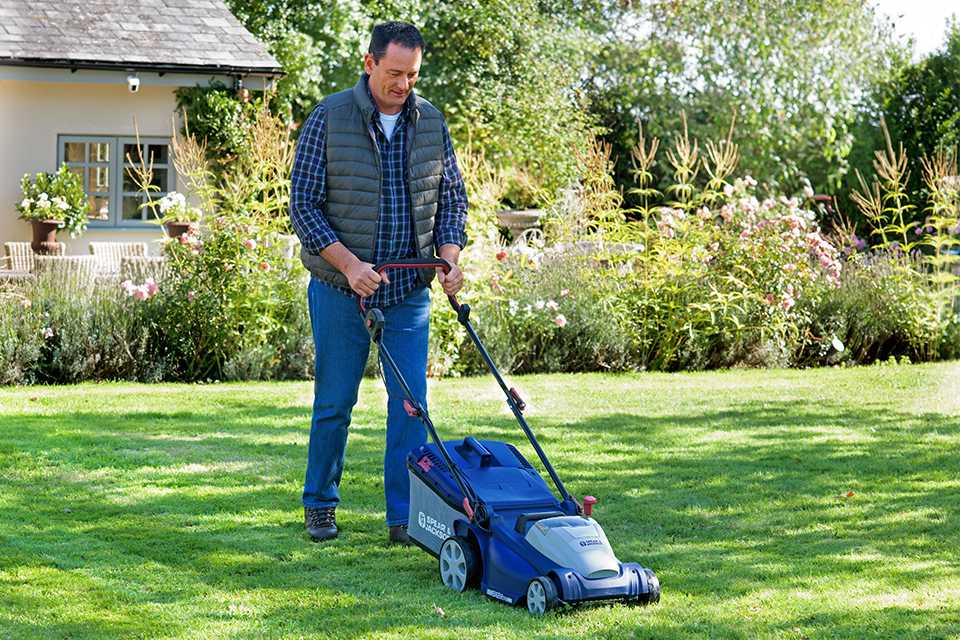
Cordless lawnmowers
Cordless mowers operate using lithium-ion battery technology. They have all the benefits of electric mowers but without the hassle of cables.
Why they're great:
- Rechargeable battery allows you to mow without restriction.
- Requires little maintenance and offers a quiet operation.
Best for: Medium gardens.
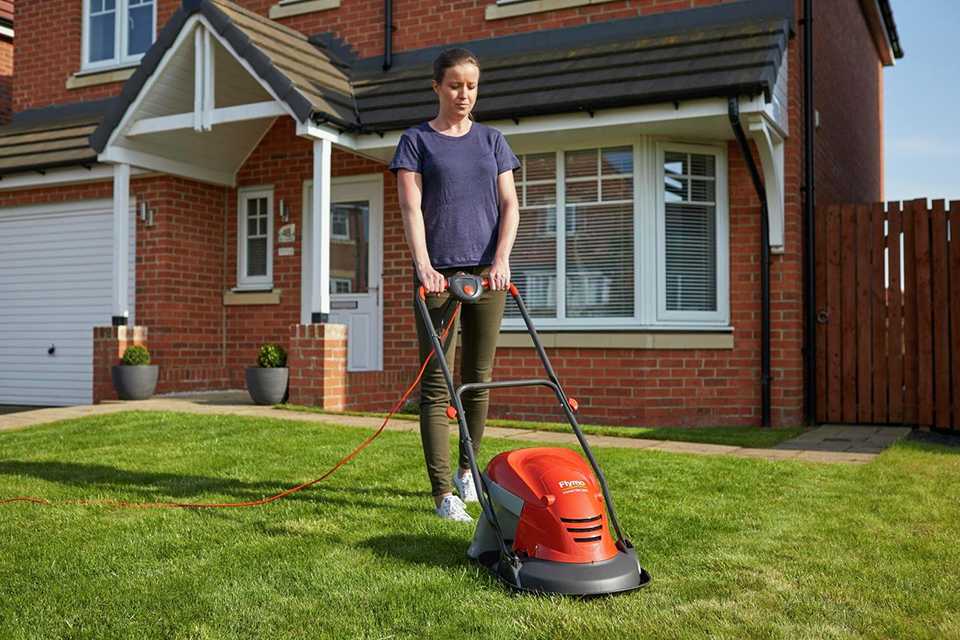
Electric or corded lawnmowers
Electric lawnmowers are small in size and are a breeze to use. They are lightweight and don't need refilling so you can keep mowing without getting tired.
Why they're great:
- Great for residential areas as they're relatively quiet.
- Low maintenance as they don't need any fuel top-up.
Best for: Small to medium gardens.
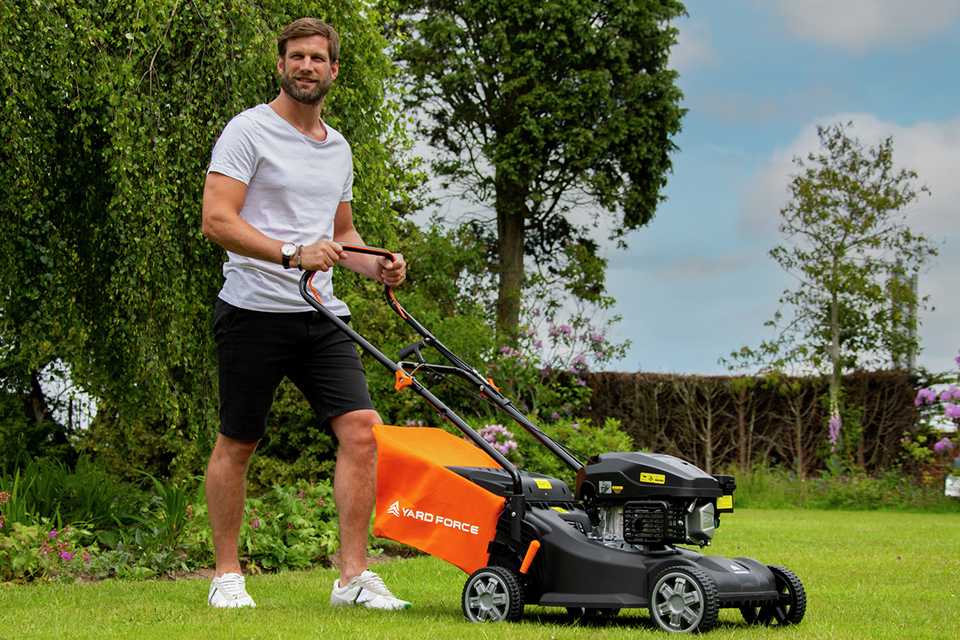
Petrol lawnmowers
More powerful than cordless and electric models, these petrol-driven mowers give you the freedom to work anywhere in your garden.
Why they're great:
- Can easily handle thick grass and overgrowth.
- No cables or recharging, so you can mow for longer.
Best for: Large gardens.
Types of lawnmowers
Carousel
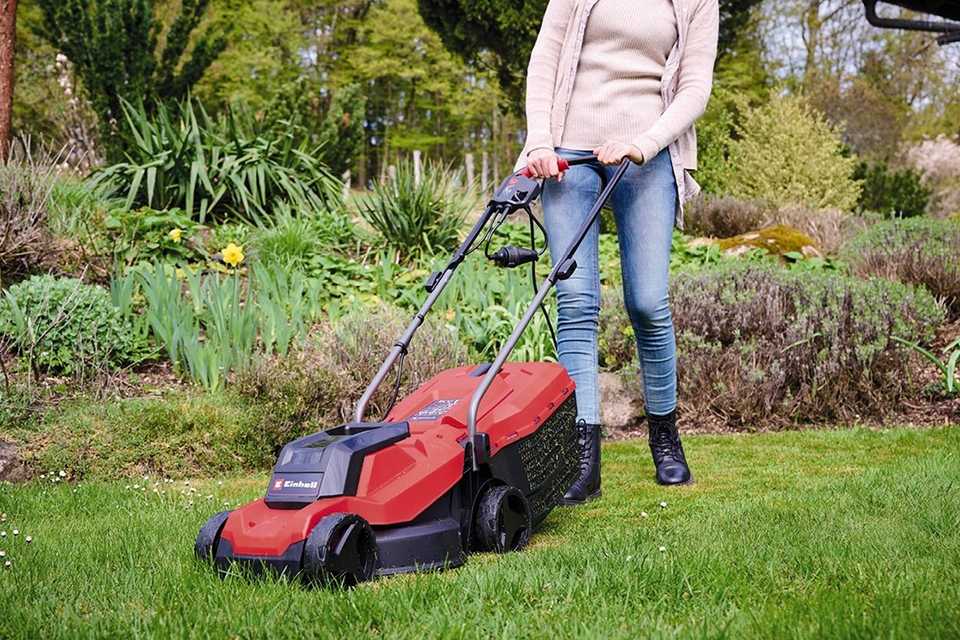
Rotary lawnmowers
Most lawnmowers are rotary. They have a horizontal blade on the bottom that rotates at high speeds, cutting the grass as it moves over the top of it.
Why they're great:
- Can be used on even and uneven surfaces to cut long and short grass.
- Requires little maintenance and is easy to use.
Best for: Small to medium gardens.
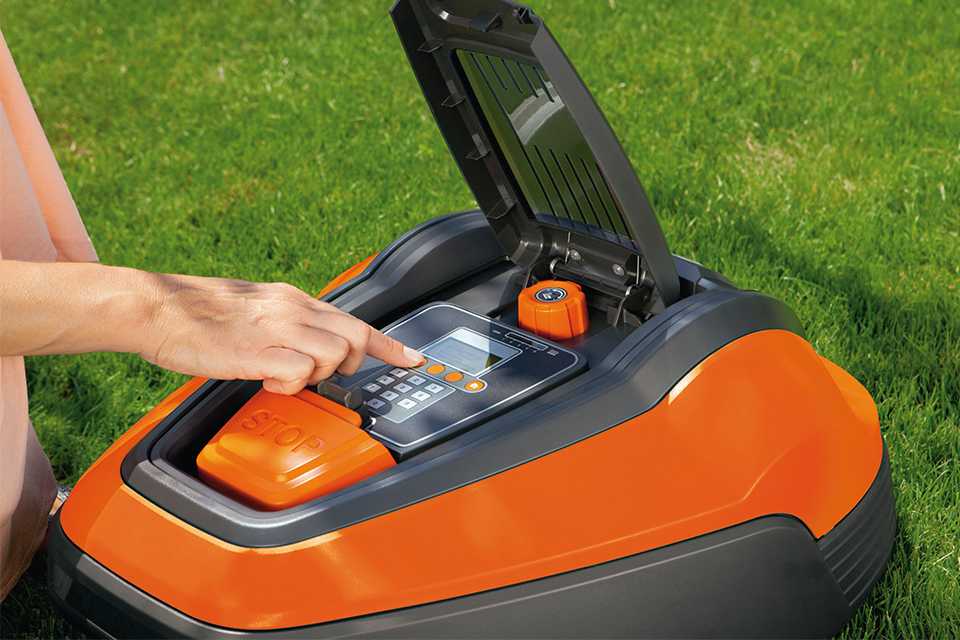
Robotic lawnmowers
Robot lawnmowers save you a great deal of time and effort. They typically operate within a boundary wire, which is installed around the edges of your lawn.
Why they're great:
- Mows your lawn automatically on a schedule you set.
- Very quiet operation, recharges itself when its battery is low.
Best for: Most garden sizes.
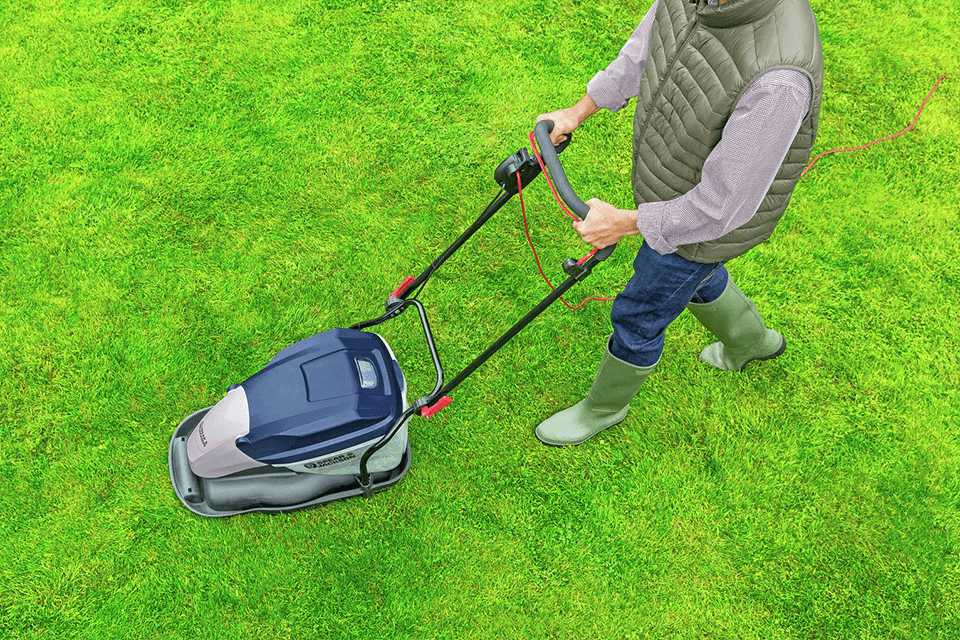
Hover lawnmowers
Hover mowers move on a cushion of air. Available in both cordless or corded, they're lighter and more manoeuvrable than wheeled models.
Why they're great:
- Allows for a 360-degree range of movement.
- Can handle bumpy, uneven lawns and move up any slopes.
Best for: Small to medium gardens.
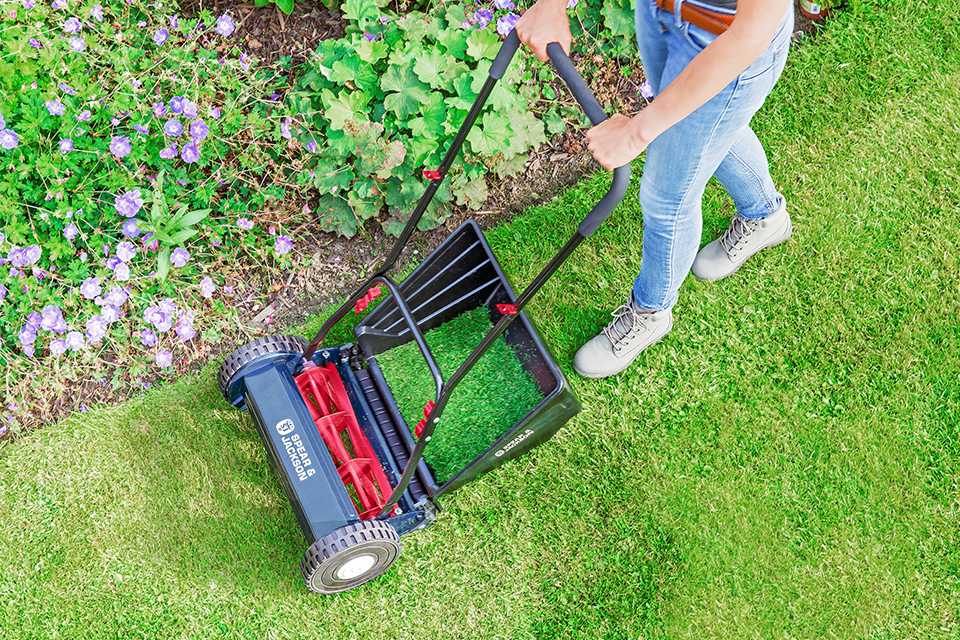
Cylinder lawnmowers
Cylinder lawnmowers use a rotating barrel of blades that cuts against a fixed blade. They are powered by pushing the mower forward.
Why they're great:
- Offers a finer, precise cut, perfect for trimming short, fine grass.
- Eco-friendly - no petrol, battery or mains power needed.
Best for: Small gardens.
Hand-propelled and self-propelled mowers
Carousel
Lawnmower features
What to consider when choosing a lawnmower?
- Blade width: Wider blades mean more grass gets cut with each pass.
- Grass combs: Cut right to the edge of your lawn, so there's less need for a separate trimmer.
- Cable length: If your mower has a cable, check if it is long enough to reach all parts of your garden.
- Battery life: A higher voltage (V.) is powerful and runs for more time without interruptions.
- Adjustable heights: Control how high you cut the grass.
- Adjustable handle: Makes it comfortable for your height. It also turns the mower more compact to store.
- Grass box volume: A large capacity box will help you avoid emptying over and over again.
- Rear roller: This slightly flattens the grass while you mow and creates the lawn stripes.
Shop lawnmowers by brand
Carousel









Lawn care tips and ideas
Seasonal lawn care is important so that your lawn stays well-maintained and protected throughout. You can sow grass seed in early autumn for best results, or even try in early spring if you prefer that time.
When it comes to maintaining a lawn, you should follow regular mowing and watering. Carry out any lawn repair during early autumn or spring months as the weather is not as intense as in summer or winter. Discover more helpful tips to take care of a lawn all year round in our section below.
Carousel
Carousel
Carousel
Lawn maintenance tips for pet parents

- Opt for durable, cool‑season grasses common in the UK, such as perennial ryegrass or fescue blends, which can handle damp weather and energetic pets well.
- Water urine spots promptly, especially during dry spells, to dilute nitrogen and prevent yellow patches.
- Set up a designated potty and loo area using bark, gravel, or artificial turf to protect your main lawn.
- Keep your grass slightly longer (around 5–7 cm) to improve resilience against wear and reduce mud.
- Choose pet-safe lawn feeds and avoid using weedkillers or any moss and lawn treatment unless clearly labelled as safe for animals.
- Repair worn patches quickly with a patch‑repair mix to keep the lawn thick and healthy.
Lawn care essentials
Keep your lawn looking its best with our range of lawncare essentials.
Carousel
FAQs about lawnmowers and lawn care
What is the best type of lawnmower to buy?
The best lawnmower depends on your lawn size, shape, and how much effort you want to put in. Rotary mowers are the most versatile. Cylinder mowers give a very fine cut but need a flat, well‑kept lawn. Robotic mowers are ideal if you want low maintenance mowers, while hover mowers work well on slopes and awkward shapes.
Are 4 blade lawnmowers better than 2 blade lawnmowers?
It depends on your lawn. 2-blade lawnmowers are lightweight and require less maintenance whereas 4 blade mowers are powerful but expensive. On rotary mowers, blade sharpness matters more than blade count, but additional cutting edges can improve mulching performance. Cylinder mowers use multiple blades, but rotary mowers typically rely on one blade with multiple cutting surfaces.
What blades cut grass the best?
For most homes, a sharp rotary blade gives a clean, reliable cut. Cylinder mower blades give the finest finish but only on flat, well‑maintained lawns. Mulching blades are best if you want to recycle clippings back into the soil.
Is it better to cut your grass higher or lower?
Cutting your grass higher is healthier as taller grass means deeper roots and better drought resistance. It also provides shade to the soil, reducing weeds and moisture loss. Cutting the grass too low stresses the lawn and makes it more vulnerable to disease.
What to do with your lawn in October?
October lawn maintenance involves clearing out any fallen leaves with a rake and following autumn lawn care like scarifying and aeration if the conditions aren't too wet. Read more about lawn care for October and other different months to know the best ways to care for your lawn.
When is the best time to cut the lawn?
Mid‑morning (8 am to 10 am) is ideal because the grass has dried from overnight dew but isn’t yet stressed by heat. Evening is a second‑best option, though moisture returns overnight. Avoid mowing at midday when the sun is strongest.
When should you do the last cut of the year?
When you get to autumn, you can start cutting less often. By mid-September you should be mowing once a fortnight, with a final cut taking place at the end of October. After that, only cut if you think it's necessary, but never do it while there's frost, as that can damage your grass and your mower.
When shouldn't you mow the lawn?
Avoid mowing when the grass is wet, during drought, or when there is frost. These conditions stress the lawn and can damage both the grass and the mower. Wet grass bends over, causing an uneven cut, clumps, a higher risk of slipping and can strain or clog your mower. Always wait for dry, firm conditions.
What is the best lawn care routine?
A good routine includes regular mowing, keeping grass at a higher height, and leaving clippings to mulch when possible. Water deeply but infrequently to encourage strong roots. Seasonal feeding and occasional aeration help maintain a dense, healthy lawn.
Do you mow first or edge?
Professionals recommend mowing first. This reveals the true edges and reduces the amount of trimming needed. Edging afterward gives a clean, crisp finish.
What is the 1/3 rule of mowing?
The 1/3 rule means you should never mow more than one‑third of the grass height at once. It shocks the plant and weakens the roots. Following this rule helps you keep a dense lawn and reduces scalping.
What is No Mow May?
Started by Plantlife in the UK, No Mow May is a biodiversity campaign encouraging people to stop mowing for the month of May. This allows wildflowers to bloom and supports bees and other pollinators. It increases early‑season food sources for insects and boosts garden biodiversity.
Discover more inspiration
Carousel

Best hedge trimmers for tall & thick hedges
Keep on top of your topiary with our guide to the best corded, battery and petrol hedge trimmers.

How to choose the best garden furniture
Make the most of your garden, patio or decking with our guide to garden furniture.

Garden inspiration
Find all you need to soak in the sun and enjoy your summer garden.
