
Fitness tracker buying guide
Whether you’re hitting the gym, heading out on a run or taking a gentle walk, stay on top of your fitness with wearable fitness trackers.
Shop all fitness trackers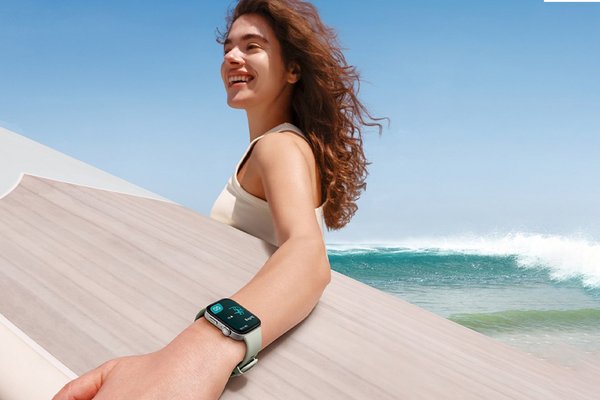&poi={$this.metadata.pointOfInterest.x},{$this.metadata.pointOfInterest.y},{$this.metadata.pointOfInterest.w},{$this.metadata.pointOfInterest.h}&scaleFit={($this.metadata.pointOfInterest.x>0)?$sfpoi:$sfcenter}&sm=aspect&aspect=3:2&sfcenter=center&sfpoi=poi&qlt=50&fmt=auto&noiser=0&fmt.jpeg.interlaced=true&fmt.jp2.qlt=40&)
By Steven Smith | Date published: July 2026
A fitness tracker can help you see how much you move, record workouts and review health and fitness patterns over time. Depending on the model, it may track steps, distance, heart rate, sleep, routes and other activity data.
The right choice depends on what you want to track, how often you plan to use it and whether you need smartwatch features too. This guide explains the main options and the details worth checking before you buy.
Quick answer: how to choose a fitness tracker
Start by thinking about the activities you want to track. A simple fitness band may be enough for daily steps and general activity, while runners and cyclists may prefer a fitness watch with built-in GPS. If you want calls, apps and more phone-like functions on your wrist, consider a smartwatch.
There are a few things you’ll want to consider when looking at trackers:
- Which activities and measurements it supports
- Whether it has built-in or connected GPS
- Its typical battery life
- Its water-resistance information
- Smartphone OS compatibility
- Whether any features require a subscription
- Its size, strap fit and screen readability
Fitness trackers are not medically designed or calibrated. All stats are estimates which are useful in providing you performance baselines and indications of readiness for activity but should not be used for medical purposed. Use them to follow general patterns and refer to the manufacturer’s guidance for correct setup and use.
What is a fitness tracker?
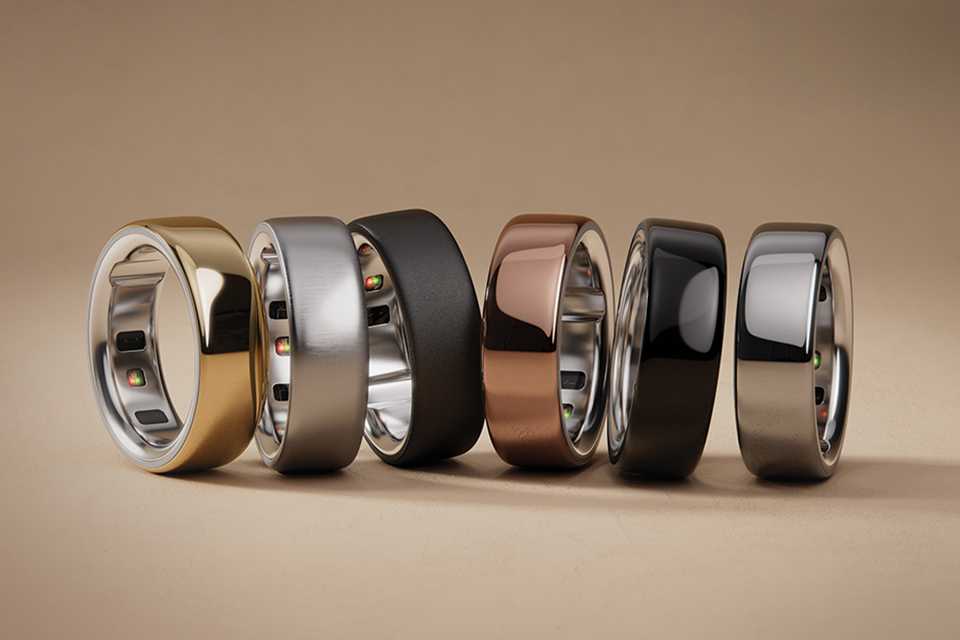
A fitness tracker is a wearable device that records activity and other personal data. Most are worn on the wrist, although screenless bands and smart rings are also available.
Each brand and model offers their own take on fitness tracking, but many have common features and functions. These might include:
- Counting steps
- Estimating distance and active minutes
- Recording workouts
- Measuring heart rate
- Tracking sleep patterns
- Providing reminders to move
- Showing progress in a companion app
The available measurements depend on the device. A basic pedometer watch may focus on steps and time, while a more advanced fitness watch may include GPS, detailed workout information including route maps and smartphone notifications.
A tracker cannot do the activity for you, but being able to see your routine may help you set realistic goals and notice changes over time.
Which type of fitness tracker should you choose?
Fitness bands
Fitness bands are usually slim devices built around everyday activity tracking. They often focus on steps, heart rate, sleep and basic workout recording.
They may suit you if you want:
- a lightweight device
- straightforward activity information
- fewer connected features
- a smaller screen or discreet design
- less time spent interacting with apps on your wrist
Check whether the display and text are easy for you to read, particularly if the band has a narrow screen.
Fitness watches and sports watches
Fitness watches usually provide more detailed activity features than basic bands. Depending on the model, these can include built-in GPS, dedicated activity modes, training information and physical controls that are easier to use during exercise.
A sports watch may be useful if you regularly run, cycle, hike, swim or take part in several activities. Check that the individual watch supports your preferred activity rather than assuming every sports watch offers the same modes.
Smartwatches
Smartwatches combine activity tracking with broader connected functions. These may include calls, messages, apps, music controls and contactless payments.
They can be useful if you want one device for fitness and everyday phone functions. However, a larger display and wider range of features may affect its size, battery use and ease of navigation.
Fitness tracker features to compare
Activity and workout tracking
Start by checking whether the tracker records the activities you do most often. Many devices cover walking and running – both on road and on treadmills -, but support for activities such as swimming, gym workouts, cycling and golf varies.
Automatic workout detection can be convenient, but manually starting a session may give you more control over what is recorded.
GPS
GPS records location information for outdoor activities such as running, walking and cycling.
A tracker with built-in GPS can usually record a route without relying on your phone during the activity. A device with connected GPS uses your phone’s location service, so you will normally need to take your phone with you.
Built-in GPS may be useful if you prefer exercising without your phone, but using location tracking can reduce battery life.
Heart rate and other sensor readings
Many trackers estimate your heart rate using sensors on the back of the device. Some also provide estimated blood oxygen levels, stress indicators or other wellness measurements.
The available functions and their intended uses vary. Consumer fitness trackers should not be treated as a replacement for professional medical assessment or medical equipment. If a reading concerns you or you need personalised health advice, speak to a qualified healthcare professional.
Sleep tracking
Sleep tracking can show estimates such as when you fell asleep, how long you slept and periods of movement during the night. More advanced trackers may divide sleep into stages or provide a score.
The tracker normally needs to be worn overnight, so comfort and battery life are particularly important if sleep tracking is one of your priorities. Focus on patterns over time rather than relying on one night’s result.
Battery life and charging
Battery life varies according to the device, display and features in use. GPS, frequent notifications and an always-on screen can all use more power.
Look at the manufacturer’s typical-use information, then consider how you are likely to use the tracker. Also check:
- how the device charges
- whether it uses a model-specific charging cable
- how long charging normally takes
- whether your preferred features affect the quoted battery life
A shorter quoted battery life may be manageable if you already charge your devices daily. A longer-lasting tracker may be more convenient for overnight tracking or trips away.
Water resistance
Water-resistant does not always mean suitable for swimming. Different products are designed for different depths, activities and lengths of exposure.
Before showering or swimming with a tracker, check the product information and manufacturer’s instructions. Also find out whether the device records swimming or simply resists water.
A tracker may lose suitability for water-based activity throughout its life. Seals and protective parts can be affected by wear or damage.
Phone and app compatibility
Most fitness trackers use a companion app to display detailed information and adjust settings. Check that the device and app support your phone’s operating system and software version.
It is also worth checking:
- whether an account is required
- which features work without a phone nearby
- whether the tracker can connect to other fitness apps
- how software updates are delivered
- whether mobile data or Wi-Fi is needed for syncing
- whether any functions require a paid subscription
Compatibility can change, so review the latest product and manufacturer information before buying.
Comfort, size and accessibility
A tracker works best as part of your routine, so make sure it will be comfortable to wear when you plan to use it.
Consider:
- wrist and strap size
- overall weight
- screen size and brightness
- text readability
- touch controls versus physical buttons
- vibration strength
- interchangeable strap options
- whether it can be worn comfortably overnight
Choose according to fit and the features you need rather than marketing aimed at a particular gender.
Privacy and personal data
Fitness trackers can collect detailed information about activity, location, sleep and daily routines. Before setting one up, read the privacy information and review the available sharing settings.
Check what data is collected, where it is stored and whether it is shared with connected apps or other accounts. Use a strong, unique password and install app and device updates when available.
If the tracker is for a child, review its location, social and privacy settings together. Choose age-appropriate features and explain what information the device records.
Fitness tracker or smartwatch: what is the difference?
| What to compare | Fitness tracker | Smartwatch |
|---|---|---|
Main purpose | Activity and workout tracking | Connected features and activity tracking |
Format | Often a slim band or compact watch | Usually a watch with a larger display |
Typical controls | Simple touchscreen or buttons | Touchscreen, buttons and sometimes voice controls |
Connected features | Usually limited notifications and controls | May support calls, apps, messages and payments |
Battery use | Often focused on longer everyday tracking | May use more power because of its screen and connected features |
Best suited to | Users prioritising activity data and simplicity | Users wanting fitness and phone-style functions together |
There is some overlap between the two. A fitness watch may have smart notifications, while a smartwatch may offer detailed workout tracking. Compare individual features rather than relying only on the product name.
How to choose a tracker for your activity
For walking and everyday movement
For steps, active minutes and general movement, a basic fitness band or pedometer watch may cover what you need. Prioritise comfort, straightforward controls and a clear display.
For running
Look for GPS if you want to record outdoor routes, distance and pace. Built-in GPS lets the watch record location without using your phone’s GPS, while connected GPS normally requires your phone to be nearby.
Also check for running-specific activity modes, readable real-time information and controls you can use while moving.
For swimming
Choose a device that the manufacturer specifically identifies as suitable for swimming. If you want workout data, make sure it supports swim tracking rather than water resistance alone.
Check whether it records the type of swimming you do, such as pool sessions or open-water swimming.
For gym workouts
Look at the available workout modes rather than the number quoted. A tracker that supports the sessions you actually do is more useful than one with a long list of unfamiliar activities.
A comfortable strap, easy controls and resistance to sweat are practical considerations. If you use connected gym equipment or workout apps, check whether the tracker can share data with them.
Find ideas in our home gym equipment guide.
For cycling and outdoor activities
GPS, route information, screen visibility and battery life may be useful for longer outdoor sessions. Check whether the tracker supports cycling or your chosen activity and whether route features need a phone connection.
For longer trips, consider how and when you would recharge the device.
For children
A child’s fitness tracker should be age-appropriate, comfortable and straightforward to use. Check the recommended age, strap size, durability, app requirements and privacy controls.
GPS and location features differ between devices. Review how location information is collected and shared rather than treating a consumer wearable as a guaranteed safety tool.
FAQs about fitness trackers
What does a fitness tracker do?
A fitness tracker records activity data and displays the information on the device or in a companion app. Common functions include step counting, workout recording, heart-rate estimates, sleep tracking and reminders to move. Some models also include built-in GPS, smartphone notifications and other connected features. Features vary between products, so check the individual specifications. Fitness tracker readings are estimates and should not be treated as a diagnosis, medical result or replacement for professional healthcare advice.
What is the difference between a fitness tracker and a smartwatch?
A fitness tracker is primarily designed to record activity and workout information. It is often smaller and has fewer connected functions. A smartwatch usually combines fitness tracking with features such as apps, calls, messages, music controls and contactless payments. There is considerable overlap, so the product name alone may not tell you which is right for you. Compare activity modes, GPS, battery life, phone compatibility, screen size and any subscription requirements before choosing.
How accurate are fitness trackers?
Accuracy varies according to the device, the measurement, how it is worn and the activity being recorded. Step counts are generally more straightforward to estimate than measurements such as energy use or heart rate during intense movement. For a secure fit, follow the manufacturer’s instructions and use the correct wrist and device settings. Look at longer-term patterns rather than relying on a single reading. A consumer fitness tracker should not be used to diagnose or rule out a health condition.
Can a fitness tracker work without a phone?
Many trackers can count steps and record some activities without a phone nearby. However, you may need a compatible phone to set up the device, change settings, install updates and view detailed information. Connected GPS also uses your phone’s location service during an activity, while built-in GPS can usually record routes independently. Check the product details to see which functions work offline, which need a phone connection and whether the tracker must sync regularly.
Can you swim with a fitness tracker?
Only use a fitness tracker for swimming if the manufacturer states that the specific model is suitable. Water-resistant products are not necessarily designed for swimming, diving or every type of water activity. If you want to record a swim, check whether the tracker includes the right swimming mode as well as appropriate water-resistance information. Always follow the manufacturer’s instructions, particularly around depth, duration, buttons, hot water and salt water.
Do fitness trackers need a subscription?
Not every fitness tracker requires a subscription. Many provide core activity information through a free companion app, while some manufacturers reserve additional analysis, coaching or historical insights for a paid service. Check what is included before buying and whether you can continue using the main features without a subscription. A subscription may also be needed to access some services after an introductory period, so review the current product information and app terms rather than relying on older reviews.