
How to choose and care for your plants
Shop by plant type


Outdoor plants to bring your garden to life
Brighten up your outdoor space. From colourful blooming plants and ornamental trees to lush shrubs and grasses, explore everything to bring the best for your garden.
Carousel
Flowering plants for colour and impact
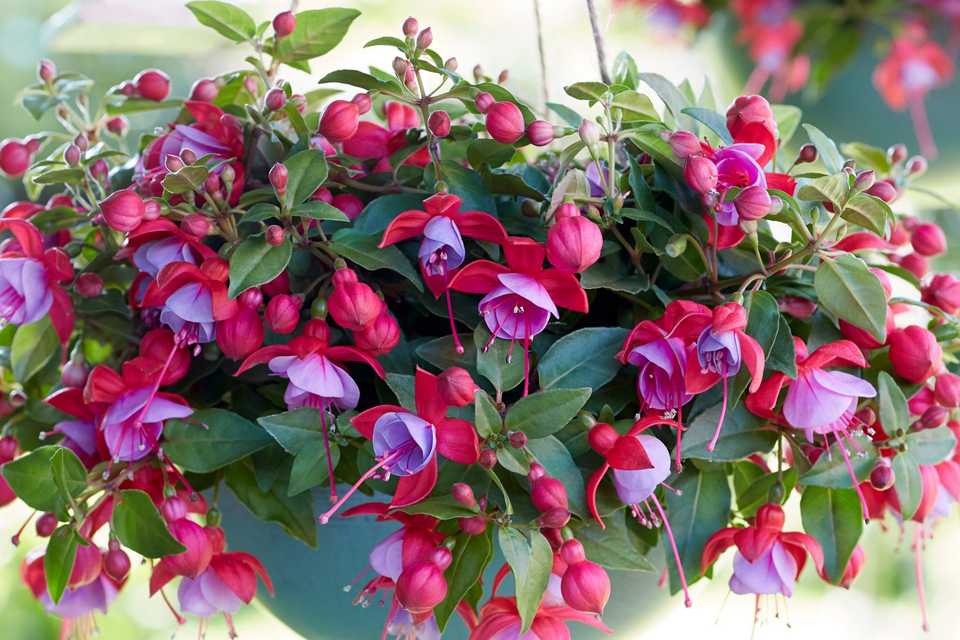
Bring instant colour to your garden with flowering plants. From classic favourites like petunias, geraniums, fuchsias, begonias, and marigolds, to premium varieties for baskets and containers, these flowers attract bees and butterflies, brighten up borders, and bring life to patios and window boxes.
Ideal for gardeners who want fast results. These plants grow in pots, hanging baskets, and sunny beds with regular watering.
How to care
- Deadhead regularly to keep flowers coming.
- Water consistently, especially during warm weather.
- Feed them weekly for the best colour and performance.
Best for
Hanging baskets, window boxes, patio pots, colourful borders, brightening any outdoor space.
Carousel
Your handbook to care for outdoor plants
Keep your outdoor plants healthy and happy by understanding their life cycle and following these tips.
| Category | Height range | Flowering and planting time | Light needs | Soil requirements |
|---|---|---|---|---|
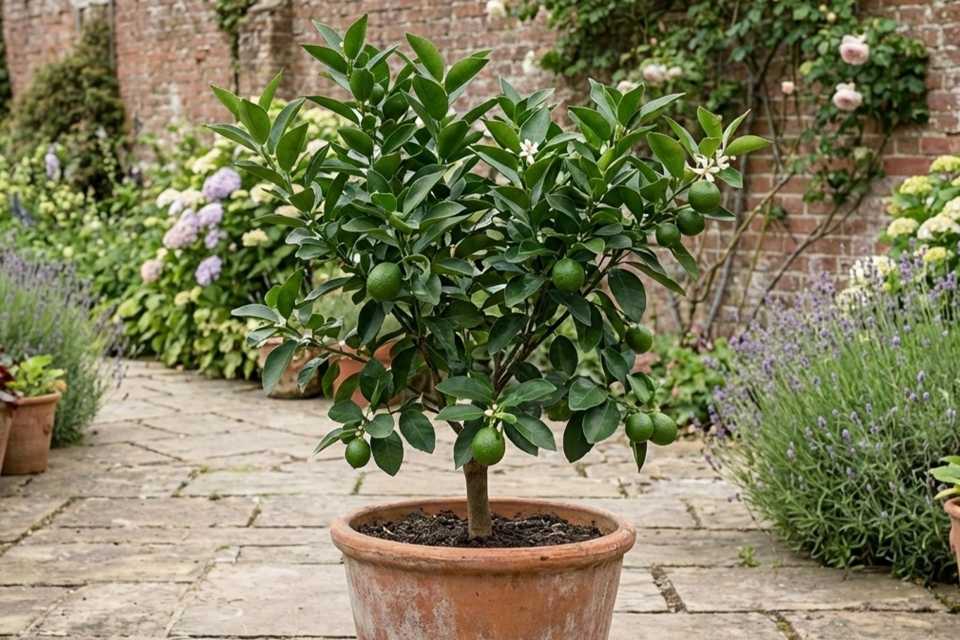
Trees and hedging | 1–5m+ depending on species | Flowering: Magnolia (spring), Camellia (winter–spring), Citrus (summer) | Full sun, partial sun, partial shade | Some require ericaceous (camellia), while most prefer well‑drained soil |
Shrubs and perennials | 30cm–2m depending on species | Flowering: Spring (Hellebore), Summer (Hydrangea, Salvia), Autumn (Sedum, Dahlia) Planting: Spring or autumn | Full sun, partial sun, partial shade, full shade (varies by plant) | Hydrangea and camellia need ericaceous, while lavender and euphorbia need free‑draining |
Bedding and seasonal plants | 20–40cm (trailers up to 60cm+) | Flowering: May–October Planting: After last frost (late April–May) | Full sun, partial shade | No specialist soil but they prefer multi‑purpose compost with good drainage |
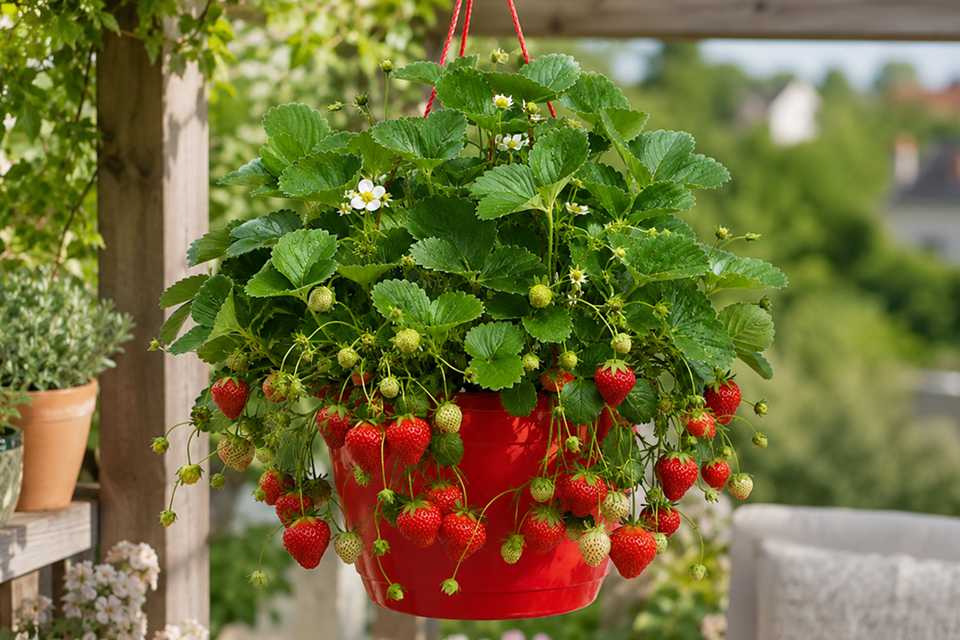
Herbs, vegetables, soft fruit | 20cm–2m depending on crop | Harvest: Tomatoes (Jul–Oct), Strawberries (May–Jul), Raspberries (summer/autumn) Planting: Veg (spring), herbs (spring–summer), fruit (autumn/spring) | Mostly full sun; some herbs tolerate partial shade | Blueberries need ericaceous but Mediterranean herbs need well‑drained soil |
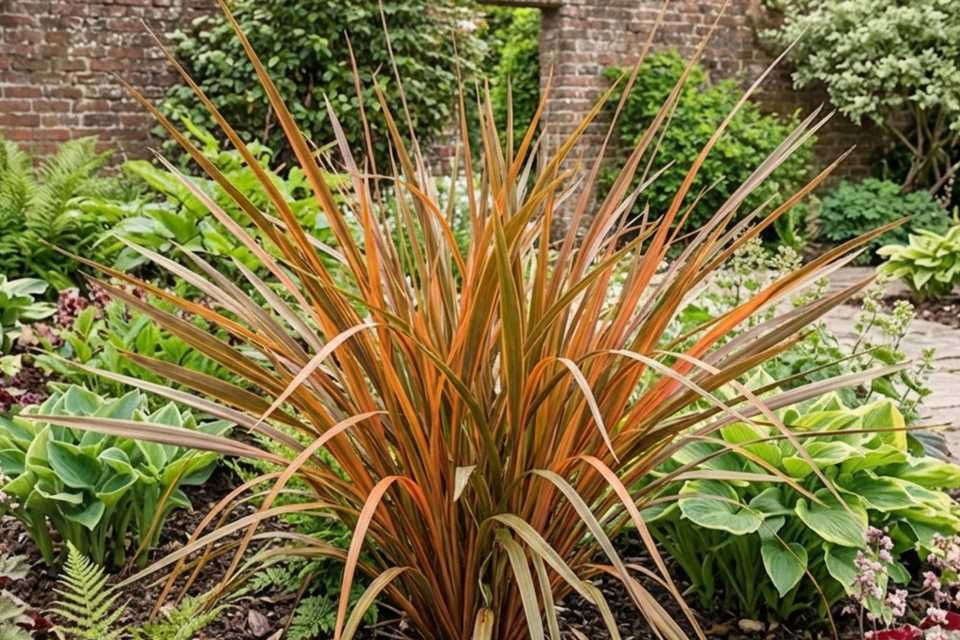
Grasses, ferns and architectural plants | 30cm–3m depending on species | Flowering: N/A Planting: Spring or autumn | Full sun (grasses), partial shade (some Carex), full shade (ferns) | Ferns need moist, organic‑rich soil and grasses need well‑drained soil |
New in outdoor plants
Start kitting your outdoor space with these lush and vibrant plants and trees.
Slider Grid


Indoor plants to uplift your space
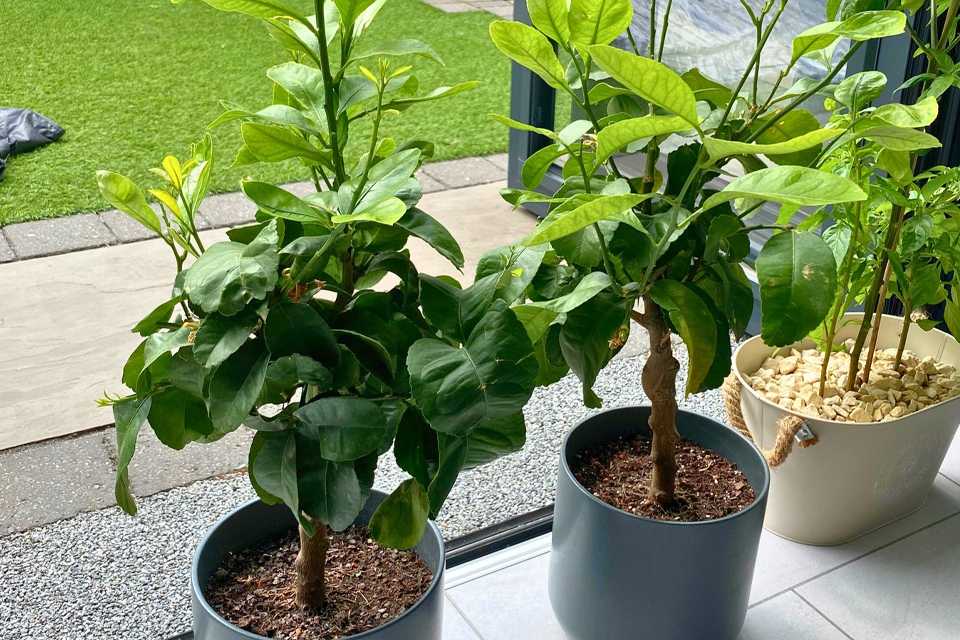
Bring natural calm and everyday freshness into your home with indoor plants. From fragrant herbs to compact fruiting plants, these varieties add colour, scent, and character to any room. Choose from herbs like basil, mint, lemon balm, thyme, or try compact edibles like chillies, strawberries, and patio tomatoes, for a fun, home‑grown touch. For something more decorative, citrus trees bring glossy foliage, scented blossoms, and a Mediterranean feel all year round. For lush foliage, monstera, devil’s ivy, and rubber plants are great options.
Brightening a kitchen counter, improving the air quality, or creating a mini indoor garden? Whatever your goal is, these plants are rewarding greenery for your home.
- Shop all indoor plants
Carousel
Your handbook to care for indoor plants
Here's all you need to get to know your indoor plants better and nurture them regularly.
| Category | Height range | Flowering and planting time | Light needs | Soil requirements |
|---|---|---|---|---|
Indoor foliage plants | 30cm–2m depending on species | Flowering: Mostly grown for foliage; Peace Lily may flower year‑round | Bright indirect light but some tolerate low light | Use well‑draining indoor compost and add perlite for aeration |
Indoor ferns | 30–60cm | Flowering: Non‑flowering | Partial shade to full shade but avoid direct sun | Moist compost and keep the soil evenly damp |
Indoor palms | 1–3m | Flowering: Rare indoors | Bright indirect light but Yucca tolerates full sun | Free‑draining compost and avoid waterlogging |
Flowering houseplants | 40cm–1.5m | Flowering: Orchids (intermittent), Bird of Paradise (summer indoors) | Bright indirect light but some tolerate morning sun | Orchids need orchid bark mix; Bird of Paradise prefers rich, well‑drained soil |
Succulents | 30cm–1m | Flowering: Rare indoors | Full sun to bright indirect light | Cactus/succulent compost; excellent drainage essential |
New in indoor plants
Bring a fresh breath of air into your home with our collection of indoor plants.
Slider Grid


How to choose the right plant
Whether you’re planning to be a plant parent for the first time or expanding a thriving plant collection, these questions will help you pick a plant that suits your lifestyle.
Carousel

How much sunlight do you get?
Light is the biggest deciding factor when it comes to most plants. Herbs, tomatoes, chillies, and most bedding plants love sunny spots. Shady corners suit ferns, hostas, and other low‑light lovers. Knowing how much light your space can offer will help you decide which plant to go for.
How much effort and time can you put?
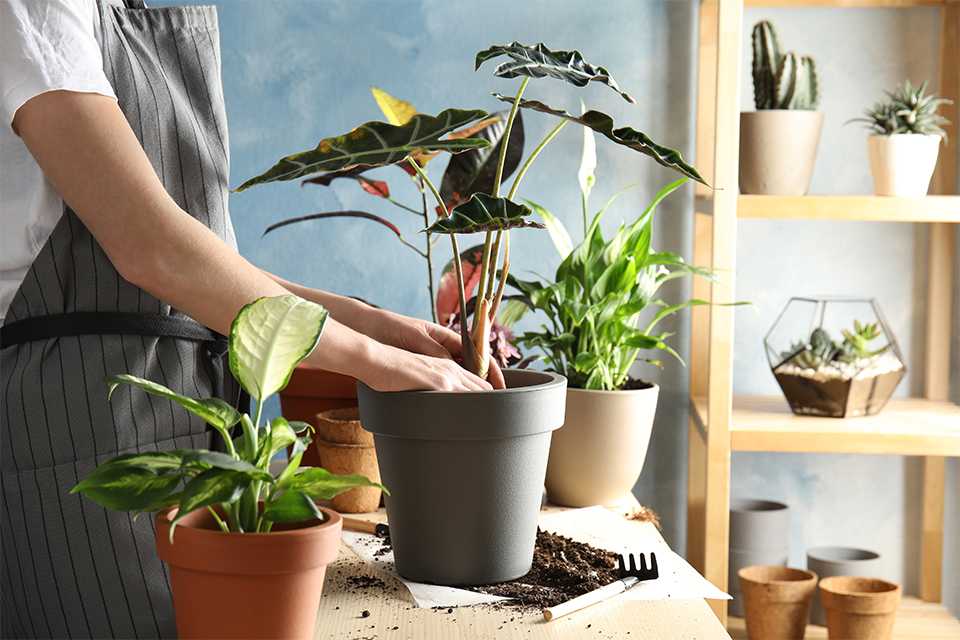
Some plants need a little extra TLC, while others practically grow themselves. Choose easy‑care options like choisya, Euonymus - Paloma blanca, or devil's Ivy if you're short on time. If you enjoy hands‑on gardening, fruiting plants like citrus, tomatoes, and colourful bedding varieties are a great choice.
Where do you want to plant?
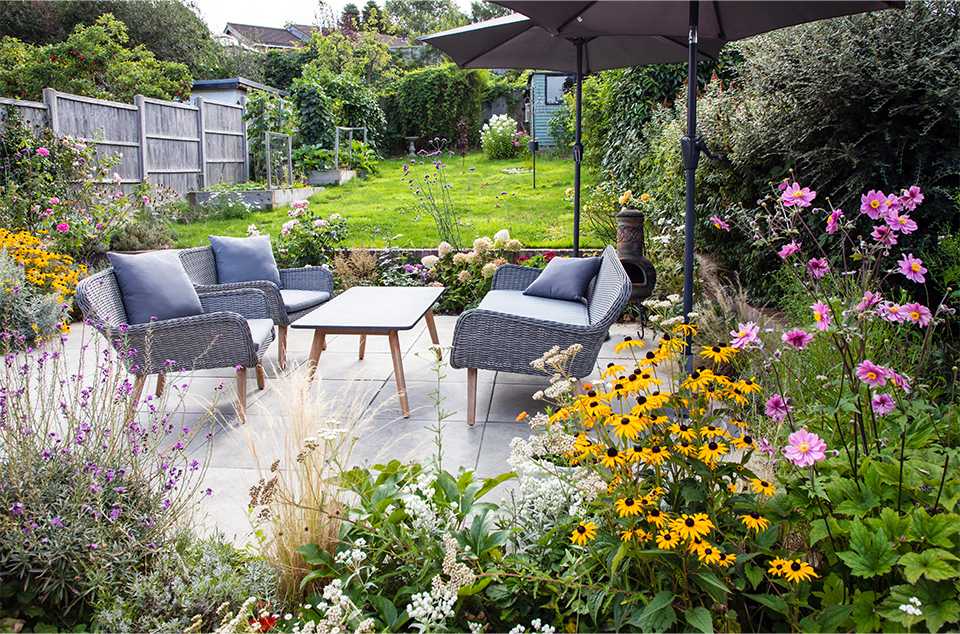
Think about the planting spot before you dig in. Pots, borders, hanging baskets, or indoor spaces - all have different needs. Plants in a container dry out faster. Indoor plants prefer steady conditions, and many outdoor plants can handle a range of weather conditions. Pick a plant that suits the space you’re giving it.
What about temperature?
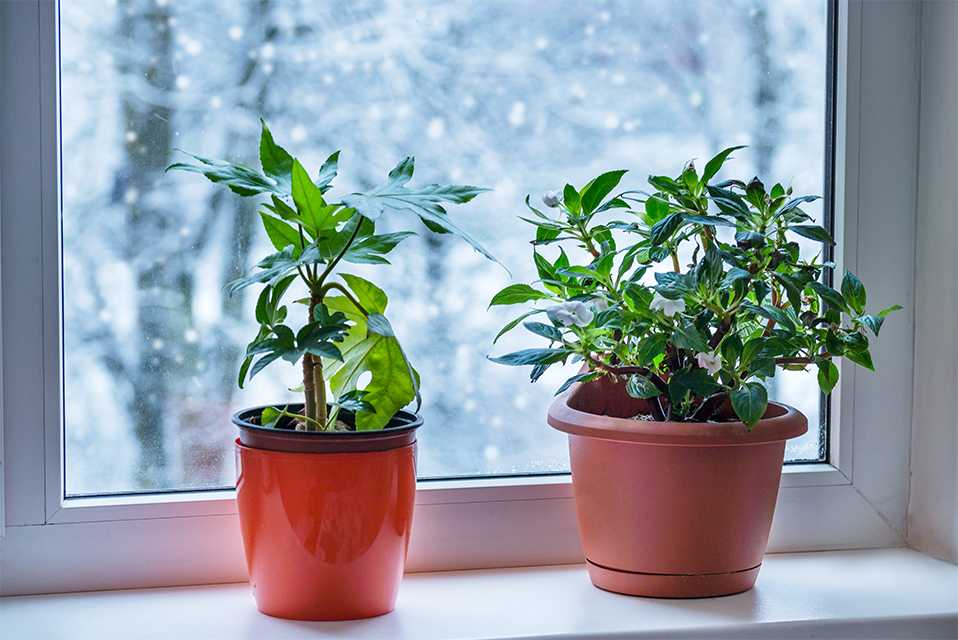
Some plants are hardy enough to weather the UK climate and some prefer a cosy corner. Tender plants like citrus, basil, and some bedding varieties need shelter when the temperatures drop. But hardy shrubs, evergreens, and ferns stay happy and healthy outdoors all year with minimal fuss.
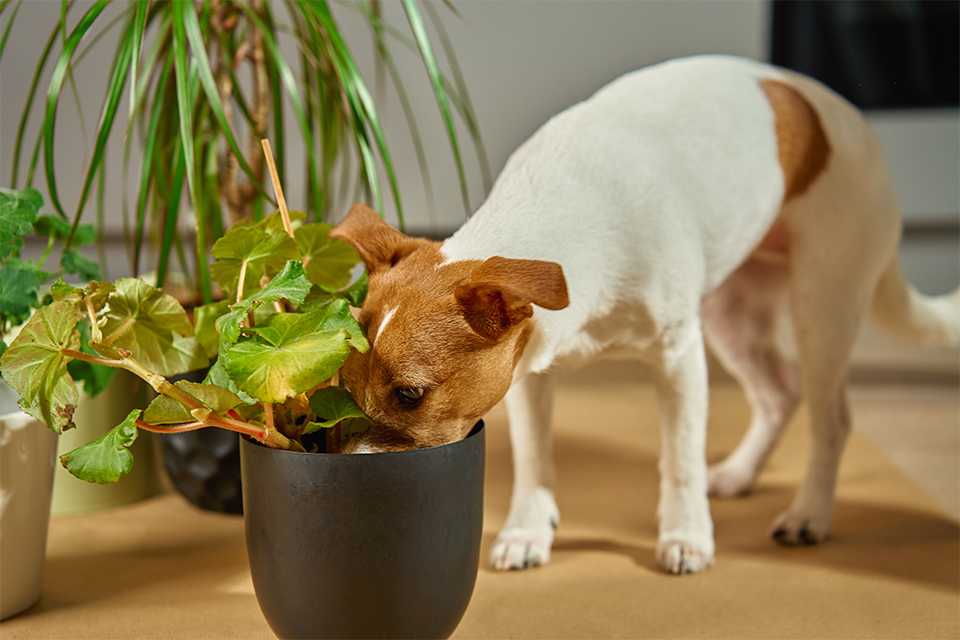
Do you have pets or children?
If you have pets or young children at home, choose plants that are safe and non‑toxic. Many herbs and ferns are pet‑friendly, but it's best to keep houseplants out of reach. A little extra supervision and planning keeps everyone safe and your plants growing happily.
Top tips to take care of your plants
A few simple habits and the right knowledge can help you keep your plants thriving all year. Here are some important tips to consider.
- Start with the basics: light, water, and good drainage make all the difference.
- Feed your plants during the growing season to keep them strong and productive.
- Remove faded blooms to encourage fresh flowers.
- Give your herbs a regular trim to keep them leafy and flavourful.
- Move citrus and tender plants indoors when it's cold.
- Rotate your pots regularly so all the plants grow evenly.
- Use room-temperature water for indoor plants.
- Remove yellow or damaged leaves to keep plants healthy.
- Wipe the leaves of your indoor plants to help them absorb more light.
- Keep indoor plants away from radiators, draughts, and AC vents.
- Protect outdoor plants from frost and strong winds when needed.
- Use pots with drainage holes to prevent root rot.
- Repot plants when their roots outgrow their containers.
- Check your plants and trees regularly for pests under leaves and around stems. Here's how and when to do it.
- Choose your plants carefully based on your lifestyle and time commitment.
Best plants for gifting
Other garden essentials
Carousel
FAQs about trees and plants
What are the three golden rules of garden design?
The three golden rules of garden design are:
- Right plant at the right place - this means planting while keeping in mind the needs (sun, soil, shade and water) of your new buddy.
- Good bones - have a blueprint of the layout with walls, paths or patios before you start planting. This helps to keep the garden organised all year round.
- Repetition - instead of having everything in your garden, make a conscious choice of what you want to plant. Groups of three or more help create a rhythm and make the space feel intentional.
What is the 70/30 planting rule?
Used for designing a balanced garden, the 70/30 rule suggests having 70% of your planting made up of structural and repeated plants, which act as the backbone of the design. The remaining 30% can be seasonal, unique, and unusual plants that add interest to your garden.
What plants look good all year round in the UK?
Here are some plants that thrive in the uncertain climate of the UK.
- Evergreen shrubs such as Photinia x fraseri 'Red Robin', griselinia, mahonia, camellia, and ceanothus hold their foliage through winter and keep borders looking full.
- Evergreen feature trees like olive trees, holly standards, yew, Prunus laurocerasus novita and rotundifolia, and hardy eucalyptus varieties provide structure and height throughout the year.
- Architectural evergreens including cordyline and phormium add strong shapes that stand up well to the UK winters.
- Evergreen grasses such as carex, uncinia everflame, and Juncus Spiralis bring movement and texture even in colder months.
- Hardy ferns like dryopteris, athyrium, and jurassic gold stay attractive in shade all year round.
Which plants are easiest for beginners?
Anybody who is new to gardening, can easily grow edibles like tomatoes, mint, strawberries, basil, lemon balm, sage, thyme, chilli peppers and courgette. For adding colour to your garden, you can never go wrong with lobelia, calliope geraniums and begonias. For easy-care shrubs, choisya, hebe emerald gem, and paloma blanca are great picks. Houseplants like peace lilies and snake plants are low maintenance too. Explore more ways to create a low-maintenance garden.
Can I grow fruit and veg indoors?
Yes, several plants grow brilliantly indoors. Herbs like basil, mint, lemon balm, sage, and thyme thrive on bright windowsills. Chilli peppers also do well indoors with plenty of light. Some tomatoes can be grown inside if they get strong sunlight and regular feeding.
How often should I water my plants?
Watering depends on the plant and the season. Houseplants such as peace lilies, rubber plants, and philodendrons prefer soil that dries slightly between waterings. Bedding plants like petunias, begonias, and geraniums need more frequent watering in warm weather. Veg and fruit in pots, especially tomatoes, strawberries, and cucumbers, may need regular (daily) watering during summer.
Do I need plant food?
Feeding makes a huge difference for your plants. Fruiting plants such as tomatoes, peppers, chillies, strawberries, and cucumbers benefit from regular feeding. Bedding plants like petunias, calibrachoa, and begonias flower better when you feed them weekly. Evergreen shrubs such as choisya, photinia, and camellia need a spring feed for healthy growth.
Which plants are pet-friendly?
Herbs including basil, thyme, sage, and lemon balm are generally considered safe for pets. Some ferns such as dryopteris and athyrium varieties are also pet‑friendly. But always double‑check individual plants, as some houseplants (like peace lilies) and outdoor plants can be harmful to your furry friend.
Can I keep citrus trees outside all year?
You can keep citrus trees outside as long as the temperature is above 5°C. If the temperature falls below that, move them into a conservatory, greenhouse, or bright indoor spot for winter.
How do I keep flowering plants blooming?
To keep your flowering plants blooming, remove faded flowers regularly. Keep the compost moist, avoid letting the pots dry out, and feed your plants weekly to encourage continuous flowering.
What’s the best plant for air purification?
The best plants for air purification include peace lily, rubber plant, ZZ plant, devil’s ivy, and Heartleaf philodendron. These are all easy to care for and help freshen the air inside your home.
How do I stop herbs from dying quickly?
Give your herbs plenty of light and avoid overwatering. Basil, mint, thyme, sage, and lemon balm all prefer good drainage. Trim them regularly to keep them bushy and prevent flowering. It helps them stay productive for longer.
Can I mix different plants in one pot?
As long as they need similar conditions (light and water), you can mix different plants in one pot. Mixed herb pots (like basil, thyme, sage, and mint) work well. Outdoor plants such as petunia, calibrachoa, lobelia, begonia, helichrysum, and ivy also thrive together.