
Choose the best drill for your needs
From corded to cordless drills and drill features to drill bits, here's our guide to help you find the best hand drill for your task.
&poi={$this.metadata.pointOfInterest.x},{$this.metadata.pointOfInterest.y},{$this.metadata.pointOfInterest.w},{$this.metadata.pointOfInterest.h}&scaleFit={($this.metadata.pointOfInterest.x>0)?$sfpoi:$sfcenter}&sm=aspect&aspect=3:2&sfcenter=center&sfpoi=poi&qlt=50&fmt=auto&noiser=0&fmt.jpeg.interlaced=true&fmt.jp2.qlt=40&)
By Kirsty Hudson | Last edited: July 2026
From convenient combi drills to powerful hammer drills and impact drivers to SDS drills - join us as we simplify the jargon and answer all your questions to help you choose the ideal tool for your task at hand. Learn about drill types, features, and more to find the perfect drill, whether you're a professional or looking for a handy tool for your next DIY project.
Shop by drill type


Things to consider when picking a drill
Before buying a drill, consider how and where you'll use it. A cordless drill or an electric option, a drill driver or a hand drill, choose the right one based on your needs. Factors include the type of task, the materials you’ll be working with, how often you'll use your drill, power requirements, and your skill/experience level. Read on to learn more.
Carousel
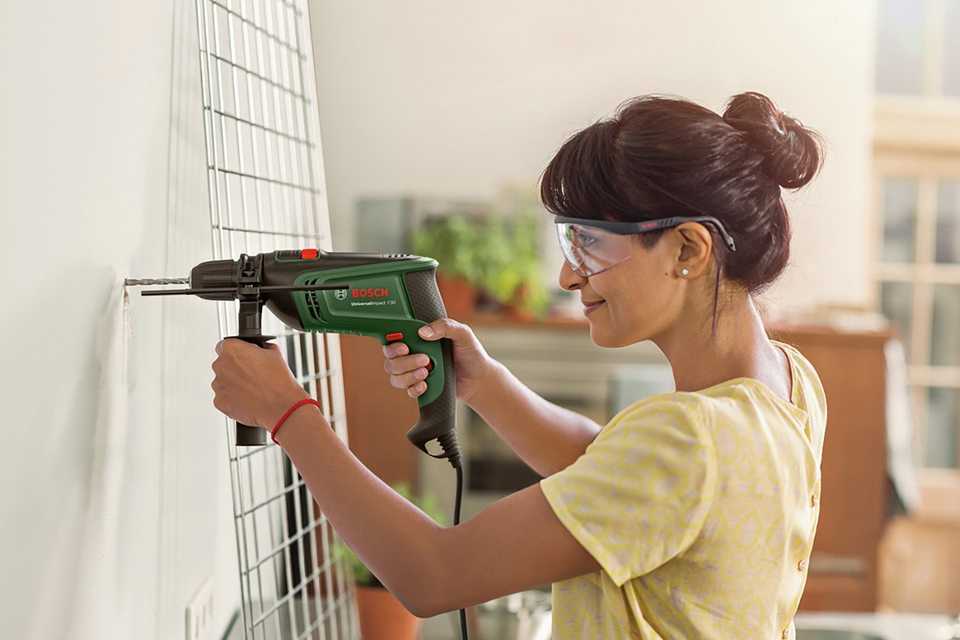
Choosing a drill by task
A DIY enthusiast with a new project in mind? Or perhaps you want a trusty drill for quick repairs around the house? Either way, here's a list of drill types to choose from based on your needs.
- Hanging pictures/mirrors: Drill driver
- Putting up TV wall brackets: Hammer drill
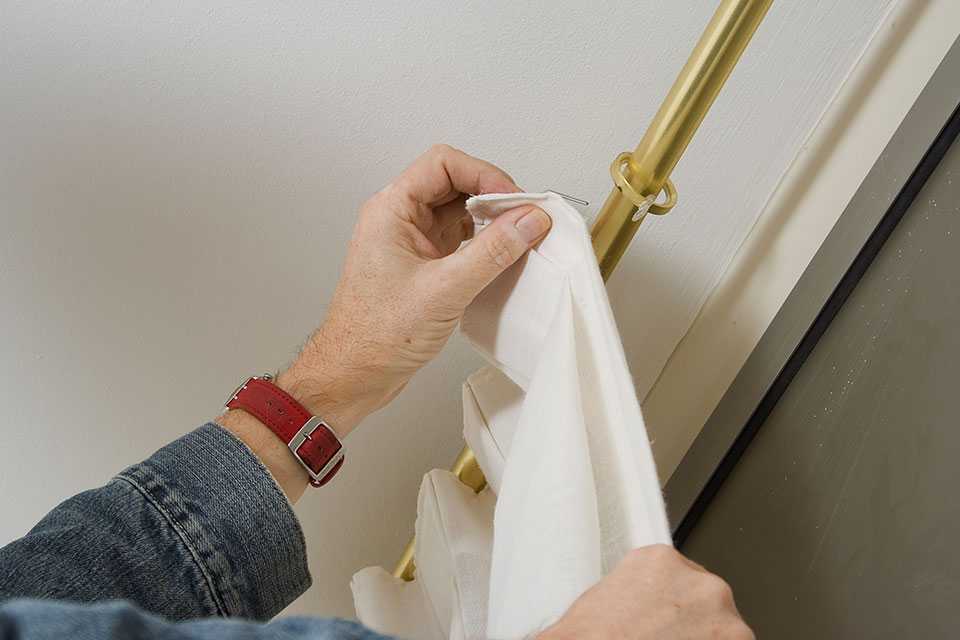
- Putting up curtain poles: Corded impact drill
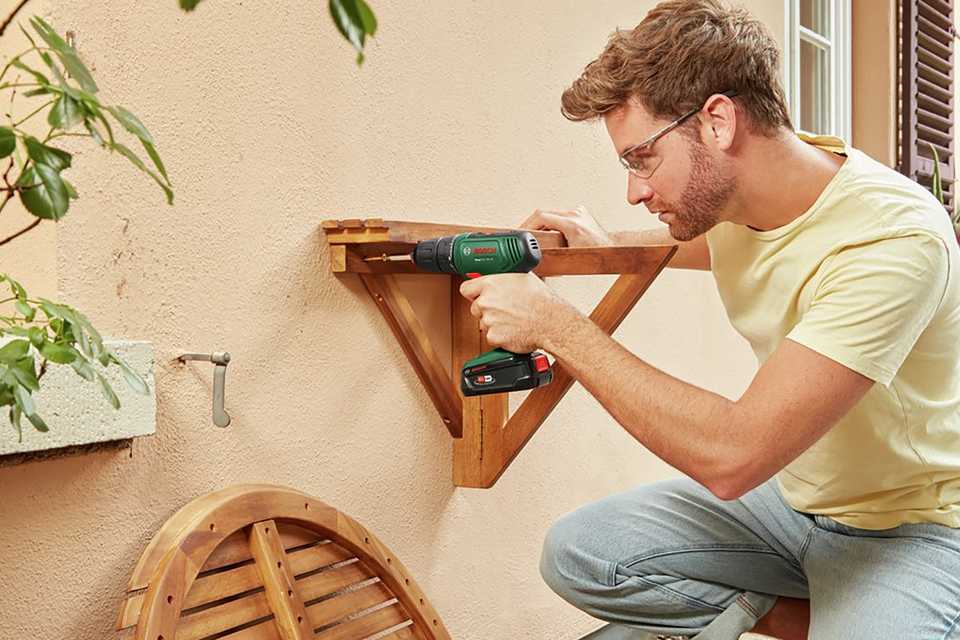
- Putting up shelves: Hammer drill or corded impact drill
- Putting together furniture: Electric screwdriver, Drill driver, SDS drill
Choosing a drill by material
It's essential to pick the right power tool that matches the material you are working with. Too hard or thick, and your drill won't power through. Too delicate, and the drill can end up damaging the material. Here are some helpful pointers.
- Metal/wood/tile/glass/plastic: Drill driver, Hammer drill or corded impact drill
- Brick: Hammer drill, Corded impact drill, SDS drill
- Concrete: SDS drill
- Tile: Drill driver, hammer drill, corded impact drill, SDS drill (tile only)
Top power drills
Slider Grid
- Save 20%£52.80Was
£66.00Free collectionDelivery from: £4.95 - Save 20%£48.00Was
£60.00Free collectionDelivery from: £4.95 - Save 20%£44.00Was
£55.00Free collectionDelivery from: £4.95 - Lowest Price£27.00Free collectionDelivery from: £4.95
- Save 20%£20.00Was
£25.00Free collectionDelivery from: £4.95 - Save 20%£24.00Was
£30.00Free collectionDelivery from: £4.95 - Save 20%£48.00Was
£60.00Free collectionDelivery from: £4.95 - Save 20%£40.00Was
£50.00Free collectionDelivery from: £4.95


Types of drill power tools
From everyday DIY to demanding construction tasks, drilling power tools come in various types and strengths. Knowing how each drill works helps you pick a tool that delivers the right balance of power, precision and versatility.
Carousel
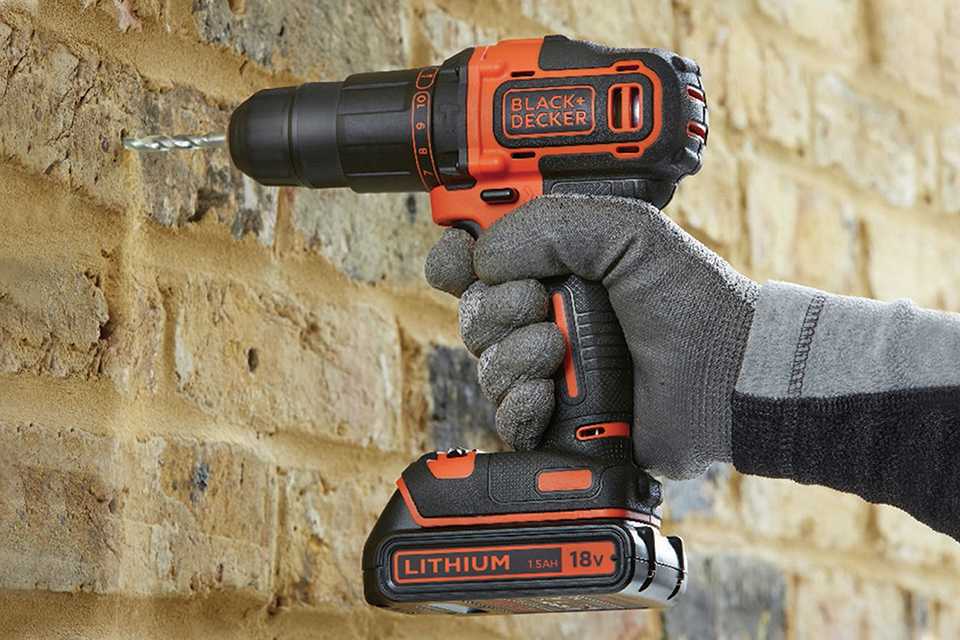
What is a hammer drill?
Best suited for: Professionals with heavy-duty tasks such as large renovations, cable channels, concrete and brick related projects etc.
- Hammer drills are a more powerful option than drill drivers, as they are capable of drilling through brick.
- They use a powerful hammering action to make light work of drilling holes and driving fasteners.
- You can get them corded as well as cordless, due to the extra power.

Carousel
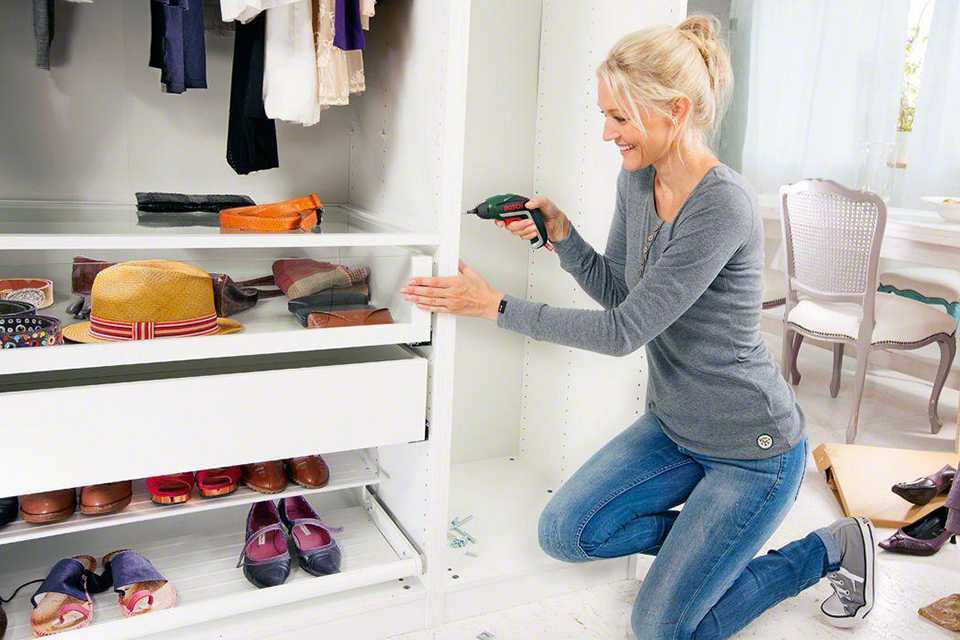
What is an electric screwdriver?
Best suited for: Light DIY projects and furniture assembly tasks which involve a lot of screws and bolts.
- A screwdriver is the perfect tool for basic jobs such as putting together flat pack furniture.
- They are generally cordless, allowing you to work wherever you need to around the house.
- Forward and reverse settings make it easy to both assemble and disassemble what you are working on.
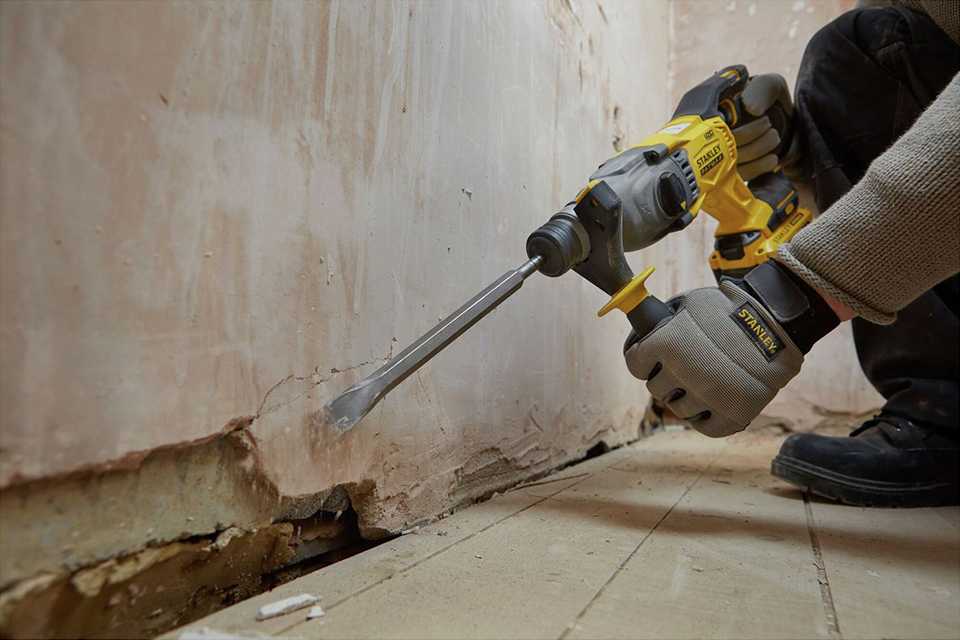
What is an SDS drill?
Best suited for: Professionals working on heavy-duty construction projects that involve drilling stones, concrete, bricks etc.
- SDS (self direct system) drills, or rotary hammer drills, are a powerful option, geared towards drilling through masonry.
- A powerful rotation motion makes them suited to dense drilling, chiselling and chipping tiles.
- They are generally corded and can be heavier than standard drills, due to their increased power.

Corded v/s cordless drills
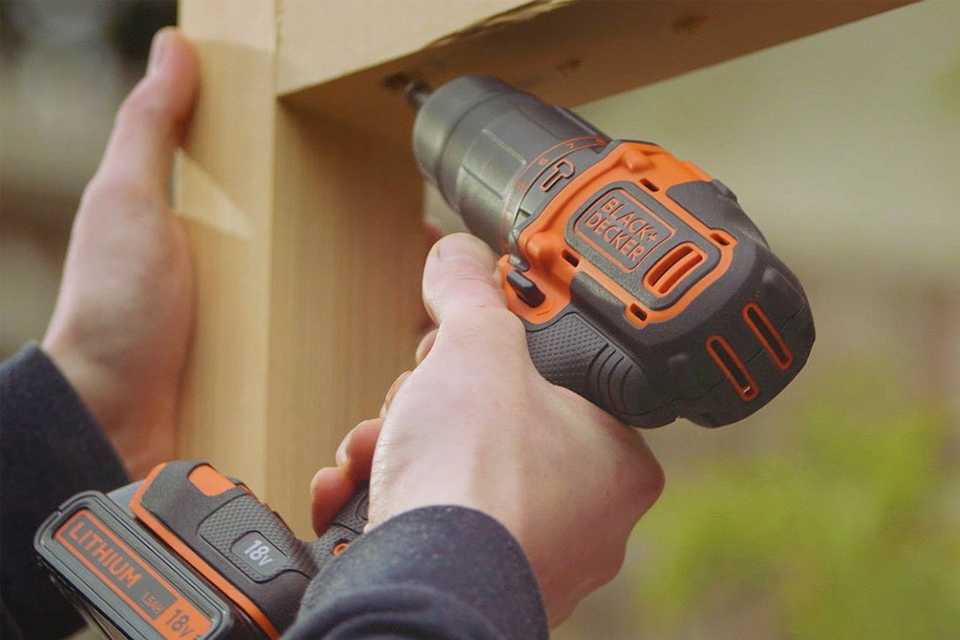
Which one is best for you?
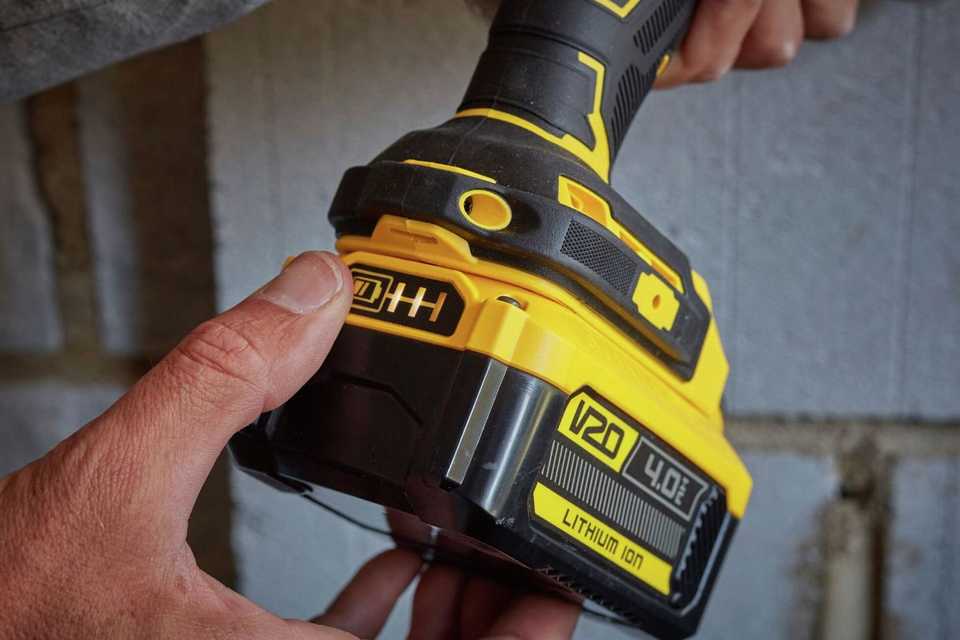
Choose from three types of drills: corded, cordless (with battery), and cordless (bare tool, no battery included). Explore which option is best suited to your needs below. Power for cordless drills is measured in volts and power for corded drills is measured in watts. The higher the number of volts or watts, the more power a drill has. Read on to find the best fit for your projects.
- Corded drills: These plug in at the mains and can often provide more power and torque than cordless options. This makes them better for longer or for heavier duty tasks.
- Cordless drills: The main benefit of these is that you can take them anywhere. Ideal for everyday DIY, cordless drills have a rechargeable battery. If you have two rechargeable batteries, you can simply swap them when one runs out.
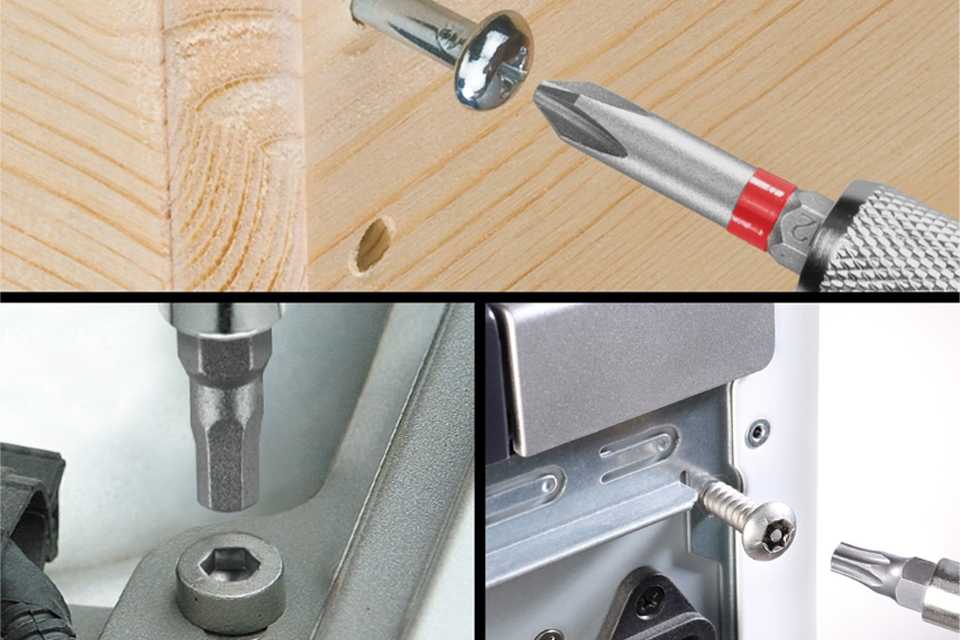
Drill bit set and accessories
Carousel
Shop drills by brand
Carousel


Drill features
Wondering what features to consider when choosing a drill? From torque and speed to reverse function and gears, discover the benefits of key drill features to help find the best drill for you.
Carousel
Torque
Torque is the force that causes rotation. Higher torque means faster rotation. For tough materials like brickwork, a high torque setting is best, while more delicate materials like wood call for a lower torque setting to minimise the risk of damage.
Speed
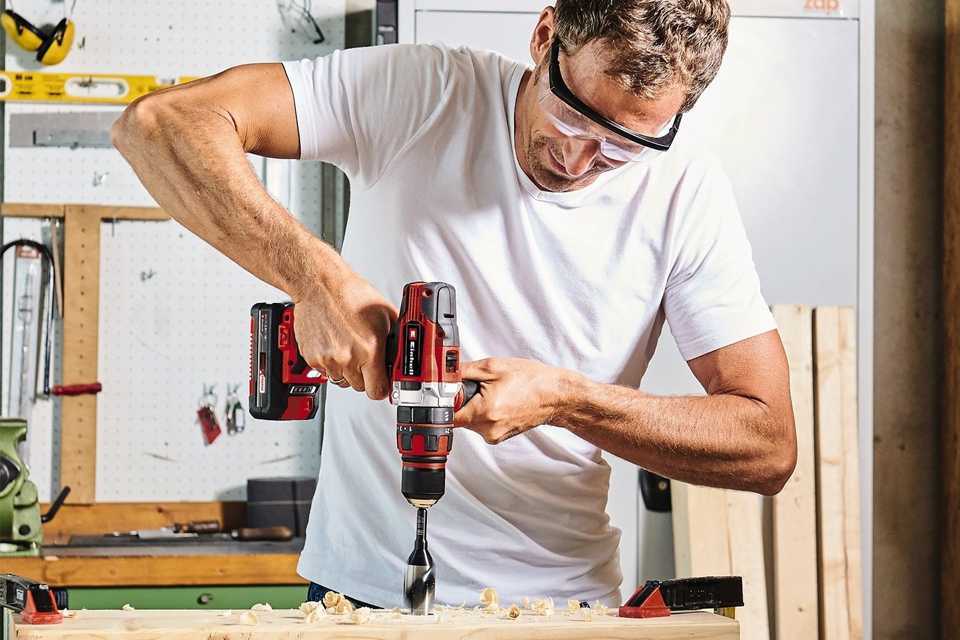
Drill speed is measured in RPM (revolutions per minute). Delicate materials like glass and stainless steel require a lower RPM, while harder materials like brick and hardwood call for higher drill speeds. Quick tip: Be careful of heat damage when drilling on high speeds.
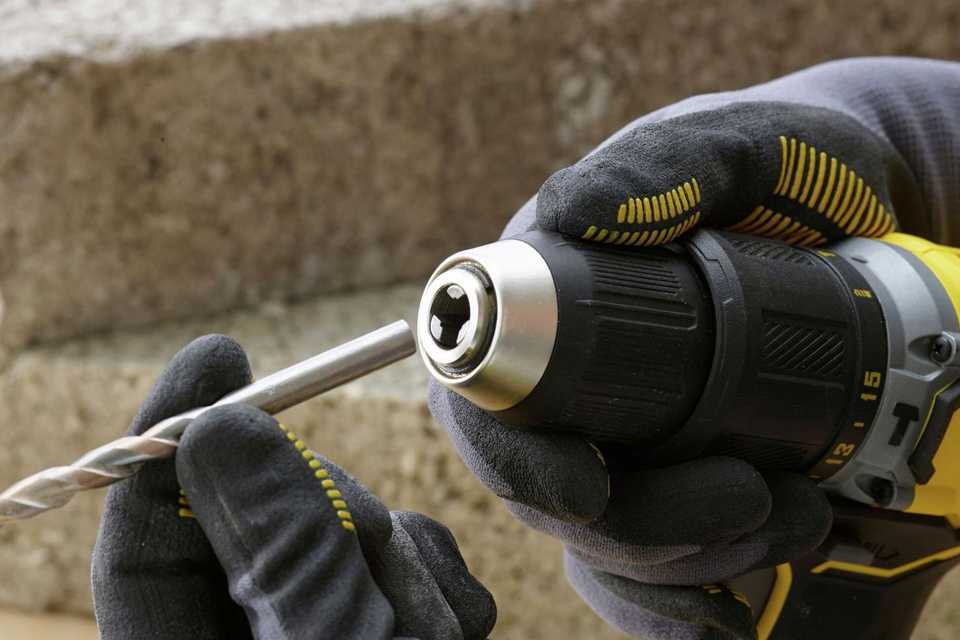
Keyless chuck
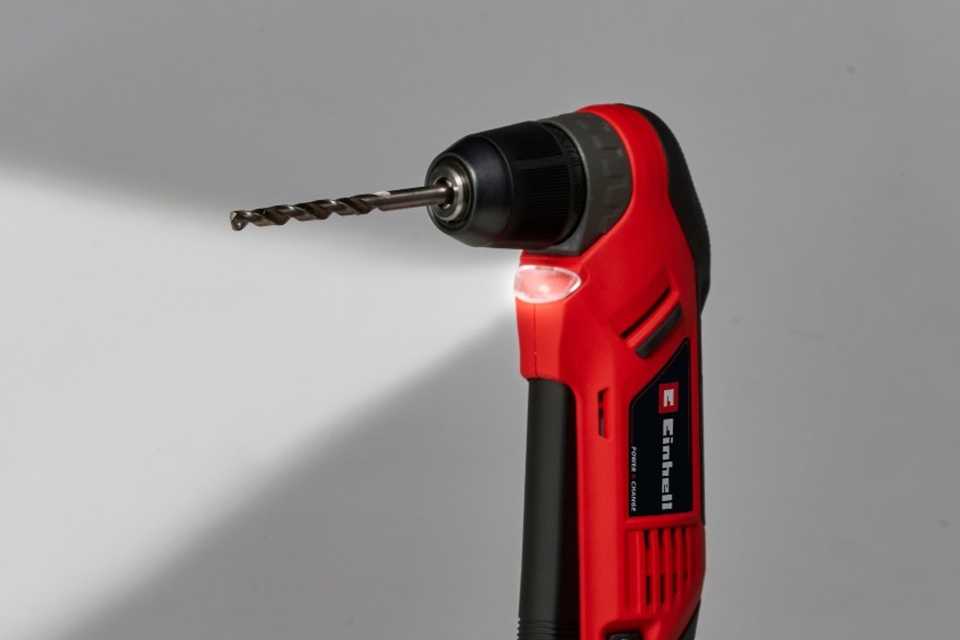
The chuck is the part of the drill that holds the drill bits in. In general, a keyless chuck will take bits with diameters between 0.5mm and 10mm or 13mm for drills with larger chucks.
Carousel
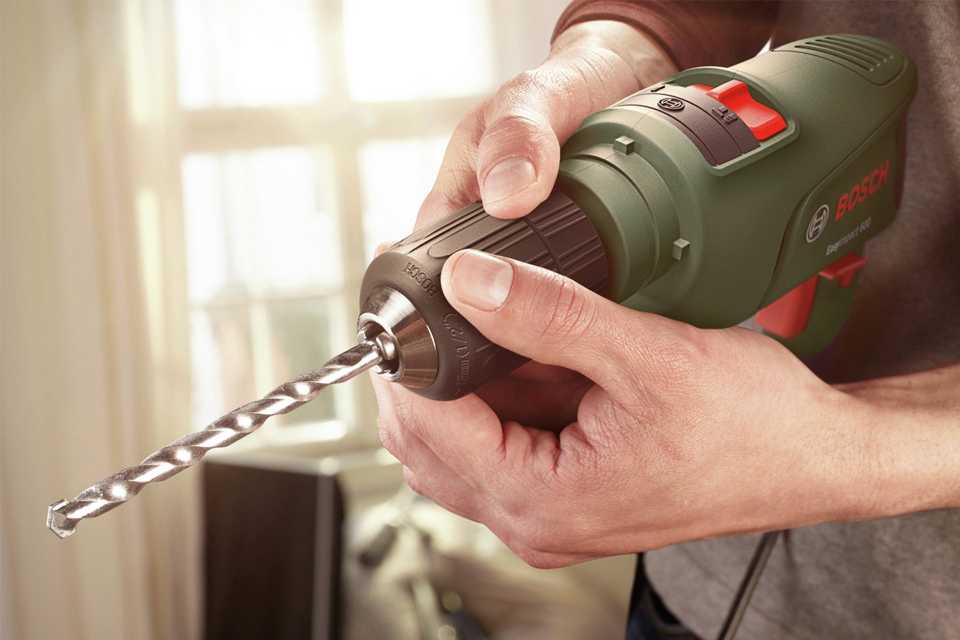
Drilling capacity
A drill’s drilling capacity refers to the maximum size of drill bit it can take. To avoid damage or poor performance, make sure your drill bits match your drill’s capacity before use.
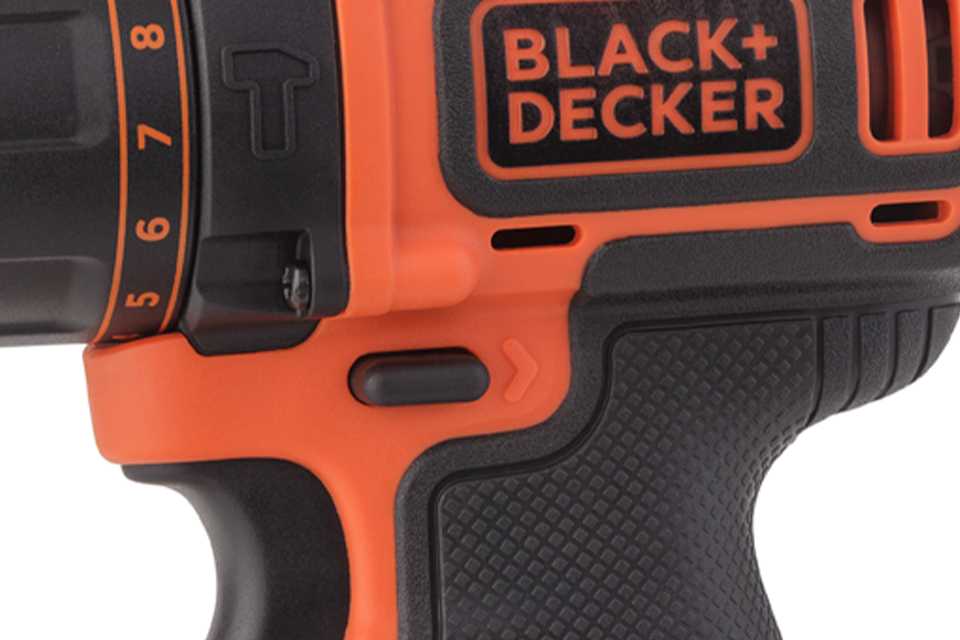
Reverse function
Drills with a reverse function let you change the direction in which the drill bit rotates. This comes in particularly handy for loosening screws or bolts, especially when using impact drivers or electric screwdrivers.
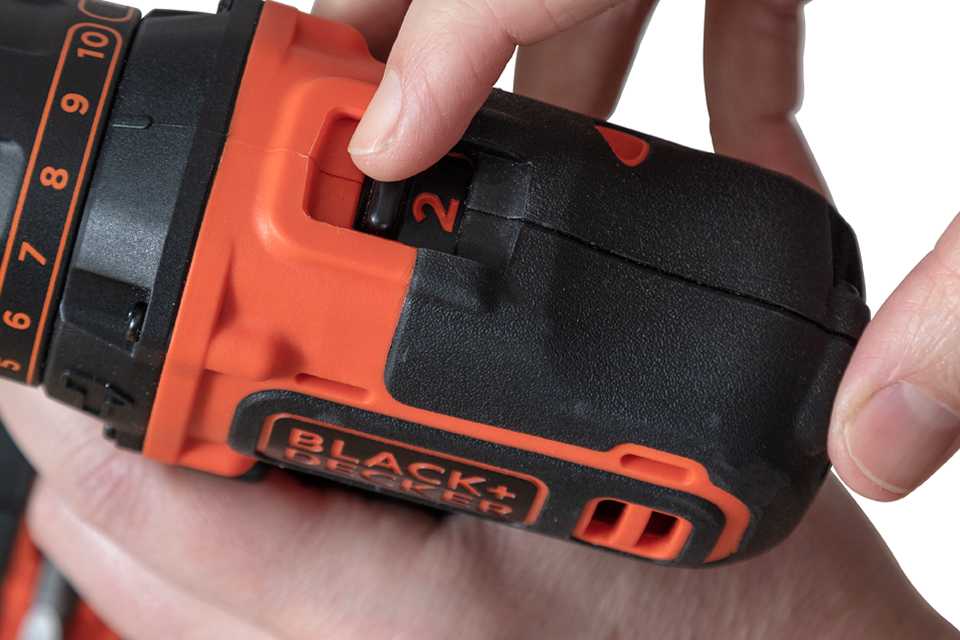
Gears
Drills with more than one gear let you select different speed ranges. You can control the speed of single gear drills with the speed control trigger. This helps prevent damage when working with different types of material requiring different speeds and control in a single work session.
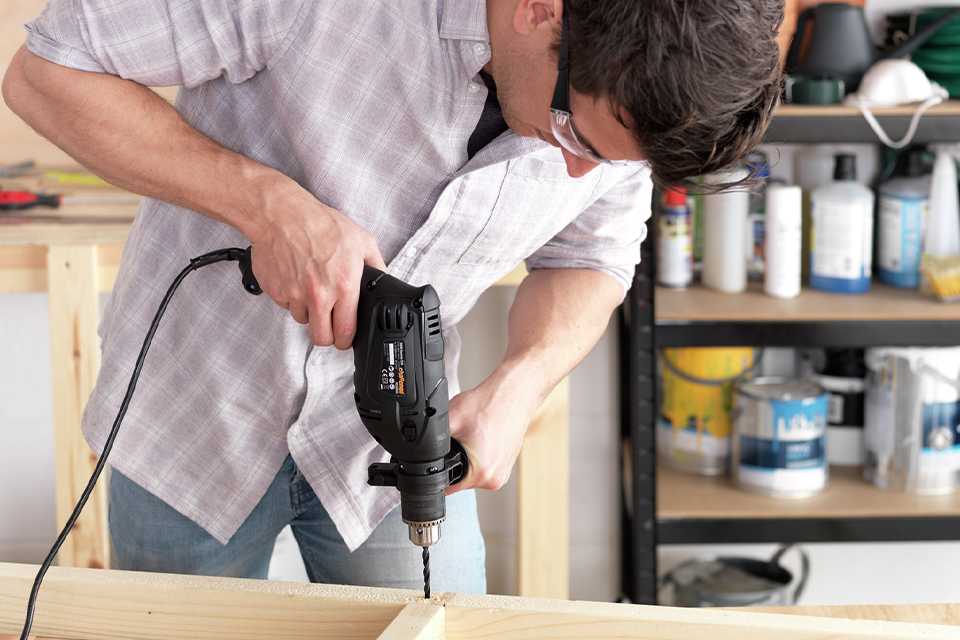
How to care for a power drill
Power drill maintenance is essential to keep it working well for longer. This includes regular cleaning, lubrication, and proper storage.
- Wipe down the body of the drill after each use with a dry cloth.
- Keep an eye out to check for any frayed wires.
- Store the drill safely in a clean and dry place. You can keep it in its carrying case or in a toolbox or shelf.
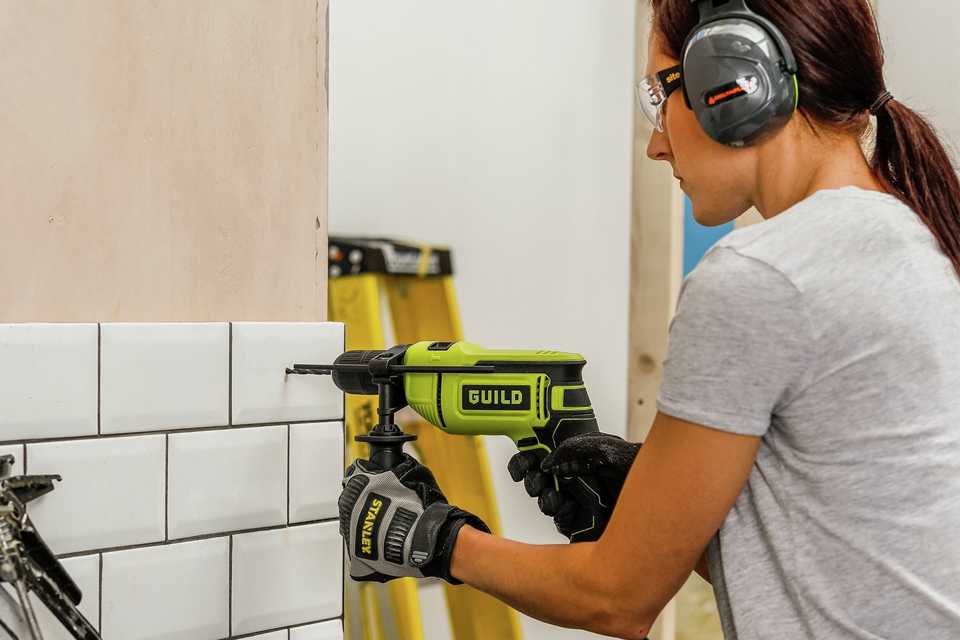
Drill safety: Always use safety glasses and other protective equipment when using your drill. Be sure to disconnect the plug or take out the battery before cleaning.
Frequently asked questions about drills
How to use a power drill?
When it comes to power drill basics for beginners, first get to know your drill and its features. You can use the guide above to learn more. Next, select necessary safety equipment and suitable drill bits for your needs. Check that your drill is set to forward (not reverse) and start gently to make sure you've got the right spot, before using more pressure to drill deeper into it.
What drill is best for home use?
Combi drills or electric screwdrivers are the handiest drills for home use. They are lightweight and can screw-unscrew bolts and screws making them perfect for things like installing flat-pack furniture or putting up a picture frame. A combi drill can also support slightly heavier tasks like drilling into masonry or brick to install shelves or curtain rails for home DIY projects.
What is better, brushed or brushless cordless drills?
Whether a brushed or brushless drill will work better for you depends on your drilling needs. While a brushed cordless drill is used for heavy-duty, professional tasks, a brushless drill allows a lot more flexibility for simpler, lighter tasks at home or in the garden.
How long do battery-powered drills last?
Depending on the size of the battery and the intensity of your task, a smaller battery-powered drill can last from anywhere between 20 minutes to 1 hour. A drill with a larger battery can last for up to 2 hours.
Can an impact drill be used as a regular drill?
It is advised to only use impact drill for its primary purpose as a fastener. While it can be used as a regular drill if necessary it can cause damage to drill bits and the material because of its low torque and light weight.
How do I choose a drill for beginners?
When buying a drill for the first time, it is best to consider your drilling needs, the type of tasks you'd be doing with it, and the kind of material you'll be working with. It's best to start with a drill that is multi-purpose, lightweight, and allows speed adjustments.
How to insert a drill bit?
Start by making sure the drill's plug is disconnected or its battery is removed. You can then turn the chuck (at the front of the drill) to open it and place the drill bit inside. Finally, turn the chuck the other way and check that it has closed properly before you can use your drill.
How can I store my drills safely in the garage?
Keep your drills in a dry, elevated spot such as a shelf or a tool cabinet. Storing it at a height protects it from dust and moisture. For more organisation ideas, explore our guide to creating a tidy and organised garage.
What do I need to know when buying a drill?
When buying a drill, consider the jobs you plan to use it for. Factor in the power you need, and whether corded or cordless suits you best. Look at voltage, torque, speed settings, chuck size, weight, and battery life to ensure comfortable, reliable performance.
What is better, an 18V or 20V drill?
An 18V and 20V drill offer similar power, with the latter matching 18V under load. An 18V–20V cordless lithium‑ion combi drill with a brushless motor offers a strong balance of power and weight. Be sure to match the drill to your projects; 12V suits light tasks, while masonry work needs a hammer function. Prioritise adjustable torque, variable speed, and ergonomic comfort.