
A guide to choosing the best camera for beginners
Diving into the world of photography for the first time? Or looking to upgrade your kit? Learn all about top cameras for beginners, best lenses, camera features, accessories, and more.
Shop all cameras&poi={$this.metadata.pointOfInterest.x},{$this.metadata.pointOfInterest.y},{$this.metadata.pointOfInterest.w},{$this.metadata.pointOfInterest.h}&scaleFit={($this.metadata.pointOfInterest.x>0)?$sfpoi:$sfcenter}&sm=aspect&aspect=3:2&sfcenter=center&sfpoi=poi&qlt=50&fmt=auto&noiser=0&fmt.jpeg.interlaced=true&fmt.jp2.qlt=40&)
Discover our range of cameras
Carousel


How to choose a camera
Getting started with photography can feel complicated, but it doesn’t have to be. Whether you're looking to capture family moments, explore a new hobby or create content, finding the best camera for beginners is all about choosing a model that suits your needs, budget and experience level. From compact point-and-shoot models to versatile mirrorless cameras, there are plenty of beginner-friendly options designed to make learning photography simple, rewarding and fun.

So how do you choose the best camera for beginners...
Think about how you'll be using your camera. Is there a particular style of photography that interests you - will you be mainly doing outdoor photography such as shooting landscapes and wildlife or are you more interested in action and sport? Will you need to travel with your camera? Answering these questions will help to refine your choices for the best camera for beginner photography.
Read on to find the right camera type for your photography goals.
Types of cameras
Bridge camera or digital camera? DSLR or drone? If you're wondering which is the best camera for you as a beginner, we've got you covered.


Top camera brands
Carousel


What will you shoot with your camera?
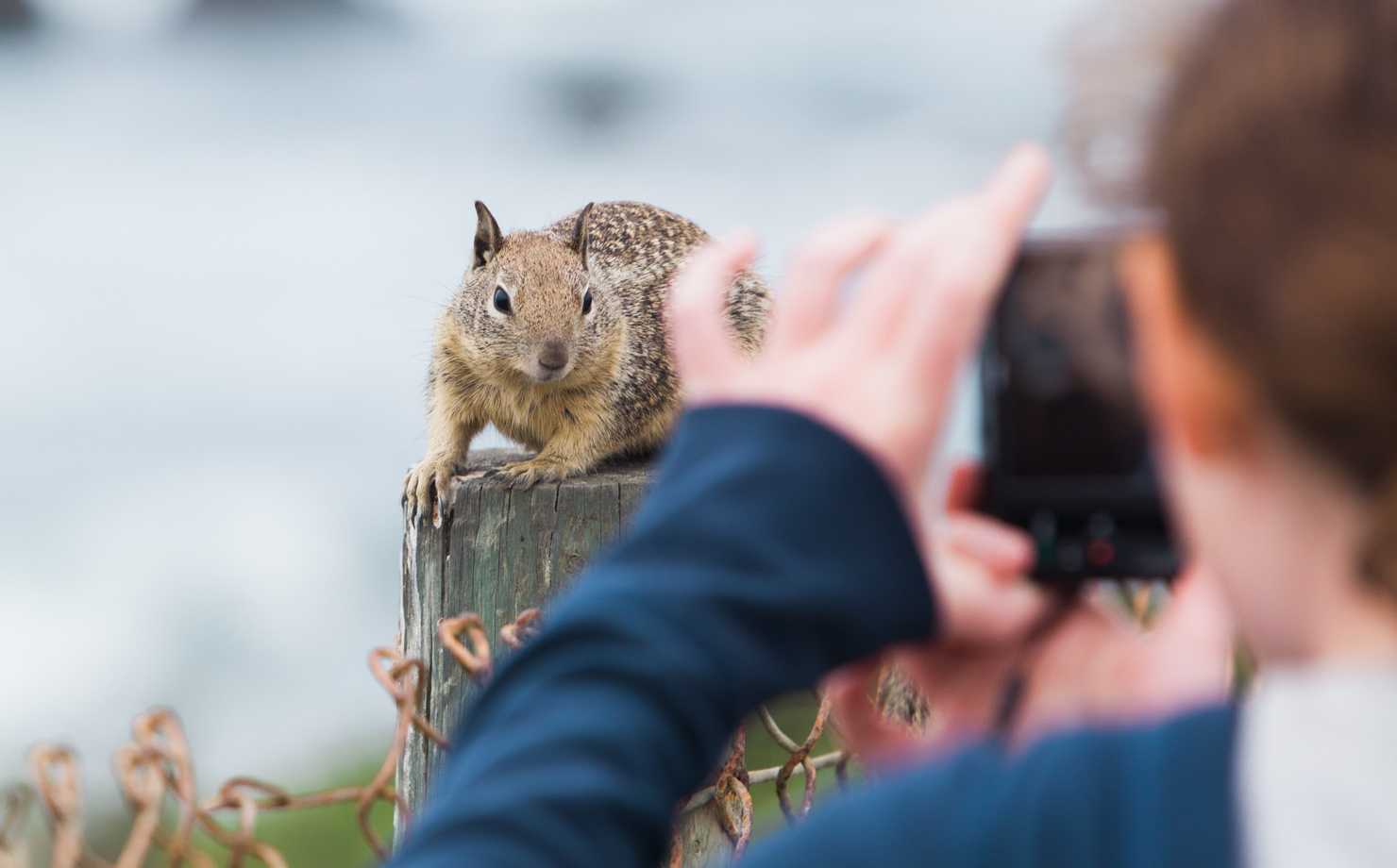
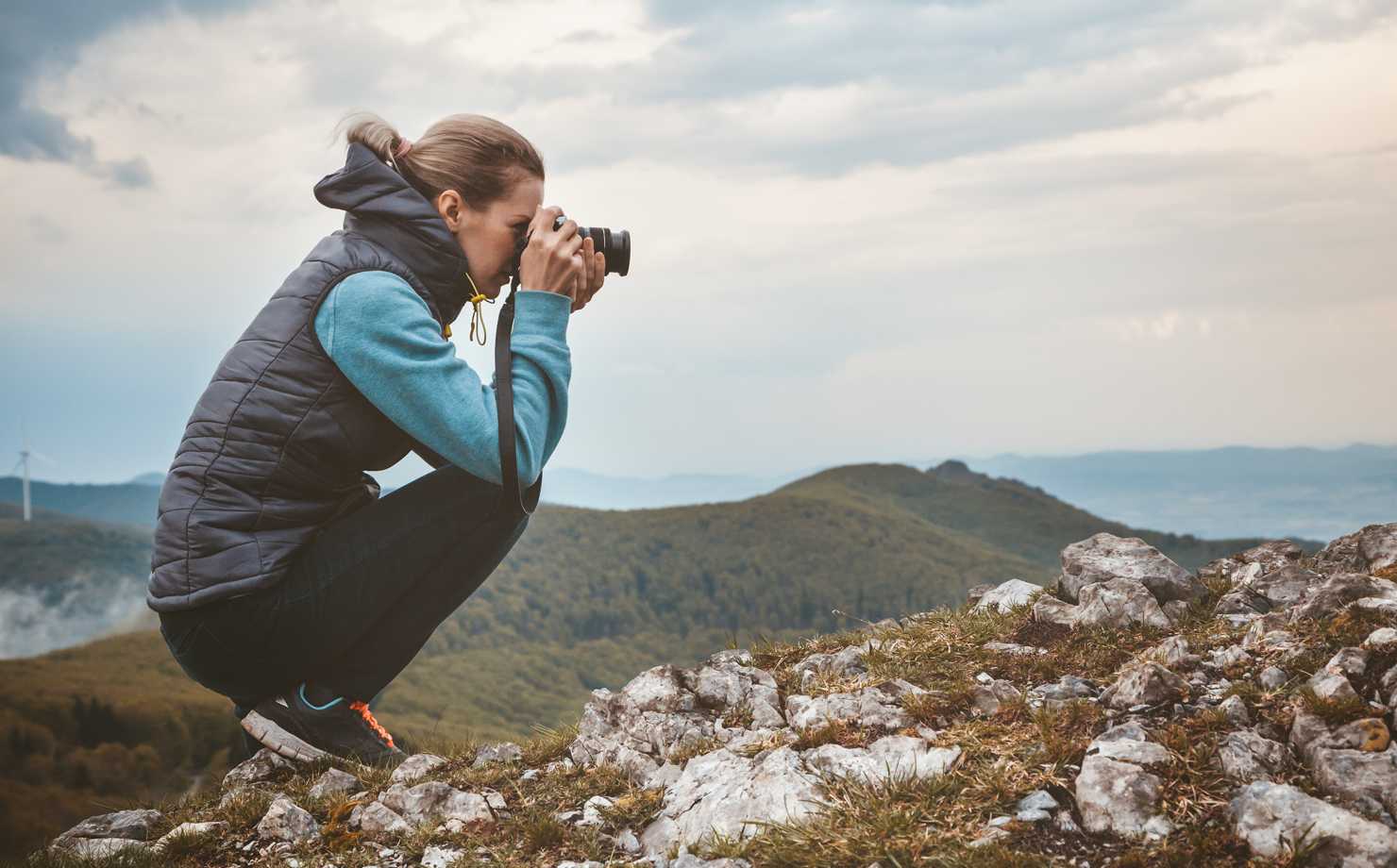
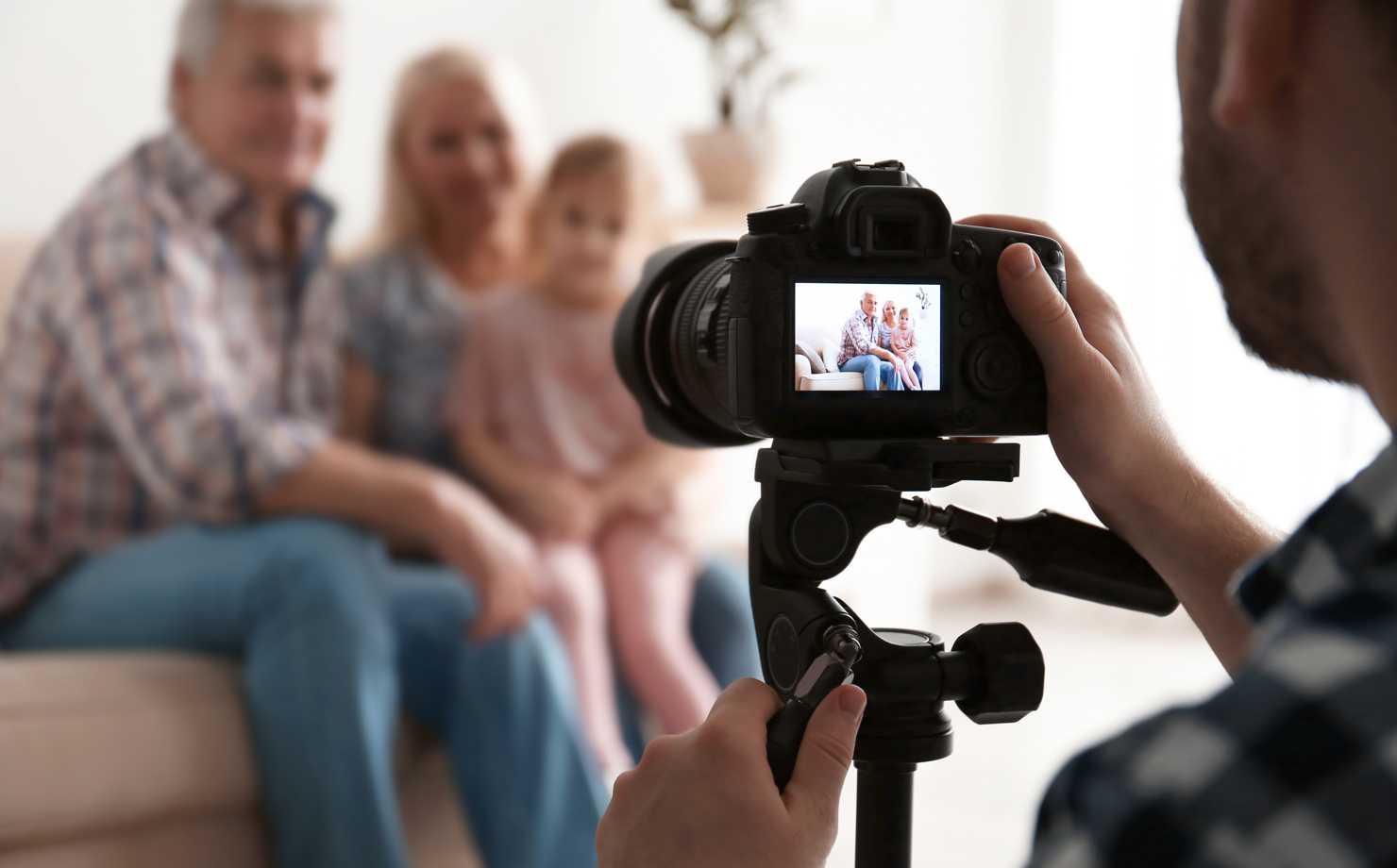
The best camera for you depends on what you love capturing most. Whether you're photographing fast-moving wildlife, creating stunning landscapes, shooting family moments or starting a vlogging channel, different camera features can make all the difference to your specific type of photography or content. Explore the photography styles below to find the right camera for your creative goals.



Understanding camera features and settings
There's a lot of jargon out there which can be confusing if you're just getting into photography, and actually some of these specs aren't really that important, especially for a beginner - these are the ones to take notice of.
Megapixels
Digital images are made up of millions of tiny tile-like elements called pixels. More pixels (measured in megapixels) = a higher resolution image – so a 24MP camera in theory has a better quality of image vs an 18MP camera.
Sensor
In digital photography, the sensor is a device inside a camera that captures the light coming through the lens so that it can be processed and turned into a digital image. Put simply, the bigger the sensor the more light it can use to create an image - making for clearer shots and better performance in low-light conditions.
Image stabilisation
Image stabilisation reduces camera shake for sharper handheld shots and steadier video. It’s brilliant in low light or with telephoto lenses, but it won’t freeze a moving subject, use faster shutter speeds for that.
Frames per second
Frames per second (fps) is how many images your camera records each second in video. Higher fps looks smoother (great for action or slow‑motion), while resolution and bitrate determine how much detail you capture.
Autofocus
This feature will adjust the camera lens for you to get your subject in focus. The number of AF points tell you how many reference points the camera uses to decide what should be in focus.
ISO
This is how you can adjust your camera sensor's sensitivity to light - higher settings will brighten your image if you're shooting in darker settings - but as you increase the ISO there may be more noise in your shots. Your camera should have an ISO range that lets you adapt the setting.
Digital/optical zoom
This is how you get closer to far-away objects. Digital zoom is achieved by your camera enlarging and cropping the shot - in the same way an editing program would. Optical zoom gives you better images, as it's achieved by your camera lens.
Camera accessories
Carousel


How to take a great photo
Check out some quick video guides to ISO, Aperture, and Shutter speed settings - the 3 key factors to consider to help you capture that perfect shot. And if you want to deep dive, you can read some more information on basic photography here.
ISO
Understand how you can use the ISO to make your camera more sensitive to light. Learning when it’s best to lower or increase the ISO.
Aperture
Discover how to correctly adjust your aperture, adapt the amount of light being captured and how to blur your backgrounds, creating cool effects.
Shutter speed
Learn how to brighten or darken an image using your shutter speed. Want to capture a moving object? Our Canon expert can show you how.
Other things to consider while choosing a camera
When choosing a camera, it's worth looking beyond the core technical specifications. Factors like portability, photo printing and wireless sharing can have a big impact on your overall experience and usage. Taking these into account will help you pick a beginner camera that's practical, versatile and easy to enjoy every day.
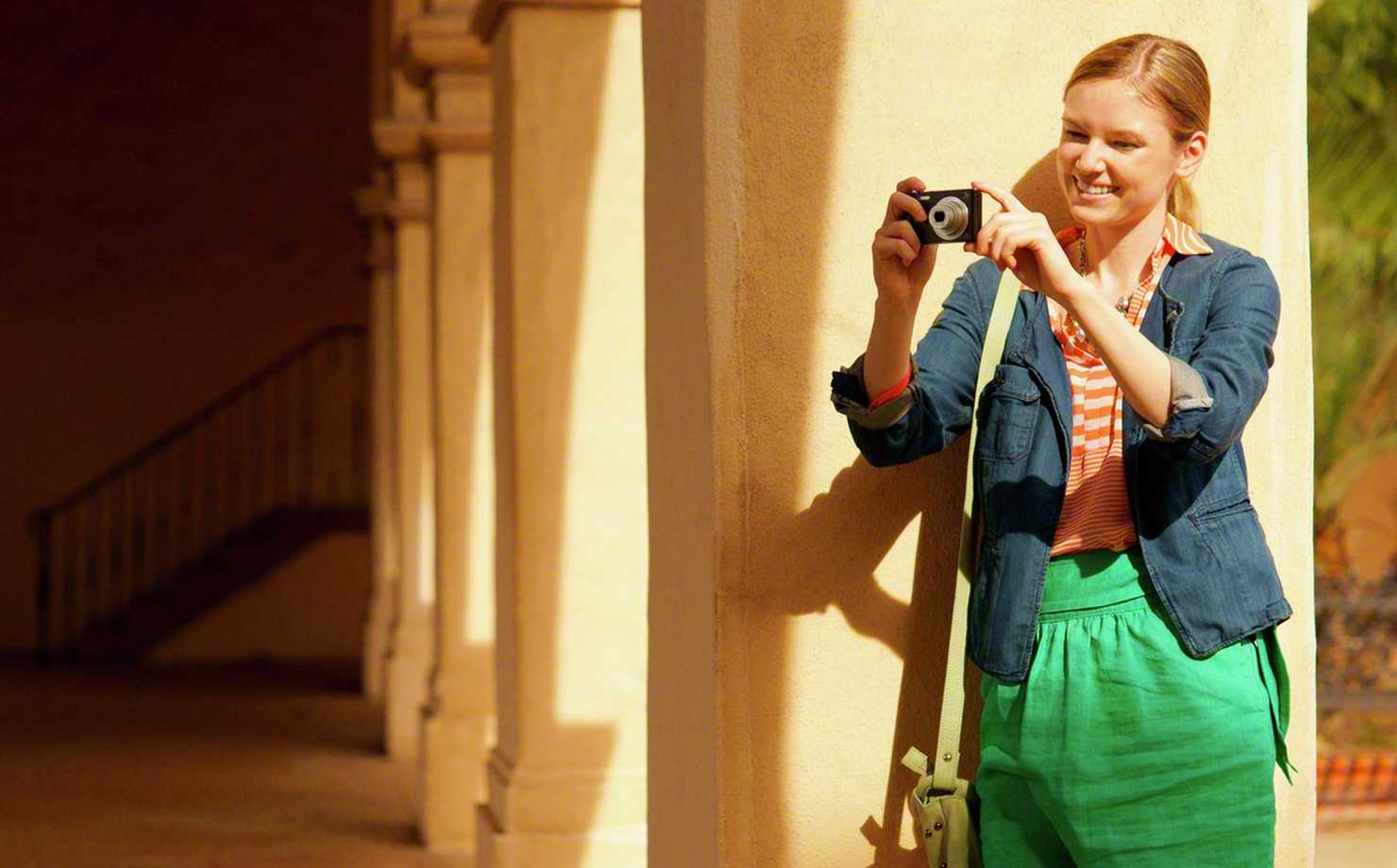
Will you be travelling with your camera?
- If you're planning to travel with your camera, consider lightweight cameras without the bulk.
- Compact digital cameras or action cameras such as Gopro and Insta360 are great options.
- These are often waterproof and have image stabilisation - perfect to capture your activities including underwater adventures.
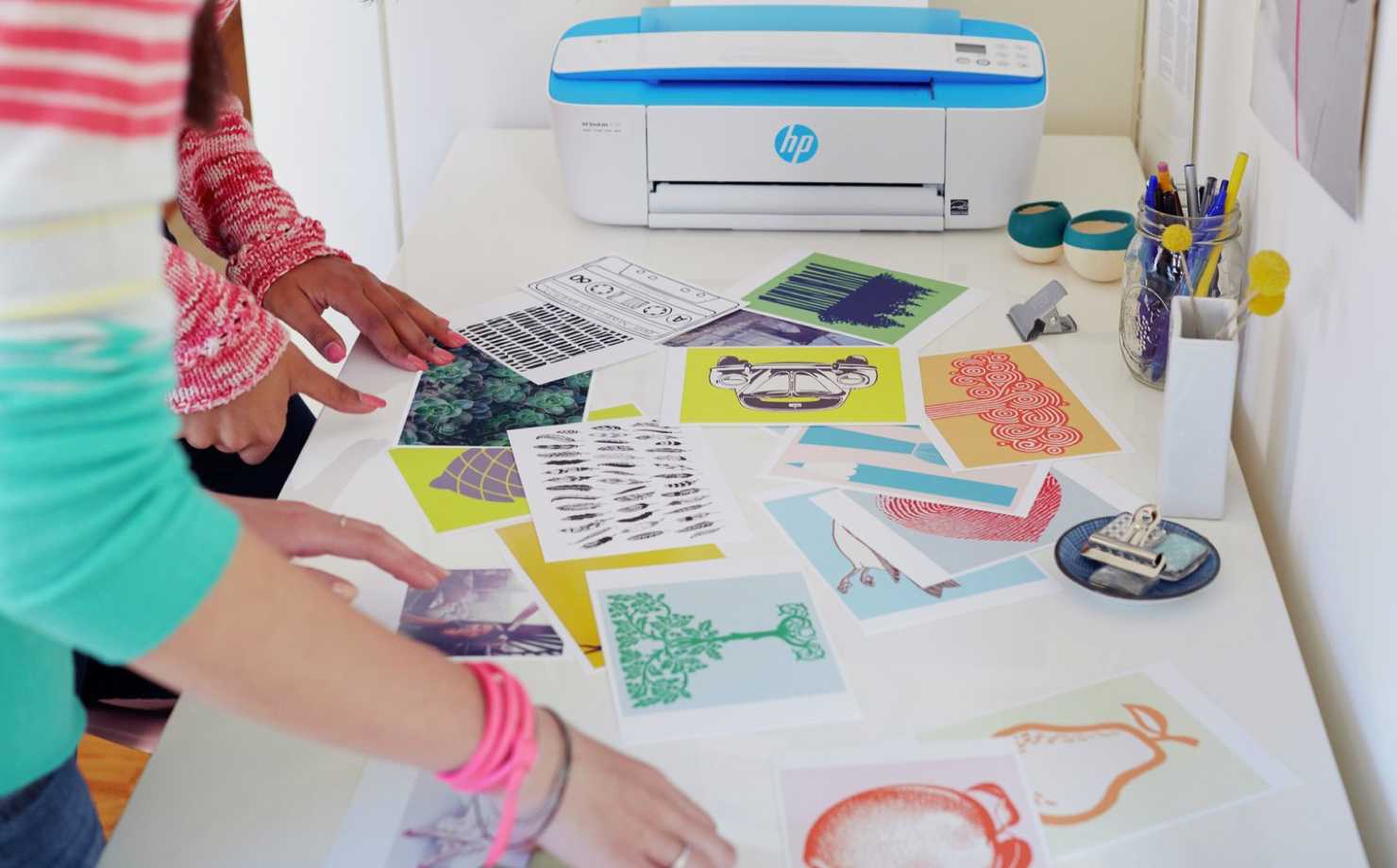
Will you want to print your images?
- A higher resolution camera is essential, especially if you plan on gifting or selling the shots.
- Make sure you have a compatible printer which is suitable for printing photos.
- Want to make your gift extra special? Complete it with a picture frame that complements your photo.
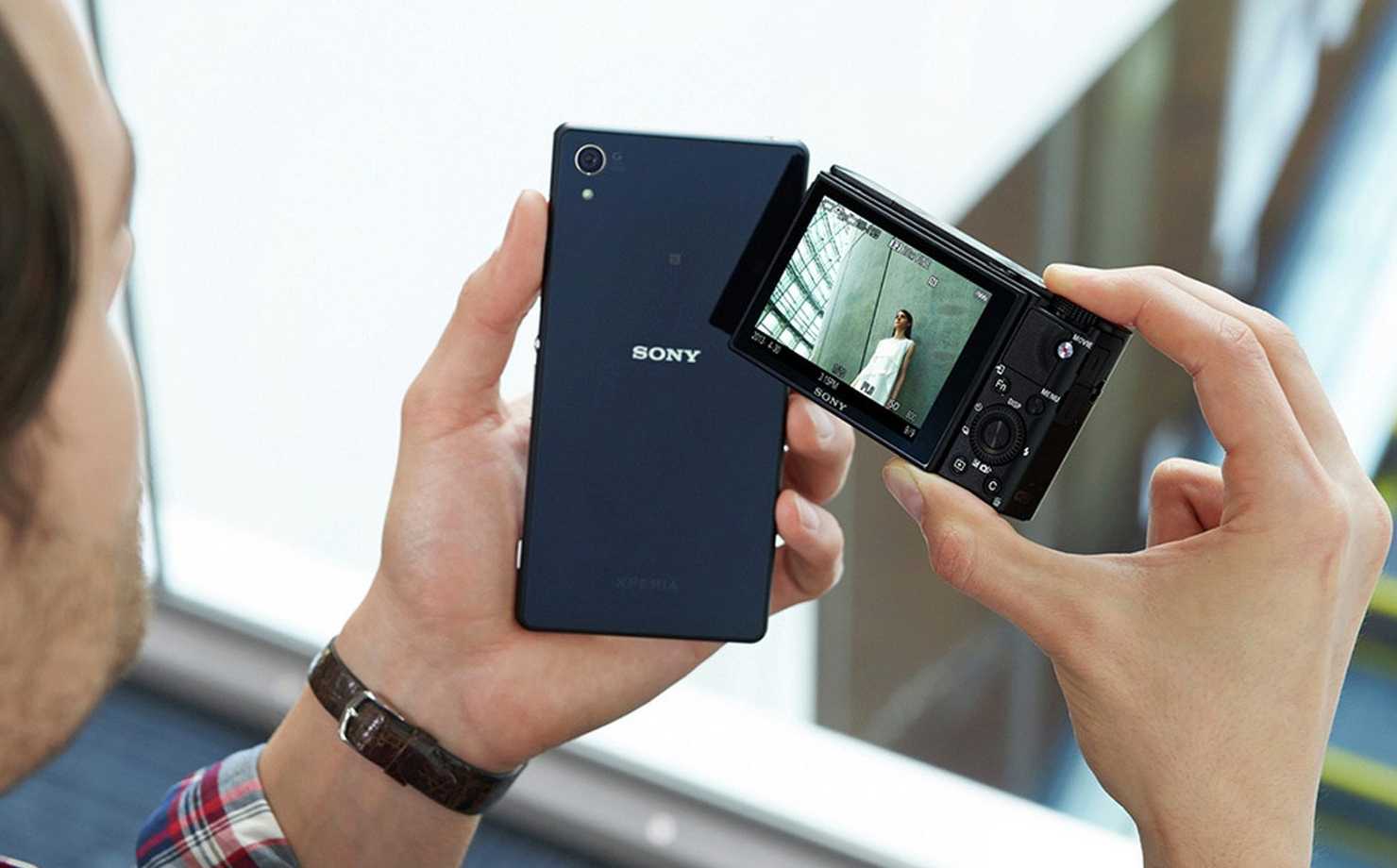
Do you want to share your shots on social media?
- As you grow in confidence you'll want to show off your snaps. Many cameras are Wi-Fi-enabled, which means you can send your images straight to your smartphone, ready to upload to your social media profiles.
- These are also great for ensuring you don’t lose your precious photos, thanks to the automatic cloud backup feature.
Introducing kids to photography
If your child enjoys being creative, a kids’ camera can help turn that enthusiasm into a lasting hobby. You don’t have to splash out on anything fancy right away. Kids' cameras are often durable and easy to use, so they can focus on experimenting and building confidence rather than mastering complex settings. Even a simple disposable camera is a great starting point for a budding photographer. From documenting holidays and birthday parties to creating their own photo stories, photography offers plenty of opportunities for learning and fun. It also gives them the chance to show you the world as they see it.
FAQs on cameras for beginners
What to look for when buying a camera?
When buying a beginner-friendly camera, check for key features such as sensor size, resolution (megapixels), easy controls, and whether the camera type offers interchangeable lenses so you can upgrade your camera kit as you progress.
What camera should a beginner start with?
A compact digital camera makes for a good beginner camera for photography because it's simple to use, lightweight, packed with handy features, and budget-friendly. If you are planning to take up photography more seriously, a basic DSLR or mirrorless camera is a great option as well.
What should I buy for my first camera?
Here are a few things to buy for your first camera for setting up the perfect beginner's camera kit:
- Essential camera accessories such as memory cards, spare battery, and a tripod.
- A camera bag to keep your gear safe and organised.
- A lens cleaning kit to make sure your lenses are clean and ready for action.
- Lastly, consider a spare lens to expand your options for different photography styles as you learn.
Why is camera sensor size important?
Sensor size is equally, if not more, important than megapixels as it helps to determine the clarity of the image. For example, a high end DSLR camera and compact camera can both have the same megapixel count but it’s the larger sensor in the DSLR that will result in a clearer image.
Does camera brand matter?
No. While there are some top brands one can explore, it’s better to focus on finding a camera with the features that are important to you and seeing who can offer that. It only becomes a factor if you're choosing a DSLR or mirrorless camera because you want to be able to change lenses, as these are usually brand specific. If this is the case, make sure the brand has what you want in their offering of compatible lenses before you buy.
How much should a beginner spend on a camera?
How much you want to spend on your first camera depends on how seriously you want to pursue photography and your budget. For basic photography you can spend as little as £50 to £100 while for a full beginners kit, you can expect to spend anywhere around £500 to £1000.
Which camera is best for basic photography?
Digital point and shoot cameras are ideal for basic photography. For a more serious hobbyists, a mirrorless DSLR for beginners would be a great option too.
What camera do vloggers usually use?
A compact digital cameras by Canon or Sony with a good quality in-built microphone are most popular amongst the vloggers for being lightweight and high image stabilisation. Due to the smaller size camera and their weight these cameras are great for on-the-go and fit in your bag with ease.
What camera lenses should a beginner have?
It is best to start with a standard lens of around 35-55mm which offers plenty of versatility and enough focal length to try out different frames to begin with.
What is the best thing to clean camera lenses with?
Use a clean microfibre cloth, a blower, and lens cleaning solution to clean your lens. Make sure you don't use the solution directly on the lens and rather apply it to the cloth and then proceed to wipe the lens. Want to read more on lens cleaning tips and tricks? Check out some suggestions here.
Is a 4K or 8K camera better?
A 4K camera is usually the better choice for most people, especially beginners, because it delivers excellent video quality while keeping files easy to store and edit. An 8K camera, on the other hand, captures much higher resolution but requires far more storage space and powerful editing hardware. For beginners or casual creators, 4K is more practical, while 8K is best suited to advanced videographers or beginners who plan on taking up cinematic videography.