
Child development
Discover a world of activities that’ll boost your little one’s muscle growth, brain development and social skills.
Shop all educational toys&poi={$this.metadata.pointOfInterest.x},{$this.metadata.pointOfInterest.y},{$this.metadata.pointOfInterest.w},{$this.metadata.pointOfInterest.h}&scaleFit={($this.metadata.pointOfInterest.x>0)?$sfpoi:$sfcenter}&sm=aspect&aspect=3:2&sfcenter=center&sfpoi=poi&qlt=50&fmt=auto&noiser=0&fmt.jpeg.interlaced=true&fmt.jp2.qlt=40&)
Child development stages
A child’s growth can be split into specific areas, with each one focusing on particular skills, such as core muscles, hand-eye coordination, memory, and communication. Every child will learn differently but there are lots of ways to encourage them, especially through play.
Carousel
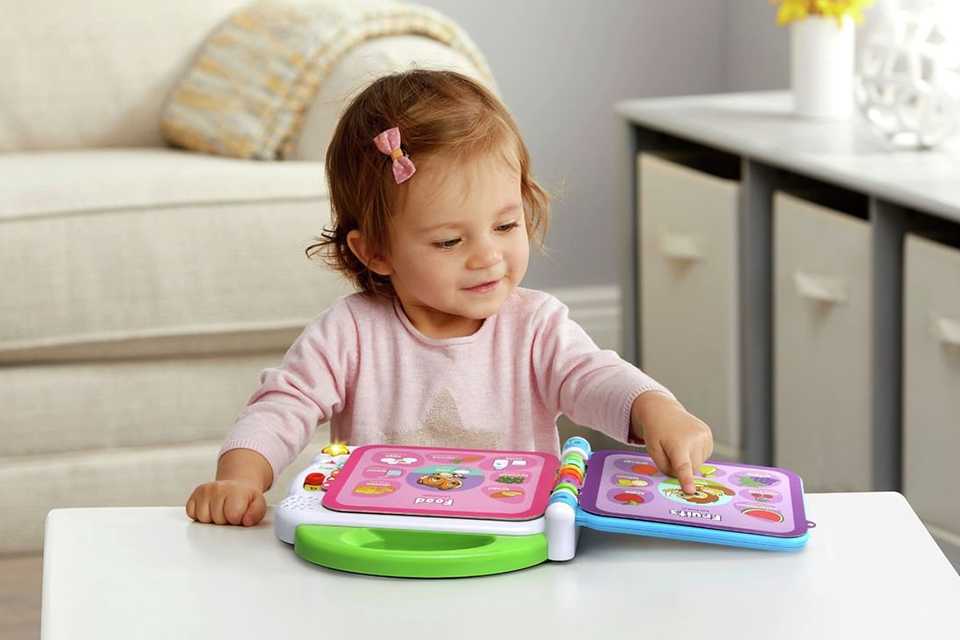
Brain development
Logic, reasoning, memory and attention skills allow your child to process information about the world around them. Helping them solve problems, recall knowledge and enable them to focus on a task without getting distracted.
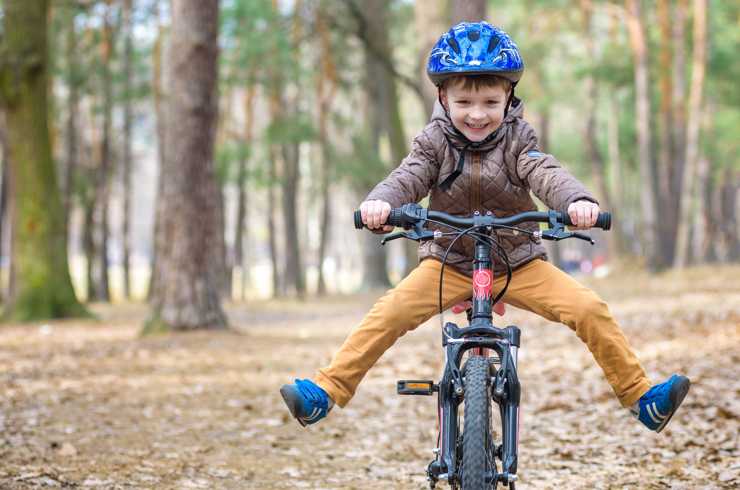
Physical development
This includes ‘big’ muscles like legs, arms or torso, used for walking, running, lifting and sitting. As well as ‘small’ muscles like fingers, toes or face, needed for actions such as speaking, eating and writing.
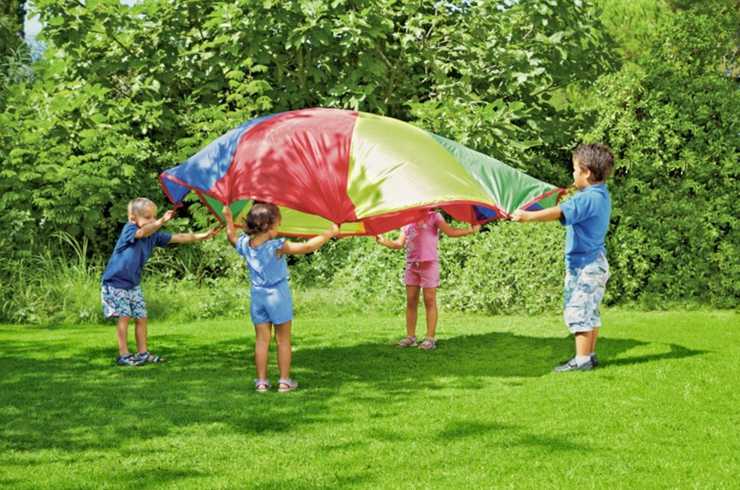
Social skills
These are vital for interacting with others and maintaining friendships. They include understanding, respecting other people’s feelings and the ability to communicate verbally and non-verbally (through tone and body language).
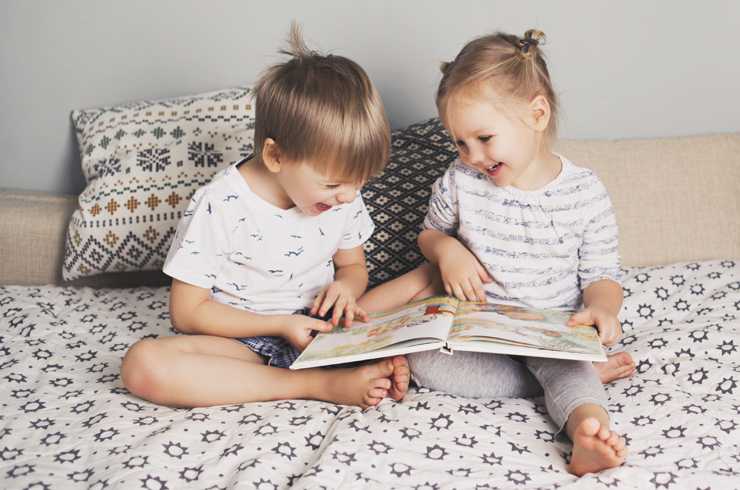
Language development
This allows children to express their feelings and ideas. Children under 3 struggle to put their feelings into words, becoming frustrated easily. But their listening and reading skills will be useful for receiving information and communicating with others.
Key stages of child development
Learn more and explore ways to encourage little ones on their way through child developmental milestones by age group that combine these physical, cognitive, and communication skills they learn as they grow.
Development stages by age

Baby (0-12 months)
Welcome tiny toes. Your baby will start developing from the moment of birth. In the first few months, they'll feed, sleep and cuddle while becoming more responsive to sounds. Gradually, their vision will develop too. By three to four months, they'll recognise you and get attached to you. Fun, bright toys will engage your baby's sight. While at night, lights that can create a calm mood as they focus on movement. You'll see your baby crawl and try to sit. They're likely to be more active and follow you around as they feel more connected to you. And soon, your baby will also take their first steps as they become a toddler.
Carousel
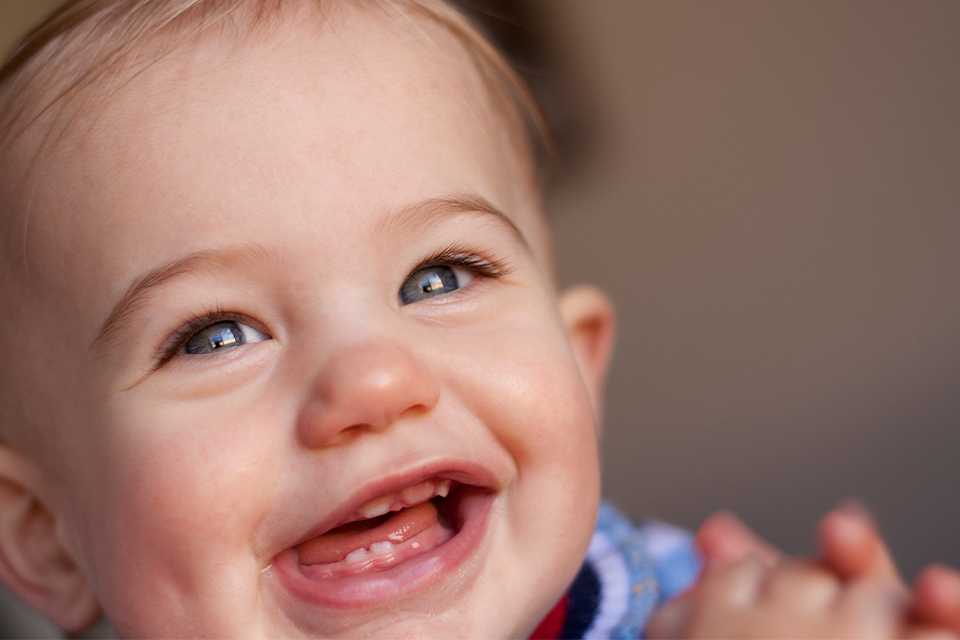
Teething
Teething can happen anytime between 3 and 12 months. It usually begins around 6 months, when the primary teeth break through the gums.
At this time, baby’s gums can become sore and swollen. You can make teething more comfortable by engaging them.
Activity toys are a great way to take your baby’s mind away from any painful gums. They also help develop their physical and mental growth.
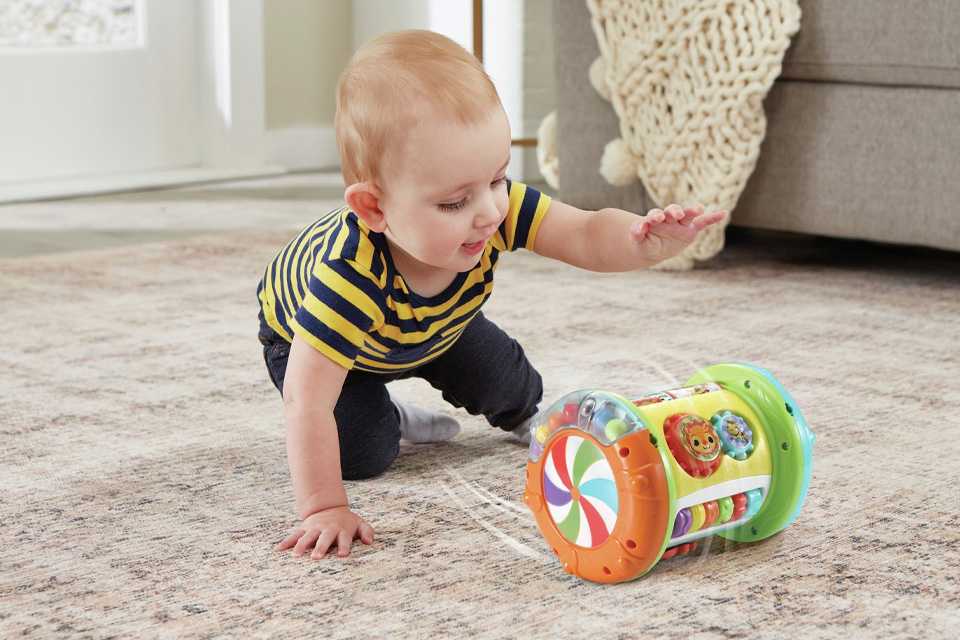
Crawling
Babies generally start crawling between 6-10 months, but this can vary from child to child. Here are some tips to support them.
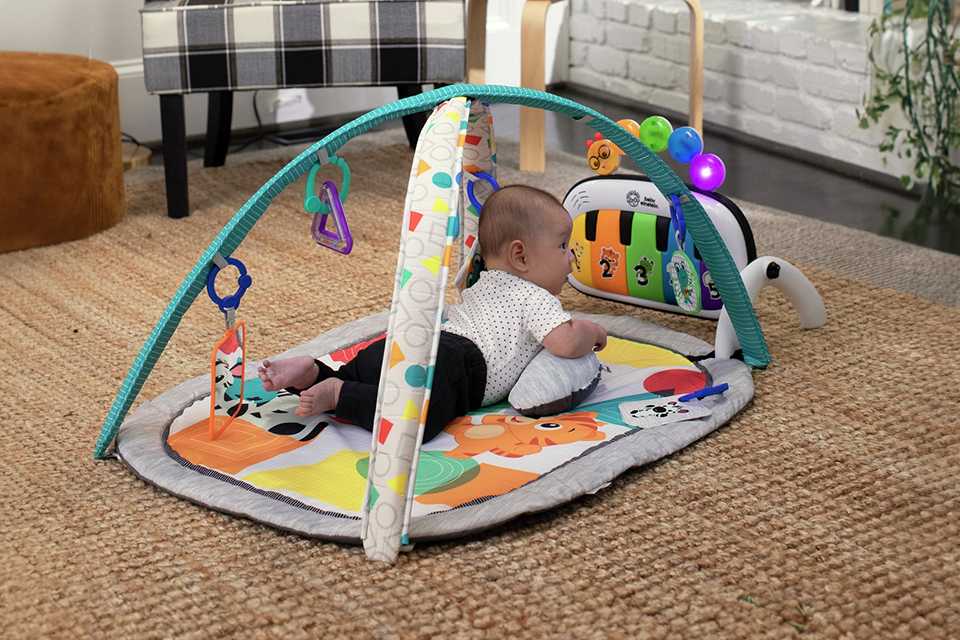
Place your child on their tummy on a padded surface so they're comfortable. It's a great exercise to help your baby build up neck, arm and leg muscles, as well as the ability to master their movement and head control.
Use toys to keep them entertained and active. The more baby moves and plays, the more muscles are developed.
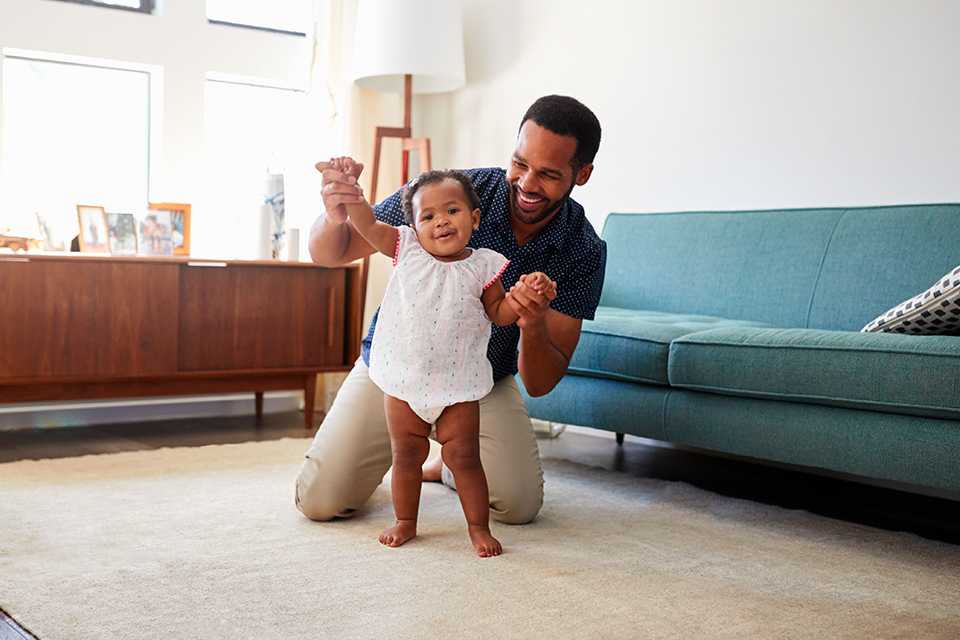
Walking
Generally, a baby can take their first steps between 9 and 12 months and walk around 3 months after.
At this time, babies need to develop their balance and coordination to walk and there are a few ways that you can help.
Toys, trikes and ride-ons are great for encouraging your baby to walk. They’ll help to develop the muscle and coordination skills they’ll need whilst having fun.
Quick shop for Baby (0-12 months)
Slider Grid






Early childhood milestones
Child development: 12 - 24 months
Your little one is on the move and eager to explore their surroundings. Encourage physical activities like running and jumping, to build muscle strength. Build coordination with drawing and painting and refine skills that’ll help with everyday tasks. Singing and reading stimulates their language and creativity.
Carousel
Brain development
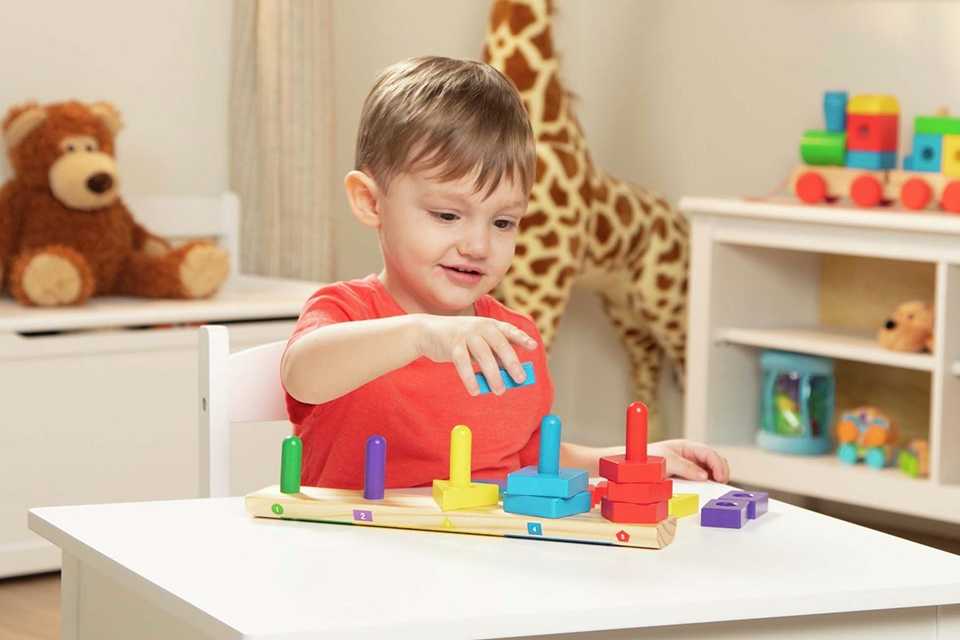
You’ll see your little ones trying to solve problems, such as sorting shapes and colours, or following objects you’ve hidden. Set up some activities for them get better.
-
Encourage them to test new abilities like shaking or banging as they explore the effects. An activity table also helps them build up their strength to stand and walk.
-
A puzzle is great way for them to learn about colours, numbers, shapes and so much more. Do it together or let them figure out on their own.
-
To develop fine motor skills, choose from a variety of colours, shapes and themes, allowing your little one to think about which shape fits where.
-
Physical development
Your baby will use their fine motor skills to synchronise smaller muscles like hands, feet and eyes for everyday movements. Gross motor skills engage their larger core muscles, helping bigger movements like walking.
-
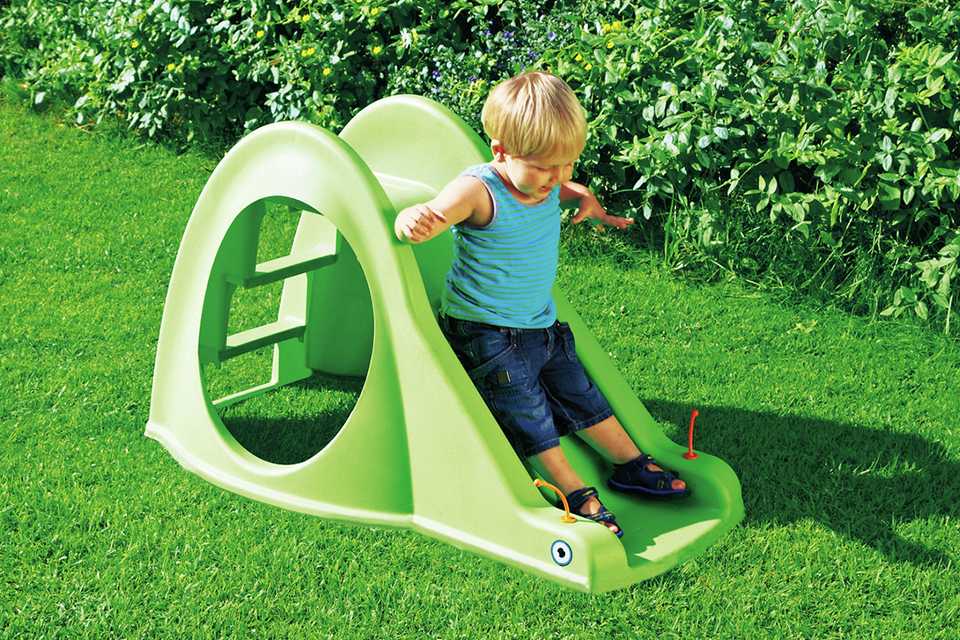
Indulge them in different activities like giving them movement toys or setting up a soft and squishy obstacle course. It'll help your baby to crawl, climb and walk through.
-
Use bubbles to encourage your child to use their gross motor skills to sit, stand, chase and reach, as they float in different directions.
-
Help them build their confidence as they take their first steps, with a walker. Their bright colours, characters and interactive features also help develop other skills.
-
Social skills
It's time for your baby to start communicating through facial expressions, body language or short sentences. Here's how you can engage with them.
-
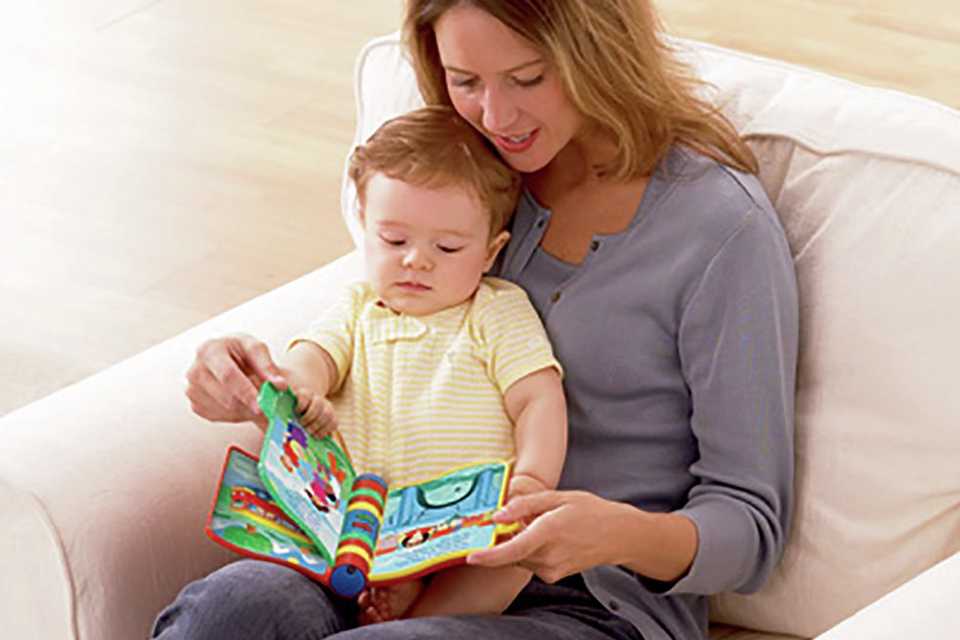
Cuddle up and read to your baby. Bring the story to life through funny voices, noises and talking about it. Ask your child to point to things to keep their attention.
-
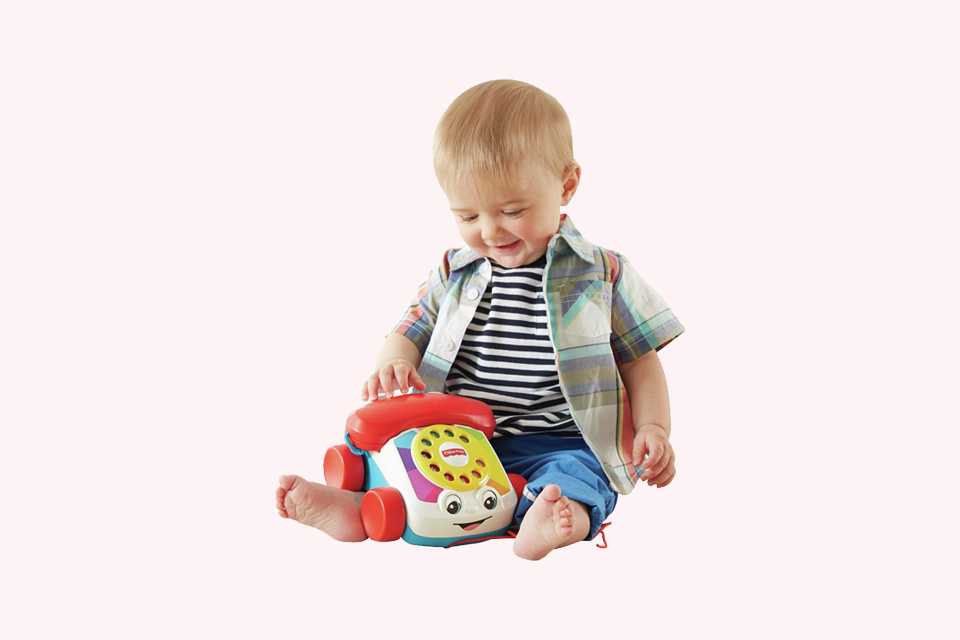
Kids love to mimic our actions and conversations. Before they cover your phone with fingerprints, give them their own phone so they can catch up with Nan and Grandad.
-
Nursery rhymes help your baby learn new vocabulary. Use actions alongside the rhymes, to help them remember the song, or how about adding some musical instruments too?
-
Quick shop for 12 - 24 months
Slider Grid





Toddler development
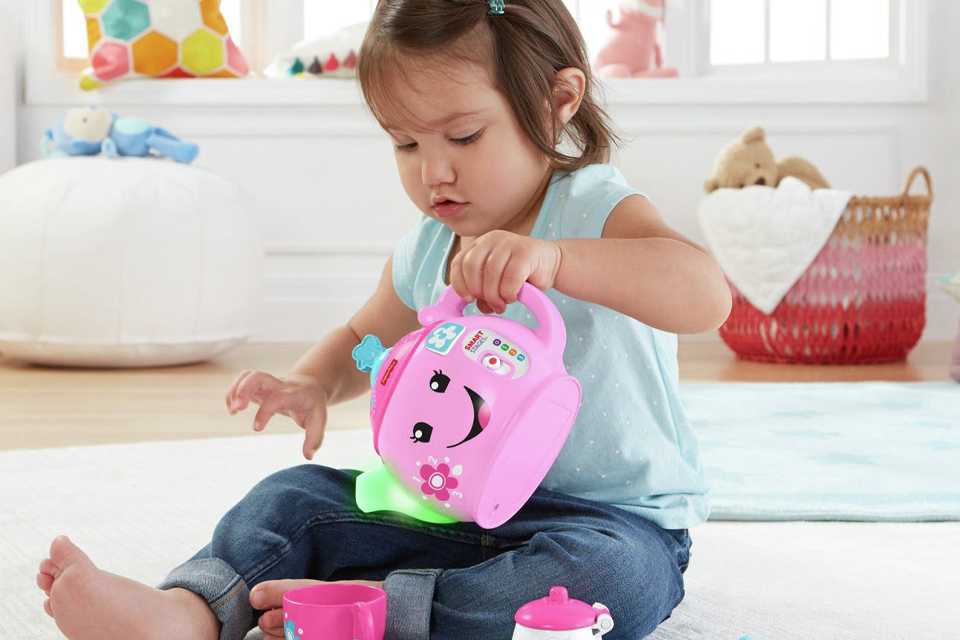
Developmental milestones for 2 - 3 year olds
You may be hearing a lot of ‘why’ questions now. Be patient as your child tries to make sense of the world around them. They’ll still enjoy independent play but will begin to interact with others – enhancing their social, language, and creative skills.
- Read more about 2 - 3 year olds
Quick shop for 2 - 3 years
Slider Grid


Fine motor skill development and more

Developmental milestones for 4 - 5 year olds
How have they grown so fast? Dressing themselves, improving their vocabulary and increasing their memory and attention span. You’ll soon see how the skills they’ve been developing in their early years will help them as they begin school.
- Shop educational toys for 4-5 year olds
Carousel
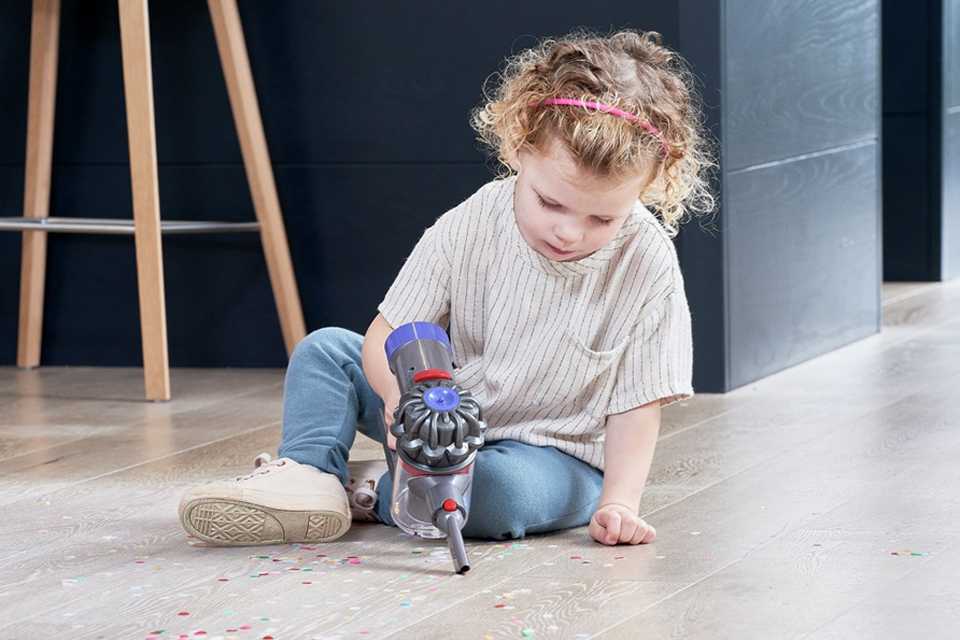
Fine & gross motor skills
Smaller muscle skills such as getting dressed, fastening buttons, and holding a pencil help your child prepare for school. Gross motor skills built by role play and activity toys develop their posture and endurance, leading to overall child growth.


Quick shop for 4 - 5 years
Slider Grid





Top toy choices...


Shop by brand
Slider Grid
Frequently asked questions
What are the 5 developmental milestones?
The 5 developmental milestones range from cognitive skills, language development, social skills, and gross and fine motor skills like walking and drawing respectively.
What are the developmental milestones for 0 to 12 months?
Developmental milestones from birth to age one can include the following:
- Fine motor skills - Grasping and hand-eye coordination.
- Gross motor skills - Holding their head steady, sitting up, crawling, and maybe even walking.
- Cognitive skills - Exploration and object permanance.
- Language development - Babbling and vocalisations.
- Social development - Recognising those around and bonding with them.
At what age do babies roll over?
Babies usually start to roll over around 4 - 7 months of age.
At what age is 90% of the brain developed?
It is said that 90% of the brain is developed by the age of five. Playing with your kids and keeping them engaged as well as other tips and ideas for activities can help stimulate their early learning and development.
What should a 15 month old be able to do?
Here are some milestones for a 15 month old child:
- Cognitive skills -Stacking at least two objects.
- Language development - Attempting to say some new words.
- Motor skills - Takes first steps, uses fingers to feed themselves.
- Social development - Bonding with you, starting to imitate other children.
You can boost their development at this stage by talking to them and encouraging word recall and interaction as well as by limiting screen time.
How can I support my child's development at different stages?
You can help support your child's development at different stages through engaging and playing with them, talking to them, setting routines, and creating a safe space for them to grow and develop at their pace.
What are the best toys for child development?
Creative play and activity such as drawing and role playing can boost imagination and motor skills. Sensory toys can help with cognitive development. Language and social skills can also be learnt through communication toys.
What do 2 year olds play with the most?
2 year olds play with activity and role play toys that can improve motor skills. They also like creative play involving musical toys.
What is the meaning of gross motor skills?
Gross motor skills refer to the various skills kids learn that are related to movement and using large muscle groups. For example: sitting, crawling, and walking. Want to know more? Motor skills and coordination are significant milestones for a childs' growth and learning more can be beneficial to supporting them in the best way possible.
What activities support fine motor skills?
At home, child development activities to support fine motor skills can include stacking blocks. Engaging in creative play and arts and crafts like threading beads for older kids are also great ways to encourage them.
What fine motor skills should a 5 month old have?
Some fine motor skills for 5 month olds are grabbing, grasping, bringing their hands to their mouth, and moving objects between their hands. You can support them by playing with toys for 5 month olds and encouraging them to reach and grab certain objects.
What are the 5 stages of language development?
5 stages of language development include:
- Pre-linguistic stage (upto 6 months): Crying and making sounds before they develop actual words.
- Babbling (6 months to 1 year): Trying to mimic sounds and say words.
- One-word stage (1 year to 1.5 years): Saying their first simple words.
- Two word stage (1.5 - 2 years): Using two words and forming sentences that might make sense.
- Telegraphic stage (2 - 3 years): Forming slightly clearer senteces and using grammar.