

Pushchair buying guide
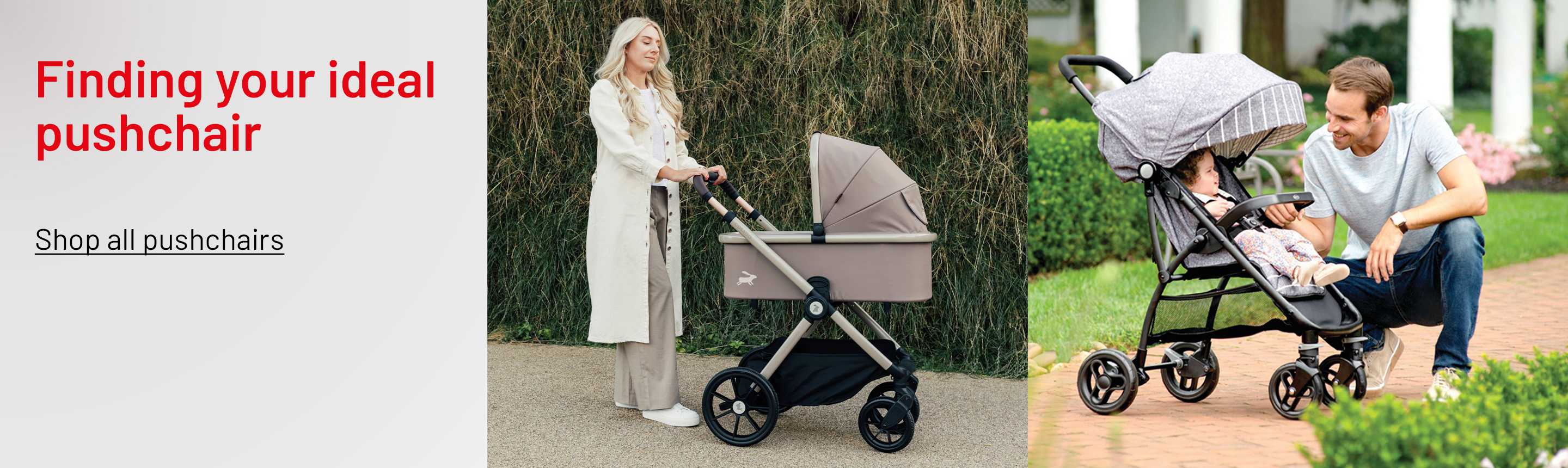
Getting ready for a new arrival? Or need a new stroller for your growing toddler? With so many options, choosing a new pushchair can be overwhelming. From buying a pushchair during your pregnancy, to choosing the best features for a travel system, we'll help you find the perfect fit.


The difference between prams, pushchairs, strollers and travel systems
Carousel

Pushchairs
Sturdy and built to last, pushchairs are often compatible with a car seat or carrycot. They may include a lie-flat function for newborns, a reversible seat that can switch from parent-facing to forward-facing, and ample padding for comfort. Explore pushchairs for all ages from newborns to toddlers.
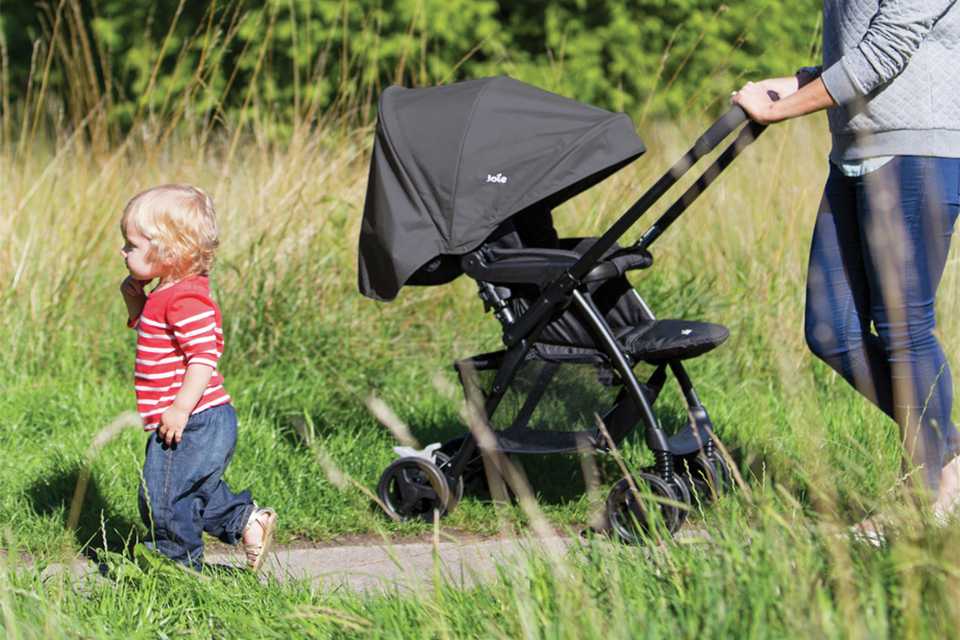
Strollers and buggies
Light and easy to collapse, strollers and buggies are suitable for older babies who no longer need to lie flat. Forward-facing, they often fold lengthways, but if you need a more compact option, you may want to pick a stroller that folds flat. If weight is a concern, check out our super-lightweight strollers under 7.5kg.

Pram to pushchairs
Pram to pushchairs are a convertible style of baby transport that let your baby pram double as a carrycot. They're great for letting your baby lie flat while napping on the go. The flat back position keeps babies comfy and supports healthy spine development. The enclosed carrycot shape helps them feel protected and cosy.
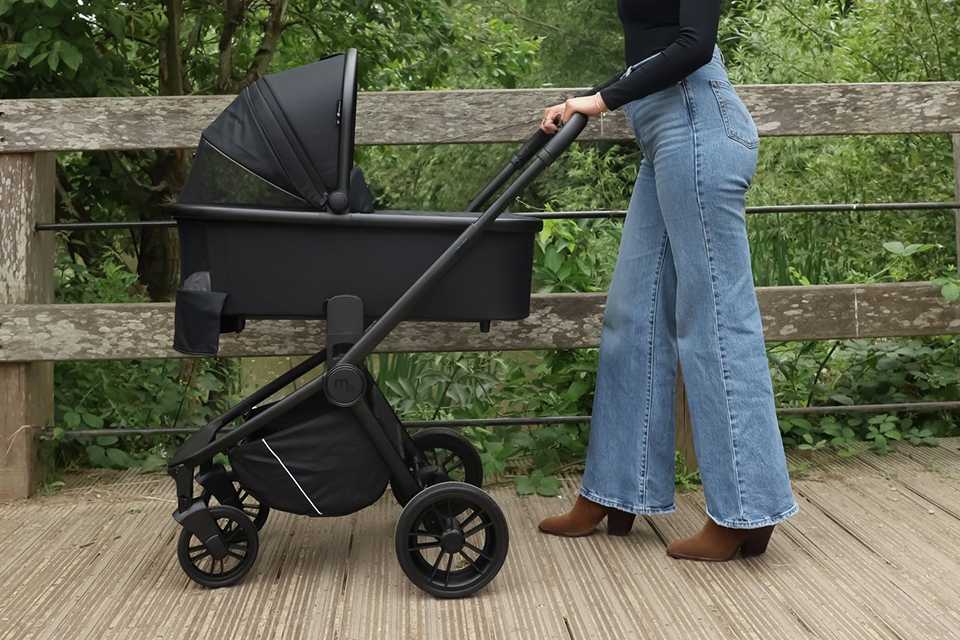
Travel systems
The all-in-one choice for babies of all ages. Always featuring a wheeled chassis, a pushchair seat and an infant carrier car seat, travel systems often also include matching carrycots, car seat bases, raincovers, footmuffs, change bags and more. Be sure to check each product for specific included items.
Explore our best stroller and pushchair options
Slider Grid




Popular pushchair and travel system brands
Carousel











Other types of carriers
Carousel
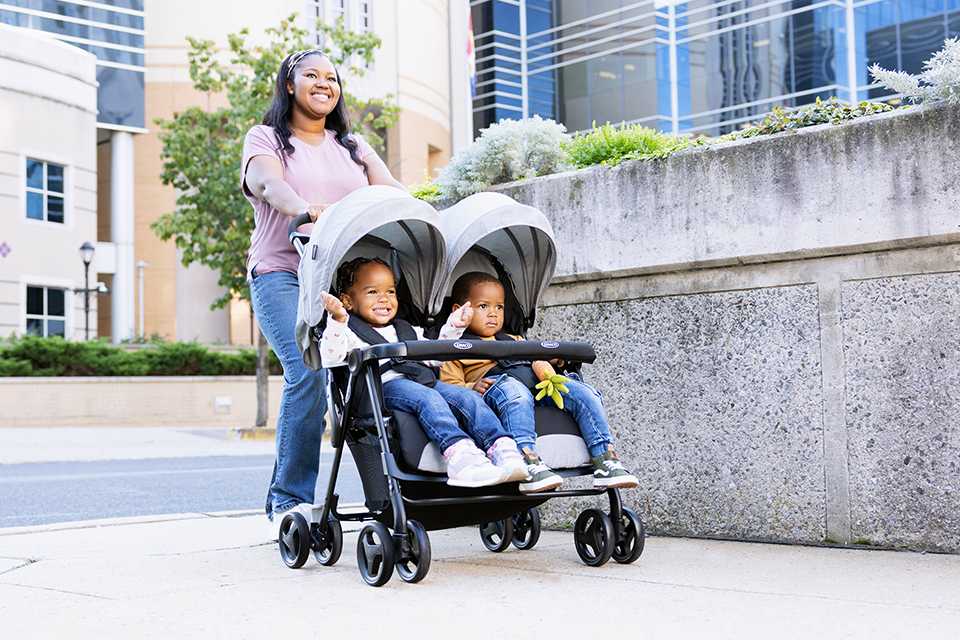
Double buggies
Double trouble? Only one pair of hands? No problem. We’ve got twin buggies, tandem pushchairs and 2 seater strollers that simplify travelling with two. Either side by side, in tandem, or one above the other. Great for little ones of different ages, perfect for twins - just check the specs to make sure it works for you.

Baby carriers
Hands free? A baby carrier is a great addition to your baby travel kit. Suitable for newborns upwards, they keep baby close to you and offer comfort and connection. Lightweight and compact, they’re easy to pack inside luggage for trips away. They're washable too.
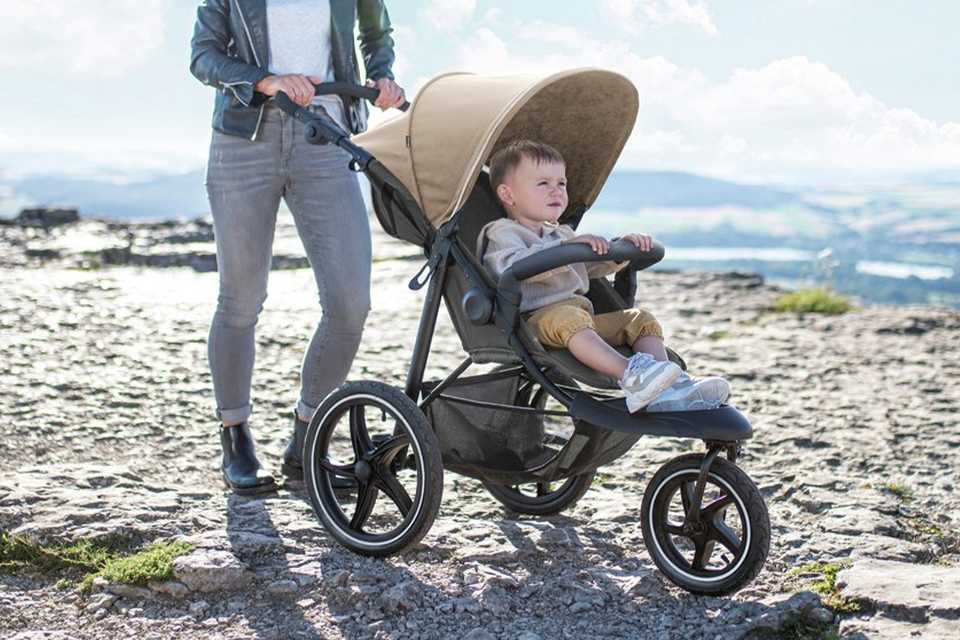
3 wheeled strollers
Worried about bumpy streets and stony paths? If you're a runner or a hiker, 3 wheel strollers are an asset when it comes to taking your baby out where there's uneven terrain. The single front wheel on 3 wheelers makes them more agile and easy to handle on rough surfaces.
Explore budget friendly pushchairs
Carousel
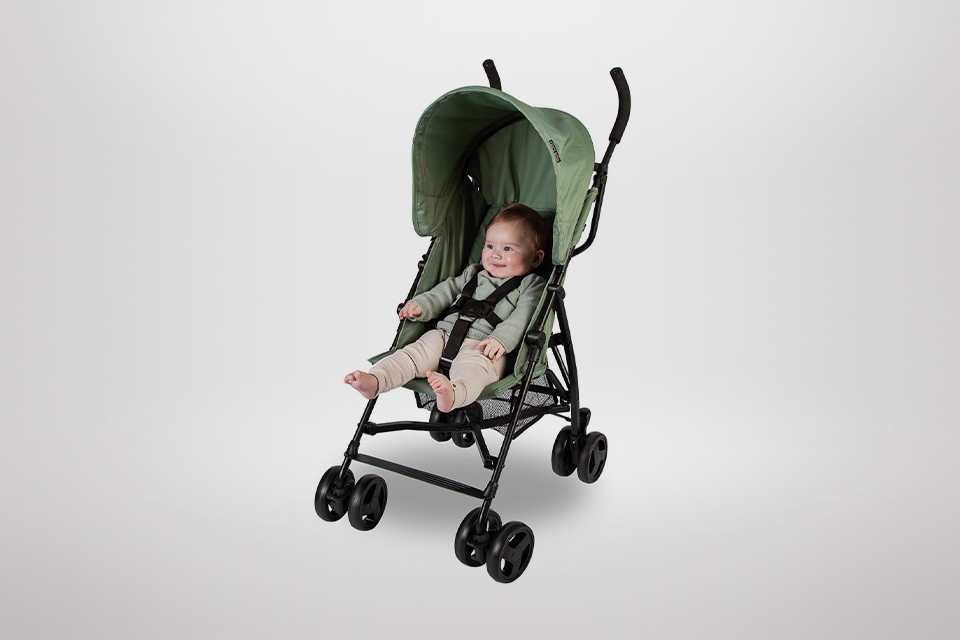
Pushchairs at £25 - £50
Treat your baby and your wallet. Find high quality strollers, accessories and pushchairs under £50.
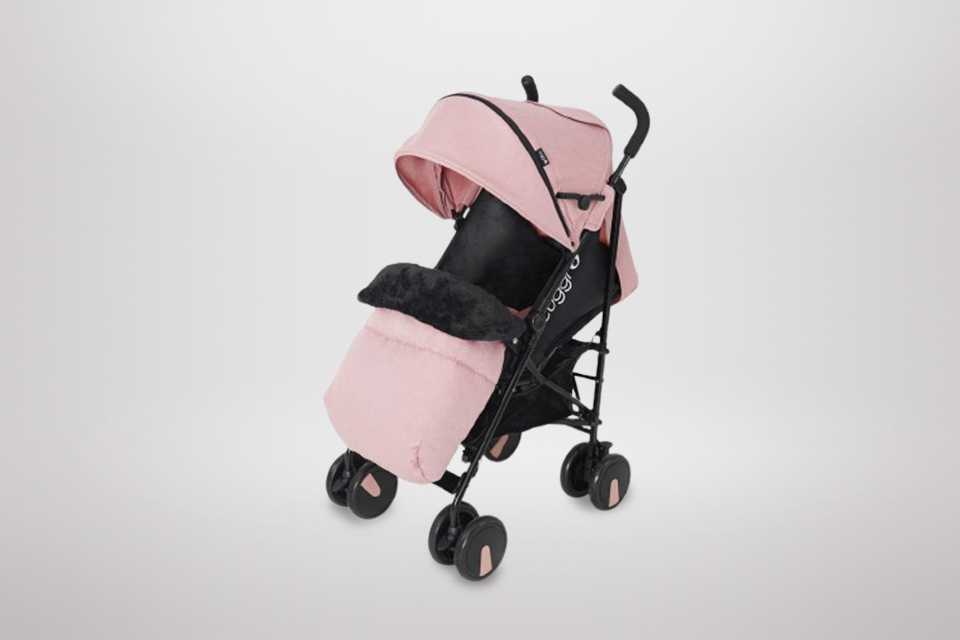
Pushchairs at £50 - £100
Keep your baby safe and cosy with our selection of pocket-friendly buggies, pushchairs and travel systems below £100.
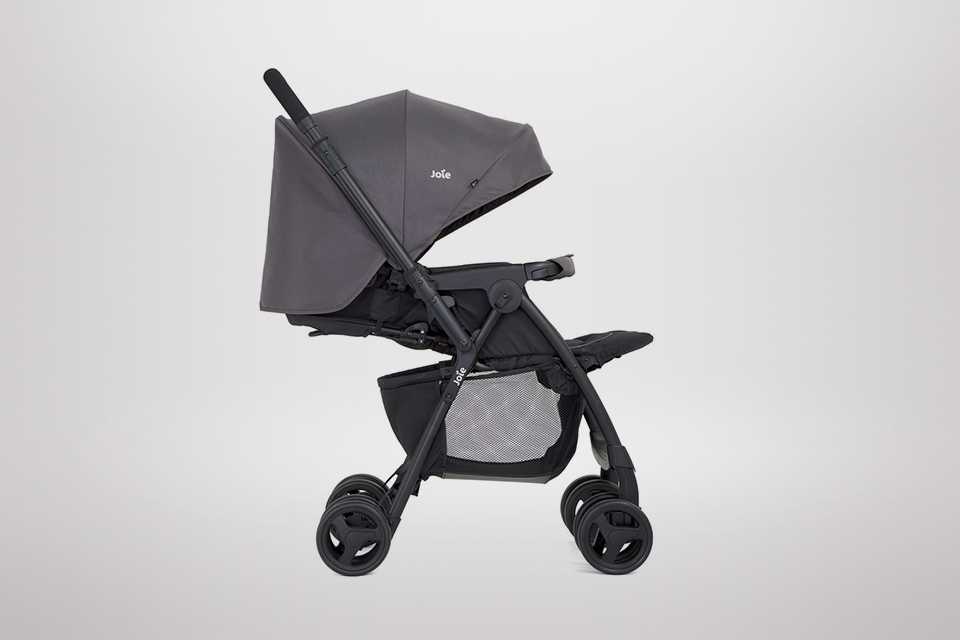
Pushchairs at £100 - £150
Find the best pushchair, stroller or pram to pushchair for your needs, under £150.
Looking for more baby accessories and baby essentials?


Frequently asked questions about pushchairs
How do I know which pushchair to buy?
When buying a pushchair, consider the age of your child, and where and how will you use the pushchair the most. Check for features that will best suit your lifestyle and your little one. Is it light enough to lift in and out of the car? Or do you need something heavier and more robust? Does it need to be car seat and carrycot compatible, ideal for a newborn? Do you need it to go over bumpy ground? Write a list of must-have features to help you decide. Find more pointers on things to consider when buying a pushchair, in this detailed guide.
How do I choose a pram for a newborn?
As newborns need to lie flat for the first few months, look for a pushchair or pram with a recline of 150 degrees or more so that your baby can lie flat on their back. Many also come with a carry cot, a car seat and matching accessories. Parent-facing is ideal so that you can see your baby - many pushchairs are parent-facing to begin with and they can be adapted to face forwards as your baby grows.
What is the difference between a stroller and a pushchair?
A stroller is lightweight, easy to fold and suitable for babies 6 months and over, while a pushchair is more robust, designed to transport and support your baby from newborn to toddler.
What is a travel system?
A travel system is an all-in-one set that always includes a wheeled chassis, a pushchair seat and an infant carrier car seat. Some also come with a newborn-ready carrycot, a car seat base, a matching footmuff, change bag and raincover. Check each each set carefully to make sure it provides everything you need.
Can I use my travel system infant carrier car seat like a pram?
Infant carrier car seats are convenient but because they curve slightly and aren’t flat, you are advised not keep your baby in them for more than 2 hours, especially newborns.
What age do babies change prams?
Once your baby is able to sit up and fully lift and control their head themselves, they can move to a pushchair with an upright seat. An adjustable reclining seat will allow your baby to lie back to sleep, but also lets them sit up to see the world around them, supporting their development.
What are the essential accessories and add-ons for a pushchair?
Raincovers and sunshades offer protection from the weather while footmuffs are essential for protecting your child from the cold. Got a toddler in tow? Add on a buggy board for them to ride along on. And don't forget the change bag for all your nappy change and feeding essentials.
How do I ensure that the pushchair I choose is durable, long-lasting, and provides good value for money?
Look for a pushchair that can accomodate the needs of your growing child. Important features to consider are car seat and carrycot compatibility, reversible seats, adjustable handles, foldable frame, and handy places to keep add-ons - it all depends on what you need. Read reviews and ask for recommendations. Your pushchair is going to be your new best friend!
How can I maximise my baby's safety in a stroller or pushchair?
Here are some simple tips to ensure your baby is as safe as can be when on the move:
- Always strap your little one in using the pushchair harness.
- Apply the brake when you’re not on the move.
- If you’re using a pushchair for a newborn baby, make sure the recline is 150 degrees or more so that your baby can lie flat.
- Fix swivel wheels, if possible, when pushing over rough ground – this will help to stabilise the pushchair.
- Keep little fingers away from the folding mechanism, and make sure it’s fully locked open when in use.
- Only store shopping and bags in the basket underneath the pushchair, not from the handles. This will prevent tipping.
How do I maintain my pushchair and keep it in good condition?
Here are some quick maintenance tips to prolong the life of your pushchair:
- Check the wheels, brakes, straps and buckles regularly for any signs of damage.
- Know the weight limit. Overloading with bags or a child whose weight exceeds the limit can lead to instability and breakage.
- Vacuum and wipe down the pram or stroller at least once a week to get rid of any loose dirt and debris.
- Deep clean all fabric components at least once a month.
- If you have a folding pushchair, you may want to lubricate the hinges semi-regularly to ensure it stays easy to collapse and open up after storage.
- Find more information on pushchair maintenance and safety, check out this helpful guide.
Discover more inspiration
Carousel

Baby essentials
From feeding equipment to safety essentials, find everything you need to welcome your new baby.
Educational toys for 2-3 year olds
Find the best toys to support your toddler's growth and development.
You can now collect and spend Nectar points when you shop at Argos