
Best kitchen knife guide
Cut through your daily meal prep like butter. Find your perfect kitchen knife right here.
Shop all kitchen knives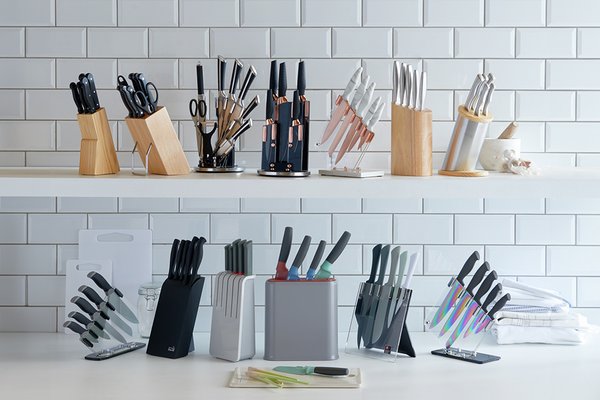&poi={$this.metadata.pointOfInterest.x},{$this.metadata.pointOfInterest.y},{$this.metadata.pointOfInterest.w},{$this.metadata.pointOfInterest.h}&scaleFit={($this.metadata.pointOfInterest.x>0)?$sfpoi:$sfcenter}&sm=aspect&aspect=2:1&sfcenter=center&sfpoi=poi&qlt=50&fmt=auto&noiser=0&fmt.jpeg.interlaced=true&fmt.jp2.qlt=40&)
How to buy a knife
Choosing and using the right kitchen knife can help you cook better. The right blade makes tasks like slicing or chopping faster and safer. Whether you’re upgrading your kitchen tools or setting up your first set, learn what matters and what doesn’t when it comes to picking the best kitchen knives.
Carousel
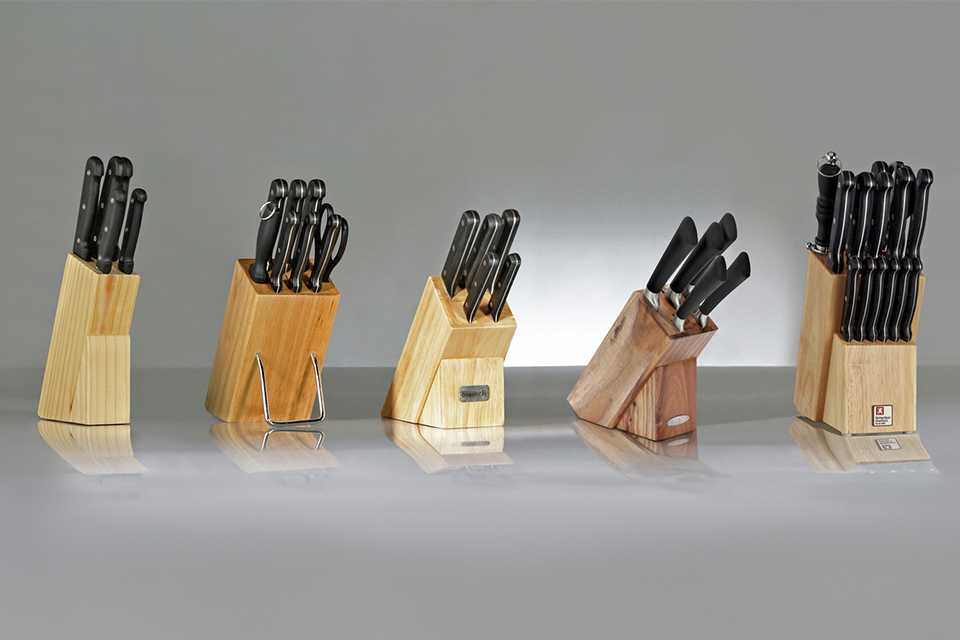
Buying a knife online
Seasoned chef or novice cook - a good knife is an essential kitchen tool regardless of skill level. It is illegal to sell kitchen knives to anyone under 18 years old, but you're in the right place to learn all you need to know to select the perfect knife for you. Collect your order in-store once you've found what you're looking for.
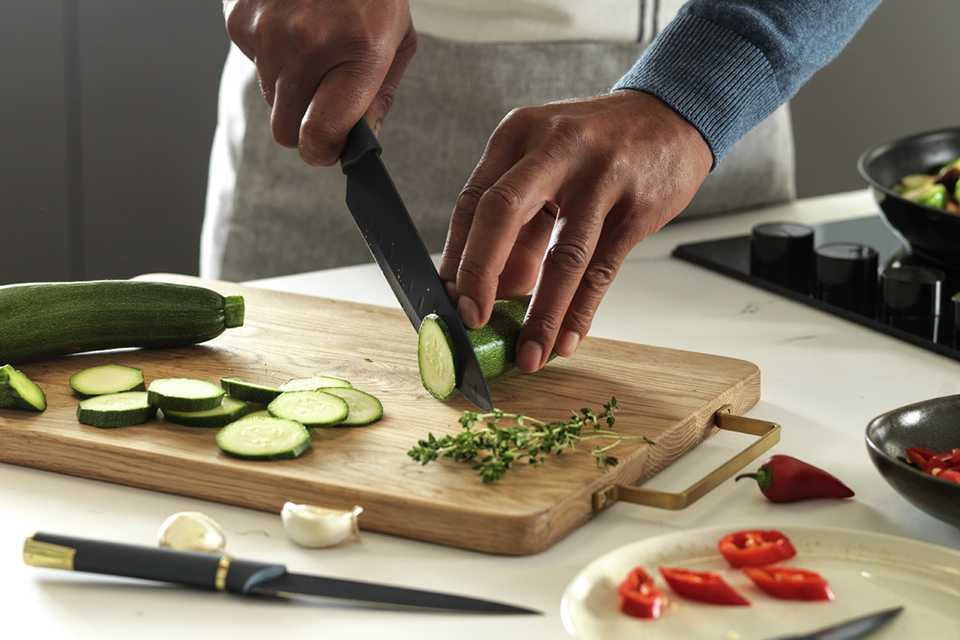
Finding the best kitchen knife
There are many different types of kitchen knives available, each with their own purpose. Discover a wide range of kitchen knives tailored for both beginners and experts. Explore this guide to find the perfect set for your culinary needs.
Best knife blade materials
Wondering which material to choose? If you want something low-maintenance for everyday use, stainless steel knives are a good option. For cutting with more finesse or slicing proteins, go for carbon steel knives.
Carousel
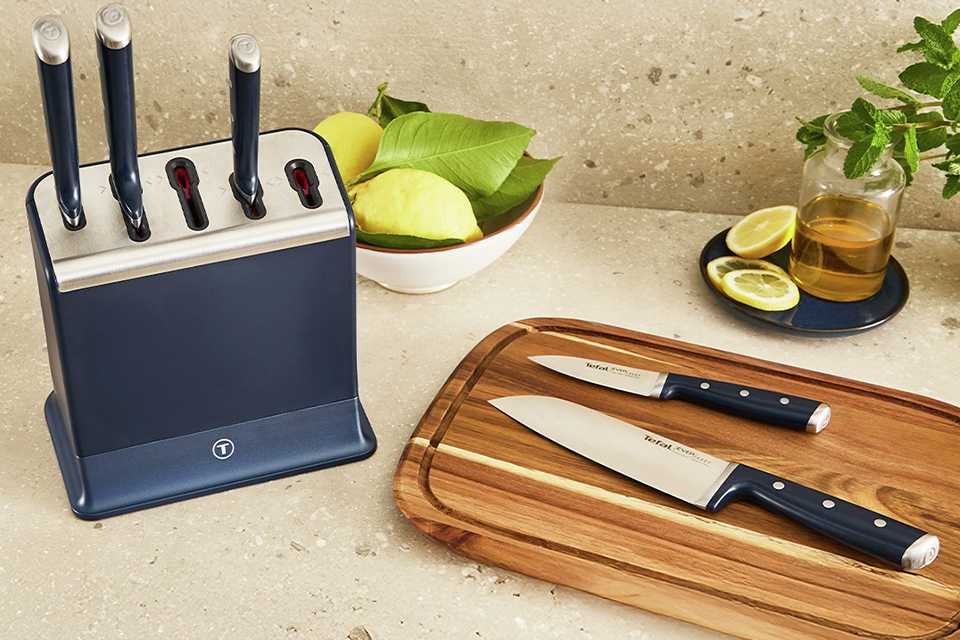
Stainless steel knives
Stainless steel knives are resistant to rust and staining. They also balance durability and flexibility, making them perfect for daily use. They are easy to sharpen and keep their edge for a long time too.
Best for: Everyday home cooks, busy kitchens, users who want a low‑maintenance knife.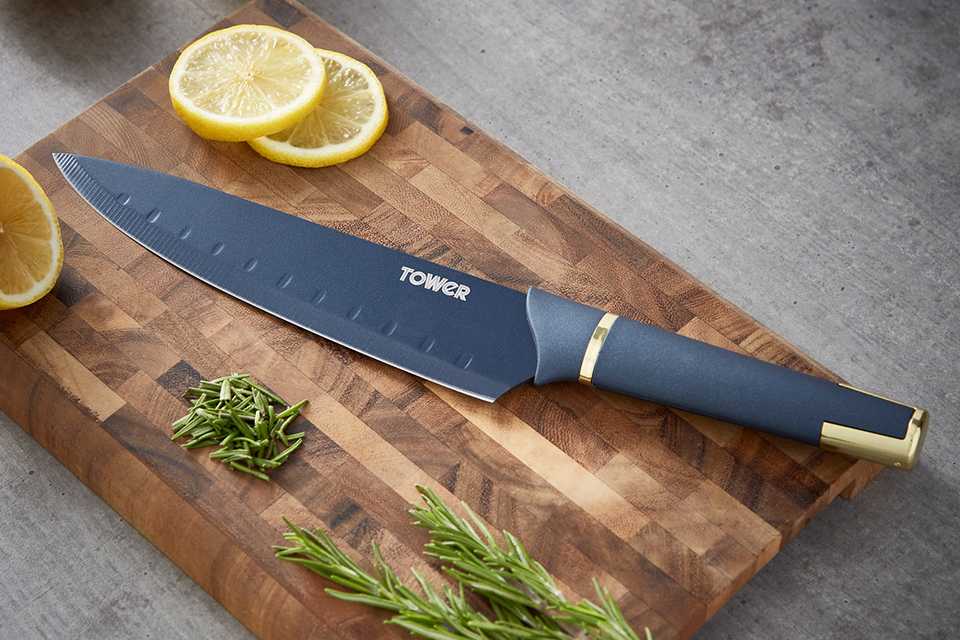
High carbon stainless steel knives
Knives with high carbon stainless steel blades typically stay sharp longer than stainless steel ones, and are great for a smooth and precise cutting experience. They need to be cleaned and dried carefully after each use, as they’re more prone to rust due to a lack of chromium which is what keeps stainless steel knives rust resistant.
Best for: Culinary enthusiasts, professional chefs, and those who want sharpness and precision.
Kitchen knife types
From carving to paring, there are many types of knives to cut various food items. Learn the difference between each to select the right one for the job.
Carousel
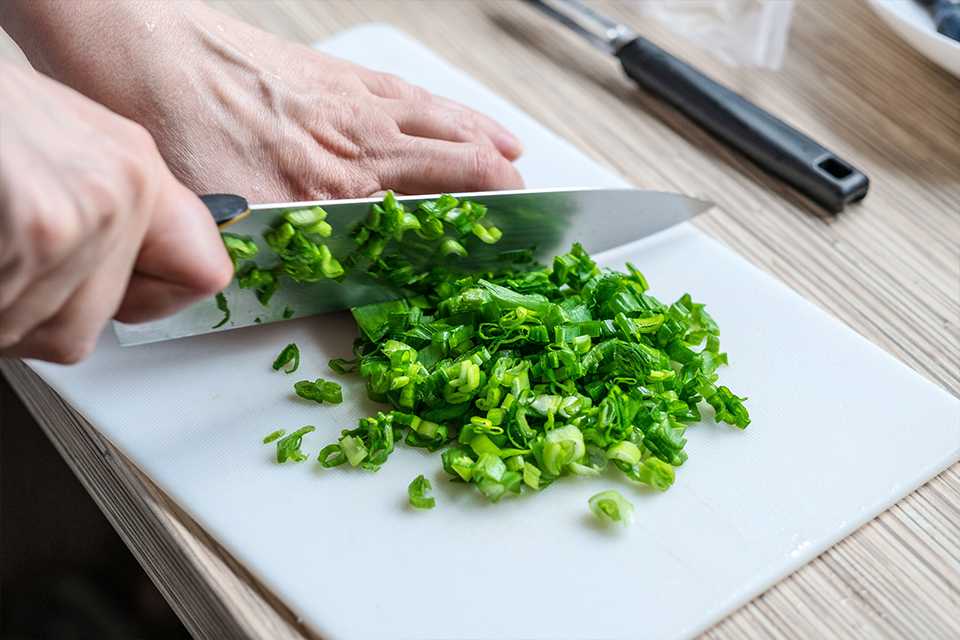
Chef's knife
One of the most versatile knives to have in your kitchen, a chef's knife features a wide blade and fine tip. It can be used for almost any cutting job.
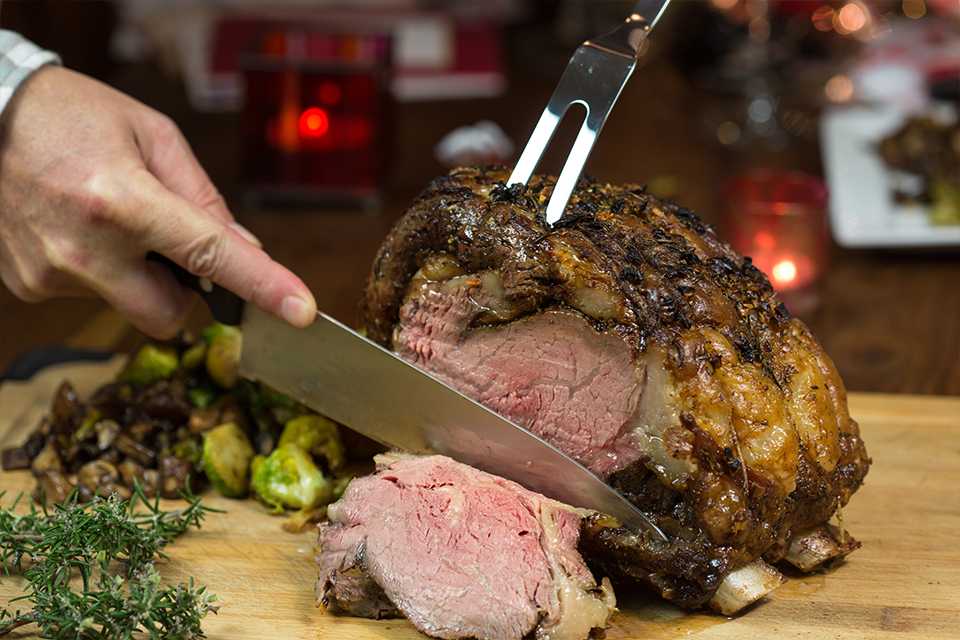
Carving knife, slicing knife and boning knife
Carving knives are generally used for slicing meat into thin, uniform slices. Their blades are long and slender with a sharply tapered point, perfect for navigating around bones. Slicing knives are generally designed to handle boneless cuts of meat. Boning knives are narrow and sharp for precise removal of bones from fish, poultry and meat.
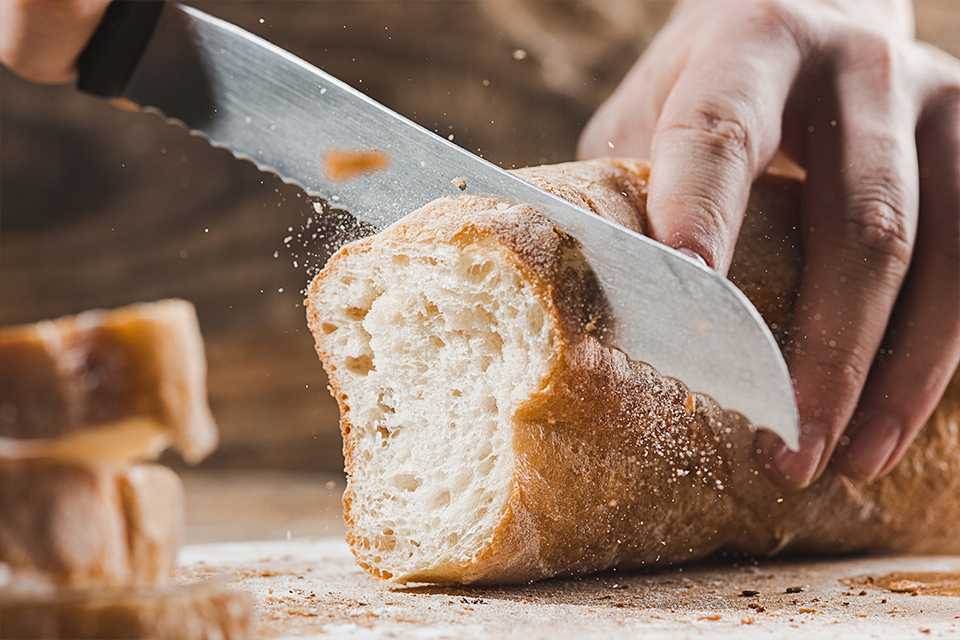
Bread knife
The long, serrated blade of a bread knife can slice through even the crustiest of loaves. To protect the user's hand, the blade is usually offset from the handle.
Carousel
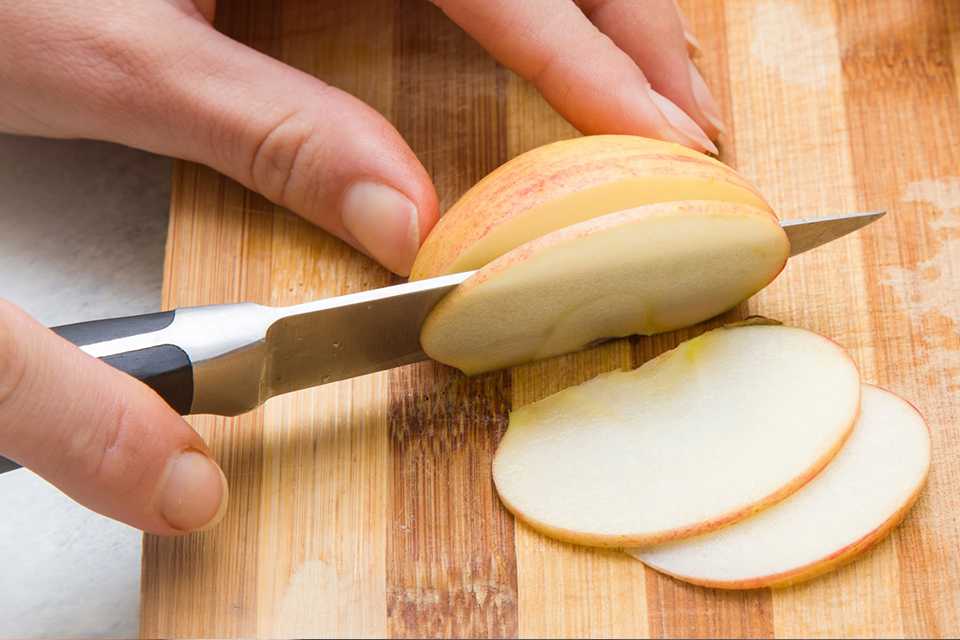
Paring knife
A paring knife is a short-bladed knife used for intricate work like peeling, slicing and deseeding small items. Its handle is slightly longer than other knives, allowing for more precise cuts.
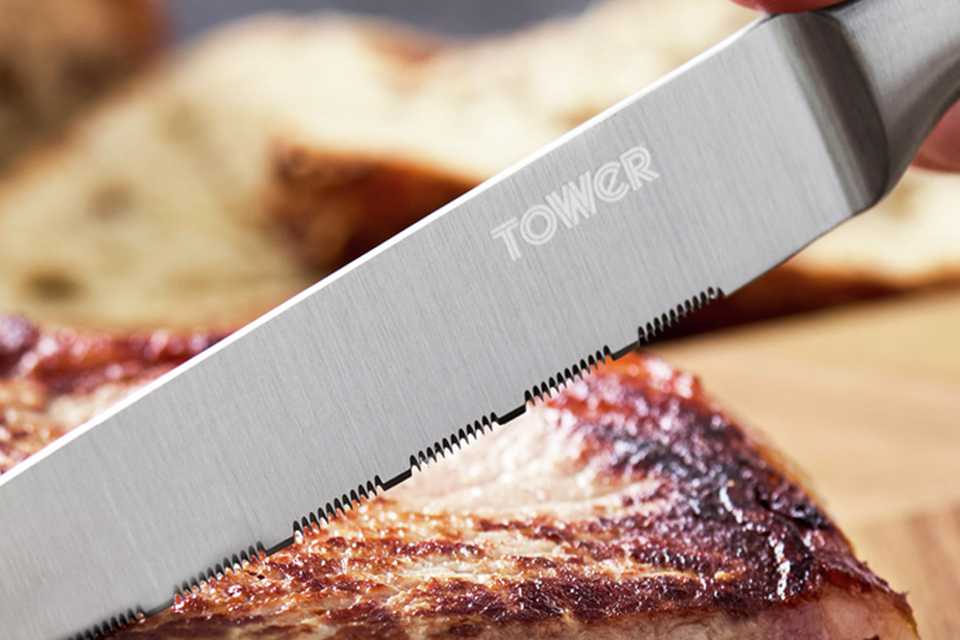
Utility knife
An all-purpose knife, a utility knife is similar to a chef’s knife but smaller. It’s ideal for more delicate cutting tasks that don’t require a wide or heavy blade.
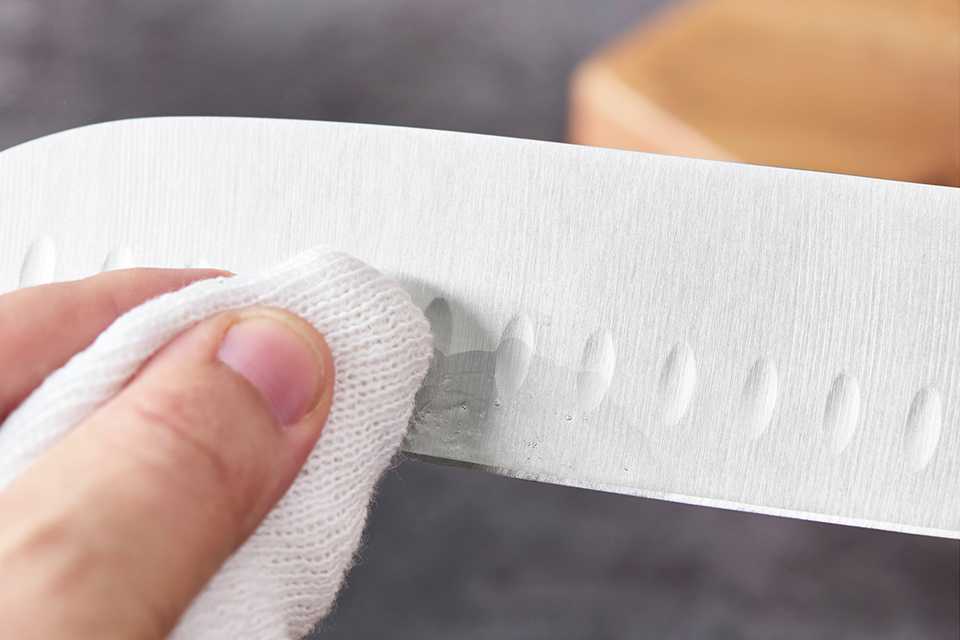
Santoku knife
A Santoku knife is a Japanese general use knife valued for its precision in cutting. It has a short, wide blade with a straight edge, curving downwards at the tip.
Shop knives by set
Dicing, slicing, or paring, prepare your kitchen for all jobs at once with a knives set.
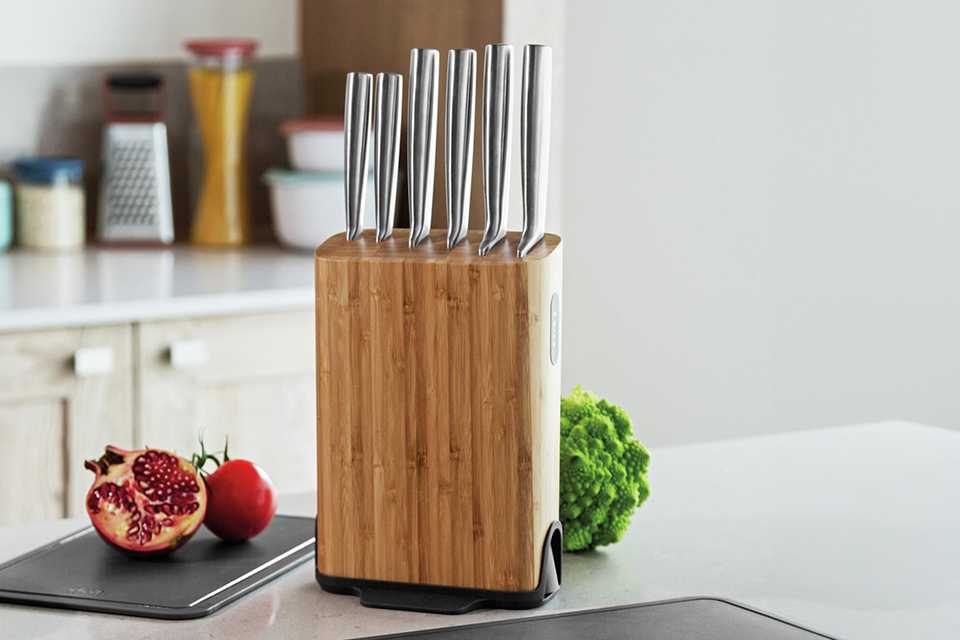
Knife blocks
Organise and protect your knives while ensuring worktop aesthetics. Knife blocks give you a dedicated space to keep knives when they're not in use, preventing accidental cuts.
Get to know the parts of a knife
Understanding the anatomy of a kitchen knife makes cooking easier, because it helps reduce guesswork, allowing you to use the knife correctly. Familiarise yourself with the different parts below.
Blade
The blade is the main part of the knife. It's the sharp bit that does all the chopping, slicing, and dicing. A good blade feels sturdy and glides through food without you having to wrestle with it.
Edge
The edge is the sharpened line along the blade. It’s what actually cuts your food, so keeping it sharp saves you loads of hassle.
Tip
The tip is right at the front of the blade. It's handy for fiddly jobs like scoring pastry or slicing small veg.
Spine
This is the top, non‑sharp side of the blade. It gives the knife strength and balance. Many people sometimes press on the spine with their other hand when they need a bit more oomph during chopping.
Heel
The heel is the chunky back end of the blade, closest to the handle. It’s great for tougher tasks like chopping through squash or dealing with stubborn veg that refuses to cooperate.
Bolster
Not all knives have one, but when they do, the bolster is the thicker section between the blade and the handle. It adds weight and helps keep your fingers from slipping forward.
Handle
You hold the handle of a knife to do the task at hand. Make sure it feels comfy, secure and not like it’s going to fly across the kitchen the moment your hand gets a bit slippery.
Tang
The tang is the side of the metal from the blade that runs into the handle. A full tang (where it runs all the way through) usually means a stronger, better‑balanced knife.
Kitchen knife care and maintenance
Keep your knives in the best shape possible with our handy tips and advice.
Carousel
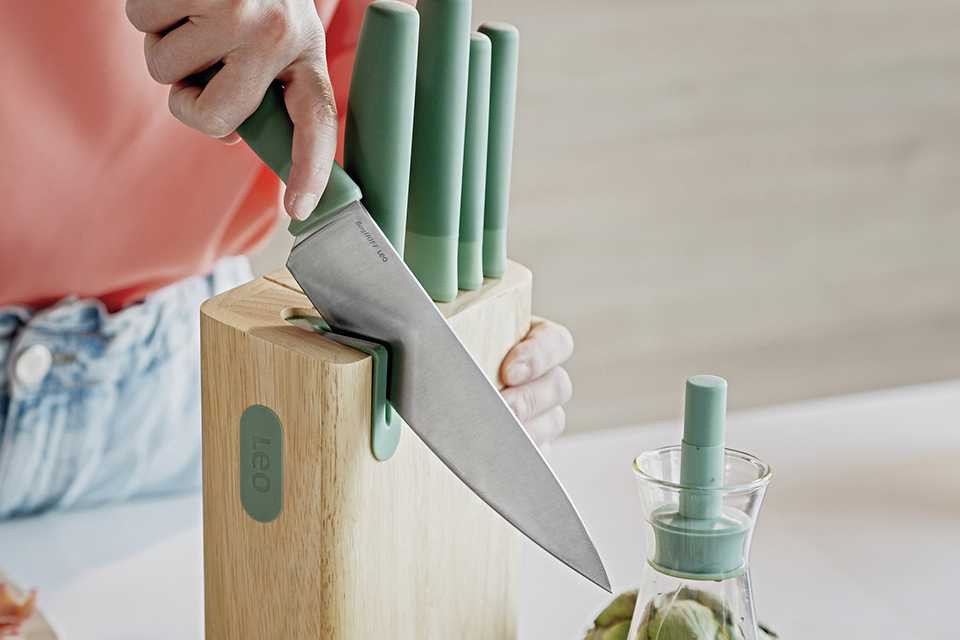
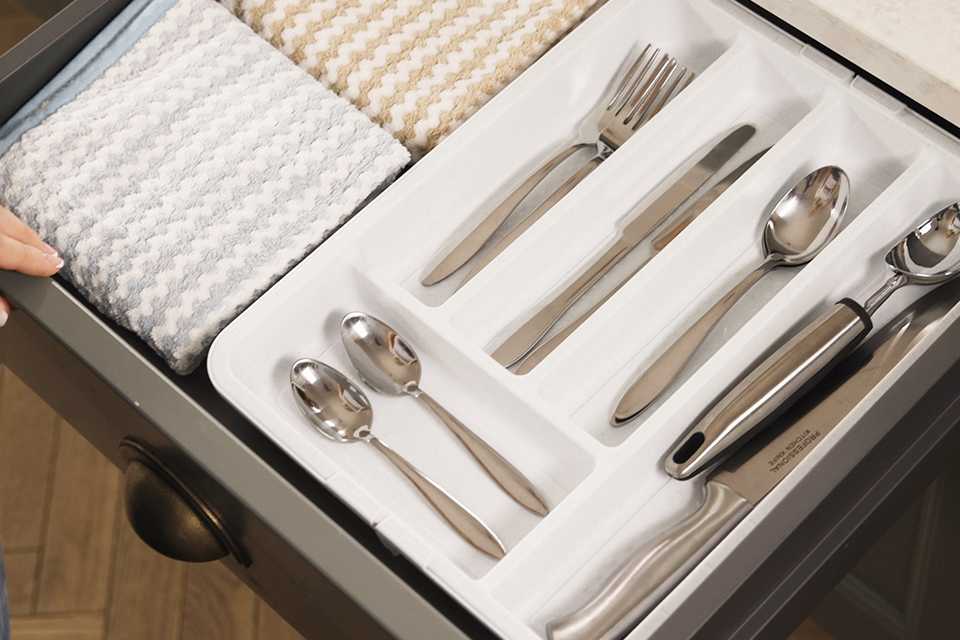
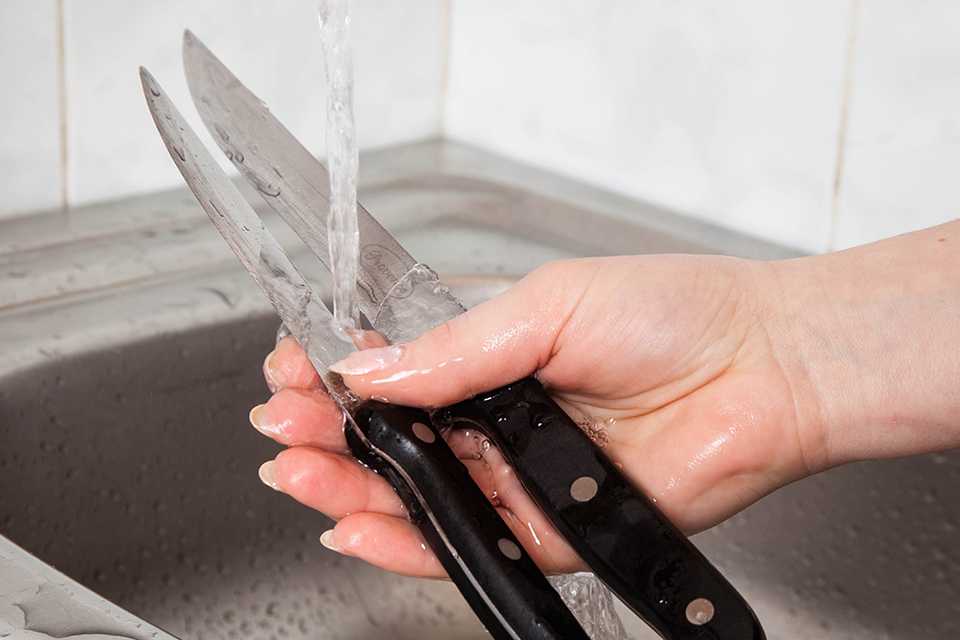
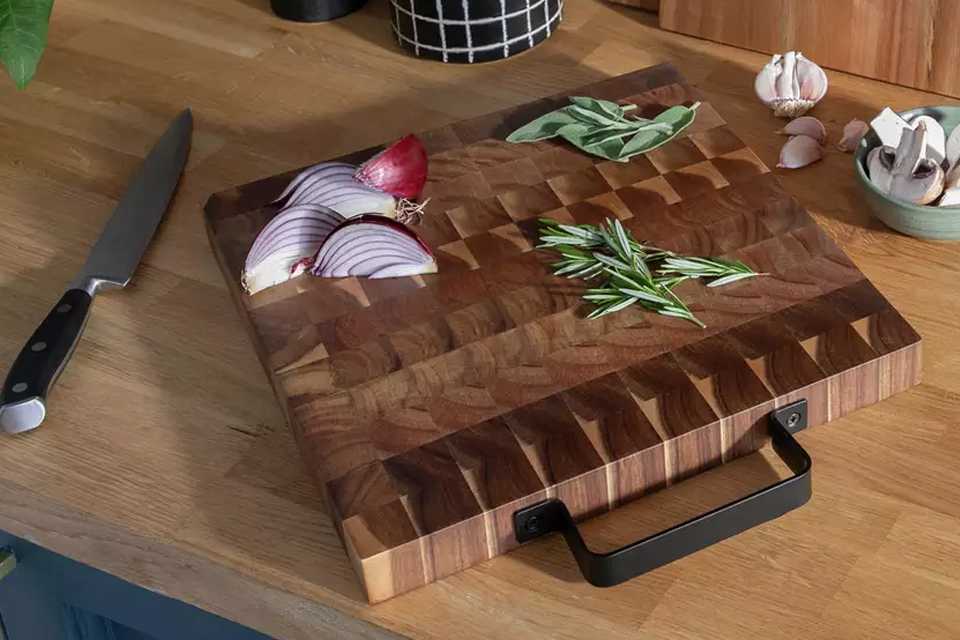
How to use and dispose of a kitchen knife safely
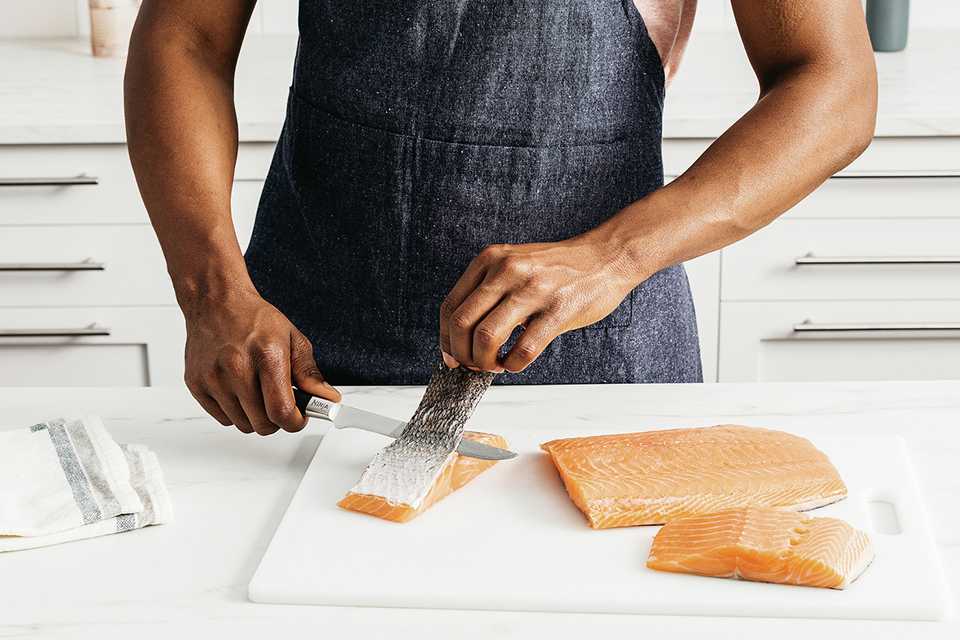
Basic safety tips to prevent kitchen knife accidents:
•Avoid using blunt knives. It takes more force to cut with a dull knife, which makes the blade more likely to slip. Keeping your knives sharp means easier cutting and lower risk of slipping and injury.
•Avoid wobbly or slippery cutting surfaces. Secure, stable chopping boards are the way to go. But if you can’t replace an unstable cutting board right now, slide a damp towel under your current one so it stays put.
•Maintain a proper grip while cutting. Remember to curl your fingers inwards to make a sort of “claw” to hold your food in place as you cut. This keeps your fingertips away from the sharp knife blade.
When disposing of old kitchen knives, wrap them up in newspaper, cardboard or bubble wrap, and secure the wrapping in place with tape. This reduces the risk of harm to anyone handling them. Check with your local council for guidance on the disposal of sharp objects, or take your knives to a recycling centre that accepts scrap metal. Here's a handy guide if you have more questions.
Shop our top rated knives
Slider Grid









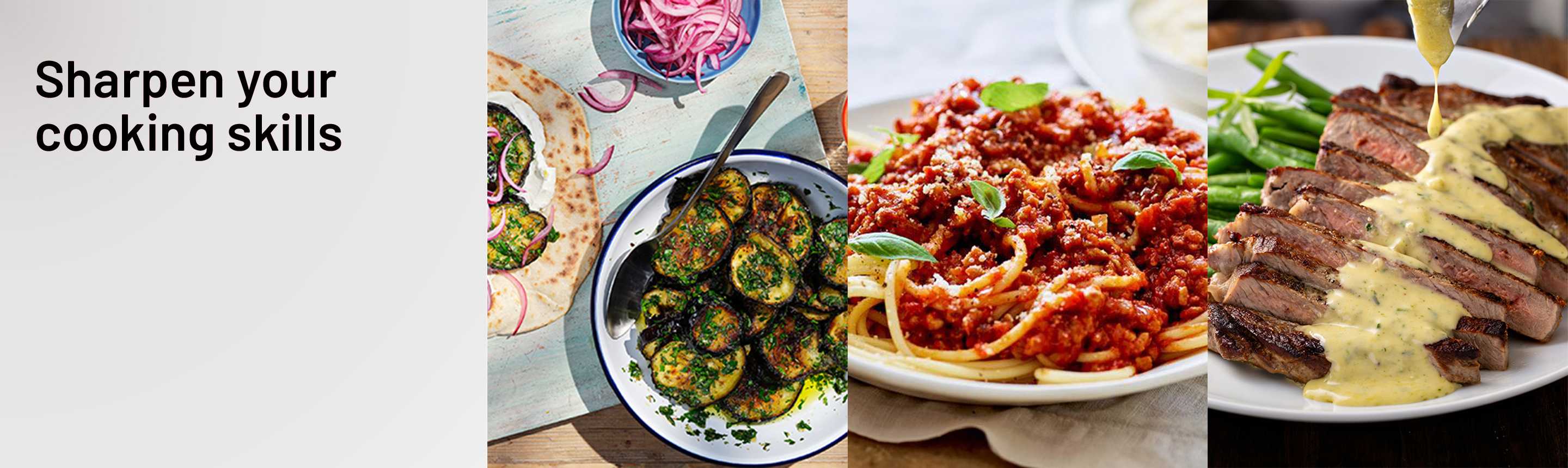
Discover new recipes
Slice, dice, and chop your way through a wide range of fun recipes for cooks of all levels.
Shop kitchenware and accessories
Carousel
FAQs about kitchen knives
How do I return knives?
Changed your mind about the knife you just bought from us? We've got you covered; just head to our returns support page to find all the help you need.
How to choose the right knife for a beginner?
It can be confusing trying to pick the right knife when you're just getting started on your cooking journey. Avoid getting overwhelmed by the endless options out there, and pick a knife that you're likely to use for a wide variety of functions. A chef's knife, a Santoku knife or even a utility knife is a great starting point. They can each handle several types of densities and textures from meat to veggies to fruits. Once you feel more confident in your knife skills, you can graduate to more specialised tools like paring knives or boning knives depending on your needs.
How do I choose the right knife for my needs?
There are four main things to consider when selecting the best knife for your needs.
- Knife type – For example, chef’s knife for versatility, santoku knife for precision, paring knife for detail.
- Cooking style – Is your food more plant-based or meat-centred? Do you bake a lot?
- Blade material – High-carbon stainless steel offers durability and ceramic blades are light, for instance.
- Comfort – How does the knife feel in your hand? Look for a balanced weight and an ergonomic grip on the handle
What age do I need to be to buy a kitchen knife?
You need to be 18 or older to purchase a knife in the UK. You may be asked to provide valid photo ID for age verification purposes at checkout, on delivery, or when collecting in store. Delivery is to the account holder only. For specific queries, you may want to refer to this helpful guide on basic laws around knives.
What are the best kitchen knives for the money?
The best kitchen knives offer a balance of sharpness, durability, and comfortable handling without burning a hole in your pocket. Here are the key features to look for in affordable, high‑quality kitchen knives:
- High‑carbon or stainless steel blades: They provide long‑lasting sharpness and resist rust.
- Full‑tang construction: A blade that runs through the handle improves balance and strength.
- Ergonomic handles: A comfortable grip reduces fatigue during chopping and slicing.
- Easy maintenance: A knife that sharpens well and holds its edge can save you money over time.
- Balanced weight: Not too heavy, not too light; a balanced knife improves control and safety.
What knives should every kitchen have?
Every kitchen should have these three knives as they cover 90% of all cooking tasks:
1. Chef’s knife: Ideal for chopping, slicing, dicing, and mincing.
2. Paring knife: For small, precise tasks like peeling fruit, trimming veg, or cutting small garnishes.
3. Serrated/bread knife: For bread, tomatoes, citrus fruits, and anything with a tough exterior and a soft interior.
How many kitchen knives should you own?
For most households, three to five knives is the ideal number. If you want a basic set, go for chef's knife, paring knife, and a bread knife. If you want to extend the collection, add a santoku or a utility knife, and a carving or a boning knife. The key is to ensure quality over quantity because a few well-maintained knives are better than a bunch of mediocre ones.