
Independent living aids and advice
By Natasha Taggar | Last edited: November 2026
Maintaining independence and living life to the fullest is important for everyone. Our advice, guidance, and products are designed to help with everyday tasks and support independent living.
Shop independent living equipment
Carousel


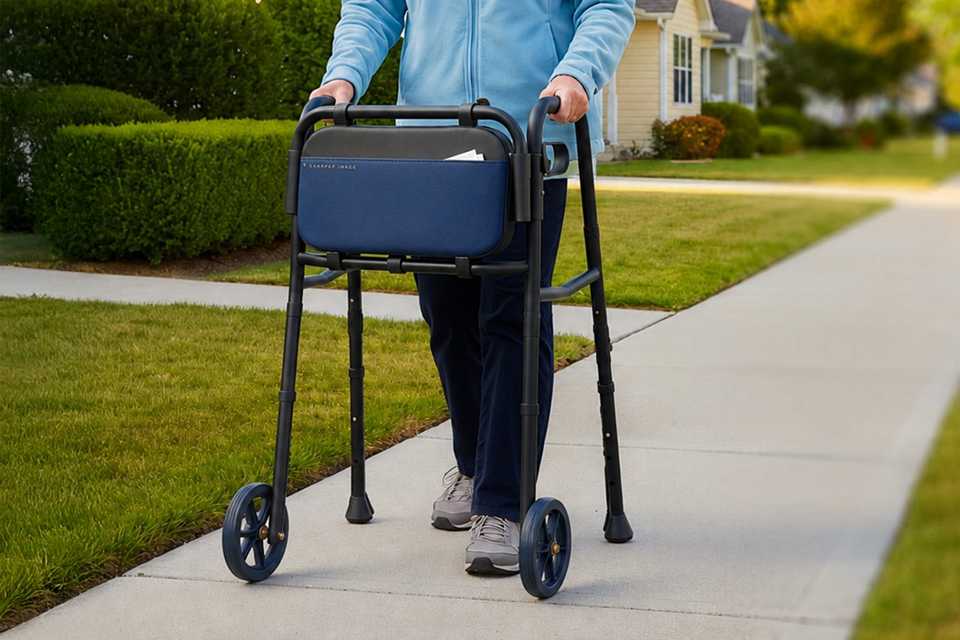
Limited mobility solutions and walking aids
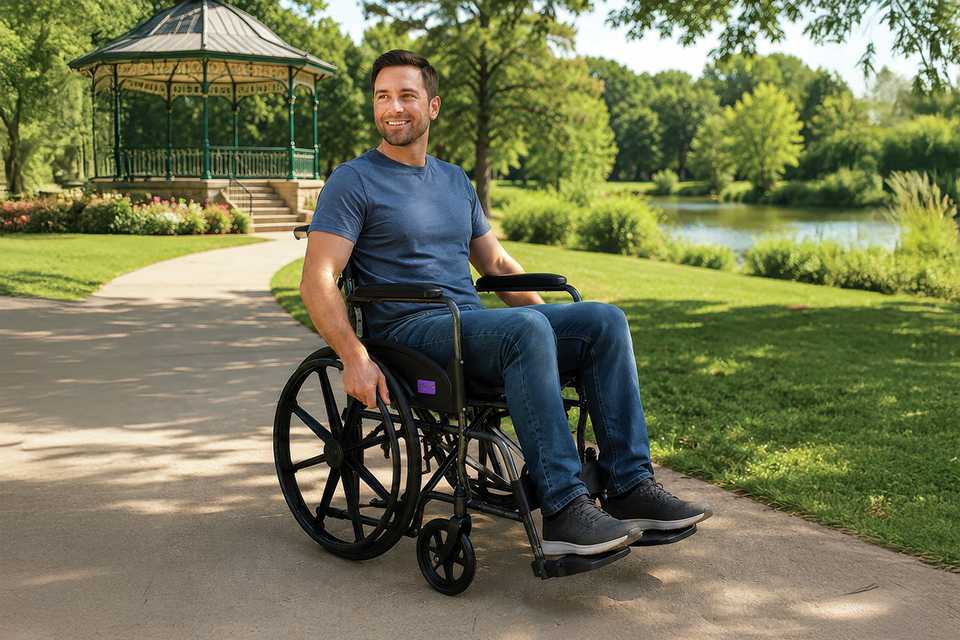
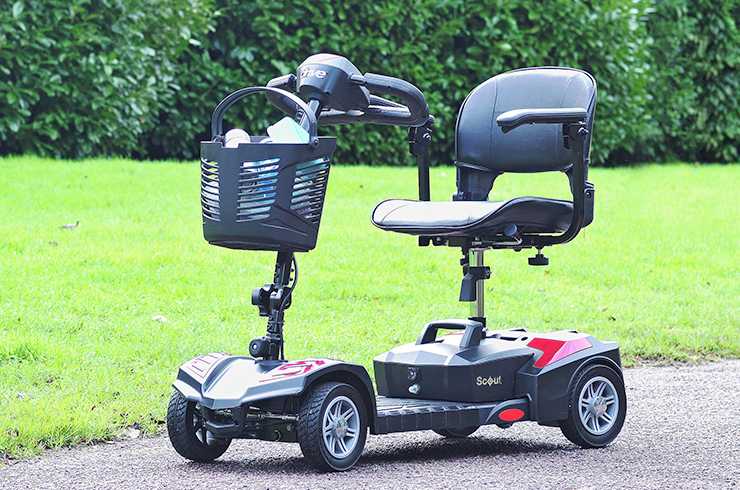
From rails and crutches to scooters and wheelchairs, explore our range of products that may help make travelling more comfortable.
Joint supports
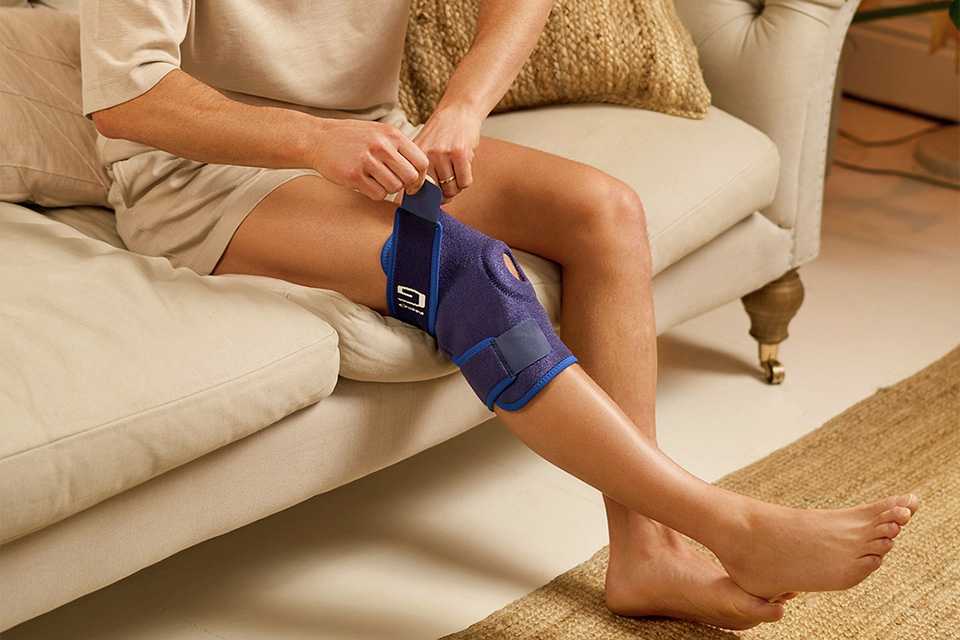
Joint supports for everyday comfort
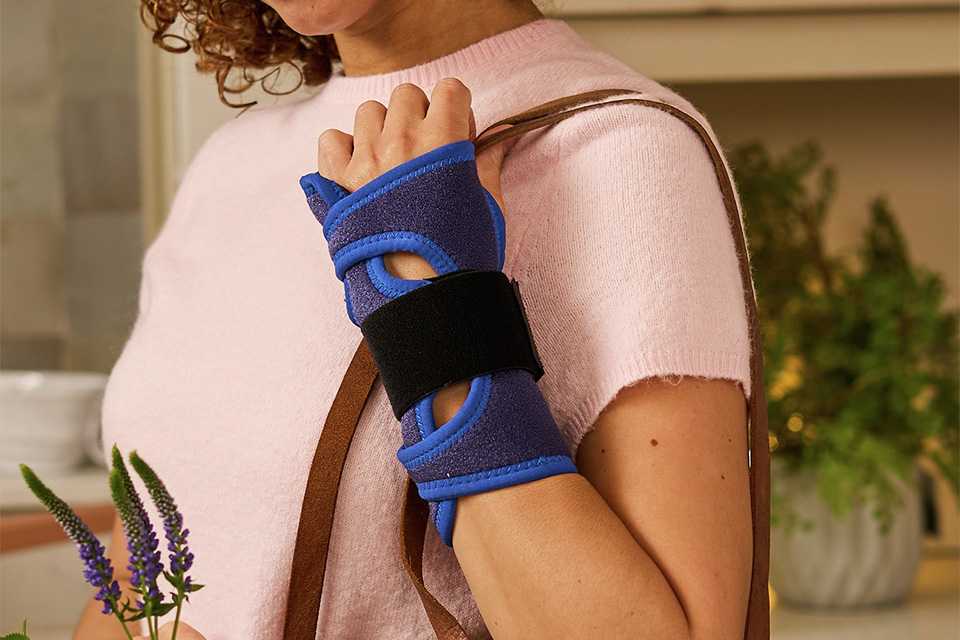
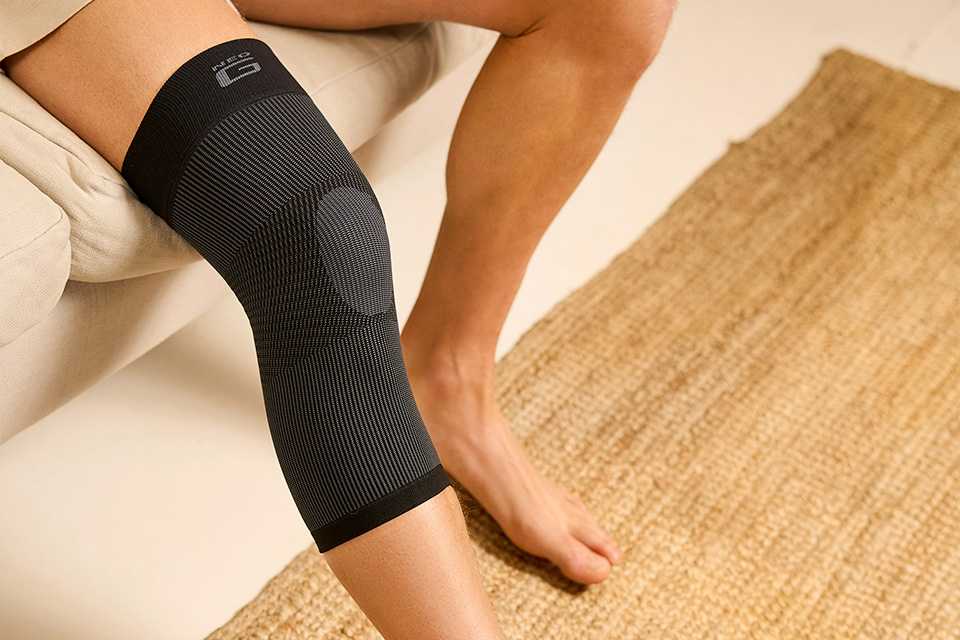
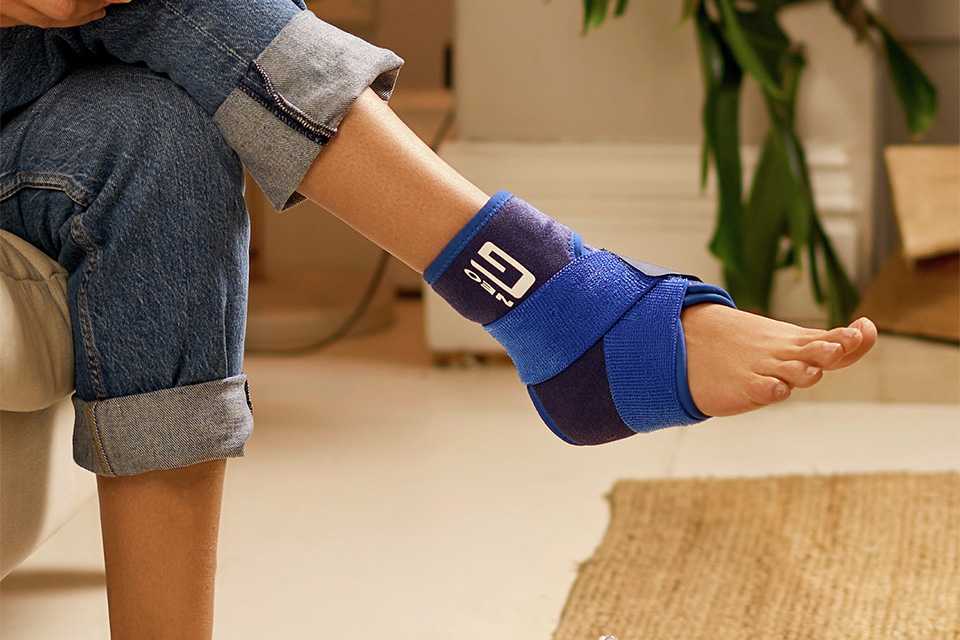
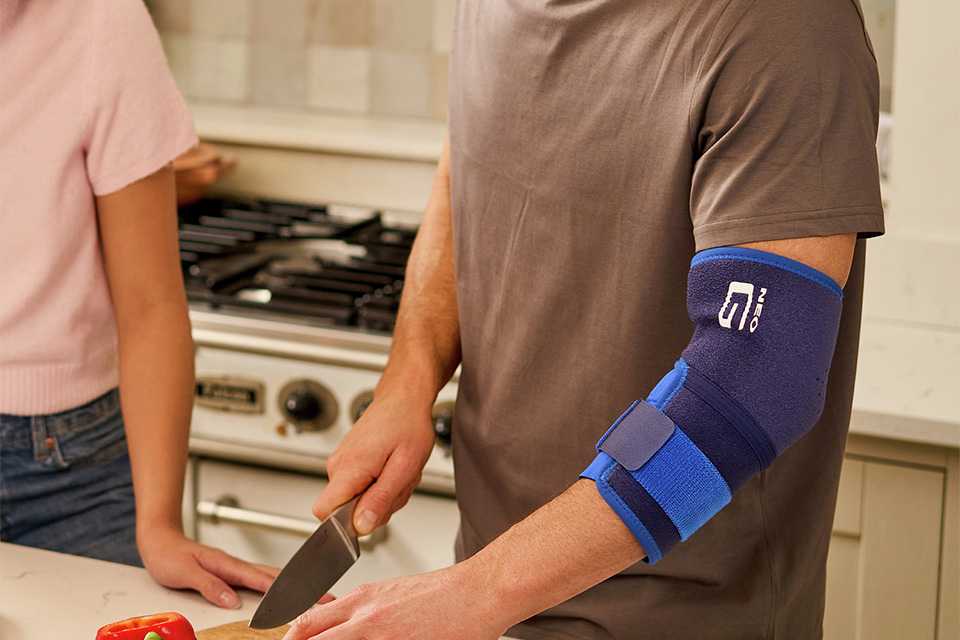
Discover a range of joint supports designed for everyday wear, from posture correctors to back, shoulder, wrist, knee and ankle supports. Compare features and find products suited to your comfort, mobility and daily routine needs.
Independent living at home
Be more comfortable at home
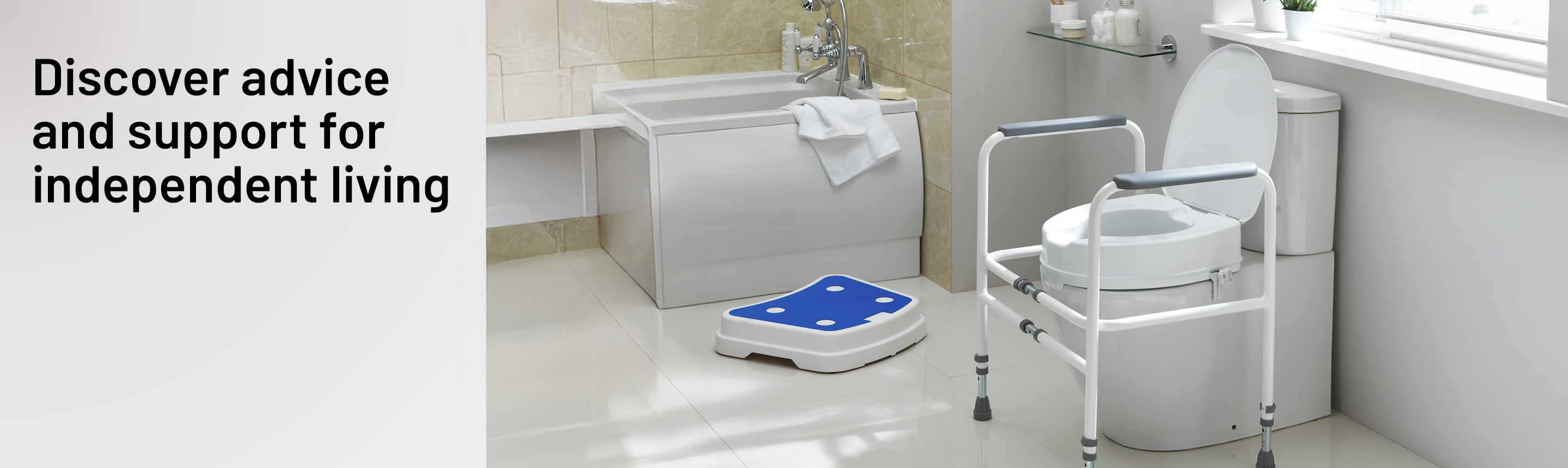
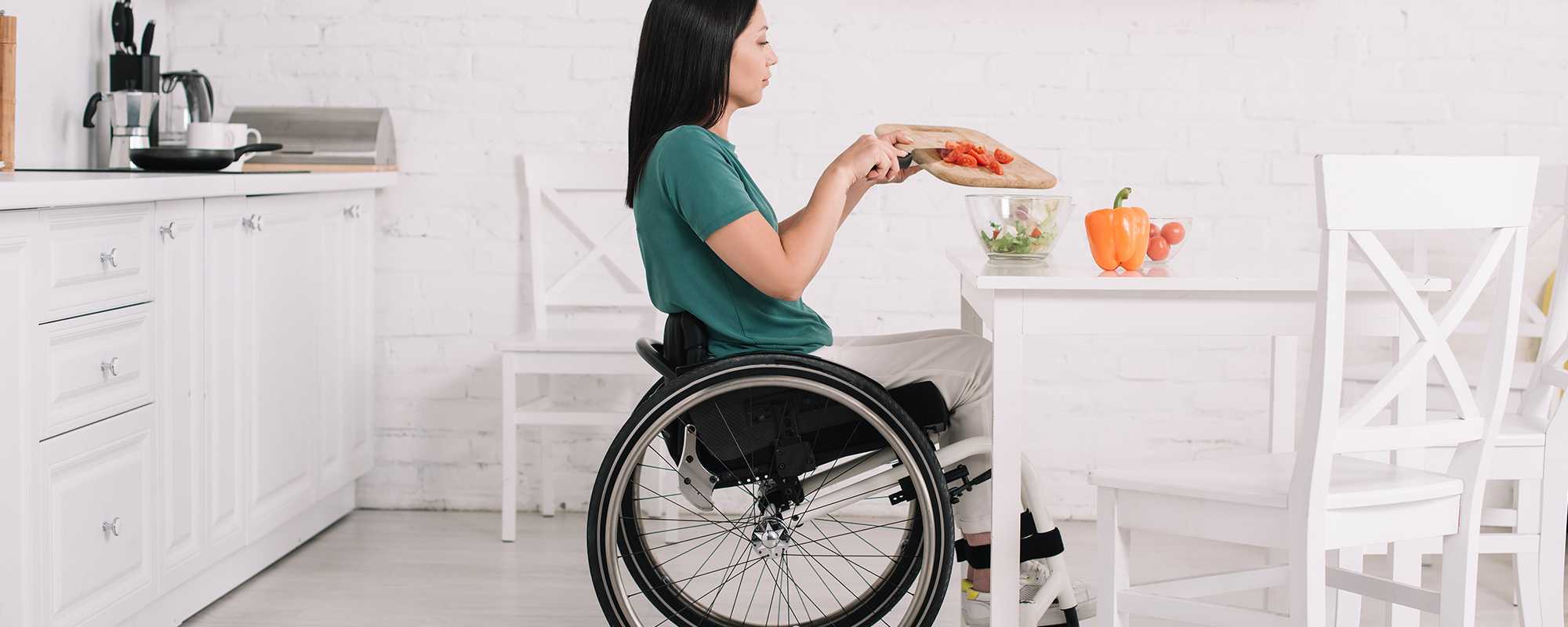
From grab rails and raised toilet seats to overbed tables and support cushions - discover a range of helpful home mobility aids that can make relaxing and getting around the home more comfortable.
Independent living aids for different needs
Carousel


Smart technology

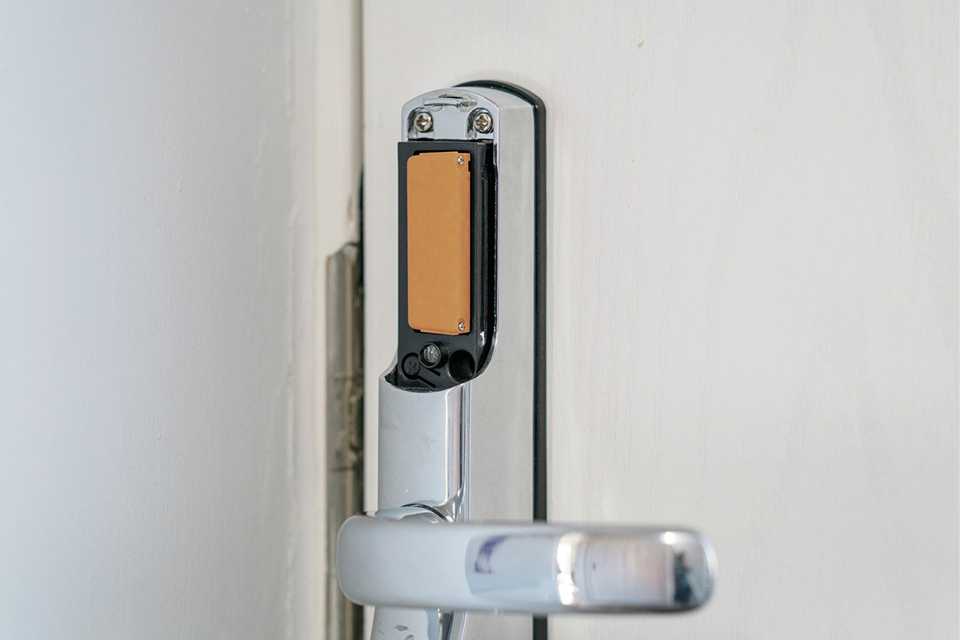
Explore smart plugs, lighting and home-security products that can be managed remotely through supported apps and devices.
- Shop all smart tech


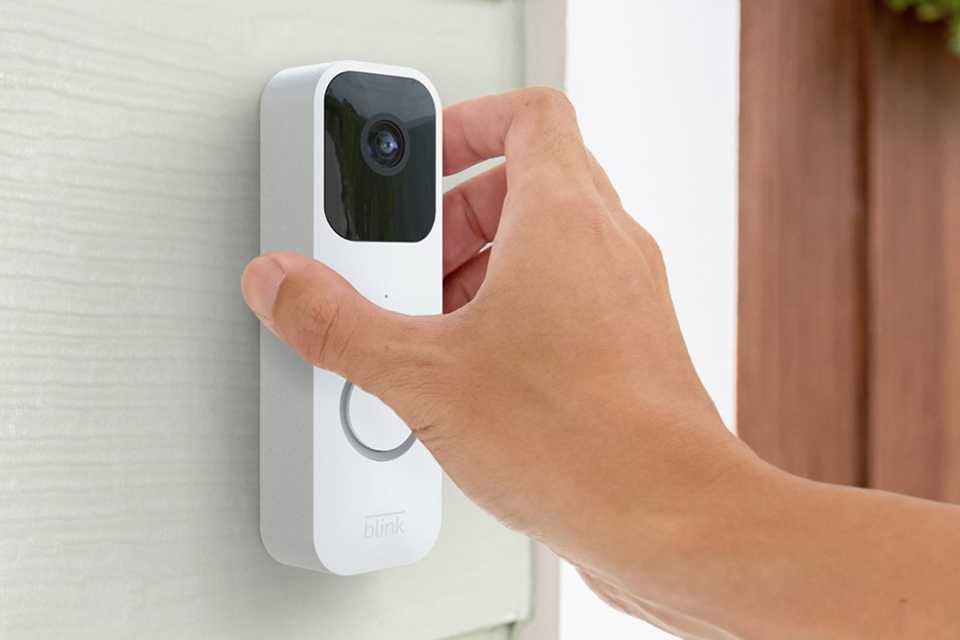
Shop smart security
Slider Grid
- Save Over £80.00£119.00Was
£199.99Free collection or delivery - £19.99Free collection or delivery from £4.95
- £37.99Free collection or delivery from £4.95
- £38.99Free collection or delivery from £4.95
- Half Price£24.99Was
£49.99Free collection or delivery from £4.95 - Less Than Half Price£34.99Was
£79.99Free collection or delivery from £4.95 - Lowest Price£28.99Free collection or delivery from £4.95
- Save £5.00£59.98Was
£64.99Free collection or delivery from £4.95 - Save £5.00£34.99Was
£39.99Free collection or delivery from £4.95







More independent living support
Slider Grid
- £49.99Free collection or delivery from £4.95
- £15.00Free collection or delivery from £4.95





Frequently asked questions about independent living
What does independent living mean?
Independent living is about having the confidence, choice and control to manage everyday tasks in a way that suits you. It can involve using mobility aids, home aids or simple support tools to make daily routines safer. Depending on your needs, some of these products, like grab rails or support cushions can reduce strain and help you move around your home more comfortably.
What are independent living aids?
Independent living aids are designed to make it easier for you to carry out daily activities, including personal care, getting out and about and managing health without the need for continual support. From shower stools to toilet frames and mobility aids to bed rails, suitable aids may help you manage everyday activities with greater independence.
What mobility aids help with getting around safely?
A suitable mobility aid can provide additional support and stability, so you can feel more confident when moving around. The right choice for you depends largely on your level of mobility. Walking sticks and crutches are helpful when a little extra support is needed. For more assisted walking, frames and rollators give extra peace of mind. Alternatively, wheelchairs and mobility scooters can work well when you're out and about for longer periods.
What home aids make daily tasks easier?
Small additions like overbed tables, toilet frames or reachers and grabbers can make a big difference without needing major home adjustments. They help you manage at home with comfort, confidence and less physical effort.
What is the best walking aid for poor balance?
The best walking aid for poor balance depends on an individual’s needs and mobility level. Options such as walking sticks or canes, walkers and rollators provide varying levels of support. Consider seeking professional advice to help choose a suitable option.
What can I use instead of a walker for an elderly person?
Depending on their needs, alternatives to a walker may include a cane, rollator, wheelchair or mobility scooter. Consider factors such as balance, strength and daily activities, and seek professional advice if needed.
Read more NHS advice on walking aids