
Your guide to essential baking equipment
By Zara Flynn | Last edited: June 2026
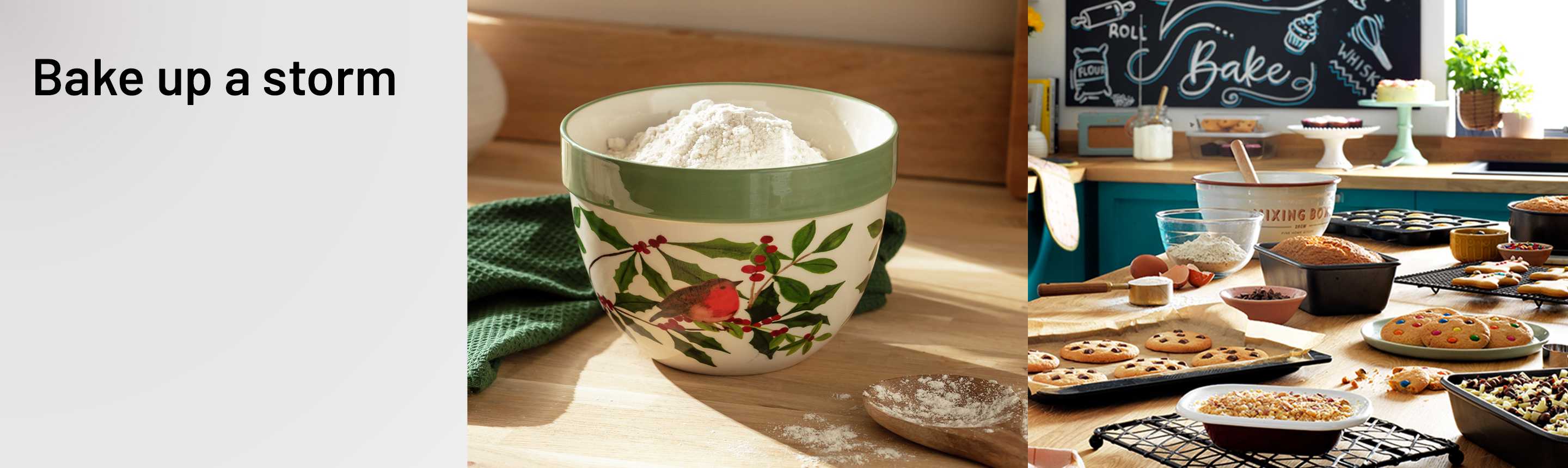
Ready to get baking?
Explore the best baking equipment, top tips, simple cake recipes and more. Whether you're a beginner or someone who loves finding new things to bake, we've got you covered with all you'll need.


Baking basics for expert and beginner bakers
Discover basic baking equipment that'll help whip up delicious cakes and bakes quickly and with ease.
Carousel
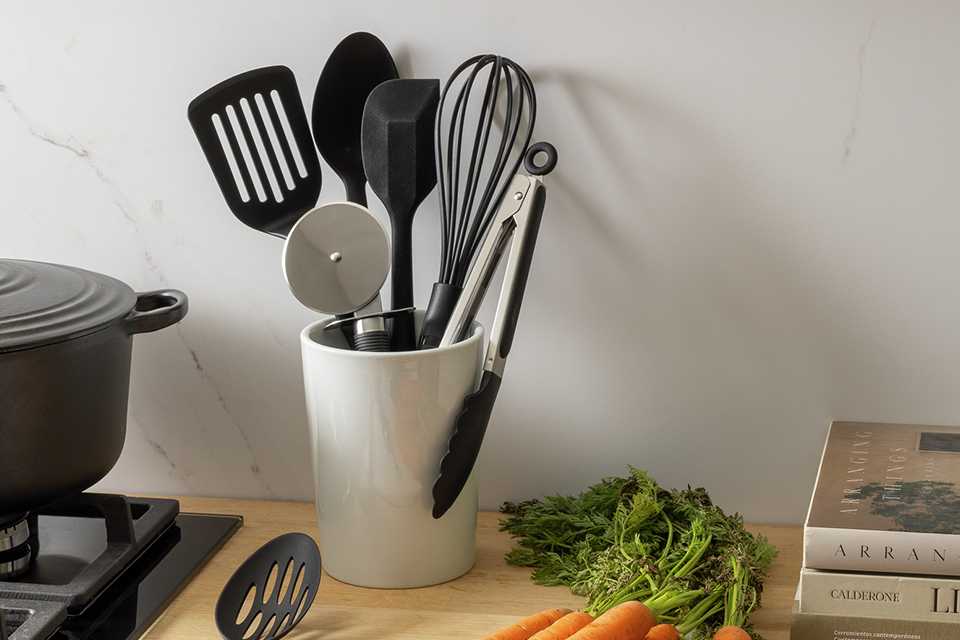
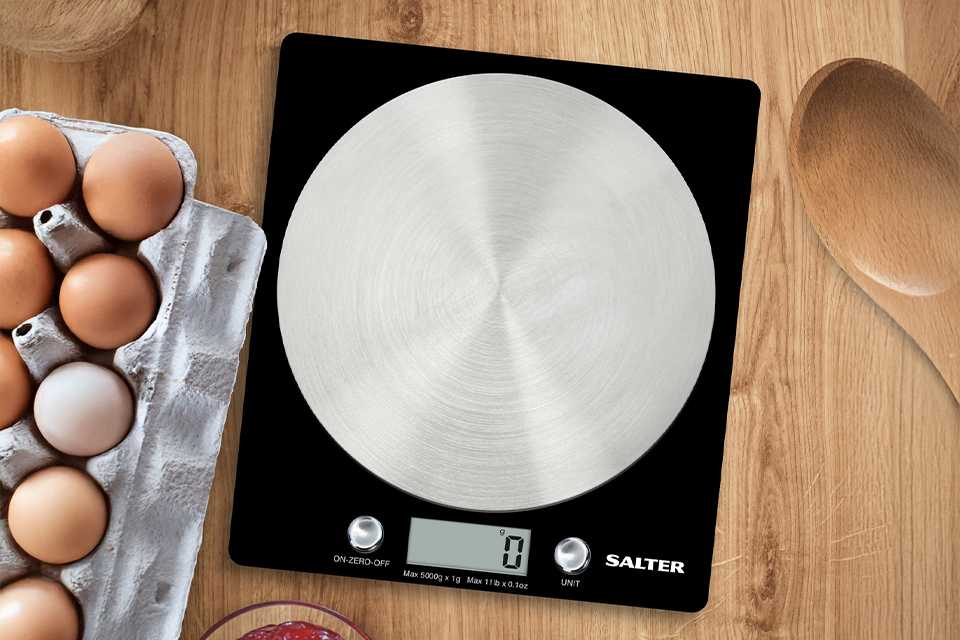
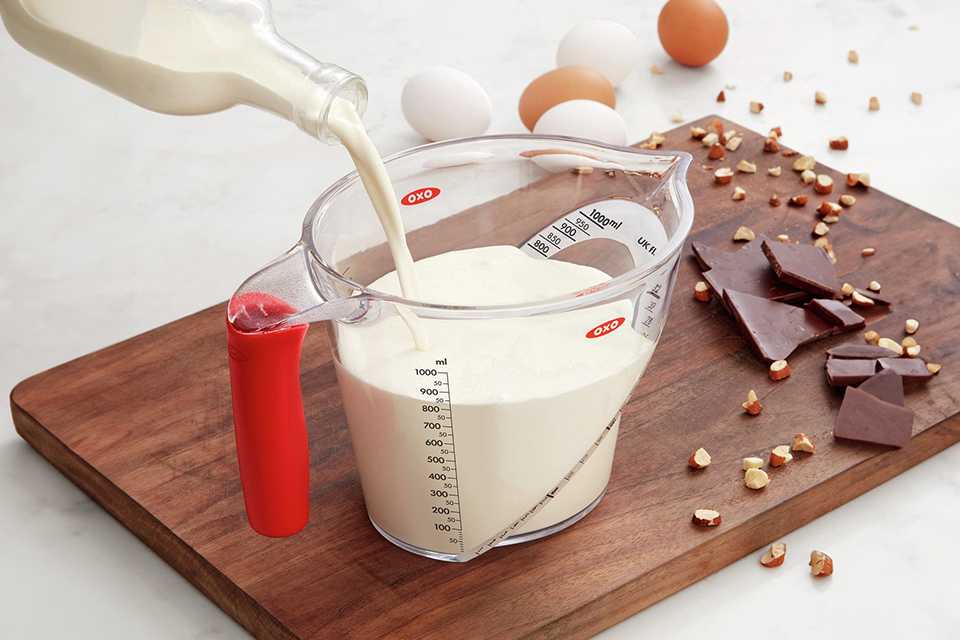
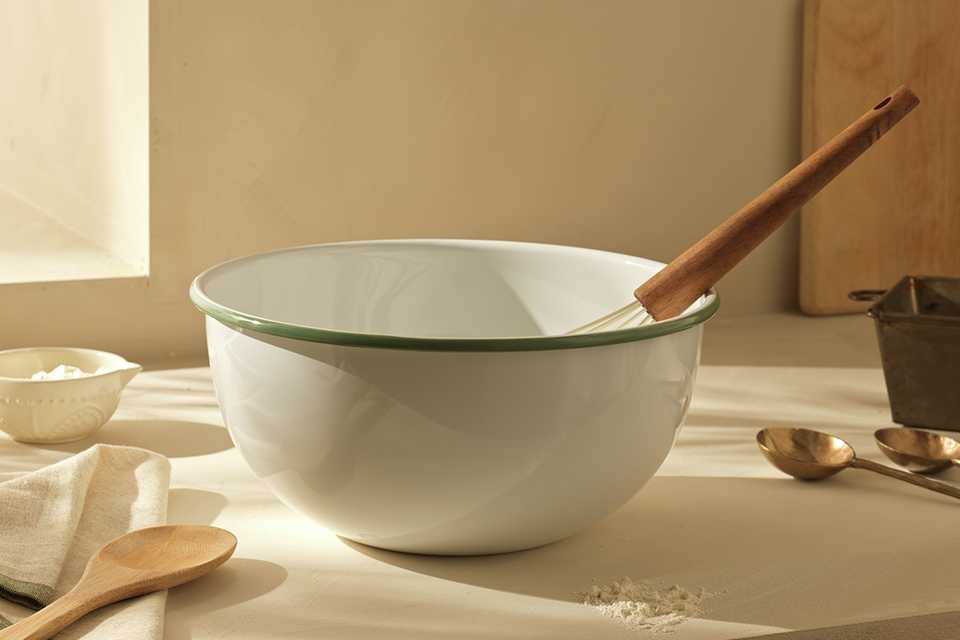
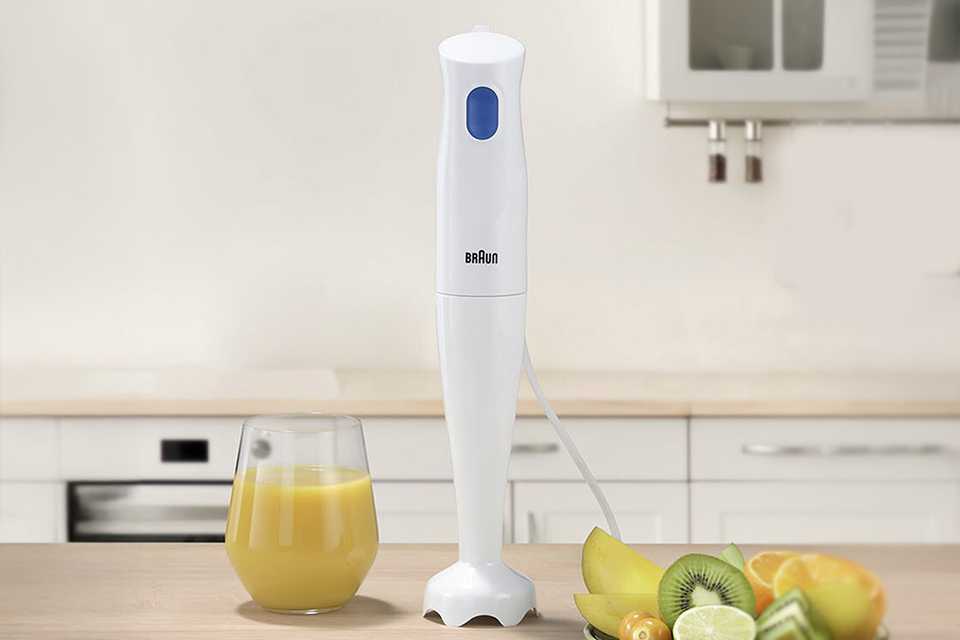
Mixers and whisks
Find the best mixer to bring your baking visions comes to life. Crack a new holiday recipe or whip up an old favourite - either way, leave the hard work to an electric mixer.
Carousel
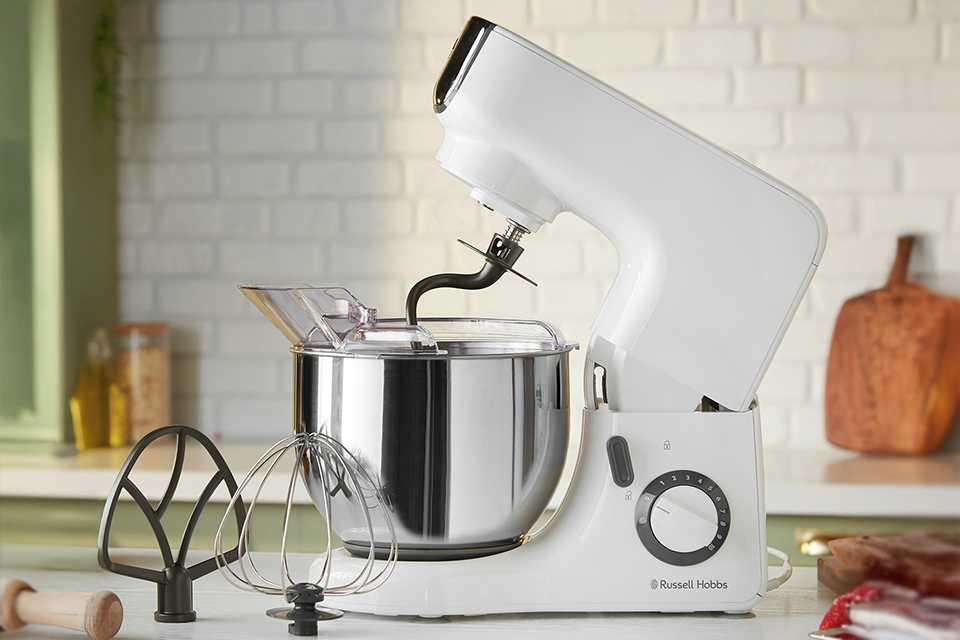
Stand mixers
These independent sous chefs leave your hands free to get on with the fun parts of a recipe. The movable arm and attached bowl on a stand mixer means less mess, while its different attachments cater to your every baking need:
- Balloon whisk – helps incorporate air as it whips ingredients into creams, sauces or lighter mixtures.
- Flat beater – mixes batters, icing etc. into a smooth and even consistency.
- Dough hook – kneads together dough and heavy pastries.
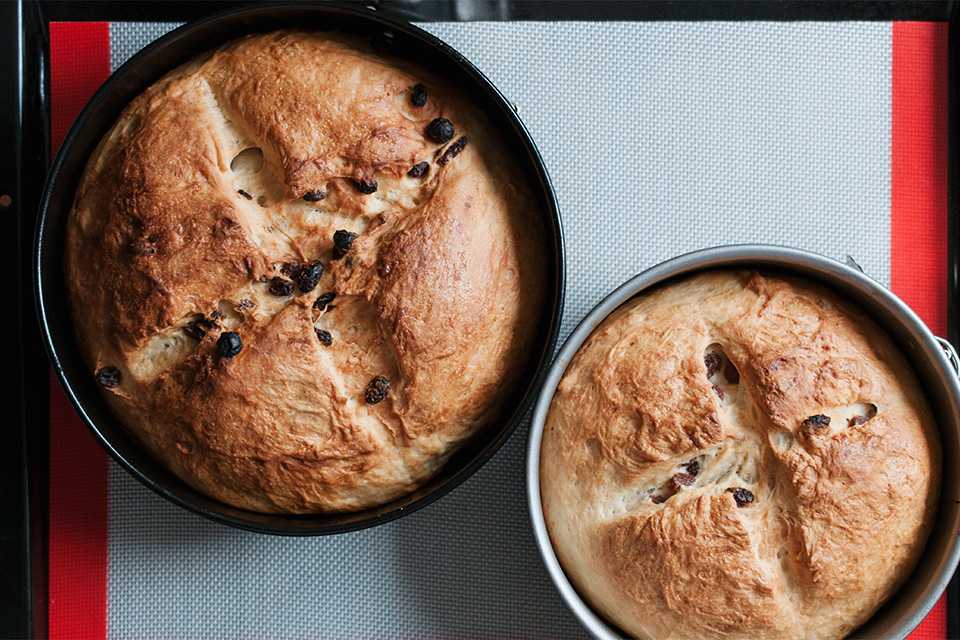
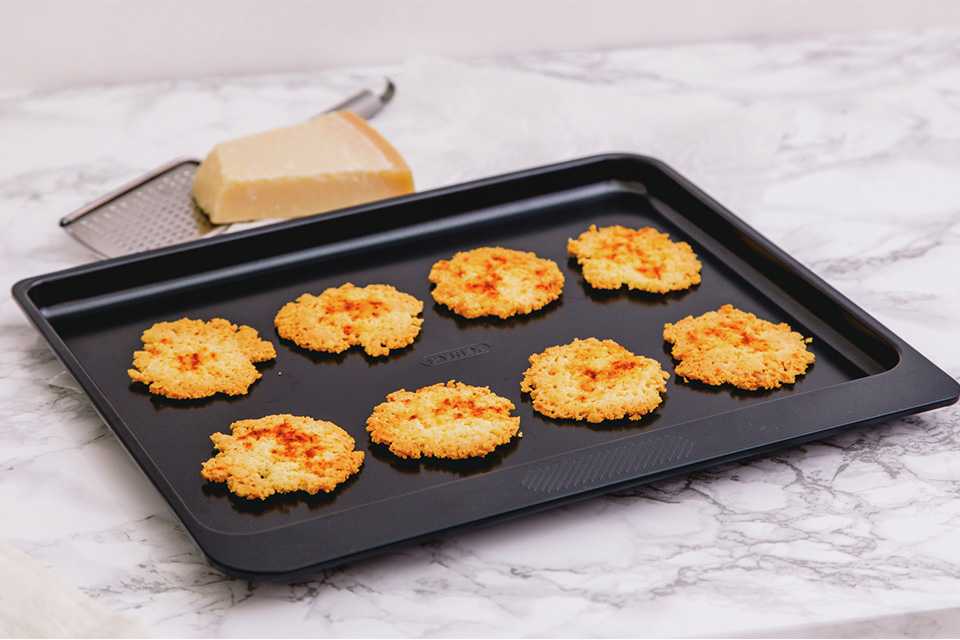
Baking trays, tins and dishes
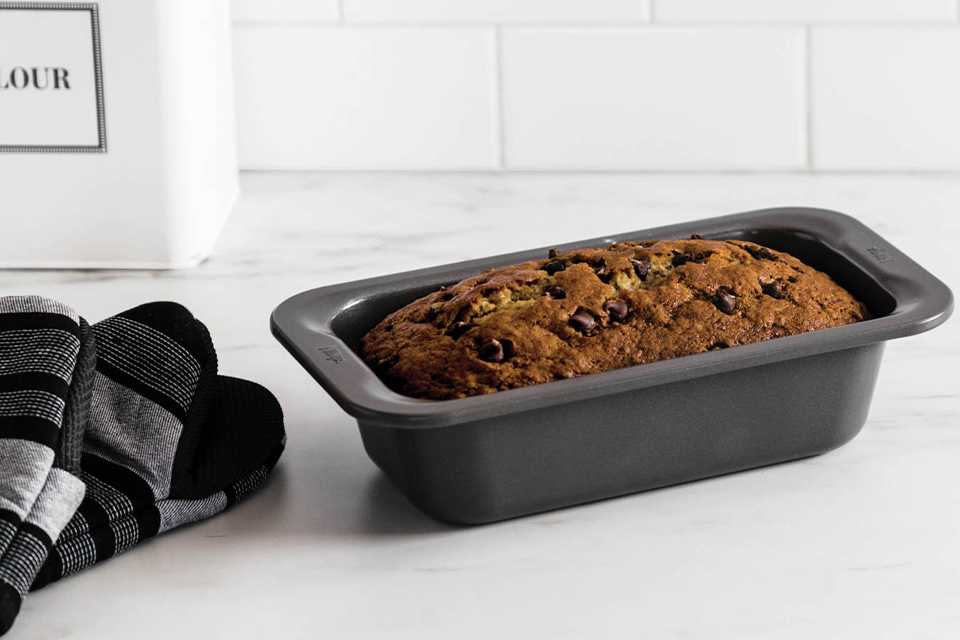
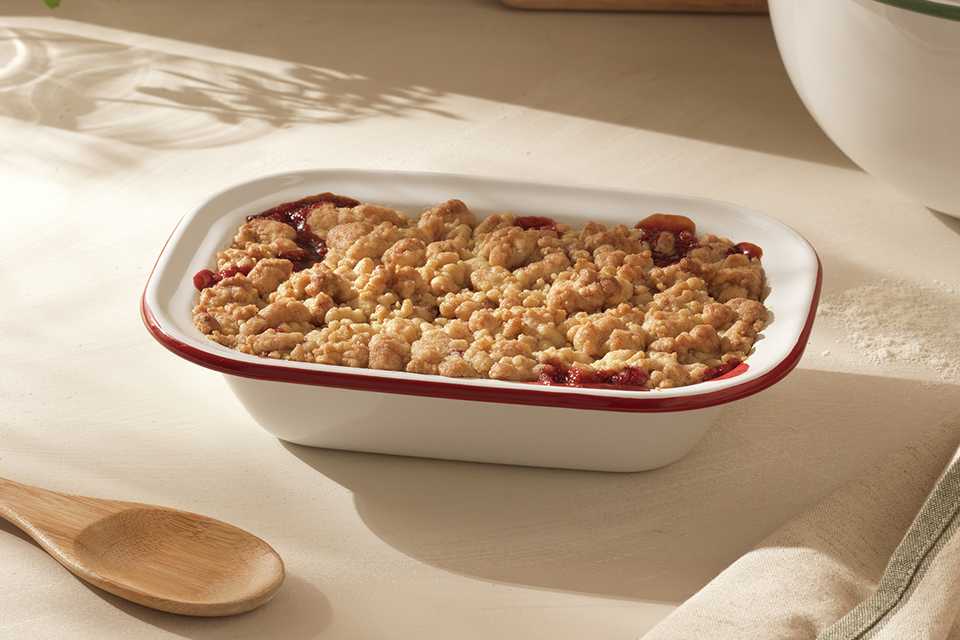
Trying out a new cake recipe? From non-stick baking tins and trays to ceramic baking dishes, find the ideal match for that perfect rise.
Carousel

Food processors - your underrated baking buddies
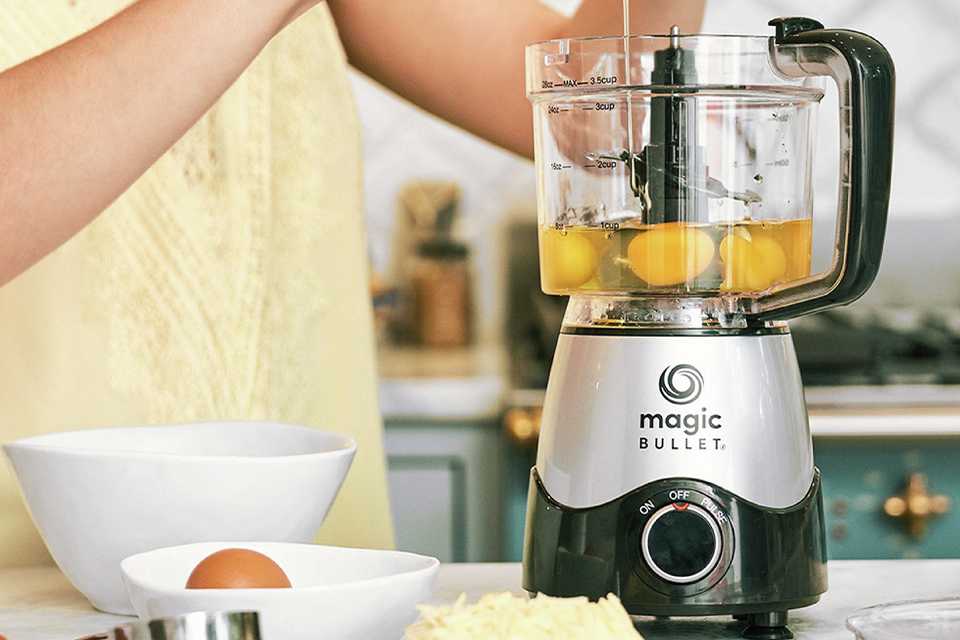
A food processor can make baking easier by quickly chopping nuts, and shredding chocolate or butter for pastry. It saves you time on prep and gives you consistent textures even in large quantities, so you can focus on the fun parts of making delicious cakes, cookies, and breads without too much extra work.
Carousel
Baking brands
Carousel






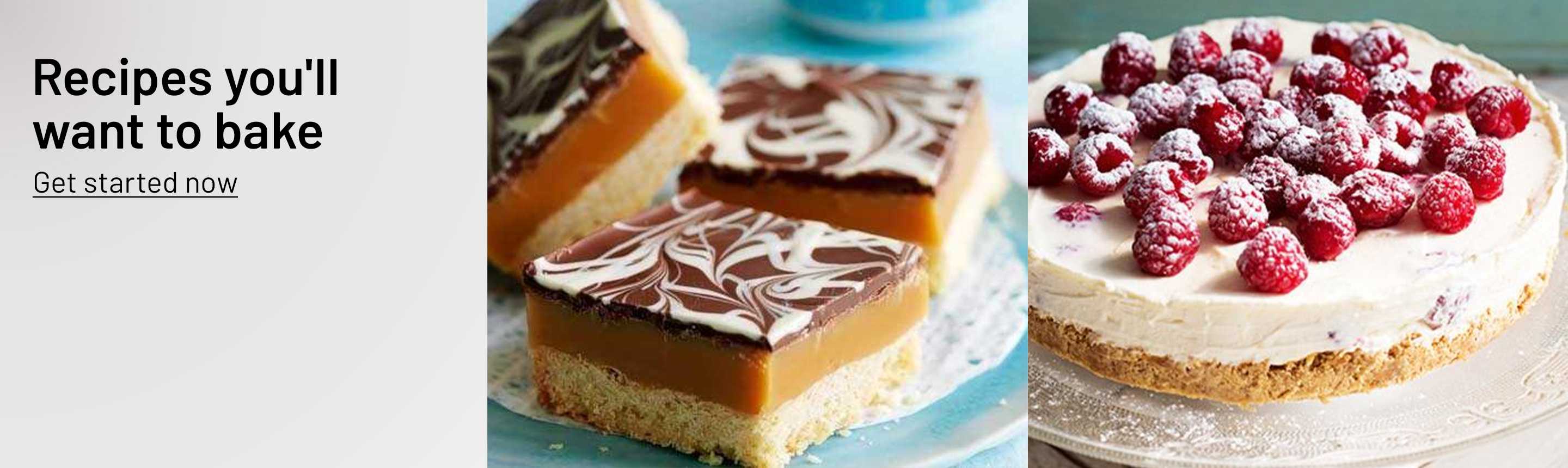
Discover new recipes
Build your confidence by picking simple and satisfying recipes and gradually challenge yourself to try more complex ones over time. If you're looking for alternatives, eggless baking recipes can be a great way to expand your skills. Make things easier with a tablet, so you can view your recipe and look up quick tips as you go, so you don't have to keep scanning through a cookbook whilst baking.
More baking essentials


FAQs about baking
What essential baking tools would a beginner need?
A whisk, mixing bowls, measuring cups/spoons, spatula, baking pans, and an oven thermometer will see you through most recipes. You could take things a step further and get a kitchen scale for maximum precision while weighing and measuring ingredients.
Which baking tin is the best - aluminium, stainless steel, or non-stick?
Each material has its own advantages:
- Aluminium: Distributes heat evenly, resulting in that perfect brown finish and delightfully crusty edges on cakes, loaves, and brownies.
- Stainless Steel: Long-lasting, sturdy and doesn’t need a lot of specialised care.
- Non-stick: Easy release and quick cleanup even without the use of baking paper, as your food is less likely to stick to the bottom and sides of the dish/pan.
Pick what suits your baking and clean-up style best.
How do I choose the right size of baking trays or cake tins?
For best results, follow your recipe’s recommended pan size (usually 6-inch, 8-inch or 9-inch) because it affects baking time and texture. If you don’t have a recipe on hand or in mind right now, it’s best to go with standard sizes.
Can I bake without an electric mixer?
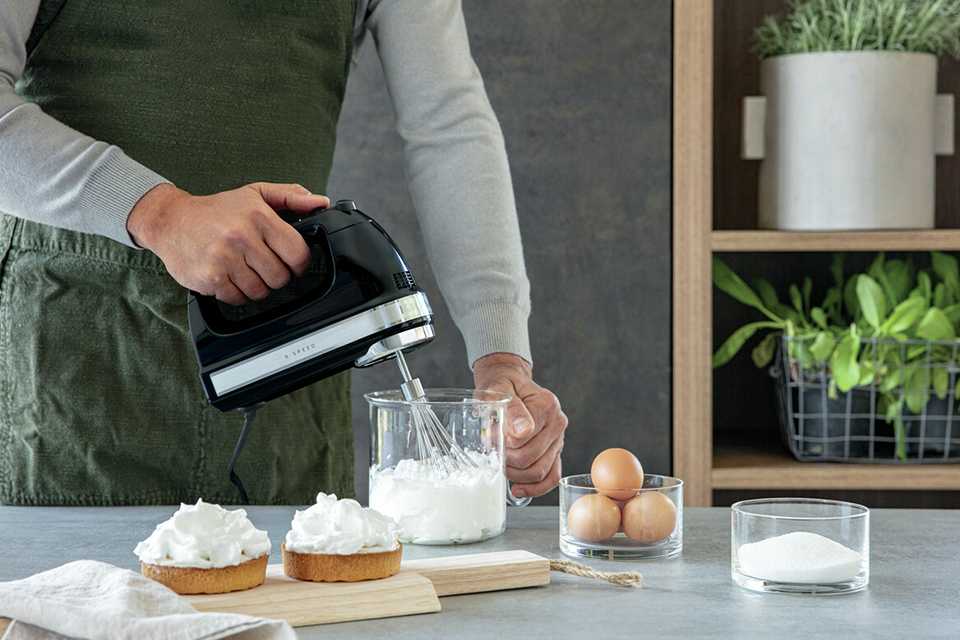
Electric mixers are not essential, as mechanical hand mixers work for most recipes. But electric mixers save you time, effort and an arm workout especially when whipping cream or kneading dough.
Which is better - a hand mixer, or a stand mixer?
Each type of mixer offers different advantages. Hand mixers are portable, lightweight and budget-friendly. Stand mixers are leave your hands free for other tasks, and are perfect for heavy doughs or frequent baking. It’s best to choose based on your baking frequency, counter space and budget.
How do I maintain non-stick bakeware?
Avoid handling non-stick baking trays and tins with metal utensils. Remember to hand wash when possible, and don’t scrub them harshly. This keeps the coating intact and makes your bakeware last longer.
Is baking soda the same as bicarbonate?
Yes. Bicarbonate of soda is also known as baking soda, these are just different names for the same thing.
What is the easiest thing to bake as a beginner?
Easy basics like muffins, cookies, and sponge cakes can be a good place to start if you're a beginner baker. Learn more about the process by reading advice and tips for beginner baking before you start.