
Comprehensive duvet and pillow guide
Learn about togs, fillings, and more with our guide to find the best bedding for your sleep style.
Shop all bedding&poi={$this.metadata.pointOfInterest.x},{$this.metadata.pointOfInterest.y},{$this.metadata.pointOfInterest.w},{$this.metadata.pointOfInterest.h}&scaleFit={($this.metadata.pointOfInterest.x>0)?$sfpoi:$sfcenter}&sm=aspect&aspect=3:2&sfcenter=center&sfpoi=poi&qlt=50&fmt=auto&noiser=0&fmt.jpeg.interlaced=true&fmt.jp2.qlt=40&)
By Zara Flynn | Last edited: July 2026

Finding the best duvets
There are lots of things to consider when choosing a new duvet, from picking a tog according to the season to deciding between a natural or synthetic filling. We've put together some tips on what to look for to help select the right one for you.
- Shop all duvets
Duvet guide
Whether you're looking for a the best summer duvet tog rating or want to find a cosy duvet for all year round, we're here to help. Discover everything from the meaning of tog and how it is measured to suitable ratings for different seasons in our guide below.
Carousel
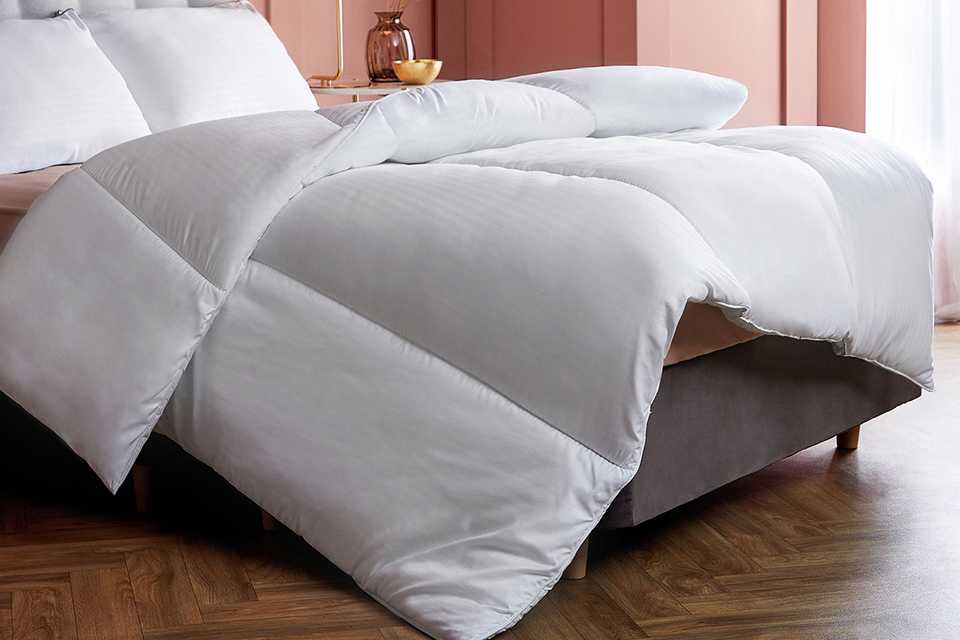
What does tog mean?
Tog is the unit of measurement used to describe a duvet’s ability to trap air and retain heat. As a rule, the bigger the tog value of a duvet, the warmer it will be. One popular misconception about tog ratings is that they relate to the weight of the duvet - but this is not the case. The weight or thickness tends to be determined by the filling inside.
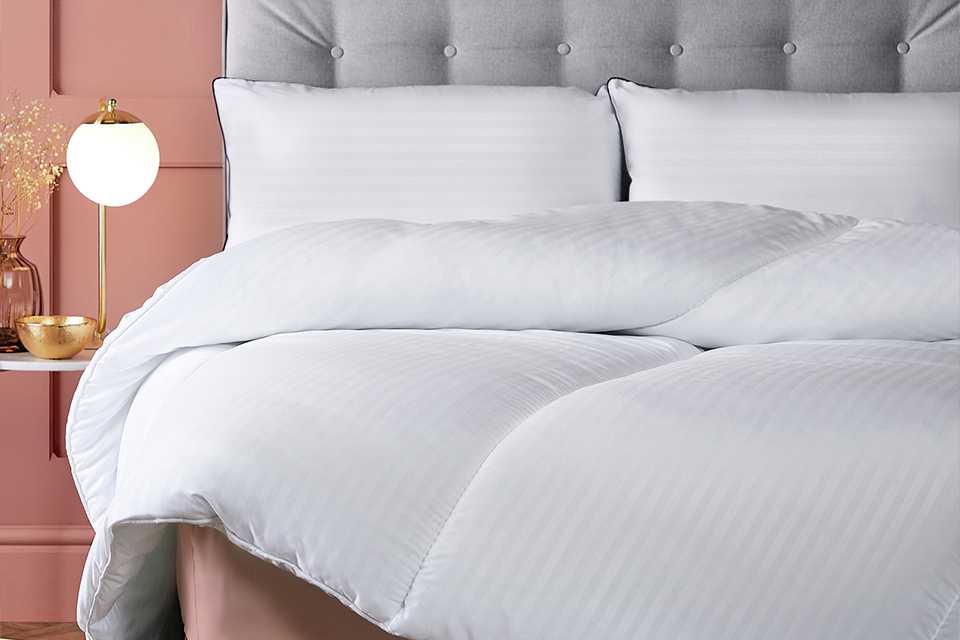

Tog guide by season

- Summer: 1 – 4.5 tog: hot sleepers, warm bedrooms
- Spring/Autumn: 7.5 – 10.5 tog: can work year-round in mild homes
- Winter: 12 – 15 tog: cold sleepers, cooler bedrooms
- All-season: 10.5 tog or two duvets combined for flexible warmth
If you have a particularly warm bedroom, a lower tog might be best, but if you’re sharing a bed, consider a dual-tog option.
For children, we’d recommend:
- Toddlers: 3 - 4.5 tog
- 3-10 years: 7.5 - 9 tog
- Under 10 years: maximum 10.5 tog
Tog quilt guide
Explore seasonal duvet tog ratings in our duvet tog temperature guide below for top tips and advice on what to consider when choosing a duvet.
Carousel
Duvet types
Carousel

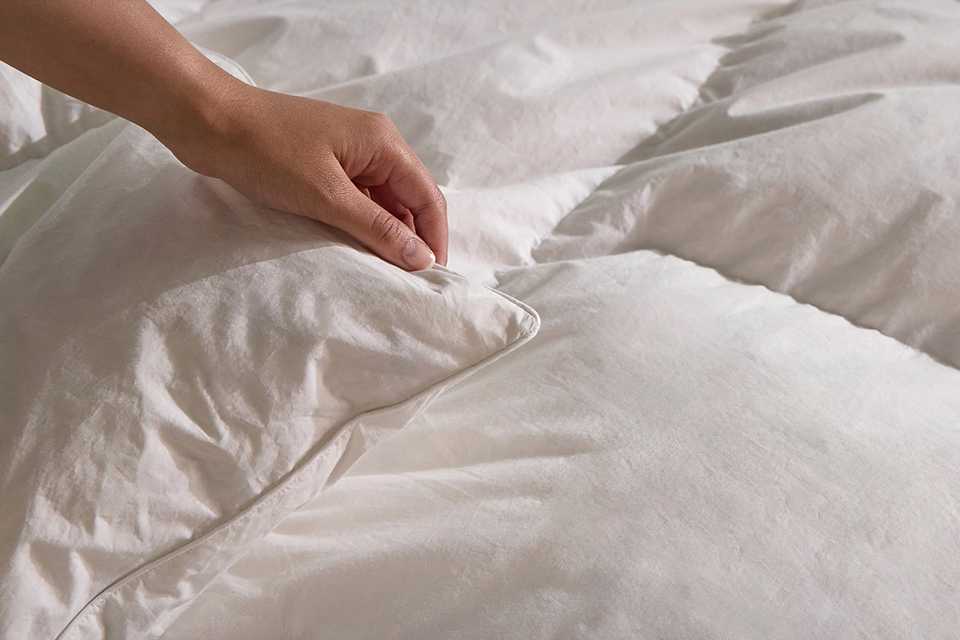
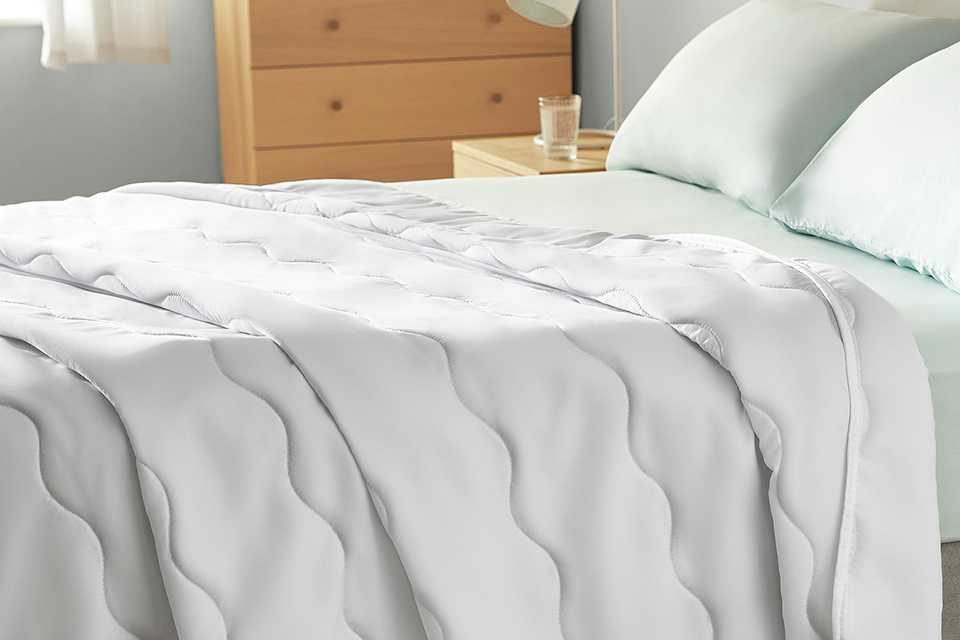
What type of filling is best in a duvet?
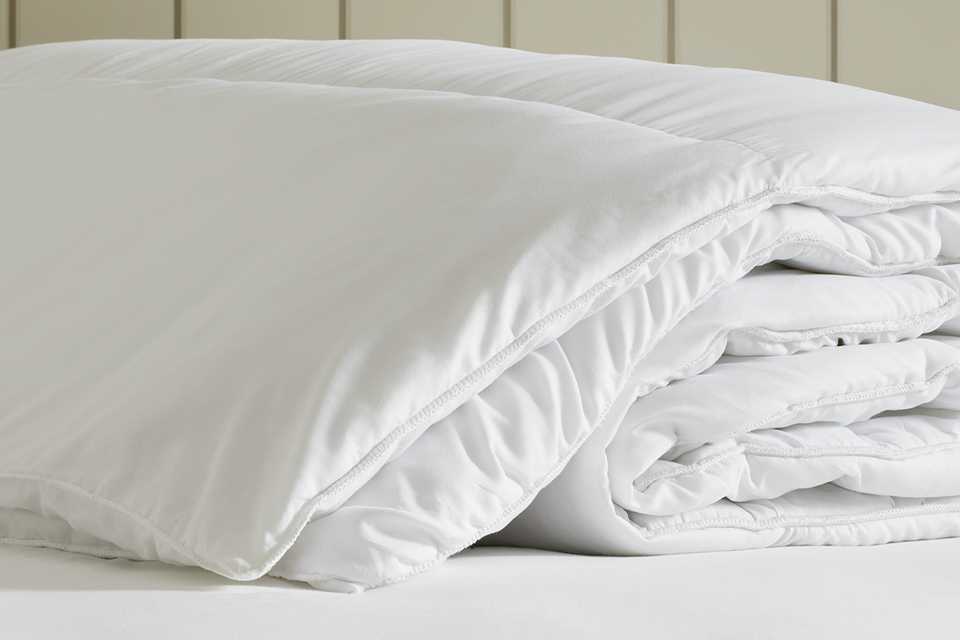
Can’t decide which one to go for? Here's a lowdown of all you need to know about the types of duvet fillings:
- Down: lightweight, breathable, very warm
- Feather: supportive, slightly heavier, cosy
- Synthetic: hypoallergenic, easy to wash
- Silk: measured in GSM, temperature-regulating
- Wool: naturally regulates heat and moisture
More duvet information
Carousel
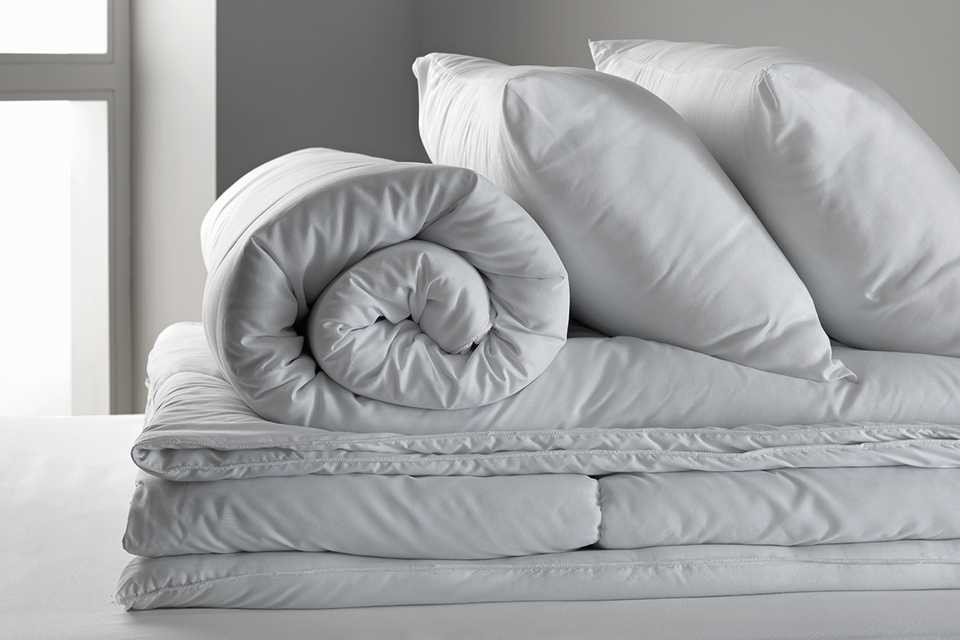
What are the benefits of natural vs. synthetic fillings?
Duvets are generally filled with either natural or synthetic materials. Synthetic fillings are usually warmer (again, depending on their tog rating) and are easier to wash. Natural-filled duvets, in contrast, are more resilient, long lasting, and tend to have a more luxurious feel.
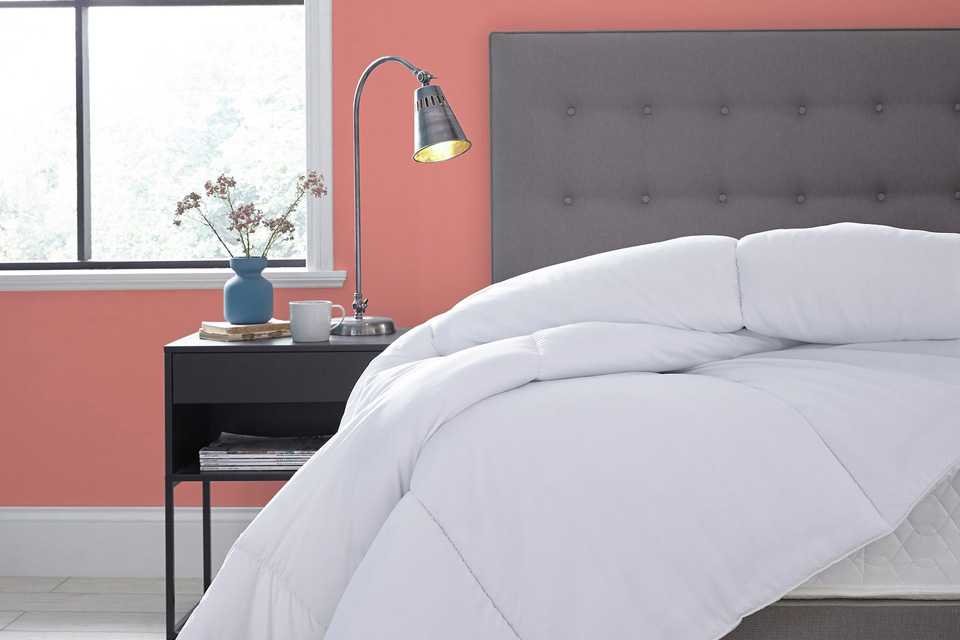
Caring for your Duvet
• Air it out: Hang synthetic or wool duvets on dry days to keep them fresh.
• Fluff it up: Shake down duvets by hand or tumble with a damp towel to restore loft.
• Shake smart: Always shake from the sides to keep filling evenly distributed.
• Daily lift: Give your duvet a quick fluff each day to maintain shape and comfort.
Washing a duvet
Duvets don’t need to be washed as often as other bedding, but it's a good idea to wash them at least once a year. Before you wash a duvet, it's important to check the care label to see whether it should be machine washed, put in the dryer, or dry cleaned.
Duvet sizes
Generally, your duvet should be just a little bit larger than your mattress so it covers the whole bed. Explore UK duvet sizes in our handy chart below and compare the size of duvet covers for different bed sizes.
Carousel
Duvet accreditations to look out for
• Nomite: Anti-allergen standard for house dust mite sufferers
• Oeko-Tex 100: Tested to be free from harmful chemicals and toxins
• Single country source: Down / feathers come from one country and are by-products of the food industry
• Downafresh: European hygiene and cleanliness standard for feather and down (EN 12935)
• Responsible Down Standard (RDS): Ensures geese are treated well, never live-plucked, with full chain of custody
• Original Hungarian Goose Down Product: Guarantees genuine Hungarian goose down, verified by the Hungarian Chamber of Commerce
Best duvets
Slider Grid
- £18.00Free collection or delivery from £4.95









Weighted blankets
From weighted blanket advantages to choosing the right blanket weight for you, we're here to help.
Carousel
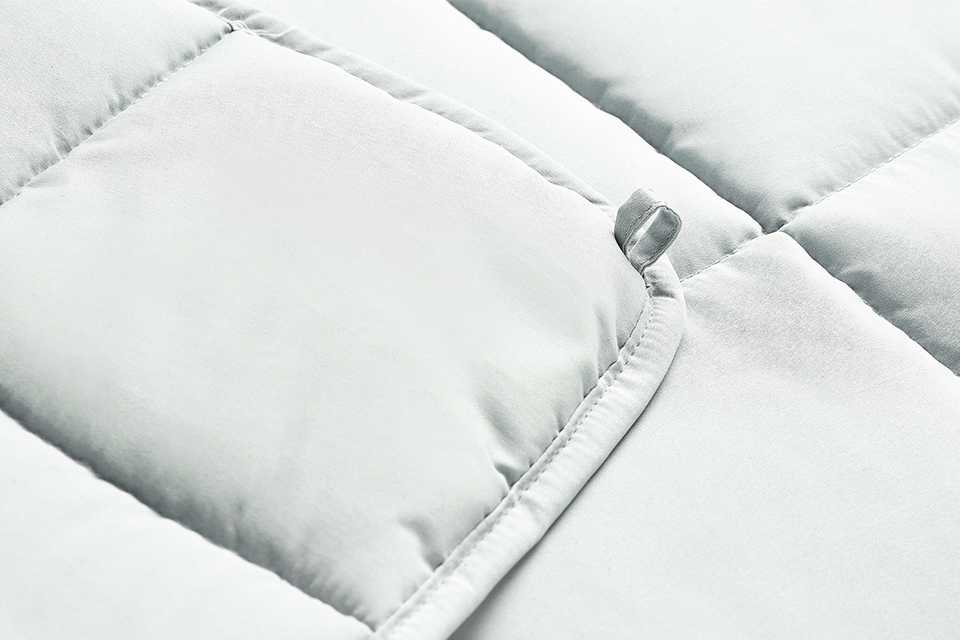
What is a weighted blanket
Weighted blankets are filled with tiny microbeads designed to spread the weight evenly across the body, creating gentle pressure to help relieve stress and anxiety.
They’re designed to provide similar benefits to deep pressure therapy which can consist of hugging or compression. This has been proven to create a calming effect for both adults and children.
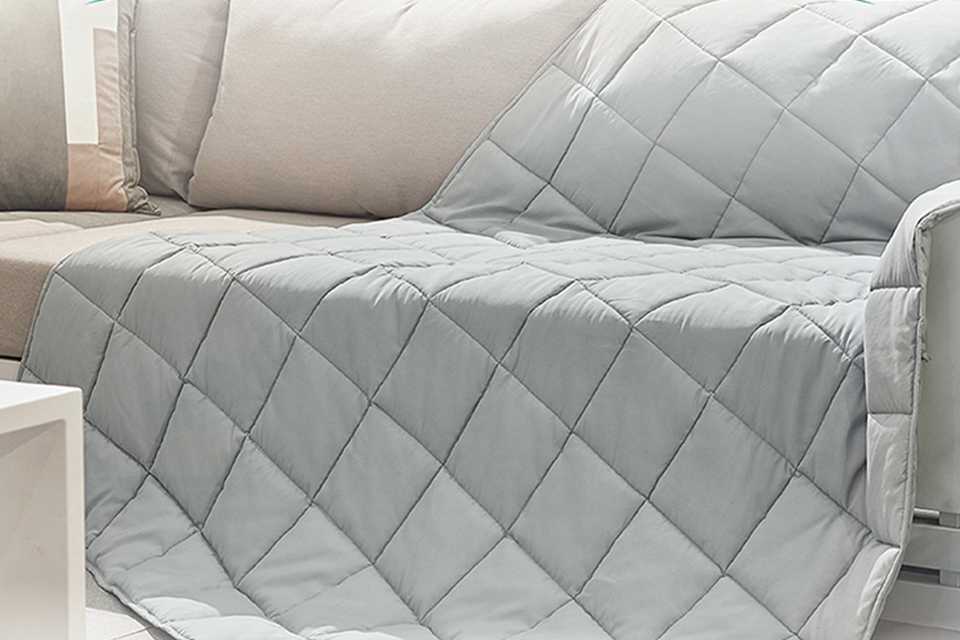
Weighted blanket benefits
- They’re designed to help relieve stress and anxiety.
- Helps those who are restless sleepers to relax, unwind and feel a sense of calm and restfulness, day or night.
- Can benefit those with autism, ADHD, dementia or other special needs.
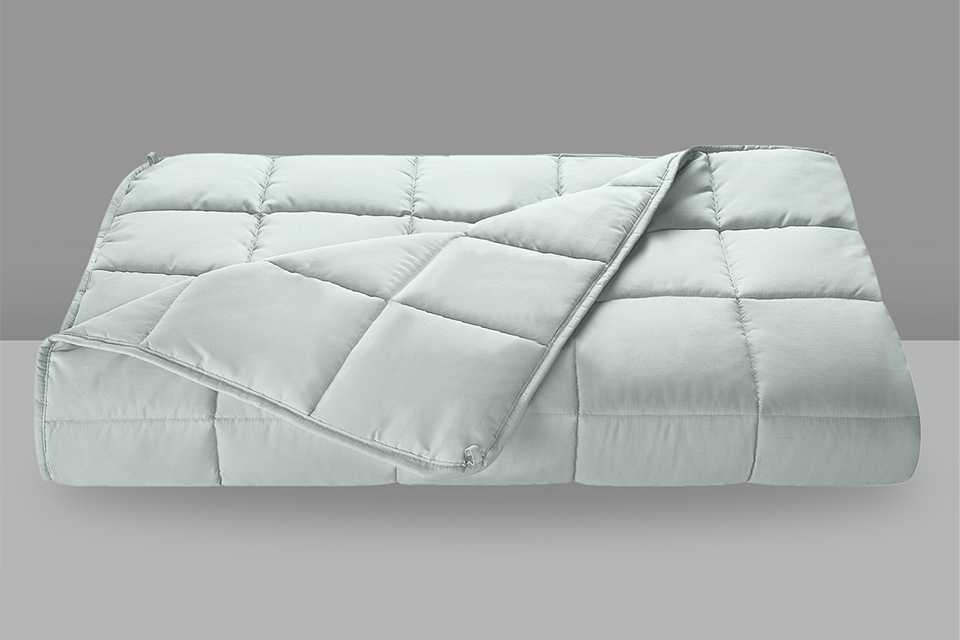
How to choose your blanket weight
- The blanket weight should be about 10% of your body weight.
- Blankets shouldn't be shared. So if two people sleeping in the same bed would benefit, then they would need one each with the ideal weight for them.
- They're not recommended for children under 3 years.
Pillow guide
Learn more about choosing the right pillow for your sleeping style and taking care of pillows for ultimate comfort and sound sleep.
Carousel

Washing pillows
Over time, pillows will collect dirt and grime so it is advisable to wash them every six months. Most pillows can be put in the washing machine on a gentle cycle, but if you’re unsure, check the care label first. Once the pillow has been washed, use your hands to fluff it back to its original shape.
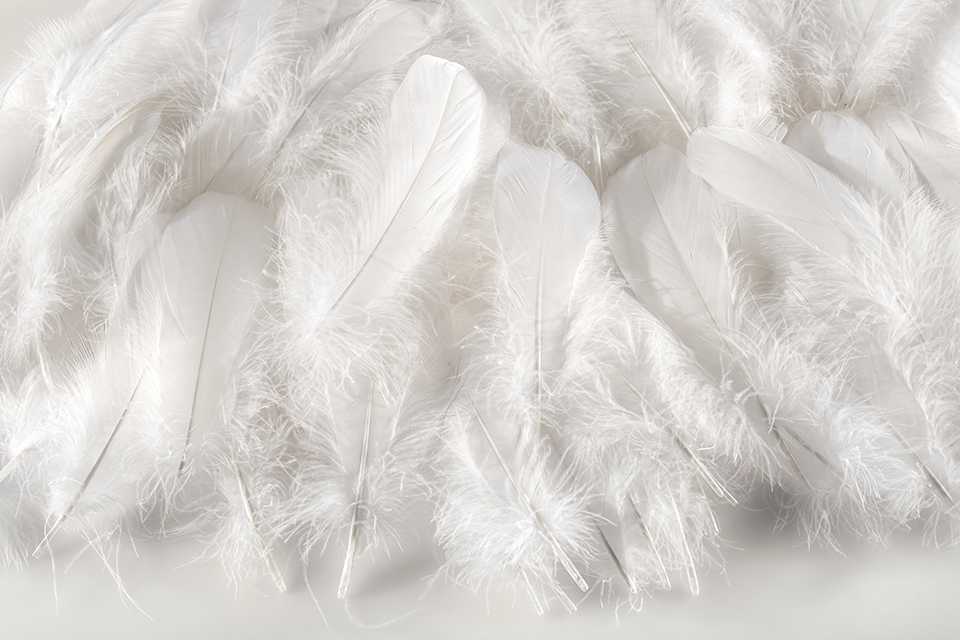
Responsible Down Standard (RDS)
All feather and down products from Argos are certified as Responsible Down Standard. This voluntary standard safeguards the welfare of ducks and geese used in the gathering of down and feathers. It also provides full traceability along the supply chain, validating where the down has originated from.

Types of pillows

Choose the right pillow size and type for you
Standard pillows - These measure approximately 48cm tall and 74cm long. They are sized so that two can fit comfortably on a double bed.
King size pillows - A few centimetres longer and deeper than their standard sized counterparts, these pillows are designed for use on wider beds.
Body and bolster pillows - Providing a high level of support, these are an ideal choice for expectant mothers and people who experience back pain.
V-shaped pillows - With a distinctive V-shape design, these pillows offer orthopaedic support and additional comfort around the back and sides of your neck.
- Shop all pillows

How firm should your pillow be?
- If you're a side sleeper, pick a firm pillow to aid in spine alignment.
- If you're a back sleeper, go with a medium pillow that provides gentle support.
- If you're a front sleeper, choose a slimmer, softer pillow to avoid neck strain.
Pillow fillings
Pick from natural, synthetic or adaptable memory foam.
Carousel

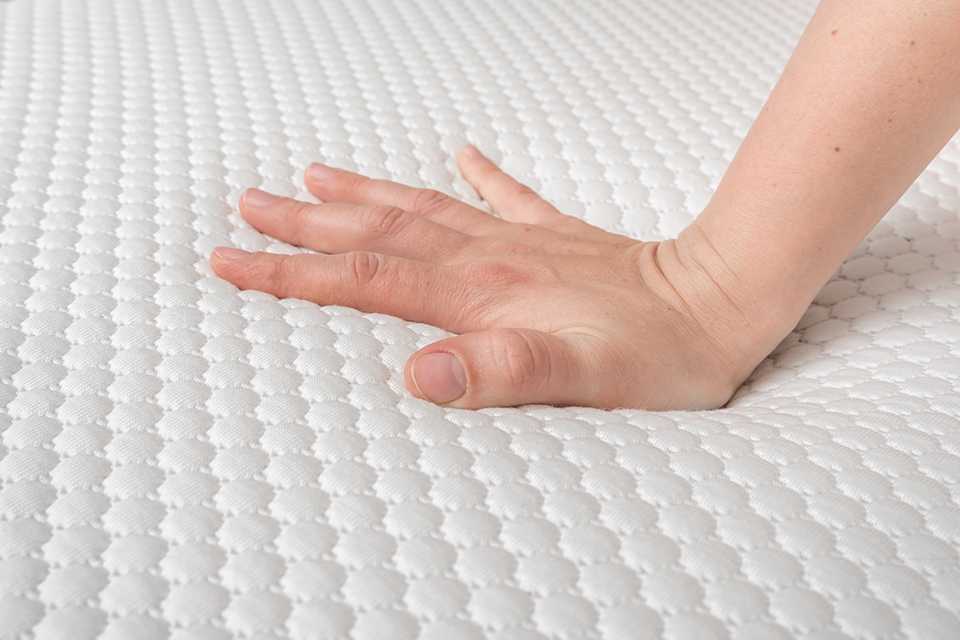
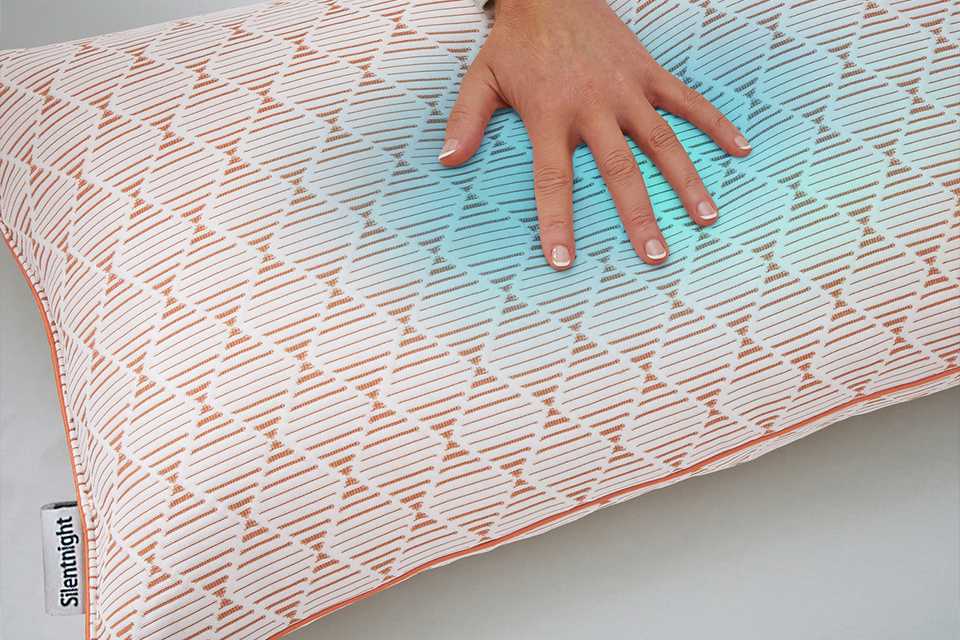
Nursery bedding
Create the perfect sleeping environment for your little one with snuggly duvets and soft, supportive pillows.
Carousel
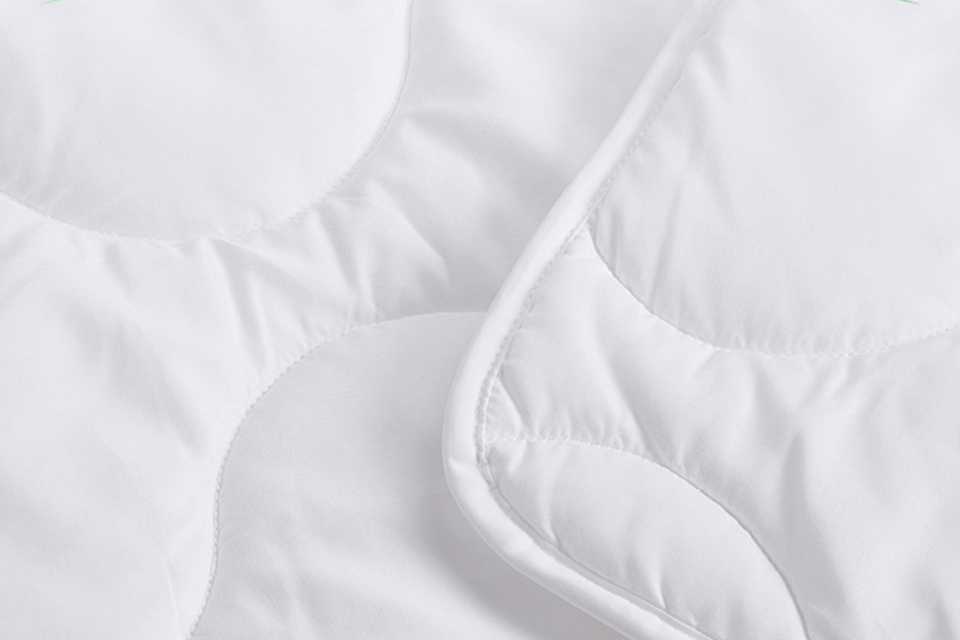
Nursery duvets
At 120cm x 150cm, these kid-friendly duvets are designed to fit any toddler bed. They often have anti-allergy properties, so your little one can snuggle in without any discomfort or irritation.
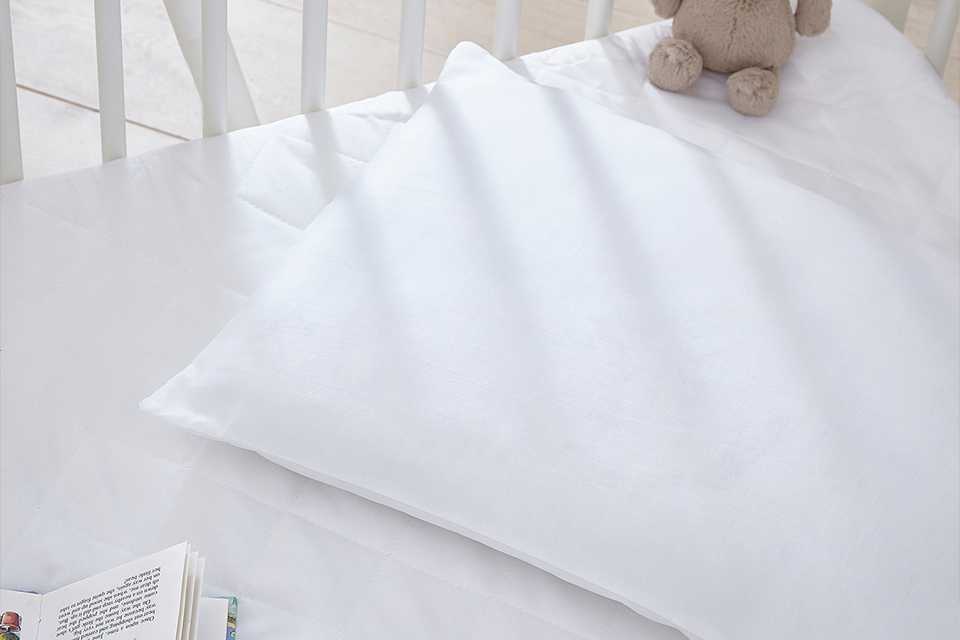
Nursery pillows
These toddler-size pillows provide excellent support to little heads and necks. Most are machine washable and dryer safe, making it easy to clean up any messes your child makes.
Frequently asked questions about duvets and pillows
What does tog mean for duvets?
Tog refers to the ability of the duvet to retain heat and trap air. It doesn't necessarily indicate the weight and is just an indication of how warm it is. Higher tog ratings will keep you warmer and are a good fit for the winter months.
What are the best duvets for different seasons?
Different tog ratings are suitable for different seasons and temperatures. For summer, tog ratings around 4.5 are ideal. For winter, go for tog ratings around 13.5 or higher.
What tog duvet is best for summer?
Lower tog ratings around 4.5 are ideal for summer. Go for tog ratings between 1 - 4.5 for lighter, cooler duvets that'll keep you comfy.
What tog duvet for winter use?
For the colder winter months, a tog rating of 13.5 or higher is suitable to retain more heat and keep you warm and comfortable.
What's the difference between down and feather?
Down and feather both refer to natural duvet and pillow fillings, depending on the part of ducks or geese that they are from. Down is from the lower parts of the bird, such as the belly. Bedding made from down is cosy and good for insulation. Feathers are from the outer-most layers of a bird's body. So, feather duvets and pillows are known to feel soft while also being supportive and firm.
Is silk warmer than down?
No, down is known for being better at retaining heat, which keeps you warm and cosy. While silk can also retain some body heat, down bedding is more suitable for colder winter months.
What does 10.5 tog mean?
A tog rating of 10.5 is somewhere in the middle and can be a good choice for spring and autumn when the weather isn't too intense.
What duvet tog do I need?
Choosing from different tog ratings depends on what you're looking for. If you want something to keep you warm and cosy, pick a 13.5 or higher tog. Or try a duvet for all-season use with a tog around 10.5 - 12.
How do I choose the right pillow for my sleep style?
For back and side sleepers, try from medium to firm pillows that will support your head and neck. For front or stomach sleepers, soft pillows or ones with reduced fill can help you stay comfy.
What size is a king size duvet?
UK king size duvets measure 225cm (width) x 220cm (length). It is recommended to choose duvet cover sizes that are a little bigger than your mattress so that they cover the whole bed easily.
How do you wash a duvet without ruining the down?
Before washing a duvet, make sure to check the care label for any washing instructions. You can wash your duvet on a gentle cycle with mild detergent to avoid ruining the down. Read more about washing duvets to keep your bedding looking fresh for longer.
When can baby have pillow and duvet?
A baby should ideally use a duvet or pillow only after they are over a year old. Younger children may face a risk of suffocation if duvets are used before 12 months of age. Learn more about baby bed safety to make sure your little one stays protected.
Is a 13.5 tog duvet warm enough for winter?
A 13.5 tog duvet can keep you cosy during winter. Go for higher togs of upto 15 or 18 to ensure you stay warm on even the coldest nights.
Should your duvet cover be the same size as your duvet?
While you can have a duvet cover the same size as your duvet, you can also try a size 2-5 cm bigger in width and length so you can fit your duvet inside easily. While you're at it, explore our duvet cover sets with matching pillow covers to liven up your bedroom.