
Wall colour trends for 2026
Thinking about changing your wall colour? You do not need to redecorate your whole home to try a new shade. From indigo blue and earthy green to warmer neutrals, the 2026 colour trends offer plenty of ways to update a room at your own pace.
Shop interior paint&poi={$this.metadata.pointOfInterest.x},{$this.metadata.pointOfInterest.y},{$this.metadata.pointOfInterest.w},{$this.metadata.pointOfInterest.h}&scaleFit={($this.metadata.pointOfInterest.x>0)?$sfpoi:$sfcenter}&sm=aspect&aspect=3:2&sfcenter=center&sfpoi=poi&qlt=50&fmt=auto&noiser=0&fmt.jpeg.interlaced=true&fmt.jp2.qlt=40&)
By Zara Flynn | Date published: October 2026
Quick answer: what wall colours are trending in 2026?
If you’re planning to update your home walls, here’s what’s trending in 2026: with a range of shades available, blue is one of the top wall colour trends for 2026, especially indigo shades ranging from light and airy to deep and bold. If you’re wanting something more neutral, warm neutrals, earthy greens and clay-inspired colours are also useful choices for homes that need a softer or more understated update.
Here is our list of the top walls colour for 2026:
- Light, mid-tone and deep indigo blues
- Warm beige, taupe and soft brown
- Muted and earthy greens
- Clay, terracotta and warm pink accents
- Gentle off-white shades
Top tip: You can use these colours on walls or introduce them in smaller amounts through home accessories.
Indigo blue wall colours
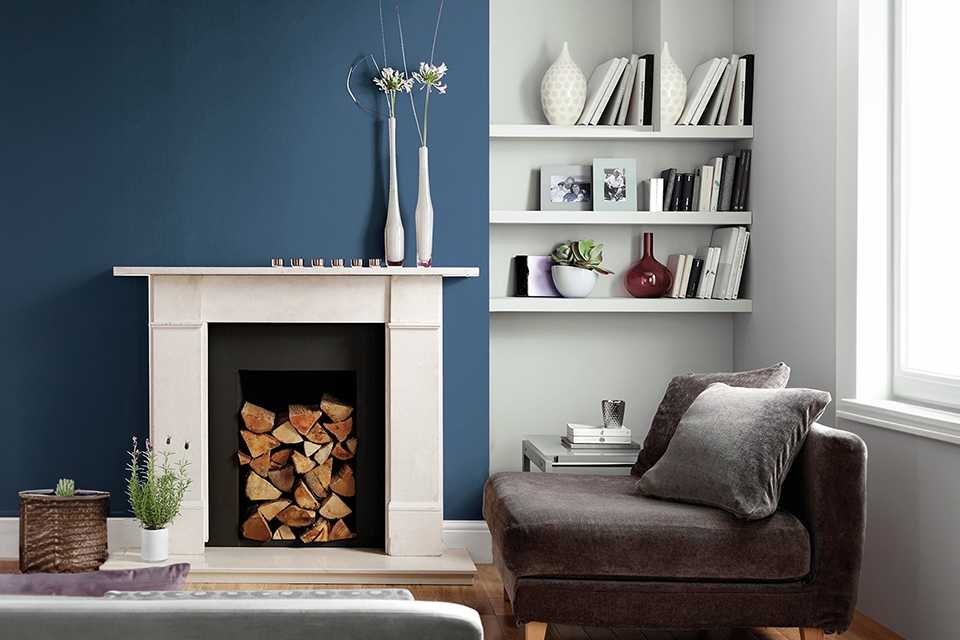
If you’re back on fourth on whether you should go blue, then don’t overthink it as Dulux has selected three indigo shades as its Colours of the Year: the vibrant Free Groove, light Mellow Flow and dark Slow Swing, showing how varied blue can be.
If you are set on blue but stuck on the shade, then it’s good to know that a pale blue can give a room a lighter backdrop, while a deeper indigo can create a stronger focal point. Mid-tone shades of blue sit between the two and can bring more colour into a room without being as dark.
Picking your shade of blue
Carousel
Warm neutral wall colours

If you are looking for the perfect neutral, cool grey is no longer the only option for a simple neutral background, warmer neutral paint colours, including beige, taupe and soft brown, offer an alternative that works with many existing colour schemes.
Warm neutrals are particularly useful if you want your walls to sit quietly behind furniture, artwork and textiles. They can also help bridge the gap between older grey pieces and newer brown, cream or natural-toned accessories.
- Shop neutral paint
How to choose a warmer neutral
Before choosing a warmer neutral make sure, you check the undertone rather than relying on the colour name as some neutral paints lean towards yellow, pink, grey or brown, and this will affect how they look beside your flooring and furniture.
Next, compare several samples on different walls so you can see the shade in different light and angles. A shade that appears balanced in a bright area may look darker or warmer in a shaded corner. Remember to leave the samples in place long enough to view them in morning, afternoon and evening light.
What to pair with warm neutrals
Warm neutrals are flexible, but the room will usually feel more considered if you repeat one or two related tones. To tie your room together try combining a warm beige wall with the following:
- Cream or oatmeal textiles
- Brown or burgundy accents
- Blue accessories for contrast
- Muted green details
- Light or mid-tone wood
Remember, you don’t need to use every option, a limited palette is often easier to carry through the room.
Earthy green wall colours
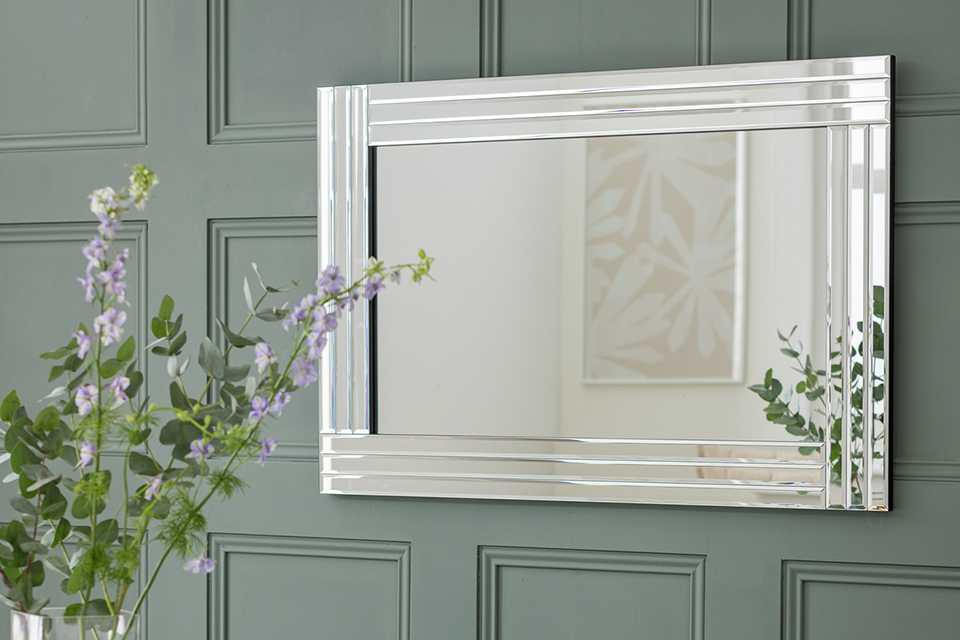
If you’re thinking of adding green to your home, muted greens continue to offer an accessible way to bring colour into the home without it overpowering your décor. Then olive, eucalyptus, moss and soft yellow-green shades can be used as either a background colour or a smaller accent to bring it altogether.
Earthy green works well with warm neutrals, wood tones and understated patterns. It can also be combined with blue when the two shades share a similar depth or muted finish.
Where to use green
A light or muted green can be considered for spaces where you want a gentle background, such as a bedroom, living room or dining area. A richer olive can create more definition on a single wall, cabinet or shelving unit.
If your flooring or furniture already contains warm brown tones, compare the green directly beside them, this will help you see whether the combination works in your home rather than judging the paint colour on its own.
How to subtly add 2026 colours to a neutral home
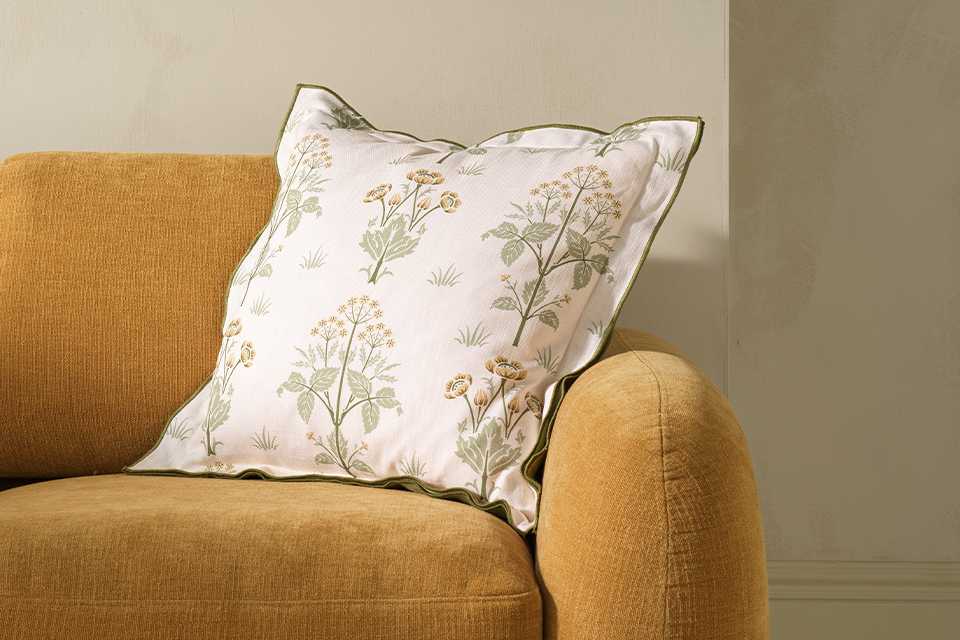
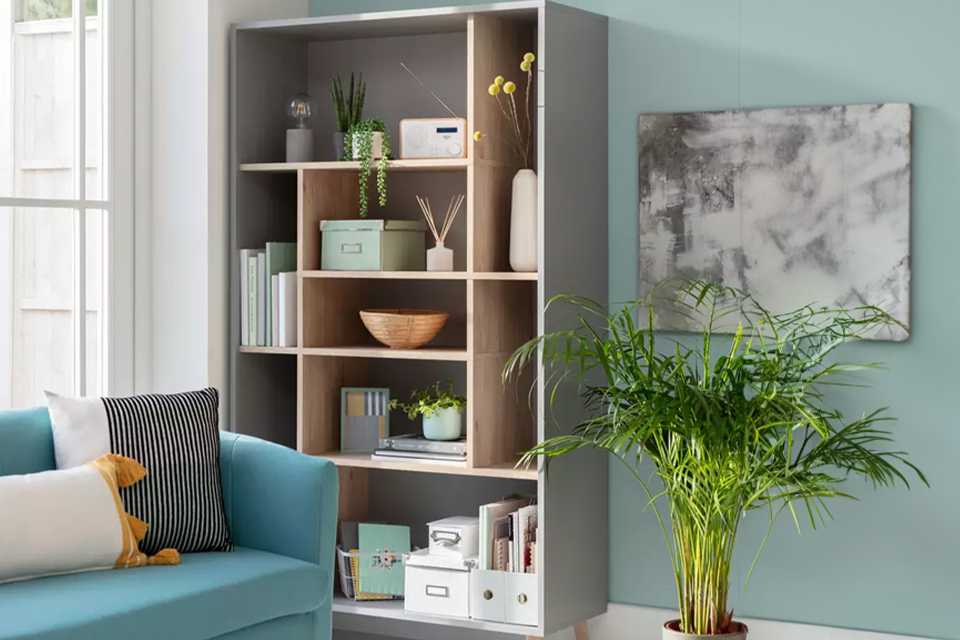
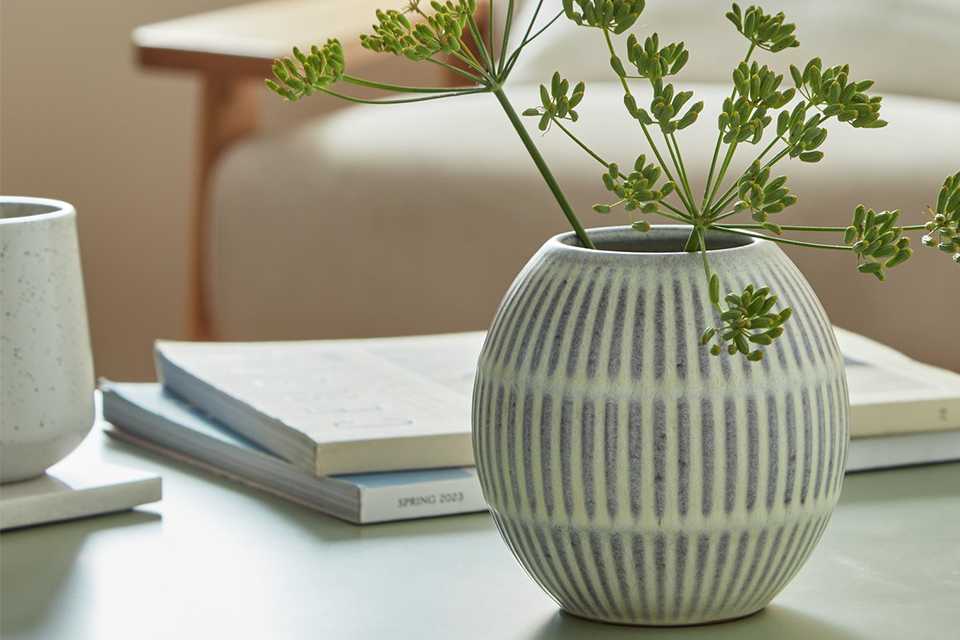
If you’re wanting to incorporate the trending colours but don’t want to introduce paint, you can subtly add the colour trends without changing the neutral base of your room. To do so, start with one colour and repeat it in two or three places within your room decor.
Carousel

Choosing your colour
Carousel
Before you start painting
Now it’s time for the fun bit, prepare the room and check the instructions provided with your chosen paint and decorating products. Consider the surface, finish, room conditions and tools needed before beginning.
If you are unsure about the condition of a wall, how to prepare a particular surface or whether specialist work is needed, ask a suitably qualified decorator for advice.
Take your time choosing the colour and remember, a sample viewed in your own room will give you more useful information than a trend image viewed on a screen.
FAQs about wall colour trends
What paint colours are on trend in 2026?
Indigo blue is one of the key paint trends for 2026, ranging from pale, airy shades to deeper tones. Warm neutrals, earthy greens, clay colours and soft off-whites are also useful directions to consider. Rather than choosing a colour simply because it is trending, compare it with your flooring, furniture and natural light. Testing a few samples in your room will help you choose a shade that works with both the space and your existing belongings.
What colour is replacing grey?
There is no single replacement for grey, but warmer neutrals such as beige, taupe and soft brown provide an alternative to cooler grey walls. Muted green and light blue can also create an understated background while adding more colour. If you already have grey furniture, you do not necessarily need to replace it. Warm up the room with cream, brown, blue or green accessories, then test a warmer wall shade beside the existing grey to check that the undertones work together.
What is the wall colour of the year for 2026?
Different paint and colour companies publish their own annual selections, so there is not one universal wall colour of the year. Dulux has chosen a family of three indigo blues for 2026: light Mellow Flow, vibrant Free Groove and dark Slow Swing. Together, they show how one colour family can create very different results. When choosing between them, consider whether you want a light background, a noticeable mid-tone shade or a deeper focal colour.
Are grey walls out of style?
Grey walls are not automatically outdated. Their success depends on the particular shade, the light in the room and the colours surrounding them. If a cool grey feels flat, you can update the space without repainting immediately. Introduce warmer neutrals, blue, green or brown through cushions, throws, rugs and artwork. If you do decide to repaint, compare warm beige, soft taupe or a gentle blue with your flooring and furniture before making the change.
How do you choose a wall colour for your room?
Start with the elements that will remain in the room, including flooring, furniture and curtains. Choose several shades that work with these items, then test them on more than one wall. View each sample during the morning, afternoon and evening because changing light can affect the result. You should also decide whether the wall needs to provide a quiet backdrop or act as a focal point. Finally, check that the paint type and finish are suitable for the room and surface.
Can you use a trend colour without painting the whole room?
Yes, you can introduce a trending colour through a smaller painted area or through accessories. Try an alcove, shelving unit or wall behind a desk if you want to use paint without changing every wall. For an even simpler update, bring in the colour through cushions, throws, artwork, plant pots or lamps. Repeating the shade in two or three places can help the update feel connected while allowing your existing neutral colours to remain the main part of the room.