
Toilet seat buying guide
Furnish your throne with the best toilet seat for your needs.
Shop all toilet seats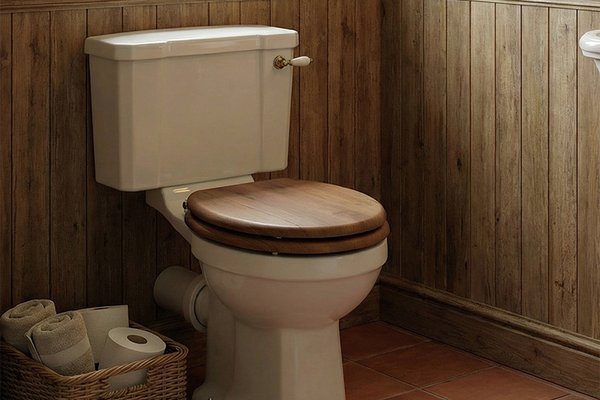&poi={$this.metadata.pointOfInterest.x},{$this.metadata.pointOfInterest.y},{$this.metadata.pointOfInterest.w},{$this.metadata.pointOfInterest.h}&scaleFit={($this.metadata.pointOfInterest.x>0)?$sfpoi:$sfcenter}&sm=aspect&aspect=3:2&sfcenter=center&sfpoi=poi&qlt=50&fmt=auto&noiser=0&fmt.jpeg.interlaced=true&fmt.jp2.qlt=40&)
By Kirsty Evans | Last edited: November 2026
How to choose a toilet seat
Choosing a toilet seat is easier once you know what to check. The right seat needs to suit the shape and measurements of your toilet pan, as well as the position of its fixing holes.
Before choosing a replacement toilet seat:
- Measure the toilet pan, not just the old seat.
- Record the pan’s length and widest point.
- Measure between the centres of the two fixing holes.
- Match the seat shape to the toilet pan.
- Check whether the fixings are tightened from above or below.
- Compare your measurements with the product dimensions.
- Follow the fitting instructions supplied with your chosen seat.
Tip: Toilet seats are not all the same size. Even seats with a similar shape can have different dimensions or hinge positions, so always measure before you choose.
How to measure a toilet for a seat
You only need a tape measure and a place to write down your measurements. Use millimetres where possible, as this makes it easier to compare your measurements with the dimensions shown in product information.
For the most accurate result, measure the toilet pan itself rather than relying only on the seat you are replacing. An old seat may not have been the ideal fit, or it may have moved over time.
- Measure the length
Find the two fixing holes at the back of the toilet pan. Measure from the centre point between the fixing holes to the front outer edge of the pan.
Keep the tape measure straight and record the measurement.
- Measure the width
Measure across the widest part of the toilet pan, from one outer edge to the other.
The widest point is often around the middle of the pan, but check before recording the measurement.
- Measure the fixing-hole distance
Measure from the centre of one fixing hole to the centre of the other.
This is sometimes called the hinge spacing, fixing centres or fixing-hole distance. Some toilet seat hinges are adjustable, but your measurement will still need to fall within the range stated in the product information.
Pro tip: Measure twice before choosing a seat. It is also worth taking a clear photo of the toilet pan and existing fixings so you can refer to them while browsing.
Which toilet seat shape do you need?
The toilet seat should follow the outline of the toilet pan. Look down at the toilet from above and compare the front curve, sides and back edge. Here are some common toilet seat shapes that are widely available.
- Rounded or oval toilet seats
Rounded and oval pans have curved sides and a rounded front. The exact curve and length can vary, so do not choose a seat by shape alone. Check all three measurements too.
- D-shaped toilet seats
A D-shaped pan usually has a straighter back and rounded front, creating an outline like a capital D. These seats are often designed for toilets with a more defined geometric shape.
Shop D-shaped toilet seats
- Square toilet seats
Square toilet pans have straighter sides and more angular front corners. Some are only gently squared, so compare the product outline and dimensions carefully.
- Other toilet seat profiles
Some seats may be described as wrap-over or slimline. These terms usually describe how the lid covers the seat or the overall profile, rather than providing a complete indication of fit.
Start with the pan shape and measurements, then use style or profile to refine your choice.
Are toilet seats a standard size?
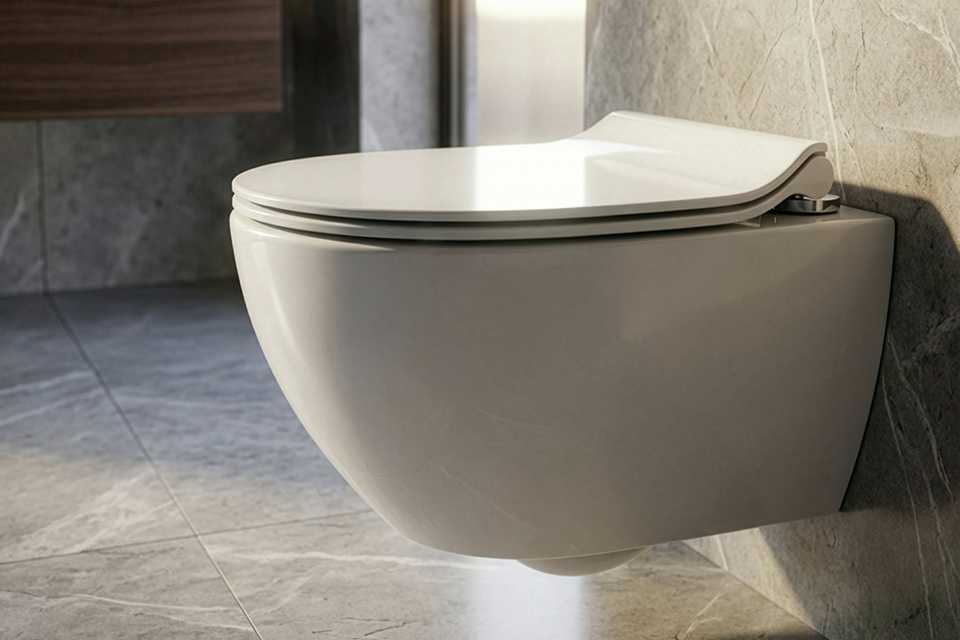
There is no single toilet seat size that fits every toilet. Toilet pans can differ in length, width, shape and fixing-hole position.
Some products may be described as universal or adjustable. This generally means they are designed to fit a range of toilets, not every toilet. Always check the stated measurement range and shape before choosing.
A seat is more likely to be suitable when:
- Its shape follows the outline of the pan.
- Its length and width are close to the pan measurements.
- Its hinge range includes the distance between your fixing holes.
- Its fixing method suits the access around your toilet.
If you still have the toilet manufacturer’s product information, check whether it specifies a compatible replacement seat.
Toilet seat fitting types
Toilet seats are generally secured using top-fix or bottom-fix fittings. The key difference is where the fitting is tightened.
Top-fix toilet seats
Top-fix fittings are installed and tightened from above the toilet pan. They can be useful where it is difficult or impossible to reach the underside of the fixing holes. This may apply to some back-to-wall or enclosed toilets, but check the actual access around your toilet rather than choosing by toilet style alone. If the positioning and size of your toilet setup allow room to access the underside of the fixing holes, you may not need a top-fix seat specifically.
Bottom-fix toilet seats
Bottom-fix fittings pass through the fixing holes and are secured with nuts underneath the toilet pan. You will need enough space to reach beneath the back of the pan. Look underneath your existing toilet before choosing. If the underside of the fixing holes is accessible and you can see nuts or bolts, the current seat may use bottom-fix fittings.
Adjustable hinges
Some seats have hinges that can move forwards, backwards or sideways within a stated range. Adjustable hinges can help align the seat, but they do not remove the need to check the pan’s shape and dimensions.
Always use the fittings supplied or recommended for the new seat and follow the product instructions. If the existing fixings are damaged, heavily corroded or difficult to remove, consider asking a qualified tradesperson for help.
Toilet seat materials
The material a toilet seat is made of can affect its weight, finish and cleaning instructions. Check the individual product information before using cleaning products.
Plastic toilet seats
Plastic toilet seats are available in a variety of shapes and finishes. Different types of plastic may feel and perform differently, so compare the product description rather than assuming all plastic seats are the same.
Moulded wood toilet seats
Moulded wood seats can feel heavier and may suit customers looking for a more substantial seat. Because finishes and coatings vary, follow the care instructions supplied with the product and avoid soaking the seat or hinges.
Wood-effect and bamboo toilet seats
Wood-effect finishes and bamboo seats can add a natural-looking finish to a bathroom. Check the product’s care guidance, particularly around moisture and cleaning products.
Useful toilet seat features
Once you have found seats that match your dimensions, shape and fixings, compare the features that matter to you.
Soft-close hinges
Soft-close hinges are designed to lower the seat and lid more gradually. Avoid pushing the seat down, as this may affect the hinge mechanism. Follow the manufacturer’s instructions for use and care.
Quick-release seats
Quick-release seats can be detached from their hinge mounts to make cleaning around the fixing area easier. The release method varies, so check the product instructions before pulling or lifting the seat.
Family toilet seats
A family toilet seat may include a smaller integrated seat for children. Check the dimensions and recommended use carefully and supervise young children in the bathroom.
Easy-clean finishes
Some toilet seats are described as easy to clean and may have removable components. Check exactly which part of the product the description applies to and follow its cleaning guidance.
Colour and finish
White is a common choice, but toilet seats are also available in other colours and effects. Fit should come first. Once you have identified compatible options, choose a finish that works with the rest of your bathroom.
For more stylish and functional additions to your space, explore our bathroom accessories.
How to fit or tighten a toilet seat
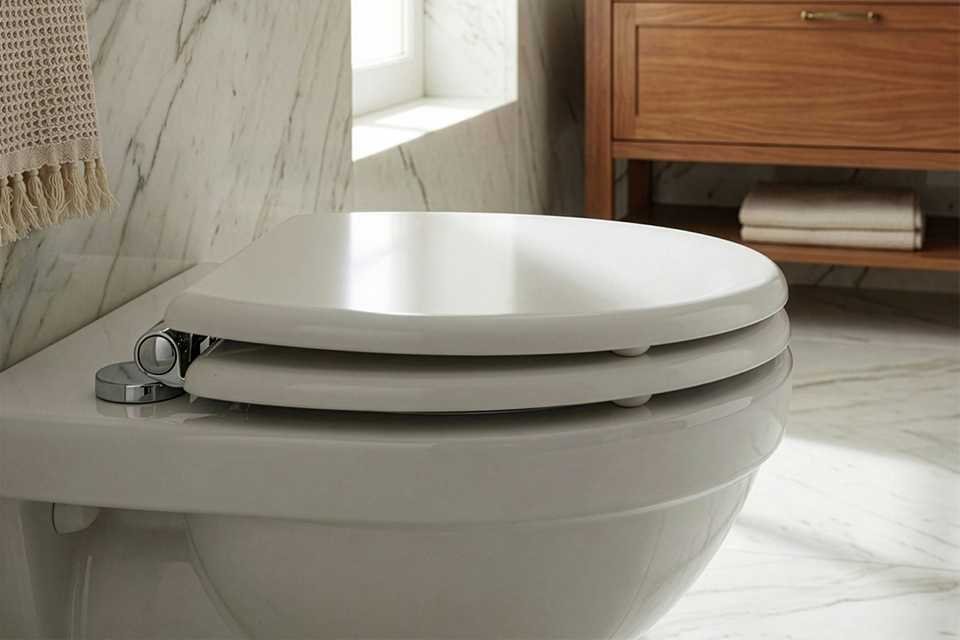
At a high level, fitting usually involves removing old fixings, cleaning and drying the mounting area, and following the instructions supplied with the replacement seat.
Do not overtighten parts or use excessive force against the ceramic toilet pan. If something does not align, loosen the fittings and check the measurements and hinge position rather than forcing the seat into place.
If an existing toilet seat is loose:
- Identify whether the fixings are reached from above or below.
- Centre the seat on the pan.
- Tighten each side gradually using the appropriate tool.
- Check that the seat stays aligned and does not move during normal use.
If a fixing is damaged, corroded, spinning or inaccessible, consult the manufacturer’s instructions or ask a qualified tradesperson for help.
FAQs about toilet seats
How do I know which toilet seat will fit my toilet?
Measure your toilet pan’s length, widest point and the distance between the centres of the fixing holes. Then identify whether the pan is rounded, D-shaped, square or another shape. Compare all this information with the dimensions and hinge range in the product description. You should also check whether the seat uses top-fix or bottom-fix fittings and whether you can access the toilet from underneath. A seat described as adjustable or universal will still have a measurement range, so check the details rather than relying on the name alone.
Do all toilet seats fit any toilet?
No. Toilet pans vary in shape, length, width and fixing-hole position, so one toilet seat will not necessarily fit every toilet. Even two toilets that look similar may need seats with different dimensions or hinge arrangements. Measure the toilet pan before choosing and compare your results with the product information. Adjustable hinges can make a seat compatible with a wider range of fixing-hole positions, but the overall shape and dimensions still need to suit the pan. If available, check the toilet manufacturer’s information for compatible replacement seats.
How do I know my toilet seat size?
Measure the toilet pan's length, width and fixing-hole distance, then compare those measurements with the product dimensions. Check the seat shape too, as similar-sized seats may still have different profiles.
What are the different types of toilet seat fittings?
The two main fitting types are top-fix and bottom-fix. Top-fix seats are tightened from above, while bottom-fix seats are secured from underneath. Check which type your toilet can accommodate before choosing a replacement seat.
How do I know what toilet seat shape I need?
Look at the toilet pan from directly above and note the shape of the back, sides and front. Rounded or oval pans have curved edges, D-shaped pans commonly have a straighter back with a rounded front, and square pans have more angular corners. Measure the pan’s length, width and fixing-hole spacing, then compare the outline and measurements with the product details.
Should I measure the toilet or the old toilet seat?
Measure the toilet pan itself whenever possible, as an existing seat may not be an exact fit. Measure from the fixing holes to the front outer edge of the pan, across its widest point and between the centres of the fixing holes. You can measure the old seat as a secondary reference if it fitted well, but the toilet pan measurements should guide your choice. Taking a photograph of the pan and hinges can also help when comparing shapes and fitting types.
Can I tighten a loose toilet seat?
A loose seat may be caused by fixings that need tightening or hinges that have moved out of position. First check whether the fixings are reached from above or underneath. Centre the seat, then tighten both sides gradually using the appropriate tool and the product instructions. Avoid overtightening or applying heavy force to the ceramic pan. If a fixing continues to spin, appears damaged or cannot be accessed safely, check the manufacturer’s guidance or ask a qualified tradesperson for help.