
Comprehensive dehumidifier guide
Learn about dehumidifier benefits for better air quality and features like litre capacity to help select the best dehumidifier for your home.
&poi={$this.metadata.pointOfInterest.x},{$this.metadata.pointOfInterest.y},{$this.metadata.pointOfInterest.w},{$this.metadata.pointOfInterest.h}&scaleFit={($this.metadata.pointOfInterest.x>0)?$sfpoi:$sfcenter}&sm=aspect&aspect=3:2&sfcenter=center&sfpoi=poi&qlt=50&fmt=auto&noiser=0&fmt.jpeg.interlaced=true&fmt.jp2.qlt=40&)
Dehumidifiers explained
Carousel
What is a dehumidifier?
Find out the basics to help you with understanding dehumidifiers.
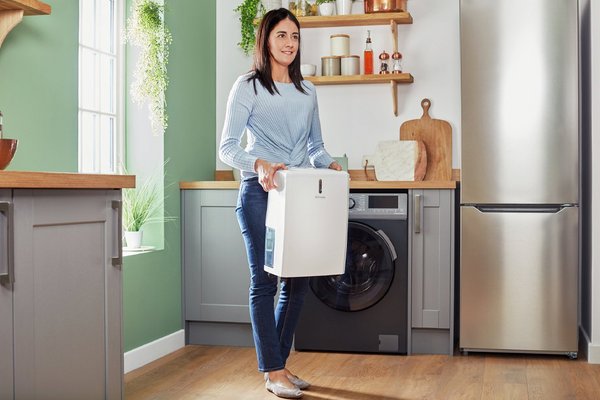
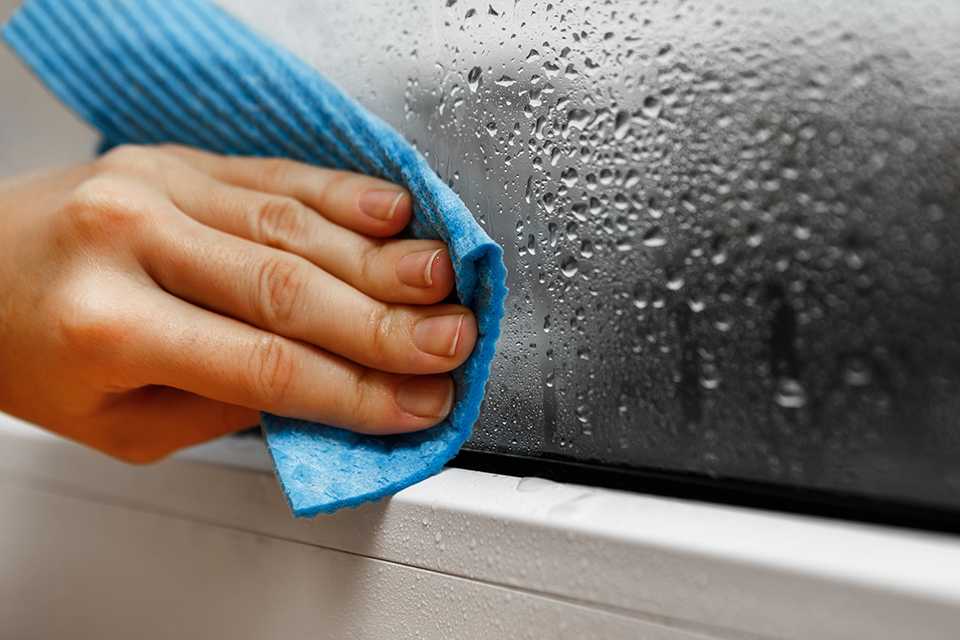
- A dehumidifier extracts excess moisture from indoor air, preventing condensation and damp issues.
- In doing so, it helps promote better indoor air quality, prevents mould and mildew growth, and protects your belongings.
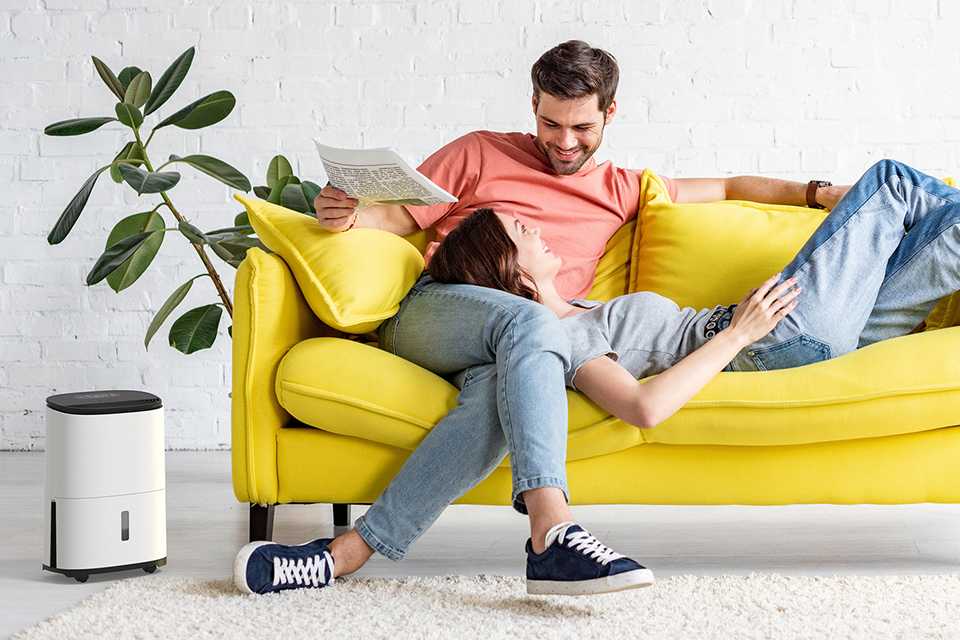
Why should you buy a dehumidifier?
Read on to learn about the health benefits of a dehumidifier:
- Reduces dampness and helps prevent mould growth, helping improve indoor air quality.
- Minimises musty odours caused by excess moisture.
- May help ease allergies by reducing humidity levels. This involves keeping dust mites and mould spores away by making the surroundings less hospitable for them.
- May support asthma sufferers by maintaining better humidity levels for easier breathing.
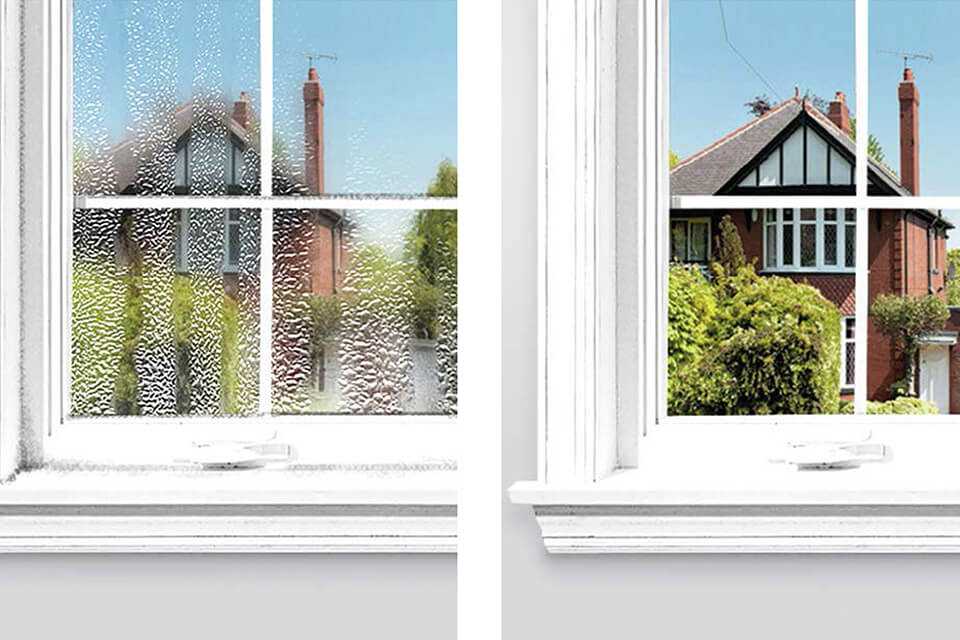
How does a dehumidifier work?
Discover how a dehumidifier works.
- Dehumidifiers operate by pulling room air through cold coils.
- As warm, humid air encounters these coils, it condenses into water droplets that collect in a tank.
- The air is then reheated before re-entering the room.
Dehumidifier features and benefits to look out for
Discover features to consider when choosing a dehumidifier for home use. Find out what works best for your needs and pick from a mini dehumidifier to large ones based on the size of your room.
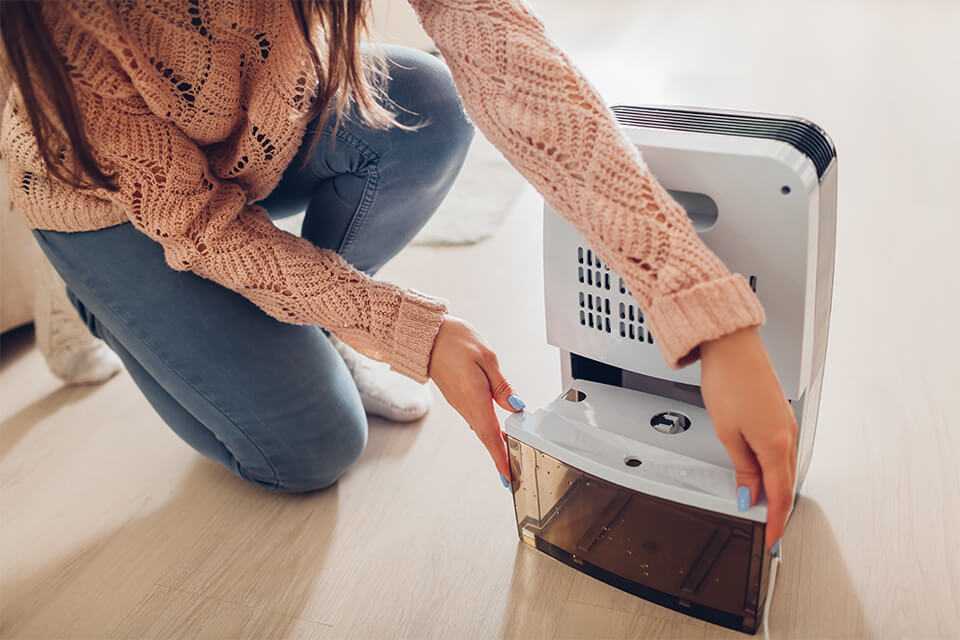
- Litre capacity (moisture removed daily): Pick a higher litre capacity for spaces prone to moisture. Use a small dehumidifier for something compact.
- Air filters: Added filters can purify air to make it cleaner.
- Noise level: For a quiet environment (bedroom or nursery), try a noise level under 45 decibels.
- Laundry drying: A dehumidifier with a laundry mode efficiently removes moisture from clothes so they dry quicker.
- Low temperature operation: Dehumidifiers for cold spaces like basements or garages need frost control to prevent ice build-up.
- Convenient removable tanks and wheels: Removable tanks make cleaning easy and dehumidifiers with wheels are easily portable.
- Timers and displays: Some models let you access display panels and set a timer for when you want it to turn off.
Shop now for the best-rated dehumidifiers
Slider Grid


Which is the best dehumidifier for me?
To determine the ideal dehumidifier size, assess the size and moisture level of your space. Generally, spaces with moderate humidity need a unit extracting 10 to 20 litres daily. Aim for 30-50% humidity to avoid mould. For smaller areas like laundry rooms or closets, opt for a lower capacity model.
Refer to our dehumidifier size guide below, considering the large rooms in your home to answer the question - what size dehumidifier do I need? Keep in mind that you'll be needing a greater extraction capacity for extreme damp conditions that have a tendency for mould.
| No. of bedrooms | Dehumidifier extraction capacity |
|---|---|
1 or 2 | Up to 12 litres |
2 or 3 | Up to 15 litres |
3 or 4 | Up to 20 litres |
4 or 5 | Up to 25 litres |
Dehumidifier frequently asked questions
Still not sure which dehumidifier to buy? These frequently asked questions might help:
How to choose the right dehumidifier?
To choose the right dehumidifier, consider the size of the space, the level of humidity, and specific features you need. For larger spaces or areas with high humidity, opt for a dehumidifier with a higher litre capacity. Look for features like auto shut-off, continuous drainage, and a built-in hygrometer to monitor humidity levels. Click here to read more about dehumidifier uses and how to choose the best one for you.
How much does a dehumidifier cost to run?
The cost to run a dehumidifier varies depending on its energy rating, size and usage. Some models are more energy efficient than others, providing the same amount of dehumidification while using less electricity.
Can I leave a dehumidifier running overnight?
Yes, it is generally safe to leave a dehumidifier running overnight. However, make sure to follow the manufacturer's safety guidelines and ensure the unit is placed on a stable surface. Some models come with an auto shut-off feature that turns off the dehumidifier when the water tank is full.
Are dehumidifiers energy efficient?
Check the energy rating label on the dehumidifier. Models with a higher energy rating are more efficient and consume less electricity. Additionally, look for features like auto shut-off and adjustable humidity settings, which can help optimise energy usage.
Can a dehumidifier help with allergies?
Yes, a dehumidifier can help reduce allergens like dust mites, mould, and mildew by controlling humidity levels. Lower humidity levels create an environment that is less conducive to the growth of these allergens, which can help alleviate allergy symptoms.
What are the side-effects of using a dehumidifier?
Since dehumidifiers make the air dry, using one may not be a good idea if you have dry skin conditions or breathing issues. It's best to check with your GP if you're not sure.
Will a dehumidifier heat my room?
While a dehumidifier releases heat, it's not significant enough to cause sufficient heating.
Can I use a dehumidifier in the basement or a cold room?
Yes, but it's important to choose a dehumidifier with low-temperature operation or frost control features. These features prevent ice build-up on the coils, which can affect the performance of the dehumidifier. Look for models specifically designed for use in cold environments.
Are dehumidifiers suitable for babies? Can I use one in a nursery?
You can use a dehumidifier in a nursery, but ensure that you're thoroughly following all the safety guidelines. Keep it out of reach of children. It's important to regularly clean and maintain the dehumidifier to prevent bacteria and mould growth.
Are dehumidifiers noisy?
To reduce noise, place the dehumidifier on a level surface and ensure it is not in direct contact with walls or furniture. Some models come with noise reduction features or operate at lower decibel levels. If noise is a concern, look for a dehumidifier specifically designed for quiet operation.
Can I use a dehumidifier to dry clothes indoors?
Yes, many dehumidifiers come with a laundry mode that helps remove moisture from clothes, making them dry faster. This is especially useful during the winter months when it's too cold to hang clothes outside. Place the dehumidifier in the same room as the drying clothes for best results.
How often do I need to empty the water tank?
The frequency of emptying the water tank depends on the humidity level and the capacity of the tank. In high humidity areas, you may need to empty the tank daily. Some models come with a continuous drainage option, which allows you to connect a hose for automatic water removal.
Can a dehumidifier cool a room?
A dehumidifier doesn't lower the room temperature but it can make a humid space feel more comfortable by removing extra moisture.
Can dehumidifiers help with musty odours?
Yes, a dehumidifier can help eliminate musty odours by reducing excess moisture in the air. This prevents the growth of mould and mildew, which are common sources of musty smells. For best results, use the dehumidifier in conjunction with regular cleaning and ventilation.
What does dehumidifier maintenance entail?
Regular maintenance would entail water tank emptying, air filter cleaning, and checking for any blockages in the drainage system. It's also important to clean the coils periodically to ensure efficient operation. Refer to the manufacturer's instructions for specific maintenance guidelines. Want to make sure you've got it covered? Explore top tips and advice for easy dehumidifier care and maintenance.
Should I buy a dehumidifier or an air conditioner?
A dehumidifier removes excess moisture from the air to help reduce damp, condensation and mould. An air conditioner is designed primarily to cool a room. If staying cool is your priority, take a look at our Air conditioner guide for advice on choosing the right model for your space.