

Automatic pet feeders explained
Keep your furry family members fed, happy and healthy with automatic pet feeders.
Shop all pet supplies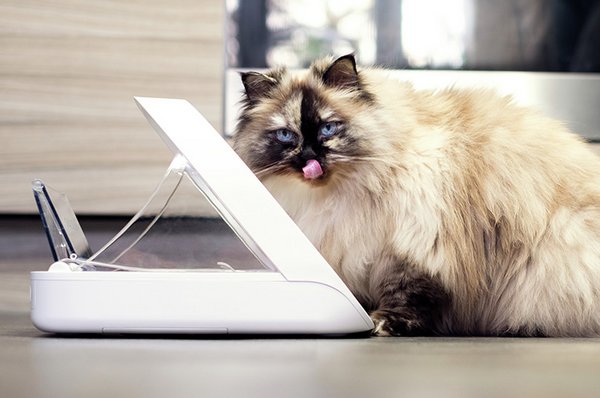&poi={$this.metadata.pointOfInterest.x},{$this.metadata.pointOfInterest.y},{$this.metadata.pointOfInterest.w},{$this.metadata.pointOfInterest.h}&scaleFit={($this.metadata.pointOfInterest.x>0)?$sfpoi:$sfcenter}&sm=aspect&aspect=2:1&sfcenter=center&sfpoi=poi&qlt=50&fmt=auto&noiser=0&fmt.jpeg.interlaced=true&fmt.jp2.qlt=40&)
By Zara Flynn | Date published: September 2026
An automatic pet feeder can help keep your cat or dog’s mealtimes consistent even when you have an early start or are away on holiday. This guide explains the different types available, which foods they can hold and what to consider before choosing one.
Quick answer: what is an automatic pet feeder?
An automatic pet feeder stores food in a hopper or covered tray and dispenses or uncovers on a timed schedule. Models range from simple timer food bowls to smart feeders with app controls. Some are designed for dry food, while selected tray feeders can also hold wet or semi-moist food.
An automatic feeder can support everyday feeding, but it does not replace regular checks, fresh water or day-to-day care, they form part of the everyday care and enrichment your pets need to live a happy and healthy life. Take a look at our range of pet supplies for everything you’ll need to look after your pets.
How do automatic pet feeders work?
Automatic pet feeders come in a variety of formats that offer different features.
- Timed tray feeders open a lid or rotate a tray to reveal a meal or portion.
- Hopper feeders dispense dry food from a storage container into a bowl.
- Smart feeders offer compatible app controls for scheduling and other functions.
- Microchip feeders open for a registered pet, helping control access in multi-pet homes.
Not all feeders are compatible with all food types, so consider the type of food you feed your pet and if the feeder is compatible for that.
Types of automatic pet feeder
Timed tray feeders
Timed tray feeders have one or more covered food compartments. At the set time, a lid opens or a tray rotates to reveal the next meal or portion.
These feeders can be a practical option for cats and smaller dogs that eat at set times. Some are suitable for wet and dry food, but specifications differ, so always check the product information.
Consider a timed tray feeder if:
- You want a simple regular schedule without an app
- Your pet eats one or two measured meals
- You need a timer food bowl for wet or dry food
- You portion control your pet’s meals and need separated compartments
Check how far ahead the timer can be set and whether each compartment can hold your pet’s usual meal.
Hopper and dispenser feeders
Hopper feeders store food above the bowl and release it through an opening. Motorised models can dispense portioned amounts of dry food according to a programmed schedule.
These feeders are generally designed for dry food. The size and shape of the food matters because pieces that are unsuitable for the mechanism may cause blockages.
These type of feeders might suit your home if:
- Your pet eats dry food
- You want to schedule several meals in a day
- You want to fill the feeder for multiple days at a time
- You need more programming options than a basic tray timer provides
Look for a secure lid and an accessible food container. Removable bowls and dispensing parts can also make regular cleaning easier.
Smart and Wi-Fi pet feeders
A smart or Wi-Fi automatic pet feeder connects to a compatible app. Available functions vary, but they may include creating schedules, releasing a meal manually, receiving alerts or reviewing feeding activity. Some more advanced models even track amount of food eaten by individual animals for health monitoring purposes.
A Wi-Fi cat feeder may be useful if you want to check or adjust settings from your phone. However, app controls are not necessary for every household. A standard timed feeder may be simpler if your pet has a predictable routine.
Before choosing a smart feeder, check:
- Which mobile devices and operating systems are supported
- Whether it needs a particular Wi-Fi frequency
- Whether key functions remain available without an internet connection
- Whether it has backup batteries
- Whether more than one person can access the app
- How it shows low food, low battery or dispensing errors
Smart features provide extra control, but you should still check the feeder and food supply regularly.
Microchip or RFID pet feeders
A microchip feeder reads a compatible pet microchip or RFID collar tag and opens for the registered pet. Rather than dispensing meals at set times, it helps control access to food. They’re particularly useful in multi-pet homes.
Check how many pets can be registered, whether your pet’s microchip is compatible and whether a collar tag is included. Some connected models may require an additional hub for app features.
Gravity feeders
A gravity feeder allows food to fill the bowl as the existing food is eaten. They generally don’t measure portions or schedule timed feeds, but provide a constant food supply as long as the
This type may be suitable for pets that manage their own intake, but it offers less control over timing and quantity. If measured meals form part of your pet’s routine, a programmable feeder may be more appropriate.
Which automatic pet feeder should you choose?
The right feeder for your household and pets will come down to the type of food they eat and whether portion and time control is needed, or regular access to food is preferred.
| Your need | Feeder type to consider | What to check |
|---|---|---|
Scheduled wet food meals | Covered timed tray feeder | Food compatibility, compartments and storage guidance |
Several dry food meals | Programmable hopper feeder | Portion settings, food size and capacity |
App-based controls | Smart or Wi-Fi feeder | App compatibility, connection and backup options |
Separate food in a multi-pet home | Microchip feeder | Microchip compatibility and number of registered pets |
Simple timed meals | Basic timer feeder | Timer range, number of meals and power source |
What size automatic pet feeder do you need?
The best capacity of feeder for your household will depend on whether you need constant or restricted access to food for your pet, if you have multiple pets using it and whether you need scheduled or timed feeds.
A compact tray feeder may be enough for one or two meals. A larger hopper can hold more dry food and may support several scheduled feeds. However, it will take up more room and may have more parts to clean.
Measure the space where you plan to place the feeder. Your pet should be able to reach the bowl comfortably without the unit sliding around or being easy to knock over.
If measurements are supplied, compare the full height, width and depth rather than relying on capacity alone.
Features to look for
Flexible timers and schedules
Check how many meals can be programmed and whether different times can be set for different days. Some basic models use a manual dial, while digital and smart feeders may offer more controlled scheduling.
Choose the level of control you need. More settings can be helpful, but a simple timer may be easier to manage.
Portion settings
Some dry food dispensers release food in portions selected through the controls or app. The stated portion is usually based on the feeder’s dispensing mechanism and may vary according to the food used.
Test the feeder with your pet’s usual food and follow the product instructions. Don’t change your pet’s recommended daily food amount because of the feeder.
Power and battery backup
Automatic feeders may use replaceable batteries, rechargeable batteries or mains power. Some mains-powered models also feature backup batteries.
Check whether batteries are included, how low power is displayed and what happens to saved schedules after a power interruption. Place cables safely and follow the supplied setup instructions.
Secure food storage
A well-fitting lid can help keep stored food covered and discourage curious paws. Check whether the bowl and food container attach securely to the main unit.
If your pet regularly pushes, tips or paws at their bowl, consider the feeder’s overall stability and where it will be placed.
Removable components
Food bowls, trays and storage containers need regular cleaning. Removable parts can make this easier, but not every component will be dishwasher safe.
Check the care instructions before cleaning. Keep electrical parts, motors and battery compartments away from water unless the manufacturer specifically states otherwise.
Alerts and monitoring
Some smart feeders can send notifications about scheduled feeds, low food or possible dispensing problems. Camera and audio features may also be included on selected models.
Think about which features will help you. Alerts may provide useful information, but they shouldn’t replace checking that your pet has eaten and that the feeder is working correctly.
How to introduce an automatic feeder
Give your pet time to become familiar with their new feeder before relying on it for a scheduled meal.
Start by placing the switched-off feeder near their normal eating area. Add their usual food and allow them to approach it in their own time. You can then test the opening or dispensing sound while you are nearby.
Changing your pet's routine is a process so take your time and try these steps to help ease the process:
- Set up and test the feeder before the first scheduled meal.
- Use your pet’s normal food rather than changing their food and feeder at the same time.
- Make sure the bowl is comfortable for them to reach.
- Watch the first few feeds to see how your pet responds.
- Confirm that the expected amount is dispensed or uncovered.
- Keep the instructions nearby while you adjust the settings.
If your pet is reluctant to use the feeder, return to their normal bowl and introduce the new setup more gradually.
Cleaning and caring for an automatic pet feeder
Regular cleaning helps remove old food, crumbs and residue. How often each part needs cleaning will depend on the type of food and the manufacturer’s instructions.
Basic steps to keep your feeder clean and functioning include:
- Switch off and disconnect the feeder from the power supply
- Remove batteries where instructed
- Empty any remaining food
- Separate removable bowls and trays from the body of the feeder
- Check which parts can be hand-washed or placed in a dishwasher
- Allow washed parts to dry fully before reassembling the feeder
Wipe the outside of the feeder and check the food outlet for build-up. Do not immerse the powered base unless the product instructions say it is safe to do so.
Wet food trays should be cleared and cleaned promptly after use. Dry food hoppers should also be emptied and cleaned periodically rather than continually topped up with new food.
Are automatic pet feeders right for every pet?
An automatic feeder can make scheduled meals easier, but it may not suit every pet or situation.
Consider how confidently your pet uses unfamiliar equipment, whether they need supervision at mealtimes and whether their food can be stored safely in the chosen model. Some pets may also be able to move or interfere with lightweight feeders.
Speak to a vet for individual guidance if your pet has specific dietary needs, requires carefully managed meals or has experienced a change in appetite. An automatic feeder should support your pet’s daily care, not replace regular interaction, monitoring or access to fresh water. Take a look at our pet advice and inspiration guide for more advice on looking after your pets.
FAQs about automatic pet feeders
What is an automatic pet feeder?
An automatic pet feeder is a bowl or food dispenser that releases or uncovers a meal using a timer, programmed schedule, app or other control. Some models dispense dry food from a storage container, while covered tray feeders may hold wet or dry food. Microchip feeders work differently because they control which pet can reach the bowl. Always check the product information for food compatibility, pet suitability, capacity and power requirements.
Is an automatic cat feeder a good idea?
An automatic cat feeder can be useful if you want to schedule meals, serve smaller amounts at different times or manage early-morning feeds. The most suitable choice depends on whether your cat eats wet or dry food and how comfortable they are with the feeder. Introduce it gradually and test the schedule while you are at home. It should support your cat’s routine rather than replace regular checks, attention, fresh water or appropriate care.
What are the downsides of an automatic pet feeder?
Automatic feeders need to be filled, cleaned and checked regularly. Batteries can run low, mains power or Wi-Fi may be interrupted, and dry food can sometimes fail to dispense if it is unsuitable for the mechanism. Some pets may also find the sound unfamiliar or try to open the feeder themselves. Testing it before relying on a schedule, checking any alerts and following the manufacturer’s instructions can help you spot potential problems.
Can you get an automatic feeder for wet cat food?
Yes, some automatic cat feeders are made for wet food. These usually have covered compartments that open or rotate at selected times. Certain designs include or support cooling packs, but storage limits vary. Check that the product is specifically described as suitable for wet food and follow the feeder and food manufacturer’s storage guidance. Clear away leftover wet food promptly and wash removable trays thoroughly after use.
Are automatic food dispensers suitable for dogs?
Some automatic feeders are suitable for dogs, but you should check the intended pet size, bowl position, food compatibility and capacity. A small tray feeder may not hold an appropriate meal for a larger dog, while a lightweight unit may be easy to move. Dogs that need supervision, have dietary requirements or eat very quickly may need a different feeding setup. Ask a vet for personalised advice where a dog’s diet or feeding behaviour needs careful management.