
Air purifier buying guide
Set up an air purifier to remove dust, dirt and allergens for clean fresh air that helps minimise allergies and respiratory problems.
Shop air purifiers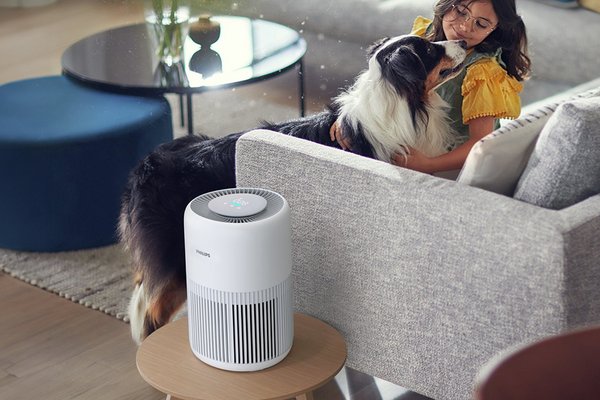&poi={$this.metadata.pointOfInterest.x},{$this.metadata.pointOfInterest.y},{$this.metadata.pointOfInterest.w},{$this.metadata.pointOfInterest.h}&scaleFit={($this.metadata.pointOfInterest.x>0)?$sfpoi:$sfcenter}&sm=aspect&aspect=3:2&sfcenter=center&sfpoi=poi&qlt=50&fmt=auto&noiser=0&fmt.jpeg.interlaced=true&fmt.jp2.qlt=40&)
By Kirsty Hudson | Date published: September 2026
Air purifiers help filter airborne particles in your home. Depending on the model and filter type, they may help reduce things like dust, pollen, pet dander and some household odours from the air.
They can be useful in bedrooms, living rooms, home offices and other spaces where you spend a lot of time. But not every air purifier works in the same way, so it’s worth checking the room size, filter type, CADR (Clean Air Delivery Rate) rating, noise level and ongoing filter costs before you choose one.
This guide explains what air purifiers do, how they work and what to look for when buying one.
Quick answer: What does an air purifier do?
An air purifier helps filter particles from the air inside a room. The exact particles it can capture will depend on the filter type, filter quality and how well the purifier is matched to the room size.
Air purifiers aren’t a replacement for good ventilation, cleaning, vacuuming, and resolving other issues such as damp and mould, but they do help improve air quality alongside other methods.
Air purifiers may help reduce:
- Dust and airborne particles
- Pollen
- Pet dander
- Some mould spores
- Some smoke particles
- Some household odours if the model includes an activated carbon filter
Indoor airborne allergens can include mould spores, house dust mites and pet dander. GOV.UK notes that everyday activities like cleaning, moving around and having pets can stir up indoor allergens, while poor ventilation and damp conditions can also affect indoor air quality.
Air purifiers can help with filtration, but they don’t remove everything from the air. For the best results, use one alongside regular cleaning, ventilation when outdoor conditions are suitable and ensure to keep filters maintained.
How do air purifiers work?
Most air purifiers use a fan and filter system. The fan pulls air into the appliance, the filters capture certain particles, then the filtered air is returned to the room.
| Filter or feature | What it does | Helpful for |
|---|---|---|
Pre-filter | Captures larger particles before air reaches the main filter | Larger dust, lint and pet hair |
HEPA filter | Designed to capture very small airborne particles | Fine dust, pollen and pet dander |
Activated carbon filter | Helps absorb some gases and odours | Cooking smells, pet smells and smoke odours |
Air quality sensor | Detects changes in air quality and may adjust fan speed on auto mode | Hands-off everyday use |
Washable filter or cover | Can be cleaned, depending on the model instructions | Easier maintenance |
Replacement filter indicator | Lets you know when the filter may need changing | Keeping performance consistent |
If you’re comparing HEPA air purifiers, check the product information carefully. Some products use terms such as “HEPA-type” or “HEPA-style”, while others state a specific HEPA filter grade or filtration claim. Always use the manufacturer’s product information to understand what the model is designed to filter.
- Shop air purifiers
Do air purifiers help with dust and allergies?
Air purifiers can help reduce some airborne particles linked to dust and allergens, such as pollen, pet dander and mould spores, depending on the filter and how the appliance is used. They may be helpful as part of a wider approach to improving indoor air quality. Most air purifiers are not designed to be medical devices, so seek advice if you need something for medical purposes.
To help an air purifier work effectively:
- Choose a model suitable for the room size.
- Keep doors and windows closed while it is running unless you’re ventilating the room.
- Replace or clean filters as instructed.
- Reduce sources of dust and allergens where possible.
Keep rooms well-aired when outdoor pollen and pollution levels are suitable.
How to choose an air purifier
The right air purifier depends on your space, what you need it to achieve and how often you plan to use it. A small bedroom may need a different model to a large open-plan living space.
Placement
- The output of the air purifier will define how large a room it will effectively work in.
- A higher Clean Air Delivery Rate (CADR) rating means the unit is ideal for larger rooms. Aim for a CADR rating of two thirds the area of the largest room you’ll use it in.
- Consider the size of the unit in terms of the space you’ll need for it to work effectively.
Practical features
- Check the noise level, especially if you plan to use them in nurseries, bedrooms or home offices.
- A range of fan speeds allow for more fine-tuned comfort.
- Look for “auto modes” that can adjust fan speeds based on air quality.
- If you plan to run your air purifier regularly for longer periods, check the energy information to give you an indication of potential costs.
Filters
- The filter used will impact what the purifier can do. Activated carbon filters help remove household odours, while HEPA filters are good for the smaller particles including pollen, allergens and pet dander.
- Explore the cost of buying replacement filters for ongoing maintenance.
Slider Grid
- £130.00Free collection or delivery
- Save £50.00£129.99Was
£179.99Free collection or delivery - Save £50.00£129.99Was
£179.99Free collection or delivery








What size air purifier do I need?
Choose an air purifier that is suitable for the size of the room you want to use it in. Product pages usually list a recommended room size or coverage area, often in square metres. As a general guide to the CADR rating to look for, you should aim for a device with a CADR of at least two thirds of the room area – so a 300 square metre room ideally needs a purifier with a rating of 200 or more. If you plan to use one in different rooms, base this on the largest area required.
As a simple guide:
- Go for a compact air purifier with quiet mode and dimmable displays for bedrooms or studies.
- Air purifier with an increased CADR and multiple fan speeds in medium to larger rooms or open-plan spaces.
- For multi-room usage, go for an air-purifier with a CADR appropriate for the largest room.
Air purifier, dehumidifier or humidifier: what’s the difference?
Air purifiers, dehumidifiers and humidifiers all help to make your home feel more comfortable, but they do different jobs.
| Product type | What it does | When it may help |
|---|---|---|
Air purifier | Filters airborne particles from the air | Dust, pollen, pet dander and some odours |
Dehumidifier | Removes excess moisture from the air | Condensation, damp-feeling rooms and laundry drying |
Humidifier | Adds moisture to dry air | Rooms that feel very dry |
Where should you put an air purifier?
Place your air purifier in the room where you spend the most time or where you most want extra filtration. For many people, that’s a bedroom, living room or home office.
For everyday use:
- Place it on a flat, stable surface.
- Keep air inlets and outlets clear.
- Avoid placing it behind furniture or curtains.
- Keep it away from water unless the manufacturer says otherwise.
- Follow the product instructions for the ideal distance from walls.
- Use it in a room size the purifier is designed for.
If you’re using an air purifier in a bedroom, look for quiet operation, sleep mode and a display that can be dimmed or switched off.
How long should you run an air purifier for?
Follow the manufacturer’s instructions for your specific model. Some air purifiers are designed for longer daily use, while others may be used for shorter periods depending on the room and air quality.
Many models include fan speeds, timers or auto mode, so you can adjust how they run throughout the day. For example, you might use a higher setting when cooking smells or pollen levels are noticeable, then switch to a quieter setting in the evening.
If you’re using an air purifier overnight, check the noise level, sleep mode and safety guidance before leaving it running.
Looking after your air purifier
Air purifiers need regular care to keep them working as intended. The most important thing is to follow the manufacturer’s cleaning and filter replacement instructions.
Simple maintenance steps include:
- Cleaning or replacing filters when recommended.
- Checking filter indicators if your model has one.
- Wiping dust from the outside of the appliance.
- Keeping air vents clear.
- Using the right replacement filter for your model.
- Avoiding blocked airflow around the unit.
Replacement filter timings vary by model, filter type and how often the purifier is used. If your home has pets, high dust levels or the purifier runs for long periods, filters may need attention sooner.
Air purifier FAQs
What does an air purifier do?
An air purifier draws air into the appliance, passes it through one or more filters, then releases filtered air back into the room. Depending on the model, it may help reduce airborne particles such as dust, pollen, pet dander and some odours. The results depend on the filter type, room size and how the purifier is used. For the best performance, choose a model suitable for your room and clean or replace filters as instructed.
How do I choose the right air purifier for my room?
Start by checking the room size the air purifier is designed for. Then compare the filter type, CADR rating, noise level, fan speeds and filter replacement costs. If you want to use it in a bedroom, quiet operation and sleep mode are useful. For larger rooms or open-plan spaces, look for a model with suitable coverage and airflow. It’s also worth checking whether replacement filters are easy to find.
Which air purifier is best for dust?
For dust, look for an air purifier with a good particle filter, such as a HEPA filter, and make sure it is suitable for your room size. A pre-filter can also help capture larger particles such as lint, pet hair and visible dust before air reaches the main filter. An air purifier can support regular cleaning, but it won’t stop dust building up completely. Vacuuming, dusting and washing soft furnishings can also help reduce dust around the home.
Can air purifiers help with allergies?
Air purifiers may help reduce some airborne allergens, such as pollen, pet dander and mould spores, depending on the filter type and room size. They should be used as part of a wider approach that includes cleaning, ventilation when suitable and reducing the source of allergens where possible. If allergies or asthma symptoms are affecting daily life, speak to a GP, nurse or qualified health professional for personalised advice.
Do air purifiers help with pet dander?
An air purifier may help reduce airborne pet dander, especially if it uses a suitable particle filter and is placed in the room where your pet spends time. It will not remove pet allergens from carpets, sofas, bedding or clothing, so regular cleaning is still important. For best results, check the purifier’s room coverage, keep filters maintained and avoid blocking the appliance’s airflow.
What are the disadvantages of an air purifier?
Air purifiers can have ongoing costs, including replacement filters and electricity use. Some models can also be noisy at higher settings, which may matter in bedrooms or home offices. They also need regular maintenance and must be matched to the room size to work effectively. An air purifier can help filter air, but it does not replace ventilation, cleaning or fixing issues such as damp, mould or smoke exposure.
Does every room need an air purifier?
Not usually. Most people choose one for the room where they spend the most time, such as a bedroom, living room or home office. If you want to move it between rooms, choose a model suitable for the largest room you plan to use it in. For whole-home coverage, you may need more than one unit, but this depends on your layout, room sizes and what you want the purifier to help with.
Is it safe to use an air purifier every day?
Many air purifiers are designed for regular use, but you should always follow the manufacturer’s instructions for your specific model. Check guidance on placement, cleaning, filter changes and whether it can be used overnight. If you’re using a model with heating, humidifying or dehumidifying functions, follow the extra care and safety instructions for those features too. Keep vents clear and use the appliance only as directed.
How many hours a day should an air purifier run?
This depends on the model, room size and reason for using it. Some people use an air purifier for several hours during the day, while others use auto mode or a timer. If you’re using it in a bedroom, sleep mode can help reduce noise overnight. Always follow the manufacturer’s instructions and remember to check filters regularly, especially if the purifier runs often.
How big of an air purifier do I need for my room?
Check the product’s recommended room size or coverage area, usually listed in square metres. Choose a model that matches or exceeds the size of the room you’ll use it in most. A purifier designed for a small bedroom may not be suitable for a large living room or open-plan space. If in doubt, compare the room coverage, CADR rating and airflow information before buying.