
Trampoline buying guide: find the right one for your garden
From small single person trampolines to larger enclosed options, find the perfect trampoline to keep your children active.
Shop all trampolines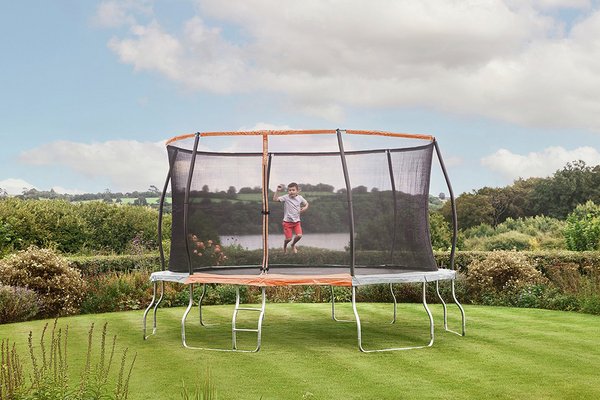&poi={$this.metadata.pointOfInterest.x},{$this.metadata.pointOfInterest.y},{$this.metadata.pointOfInterest.w},{$this.metadata.pointOfInterest.h}&scaleFit={($this.metadata.pointOfInterest.x>0)?$sfpoi:$sfcenter}&sm=aspect&aspect=3:2&sfcenter=center&sfpoi=poi&qlt=50&fmt=auto&noiser=0&fmt.jpeg.interlaced=true&fmt.jp2.qlt=40&)
By Steven Smith | Date published: June 2026
A garden trampoline can be a fun way for children to enjoy active outdoor play at home. As with any garden toys, make sure trampolines are set up safely and are age appropriate to ensure everyone has safe fun in the garden. Always follow the manufacturer instructions and guidelines before set up and use.
Quick answer: trampolines for your garden
The right trampoline depends on your garden space, the intended user’s age and weight, and the safety features included. Before buying, measure the full footprint, check the product guidance, and look for an enclosure, padded springs and enough clear space around the trampoline.
How to choose a trampoline
When choosing the right trampoline for your garden, you’ll need to consider the space available as well as the age and number of children that will be using it. When comparing garden trampolines, look for:
- Size: Check the full footprint, not just the jumping area
- Shape: Round trampolines are common for family gardens, while rectangle trampolines can work well in longer spaces
- Age guidance: Always check the manufacturer’s recommended age range
- Maximum user weight: Choose a model that suits the intended user
- Safety enclosure: Many outdoor trampolines come with an enclosure to help keep bouncing contained
- Padding: Look for padding that covers the springs, hooks and frame
- Accessories: Covers and anchor kits can help with care, storage and stability
What size trampoline do I need?
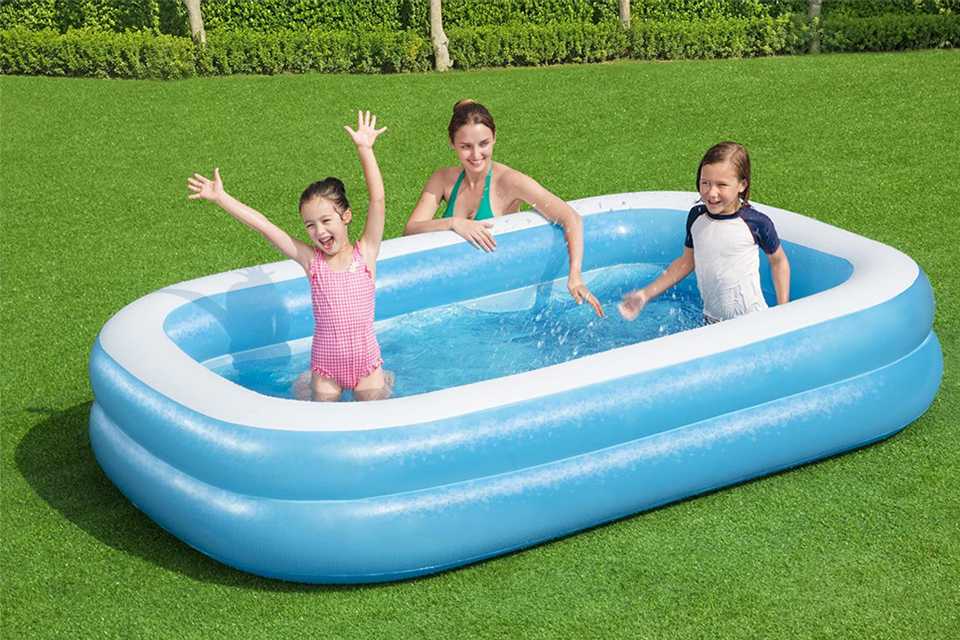
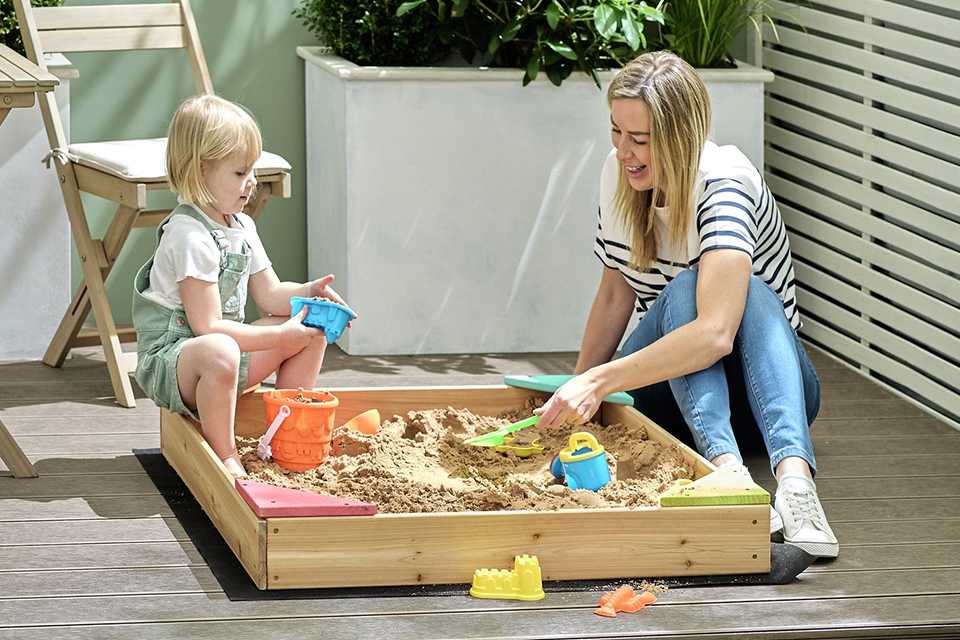
Just like other garden toys like paddling pools and climbing frames, size matters. A smaller outdoor trampoline may suit a compact garden or younger children, while a larger trampoline needs more lawn space and a wider clear area around it. The following table is a rough guide, so check the exact measurements of the product and your garden.
| Trampoline size | Often suited to | What to check |
|---|---|---|
Younger children and smaller gardens | Age guidance, enclosure, maximum user weight and available clear space | |
Small to medium gardens | Full diameter or footprint, safety perimeter and overhead clearance | |
Medium gardens | Whether the lawn has enough level space around every side | |
Larger gardens | Full footprint, assembly space, storage and anchoring needs | |
Rectangular trampolines | Narrower or longer gardens | Width, depth, corner clearance and where the entrance will sit |
Discover our range of trampolines
Slider Grid
- Save £36.00£99.00Was
£135.00Free collection or delivery from £4.95 - £45.00Free collection or delivery from £4.95
- £70.00Free collection or delivery from £4.95








Where to put a trampoline in the garden
Place the trampoline on level ground with plenty of clear space around it. RoSPA advises placing garden trampolines on energy-absorbing ground, such as a soft lawn, bark wood chip, sand or other cushioning material. RoSPA also advises against placing a trampoline on hard surfaces such as concrete, tarmac or hard-packed mud without absorbent safety matting.
Before setting up, check for:
- Flat, level and stable ground for the trampoline to be set up on
- Overhanging trees or branches
- Washing lines
- Fences, walls and sheds
- Garden furniture
- Paths, patios and hard surfaces
- Toys, bikes or other items near the trampoline
- Enough overhead clearance
Garden trampoline setup checklist
Here are a few things to check to ensure everyone has fun and stays safe.
- Read the instructions fully - follow the manufacturer’s setup and safety guidance for your exact trampoline model.
- Set them up on level ground - choose a flat, stable area with enough clear space around it.
- Check the enclosure is secure - make sure netting, poles and entry points are fitted correctly.
- Check the padding - springs, hooks and frame edges should be covered before use.
- Secure the trampoline if needed - if the product recommends an anchor kit, follow the instructions carefully.
- Keep the area clear - move toys, bikes, furniture and other garden items away from the trampoline.
- Check before each use - look for loose parts, damaged padding, torn netting or wet surfaces.
Trampoline safety features to look for
Safety should be one of the main things to consider when buying a children’s outdoor trampoline. RoSPA recommends choosing a model with safety pads that cover the springs, hooks and frame, and considering safety netting as part of the design. Safety accessories such as soft mats to make falls gentler and covers to keep your trampoline protected are great ways to keep the fun going. Follow all manufacturer guidance on safe usage and minimum ages of the users.
Useful safety features include:
- Safety enclosure: Helps keep bouncing contained.
- Padded frame and springs: Helps reduce contact with hard edges.
- Secure entrance: Helps keep the enclosure closed during use.
- Stable frame: Check the frame material, structure and product guidance.
- Anchor kit compatibility: Useful for helping secure the trampoline outdoors.
- Clear age and weight guidance: Helps you choose a suitable model for the intended user.
Using a trampoline safely
Using a trampoline is a great way for children to stay active and have fun at the same time. Following a few simple safety guidelines help everyone stay safer while playing.
For everyday use:
- Follow the manufacturer’s instructions.
- Check the age and weight guidance.
- Use the trampoline one person at a time if stated by the product guidance.
- Keep the safety enclosure closed while bouncing.
- Avoid somersaults or difficult tricks at home.
- Do not use the trampoline if the padding, netting or frame is damaged.
- Avoid using the trampoline in wet or windy weather.
- Put it away or secure it during strong winds, following the manufacturer’s guidance.
- Check the frame, springs, padding, netting and enclosure regularly, especially after bad weather or long periods without use. Replace damaged parts before the trampoline is used again.
FAQs
Is a trampoline better on grass or concrete?
Grass is usually more suitable than concrete because it offers a softer, more energy-absorbing surface. RoSPA advises placing garden trampolines on energy-absorbing ground, such as a soft lawn, bark wood chip, sand or another cushioning material. It also advises against placing trampolines on hard surfaces such as concrete or tarmac without absorbent safety matting. Always follow the manufacturer’s setup instructions for your model.
At what age should children use a trampoline?
Always follow the age guidance for the specific trampoline you are buying. Some product listings include minimum age guidance, maximum user weight and adult supervision warnings. RoSPA gives wider safety guidance and says trampolining is not suitable for children under six because younger children may not be physically developed enough to control their bouncing. If in doubt, choose an age-appropriate model and follow the manufacturer’s instructions.
Are mini trampolines any good?
Mini trampolines can be useful for younger children or smaller spaces, but they still need to be chosen carefully. Check whether the trampoline is designed for indoor use, outdoor use or both, and always follow the age, weight and supervision guidance. Look for padded edges, a stable frame and clear product instructions. If it is for a child, make sure it is designed for their age range.
Do I need a trampoline cover or anchor kit?
A cover can help protect the trampoline when it is not being used, while an anchor kit can help secure compatible outdoor trampolines. Argos lists trampoline accessories including covers and anchor kits. Before buying accessories, check that they are suitable for the trampoline size and shape you own. You should also follow the manufacturer’s guidance on securing, covering or storing the trampoline in poor weather.
Can you leave a trampoline outside all year?
Many garden trampolines are designed for outdoor use, but you should always follow the manufacturer’s care and storage guidance. A weather cover can help protect compatible trampolines when not in use, and an anchor kit may help secure suitable models. In strong winds or poor weather, follow the product instructions on whether to secure, move or store the trampoline.