
Sunrise alarm clocks explained: benefits and features
Discover the joy of a gentle start to your day.
Shop sunrise alarm clocks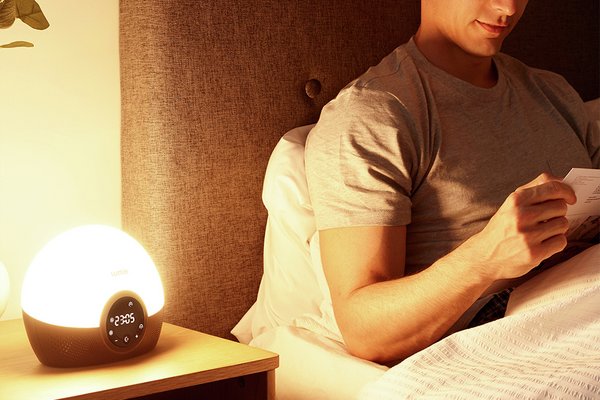&poi={$this.metadata.pointOfInterest.x},{$this.metadata.pointOfInterest.y},{$this.metadata.pointOfInterest.w},{$this.metadata.pointOfInterest.h}&scaleFit={$sfcenter}&sm=aspect&aspect=3:2&sfcenter=center&sfpoi=poi&qlt=50&fmt=auto&noiser=0&fmt.jpeg.interlaced=true&fmt.jp2.qlt=40&)
By Kirsty Hudson | Last edited: September 2026
Sunrise lamps or sunrise alarm clocks?
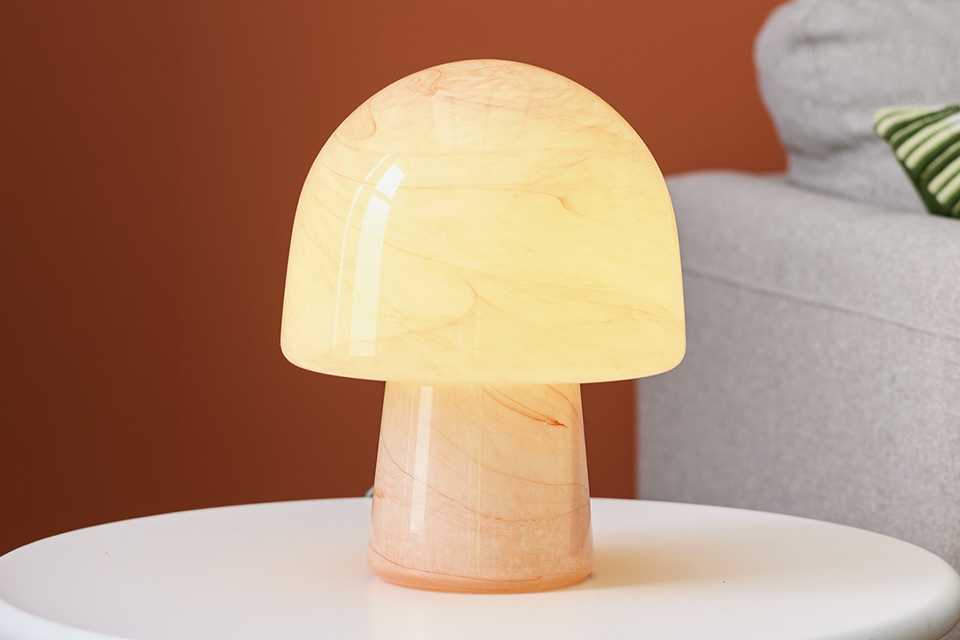
The terms sunrise lamp, wake-up light and sunrise alarm clock are often used interchangeably. In this article, we're talking about sunrise alarm clocks that gradually brighten before your wake-up time, which are different from decorative bedroom lamps and separate from SAD therapy lamps.
What is a sunrise alarm clock or sunrise lamp?
Dark mornings can make getting out of bed feel that little bit harder. A sunrise lamp is an alarm clock that gradually increases its light before your alarm time. These are sometimes also called wake-up lights, and the aim is to recreate the changing light of a natural sunrise in your bedroom. They combine a timed light with alarm clock features with some models also offering nature sounds, adjustable brightness or a fading sunset setting to help you settle into your evening routine.
Sunrise alarm clocks can be useful if you prefer waking to light rather than being jarred awake by an alarm sound. It may also make dark winter mornings feel less abrupt. However, a sunrise lamp is not the same as a SAD lamp or light therapy box, and it should not be treated as a substitute for professional healthcare advice.
How does a sunrise alarm clock work?
A sunrise lamp uses a built-in light that becomes brighter over a set period before your alarm. Depending on the model, this may begin around 15 to 90 minutes before you want to wake up. When comparing different sunrise lamps, there are a few things worth considering.
- Some lights change colour as they brighten, while others use a warm or white light throughout. Think about what you're comfortable waking up to from a sensory standpoint - some people enjoy a full sunny glow, but for others a slower ramp-up to daylight feels nicer.
- You can usually choose whether the light is followed by a sound alarm. This gives you some flexibility if light alone is not enough to wake you. Heavy sleeper? Add an alarm sound so your brain gets "wake-up" cues from your eyes and ears.
- Some models also include a "sunset" feature. Instead of becoming brighter, the lamp gradually dims as you prepare for bed. This can provide a simple visual cue that it is time to wind down, but it does not guarantee that you will fall asleep more quickly.
What are the benefits of a sunrise lamp?
From gentler wake-ups to more personalised alarm settings, a sunrise lamp can offer several practical advantages.
A gentler way to wake up
The main benefit of a sunrise alarm clock is the gradual waking experience. Instead of being pulled from sleep by a sudden noise, you can wake as the room becomes brighter.
You can still use an alarm sound as backup. This may be helpful if you are a heavy sleeper or need extra reassurance before an early start.
Extra light on dark mornings
Morning light can be limited during autumn and winter. A wake-up light gives you a more consistent bedroom routine when your alarm goes off before sunrise.
This does not replace the benefits of spending time in natural daylight. It simply provides a practical way to bring gradually increasing light into your morning routine.
A routine you can personalise
Different people respond to alarms in different ways. Choosing settings that suit your routine can make the alarm clock easier to use consistently. A sunrise lamp may let you adjust:
- How long the light takes to brighten
- The final brightness level
- The colour or warmth of the light
- The alarm sound and volume
- Weekday and weekend alarm times
- Whether to use a sunset setting at night
Fewer reasons to reach for your phone
A standalone sunrise alarm clock lets you set your alarm without keeping your phone beside the bed. This can be useful if you are trying to reduce bedtime scrolling or unwanted notifications.
You will still need to set the lamp correctly and check that any backup alarm is loud enough for your needs.
Which sunrise lamp features should you look for?
The right wake-up light depends on your sleep setup and how much control you want over the alarm. Here are some features to keep an eye out for while you explore.
- Adjustable sunrise duration: Some lamps use a fixed sunrise period, while others let you choose how quickly the light brightens. A shorter setting may suit busy mornings. A longer setting provides a more gradual change.
- Adjustable brightness: Look for a lamp with brightness controls for both the light and its digital display. This is particularly useful if you are sensitive to light while sleeping.
- Alarm sounds: Many models include a choice of nature sounds, radio or a standard beep. Check whether you can adjust the volume and whether the sound begins gradually or starts at full volume.
- Sunset mode: A sunset mode slowly reduces the light in the evening. It can form part of a regular bedtime routine alongside other calming habits, such as reading or getting things ready for the next morning.
- Easy-to-use controls: A long feature list is not much help if the alarm is difficult to set. Think about whether you would prefer buttons, touch controls or an app. Controls that are easy to find in low light can be handy when you are half asleep.
- Backup power: Check what happens if the power is interrupted. Some models have a battery backup that remembers the time and alarm settings, while others may need to be reset.
- Size and position: Make sure the lamp will fit safely on your bedside table and can be placed where its light is visible from bed. Follow the manufacturer’s positioning and usage instructions for your specific model.
What's the difference between a sunrise lamp, bedside lamp and SAD lamp?
| Product type | What it's designed for | Best for |
|---|---|---|
Sunrise alarm clock (often called a sunrise lamp) | Gradually brightens before your wake-up time and usually includes alarm clock features | People who want a gentler morning wake-up routine |
Provides light for reading, relaxing or general bedroom use | Everyday bedroom lighting | |
SAD lamp or light therapy lamp | Produces bright light designed to simulate daylight for light therapy purposes | People considering light therapy products and seeking guidance from a healthcare professional |
How to use a sunrise alarm clock
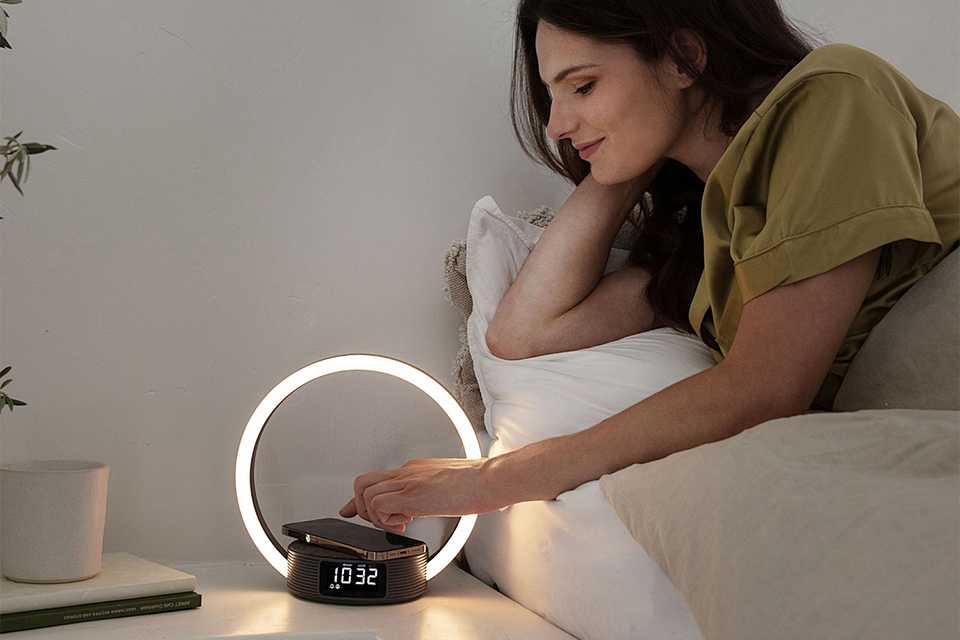
Buttons and settings can vary quite a bit between products, so always follow the instructions for your specific sunrise alarm clock. Here are some general pointers to get you started:
- Place the lamp securely where you can see its light from your bed.
- Set your chosen wake-up time.
- Select the sunrise duration and final brightness.
- Choose an alarm sound if you want extra backup.
- Test the settings on a day when you do not have an important early appointment.
- Adjust the light, timing and sound over the next few mornings if needed.
Try to keep your wake-up time reasonably consistent. A lamp is more likely to become a useful part of your morning when it is paired with a regular routine.
- Shop all sunrise alarm clocks
Are sunrise lamps suitable for everyone?
A sunrise lamp is a lifestyle product rather than a clinical sleep solution. Some people enjoy waking to gradually increasing light, while others still prefer a conventional alarm.
Check the manufacturer’s guidance before use. If you have concerns about how bright light may affect an existing health condition, your eyes or any medication you take, ask a qualified healthcare professional for advice.
If you’ve been having trouble with low mood, tiredness or sleep difficulties affecting your daily life, speak to a GP rather than relying on a lamp alone. The NHS recommends seeking medical support if you think you may have seasonal affective disorder.
FAQs about sunrise lamps
Is it worth getting a sunrise alarm clock?
A sunrise alarm clock may be worth considering if you find sudden alarm sounds unpleasant, regularly wake up before daylight or want to keep your phone away from the bed. It gradually brightens before your alarm time and can usually be paired with a sound alarm. It may not suit everyone, particularly if light does not wake you easily. Look for adjustable brightness, clear controls and an optional backup sound when comparing sunrise lamps.
Do wake-up lights really work?
Wake-up lights can provide a more gradual alternative to a sound-only alarm, but individual experiences vary. Their main function is to brighten the bedroom before your chosen wake-up time. They are not a guaranteed way to improve sleep, mood or energy. If you regularly struggle to wake up, feel persistently tired or have ongoing sleep problems, speak to a healthcare professional rather than relying on a wake-up light alone.
What is the difference between a sunrise lamp and a SAD lamp?
A sunrise lamp is primarily an alarm clock. Its light gradually brightens before your chosen wake-up time. A SAD lamp or light therapy box produces a brighter, steady light and is intended for light therapy. The NHS lists light therapy as a possible treatment for seasonal affective disorder, but notes that evidence about its effectiveness is limited. If you think you have SAD, speak to a GP before relying on either type of lamp.
Can you use your phone as a sunrise alarm?
Some phones and apps can gradually brighten the screen or control a connected smart light. However, a phone screen may not light the room in the same way as a purpose-built sunrise alarm clock. Keeping your phone beside the bed may also make notifications and late-night scrolling harder to avoid. If you use an app, check its permissions, alarm volume and power settings before depending on it for an important wake-up time.
What features should I look for in a sunrise lamp?
Useful features include adjustable sunrise duration, brightness controls, a dimmable clock display and an optional sound alarm. You may also want nature sounds, radio, weekday and weekend settings or a sunset mode. Check that the controls are easy to use and that the lamp fits safely on your bedside table. If you are a heavy sleeper, choose a model that lets you set a suitable backup alarm volume.