
How to save space with bunk beds
Big on sleep, light on space. Explore different types of bunk beds and clever ways to save space.
Shop all bunk beds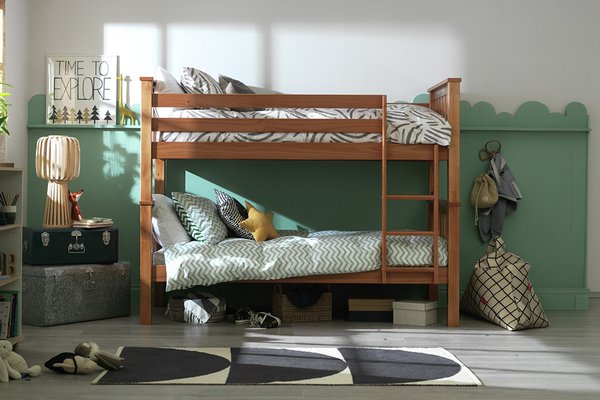&poi={$this.metadata.pointOfInterest.x},{$this.metadata.pointOfInterest.y},{$this.metadata.pointOfInterest.w},{$this.metadata.pointOfInterest.h}&scaleFit={$sfcenter}&sm=aspect&aspect=3:2&sfcenter=center&sfpoi=poi&qlt=50&fmt=auto&noiser=0&fmt.jpeg.interlaced=true&fmt.jp2.qlt=40&)
By Natasha Taggar | Last edited: October 2026
Bunk beds stack one sleeping space above another, helping free up valuable floor space in shared bedrooms, smaller rooms and guest spaces.
Choosing the right bunk bed is about more than finding one that fits. Think about who’ll be using it, access to the top bunk, mattress requirements and how much room you'll need to move around comfortably. Read on to explore different bunk bed types, layout tips and key details to consider before you choose.
Quick answer: how to save space using bunk beds
A bunk bed can free up floor space by combining two or more sleeping areas within one vertical footprint. Depending on the design, built-in storage, shelving, desks or trundles can help make even better use of the available space. Always check the product dimensions, mattress requirements, user restrictions and assembly instructions before choosing a bunk bed.
Why choose a bunk bed?
A bunk bed can be a practical solution for all kinds of rooms. Whether you're furnishing a shared children's bedroom, making space for play or adding room for guests, the right design can help a room work harder.
A bunk bed could be a good choice if:
- Two children share a bedroom
- You'd like to keep more floor space free for play, study or storage
- The room needs an occasional extra sleeping space for guests
- You're looking for a design with built-in storage, shelving or a desk
- You want furniture that can adapt as children grow
- You need a solution for a smaller or more awkwardly shaped room
- You'd like to make better use of vertical space without adding extra furniture
Before choosing a bunk bed, think about how the room will be used throughout the day. A compact footprint can create valuable extra space, but features such as staircases, angled ladders, desks and pull-out trundles will need room to open and use safely. It's worth considering the layout with every moving part fully extended, not just how the bed looks when everything is tucked away.
Which type of bunk bed do you need?
Which bunk bed features should you consider?
Once you have chosen the right sleeping configuration, compare the features that could help the bed work more effectively within your room.
Carousel
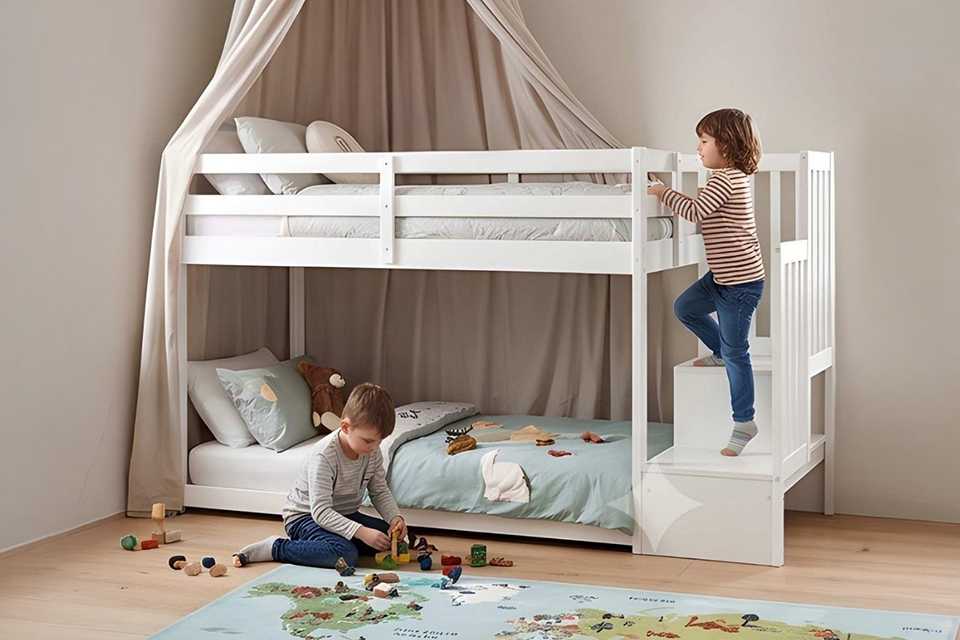
Ladders or stairs
The way you access a bunk bed can affect both space and practicality. A straight ladder usually takes up less room, while an angled ladder needs more clearance. Some bunk beds allow the ladder to be fitted on either side, depending on the model. Stairs offer an alternative way to reach the top bunk and may include built-in storage. However, they often make the overall bunk bed wider, so check the full footprint before choosing.
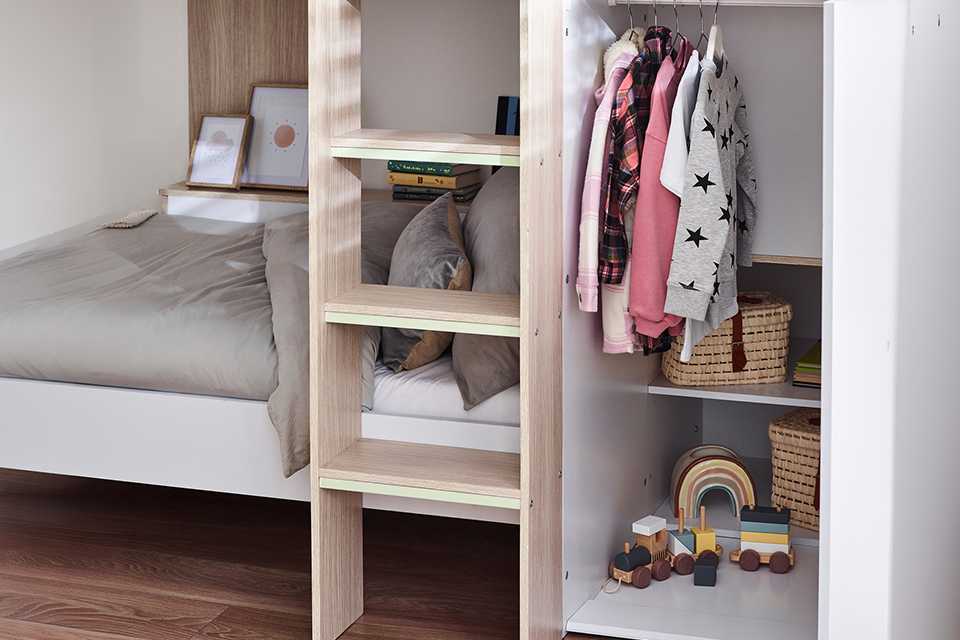
Built-in storage
A bunk bed with built-in storage can help reduce furniture elsewhere in the room. Drawers, shelving and storage compartments can provide handy places for clothes, toys, books and everyday essentials. Some bunk beds also include storage within the stairs for added functionality. Before choosing, make sure there's enough clearance for drawers, cupboards and doors to open fully.
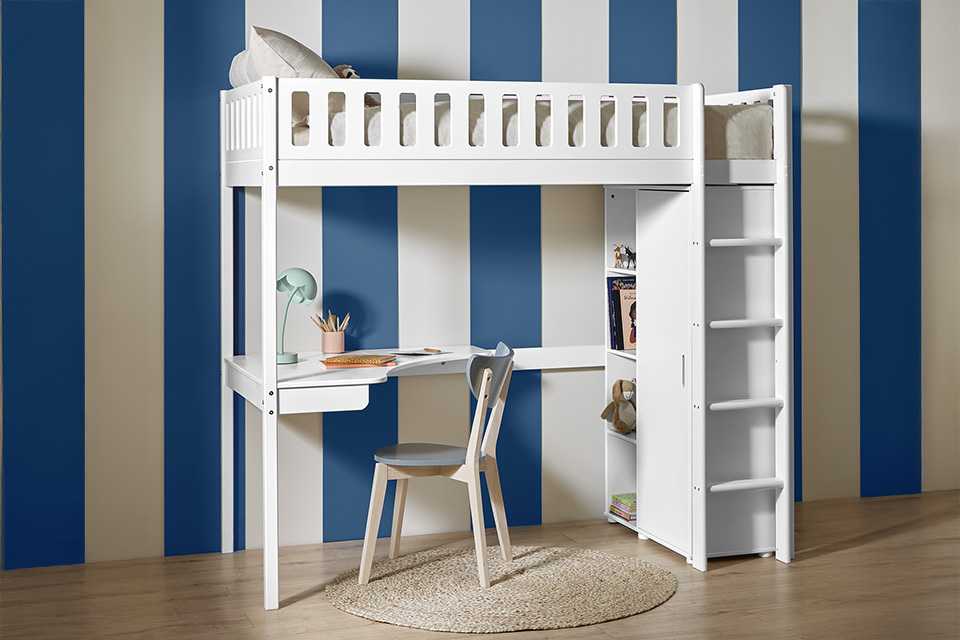
Built-in desks
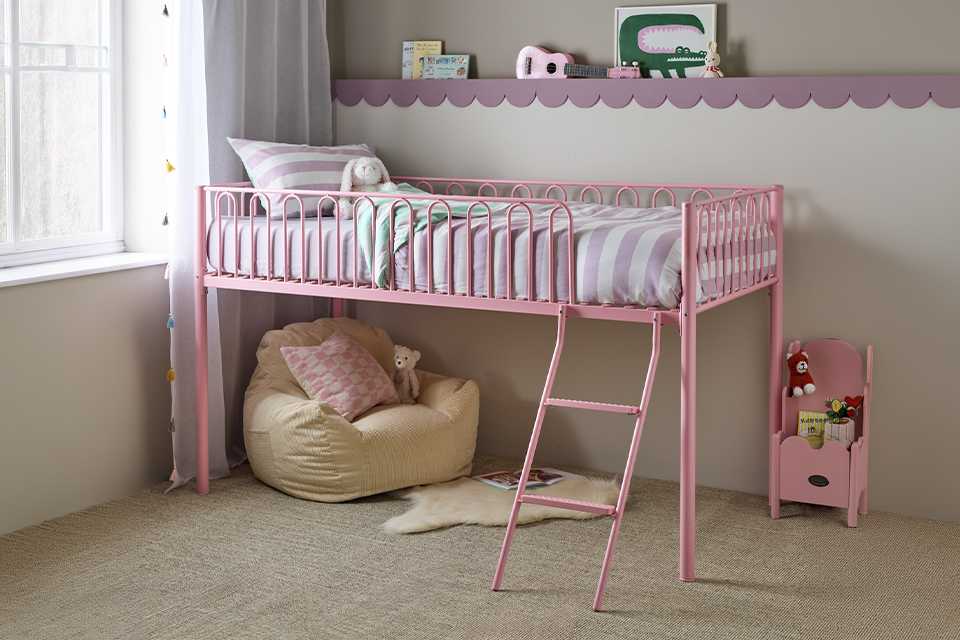
A bunk bed with a built-in desk can help create space for study, hobbies or gaming. These designs place a desk beneath an elevated sleeping area, freeing up space that would otherwise be used for separate furniture. They're often described as high sleepers or loft beds rather than traditional bunk beds. Before choosing, check the desk size, seated headroom and nearby plug sockets, and plan how cables will be managed.
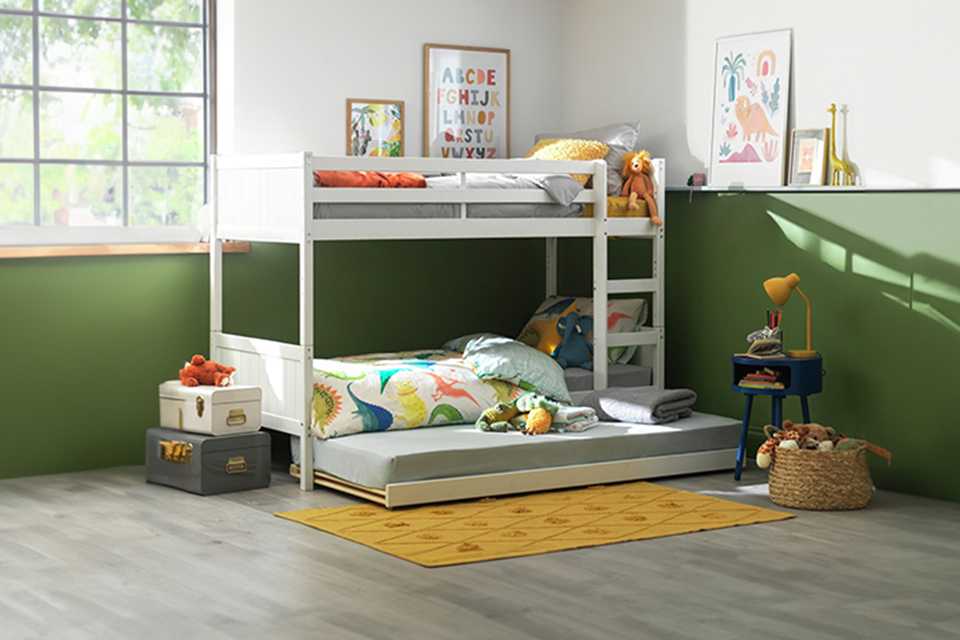
Trundle beds
A bunk bed with a trundle adds a pull-out bed beneath the frame. A trundle can be a useful option if you regularly host sleepovers or for occasional guests. Some bunk beds include a trundle bed, while others have storage drawers underneath instead. Before choosing, check the extended dimensions, mattress requirements and the space needed to pull the trundle out fully. It's also worth considering whether the trundle will affect movement around the room when in use.
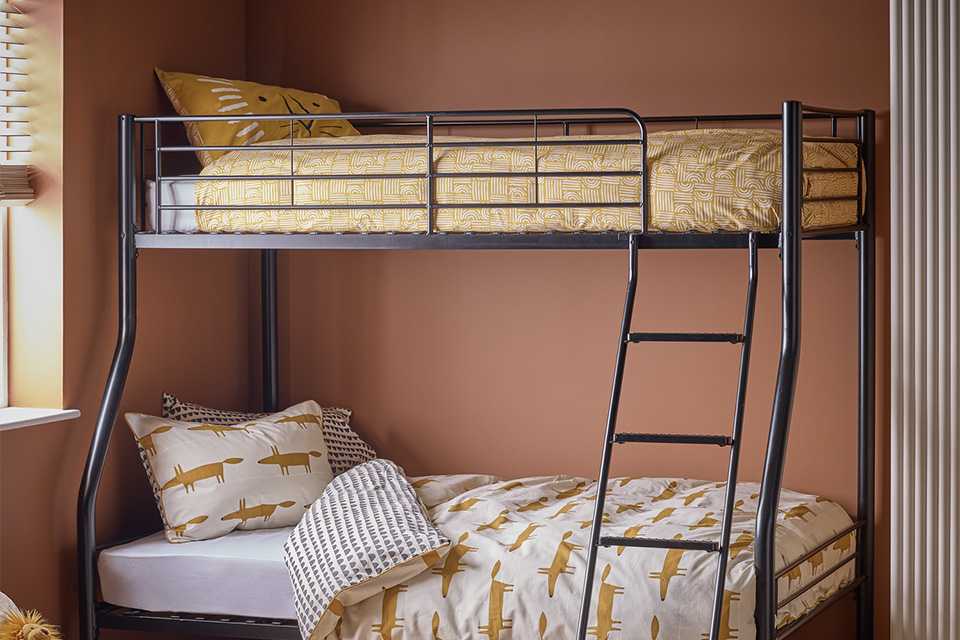
Frame size and materials
The size and material of a bunk bed can influence how it looks, feels and fits within a room. Wooden frames can create a warmer look, while metal designs often suit modern spaces. Both materials can work well in compact rooms, so focus on the bed's width, depth and height rather than the material alone. Features such as guard rails, ladders, stairs and bedposts can all add to the footprint so remember to check overall dimensions and user limits before choosing.
How to measure your room for a bunk bed
Getting the measurements right is an important first step when choosing a bunk bed. Taking a few minutes to plan the layout can help ensure there's enough space for sleeping, storage and everyday movement.
1. Check the floor space
Measure the width and length of the area where the bed will go, including skirting boards and any features that project into the room. Then compare these measurements with the bed's overall dimensions.
When measuring the floor space, don't forget to consider space for:
- The ladder or stairs
- Storage drawers to open
- A trundle bed to pull out
- Cupboard and bedroom doors
- Nearby drawers or wardrobes
- A clear route through the room
2. Check the ceiling height
Measure from the floor to the ceiling and compare this with the bed's overall height. Also make sure there's enough space between the top mattress and the ceiling for comfortable headroom. Product measurements may state the frame height rather than the finished mattress height. Check the assembly diagram and mattress specification to understand where the sleeping surface will sit.
3. Check windows, lights and fittings
Consider nearby windows, radiators, switches, sockets, light fittings, shelves, and curtain or blind cords when choosing a position for the bed. Follow any placement guidance provided with the product.
4. Plan how the rest of the room will work
Once you've marked out the bed's footprint, check how much space remains for storage, play, study and everyday movement. Open nearby doors and drawers to make sure everything can still be used comfortably.
5. Measure the route into the room
Check that flat-packed components can fit through doorways, hallways and staircases. Before assembly, make sure there's enough floor space to unpack and organise the parts.
Quick tip: Use masking tape to mark out the bed's footprint on the floor. It's an easy way to check whether doors, drawers and walkways will still work once the bunk bed is in place.
Choosing the right mattress for a bunk bed
The right mattress must match the bed frame’s stated size and depth requirements. Check the product information before buying, as upper and lower bunks may need different specifications.
Check the mattress size
Match the mattress length and width to the dimensions specified by the bed manufacturer. A shorty bunk bed may require a non-standard mattress, while a single-over-double design may use different mattress sizes on each level.
Check the maximum mattress depth
Mattress depth is particularly important on the upper bunk. For safety, always use a mattress within the maximum depth specified for the bunk bed, especially on the top bunk. A mattress that's too deep leaves less of the guard rail above the mattress, which may reduce its effectiveness.
Consider comfort and support
Once you've confirmed the correct dimensions, choose a mattress that provides the right level of comfort and support for the sleeper. Follow the mattress manufacturer's guidance on age suitability, care and use.
Smart storage ideas for rooms with bunk beds
A bunk bed can help free up floor space, while well-planned storage can make the rest of the room easier to use. Focus on practical storage solutions that don't block the ladder, doors or walkways.
Make use of the space underneath
Use under-bed drawers or storage boxes for clothes, toys or spare bedding. Choose options that can open fully without blocking the ladder or restricting movement around the room.
Think vertically
Wall-mounted shelves, low bookcases, peg rails and over-door organisers can make use of often-overlooked areas without taking up extra floor space. Position them so they don't interfere with either sleeping area.
Give each sleeper their own space
In a shared room, individual drawers, labelled boxes or dedicated shelves can help children keep track of their belongings. Keep storage away from the ladder and maintain a clear route through the room.
Choose multi-functional furniture
Consider furniture that does double duty, such as a desk with drawers, a storage bench or a bedside unit with built-in compartments. Check that doors and drawers can open fully without obstruction.
Bunk bed safety tips
A few simple checks can help you choose, assemble and use a bunk bed safely. Here are some practical safety tips to keep in mind.
1. Check who can use the upper bunk
Most bunk beds recommend the top bunk for children aged six and over. Before use, check the age guidance, weight limits and any other requirements for your chosen bunk bed.
2. Assemble and position the bed correctly
Follow the assembly instructions carefully and use all supplied fixings. If wall fixing is required, use the recommended fittings. Avoid modifying the frame or removing safety features, and check the bed regularly for any loose or damaged parts.
3. Consider the bunk bed's surroundings
Make sure the ladder or stairs are easy to access and keep the route to the bedroom door free from obstacles. When positioning the bed, consider nearby windows, cords, lights and furniture.
4. Set simple bunk bed rules to ensure safe use
Here are a few simple safety rules to follow that can help keep everyone safe:
- Always use the ladder or stairs provided
- Keep access to the bunk bed ladder clear
- Do not play or jump on the bed
- Do not hang bags, cords or other items from the bed frame
- Always follow the stated user and weight limits
- Keep the product instructions for future reference
Safety note: This article provides general safety guidance only. Product features and requirements differ, so always follow the instructions supplied with your bunk bed and mattress.
Frequently asked questions about bunk beds
What is an appropriate age for bunk beds?
This depends on the bunk bed design and the child's ability to use it safely. Children under six are generally not recommended to use the top bunk. Always check the manufacturer's age guidance, as recommendations can vary between products. It's not just age that matters. Consider whether the child can safely use the ladder or stairs and follow the bed's safety rules.
Why are bunk beds not recommended for children under six years?
The guidance mainly relates to the top bunk, which is elevated and accessed by a ladder or stairs. Younger children may be more at risk of falls, which is why the top bunk is generally recommended for children aged six and over. Always check the manufacturer's age guidance for the specific bunk bed you're considering. If a younger child will use the lower bunk, make sure it is suitable for their age.
Can an adult sleep in a bunk bed?
Some bunk beds can accommodate adults, particularly those designed with larger sleeping spaces. When choosing one, it's worth considering factors such as mattress size, headroom and how easy the upper bunk is to access. Always check the product details to make sure it's suitable for the intended sleeper.
Which is better, the top or bottom bunk?
The best choice depends on the sleeper. The lower bunk is easier to access, while the top bunk can feel more private and separate. Most bunk beds recommend the top bunk for children aged six and over, so it's worth checking the product guidance before deciding. Comfort, confidence using a ladder or stairs, and individual preferences can also help determine which bunk is the better fit.
Do bunk beds need to be fixed to a wall?
This varies by bunk bed design. Some models need to be fixed to a wall, while others are designed to stand independently. It's worth checking the installation requirements before buying, especially if you're planning to place the bed against a plasterboard wall. Always follow the assembly instructions provided with your chosen bunk bed.
Can a 20 year old sleep on a bunk bed?
Yes, some bunk beds are suitable for adults. If you're considering one, check that the bed is designed for adult use and offers enough space and headroom for a comfortable night's sleep.
Can you buy bunk beds with mattress included?
Yes, some bunk beds come with mattresses included, while others require mattresses to be purchased separately. Check what's included with the product, as this can vary between designs and retailers.
Are triple bunk beds worth it?
Yes, if you need sleeping space for three people in one room, a triple bunk bed can be well worth considering. It keeps all three sleeping spaces within a single frame, helping to free up more floor space for storage, furniture or everyday activities.